The Global Medical Imaging Market continues to play a foundational role in modern healthcare by enabling physicians to visualize internal anatomical structures, diagnose diseases at earlier stages, guide therapeutic procedures, and monitor treatment outcomes with greater precision. Medical imaging technologies have become indispensable across hospitals, diagnostic imaging centers, ambulatory surgical facilities, and specialized clinics, supporting clinical decision-making in cardiology, oncology, neurology, orthopedics, pulmonology, gastroenterology, women's health, and emergency medicine.
According to Quintile Insights' latest market assessment, the Global Medical Imaging Market was valued at USD 47.42 Billion in 2026 and is projected to reach USD 101.95 Billion by 2036, expanding at a CAGR of 7.72% during the forecast period. Sustained investments in healthcare infrastructure, increasing prevalence of chronic diseases, technological innovations in diagnostic imaging systems, and growing adoption of artificial intelligence (AI)-enabled imaging platforms are expected to support long-term market expansion.
Medical imaging has evolved significantly over the past decade. Conventional diagnostic systems are increasingly being replaced or upgraded with digitally connected platforms that offer higher image resolution, faster acquisition times, automated workflow management, and enhanced clinical accuracy. The integration of advanced software algorithms, cloud-based image storage, artificial intelligence-assisted diagnostics, and quantitative image analysis is reshaping the way healthcare professionals interpret medical images and manage patient care.
The rising global burden of chronic diseases remains one of the strongest contributors to imaging demand. According to the World Health Organization (WHO), cardiovascular diseases, cancer, neurological disorders, and respiratory illnesses continue to represent the leading causes of morbidity worldwide, driving sustained demand for advanced diagnostic imaging technologies.
A growing elderly population is also contributing significantly to imaging utilization worldwide. Older adults generally require more frequent diagnostic examinations due to age-related degenerative disorders, osteoporosis, cardiovascular complications, neurodegenerative diseases, and cancer. Consequently, healthcare providers continue expanding their imaging capabilities to accommodate increasing patient volumes while improving diagnostic efficiency.
Technological advancements remain central to industry transformation. Recent innovations include photon-counting computed tomography (CT), ultra-high-field magnetic resonance imaging (MRI), digital breast tomosynthesis, portable ultrasound systems, hybrid PET/CT and PET/MRI imaging, artificial intelligence-assisted image reconstruction, low-dose radiation technologies, and cloud-enabled Picture Archiving and Communication Systems (PACS). These developments improve diagnostic confidence while enhancing workflow productivity and patient safety.
Artificial intelligence is increasingly becoming a strategic component of modern medical imaging ecosystems. Regulatory guidance published by the U.S. Food and Drug Administration (FDA) continues to shape the safe adoption of AI-enabled medical imaging software. Rather than replacing radiologists, AI is functioning as a clinical decision-support tool that enhances diagnostic accuracy while helping healthcare organizations address increasing imaging workloads.
Another important factor supporting market growth is the expansion of healthcare infrastructure across developing economies. Governments and private healthcare providers are investing heavily in diagnostic facilities, digital hospitals, cancer screening programs, and rural healthcare modernization initiatives. Countries throughout Asia-Pacific, Latin America, the Middle East, and parts of Africa are witnessing increased procurement of advanced imaging equipment as healthcare accessibility continues to improve.
The market is also benefiting from growing awareness surrounding preventive healthcare and routine health screening. Rising participation in cancer screening programs, cardiovascular risk assessment, prenatal imaging, and preventive diagnostic examinations is creating sustained demand for advanced imaging modalities such as MRI, CT, mammography, ultrasound, and molecular imaging.
From an industry perspective, manufacturers are increasingly focusing on developing imaging systems that deliver higher clinical value while improving operational efficiency. Compact imaging devices, mobile diagnostic platforms, AI-integrated software, remote imaging capabilities, lower radiation exposure, and improved patient comfort have become major priorities across new product development strategies. Healthcare providers are similarly emphasizing interoperability, cybersecurity, digital workflow integration, and data-driven clinical decision support when investing in next-generation imaging solutions.
Despite favorable growth prospects, the industry continues to face several operational challenges. High capital investment requirements, maintenance costs, shortages of trained radiologists in several regions, reimbursement complexities, and regulatory compliance requirements can affect purchasing decisions, particularly among smaller healthcare facilities. Nevertheless, continuous innovation, supportive healthcare investments, expanding diagnostic applications, and increasing demand for precision medicine are expected to outweigh these challenges throughout the forecast period.
Overall, the Global Medical Imaging Market is entering a period of sustained technological advancement characterized by digital transformation, AI integration, improved accessibility, and broader clinical applications. As healthcare systems continue emphasizing earlier diagnosis, personalized treatment planning, and value-based patient care, medical imaging technologies will remain an essential component of global healthcare delivery, creating significant growth opportunities for equipment manufacturers, software developers, healthcare providers, and investors over the coming decade.
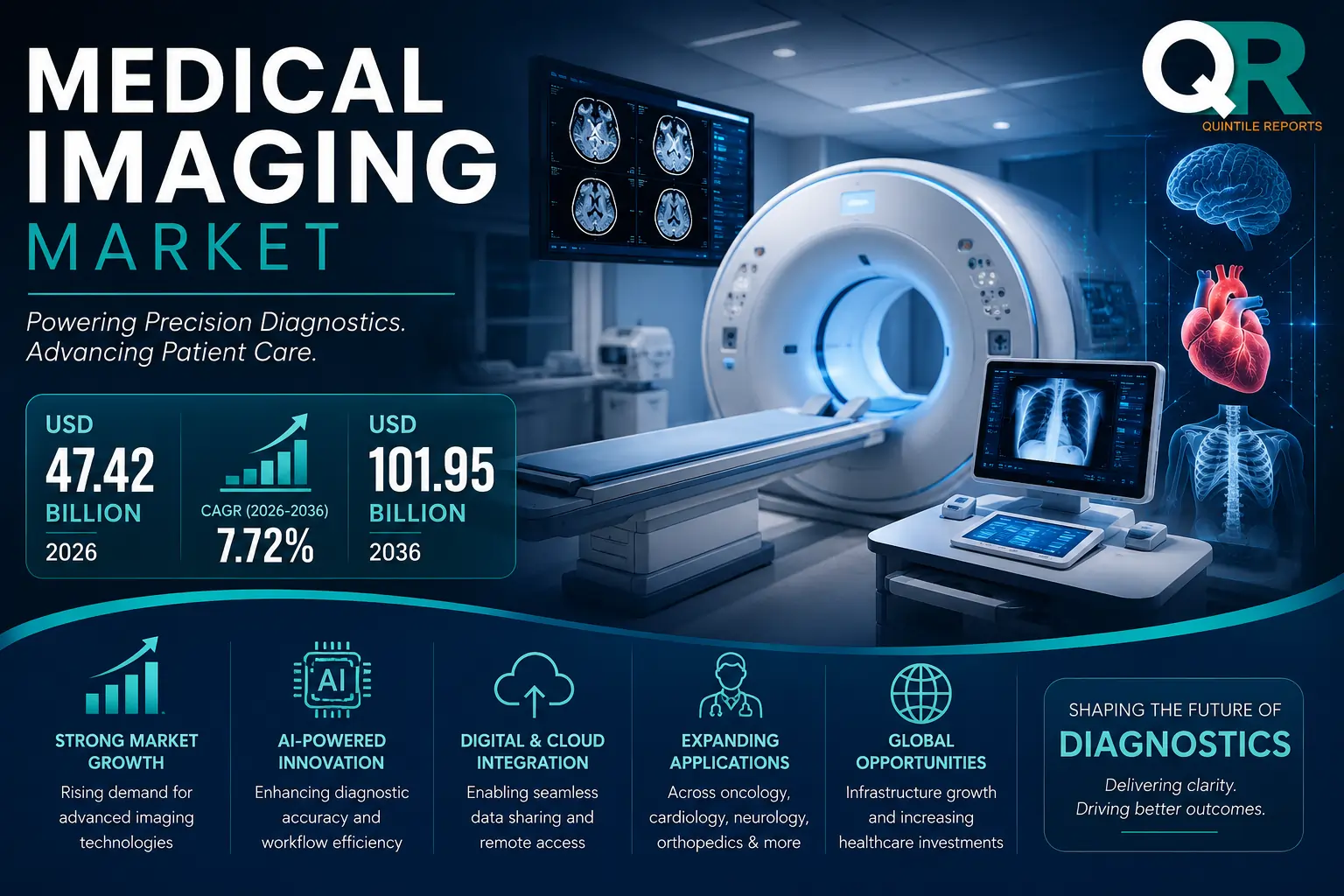
The global medical imaging industry is undergoing a structural transformation driven by technological innovation, demographic shifts, and the growing emphasis on precision healthcare. Diagnostic imaging has evolved far beyond its traditional role of disease detection and is now an integral component of personalized treatment planning, image-guided interventions, predictive analytics, and long-term patient management. As healthcare systems increasingly prioritize early diagnosis and evidence-based clinical decision-making, advanced imaging technologies are expected to become even more central to healthcare delivery over the next decade.
Based on our assessment, AI-assisted diagnostics will represent the fastest-growing investment area over the next decade as hospitals prioritize workflow automation and radiologist productivity. We expect software-driven imaging platforms to capture a growing share of industry value, shifting competition beyond hardware performance.
From an analyst's perspective, the market is transitioning from hardware-centric growth toward an integrated ecosystem that combines advanced imaging equipment with artificial intelligence (AI), cloud computing, digital health platforms, and workflow automation. Manufacturers are no longer competing solely on image quality or hardware performance; instead, differentiation increasingly depends on intelligent software capabilities, interoperability, cybersecurity, predictive maintenance, and the ability to seamlessly integrate imaging data into hospital information systems and electronic health records (EHRs).
The rising prevalence of chronic and lifestyle-related diseases continues to create sustained demand for diagnostic imaging across nearly every clinical specialty. Cardiovascular diseases, cancer, neurological disorders, respiratory illnesses, musculoskeletal conditions, and metabolic diseases require repeated imaging throughout the patient care pathway—from initial diagnosis and treatment planning to therapy monitoring and post-treatment follow-up. As global disease burdens continue to rise, imaging utilization is expected to increase proportionally.
Another long-term growth catalyst is the aging global population. Individuals aged 65 years and above generally undergo more diagnostic procedures due to age-associated degenerative conditions, orthopedic disorders, cognitive decline, and cardiovascular complications. Consequently, healthcare providers are expanding imaging capacity while investing in faster, more efficient diagnostic systems capable of managing increasing patient volumes without compromising diagnostic accuracy.
Artificial intelligence represents one of the most influential technological developments shaping the future of the medical imaging market. AI-powered solutions are helping radiologists automate repetitive tasks, detect subtle abnormalities, prioritize urgent examinations, improve image reconstruction, reduce scan times, and standardize reporting. Rather than replacing clinicians, AI is emerging as a collaborative clinical tool that enhances productivity while supporting more consistent and accurate diagnoses.
Cloud-enabled imaging infrastructure is also becoming increasingly important as healthcare organizations modernize their digital ecosystems. The adoption of cloud-based Picture Archiving and Communication Systems (PACS), Vendor Neutral Archives (VNA), and enterprise imaging platforms enables healthcare providers to securely store, access, and share imaging data across multiple facilities. This improves collaboration between multidisciplinary care teams while supporting tele-radiology services and remote consultations, particularly in underserved regions.
Emerging markets are expected to represent some of the fastest-growing opportunities during the forecast period. Countries across Asia-Pacific, Latin America, the Middle East, and parts of Africa are significantly increasing investments in healthcare infrastructure, public health programs, cancer screening initiatives, and digital hospital development. Improving healthcare accessibility, expanding insurance coverage, and government-led modernization programs are accelerating the procurement of advanced imaging systems in these regions.
Product innovation remains a defining competitive strategy among leading manufacturers. Industry participants are focusing on developing imaging systems that deliver higher diagnostic accuracy while improving patient comfort, reducing radiation exposure, minimizing examination times, and lowering total operating costs. Innovations such as photon-counting CT, portable MRI systems, handheld ultrasound devices, digital breast tomosynthesis, AI-assisted image reconstruction, and hybrid molecular imaging technologies are expected to redefine future standards of clinical imaging.
Despite these favorable market fundamentals, several challenges continue to influence purchasing decisions across healthcare providers. High acquisition costs, equipment maintenance expenses, shortages of trained imaging professionals, reimbursement variability, regulatory compliance requirements, and cybersecurity concerns remain significant considerations for healthcare organizations. These factors are particularly relevant in developing economies where budget constraints may delay technology adoption.
Overall, industry fundamentals remain highly favorable. Continued technological advancement, increasing clinical dependence on imaging, expanding preventive healthcare initiatives, and greater integration of digital health technologies are expected to sustain long-term market growth. Organizations that successfully combine imaging hardware with intelligent software, artificial intelligence, connected healthcare platforms, and value-based service models are likely to strengthen their competitive position throughout the forecast period.
The global medical imaging market continues to evolve as healthcare systems increasingly rely on advanced diagnostic technologies to improve clinical outcomes, enhance operational efficiency, and support personalized medicine. Market expansion is influenced by a combination of technological innovation, demographic changes, healthcare investments, disease prevalence, and regulatory developments. While several factors continue to accelerate market growth, the industry also faces challenges related to infrastructure costs, workforce shortages, and reimbursement policies.
One of the primary factors driving the global medical imaging market is the growing incidence of chronic diseases worldwide. Conditions such as cardiovascular diseases, cancer, neurological disorders, chronic respiratory diseases, diabetes-related complications, and musculoskeletal disorders require accurate diagnostic imaging throughout the patient care continuum. Early diagnosis significantly improves treatment outcomes, making imaging technologies indispensable in modern healthcare.
Healthcare providers are increasingly emphasizing preventive medicine and early detection programs to reduce long-term treatment costs and improve survival rates. Imaging modalities such as MRI, CT, ultrasound, mammography, PET, and digital X-ray enable clinicians to identify diseases before symptoms become severe, facilitating timely intervention and more effective treatment planning.
Cancer screening programs continue to expand globally, increasing the utilization of mammography, computed tomography, magnetic resonance imaging, and molecular imaging systems. Likewise, cardiovascular imaging has become an essential component in diagnosing coronary artery disease, structural heart abnormalities, vascular disorders, and stroke-related complications.
As disease prevalence continues to increase alongside aging populations, the demand for advanced diagnostic imaging systems is expected to remain one of the strongest long-term growth drivers for the industry.
Despite strong clinical demand, the substantial financial investment required for purchasing, installing, and maintaining advanced imaging equipment remains a major challenge for many healthcare providers. High-end MRI scanners, CT systems, PET-CT platforms, and hybrid imaging solutions require considerable upfront capital expenditure, infrastructure modifications, specialized shielding, and ongoing maintenance.
Beyond equipment acquisition, healthcare organizations must also invest in software upgrades, cybersecurity, cloud integration, quality assurance programs, staff training, and regulatory compliance. These additional operational costs can significantly impact purchasing decisions, particularly among smaller hospitals, rural healthcare facilities, and diagnostic centers operating under limited budgets.
In many emerging economies, constrained healthcare funding and limited reimbursement frameworks further slow technology adoption, creating disparities in access to advanced diagnostic imaging services.
The convergence of artificial intelligence, cloud computing, and digital healthcare is creating substantial opportunities across the global medical imaging market. Healthcare organizations increasingly seek imaging solutions that improve diagnostic efficiency while reducing clinical workloads and operational costs.
Artificial intelligence algorithms now support automated image analysis, lesion detection, workflow prioritization, image reconstruction, and quantitative imaging, enabling radiologists to manage increasing examination volumes with greater consistency and accuracy.
Similarly, cloud-based imaging platforms enable secure storage, remote access, collaborative diagnostics, tele-radiology, and enterprise-wide image management. These capabilities are becoming increasingly valuable as healthcare networks expand across multiple locations and remote consultations become more common.
Manufacturers that successfully integrate AI-enabled diagnostics, cloud connectivity, predictive maintenance, and digital workflow automation into their imaging platforms are expected to benefit from strong long-term demand.
Although imaging technologies continue to advance rapidly, healthcare systems worldwide continue to face shortages of experienced radiologists, imaging technologists, and biomedical engineers. Increasing imaging volumes often exceed available workforce capacity, contributing to reporting delays and operational inefficiencies.
At the same time, imaging manufacturers must comply with stringent regulatory standards governing medical device safety, clinical validation, software updates, cybersecurity, and patient data protection. Obtaining regulatory approvals often requires significant investment and extended commercialization timelines.
The increasing digitization of healthcare also introduces new cybersecurity challenges. Connected imaging devices, cloud storage platforms, and integrated hospital information systems must protect sensitive patient information against cyber threats while ensuring uninterrupted clinical operations.
Organizations capable of addressing workforce efficiency through automation while maintaining regulatory compliance and robust cybersecurity frameworks are expected to strengthen their market position over the coming years.
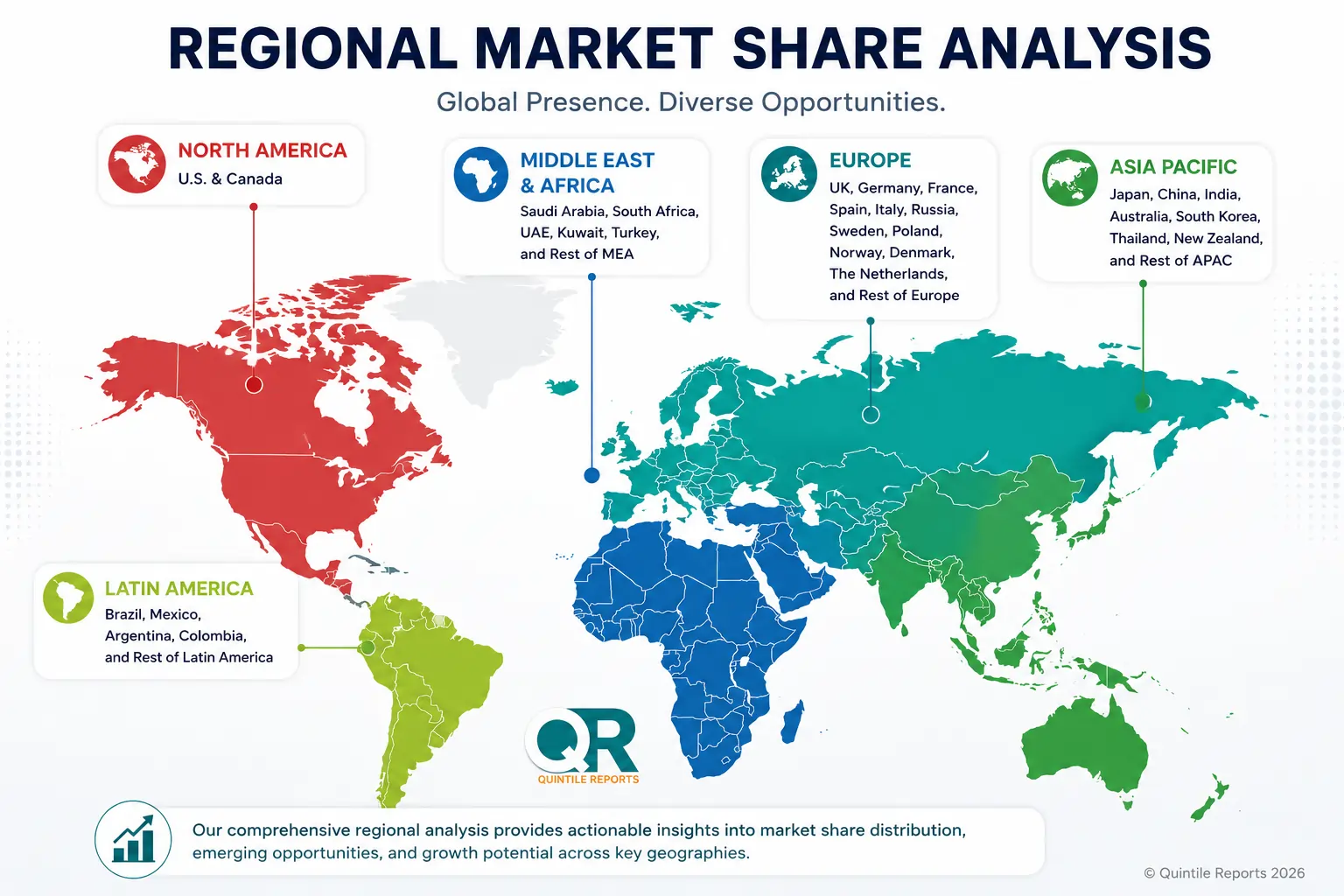
The global Medical Imaging Market demonstrates varying levels of maturity across different regions, influenced by healthcare expenditure, disease prevalence, technological adoption, regulatory frameworks, reimbursement policies, and healthcare infrastructure development. While North America and Europe continue to lead in terms of technological innovation and installed imaging capacity, Asia-Pacific is emerging as the fastest-growing regional market due to rapid healthcare modernization, increasing diagnostic awareness, and expanding public and private healthcare investments. Meanwhile, Latin America and the Middle East & Africa are gradually strengthening their diagnostic capabilities through infrastructure development and government-led healthcare initiatives.
North America continues to hold a dominant position in the global Medical Imaging Market, supported by its highly developed healthcare ecosystem, widespread adoption of advanced diagnostic technologies, and substantial investments in medical innovation. The region benefits from a well-established network of hospitals, imaging centers, academic medical institutions, and specialty clinics that routinely utilize advanced imaging modalities for disease diagnosis, treatment planning, and patient monitoring.
The United States represents the largest contributor to regional revenue owing to the high prevalence of chronic diseases, increasing healthcare spending, favorable reimbursement frameworks, and rapid adoption of artificial intelligence-enabled imaging solutions. Continuous investments in next-generation CT, MRI, PET/CT, ultrasound, and digital radiography systems, coupled with strong regulatory support for technological innovation, continue to strengthen market growth. Canada also contributes significantly through public healthcare investments and expanding diagnostic imaging capacity to address the healthcare needs of its aging population.
Growing demand for minimally invasive procedures, preventive health screening, precision medicine, and value-based healthcare is expected to further accelerate the adoption of intelligent imaging technologies throughout the forecast period.
Europe represents a mature and technologically advanced medical imaging market, characterized by universal healthcare systems, strong regulatory oversight, and continuous investments in diagnostic infrastructure. Countries including Germany, the United Kingdom, France, Italy, and Spain maintain extensive imaging networks that support early disease detection, oncology diagnostics, cardiovascular imaging, neurological assessment, and orthopedic care.
The region is witnessing increasing replacement of legacy imaging equipment with digitally connected and AI-enabled diagnostic platforms capable of improving workflow efficiency and diagnostic accuracy. Healthcare providers are also emphasizing lower radiation exposure, energy-efficient imaging systems, and integrated enterprise imaging solutions that support multidisciplinary patient care.
Growing demand for cancer screening programs, increasing incidence of age-related disorders, and expanding utilization of hybrid imaging technologies such as PET/CT and PET/MRI continue to create favorable market opportunities across Europe. Furthermore, the adoption of cloud-based image management systems and tele-radiology services is improving collaboration among healthcare professionals across regional healthcare networks.
Asia-Pacific is projected to register the fastest growth in the global Medical Imaging Market during the forecast period, driven by rapid urbanization, expanding healthcare infrastructure, rising healthcare expenditure, and increasing awareness regarding early disease diagnosis. Countries such as China, India, Japan, South Korea, and Australia are making substantial investments in modern diagnostic facilities to improve healthcare accessibility and patient outcomes.
China remains one of the largest growth markets due to continuous expansion of hospitals, favorable government healthcare reforms, domestic manufacturing capabilities, and increasing procurement of advanced imaging equipment. India is experiencing robust growth as both public and private healthcare providers expand diagnostic services, establish multispecialty hospitals, and increase investments in digital healthcare technologies.
Japan continues to maintain one of the world's highest densities of diagnostic imaging systems, supported by advanced healthcare infrastructure and an aging population requiring frequent diagnostic examinations. Meanwhile, Southeast Asian countries are gradually strengthening their healthcare capabilities through government-supported healthcare modernization programs and increased foreign investments.
The growing burden of chronic diseases, expanding health insurance coverage, increasing medical tourism, and wider adoption of portable imaging systems are expected to sustain long-term regional growth.
The Latin American Medical Imaging Market is steadily expanding as healthcare systems continue to improve diagnostic capabilities and increase investments in modern medical equipment. Brazil, Mexico, Argentina, and Chile represent the region's primary markets due to ongoing healthcare reforms, growing private hospital networks, and increasing diagnostic awareness among patients.
Demand for imaging technologies is rising across oncology, cardiology, obstetrics, emergency medicine, and orthopedic applications. Public health initiatives promoting early disease detection and preventive healthcare are also encouraging the adoption of digital X-ray systems, ultrasound equipment, computed tomography scanners, and magnetic resonance imaging systems.
Despite continued progress, disparities in healthcare infrastructure between urban and rural regions, budget limitations, and reimbursement challenges may influence the pace of technology adoption. Nevertheless, ongoing investments in healthcare digitization and private-sector participation are expected to support steady market expansion.
The Middle East & Africa Medical Imaging Market is witnessing gradual but consistent growth, supported by healthcare infrastructure development, increasing government investments, and rising demand for advanced diagnostic services. Gulf Cooperation Council (GCC) countries, including Saudi Arabia, the United Arab Emirates, and Qatar, are investing significantly in smart hospitals, digital healthcare transformation, and advanced diagnostic technologies as part of broader healthcare modernization strategies.
Growing incidence of chronic diseases, rising healthcare awareness, and increasing demand for specialized medical services continue to strengthen imaging utilization across the region. Several governments are also encouraging public-private partnerships to expand diagnostic capacity and improve healthcare accessibility.
In Africa, market growth remains comparatively moderate due to infrastructure limitations, limited access to advanced imaging equipment, and shortages of skilled healthcare professionals. However, international healthcare initiatives, investments in primary healthcare infrastructure, mobile diagnostic solutions, and portable imaging technologies are gradually improving diagnostic accessibility across underserved regions.
Overall, continued healthcare reforms, infrastructure investments, and technological advancements are expected to create long-term growth opportunities throughout the Middle East & Africa.
From a long-term perspective, North America is expected to maintain its leadership position through continuous technological innovation, advanced healthcare infrastructure, and early adoption of AI-powered diagnostic imaging solutions. Europe will continue to emphasize modernization, digital transformation, and preventive healthcare, supporting steady market expansion. Asia-Pacific is anticipated to remain the fastest-growing regional market, fueled by expanding healthcare investments, increasing patient volumes, and rapid adoption of advanced imaging technologies. Meanwhile, Latin America and the Middle East & Africa are projected to witness gradual but sustained growth as governments strengthen healthcare infrastructure and improve access to modern diagnostic services.
This regional growth pattern reflects the global transition toward earlier disease diagnosis, precision medicine, digital healthcare ecosystems, and intelligent imaging technologies, positioning the Medical Imaging Market for sustained expansion through 2036.
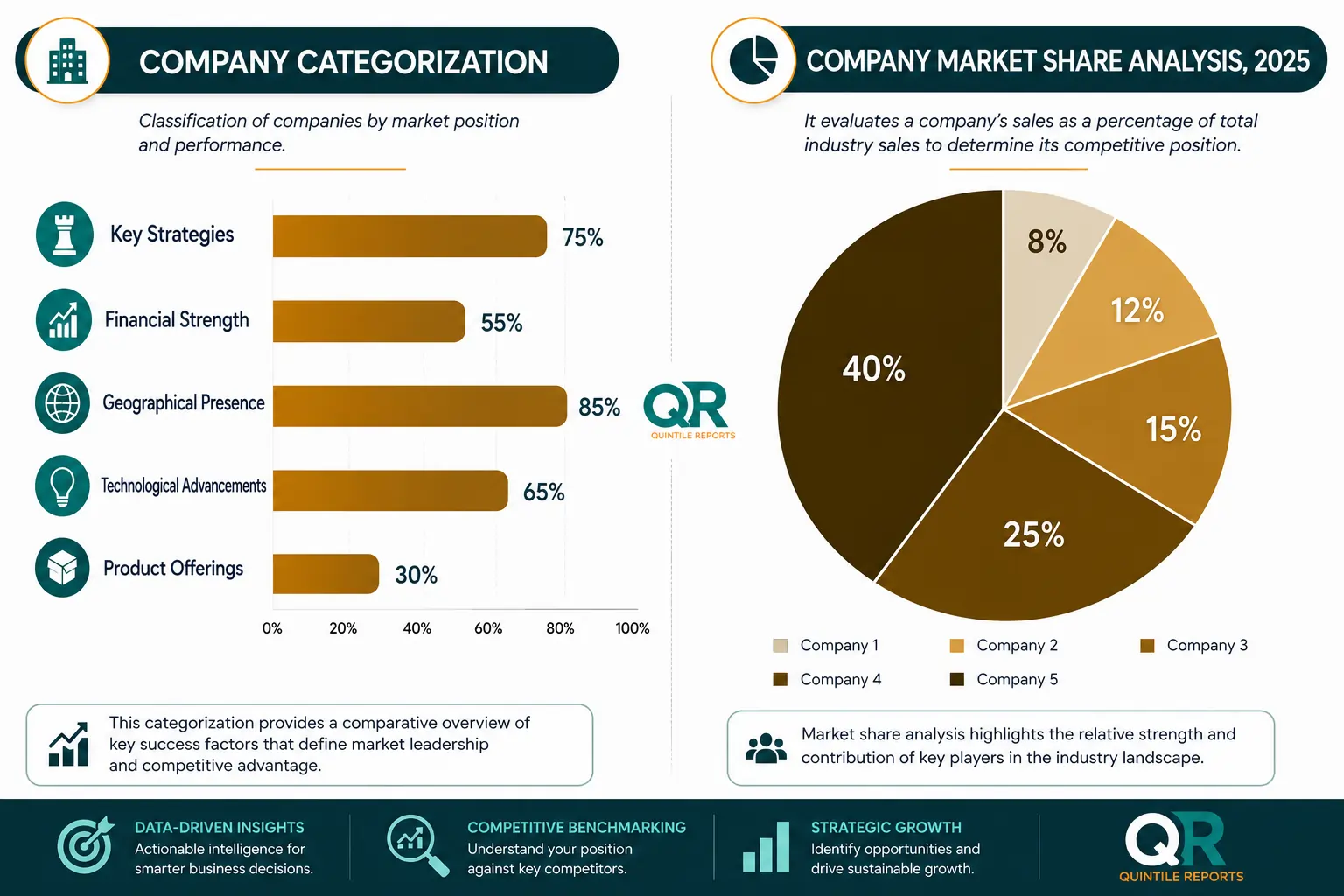
The global Medical Imaging Market is highly competitive, with leading medical technology companies focusing on product innovation, artificial intelligence (AI), digital imaging, cloud connectivity, and strategic collaborations to strengthen their market presence. Competition is driven by continuous advancements in diagnostic accuracy, workflow automation, interoperability, and enterprise imaging solutions that improve clinical efficiency and patient outcomes.
Major manufacturers are investing significantly in next-generation imaging systems integrated with AI-powered image reconstruction, cloud-based image management, predictive maintenance, and advanced clinical workflow software. The growing adoption of Picture Archiving and Communication Systems (PACS), Vendor Neutral Archives (VNA), enterprise imaging platforms, and cybersecurity solutions is further transforming diagnostic imaging infrastructure worldwide.
Companies are also expanding their global footprint through research and development, localized manufacturing, strategic partnerships, and regional distribution networks, particularly across Asia-Pacific, Latin America, and the Middle East. In addition, innovations in photon-counting CT, ultra-high-field MRI, portable ultrasound, digital breast tomosynthesis, hybrid PET/CT and PET/MRI, and low-dose imaging technologies continue to enhance diagnostic precision and broaden clinical applications.
As healthcare providers increasingly adopt digital healthcare ecosystems, leading market participants are complementing equipment sales with managed imaging services, software subscriptions, remote monitoring, preventive maintenance, and clinical training programs. These value-added services improve customer retention while supporting long-term digital transformation across healthcare organizations.
Mergers and acquisitions remain a key growth strategy in the Medical Imaging Market, enabling companies to strengthen technology portfolios, accelerate innovation, expand geographic presence, and enhance digital healthcare capabilities. Industry leaders are actively acquiring AI developers, imaging software companies, molecular imaging specialists, and healthcare IT providers to improve diagnostic workflows and broaden their solution offerings.
Recent acquisition activity has largely focused on artificial intelligence, cloud-based imaging, enterprise imaging platforms, cybersecurity, and advanced image analytics. Strategic collaborations with healthcare providers, research institutions, and digital health companies are also supporting the development of intelligent imaging solutions, precision diagnostics, and connected healthcare ecosystems.
As demand for personalized medicine and digital healthcare continues to grow, merger and acquisition activity is expected to remain strong, helping companies expand their software capabilities, strengthen enterprise imaging platforms, and deliver integrated diagnostic solutions across global healthcare markets.
| Year | Companies Involved | Strategic Significance |
| 2025 | Siemens Healthineers - AI & Digital Imaging Collaborations | Enhanced AI-enabled imaging workflows and enterprise imaging capabilities. |
| 2024 | GE HealthCare - Imaging Software Expansion | Strengthened cloud imaging, workflow automation, and AI-powered diagnostics. |
| 2024 | Philips - Digital Health Partnerships | Expanded enterprise imaging, connected care, and radiology informatics solutions. |
| 2023 | Fujifilm - Imaging Informatics Expansion | Improved healthcare IT integration and diagnostic imaging software capabilities. |
| 2023 | Canon Medical Systems - Imaging Technology Investments | Accelerated development of advanced CT, MRI, and precision imaging technologies. |
| Report Scope | Details |
| Report Version | 2026 |
| Growth Rate | CAGR of 7.72 % from 2026 to 2036 |
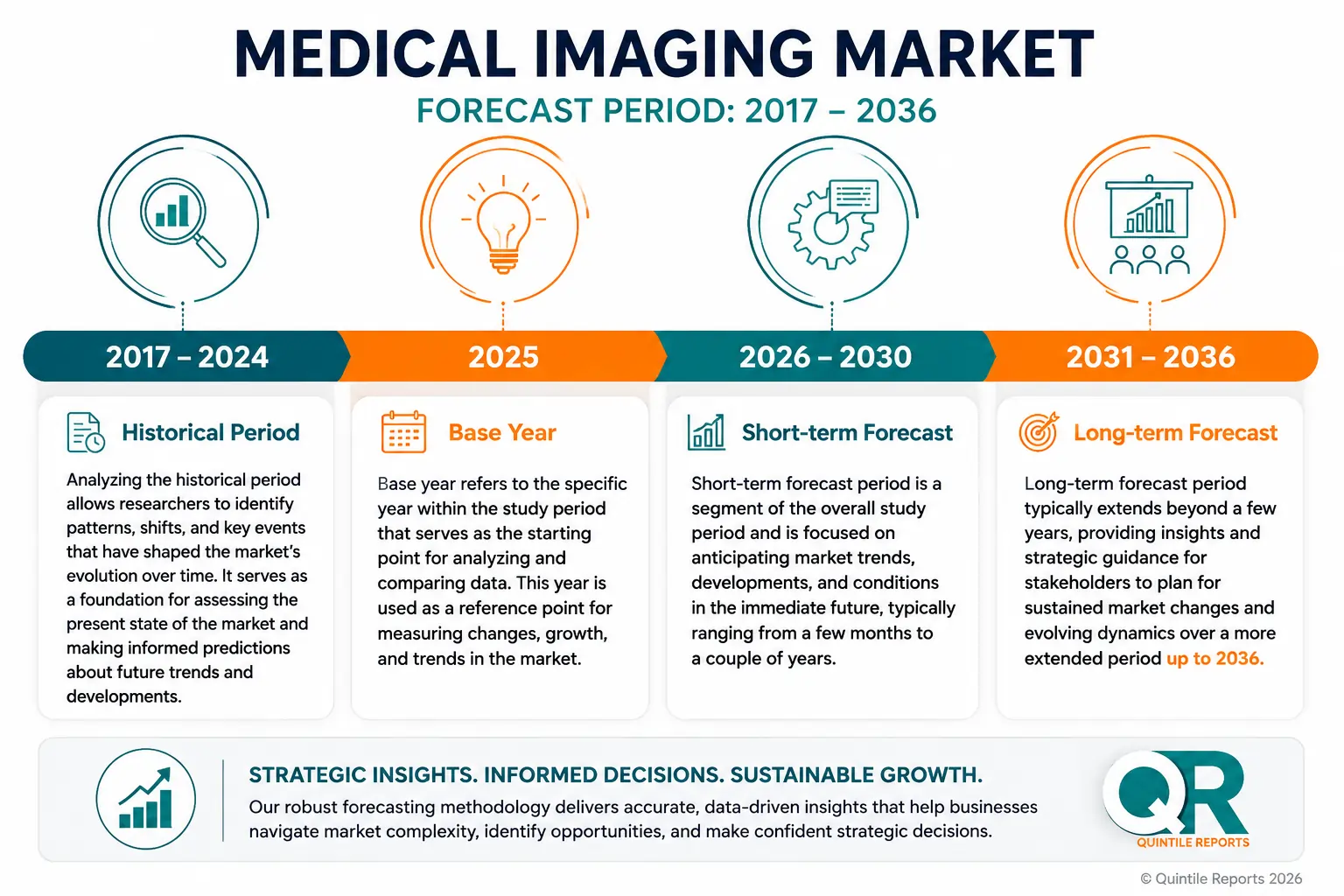
| Base Year | 2025 |
| Actual Estimates / Historical Data | 2017 - 2024 |
| Forecast Period | 2026 - 2036 |
| Quantitative Units | Revenue in USD million/billion & CAGR from 2026 to 2036 |
| Country Scope | North America (U.S., Canada), Europe (UK, Germany, France, Italy, Spain, Russia, Sweden, Denmark, Norway, Rest of Europe), Asia Pacific (Japan, China, India, Australia, South Korea, Thailand, Rest of Asia Pacific), Latin America (Brazil, Mexico, Argentina, Colombia, Rest of Latin America), Middle East & Africa (South Africa, Saudi Arabia, UAE, Kuwait, Rest of Middle East & Africa). |
| The Segment Covered by Modality |
|
| The Segment Covered by Technology |
|
| Companies Covered |
|
| Report Coverage | Revenue forecast, company share, competitive landscape, growth factors, technology trends, and regional analysis |
| Free Customization Scope (Equivalent to 5 Analyst Working Days) | If you require additional insights beyond the current scope, our analysts can customize the report to meet your specific business needs. |
At Quintile Insights, we deliver reliable, data-driven market intelligence through a combination of primary research, secondary research, expert validation, and advanced forecasting models. Our Medical Imaging Market reports provide accurate market estimates, technology trends, competitive intelligence, and strategic insights to support informed business decisions.
Our commitment to research excellence, data accuracy, and actionable business intelligence enables healthcare organizations, manufacturers, investors, and stakeholders to confidently navigate the evolving Medical Imaging Market.
At Quintile Insights, our Medical Imaging Market research is based on a structured methodology that combines primary research, secondary research, expert validation, and advanced forecasting models. This approach ensures accurate market intelligence, reliable forecasts, and actionable insights for strategic decision-making.
Our analysts conduct interviews with key industry participants to validate market trends, technology adoption, competitive developments, pricing trends, and future growth opportunities.
We complement primary findings through extensive analysis of credible industry sources, including:
Market size and forecasts are developed using a combination of bottom-up and top-down methodologies. These estimates are validated using healthcare expenditure, disease prevalence, technology adoption, diagnostic procedure volumes, demographic trends, and macroeconomic indicators to ensure reliable long-term projections.
Every market estimate undergoes a rigorous data triangulation process by comparing information obtained from primary interviews, secondary research, company disclosures, industry databases, government statistics, and proprietary analytical models to maximize accuracy and consistency.
Our competitive assessment evaluates leading market participants based on product portfolios, technological innovation, business strategies, geographic presence, R&D investments, product launches, strategic collaborations, mergers & acquisitions, and regulatory approvals.
The report provides detailed analysis across key market segments, including:
The study evaluates market performance across North America, Europe, Asia-Pacific, Latin America, and the Middle East & Africa by analyzing healthcare infrastructure, disease burden, regulatory frameworks, reimbursement policies, technology adoption, and investment trends.
Every report undergoes multiple quality checks, including statistical validation, editorial review, technical verification, and expert assessment to ensure reliable, unbiased, and up-to-date market intelligence.
The Global Medical Imaging Market Report provides comprehensive market intelligence to help manufacturers, healthcare providers, investors, distributors, and other stakeholders make informed strategic decisions in a rapidly evolving healthcare landscape.
This report equips decision-makers with reliable market intelligence, competitive insights, and actionable recommendations to capitalize on emerging opportunities and strengthen their position in the global Medical Imaging Market.
Quintile Insights
The Healthcare & Life Sciences Research Team at Quintile Insights comprises experienced market research analysts, healthcare consultants, and industry specialists with expertise in medical devices, diagnostic technologies, biotechnology, pharmaceuticals, digital health, and healthcare IT. Leveraging deep industry knowledge and advanced analytical methodologies, the team delivers reliable market intelligence that supports strategic business decision-making across the global healthcare sector.
Our research combines extensive primary interviews, secondary research, statistical modeling, and expert validation to provide accurate insights into emerging technologies, competitive dynamics, regulatory developments, reimbursement trends, and evolving healthcare markets. Every study follows a rigorous research methodology to ensure the highest standards of accuracy, transparency, and reliability.
The Healthcare & Life Sciences team continuously tracks innovations in diagnostic imaging, artificial intelligence, precision medicine, molecular diagnostics, digital therapeutics, connected healthcare, and next-generation medical technologies. To date, the team has published 350+ market intelligence reports covering healthcare technologies, diagnostics, biotechnology, pharmaceuticals, and digital health, helping organizations identify growth opportunities and make informed strategic decisions.
Through industry expertise, rigorous research methodologies, and data-driven analysis, the Healthcare & Life Sciences Research Team at Quintile Insights delivers actionable intelligence that enables organizations to navigate market complexities, identify emerging opportunities, and make confident, evidence-based strategic decisions.
| Review Information | Details |
| Reviewed By | Shivani Singh |
| Research Team | Healthcare & Life Sciences |
| Last Updated | July 2026 |
| Review Cycle | Quarterly |
| Data Validation | Validated through a three-phase quality assurance process using primary interviews and secondary research. |
Table 1 List of Abbreviation and Acronyms
Table 2 List of Sources
Table 3 North America Medical Imaging Market, by Segment Analysis, (USD Million) 2017-2036
Table 4 North America Medical Imaging Market, by Region, (USD Million) 2017-2036
Table 5 U.S. Medical Imaging Market, by Segment Analysis, (USD Million) 2017-2036
Table 6 Canada Medical Imaging Market, by Segment Analysis, (USD Million) 2017-2036
Table 7 Europe Medical Imaging Market, by Segment Analysis, (USD Million) 2017-2036
Table 8 Europe Medical Imaging Market, by Region, (USD Million) 2017-2036
Table 9 Germany Medical Imaging Market, by Segment Analysis, (USD Million) 2017-2036
Table 10 U.K. Medical Imaging Market, by Segment Analysis, (USD Million) 2017-2036
Table 11 France Medical Imaging Market, by Segment Analysis, (USD Million) 2017-2036
Table 12 Italy Medical Imaging Market, by Segment Analysis, (USD Million) 2017-2036
Table 13 Spain Medical Imaging Market, by Segment Analysis, (USD Million) 2017-2036
Table 14 Sweden Medical Imaging Market, by Segment Analysis, (USD Million) 2017-2036
Table 15 Denmark Medical Imaging Market, by Segment Analysis, (USD Million) 2017-2036
Table 16 Norway Medical Imaging Market, by Segment Analysis, (USD Million) 2017-2036
Table 17 The Netherlands Medical Imaging Market, by Segment Analysis, (USD Million) 2017-2036
Table 18 Russia Medical Imaging Market, by Segment Analysis, (USD Million) 2017-2036
Table 19 Asia Pacific Global Market, by Segment Analysis, (USD Million) 2017-2036
Table 20 Asia Pacific Medical Imaging Market, by Region, (USD Million) 2017-2036
Table 21 China Medical Imaging Market, by Segment Analysis, (USD Million) 2017-2036
Table 22 Japan Medical Imaging Market, by Segment Analysis, (USD Million) 2017-2036
Table 23 India Medical Imaging Market, by Segment Analysis, (USD Million) 2017-2036
Table 24 Australia Medical Imaging Market, by Segment Analysis, (USD Million) 2017-2036
Table 25 South Korea Medical Imaging Market, by Segment Analysis, (USD Million) 2017-2036
Table 26 Thailand Medical Imaging Market, by Segment Analysis, (USD Million) 2017-2036
Table 27 Latin America Medical Imaging Market, by Segment Analysis, (USD Million) 2017-2036
Table 28 Latin America Medical Imaging Market, by Region, (USD Million) 2017-2036
Table 29 Brazil Medical Imaging Market, by Segment Analysis, (USD Million) 2017-2036
Table 30 Mexico Medical Imaging Market, by Segment Analysis, (USD Million) 2017-2036
Table 31 Argentina Medical Imaging Market, by Segment Analysis, (USD Million) 2017-2036
Table 32 Middle East and Africa Medical Imaging Market, by Segment Analysis, (USD Million) 2017-2036
Table 33 Middle East and Africa Medical Imaging Market, by Region, (USD Million) 2017-2036
Table 34 South Africa Medical Imaging Market, by Segment Analysis, (USD Million) 2017-2036
Table 35 Saudi Arabia Medical Imaging Market, by Segment Analysis, (USD Million) 2017-2036
Table 36 UAE Medical Imaging Market, by Segment Analysis, (USD Million) 2017-2036
Table 37 Kuwait Medical Imaging Market, by Segment Analysis, (USD Million) 2017-2036
Table 38 Turkey Medical Imaging Market, by Segment Analysis, (USD Million) 2017-2036
Fig.1 Market Research Process
Fig.2 Market Research Approaches
Fig.3 Global Medical Imaging Market: Market Scenario
Fig.4 Global Medical Imaging Market Competitive Outlook
Fig.5 Global Medical Imaging Market Driver Analysis
Fig.6 Global Medical Imaging Market Restraint Analysis
Fig.7 Global Medical Imaging Market Opportunity Analysis
Fig.8 Global Medical Imaging Market Trends Analysis
Fig.9 Global Medical Imaging Market: Segment Analysis (Based on the Scope)
Fig.10 Global Medical Imaging Market: Regional Analysis
Fig.11 Global Market Shares and Leading Market Players
Fig.12 North America Market Share and Leading Players
Fig.13 Europe Market Share and Leading Players
Fig.14 Asia Pacific Market Share and Leading Players
Fig.15 Latin America Market Share and Leading Players
Fig.16 Middle East & Africa Market Share and Leading Players
Fig.17 North America, by Country
Fig.18 North America
Fig.19 North America Market Estimates and Forecast, 2017-2036
Fig.20 U.S.
Fig.21 Canada
Fig.22 Europe
Fig.23 Europe Market Estimates and Forecast, 2017-2036
Fig.24 U.K.
Fig.25 Germany
Fig.26 France
Fig.27 Italy
Fig.28 Spain
Fig.29 Sweden
Fig.30 Denmark
Fig.31 Norway
Fig.32 The Netherlands
Fig.33 Russia
Fig.34 Asia Pacific
Fig.35 Asia Pacific Market Estimates and Forecast, 2017-2036
Fig.36 China
Fig.37 Japan
Fig.38 India
Fig.39 Australia
Fig.40 South Korea
Fig.41 Thailand
Fig.42 Latin America
Fig.43 Latin America Market Estimates and Forecast, 2017-2036
Fig.44 Brazil
Fig.45 Mexico
Fig.46 Argentina
Fig.47 Colombia
Fig.48 Middle East and Africa
Fig.49 Middle East and Africa Market Estimates and Forecast, 2017-2036
Fig.50 Saudi Arabia
Fig.51 South Africa
Fig.52 UAE
Fig.53 Kuwait
Fig.54 Turkey
Table 1 List of Abbreviation and Acronyms
Table 2 List of Sources
Table 3 North America Medical Imaging Market, by Segment Analysis, (USD Million) 2017-2036
Table 4 North America Medical Imaging Market, by Region, (USD Million) 2017-2036
Table 5 U.S. Medical Imaging Market, by Segment Analysis, (USD Million) 2017-2036
Table 6 Canada Medical Imaging Market, by Segment Analysis, (USD Million) 2017-2036
Table 7 Europe Medical Imaging Market, by Segment Analysis, (USD Million) 2017-2036
Table 8 Europe Medical Imaging Market, by Region, (USD Million) 2017-2036
Table 9 Germany Medical Imaging Market, by Segment Analysis, (USD Million) 2017-2036
Table 10 U.K. Medical Imaging Market, by Segment Analysis, (USD Million) 2017-2036
Table 11 France Medical Imaging Market, by Segment Analysis, (USD Million) 2017-2036
Table 12 Italy Medical Imaging Market, by Segment Analysis, (USD Million) 2017-2036
Table 13 Spain Medical Imaging Market, by Segment Analysis, (USD Million) 2017-2036
Table 14 Sweden Medical Imaging Market, by Segment Analysis, (USD Million) 2017-2036
Table 15 Denmark Medical Imaging Market, by Segment Analysis, (USD Million) 2017-2036
Table 16 Norway Medical Imaging Market, by Segment Analysis, (USD Million) 2017-2036
Table 17 The Netherlands Medical Imaging Market, by Segment Analysis, (USD Million) 2017-2036
Table 18 Russia Medical Imaging Market, by Segment Analysis, (USD Million) 2017-2036
Table 19 Asia Pacific Global Market, by Segment Analysis, (USD Million) 2017-2036
Table 20 Asia Pacific Medical Imaging Market, by Region, (USD Million) 2017-2036
Table 21 China Medical Imaging Market, by Segment Analysis, (USD Million) 2017-2036
Table 22 Japan Medical Imaging Market, by Segment Analysis, (USD Million) 2017-2036
Table 23 India Medical Imaging Market, by Segment Analysis, (USD Million) 2017-2036
Table 24 Australia Medical Imaging Market, by Segment Analysis, (USD Million) 2017-2036
Table 25 South Korea Medical Imaging Market, by Segment Analysis, (USD Million) 2017-2036
Table 26 Thailand Medical Imaging Market, by Segment Analysis, (USD Million) 2017-2036
Table 27 Latin America Medical Imaging Market, by Segment Analysis, (USD Million) 2017-2036
Table 28 Latin America Medical Imaging Market, by Region, (USD Million) 2017-2036
Table 29 Brazil Medical Imaging Market, by Segment Analysis, (USD Million) 2017-2036
Table 30 Mexico Medical Imaging Market, by Segment Analysis, (USD Million) 2017-2036
Table 31 Argentina Medical Imaging Market, by Segment Analysis, (USD Million) 2017-2036
Table 32 Middle East and Africa Medical Imaging Market, by Segment Analysis, (USD Million) 2017-2036
Table 33 Middle East and Africa Medical Imaging Market, by Region, (USD Million) 2017-2036
Table 34 South Africa Medical Imaging Market, by Segment Analysis, (USD Million) 2017-2036
Table 35 Saudi Arabia Medical Imaging Market, by Segment Analysis, (USD Million) 2017-2036
Table 36 UAE Medical Imaging Market, by Segment Analysis, (USD Million) 2017-2036
Table 37 Kuwait Medical Imaging Market, by Segment Analysis, (USD Million) 2017-2036
Table 38 Turkey Medical Imaging Market, by Segment Analysis, (USD Million) 2017-2036
Fig.1 Market Research Process
Fig.2 Market Research Approaches
Fig.3 Global Medical Imaging Market: Market Scenario
Fig.4 Global Medical Imaging Market Competitive Outlook
Fig.5 Global Medical Imaging Market Driver Analysis
Fig.6 Global Medical Imaging Market Restraint Analysis
Fig.7 Global Medical Imaging Market Opportunity Analysis
Fig.8 Global Medical Imaging Market Trends Analysis
Fig.9 Global Medical Imaging Market: Segment Analysis (Based on the Scope)
Fig.10 Global Medical Imaging Market: Regional Analysis
Fig.11 Global Market Shares and Leading Market Players
Fig.12 North America Market Share and Leading Players
Fig.13 Europe Market Share and Leading Players
Fig.14 Asia Pacific Market Share and Leading Players
Fig.15 Latin America Market Share and Leading Players
Fig.16 Middle East & Africa Market Share and Leading Players
Fig.17 North America, by Country
Fig.18 North America
Fig.19 North America Market Estimates and Forecast, 2017-2036
Fig.20 U.S.
Fig.21 Canada
Fig.22 Europe
Fig.23 Europe Market Estimates and Forecast, 2017-2036
Fig.24 U.K.
Fig.25 Germany
Fig.26 France
Fig.27 Italy
Fig.28 Spain
Fig.29 Sweden
Fig.30 Denmark
Fig.31 Norway
Fig.32 The Netherlands
Fig.33 Russia
Fig.34 Asia Pacific
Fig.35 Asia Pacific Market Estimates and Forecast, 2017-2036
Fig.36 China
Fig.37 Japan
Fig.38 India
Fig.39 Australia
Fig.40 South Korea
Fig.41 Thailand
Fig.42 Latin America
Fig.43 Latin America Market Estimates and Forecast, 2017-2036
Fig.44 Brazil
Fig.45 Mexico
Fig.46 Argentina
Fig.47 Colombia
Fig.48 Middle East and Africa
Fig.49 Middle East and Africa Market Estimates and Forecast, 2017-2036
Fig.50 Saudi Arabia
Fig.51 South Africa
Fig.52 UAE
Fig.53 Kuwait
Fig.54 Turkey
The Global Medical Imaging Market was valued at USD 47.42 Billion in 2026 and is projected to reach USD 101.95 Billion by 2036, growing at a CAGR of 7.72%. Rising healthcare investments and AI-enabled imaging technologies are driving market growth.
The Medical Imaging Market includes X-ray, CT, MRI, Ultrasound, Nuclear Imaging (PET & SPECT), and Mammography Systems. These imaging modalities are widely used for disease diagnosis, treatment planning, and patient monitoring across healthcare facilities.
Artificial Intelligence (AI) is transforming the Medical Imaging Market by improving diagnostic accuracy, automating image analysis, reducing scan times, and enhancing radiology workflows. AI-powered imaging solutions also help healthcare providers deliver faster and more accurate diagnoses.
Asia-Pacific is expected to register the fastest growth in the Medical Imaging Market due to expanding healthcare infrastructure, increasing healthcare expenditure, government initiatives, and growing adoption of advanced diagnostic imaging technologies.
Leading companies in the Medical Imaging Market include GE HealthCare, Siemens Healthineers, Philips, Canon Medical Systems, FUJIFILM Healthcare, Samsung Medison, Hologic, Carestream Health, Shimadzu, Hitachi, Mindray, United Imaging Healthcare, Agfa HealthCare, Planmed, and Esaote.
The Medical Imaging Market is driven by the rising prevalence of chronic diseases, growing geriatric population, increasing demand for early disease diagnosis, AI integration, technological advancements, and expanding healthcare infrastructure worldwide.
Key challenges include high equipment costs, maintenance expenses, shortages of skilled radiologists, regulatory compliance, cybersecurity concerns, and reimbursement limitations, particularly in emerging economies.
Major emerging technologies include AI-assisted imaging, photon-counting CT, ultra-high-field MRI, hybrid PET/CT and PET/MRI, portable ultrasound systems, cloud-based PACS, Vendor Neutral Archives (VNA), and enterprise imaging platforms
The Global Medical Imaging Market continues to play a foundational role in modern healthcare by enabling physicians to visualize internal anatomical structures, diagnose diseases at earlier stages, guide therapeutic procedures, and monitor treatment outcomes with greater precision. Medical imaging technologies have become indispensable across hospitals, diagnostic imaging centers, ambulatory surgical facilities, and specialized clinics, supporting clinical decision-making in cardiology, oncology, neurology, orthopedics, pulmonology, gastroenterology, women's health, and emergency medicine.
According to Quintile Insights' latest market assessment, the Global Medical Imaging Market was valued at USD 47.42 Billion in 2026 and is projected to reach USD 101.95 Billion by 2036, expanding at a CAGR of 7.72% during the forecast period. Sustained investments in healthcare infrastructure, increasing prevalence of chronic diseases, technological innovations in diagnostic imaging systems, and growing adoption of artificial intelligence (AI)-enabled imaging platforms are expected to support long-term market expansion.
Medical imaging has evolved significantly over the past decade. Conventional diagnostic systems are increasingly being replaced or upgraded with digitally connected platforms that offer higher image resolution, faster acquisition times, automated workflow management, and enhanced clinical accuracy. The integration of advanced software algorithms, cloud-based image storage, artificial intelligence-assisted diagnostics, and quantitative image analysis is reshaping the way healthcare professionals interpret medical images and manage patient care.
The rising global burden of chronic diseases remains one of the strongest contributors to imaging demand. According to the World Health Organization (WHO), cardiovascular diseases, cancer, neurological disorders, and respiratory illnesses continue to represent the leading causes of morbidity worldwide, driving sustained demand for advanced diagnostic imaging technologies.
A growing elderly population is also contributing significantly to imaging utilization worldwide. Older adults generally require more frequent diagnostic examinations due to age-related degenerative disorders, osteoporosis, cardiovascular complications, neurodegenerative diseases, and cancer. Consequently, healthcare providers continue expanding their imaging capabilities to accommodate increasing patient volumes while improving diagnostic efficiency.
Technological advancements remain central to industry transformation. Recent innovations include photon-counting computed tomography (CT), ultra-high-field magnetic resonance imaging (MRI), digital breast tomosynthesis, portable ultrasound systems, hybrid PET/CT and PET/MRI imaging, artificial intelligence-assisted image reconstruction, low-dose radiation technologies, and cloud-enabled Picture Archiving and Communication Systems (PACS). These developments improve diagnostic confidence while enhancing workflow productivity and patient safety.
Artificial intelligence is increasingly becoming a strategic component of modern medical imaging ecosystems. Regulatory guidance published by the U.S. Food and Drug Administration (FDA) continues to shape the safe adoption of AI-enabled medical imaging software. Rather than replacing radiologists, AI is functioning as a clinical decision-support tool that enhances diagnostic accuracy while helping healthcare organizations address increasing imaging workloads.
Another important factor supporting market growth is the expansion of healthcare infrastructure across developing economies. Governments and private healthcare providers are investing heavily in diagnostic facilities, digital hospitals, cancer screening programs, and rural healthcare modernization initiatives. Countries throughout Asia-Pacific, Latin America, the Middle East, and parts of Africa are witnessing increased procurement of advanced imaging equipment as healthcare accessibility continues to improve.
The market is also benefiting from growing awareness surrounding preventive healthcare and routine health screening. Rising participation in cancer screening programs, cardiovascular risk assessment, prenatal imaging, and preventive diagnostic examinations is creating sustained demand for advanced imaging modalities such as MRI, CT, mammography, ultrasound, and molecular imaging.
From an industry perspective, manufacturers are increasingly focusing on developing imaging systems that deliver higher clinical value while improving operational efficiency. Compact imaging devices, mobile diagnostic platforms, AI-integrated software, remote imaging capabilities, lower radiation exposure, and improved patient comfort have become major priorities across new product development strategies. Healthcare providers are similarly emphasizing interoperability, cybersecurity, digital workflow integration, and data-driven clinical decision support when investing in next-generation imaging solutions.
Despite favorable growth prospects, the industry continues to face several operational challenges. High capital investment requirements, maintenance costs, shortages of trained radiologists in several regions, reimbursement complexities, and regulatory compliance requirements can affect purchasing decisions, particularly among smaller healthcare facilities. Nevertheless, continuous innovation, supportive healthcare investments, expanding diagnostic applications, and increasing demand for precision medicine are expected to outweigh these challenges throughout the forecast period.
Overall, the Global Medical Imaging Market is entering a period of sustained technological advancement characterized by digital transformation, AI integration, improved accessibility, and broader clinical applications. As healthcare systems continue emphasizing earlier diagnosis, personalized treatment planning, and value-based patient care, medical imaging technologies will remain an essential component of global healthcare delivery, creating significant growth opportunities for equipment manufacturers, software developers, healthcare providers, and investors over the coming decade.
The global medical imaging industry is undergoing a structural transformation driven by technological innovation, demographic shifts, and the growing emphasis on precision healthcare. Diagnostic imaging has evolved far beyond its traditional role of disease detection and is now an integral component of personalized treatment planning, image-guided interventions, predictive analytics, and long-term patient management. As healthcare systems increasingly prioritize early diagnosis and evidence-based clinical decision-making, advanced imaging technologies are expected to become even more central to healthcare delivery over the next decade.
Based on our assessment, AI-assisted diagnostics will represent the fastest-growing investment area over the next decade as hospitals prioritize workflow automation and radiologist productivity. We expect software-driven imaging platforms to capture a growing share of industry value, shifting competition beyond hardware performance.
From an analyst's perspective, the market is transitioning from hardware-centric growth toward an integrated ecosystem that combines advanced imaging equipment with artificial intelligence (AI), cloud computing, digital health platforms, and workflow automation. Manufacturers are no longer competing solely on image quality or hardware performance; instead, differentiation increasingly depends on intelligent software capabilities, interoperability, cybersecurity, predictive maintenance, and the ability to seamlessly integrate imaging data into hospital information systems and electronic health records (EHRs).
The rising prevalence of chronic and lifestyle-related diseases continues to create sustained demand for diagnostic imaging across nearly every clinical specialty. Cardiovascular diseases, cancer, neurological disorders, respiratory illnesses, musculoskeletal conditions, and metabolic diseases require repeated imaging throughout the patient care pathway—from initial diagnosis and treatment planning to therapy monitoring and post-treatment follow-up. As global disease burdens continue to rise, imaging utilization is expected to increase proportionally.
Another long-term growth catalyst is the aging global population. Individuals aged 65 years and above generally undergo more diagnostic procedures due to age-associated degenerative conditions, orthopedic disorders, cognitive decline, and cardiovascular complications. Consequently, healthcare providers are expanding imaging capacity while investing in faster, more efficient diagnostic systems capable of managing increasing patient volumes without compromising diagnostic accuracy.
Artificial intelligence represents one of the most influential technological developments shaping the future of the medical imaging market. AI-powered solutions are helping radiologists automate repetitive tasks, detect subtle abnormalities, prioritize urgent examinations, improve image reconstruction, reduce scan times, and standardize reporting. Rather than replacing clinicians, AI is emerging as a collaborative clinical tool that enhances productivity while supporting more consistent and accurate diagnoses.
Cloud-enabled imaging infrastructure is also becoming increasingly important as healthcare organizations modernize their digital ecosystems. The adoption of cloud-based Picture Archiving and Communication Systems (PACS), Vendor Neutral Archives (VNA), and enterprise imaging platforms enables healthcare providers to securely store, access, and share imaging data across multiple facilities. This improves collaboration between multidisciplinary care teams while supporting tele-radiology services and remote consultations, particularly in underserved regions.
Emerging markets are expected to represent some of the fastest-growing opportunities during the forecast period. Countries across Asia-Pacific, Latin America, the Middle East, and parts of Africa are significantly increasing investments in healthcare infrastructure, public health programs, cancer screening initiatives, and digital hospital development. Improving healthcare accessibility, expanding insurance coverage, and government-led modernization programs are accelerating the procurement of advanced imaging systems in these regions.
Product innovation remains a defining competitive strategy among leading manufacturers. Industry participants are focusing on developing imaging systems that deliver higher diagnostic accuracy while improving patient comfort, reducing radiation exposure, minimizing examination times, and lowering total operating costs. Innovations such as photon-counting CT, portable MRI systems, handheld ultrasound devices, digital breast tomosynthesis, AI-assisted image reconstruction, and hybrid molecular imaging technologies are expected to redefine future standards of clinical imaging.
Despite these favorable market fundamentals, several challenges continue to influence purchasing decisions across healthcare providers. High acquisition costs, equipment maintenance expenses, shortages of trained imaging professionals, reimbursement variability, regulatory compliance requirements, and cybersecurity concerns remain significant considerations for healthcare organizations. These factors are particularly relevant in developing economies where budget constraints may delay technology adoption.
Overall, industry fundamentals remain highly favorable. Continued technological advancement, increasing clinical dependence on imaging, expanding preventive healthcare initiatives, and greater integration of digital health technologies are expected to sustain long-term market growth. Organizations that successfully combine imaging hardware with intelligent software, artificial intelligence, connected healthcare platforms, and value-based service models are likely to strengthen their competitive position throughout the forecast period.
The global medical imaging market continues to evolve as healthcare systems increasingly rely on advanced diagnostic technologies to improve clinical outcomes, enhance operational efficiency, and support personalized medicine. Market expansion is influenced by a combination of technological innovation, demographic changes, healthcare investments, disease prevalence, and regulatory developments. While several factors continue to accelerate market growth, the industry also faces challenges related to infrastructure costs, workforce shortages, and reimbursement policies.
One of the primary factors driving the global medical imaging market is the growing incidence of chronic diseases worldwide. Conditions such as cardiovascular diseases, cancer, neurological disorders, chronic respiratory diseases, diabetes-related complications, and musculoskeletal disorders require accurate diagnostic imaging throughout the patient care continuum. Early diagnosis significantly improves treatment outcomes, making imaging technologies indispensable in modern healthcare.
Healthcare providers are increasingly emphasizing preventive medicine and early detection programs to reduce long-term treatment costs and improve survival rates. Imaging modalities such as MRI, CT, ultrasound, mammography, PET, and digital X-ray enable clinicians to identify diseases before symptoms become severe, facilitating timely intervention and more effective treatment planning.
Cancer screening programs continue to expand globally, increasing the utilization of mammography, computed tomography, magnetic resonance imaging, and molecular imaging systems. Likewise, cardiovascular imaging has become an essential component in diagnosing coronary artery disease, structural heart abnormalities, vascular disorders, and stroke-related complications.
As disease prevalence continues to increase alongside aging populations, the demand for advanced diagnostic imaging systems is expected to remain one of the strongest long-term growth drivers for the industry.
Despite strong clinical demand, the substantial financial investment required for purchasing, installing, and maintaining advanced imaging equipment remains a major challenge for many healthcare providers. High-end MRI scanners, CT systems, PET-CT platforms, and hybrid imaging solutions require considerable upfront capital expenditure, infrastructure modifications, specialized shielding, and ongoing maintenance.
Beyond equipment acquisition, healthcare organizations must also invest in software upgrades, cybersecurity, cloud integration, quality assurance programs, staff training, and regulatory compliance. These additional operational costs can significantly impact purchasing decisions, particularly among smaller hospitals, rural healthcare facilities, and diagnostic centers operating under limited budgets.
In many emerging economies, constrained healthcare funding and limited reimbursement frameworks further slow technology adoption, creating disparities in access to advanced diagnostic imaging services.
The convergence of artificial intelligence, cloud computing, and digital healthcare is creating substantial opportunities across the global medical imaging market. Healthcare organizations increasingly seek imaging solutions that improve diagnostic efficiency while reducing clinical workloads and operational costs.
Artificial intelligence algorithms now support automated image analysis, lesion detection, workflow prioritization, image reconstruction, and quantitative imaging, enabling radiologists to manage increasing examination volumes with greater consistency and accuracy.
Similarly, cloud-based imaging platforms enable secure storage, remote access, collaborative diagnostics, tele-radiology, and enterprise-wide image management. These capabilities are becoming increasingly valuable as healthcare networks expand across multiple locations and remote consultations become more common.
Manufacturers that successfully integrate AI-enabled diagnostics, cloud connectivity, predictive maintenance, and digital workflow automation into their imaging platforms are expected to benefit from strong long-term demand.
Although imaging technologies continue to advance rapidly, healthcare systems worldwide continue to face shortages of experienced radiologists, imaging technologists, and biomedical engineers. Increasing imaging volumes often exceed available workforce capacity, contributing to reporting delays and operational inefficiencies.
At the same time, imaging manufacturers must comply with stringent regulatory standards governing medical device safety, clinical validation, software updates, cybersecurity, and patient data protection. Obtaining regulatory approvals often requires significant investment and extended commercialization timelines.
The increasing digitization of healthcare also introduces new cybersecurity challenges. Connected imaging devices, cloud storage platforms, and integrated hospital information systems must protect sensitive patient information against cyber threats while ensuring uninterrupted clinical operations.
Organizations capable of addressing workforce efficiency through automation while maintaining regulatory compliance and robust cybersecurity frameworks are expected to strengthen their market position over the coming years.
The global Medical Imaging Market demonstrates varying levels of maturity across different regions, influenced by healthcare expenditure, disease prevalence, technological adoption, regulatory frameworks, reimbursement policies, and healthcare infrastructure development. While North America and Europe continue to lead in terms of technological innovation and installed imaging capacity, Asia-Pacific is emerging as the fastest-growing regional market due to rapid healthcare modernization, increasing diagnostic awareness, and expanding public and private healthcare investments. Meanwhile, Latin America and the Middle East & Africa are gradually strengthening their diagnostic capabilities through infrastructure development and government-led healthcare initiatives.
North America continues to hold a dominant position in the global Medical Imaging Market, supported by its highly developed healthcare ecosystem, widespread adoption of advanced diagnostic technologies, and substantial investments in medical innovation. The region benefits from a well-established network of hospitals, imaging centers, academic medical institutions, and specialty clinics that routinely utilize advanced imaging modalities for disease diagnosis, treatment planning, and patient monitoring.
The United States represents the largest contributor to regional revenue owing to the high prevalence of chronic diseases, increasing healthcare spending, favorable reimbursement frameworks, and rapid adoption of artificial intelligence-enabled imaging solutions. Continuous investments in next-generation CT, MRI, PET/CT, ultrasound, and digital radiography systems, coupled with strong regulatory support for technological innovation, continue to strengthen market growth. Canada also contributes significantly through public healthcare investments and expanding diagnostic imaging capacity to address the healthcare needs of its aging population.
Growing demand for minimally invasive procedures, preventive health screening, precision medicine, and value-based healthcare is expected to further accelerate the adoption of intelligent imaging technologies throughout the forecast period.
Europe represents a mature and technologically advanced medical imaging market, characterized by universal healthcare systems, strong regulatory oversight, and continuous investments in diagnostic infrastructure. Countries including Germany, the United Kingdom, France, Italy, and Spain maintain extensive imaging networks that support early disease detection, oncology diagnostics, cardiovascular imaging, neurological assessment, and orthopedic care.
The region is witnessing increasing replacement of legacy imaging equipment with digitally connected and AI-enabled diagnostic platforms capable of improving workflow efficiency and diagnostic accuracy. Healthcare providers are also emphasizing lower radiation exposure, energy-efficient imaging systems, and integrated enterprise imaging solutions that support multidisciplinary patient care.
Growing demand for cancer screening programs, increasing incidence of age-related disorders, and expanding utilization of hybrid imaging technologies such as PET/CT and PET/MRI continue to create favorable market opportunities across Europe. Furthermore, the adoption of cloud-based image management systems and tele-radiology services is improving collaboration among healthcare professionals across regional healthcare networks.
Asia-Pacific is projected to register the fastest growth in the global Medical Imaging Market during the forecast period, driven by rapid urbanization, expanding healthcare infrastructure, rising healthcare expenditure, and increasing awareness regarding early disease diagnosis. Countries such as China, India, Japan, South Korea, and Australia are making substantial investments in modern diagnostic facilities to improve healthcare accessibility and patient outcomes.
China remains one of the largest growth markets due to continuous expansion of hospitals, favorable government healthcare reforms, domestic manufacturing capabilities, and increasing procurement of advanced imaging equipment. India is experiencing robust growth as both public and private healthcare providers expand diagnostic services, establish multispecialty hospitals, and increase investments in digital healthcare technologies.
Japan continues to maintain one of the world's highest densities of diagnostic imaging systems, supported by advanced healthcare infrastructure and an aging population requiring frequent diagnostic examinations. Meanwhile, Southeast Asian countries are gradually strengthening their healthcare capabilities through government-supported healthcare modernization programs and increased foreign investments.
The growing burden of chronic diseases, expanding health insurance coverage, increasing medical tourism, and wider adoption of portable imaging systems are expected to sustain long-term regional growth.
The Latin American Medical Imaging Market is steadily expanding as healthcare systems continue to improve diagnostic capabilities and increase investments in modern medical equipment. Brazil, Mexico, Argentina, and Chile represent the region's primary markets due to ongoing healthcare reforms, growing private hospital networks, and increasing diagnostic awareness among patients.
Demand for imaging technologies is rising across oncology, cardiology, obstetrics, emergency medicine, and orthopedic applications. Public health initiatives promoting early disease detection and preventive healthcare are also encouraging the adoption of digital X-ray systems, ultrasound equipment, computed tomography scanners, and magnetic resonance imaging systems.
Despite continued progress, disparities in healthcare infrastructure between urban and rural regions, budget limitations, and reimbursement challenges may influence the pace of technology adoption. Nevertheless, ongoing investments in healthcare digitization and private-sector participation are expected to support steady market expansion.
The Middle East & Africa Medical Imaging Market is witnessing gradual but consistent growth, supported by healthcare infrastructure development, increasing government investments, and rising demand for advanced diagnostic services. Gulf Cooperation Council (GCC) countries, including Saudi Arabia, the United Arab Emirates, and Qatar, are investing significantly in smart hospitals, digital healthcare transformation, and advanced diagnostic technologies as part of broader healthcare modernization strategies.
Growing incidence of chronic diseases, rising healthcare awareness, and increasing demand for specialized medical services continue to strengthen imaging utilization across the region. Several governments are also encouraging public-private partnerships to expand diagnostic capacity and improve healthcare accessibility.
In Africa, market growth remains comparatively moderate due to infrastructure limitations, limited access to advanced imaging equipment, and shortages of skilled healthcare professionals. However, international healthcare initiatives, investments in primary healthcare infrastructure, mobile diagnostic solutions, and portable imaging technologies are gradually improving diagnostic accessibility across underserved regions.
Overall, continued healthcare reforms, infrastructure investments, and technological advancements are expected to create long-term growth opportunities throughout the Middle East & Africa.
From a long-term perspective, North America is expected to maintain its leadership position through continuous technological innovation, advanced healthcare infrastructure, and early adoption of AI-powered diagnostic imaging solutions. Europe will continue to emphasize modernization, digital transformation, and preventive healthcare, supporting steady market expansion. Asia-Pacific is anticipated to remain the fastest-growing regional market, fueled by expanding healthcare investments, increasing patient volumes, and rapid adoption of advanced imaging technologies. Meanwhile, Latin America and the Middle East & Africa are projected to witness gradual but sustained growth as governments strengthen healthcare infrastructure and improve access to modern diagnostic services.
This regional growth pattern reflects the global transition toward earlier disease diagnosis, precision medicine, digital healthcare ecosystems, and intelligent imaging technologies, positioning the Medical Imaging Market for sustained expansion through 2036.
The global Medical Imaging Market is highly competitive, with leading medical technology companies focusing on product innovation, artificial intelligence (AI), digital imaging, cloud connectivity, and strategic collaborations to strengthen their market presence. Competition is driven by continuous advancements in diagnostic accuracy, workflow automation, interoperability, and enterprise imaging solutions that improve clinical efficiency and patient outcomes.
Major manufacturers are investing significantly in next-generation imaging systems integrated with AI-powered image reconstruction, cloud-based image management, predictive maintenance, and advanced clinical workflow software. The growing adoption of Picture Archiving and Communication Systems (PACS), Vendor Neutral Archives (VNA), enterprise imaging platforms, and cybersecurity solutions is further transforming diagnostic imaging infrastructure worldwide.
Companies are also expanding their global footprint through research and development, localized manufacturing, strategic partnerships, and regional distribution networks, particularly across Asia-Pacific, Latin America, and the Middle East. In addition, innovations in photon-counting CT, ultra-high-field MRI, portable ultrasound, digital breast tomosynthesis, hybrid PET/CT and PET/MRI, and low-dose imaging technologies continue to enhance diagnostic precision and broaden clinical applications.
As healthcare providers increasingly adopt digital healthcare ecosystems, leading market participants are complementing equipment sales with managed imaging services, software subscriptions, remote monitoring, preventive maintenance, and clinical training programs. These value-added services improve customer retention while supporting long-term digital transformation across healthcare organizations.
Mergers and acquisitions remain a key growth strategy in the Medical Imaging Market, enabling companies to strengthen technology portfolios, accelerate innovation, expand geographic presence, and enhance digital healthcare capabilities. Industry leaders are actively acquiring AI developers, imaging software companies, molecular imaging specialists, and healthcare IT providers to improve diagnostic workflows and broaden their solution offerings.
Recent acquisition activity has largely focused on artificial intelligence, cloud-based imaging, enterprise imaging platforms, cybersecurity, and advanced image analytics. Strategic collaborations with healthcare providers, research institutions, and digital health companies are also supporting the development of intelligent imaging solutions, precision diagnostics, and connected healthcare ecosystems.
As demand for personalized medicine and digital healthcare continues to grow, merger and acquisition activity is expected to remain strong, helping companies expand their software capabilities, strengthen enterprise imaging platforms, and deliver integrated diagnostic solutions across global healthcare markets.
| Year | Companies Involved | Strategic Significance |
| 2025 | Siemens Healthineers - AI & Digital Imaging Collaborations | Enhanced AI-enabled imaging workflows and enterprise imaging capabilities. |
| 2024 | GE HealthCare - Imaging Software Expansion | Strengthened cloud imaging, workflow automation, and AI-powered diagnostics. |
| 2024 | Philips - Digital Health Partnerships | Expanded enterprise imaging, connected care, and radiology informatics solutions. |
| 2023 | Fujifilm - Imaging Informatics Expansion | Improved healthcare IT integration and diagnostic imaging software capabilities. |
| 2023 | Canon Medical Systems - Imaging Technology Investments | Accelerated development of advanced CT, MRI, and precision imaging technologies. |
| Report Scope | Details |
| Report Version | 2026 |
| Growth Rate | CAGR of 7.72 % from 2026 to 2036 |
| Base Year | 2025 |
| Actual Estimates / Historical Data | 2017 - 2024 |
| Forecast Period | 2026 - 2036 |
| Quantitative Units | Revenue in USD million/billion & CAGR from 2026 to 2036 |
| Country Scope | North America (U.S., Canada), Europe (UK, Germany, France, Italy, Spain, Russia, Sweden, Denmark, Norway, Rest of Europe), Asia Pacific (Japan, China, India, Australia, South Korea, Thailand, Rest of Asia Pacific), Latin America (Brazil, Mexico, Argentina, Colombia, Rest of Latin America), Middle East & Africa (South Africa, Saudi Arabia, UAE, Kuwait, Rest of Middle East & Africa). |
| The Segment Covered by Modality |
|
| The Segment Covered by Technology |
|
| Companies Covered |
|
| Report Coverage | Revenue forecast, company share, competitive landscape, growth factors, technology trends, and regional analysis |
| Free Customization Scope (Equivalent to 5 Analyst Working Days) | If you require additional insights beyond the current scope, our analysts can customize the report to meet your specific business needs. |
At Quintile Insights, we deliver reliable, data-driven market intelligence through a combination of primary research, secondary research, expert validation, and advanced forecasting models. Our Medical Imaging Market reports provide accurate market estimates, technology trends, competitive intelligence, and strategic insights to support informed business decisions.
Our commitment to research excellence, data accuracy, and actionable business intelligence enables healthcare organizations, manufacturers, investors, and stakeholders to confidently navigate the evolving Medical Imaging Market.
At Quintile Insights, our Medical Imaging Market research is based on a structured methodology that combines primary research, secondary research, expert validation, and advanced forecasting models. This approach ensures accurate market intelligence, reliable forecasts, and actionable insights for strategic decision-making.
Our analysts conduct interviews with key industry participants to validate market trends, technology adoption, competitive developments, pricing trends, and future growth opportunities.
We complement primary findings through extensive analysis of credible industry sources, including:
Market size and forecasts are developed using a combination of bottom-up and top-down methodologies. These estimates are validated using healthcare expenditure, disease prevalence, technology adoption, diagnostic procedure volumes, demographic trends, and macroeconomic indicators to ensure reliable long-term projections.
Every market estimate undergoes a rigorous data triangulation process by comparing information obtained from primary interviews, secondary research, company disclosures, industry databases, government statistics, and proprietary analytical models to maximize accuracy and consistency.
Our competitive assessment evaluates leading market participants based on product portfolios, technological innovation, business strategies, geographic presence, R&D investments, product launches, strategic collaborations, mergers & acquisitions, and regulatory approvals.
The report provides detailed analysis across key market segments, including:
The study evaluates market performance across North America, Europe, Asia-Pacific, Latin America, and the Middle East & Africa by analyzing healthcare infrastructure, disease burden, regulatory frameworks, reimbursement policies, technology adoption, and investment trends.
Every report undergoes multiple quality checks, including statistical validation, editorial review, technical verification, and expert assessment to ensure reliable, unbiased, and up-to-date market intelligence.
The Global Medical Imaging Market Report provides comprehensive market intelligence to help manufacturers, healthcare providers, investors, distributors, and other stakeholders make informed strategic decisions in a rapidly evolving healthcare landscape.
This report equips decision-makers with reliable market intelligence, competitive insights, and actionable recommendations to capitalize on emerging opportunities and strengthen their position in the global Medical Imaging Market.
Quintile Insights
The Healthcare & Life Sciences Research Team at Quintile Insights comprises experienced market research analysts, healthcare consultants, and industry specialists with expertise in medical devices, diagnostic technologies, biotechnology, pharmaceuticals, digital health, and healthcare IT. Leveraging deep industry knowledge and advanced analytical methodologies, the team delivers reliable market intelligence that supports strategic business decision-making across the global healthcare sector.
Our research combines extensive primary interviews, secondary research, statistical modeling, and expert validation to provide accurate insights into emerging technologies, competitive dynamics, regulatory developments, reimbursement trends, and evolving healthcare markets. Every study follows a rigorous research methodology to ensure the highest standards of accuracy, transparency, and reliability.
The Healthcare & Life Sciences team continuously tracks innovations in diagnostic imaging, artificial intelligence, precision medicine, molecular diagnostics, digital therapeutics, connected healthcare, and next-generation medical technologies. To date, the team has published 350+ market intelligence reports covering healthcare technologies, diagnostics, biotechnology, pharmaceuticals, and digital health, helping organizations identify growth opportunities and make informed strategic decisions.
Through industry expertise, rigorous research methodologies, and data-driven analysis, the Healthcare & Life Sciences Research Team at Quintile Insights delivers actionable intelligence that enables organizations to navigate market complexities, identify emerging opportunities, and make confident, evidence-based strategic decisions.
| Review Information | Details |
| Reviewed By | Shivani Singh |
| Research Team | Healthcare & Life Sciences |
| Last Updated | July 2026 |
| Review Cycle | Quarterly |
| Data Validation | Validated through a three-phase quality assurance process using primary interviews and secondary research. |
Table 1 List of Abbreviation and Acronyms
Table 2 List of Sources
Table 3 North America Medical Imaging Market, by Segment Analysis, (USD Million) 2017-2036
Table 4 North America Medical Imaging Market, by Region, (USD Million) 2017-2036
Table 5 U.S. Medical Imaging Market, by Segment Analysis, (USD Million) 2017-2036
Table 6 Canada Medical Imaging Market, by Segment Analysis, (USD Million) 2017-2036
Table 7 Europe Medical Imaging Market, by Segment Analysis, (USD Million) 2017-2036
Table 8 Europe Medical Imaging Market, by Region, (USD Million) 2017-2036
Table 9 Germany Medical Imaging Market, by Segment Analysis, (USD Million) 2017-2036
Table 10 U.K. Medical Imaging Market, by Segment Analysis, (USD Million) 2017-2036
Table 11 France Medical Imaging Market, by Segment Analysis, (USD Million) 2017-2036
Table 12 Italy Medical Imaging Market, by Segment Analysis, (USD Million) 2017-2036
Table 13 Spain Medical Imaging Market, by Segment Analysis, (USD Million) 2017-2036
Table 14 Sweden Medical Imaging Market, by Segment Analysis, (USD Million) 2017-2036
Table 15 Denmark Medical Imaging Market, by Segment Analysis, (USD Million) 2017-2036
Table 16 Norway Medical Imaging Market, by Segment Analysis, (USD Million) 2017-2036
Table 17 The Netherlands Medical Imaging Market, by Segment Analysis, (USD Million) 2017-2036
Table 18 Russia Medical Imaging Market, by Segment Analysis, (USD Million) 2017-2036
Table 19 Asia Pacific Global Market, by Segment Analysis, (USD Million) 2017-2036
Table 20 Asia Pacific Medical Imaging Market, by Region, (USD Million) 2017-2036
Table 21 China Medical Imaging Market, by Segment Analysis, (USD Million) 2017-2036
Table 22 Japan Medical Imaging Market, by Segment Analysis, (USD Million) 2017-2036
Table 23 India Medical Imaging Market, by Segment Analysis, (USD Million) 2017-2036
Table 24 Australia Medical Imaging Market, by Segment Analysis, (USD Million) 2017-2036
Table 25 South Korea Medical Imaging Market, by Segment Analysis, (USD Million) 2017-2036
Table 26 Thailand Medical Imaging Market, by Segment Analysis, (USD Million) 2017-2036
Table 27 Latin America Medical Imaging Market, by Segment Analysis, (USD Million) 2017-2036
Table 28 Latin America Medical Imaging Market, by Region, (USD Million) 2017-2036
Table 29 Brazil Medical Imaging Market, by Segment Analysis, (USD Million) 2017-2036
Table 30 Mexico Medical Imaging Market, by Segment Analysis, (USD Million) 2017-2036
Table 31 Argentina Medical Imaging Market, by Segment Analysis, (USD Million) 2017-2036
Table 32 Middle East and Africa Medical Imaging Market, by Segment Analysis, (USD Million) 2017-2036
Table 33 Middle East and Africa Medical Imaging Market, by Region, (USD Million) 2017-2036
Table 34 South Africa Medical Imaging Market, by Segment Analysis, (USD Million) 2017-2036
Table 35 Saudi Arabia Medical Imaging Market, by Segment Analysis, (USD Million) 2017-2036
Table 36 UAE Medical Imaging Market, by Segment Analysis, (USD Million) 2017-2036
Table 37 Kuwait Medical Imaging Market, by Segment Analysis, (USD Million) 2017-2036
Table 38 Turkey Medical Imaging Market, by Segment Analysis, (USD Million) 2017-2036
Fig.1 Market Research Process
Fig.2 Market Research Approaches
Fig.3 Global Medical Imaging Market: Market Scenario
Fig.4 Global Medical Imaging Market Competitive Outlook
Fig.5 Global Medical Imaging Market Driver Analysis
Fig.6 Global Medical Imaging Market Restraint Analysis
Fig.7 Global Medical Imaging Market Opportunity Analysis
Fig.8 Global Medical Imaging Market Trends Analysis
Fig.9 Global Medical Imaging Market: Segment Analysis (Based on the Scope)
Fig.10 Global Medical Imaging Market: Regional Analysis
Fig.11 Global Market Shares and Leading Market Players
Fig.12 North America Market Share and Leading Players
Fig.13 Europe Market Share and Leading Players
Fig.14 Asia Pacific Market Share and Leading Players
Fig.15 Latin America Market Share and Leading Players
Fig.16 Middle East & Africa Market Share and Leading Players
Fig.17 North America, by Country
Fig.18 North America
Fig.19 North America Market Estimates and Forecast, 2017-2036
Fig.20 U.S.
Fig.21 Canada
Fig.22 Europe
Fig.23 Europe Market Estimates and Forecast, 2017-2036
Fig.24 U.K.
Fig.25 Germany
Fig.26 France
Fig.27 Italy
Fig.28 Spain
Fig.29 Sweden
Fig.30 Denmark
Fig.31 Norway
Fig.32 The Netherlands
Fig.33 Russia
Fig.34 Asia Pacific
Fig.35 Asia Pacific Market Estimates and Forecast, 2017-2036
Fig.36 China
Fig.37 Japan
Fig.38 India
Fig.39 Australia
Fig.40 South Korea
Fig.41 Thailand
Fig.42 Latin America
Fig.43 Latin America Market Estimates and Forecast, 2017-2036
Fig.44 Brazil
Fig.45 Mexico
Fig.46 Argentina
Fig.47 Colombia
Fig.48 Middle East and Africa
Fig.49 Middle East and Africa Market Estimates and Forecast, 2017-2036
Fig.50 Saudi Arabia
Fig.51 South Africa
Fig.52 UAE
Fig.53 Kuwait
Fig.54 Turkey
Table 1 List of Abbreviation and Acronyms
Table 2 List of Sources
Table 3 North America Medical Imaging Market, by Segment Analysis, (USD Million) 2017-2036
Table 4 North America Medical Imaging Market, by Region, (USD Million) 2017-2036
Table 5 U.S. Medical Imaging Market, by Segment Analysis, (USD Million) 2017-2036
Table 6 Canada Medical Imaging Market, by Segment Analysis, (USD Million) 2017-2036
Table 7 Europe Medical Imaging Market, by Segment Analysis, (USD Million) 2017-2036
Table 8 Europe Medical Imaging Market, by Region, (USD Million) 2017-2036
Table 9 Germany Medical Imaging Market, by Segment Analysis, (USD Million) 2017-2036
Table 10 U.K. Medical Imaging Market, by Segment Analysis, (USD Million) 2017-2036
Table 11 France Medical Imaging Market, by Segment Analysis, (USD Million) 2017-2036
Table 12 Italy Medical Imaging Market, by Segment Analysis, (USD Million) 2017-2036
Table 13 Spain Medical Imaging Market, by Segment Analysis, (USD Million) 2017-2036
Table 14 Sweden Medical Imaging Market, by Segment Analysis, (USD Million) 2017-2036
Table 15 Denmark Medical Imaging Market, by Segment Analysis, (USD Million) 2017-2036
Table 16 Norway Medical Imaging Market, by Segment Analysis, (USD Million) 2017-2036
Table 17 The Netherlands Medical Imaging Market, by Segment Analysis, (USD Million) 2017-2036
Table 18 Russia Medical Imaging Market, by Segment Analysis, (USD Million) 2017-2036
Table 19 Asia Pacific Global Market, by Segment Analysis, (USD Million) 2017-2036
Table 20 Asia Pacific Medical Imaging Market, by Region, (USD Million) 2017-2036
Table 21 China Medical Imaging Market, by Segment Analysis, (USD Million) 2017-2036
Table 22 Japan Medical Imaging Market, by Segment Analysis, (USD Million) 2017-2036
Table 23 India Medical Imaging Market, by Segment Analysis, (USD Million) 2017-2036
Table 24 Australia Medical Imaging Market, by Segment Analysis, (USD Million) 2017-2036
Table 25 South Korea Medical Imaging Market, by Segment Analysis, (USD Million) 2017-2036
Table 26 Thailand Medical Imaging Market, by Segment Analysis, (USD Million) 2017-2036
Table 27 Latin America Medical Imaging Market, by Segment Analysis, (USD Million) 2017-2036
Table 28 Latin America Medical Imaging Market, by Region, (USD Million) 2017-2036
Table 29 Brazil Medical Imaging Market, by Segment Analysis, (USD Million) 2017-2036
Table 30 Mexico Medical Imaging Market, by Segment Analysis, (USD Million) 2017-2036
Table 31 Argentina Medical Imaging Market, by Segment Analysis, (USD Million) 2017-2036
Table 32 Middle East and Africa Medical Imaging Market, by Segment Analysis, (USD Million) 2017-2036
Table 33 Middle East and Africa Medical Imaging Market, by Region, (USD Million) 2017-2036
Table 34 South Africa Medical Imaging Market, by Segment Analysis, (USD Million) 2017-2036
Table 35 Saudi Arabia Medical Imaging Market, by Segment Analysis, (USD Million) 2017-2036
Table 36 UAE Medical Imaging Market, by Segment Analysis, (USD Million) 2017-2036
Table 37 Kuwait Medical Imaging Market, by Segment Analysis, (USD Million) 2017-2036
Table 38 Turkey Medical Imaging Market, by Segment Analysis, (USD Million) 2017-2036
Fig.1 Market Research Process
Fig.2 Market Research Approaches
Fig.3 Global Medical Imaging Market: Market Scenario
Fig.4 Global Medical Imaging Market Competitive Outlook
Fig.5 Global Medical Imaging Market Driver Analysis
Fig.6 Global Medical Imaging Market Restraint Analysis
Fig.7 Global Medical Imaging Market Opportunity Analysis
Fig.8 Global Medical Imaging Market Trends Analysis
Fig.9 Global Medical Imaging Market: Segment Analysis (Based on the Scope)
Fig.10 Global Medical Imaging Market: Regional Analysis
Fig.11 Global Market Shares and Leading Market Players
Fig.12 North America Market Share and Leading Players
Fig.13 Europe Market Share and Leading Players
Fig.14 Asia Pacific Market Share and Leading Players
Fig.15 Latin America Market Share and Leading Players
Fig.16 Middle East & Africa Market Share and Leading Players
Fig.17 North America, by Country
Fig.18 North America
Fig.19 North America Market Estimates and Forecast, 2017-2036
Fig.20 U.S.
Fig.21 Canada
Fig.22 Europe
Fig.23 Europe Market Estimates and Forecast, 2017-2036
Fig.24 U.K.
Fig.25 Germany
Fig.26 France
Fig.27 Italy
Fig.28 Spain
Fig.29 Sweden
Fig.30 Denmark
Fig.31 Norway
Fig.32 The Netherlands
Fig.33 Russia
Fig.34 Asia Pacific
Fig.35 Asia Pacific Market Estimates and Forecast, 2017-2036
Fig.36 China
Fig.37 Japan
Fig.38 India
Fig.39 Australia
Fig.40 South Korea
Fig.41 Thailand
Fig.42 Latin America
Fig.43 Latin America Market Estimates and Forecast, 2017-2036
Fig.44 Brazil
Fig.45 Mexico
Fig.46 Argentina
Fig.47 Colombia
Fig.48 Middle East and Africa
Fig.49 Middle East and Africa Market Estimates and Forecast, 2017-2036
Fig.50 Saudi Arabia
Fig.51 South Africa
Fig.52 UAE
Fig.53 Kuwait
Fig.54 Turkey

A license granted to one user. Rules or conditions might be applied for e.g. the use of electric files (PDFs) or printings, depending on product.
A license granted to multiple users.
A license granted to a single business site/establishment.
A license granted to all employees within organisation access to the product.
Immediate / Within 24-48 hours - Working days
Online Payments with PayPal and CCavenue
You can order a report by picking any of the payment methods which is bank wire or online payment through any Debit/Credit card or PayPal.
Hard Copy
Radiology Information System (RIS) Market Overview The global Radiology Information System (RIS) Mar
Read MoreTeleradiology Market Overview Report Description The global Teleradiology Market was valued at USD 7
Read MoreMagnetic Resonance Imaging (MRI) Market Overview The global Magnetic Resonance Imaging (MRI) Market,
Read More