The global Magnetic Resonance Imaging (MRI) Market, valued at USD 10.78 billion in 2026, is projected to reach USD 21.42 billion by 2036, registering a CAGR of 7.12% during the forecast period. The market is experiencing robust growth driven by the increasing burden of chronic diseases, rising demand for advanced diagnostic imaging, expansion of healthcare infrastructure, and continuous technological advancements in MRI systems. Growing investments in AI-enabled imaging solutions, high-field MRI technologies, and portable MRI platforms are improving diagnostic accuracy, reducing scan times, and enhancing workflow efficiency across hospitals and diagnostic imaging centers. As healthcare providers increasingly emphasize early disease detection and precision medicine, MRI continues to play a critical role in modern clinical diagnosis and treatment planning.
The Magnetic Resonance Imaging (MRI) Market comprises the products, technologies, and services associated with MRI systems used to generate highly detailed images of organs, soft tissues, and internal body structures using strong magnetic fields and radiofrequency waves without exposing patients to ionizing radiation. MRI has become one of the most trusted imaging modalities for diagnosing and monitoring neurological disorders, cancer, cardiovascular diseases, musculoskeletal conditions, and numerous other chronic illnesses. Continuous innovation in artificial intelligence-assisted image reconstruction, advanced magnet technologies, and portable MRI systems is expanding clinical applications while improving patient comfort, operational efficiency, and accessibility to diagnostic imaging worldwide.
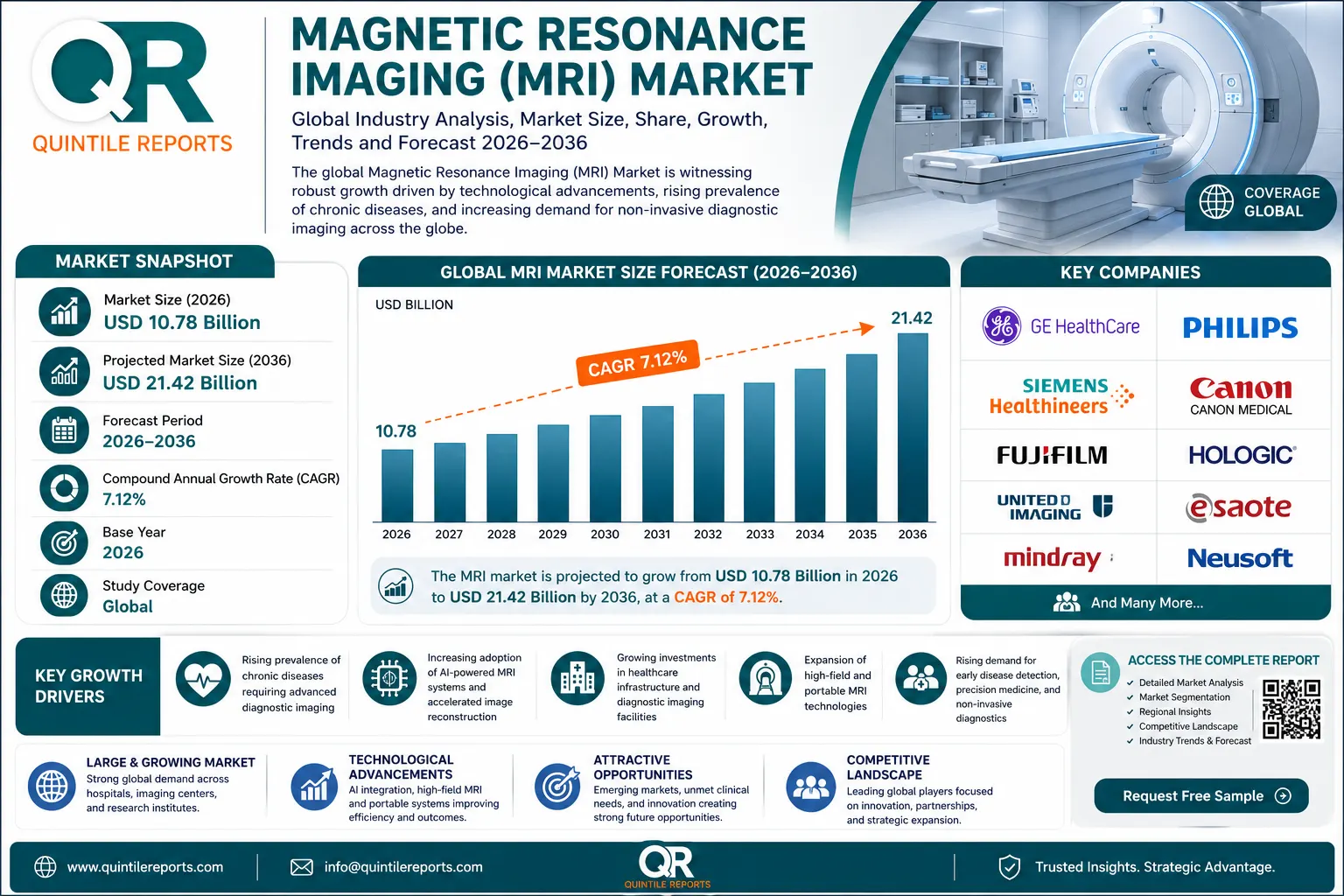
The increasing prevalence of chronic diseases, including neurological disorders, cardiovascular diseases, cancer, and musculoskeletal conditions, is significantly driving demand for Magnetic Resonance Imaging (MRI) systems worldwide. MRI has become one of the most preferred diagnostic imaging modalities due to its ability to generate high-resolution images of soft tissues without exposing patients to ionizing radiation. Growing emphasis on early disease detection, precision medicine, and minimally invasive diagnosis has encouraged hospitals and diagnostic imaging centers to invest in advanced MRI technologies.
Rapid technological advancements, including artificial intelligence (AI)-powered image reconstruction, accelerated scanning techniques, high-field MRI systems, and portable MRI platforms, are further strengthening market growth. These innovations reduce examination time, improve image quality, enhance workflow efficiency, and increase patient throughput while improving clinical decision-making. Furthermore, expanding healthcare infrastructure, favorable government investments in diagnostic imaging, and increasing healthcare expenditure across emerging economies continue to support the long-term adoption of MRI systems globally.
Despite strong technological progress, the high acquisition, installation, and maintenance costs associated with MRI systems remain a significant challenge for market expansion. High-field MRI systems require substantial investments in specialized infrastructure, including shielded examination rooms, advanced cooling systems, uninterrupted power supply, and highly trained technical personnel. These financial requirements often restrict adoption among small hospitals, rural healthcare facilities, and healthcare providers operating within limited budgets.
In addition, MRI examinations generally involve longer scan durations than other imaging modalities, which can reduce patient throughput and increase operational costs. Equipment maintenance, periodic software upgrades, helium consumption for superconducting magnets, and skilled workforce shortages further contribute to the overall cost of ownership, particularly in developing economies where healthcare infrastructure remains underdeveloped.
The growing integration of artificial intelligence into MRI workflows presents significant opportunities for market expansion. AI-assisted image reconstruction, automated scan planning, intelligent workflow optimization, and deep-learning-based diagnostic support are improving imaging efficiency while reducing examination time and enhancing diagnostic accuracy. These innovations allow healthcare providers to serve larger patient populations without compromising image quality.
Simultaneously, the emergence of portable and low-field MRI systems is expanding access to diagnostic imaging in emergency departments, intensive care units, ambulatory settings, military healthcare, and remote regions where conventional MRI installations are impractical. Continued investments in digital healthcare, tele-radiology, cloud-based imaging platforms, and precision medicine initiatives are expected to create substantial long-term opportunities for MRI manufacturers and healthcare providers worldwide.
| Factor | Impact on Magnetic Resonance Imaging (MRI) Market |
| Political | Government investments in healthcare infrastructure, favorable reimbursement policies, public healthcare modernization initiatives, and regulatory approvals for advanced imaging technologies continue to support MRI market growth across developed and emerging economies. |
| Economic | Rising healthcare expenditure, increasing investments in hospitals and diagnostic imaging centers, expanding private healthcare networks, and economic development are driving MRI adoption. However, the high acquisition and maintenance costs of MRI systems remain a challenge in cost-sensitive markets. |
| Social | The growing prevalence of chronic diseases, aging population, increasing awareness of preventive healthcare, and rising demand for early and accurate diagnosis are significantly increasing the utilization of MRI systems worldwide. |
| Technological | Continuous advancements in AI-assisted imaging, high-field MRI systems, portable MRI technologies, accelerated image reconstruction, cloud-based radiology, and workflow automation are improving diagnostic accuracy, reducing scan times, and enhancing operational efficiency. |
| Legal | Strict regulatory requirements from agencies such as the FDA, CE, and other national authorities ensure product quality, patient safety, cybersecurity compliance, clinical effectiveness, and data privacy before commercialization. |
| Environmental | Growing emphasis on sustainable healthcare is encouraging manufacturers to develop energy-efficient MRI systems, reduce helium consumption, improve recyclability of components, and adopt environmentally responsible manufacturing practices. |
| Porter's Five Forces | Analysis |
| Threat of New Entrants | Low – High capital investment, stringent regulatory approvals, extensive research & development requirements, patent protection, and established brand loyalty create significant entry barriers for new participants. |
| Bargaining Power of Suppliers | Moderate – Suppliers of superconducting magnets, cryogenic systems, semiconductors, radiofrequency coils, and AI software possess moderate bargaining power due to technological specialization, although leading manufacturers maintain diversified global supply chains. |
| Bargaining Power of Buyers | Moderate to High – Large hospital groups, healthcare systems, and diagnostic imaging chains possess strong negotiating power due to bulk procurement, competitive bidding, and the availability of multiple established MRI manufacturers. |
| Threat of Substitutes | Moderate – CT, ultrasound, PET, X-ray, and nuclear imaging provide alternative diagnostic solutions for certain clinical applications; however, MRI remains the preferred modality for superior soft-tissue visualization and radiation-free imaging. |
| Competitive Rivalry | High – The market is highly competitive, with major manufacturers focusing on AI-enabled imaging, high-field MRI innovations, workflow automation, strategic partnerships, mergers & acquisitions, product launches, and geographic expansion to strengthen their market position. |
| Market Dynamics | Description |
| Market Driver | Increasing prevalence of chronic diseases, rising demand for early and accurate diagnosis, expanding healthcare infrastructure, and continuous technological advancements in AI-enabled imaging, high-field MRI systems, and portable MRI technologies are accelerating global adoption of Magnetic Resonance Imaging systems. |
| Market Restraint | High acquisition costs, expensive installation requirements, ongoing maintenance expenses, helium dependency, lengthy scan times, and the need for specialized infrastructure and skilled professionals continue to limit MRI adoption, particularly across developing economies and smaller healthcare facilities. |
| Market Opportunity | Growing adoption of AI-powered image reconstruction, portable and low-field MRI systems, cloud-based radiology platforms, tele-imaging, precision medicine initiatives, and increasing investments in healthcare infrastructure across emerging economies present significant long-term growth opportunities for market participants. |
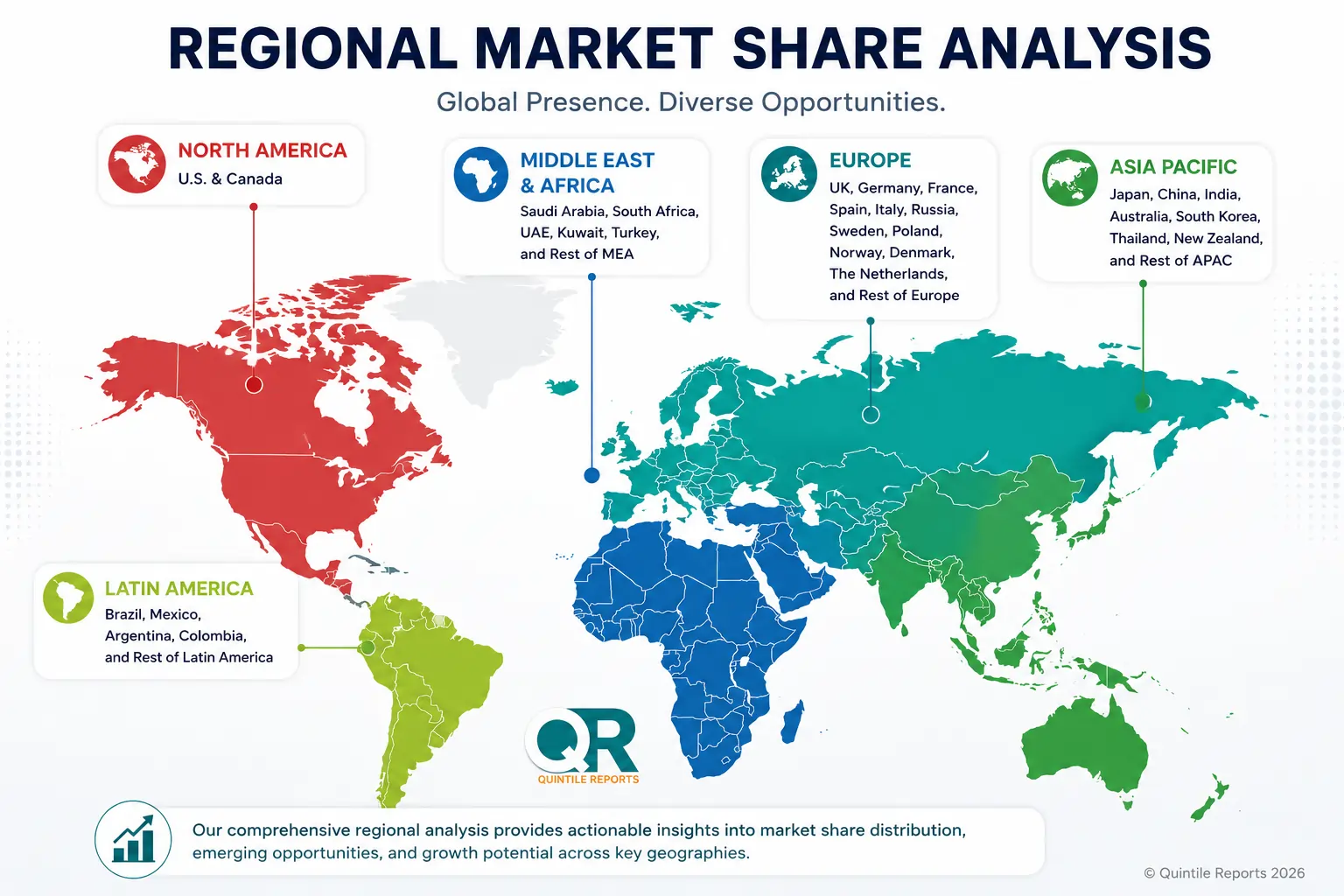
North America dominates the global Magnetic Resonance Imaging (MRI) market owing to its advanced healthcare infrastructure, high healthcare expenditure, favorable reimbursement policies, and widespread adoption of technologically advanced diagnostic imaging systems. The United States represents the largest market within the region due to the growing prevalence of neurological disorders, cancer, cardiovascular diseases, and musculoskeletal conditions requiring accurate diagnostic imaging. Continuous replacement of aging MRI equipment with AI-enabled high-field MRI systems, increasing investments in precision medicine, and the presence of leading manufacturers including GE HealthCare, Siemens Healthineers, Philips Healthcare, and Canon Medical Systems continue to strengthen regional market growth. Furthermore, strong regulatory support, increasing research collaborations, and rapid adoption of workflow automation technologies are expected to sustain North America's leadership throughout the forecast period.
Europe represents a mature and technologically advanced MRI market, supported by universal healthcare systems, well-established diagnostic pathways, and continuous investments in medical imaging infrastructure. Countries such as Germany, the United Kingdom, France, Italy, Spain, and the Nordic nations continue upgrading existing MRI installations with high-field scanners, AI-assisted image reconstruction software, and energy-efficient imaging platforms. The growing aging population, increasing incidence of chronic diseases, and rising emphasis on early diagnosis are driving demand for MRI procedures across hospitals and diagnostic imaging centers. In addition, favorable government healthcare funding, increasing adoption of value-based healthcare, and strong collaboration between academic research institutions and medical device manufacturers continue to accelerate technological innovation throughout the region.
Asia Pacific is expected to register the fastest growth during the forecast period due to rapid healthcare infrastructure development, increasing healthcare expenditure, and growing awareness regarding early disease diagnosis. Major economies including China, India, Japan, South Korea, and Australia are significantly investing in hospital expansion, diagnostic imaging facilities, and digital healthcare transformation. Rising disposable income, expanding medical insurance coverage, and increasing government initiatives aimed at strengthening public healthcare infrastructure are further supporting MRI adoption. The region also presents substantial opportunities for portable MRI systems and cost-effective imaging technologies, particularly across rural and underserved areas where access to advanced diagnostic imaging remains limited. Moreover, increasing investments by global manufacturers in local production and distribution networks are expected to accelerate long-term market expansion.
The Latin American MRI market is witnessing steady growth due to improving healthcare infrastructure, increasing public and private investments in diagnostic imaging, and rising awareness regarding early disease detection. Countries such as Brazil, Mexico, Argentina, and Colombia continue expanding hospital capacity while upgrading diagnostic imaging equipment to address the increasing burden of chronic diseases. Growing medical tourism, expanding private healthcare providers, and gradual improvements in healthcare reimbursement policies are creating favorable conditions for MRI adoption. Although high equipment costs and uneven healthcare accessibility remain challenges across several countries, continued modernization of healthcare facilities and increasing government support are expected to support sustained market growth over the coming years.
The Middle East & Africa MRI market is gradually expanding due to increasing investments in healthcare infrastructure, modernization of public hospitals, and growing demand for advanced diagnostic imaging technologies. Countries including Saudi Arabia, the United Arab Emirates, South Africa, Kuwait, and Qatar are investing heavily in healthcare digitalization, specialty hospitals, and medical imaging capabilities as part of broader healthcare transformation initiatives. Rising prevalence of chronic diseases, expanding private healthcare sectors, and increasing awareness of preventive healthcare continue to drive MRI utilization across the region. Although limited access to advanced diagnostic equipment and skilled radiology professionals remains a challenge in several developing countries, ongoing government healthcare reforms, public-private partnerships, and foreign investments are expected to create significant long-term opportunities for MRI manufacturers and healthcare providers.
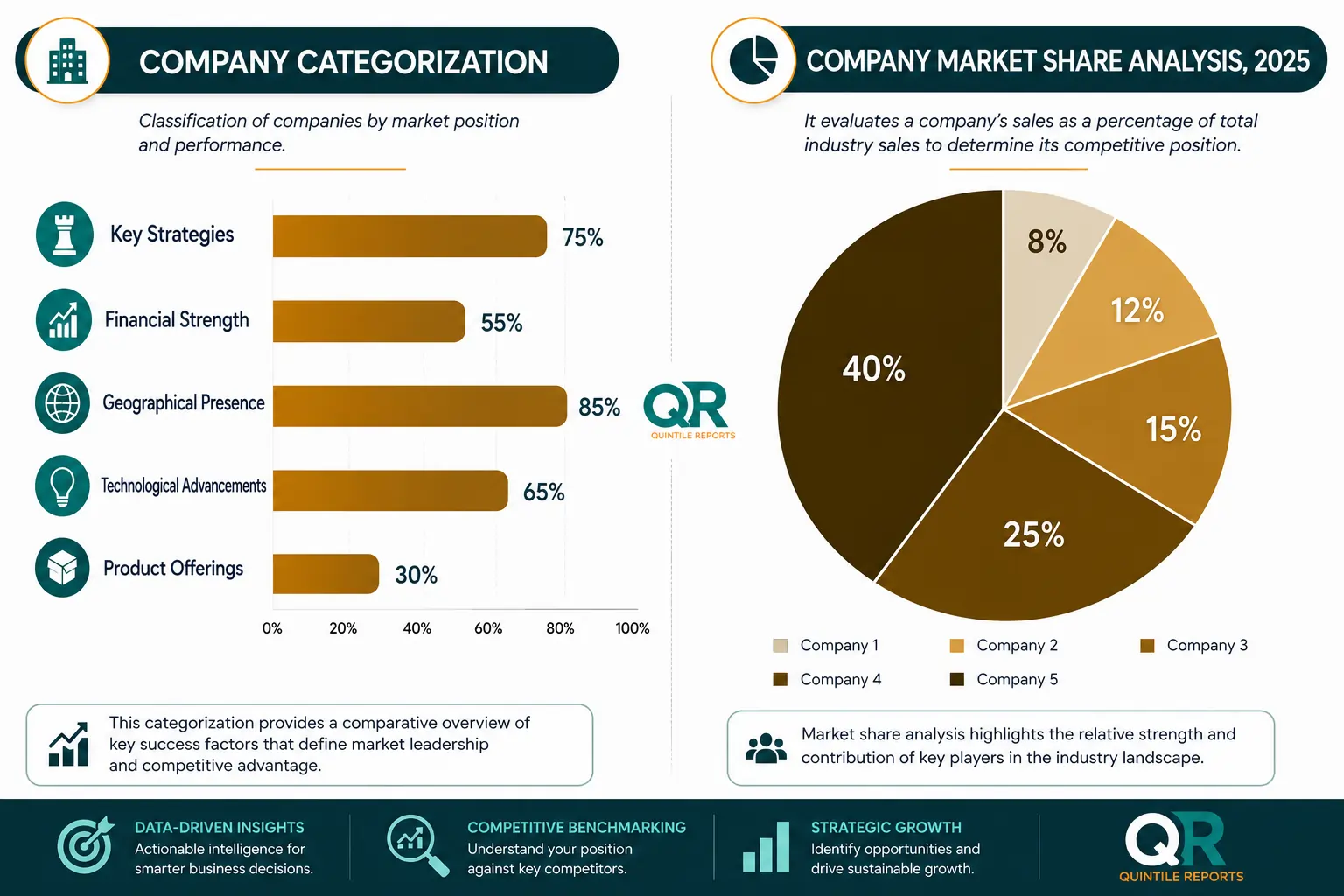
The global Magnetic Resonance Imaging (MRI) market is highly consolidated, with a small number of multinational manufacturers accounting for a significant share of global revenues. Leading companies compete primarily through continuous technological innovation, product portfolio expansion, artificial intelligence (AI)-enabled imaging solutions, high-field MRI technologies, software-driven workflow optimization, and strategic collaborations with healthcare providers and research institutions. Manufacturers are increasingly investing in research and development to improve image quality, reduce scan times, enhance patient comfort, and strengthen clinical productivity while expanding their presence across emerging healthcare markets.
Competition within the market is driven by factors including product performance, magnetic field strength, AI-assisted image reconstruction, software capabilities, installation and service support, pricing strategies, regulatory approvals, and global distribution networks. Companies are also pursuing mergers & acquisitions, strategic partnerships, manufacturing expansion, and digital healthcare initiatives to strengthen their competitive positioning. The growing demand for precision medicine, portable MRI systems, cloud-based imaging solutions, and workflow automation is expected to further intensify competition throughout the forecast period.
| Report Scope | Details |
| Report Version | 2026 |
| Growth Rate | CAGR of 7.12 % from 2026 to 2036 |
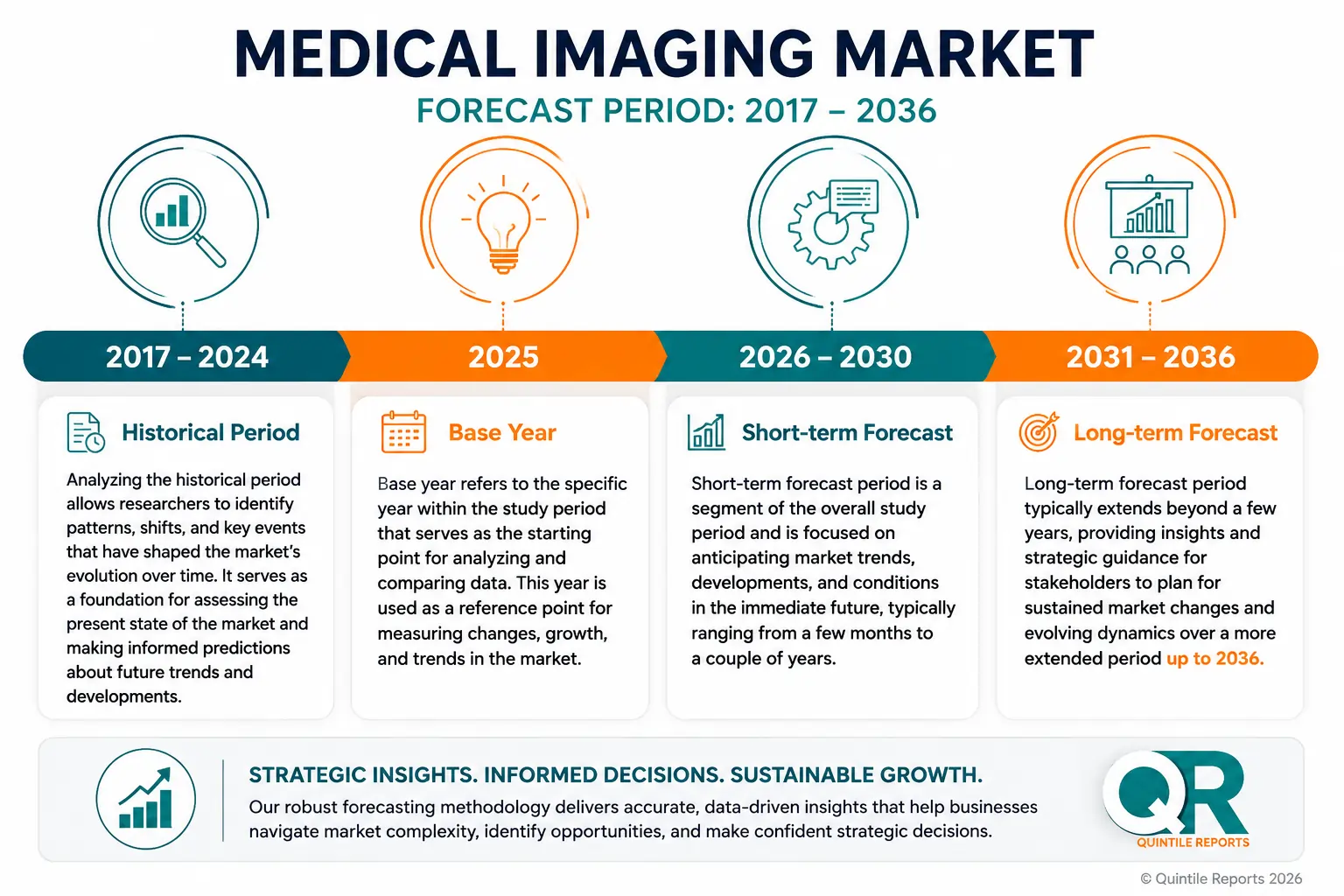
| Base Year | 2025 |
| Actual Estimates / Historical Data | 2017 - 2024 |
| Forecast Period | 2026 - 2036 |
| Quantitative Units | Revenue in USD million/billion & CAGR from 2026 to 2036 |
| Country Scope | North America (U.S., Canada), Europe (UK, Germany, France, Italy, Spain, Russia, Sweden, Denmark, Norway, Rest of Europe), Asia Pacific (Japan, China, India, Australia, South Korea, Thailand, Rest of Asia Pacific), Latin America (Brazil, Mexico, Argentina, Colombia, Rest of Latin America), Middle East & Africa (South Africa, Saudi Arabia, UAE, Kuwait, Rest of Middle East & Africa). |
| The Segment Covered by Field Strength |
|
| The Segment Covered by Architecture |
|
| Companies Covered |
|
| Report Coverage | Revenue forecast, company share, competitive landscape, growth factors, technology trends, and regional analysis |
| Free Customization Scope (Equivalent to 5 Analyst Working Days) | If you require additional insights beyond the current scope, our analysts can customize the report to meet your specific business needs. |
At Quintile Reports, we are committed to delivering accurate, reliable, and actionable market intelligence that empowers organizations to make informed strategic decisions. Our Global Magnetic Resonance Imaging (MRI) Market Report is developed using a rigorous research methodology that combines extensive primary research, comprehensive secondary research, and advanced analytical models to provide a balanced assessment of current market dynamics and long-term growth opportunities.
Our experienced healthcare and medical technology analysts continuously monitor advancements in MRI technologies, artificial intelligence, diagnostic imaging, healthcare infrastructure, regulatory developments, reimbursement trends, strategic collaborations, and investment activities to ensure every report reflects the latest industry landscape. Each study undergoes a comprehensive editorial review, data triangulation, statistical validation, and multi-level quality assurance process to maintain the highest standards of accuracy, consistency, and credibility.
The report delivers comprehensive insights into market size, growth forecasts, competitive landscape, technological advancements, regional developments, and strategic initiatives. Market estimates are validated through interviews with industry executives, healthcare professionals, distributors, and technology experts, while forecasting models incorporate historical market performance, macroeconomic indicators, healthcare expenditure, technological innovation, and evolving demand patterns to deliver dependable business intelligence.
In addition to quantitative market forecasts, the report provides qualitative analysis covering emerging technologies, competitive benchmarking, investment opportunities, market dynamics, PESTLE analysis, Porter's Five Forces analysis, value chain assessment, and strategic recommendations. Regular updates reflecting new product launches, mergers & acquisitions, partnerships, regulatory approvals, and technological advancements ensure the report remains relevant in a rapidly evolving healthcare environment.
Whether you are a medical device manufacturer, healthcare provider, investor, distributor, policymaker, or strategic planner, Quintile Reports serves as a trusted market intelligence partner by delivering transparent, data-driven, and business-focused insights that support product development, investment planning, competitive benchmarking, market expansion, and long-term strategic decision-making.
At Quintile Reports, our Global Magnetic Resonance Imaging (MRI) Market research is developed using a comprehensive and systematic methodology that integrates extensive secondary research, primary industry validation, and advanced analytical modeling to deliver accurate, reliable, and actionable market intelligence. The study evaluates market trends, technological developments, competitive strategies, regulatory frameworks, healthcare infrastructure, and demand patterns influencing the adoption of MRI systems across global healthcare markets.
The initial phase of the research involved collecting data from a wide range of credible public and proprietary sources. These included annual reports and investor presentations of leading MRI manufacturers, financial statements, company press releases, regulatory filings, scientific publications, peer-reviewed journals, patent databases, healthcare associations, and government organizations. Publicly available information from agencies such as the World Health Organization (WHO), Organisation for Economic Co-operation and Development (OECD), U.S. Food and Drug Administration (FDA), National Institutes of Health (NIH), American College of Radiology (ACR), European Society of Radiology (ESR), National Cancer Institute (NCI), and other national healthcare authorities was analyzed to understand disease prevalence, healthcare investments, diagnostic imaging utilization, and regulatory developments. Industry publications, conference proceedings, clinical guidelines, and technology white papers were also reviewed to evaluate emerging innovations in artificial intelligence, portable MRI systems, high-field imaging, workflow automation, and advanced image reconstruction technologies.
Following secondary research, extensive primary interviews were conducted with key industry participants to validate market estimates and identify current industry trends. Discussions were held with executives from MRI manufacturers, component suppliers, hospital procurement managers, diagnostic imaging centers, radiologists, healthcare administrators, distributors, research institutions, and regulatory experts. These interviews provided valuable insights into pricing trends, purchasing behavior, technological adoption, competitive positioning, future investment strategies, and regional demand dynamics. Primary findings were cross-verified with secondary data to ensure maximum accuracy and consistency.
The market size was estimated using a combination of top-down and bottom-up analytical approaches. Revenue generated by leading MRI manufacturers, product portfolios, installation volumes, replacement demand, healthcare expenditure, hospital infrastructure expansion, and regional adoption trends were evaluated to calculate the overall market size. Forecasts for the period 2026–2036 were developed using statistical forecasting models that incorporated historical market performance, macroeconomic indicators, technological innovation, healthcare policy developments, regulatory approvals, disease prevalence, demographic changes, and capital investment trends. Data triangulation techniques were applied throughout the analysis to validate estimates and minimize forecasting deviations.
The report provides detailed market segmentation based on Field Strength, Architecture, Application, End User, and Region. Each segment has been analyzed by evaluating technological adoption, clinical utilization, healthcare infrastructure, purchasing trends, innovation pipeline, and future growth opportunities. Country-level analysis further examines healthcare expenditure, regulatory environment, disease burden, diagnostic imaging capacity, and investment activities influencing regional market performance.
The competitive landscape assessment evaluates leading market participants based on product portfolio, technological innovation, manufacturing capabilities, strategic collaborations, mergers & acquisitions, research and development investments, geographic presence, financial performance, regulatory approvals, and recent product launches. Company strategies related to AI-enabled imaging, portable MRI systems, high-field MRI technologies, workflow optimization, and digital healthcare integration have also been assessed to understand their impact on competitive positioning.
All quantitative and qualitative findings undergo multiple stages of verification before publication. Data collected through secondary research is validated through primary interviews, while market estimates are reviewed using internal analytical frameworks and triangulation methodologies. The research team continuously monitors technological advancements, regulatory updates, healthcare policies, and industry developments to ensure the report reflects the latest market dynamics. This structured methodology enables Quintile Reports to provide accurate, transparent, and actionable insights for healthcare providers, medical device manufacturers, investors, policymakers, and other industry stakeholders.

Prepared by: Shivani Patil
Designation: Senior Healthcare & Life Sciences Research Analyst
Organization: Quintile Reports
Shivani Patil is a Senior Healthcare & Life Sciences Research Analyst at Quintile Reports, specializing in medical devices, diagnostic imaging, biotechnology, pharmaceuticals, and healthcare technology markets. She has extensive experience in developing syndicated and custom market intelligence reports, delivering in-depth analysis of market trends, competitive landscapes, technological advancements, regulatory developments, and growth opportunities across global healthcare industries.
Her expertise includes primary and secondary research, market sizing and forecasting, competitive benchmarking, strategic analysis, value chain assessment, and industry trend evaluation. Shivani combines quantitative market modeling with qualitative industry insights to provide accurate, data-driven intelligence that supports strategic decision-making for manufacturers, investors, healthcare providers, and other industry stakeholders.
She has authored numerous market research studies covering diagnostic imaging, medical devices, digital health, biotechnology, pharmaceuticals, laboratory technologies, and emerging healthcare innovations, helping organizations identify growth opportunities and make informed business decisions in rapidly evolving global markets.
Table 1 List of Abbreviation and Acronyms
Table 2 List of Sources
Table 3 North America Magnetic Resonance Imaging (MRI) Market, by Segment Analysis, (USD Million) 2017-2036
Table 4 North America Magnetic Resonance Imaging (MRI) Market, by Region, (USD Million) 2017-2036
Table 5 U.S. Magnetic Resonance Imaging (MRI) Market, by Segment Analysis, (USD Million) 2017-2036
Table 6 Canada Magnetic Resonance Imaging (MRI) Market, by Segment Analysis, (USD Million) 2017-2036
Table 7 Europe Magnetic Resonance Imaging (MRI) Market, by Segment Analysis, (USD Million) 2017-2036
Table 8 Europe Magnetic Resonance Imaging (MRI) Market, by Region, (USD Million) 2017-2036
Table 9 Germany Magnetic Resonance Imaging (MRI) Market, by Segment Analysis, (USD Million) 2017-2036
Table 10 U.K. Magnetic Resonance Imaging (MRI) Market, by Segment Analysis, (USD Million) 2017-2036
Table 11 France Magnetic Resonance Imaging (MRI) Market, by Segment Analysis, (USD Million) 2017-2036
Table 12 Italy Magnetic Resonance Imaging (MRI) Market, by Segment Analysis, (USD Million) 2017-2036
Table 13 Spain Magnetic Resonance Imaging (MRI) Market, by Segment Analysis, (USD Million) 2017-2036
Table 14 Sweden Magnetic Resonance Imaging (MRI) Market, by Segment Analysis, (USD Million) 2017-2036
Table 15 Denmark Magnetic Resonance Imaging (MRI) Market, by Segment Analysis, (USD Million) 2017-2036
Table 16 Norway Magnetic Resonance Imaging (MRI) Market, by Segment Analysis, (USD Million) 2017-2036
Table 17 The Netherlands Magnetic Resonance Imaging (MRI) Market, by Segment Analysis, (USD Million) 2017-2036
Table 18 Russia Magnetic Resonance Imaging (MRI) Market, by Segment Analysis, (USD Million) 2017-2036
Table 19 Asia Pacific Global Market, by Segment Analysis, (USD Million) 2017-2036
Table 20 Asia Pacific Magnetic Resonance Imaging (MRI) Market, by Region, (USD Million) 2017-2036
Table 21 China Magnetic Resonance Imaging (MRI) Market, by Segment Analysis, (USD Million) 2017-2036
Table 22 Japan Magnetic Resonance Imaging (MRI) Market, by Segment Analysis, (USD Million) 2017-2036
Table 23 India Magnetic Resonance Imaging (MRI) Market, by Segment Analysis, (USD Million) 2017-2036
Table 24 Australia Magnetic Resonance Imaging (MRI) Market, by Segment Analysis, (USD Million) 2017-2036
Table 25 South Korea Magnetic Resonance Imaging (MRI) Market, by Segment Analysis, (USD Million) 2017-2036
Table 26 Thailand Magnetic Resonance Imaging (MRI) Market, by Segment Analysis, (USD Million) 2017-2036
Table 27 Latin America Magnetic Resonance Imaging (MRI) Market, by Segment Analysis, (USD Million) 2017-2036
Table 28 Latin America Magnetic Resonance Imaging (MRI) Market, by Region, (USD Million) 2017-2036
Table 29 Brazil Magnetic Resonance Imaging (MRI) Market, by Segment Analysis, (USD Million) 2017-2036
Table 30 Mexico Magnetic Resonance Imaging (MRI) Market, by Segment Analysis, (USD Million) 2017-2036
Table 31 Argentina Magnetic Resonance Imaging (MRI) Market, by Segment Analysis, (USD Million) 2017-2036
Table 32 Middle East and Africa Magnetic Resonance Imaging (MRI) Market, by Segment Analysis, (USD Million) 2017-2036
Table 33 Middle East and Africa Magnetic Resonance Imaging (MRI) Market, by Region, (USD Million) 2017-2036
Table 34 South Africa Magnetic Resonance Imaging (MRI) Market, by Segment Analysis, (USD Million) 2017-2036
Table 35 Saudi Arabia Magnetic Resonance Imaging (MRI) Market, by Segment Analysis, (USD Million) 2017-2036
Table 36 UAE Magnetic Resonance Imaging (MRI) Market, by Segment Analysis, (USD Million) 2017-2036
Table 37 Kuwait Magnetic Resonance Imaging (MRI) Market, by Segment Analysis, (USD Million) 2017-2036
Table 38 Turkey Magnetic Resonance Imaging (MRI) Market, by Segment Analysis, (USD Million) 2017-2036
Fig.1 Market Research Process
Fig.2 Market Research Approaches
Fig.3 Global Magnetic Resonance Imaging (MRI) Market: Market Scenario
Fig.4 Global Magnetic Resonance Imaging (MRI) Market Competitive Outlook
Fig.5 Global Magnetic Resonance Imaging (MRI) Market Driver Analysis
Fig.6 Global Magnetic Resonance Imaging (MRI) Market Restraint Analysis
Fig.7 Global Magnetic Resonance Imaging (MRI) Market Opportunity Analysis
Fig.8 Global Magnetic Resonance Imaging (MRI) Market Trends Analysis
Fig.9 Global Magnetic Resonance Imaging (MRI) Market: Segment Analysis (Based on the Scope)
Fig.10 Global Magnetic Resonance Imaging (MRI) Market: Regional Analysis
Fig.11 Global Market Shares and Leading Market Players
Fig.12 North America Market Share and Leading Players
Fig.13 Europe Market Share and Leading Players
Fig.14 Asia Pacific Market Share and Leading Players
Fig.15 Latin America Market Share and Leading Players
Fig.16 Middle East & Africa Market Share and Leading Players
Fig.17 North America, by Country
Fig.18 North America
Fig.19 North America Market Estimates and Forecast, 2017-2036
Fig.20 U.S.
Fig.21 Canada
Fig.22 Europe
Fig.23 Europe Market Estimates and Forecast, 2017-2036
Fig.24 U.K.
Fig.25 Germany
Fig.26 France
Fig.27 Italy
Fig.28 Spain
Fig.29 Sweden
Fig.30 Denmark
Fig.31 Norway
Fig.32 The Netherlands
Fig.33 Russia
Fig.34 Asia Pacific
Fig.35 Asia Pacific Market Estimates and Forecast, 2017-2036
Fig.36 China
Fig.37 Japan
Fig.38 India
Fig.39 Australia
Fig.40 South Korea
Fig.41 Thailand
Fig.42 Latin America
Fig.43 Latin America Market Estimates and Forecast, 2017-2036
Fig.44 Brazil
Fig.45 Mexico
Fig.46 Argentina
Fig.47 Colombia
Fig.48 Middle East and Africa
Fig.49 Middle East and Africa Market Estimates and Forecast, 2017-2036
Fig.50 Saudi Arabia
Fig.51 South Africa
Fig.52 UAE
Fig.53 Kuwait
Fig.54 Turkey
Table 1 List of Abbreviation and Acronyms
Table 2 List of Sources
Table 3 North America Magnetic Resonance Imaging (MRI) Market, by Segment Analysis, (USD Million) 2017-2036
Table 4 North America Magnetic Resonance Imaging (MRI) Market, by Region, (USD Million) 2017-2036
Table 5 U.S. Magnetic Resonance Imaging (MRI) Market, by Segment Analysis, (USD Million) 2017-2036
Table 6 Canada Magnetic Resonance Imaging (MRI) Market, by Segment Analysis, (USD Million) 2017-2036
Table 7 Europe Magnetic Resonance Imaging (MRI) Market, by Segment Analysis, (USD Million) 2017-2036
Table 8 Europe Magnetic Resonance Imaging (MRI) Market, by Region, (USD Million) 2017-2036
Table 9 Germany Magnetic Resonance Imaging (MRI) Market, by Segment Analysis, (USD Million) 2017-2036
Table 10 U.K. Magnetic Resonance Imaging (MRI) Market, by Segment Analysis, (USD Million) 2017-2036
Table 11 France Magnetic Resonance Imaging (MRI) Market, by Segment Analysis, (USD Million) 2017-2036
Table 12 Italy Magnetic Resonance Imaging (MRI) Market, by Segment Analysis, (USD Million) 2017-2036
Table 13 Spain Magnetic Resonance Imaging (MRI) Market, by Segment Analysis, (USD Million) 2017-2036
Table 14 Sweden Magnetic Resonance Imaging (MRI) Market, by Segment Analysis, (USD Million) 2017-2036
Table 15 Denmark Magnetic Resonance Imaging (MRI) Market, by Segment Analysis, (USD Million) 2017-2036
Table 16 Norway Magnetic Resonance Imaging (MRI) Market, by Segment Analysis, (USD Million) 2017-2036
Table 17 The Netherlands Magnetic Resonance Imaging (MRI) Market, by Segment Analysis, (USD Million) 2017-2036
Table 18 Russia Magnetic Resonance Imaging (MRI) Market, by Segment Analysis, (USD Million) 2017-2036
Table 19 Asia Pacific Global Market, by Segment Analysis, (USD Million) 2017-2036
Table 20 Asia Pacific Magnetic Resonance Imaging (MRI) Market, by Region, (USD Million) 2017-2036
Table 21 China Magnetic Resonance Imaging (MRI) Market, by Segment Analysis, (USD Million) 2017-2036
Table 22 Japan Magnetic Resonance Imaging (MRI) Market, by Segment Analysis, (USD Million) 2017-2036
Table 23 India Magnetic Resonance Imaging (MRI) Market, by Segment Analysis, (USD Million) 2017-2036
Table 24 Australia Magnetic Resonance Imaging (MRI) Market, by Segment Analysis, (USD Million) 2017-2036
Table 25 South Korea Magnetic Resonance Imaging (MRI) Market, by Segment Analysis, (USD Million) 2017-2036
Table 26 Thailand Magnetic Resonance Imaging (MRI) Market, by Segment Analysis, (USD Million) 2017-2036
Table 27 Latin America Magnetic Resonance Imaging (MRI) Market, by Segment Analysis, (USD Million) 2017-2036
Table 28 Latin America Magnetic Resonance Imaging (MRI) Market, by Region, (USD Million) 2017-2036
Table 29 Brazil Magnetic Resonance Imaging (MRI) Market, by Segment Analysis, (USD Million) 2017-2036
Table 30 Mexico Magnetic Resonance Imaging (MRI) Market, by Segment Analysis, (USD Million) 2017-2036
Table 31 Argentina Magnetic Resonance Imaging (MRI) Market, by Segment Analysis, (USD Million) 2017-2036
Table 32 Middle East and Africa Magnetic Resonance Imaging (MRI) Market, by Segment Analysis, (USD Million) 2017-2036
Table 33 Middle East and Africa Magnetic Resonance Imaging (MRI) Market, by Region, (USD Million) 2017-2036
Table 34 South Africa Magnetic Resonance Imaging (MRI) Market, by Segment Analysis, (USD Million) 2017-2036
Table 35 Saudi Arabia Magnetic Resonance Imaging (MRI) Market, by Segment Analysis, (USD Million) 2017-2036
Table 36 UAE Magnetic Resonance Imaging (MRI) Market, by Segment Analysis, (USD Million) 2017-2036
Table 37 Kuwait Magnetic Resonance Imaging (MRI) Market, by Segment Analysis, (USD Million) 2017-2036
Table 38 Turkey Magnetic Resonance Imaging (MRI) Market, by Segment Analysis, (USD Million) 2017-2036
Fig.1 Market Research Process
Fig.2 Market Research Approaches
Fig.3 Global Magnetic Resonance Imaging (MRI) Market: Market Scenario
Fig.4 Global Magnetic Resonance Imaging (MRI) Market Competitive Outlook
Fig.5 Global Magnetic Resonance Imaging (MRI) Market Driver Analysis
Fig.6 Global Magnetic Resonance Imaging (MRI) Market Restraint Analysis
Fig.7 Global Magnetic Resonance Imaging (MRI) Market Opportunity Analysis
Fig.8 Global Magnetic Resonance Imaging (MRI) Market Trends Analysis
Fig.9 Global Magnetic Resonance Imaging (MRI) Market: Segment Analysis (Based on the Scope)
Fig.10 Global Magnetic Resonance Imaging (MRI) Market: Regional Analysis
Fig.11 Global Market Shares and Leading Market Players
Fig.12 North America Market Share and Leading Players
Fig.13 Europe Market Share and Leading Players
Fig.14 Asia Pacific Market Share and Leading Players
Fig.15 Latin America Market Share and Leading Players
Fig.16 Middle East & Africa Market Share and Leading Players
Fig.17 North America, by Country
Fig.18 North America
Fig.19 North America Market Estimates and Forecast, 2017-2036
Fig.20 U.S.
Fig.21 Canada
Fig.22 Europe
Fig.23 Europe Market Estimates and Forecast, 2017-2036
Fig.24 U.K.
Fig.25 Germany
Fig.26 France
Fig.27 Italy
Fig.28 Spain
Fig.29 Sweden
Fig.30 Denmark
Fig.31 Norway
Fig.32 The Netherlands
Fig.33 Russia
Fig.34 Asia Pacific
Fig.35 Asia Pacific Market Estimates and Forecast, 2017-2036
Fig.36 China
Fig.37 Japan
Fig.38 India
Fig.39 Australia
Fig.40 South Korea
Fig.41 Thailand
Fig.42 Latin America
Fig.43 Latin America Market Estimates and Forecast, 2017-2036
Fig.44 Brazil
Fig.45 Mexico
Fig.46 Argentina
Fig.47 Colombia
Fig.48 Middle East and Africa
Fig.49 Middle East and Africa Market Estimates and Forecast, 2017-2036
Fig.50 Saudi Arabia
Fig.51 South Africa
Fig.52 UAE
Fig.53 Kuwait
Fig.54 Turkey
The Magnetic Resonance Imaging (MRI) Market comprises MRI systems, software, accessories, and related services used to generate detailed images of organs, soft tissues, and internal body structures. The market is driven by increasing demand for non-invasive diagnostic imaging, rising chronic disease prevalence, and advancements in AI-powered MRI technologies.
According to Quintile Reports, the global Magnetic Resonance Imaging (MRI) Market was valued at USD 10.78 Billion in 2026 and is projected to reach USD 21.42 Billion by 2036, growing at a CAGR of 7.12% during the forecast period.
Key growth drivers include increasing prevalence of neurological disorders, cancer, cardiovascular diseases, rising investments in healthcare infrastructure, adoption of AI-enabled imaging technologies, demand for early disease diagnosis, and expansion of portable MRI systems.
North America currently leads the MRI market due to advanced healthcare infrastructure, high healthcare spending, favorable reimbursement policies, and the presence of leading MRI manufacturers. Asia Pacific is expected to witness the fastest growth during the forecast period.
MRI systems are widely used for diagnosing neurological disorders, oncology, cardiology, musculoskeletal imaging, spinal disorders, abdominal imaging, and other complex medical conditions that require high-resolution soft tissue visualization.
Major companies operating in the market include GE HealthCare Technologies Inc., Siemens Healthineers AG, Koninklijke Philips N.V., Canon Medical Systems Corporation, FUJIFILM Healthcare Corporation, United Imaging Healthcare, Esaote S.p.A., Neusoft Medical Systems, Hyperfine Inc., and Shimadzu Corporation.
Artificial Intelligence is improving MRI image reconstruction, reducing scan times, automating workflows, enhancing diagnostic accuracy, optimizing image quality, and increasing patient throughput, making MRI procedures faster and more efficient.
Portable MRI systems are compact imaging solutions designed for emergency departments, intensive care units, ambulatory settings, and remote healthcare facilities. They improve accessibility to advanced diagnostic imaging while reducing installation requirements and operational costs.
Major challenges include high equipment acquisition costs, expensive installation and maintenance requirements, helium dependency, lengthy examination times, skilled workforce shortages, and infrastructure limitations in developing countries.
High-field MRI systems are expected to maintain the largest market share due to superior image quality and clinical performance, while portable and low-field MRI systems are projected to experience rapid adoption in point-of-care and decentralized healthcare settings.
The global Magnetic Resonance Imaging (MRI) Market, valued at USD 10.78 billion in 2026, is projected to reach USD 21.42 billion by 2036, registering a CAGR of 7.12% during the forecast period. The market is experiencing robust growth driven by the increasing burden of chronic diseases, rising demand for advanced diagnostic imaging, expansion of healthcare infrastructure, and continuous technological advancements in MRI systems. Growing investments in AI-enabled imaging solutions, high-field MRI technologies, and portable MRI platforms are improving diagnostic accuracy, reducing scan times, and enhancing workflow efficiency across hospitals and diagnostic imaging centers. As healthcare providers increasingly emphasize early disease detection and precision medicine, MRI continues to play a critical role in modern clinical diagnosis and treatment planning.
The Magnetic Resonance Imaging (MRI) Market comprises the products, technologies, and services associated with MRI systems used to generate highly detailed images of organs, soft tissues, and internal body structures using strong magnetic fields and radiofrequency waves without exposing patients to ionizing radiation. MRI has become one of the most trusted imaging modalities for diagnosing and monitoring neurological disorders, cancer, cardiovascular diseases, musculoskeletal conditions, and numerous other chronic illnesses. Continuous innovation in artificial intelligence-assisted image reconstruction, advanced magnet technologies, and portable MRI systems is expanding clinical applications while improving patient comfort, operational efficiency, and accessibility to diagnostic imaging worldwide.
The increasing prevalence of chronic diseases, including neurological disorders, cardiovascular diseases, cancer, and musculoskeletal conditions, is significantly driving demand for Magnetic Resonance Imaging (MRI) systems worldwide. MRI has become one of the most preferred diagnostic imaging modalities due to its ability to generate high-resolution images of soft tissues without exposing patients to ionizing radiation. Growing emphasis on early disease detection, precision medicine, and minimally invasive diagnosis has encouraged hospitals and diagnostic imaging centers to invest in advanced MRI technologies.
Rapid technological advancements, including artificial intelligence (AI)-powered image reconstruction, accelerated scanning techniques, high-field MRI systems, and portable MRI platforms, are further strengthening market growth. These innovations reduce examination time, improve image quality, enhance workflow efficiency, and increase patient throughput while improving clinical decision-making. Furthermore, expanding healthcare infrastructure, favorable government investments in diagnostic imaging, and increasing healthcare expenditure across emerging economies continue to support the long-term adoption of MRI systems globally.
Despite strong technological progress, the high acquisition, installation, and maintenance costs associated with MRI systems remain a significant challenge for market expansion. High-field MRI systems require substantial investments in specialized infrastructure, including shielded examination rooms, advanced cooling systems, uninterrupted power supply, and highly trained technical personnel. These financial requirements often restrict adoption among small hospitals, rural healthcare facilities, and healthcare providers operating within limited budgets.
In addition, MRI examinations generally involve longer scan durations than other imaging modalities, which can reduce patient throughput and increase operational costs. Equipment maintenance, periodic software upgrades, helium consumption for superconducting magnets, and skilled workforce shortages further contribute to the overall cost of ownership, particularly in developing economies where healthcare infrastructure remains underdeveloped.
The growing integration of artificial intelligence into MRI workflows presents significant opportunities for market expansion. AI-assisted image reconstruction, automated scan planning, intelligent workflow optimization, and deep-learning-based diagnostic support are improving imaging efficiency while reducing examination time and enhancing diagnostic accuracy. These innovations allow healthcare providers to serve larger patient populations without compromising image quality.
Simultaneously, the emergence of portable and low-field MRI systems is expanding access to diagnostic imaging in emergency departments, intensive care units, ambulatory settings, military healthcare, and remote regions where conventional MRI installations are impractical. Continued investments in digital healthcare, tele-radiology, cloud-based imaging platforms, and precision medicine initiatives are expected to create substantial long-term opportunities for MRI manufacturers and healthcare providers worldwide.
| Factor | Impact on Magnetic Resonance Imaging (MRI) Market |
| Political | Government investments in healthcare infrastructure, favorable reimbursement policies, public healthcare modernization initiatives, and regulatory approvals for advanced imaging technologies continue to support MRI market growth across developed and emerging economies. |
| Economic | Rising healthcare expenditure, increasing investments in hospitals and diagnostic imaging centers, expanding private healthcare networks, and economic development are driving MRI adoption. However, the high acquisition and maintenance costs of MRI systems remain a challenge in cost-sensitive markets. |
| Social | The growing prevalence of chronic diseases, aging population, increasing awareness of preventive healthcare, and rising demand for early and accurate diagnosis are significantly increasing the utilization of MRI systems worldwide. |
| Technological | Continuous advancements in AI-assisted imaging, high-field MRI systems, portable MRI technologies, accelerated image reconstruction, cloud-based radiology, and workflow automation are improving diagnostic accuracy, reducing scan times, and enhancing operational efficiency. |
| Legal | Strict regulatory requirements from agencies such as the FDA, CE, and other national authorities ensure product quality, patient safety, cybersecurity compliance, clinical effectiveness, and data privacy before commercialization. |
| Environmental | Growing emphasis on sustainable healthcare is encouraging manufacturers to develop energy-efficient MRI systems, reduce helium consumption, improve recyclability of components, and adopt environmentally responsible manufacturing practices. |
| Porter's Five Forces | Analysis |
| Threat of New Entrants | Low – High capital investment, stringent regulatory approvals, extensive research & development requirements, patent protection, and established brand loyalty create significant entry barriers for new participants. |
| Bargaining Power of Suppliers | Moderate – Suppliers of superconducting magnets, cryogenic systems, semiconductors, radiofrequency coils, and AI software possess moderate bargaining power due to technological specialization, although leading manufacturers maintain diversified global supply chains. |
| Bargaining Power of Buyers | Moderate to High – Large hospital groups, healthcare systems, and diagnostic imaging chains possess strong negotiating power due to bulk procurement, competitive bidding, and the availability of multiple established MRI manufacturers. |
| Threat of Substitutes | Moderate – CT, ultrasound, PET, X-ray, and nuclear imaging provide alternative diagnostic solutions for certain clinical applications; however, MRI remains the preferred modality for superior soft-tissue visualization and radiation-free imaging. |
| Competitive Rivalry | High – The market is highly competitive, with major manufacturers focusing on AI-enabled imaging, high-field MRI innovations, workflow automation, strategic partnerships, mergers & acquisitions, product launches, and geographic expansion to strengthen their market position. |
| Market Dynamics | Description |
| Market Driver | Increasing prevalence of chronic diseases, rising demand for early and accurate diagnosis, expanding healthcare infrastructure, and continuous technological advancements in AI-enabled imaging, high-field MRI systems, and portable MRI technologies are accelerating global adoption of Magnetic Resonance Imaging systems. |
| Market Restraint | High acquisition costs, expensive installation requirements, ongoing maintenance expenses, helium dependency, lengthy scan times, and the need for specialized infrastructure and skilled professionals continue to limit MRI adoption, particularly across developing economies and smaller healthcare facilities. |
| Market Opportunity | Growing adoption of AI-powered image reconstruction, portable and low-field MRI systems, cloud-based radiology platforms, tele-imaging, precision medicine initiatives, and increasing investments in healthcare infrastructure across emerging economies present significant long-term growth opportunities for market participants. |
North America dominates the global Magnetic Resonance Imaging (MRI) market owing to its advanced healthcare infrastructure, high healthcare expenditure, favorable reimbursement policies, and widespread adoption of technologically advanced diagnostic imaging systems. The United States represents the largest market within the region due to the growing prevalence of neurological disorders, cancer, cardiovascular diseases, and musculoskeletal conditions requiring accurate diagnostic imaging. Continuous replacement of aging MRI equipment with AI-enabled high-field MRI systems, increasing investments in precision medicine, and the presence of leading manufacturers including GE HealthCare, Siemens Healthineers, Philips Healthcare, and Canon Medical Systems continue to strengthen regional market growth. Furthermore, strong regulatory support, increasing research collaborations, and rapid adoption of workflow automation technologies are expected to sustain North America's leadership throughout the forecast period.
Europe represents a mature and technologically advanced MRI market, supported by universal healthcare systems, well-established diagnostic pathways, and continuous investments in medical imaging infrastructure. Countries such as Germany, the United Kingdom, France, Italy, Spain, and the Nordic nations continue upgrading existing MRI installations with high-field scanners, AI-assisted image reconstruction software, and energy-efficient imaging platforms. The growing aging population, increasing incidence of chronic diseases, and rising emphasis on early diagnosis are driving demand for MRI procedures across hospitals and diagnostic imaging centers. In addition, favorable government healthcare funding, increasing adoption of value-based healthcare, and strong collaboration between academic research institutions and medical device manufacturers continue to accelerate technological innovation throughout the region.
Asia Pacific is expected to register the fastest growth during the forecast period due to rapid healthcare infrastructure development, increasing healthcare expenditure, and growing awareness regarding early disease diagnosis. Major economies including China, India, Japan, South Korea, and Australia are significantly investing in hospital expansion, diagnostic imaging facilities, and digital healthcare transformation. Rising disposable income, expanding medical insurance coverage, and increasing government initiatives aimed at strengthening public healthcare infrastructure are further supporting MRI adoption. The region also presents substantial opportunities for portable MRI systems and cost-effective imaging technologies, particularly across rural and underserved areas where access to advanced diagnostic imaging remains limited. Moreover, increasing investments by global manufacturers in local production and distribution networks are expected to accelerate long-term market expansion.
The Latin American MRI market is witnessing steady growth due to improving healthcare infrastructure, increasing public and private investments in diagnostic imaging, and rising awareness regarding early disease detection. Countries such as Brazil, Mexico, Argentina, and Colombia continue expanding hospital capacity while upgrading diagnostic imaging equipment to address the increasing burden of chronic diseases. Growing medical tourism, expanding private healthcare providers, and gradual improvements in healthcare reimbursement policies are creating favorable conditions for MRI adoption. Although high equipment costs and uneven healthcare accessibility remain challenges across several countries, continued modernization of healthcare facilities and increasing government support are expected to support sustained market growth over the coming years.
The Middle East & Africa MRI market is gradually expanding due to increasing investments in healthcare infrastructure, modernization of public hospitals, and growing demand for advanced diagnostic imaging technologies. Countries including Saudi Arabia, the United Arab Emirates, South Africa, Kuwait, and Qatar are investing heavily in healthcare digitalization, specialty hospitals, and medical imaging capabilities as part of broader healthcare transformation initiatives. Rising prevalence of chronic diseases, expanding private healthcare sectors, and increasing awareness of preventive healthcare continue to drive MRI utilization across the region. Although limited access to advanced diagnostic equipment and skilled radiology professionals remains a challenge in several developing countries, ongoing government healthcare reforms, public-private partnerships, and foreign investments are expected to create significant long-term opportunities for MRI manufacturers and healthcare providers.
The global Magnetic Resonance Imaging (MRI) market is highly consolidated, with a small number of multinational manufacturers accounting for a significant share of global revenues. Leading companies compete primarily through continuous technological innovation, product portfolio expansion, artificial intelligence (AI)-enabled imaging solutions, high-field MRI technologies, software-driven workflow optimization, and strategic collaborations with healthcare providers and research institutions. Manufacturers are increasingly investing in research and development to improve image quality, reduce scan times, enhance patient comfort, and strengthen clinical productivity while expanding their presence across emerging healthcare markets.
Competition within the market is driven by factors including product performance, magnetic field strength, AI-assisted image reconstruction, software capabilities, installation and service support, pricing strategies, regulatory approvals, and global distribution networks. Companies are also pursuing mergers & acquisitions, strategic partnerships, manufacturing expansion, and digital healthcare initiatives to strengthen their competitive positioning. The growing demand for precision medicine, portable MRI systems, cloud-based imaging solutions, and workflow automation is expected to further intensify competition throughout the forecast period.
| Report Scope | Details |
| Report Version | 2026 |
| Growth Rate | CAGR of 7.12 % from 2026 to 2036 |
| Base Year | 2025 |
| Actual Estimates / Historical Data | 2017 - 2024 |
| Forecast Period | 2026 - 2036 |
| Quantitative Units | Revenue in USD million/billion & CAGR from 2026 to 2036 |
| Country Scope | North America (U.S., Canada), Europe (UK, Germany, France, Italy, Spain, Russia, Sweden, Denmark, Norway, Rest of Europe), Asia Pacific (Japan, China, India, Australia, South Korea, Thailand, Rest of Asia Pacific), Latin America (Brazil, Mexico, Argentina, Colombia, Rest of Latin America), Middle East & Africa (South Africa, Saudi Arabia, UAE, Kuwait, Rest of Middle East & Africa). |
| The Segment Covered by Field Strength |
|
| The Segment Covered by Architecture |
|
| Companies Covered |
|
| Report Coverage | Revenue forecast, company share, competitive landscape, growth factors, technology trends, and regional analysis |
| Free Customization Scope (Equivalent to 5 Analyst Working Days) | If you require additional insights beyond the current scope, our analysts can customize the report to meet your specific business needs. |
At Quintile Reports, we are committed to delivering accurate, reliable, and actionable market intelligence that empowers organizations to make informed strategic decisions. Our Global Magnetic Resonance Imaging (MRI) Market Report is developed using a rigorous research methodology that combines extensive primary research, comprehensive secondary research, and advanced analytical models to provide a balanced assessment of current market dynamics and long-term growth opportunities.
Our experienced healthcare and medical technology analysts continuously monitor advancements in MRI technologies, artificial intelligence, diagnostic imaging, healthcare infrastructure, regulatory developments, reimbursement trends, strategic collaborations, and investment activities to ensure every report reflects the latest industry landscape. Each study undergoes a comprehensive editorial review, data triangulation, statistical validation, and multi-level quality assurance process to maintain the highest standards of accuracy, consistency, and credibility.
The report delivers comprehensive insights into market size, growth forecasts, competitive landscape, technological advancements, regional developments, and strategic initiatives. Market estimates are validated through interviews with industry executives, healthcare professionals, distributors, and technology experts, while forecasting models incorporate historical market performance, macroeconomic indicators, healthcare expenditure, technological innovation, and evolving demand patterns to deliver dependable business intelligence.
In addition to quantitative market forecasts, the report provides qualitative analysis covering emerging technologies, competitive benchmarking, investment opportunities, market dynamics, PESTLE analysis, Porter's Five Forces analysis, value chain assessment, and strategic recommendations. Regular updates reflecting new product launches, mergers & acquisitions, partnerships, regulatory approvals, and technological advancements ensure the report remains relevant in a rapidly evolving healthcare environment.
Whether you are a medical device manufacturer, healthcare provider, investor, distributor, policymaker, or strategic planner, Quintile Reports serves as a trusted market intelligence partner by delivering transparent, data-driven, and business-focused insights that support product development, investment planning, competitive benchmarking, market expansion, and long-term strategic decision-making.
At Quintile Reports, our Global Magnetic Resonance Imaging (MRI) Market research is developed using a comprehensive and systematic methodology that integrates extensive secondary research, primary industry validation, and advanced analytical modeling to deliver accurate, reliable, and actionable market intelligence. The study evaluates market trends, technological developments, competitive strategies, regulatory frameworks, healthcare infrastructure, and demand patterns influencing the adoption of MRI systems across global healthcare markets.
The initial phase of the research involved collecting data from a wide range of credible public and proprietary sources. These included annual reports and investor presentations of leading MRI manufacturers, financial statements, company press releases, regulatory filings, scientific publications, peer-reviewed journals, patent databases, healthcare associations, and government organizations. Publicly available information from agencies such as the World Health Organization (WHO), Organisation for Economic Co-operation and Development (OECD), U.S. Food and Drug Administration (FDA), National Institutes of Health (NIH), American College of Radiology (ACR), European Society of Radiology (ESR), National Cancer Institute (NCI), and other national healthcare authorities was analyzed to understand disease prevalence, healthcare investments, diagnostic imaging utilization, and regulatory developments. Industry publications, conference proceedings, clinical guidelines, and technology white papers were also reviewed to evaluate emerging innovations in artificial intelligence, portable MRI systems, high-field imaging, workflow automation, and advanced image reconstruction technologies.
Following secondary research, extensive primary interviews were conducted with key industry participants to validate market estimates and identify current industry trends. Discussions were held with executives from MRI manufacturers, component suppliers, hospital procurement managers, diagnostic imaging centers, radiologists, healthcare administrators, distributors, research institutions, and regulatory experts. These interviews provided valuable insights into pricing trends, purchasing behavior, technological adoption, competitive positioning, future investment strategies, and regional demand dynamics. Primary findings were cross-verified with secondary data to ensure maximum accuracy and consistency.
The market size was estimated using a combination of top-down and bottom-up analytical approaches. Revenue generated by leading MRI manufacturers, product portfolios, installation volumes, replacement demand, healthcare expenditure, hospital infrastructure expansion, and regional adoption trends were evaluated to calculate the overall market size. Forecasts for the period 2026–2036 were developed using statistical forecasting models that incorporated historical market performance, macroeconomic indicators, technological innovation, healthcare policy developments, regulatory approvals, disease prevalence, demographic changes, and capital investment trends. Data triangulation techniques were applied throughout the analysis to validate estimates and minimize forecasting deviations.
The report provides detailed market segmentation based on Field Strength, Architecture, Application, End User, and Region. Each segment has been analyzed by evaluating technological adoption, clinical utilization, healthcare infrastructure, purchasing trends, innovation pipeline, and future growth opportunities. Country-level analysis further examines healthcare expenditure, regulatory environment, disease burden, diagnostic imaging capacity, and investment activities influencing regional market performance.
The competitive landscape assessment evaluates leading market participants based on product portfolio, technological innovation, manufacturing capabilities, strategic collaborations, mergers & acquisitions, research and development investments, geographic presence, financial performance, regulatory approvals, and recent product launches. Company strategies related to AI-enabled imaging, portable MRI systems, high-field MRI technologies, workflow optimization, and digital healthcare integration have also been assessed to understand their impact on competitive positioning.
All quantitative and qualitative findings undergo multiple stages of verification before publication. Data collected through secondary research is validated through primary interviews, while market estimates are reviewed using internal analytical frameworks and triangulation methodologies. The research team continuously monitors technological advancements, regulatory updates, healthcare policies, and industry developments to ensure the report reflects the latest market dynamics. This structured methodology enables Quintile Reports to provide accurate, transparent, and actionable insights for healthcare providers, medical device manufacturers, investors, policymakers, and other industry stakeholders.
Prepared by: Shivani Patil
Designation: Senior Healthcare & Life Sciences Research Analyst
Organization: Quintile Reports
Shivani Patil is a Senior Healthcare & Life Sciences Research Analyst at Quintile Reports, specializing in medical devices, diagnostic imaging, biotechnology, pharmaceuticals, and healthcare technology markets. She has extensive experience in developing syndicated and custom market intelligence reports, delivering in-depth analysis of market trends, competitive landscapes, technological advancements, regulatory developments, and growth opportunities across global healthcare industries.
Her expertise includes primary and secondary research, market sizing and forecasting, competitive benchmarking, strategic analysis, value chain assessment, and industry trend evaluation. Shivani combines quantitative market modeling with qualitative industry insights to provide accurate, data-driven intelligence that supports strategic decision-making for manufacturers, investors, healthcare providers, and other industry stakeholders.
She has authored numerous market research studies covering diagnostic imaging, medical devices, digital health, biotechnology, pharmaceuticals, laboratory technologies, and emerging healthcare innovations, helping organizations identify growth opportunities and make informed business decisions in rapidly evolving global markets.
Table 1 List of Abbreviation and Acronyms
Table 2 List of Sources
Table 3 North America Magnetic Resonance Imaging (MRI) Market, by Segment Analysis, (USD Million) 2017-2036
Table 4 North America Magnetic Resonance Imaging (MRI) Market, by Region, (USD Million) 2017-2036
Table 5 U.S. Magnetic Resonance Imaging (MRI) Market, by Segment Analysis, (USD Million) 2017-2036
Table 6 Canada Magnetic Resonance Imaging (MRI) Market, by Segment Analysis, (USD Million) 2017-2036
Table 7 Europe Magnetic Resonance Imaging (MRI) Market, by Segment Analysis, (USD Million) 2017-2036
Table 8 Europe Magnetic Resonance Imaging (MRI) Market, by Region, (USD Million) 2017-2036
Table 9 Germany Magnetic Resonance Imaging (MRI) Market, by Segment Analysis, (USD Million) 2017-2036
Table 10 U.K. Magnetic Resonance Imaging (MRI) Market, by Segment Analysis, (USD Million) 2017-2036
Table 11 France Magnetic Resonance Imaging (MRI) Market, by Segment Analysis, (USD Million) 2017-2036
Table 12 Italy Magnetic Resonance Imaging (MRI) Market, by Segment Analysis, (USD Million) 2017-2036
Table 13 Spain Magnetic Resonance Imaging (MRI) Market, by Segment Analysis, (USD Million) 2017-2036
Table 14 Sweden Magnetic Resonance Imaging (MRI) Market, by Segment Analysis, (USD Million) 2017-2036
Table 15 Denmark Magnetic Resonance Imaging (MRI) Market, by Segment Analysis, (USD Million) 2017-2036
Table 16 Norway Magnetic Resonance Imaging (MRI) Market, by Segment Analysis, (USD Million) 2017-2036
Table 17 The Netherlands Magnetic Resonance Imaging (MRI) Market, by Segment Analysis, (USD Million) 2017-2036
Table 18 Russia Magnetic Resonance Imaging (MRI) Market, by Segment Analysis, (USD Million) 2017-2036
Table 19 Asia Pacific Global Market, by Segment Analysis, (USD Million) 2017-2036
Table 20 Asia Pacific Magnetic Resonance Imaging (MRI) Market, by Region, (USD Million) 2017-2036
Table 21 China Magnetic Resonance Imaging (MRI) Market, by Segment Analysis, (USD Million) 2017-2036
Table 22 Japan Magnetic Resonance Imaging (MRI) Market, by Segment Analysis, (USD Million) 2017-2036
Table 23 India Magnetic Resonance Imaging (MRI) Market, by Segment Analysis, (USD Million) 2017-2036
Table 24 Australia Magnetic Resonance Imaging (MRI) Market, by Segment Analysis, (USD Million) 2017-2036
Table 25 South Korea Magnetic Resonance Imaging (MRI) Market, by Segment Analysis, (USD Million) 2017-2036
Table 26 Thailand Magnetic Resonance Imaging (MRI) Market, by Segment Analysis, (USD Million) 2017-2036
Table 27 Latin America Magnetic Resonance Imaging (MRI) Market, by Segment Analysis, (USD Million) 2017-2036
Table 28 Latin America Magnetic Resonance Imaging (MRI) Market, by Region, (USD Million) 2017-2036
Table 29 Brazil Magnetic Resonance Imaging (MRI) Market, by Segment Analysis, (USD Million) 2017-2036
Table 30 Mexico Magnetic Resonance Imaging (MRI) Market, by Segment Analysis, (USD Million) 2017-2036
Table 31 Argentina Magnetic Resonance Imaging (MRI) Market, by Segment Analysis, (USD Million) 2017-2036
Table 32 Middle East and Africa Magnetic Resonance Imaging (MRI) Market, by Segment Analysis, (USD Million) 2017-2036
Table 33 Middle East and Africa Magnetic Resonance Imaging (MRI) Market, by Region, (USD Million) 2017-2036
Table 34 South Africa Magnetic Resonance Imaging (MRI) Market, by Segment Analysis, (USD Million) 2017-2036
Table 35 Saudi Arabia Magnetic Resonance Imaging (MRI) Market, by Segment Analysis, (USD Million) 2017-2036
Table 36 UAE Magnetic Resonance Imaging (MRI) Market, by Segment Analysis, (USD Million) 2017-2036
Table 37 Kuwait Magnetic Resonance Imaging (MRI) Market, by Segment Analysis, (USD Million) 2017-2036
Table 38 Turkey Magnetic Resonance Imaging (MRI) Market, by Segment Analysis, (USD Million) 2017-2036
Fig.1 Market Research Process
Fig.2 Market Research Approaches
Fig.3 Global Magnetic Resonance Imaging (MRI) Market: Market Scenario
Fig.4 Global Magnetic Resonance Imaging (MRI) Market Competitive Outlook
Fig.5 Global Magnetic Resonance Imaging (MRI) Market Driver Analysis
Fig.6 Global Magnetic Resonance Imaging (MRI) Market Restraint Analysis
Fig.7 Global Magnetic Resonance Imaging (MRI) Market Opportunity Analysis
Fig.8 Global Magnetic Resonance Imaging (MRI) Market Trends Analysis
Fig.9 Global Magnetic Resonance Imaging (MRI) Market: Segment Analysis (Based on the Scope)
Fig.10 Global Magnetic Resonance Imaging (MRI) Market: Regional Analysis
Fig.11 Global Market Shares and Leading Market Players
Fig.12 North America Market Share and Leading Players
Fig.13 Europe Market Share and Leading Players
Fig.14 Asia Pacific Market Share and Leading Players
Fig.15 Latin America Market Share and Leading Players
Fig.16 Middle East & Africa Market Share and Leading Players
Fig.17 North America, by Country
Fig.18 North America
Fig.19 North America Market Estimates and Forecast, 2017-2036
Fig.20 U.S.
Fig.21 Canada
Fig.22 Europe
Fig.23 Europe Market Estimates and Forecast, 2017-2036
Fig.24 U.K.
Fig.25 Germany
Fig.26 France
Fig.27 Italy
Fig.28 Spain
Fig.29 Sweden
Fig.30 Denmark
Fig.31 Norway
Fig.32 The Netherlands
Fig.33 Russia
Fig.34 Asia Pacific
Fig.35 Asia Pacific Market Estimates and Forecast, 2017-2036
Fig.36 China
Fig.37 Japan
Fig.38 India
Fig.39 Australia
Fig.40 South Korea
Fig.41 Thailand
Fig.42 Latin America
Fig.43 Latin America Market Estimates and Forecast, 2017-2036
Fig.44 Brazil
Fig.45 Mexico
Fig.46 Argentina
Fig.47 Colombia
Fig.48 Middle East and Africa
Fig.49 Middle East and Africa Market Estimates and Forecast, 2017-2036
Fig.50 Saudi Arabia
Fig.51 South Africa
Fig.52 UAE
Fig.53 Kuwait
Fig.54 Turkey
Table 1 List of Abbreviation and Acronyms
Table 2 List of Sources
Table 3 North America Magnetic Resonance Imaging (MRI) Market, by Segment Analysis, (USD Million) 2017-2036
Table 4 North America Magnetic Resonance Imaging (MRI) Market, by Region, (USD Million) 2017-2036
Table 5 U.S. Magnetic Resonance Imaging (MRI) Market, by Segment Analysis, (USD Million) 2017-2036
Table 6 Canada Magnetic Resonance Imaging (MRI) Market, by Segment Analysis, (USD Million) 2017-2036
Table 7 Europe Magnetic Resonance Imaging (MRI) Market, by Segment Analysis, (USD Million) 2017-2036
Table 8 Europe Magnetic Resonance Imaging (MRI) Market, by Region, (USD Million) 2017-2036
Table 9 Germany Magnetic Resonance Imaging (MRI) Market, by Segment Analysis, (USD Million) 2017-2036
Table 10 U.K. Magnetic Resonance Imaging (MRI) Market, by Segment Analysis, (USD Million) 2017-2036
Table 11 France Magnetic Resonance Imaging (MRI) Market, by Segment Analysis, (USD Million) 2017-2036
Table 12 Italy Magnetic Resonance Imaging (MRI) Market, by Segment Analysis, (USD Million) 2017-2036
Table 13 Spain Magnetic Resonance Imaging (MRI) Market, by Segment Analysis, (USD Million) 2017-2036
Table 14 Sweden Magnetic Resonance Imaging (MRI) Market, by Segment Analysis, (USD Million) 2017-2036
Table 15 Denmark Magnetic Resonance Imaging (MRI) Market, by Segment Analysis, (USD Million) 2017-2036
Table 16 Norway Magnetic Resonance Imaging (MRI) Market, by Segment Analysis, (USD Million) 2017-2036
Table 17 The Netherlands Magnetic Resonance Imaging (MRI) Market, by Segment Analysis, (USD Million) 2017-2036
Table 18 Russia Magnetic Resonance Imaging (MRI) Market, by Segment Analysis, (USD Million) 2017-2036
Table 19 Asia Pacific Global Market, by Segment Analysis, (USD Million) 2017-2036
Table 20 Asia Pacific Magnetic Resonance Imaging (MRI) Market, by Region, (USD Million) 2017-2036
Table 21 China Magnetic Resonance Imaging (MRI) Market, by Segment Analysis, (USD Million) 2017-2036
Table 22 Japan Magnetic Resonance Imaging (MRI) Market, by Segment Analysis, (USD Million) 2017-2036
Table 23 India Magnetic Resonance Imaging (MRI) Market, by Segment Analysis, (USD Million) 2017-2036
Table 24 Australia Magnetic Resonance Imaging (MRI) Market, by Segment Analysis, (USD Million) 2017-2036
Table 25 South Korea Magnetic Resonance Imaging (MRI) Market, by Segment Analysis, (USD Million) 2017-2036
Table 26 Thailand Magnetic Resonance Imaging (MRI) Market, by Segment Analysis, (USD Million) 2017-2036
Table 27 Latin America Magnetic Resonance Imaging (MRI) Market, by Segment Analysis, (USD Million) 2017-2036
Table 28 Latin America Magnetic Resonance Imaging (MRI) Market, by Region, (USD Million) 2017-2036
Table 29 Brazil Magnetic Resonance Imaging (MRI) Market, by Segment Analysis, (USD Million) 2017-2036
Table 30 Mexico Magnetic Resonance Imaging (MRI) Market, by Segment Analysis, (USD Million) 2017-2036
Table 31 Argentina Magnetic Resonance Imaging (MRI) Market, by Segment Analysis, (USD Million) 2017-2036
Table 32 Middle East and Africa Magnetic Resonance Imaging (MRI) Market, by Segment Analysis, (USD Million) 2017-2036
Table 33 Middle East and Africa Magnetic Resonance Imaging (MRI) Market, by Region, (USD Million) 2017-2036
Table 34 South Africa Magnetic Resonance Imaging (MRI) Market, by Segment Analysis, (USD Million) 2017-2036
Table 35 Saudi Arabia Magnetic Resonance Imaging (MRI) Market, by Segment Analysis, (USD Million) 2017-2036
Table 36 UAE Magnetic Resonance Imaging (MRI) Market, by Segment Analysis, (USD Million) 2017-2036
Table 37 Kuwait Magnetic Resonance Imaging (MRI) Market, by Segment Analysis, (USD Million) 2017-2036
Table 38 Turkey Magnetic Resonance Imaging (MRI) Market, by Segment Analysis, (USD Million) 2017-2036
Fig.1 Market Research Process
Fig.2 Market Research Approaches
Fig.3 Global Magnetic Resonance Imaging (MRI) Market: Market Scenario
Fig.4 Global Magnetic Resonance Imaging (MRI) Market Competitive Outlook
Fig.5 Global Magnetic Resonance Imaging (MRI) Market Driver Analysis
Fig.6 Global Magnetic Resonance Imaging (MRI) Market Restraint Analysis
Fig.7 Global Magnetic Resonance Imaging (MRI) Market Opportunity Analysis
Fig.8 Global Magnetic Resonance Imaging (MRI) Market Trends Analysis
Fig.9 Global Magnetic Resonance Imaging (MRI) Market: Segment Analysis (Based on the Scope)
Fig.10 Global Magnetic Resonance Imaging (MRI) Market: Regional Analysis
Fig.11 Global Market Shares and Leading Market Players
Fig.12 North America Market Share and Leading Players
Fig.13 Europe Market Share and Leading Players
Fig.14 Asia Pacific Market Share and Leading Players
Fig.15 Latin America Market Share and Leading Players
Fig.16 Middle East & Africa Market Share and Leading Players
Fig.17 North America, by Country
Fig.18 North America
Fig.19 North America Market Estimates and Forecast, 2017-2036
Fig.20 U.S.
Fig.21 Canada
Fig.22 Europe
Fig.23 Europe Market Estimates and Forecast, 2017-2036
Fig.24 U.K.
Fig.25 Germany
Fig.26 France
Fig.27 Italy
Fig.28 Spain
Fig.29 Sweden
Fig.30 Denmark
Fig.31 Norway
Fig.32 The Netherlands
Fig.33 Russia
Fig.34 Asia Pacific
Fig.35 Asia Pacific Market Estimates and Forecast, 2017-2036
Fig.36 China
Fig.37 Japan
Fig.38 India
Fig.39 Australia
Fig.40 South Korea
Fig.41 Thailand
Fig.42 Latin America
Fig.43 Latin America Market Estimates and Forecast, 2017-2036
Fig.44 Brazil
Fig.45 Mexico
Fig.46 Argentina
Fig.47 Colombia
Fig.48 Middle East and Africa
Fig.49 Middle East and Africa Market Estimates and Forecast, 2017-2036
Fig.50 Saudi Arabia
Fig.51 South Africa
Fig.52 UAE
Fig.53 Kuwait
Fig.54 Turkey

A license granted to one user. Rules or conditions might be applied for e.g. the use of electric files (PDFs) or printings, depending on product.
A license granted to multiple users.
A license granted to a single business site/establishment.
A license granted to all employees within organisation access to the product.
Immediate / Within 24-48 hours - Working days
Online Payments with PayPal and CCavenue
You can order a report by picking any of the payment methods which is bank wire or online payment through any Debit/Credit card or PayPal.
Hard Copy