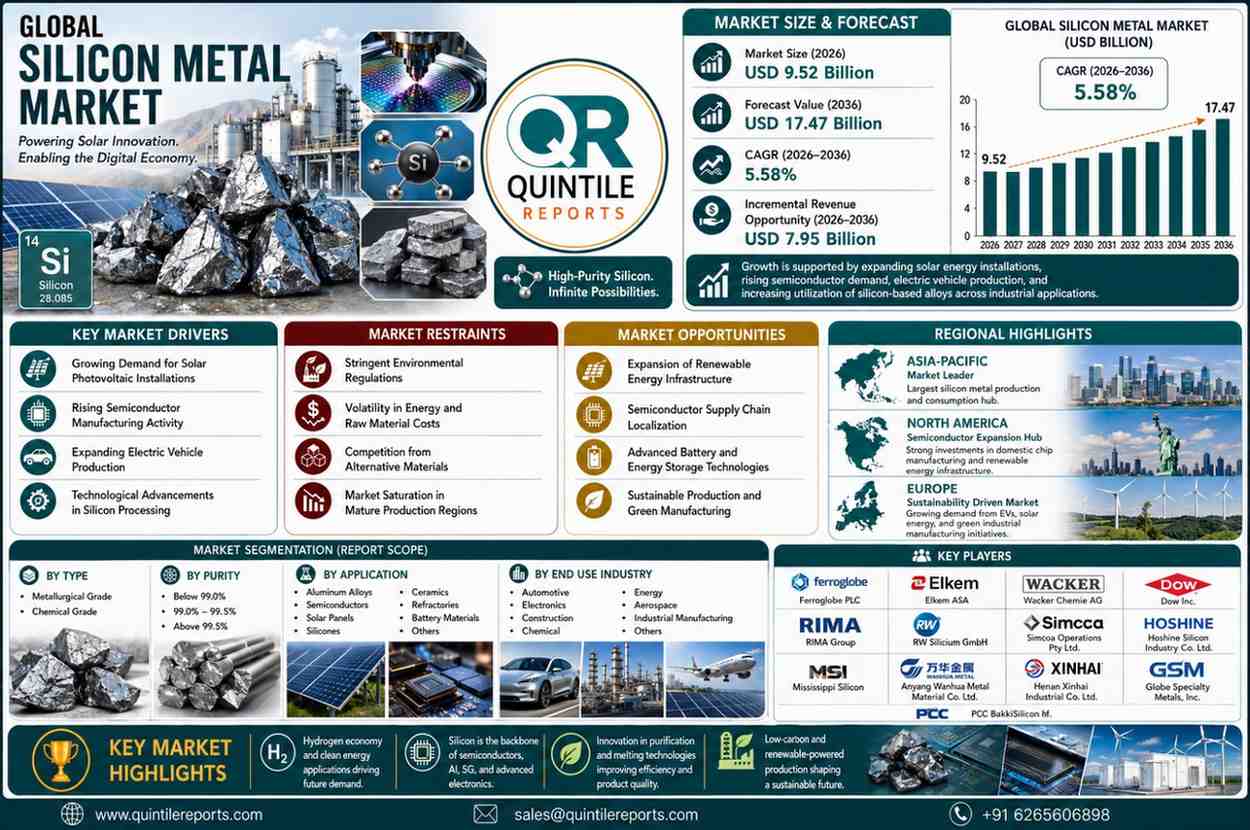
The global Silicon Metal Market was valued at USD 9.52 billion in 2026 and is projected to reach USD 17.47 billion by 2036, registering a CAGR of 5.58% during the forecast period. Silicon metal remains one of the most strategically important industrial materials due to its critical role in semiconductors, solar photovoltaic systems, aluminum alloys, silicones, and specialty chemicals. Produced through the carbothermic reduction of quartz in electric arc furnaces, silicon metal serves as a foundational raw material supporting modern technology, clean energy development, and advanced manufacturing industries.
The market is benefiting from accelerating investments in renewable energy infrastructure, expanding semiconductor fabrication capacity, and growing demand for lightweight materials within the automotive industry. As global economies increasingly focus on digitalization, electrification, and sustainability, silicon metal is expected to remain a critical enabler of technological innovation and industrial growth throughout the forecast period.
Market Size (2026): USD 9.52 Billion
Projected Market Size (2036): USD 17.47 Billion
CAGR (20262036): 5.58%
Incremental Revenue Opportunity: USD 7.95 Billion
The silicon metal industry is undergoing significant transformation as demand shifts toward high-value applications in solar energy and advanced electronics. Solar photovoltaic manufacturing remains one of the strongest growth drivers, with silicon metal serving as the primary feedstock for producing solar-grade polysilicon used in photovoltaic cells and modules. Growing investments in Monocrystalline Solar Cell Market technologies and Distributed Solar Power Generation Market projects are creating sustained demand for silicon-based solar technologies worldwide.
Simultaneously, the semiconductor industry continues to generate strong demand for ultra-high-purity silicon products. The rapid expansion of artificial intelligence, cloud computing, 5G networks, consumer electronics, and Internet of Things (IoT) devices is increasing semiconductor production worldwide. Additionally, automotive manufacturers are incorporating more silicon-containing aluminum alloys into electric vehicles to reduce weight, improve efficiency, and support evolving emissions standards. These trends collectively reinforce the long-term growth outlook for the global silicon metal market.
Growing Demand for Solar Photovoltaic Installations
Global investments in renewable energy continue to accelerate demand for solar-grade polysilicon and photovoltaic modules. Silicon metal remains the essential raw material for solar cell production, positioning the industry to benefit directly from expanding solar deployment worldwide. Rising installations across the Fixed Tilt Solar PV Market and Monocrystalline Solar Cell Market are expected to further strengthen long-term demand.
Rising Semiconductor Manufacturing Activity
Semiconductors form the backbone of modern electronics, telecommunications, artificial intelligence systems, and industrial automation technologies. Increasing demand for advanced electronic devices is driving consumption of high-purity silicon metal used in semiconductor manufacturing.
Expanding Electric Vehicle Production
Automotive manufacturers are increasingly utilizing silicon-containing aluminum alloys to produce lightweight vehicle components. The rapid adoption of electric vehicles is creating sustained demand for advanced materials that improve energy efficiency and performance.
Technological Advancements in Silicon Processing
Continuous innovation in purification technologies, reactor systems, and energy-efficient manufacturing processes is improving product quality while reducing production costs and environmental impacts.
Stringent Environmental Regulations
Silicon metal production is energy-intensive and subject to increasing environmental scrutiny. Emission reduction requirements, energy consumption restrictions, and sustainability regulations can increase operating costs for manufacturers.
Volatility in Energy and Raw Material Costs
Electricity, quartz, and carbon-based reducing agents represent major production inputs. Fluctuations in raw material availability and energy prices can significantly impact manufacturing economics and profitability.
Competition from Alternative Materials
Emerging semiconductor materials and alternative technologies may gradually challenge traditional silicon applications in selected niche markets, particularly within advanced electronics sectors.
Market Saturation in Mature Production Regions
Certain established markets are approaching production maturity, making future growth increasingly dependent on technological innovation, product differentiation, and new application development.
Expansion of Renewable Energy Infrastructure
Global solar installation targets and energy transition strategies are creating substantial opportunities for silicon metal suppliers serving photovoltaic value chains. Expanding deployment across the Distributed Solar Power Generation Market and growing investments in the Solar Energy Storage Battery Market are expected to further support silicon consumption throughout the renewable energy ecosystem.
Semiconductor Supply Chain Localization
Governments worldwide are investing heavily in domestic semiconductor manufacturing capabilities, creating new demand for high-purity silicon materials and related processing technologies.
Advanced Battery and Energy Storage Technologies
Research into silicon-enhanced battery materials and energy storage systems presents promising opportunities for market expansion beyond traditional applications.
Sustainable Production and Green Manufacturing
Manufacturers investing in renewable energy-powered operations, carbon reduction technologies, and environmentally responsible production methods are positioned to benefit from growing sustainability requirements.
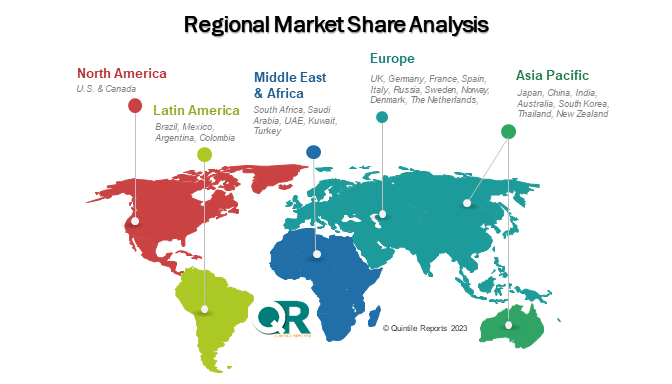
Asia-Pacific continues to dominate the global silicon metal market, accounting for the largest share of both production and consumption. China remains the industry's primary growth engine due to its leadership in solar panel manufacturing, semiconductor production, aluminum processing, and industrial manufacturing. Government initiatives supporting renewable energy deployment and advanced manufacturing continue to strengthen regional demand. Japan, South Korea, Taiwan, and India are also contributing significantly through investments in electronics, automotive production, and infrastructure development.
North America maintains a strong position due to robust demand from semiconductor manufacturing, renewable energy projects, and advanced industrial applications. The United States remains a major producer and consumer of silicon metal, supported by established manufacturing infrastructure and increasing investments in domestic semiconductor production. Ongoing efforts to strengthen supply chain resilience and reduce import dependency are expected to support future market growth.
Europe continues to experience stable demand driven by automotive manufacturing, renewable energy investments, and advanced industrial applications. Germany remains a key market due to its strong automotive, chemical, and industrial sectors. The region's commitment to sustainability, carbon reduction, and renewable energy deployment continues to shape silicon metal consumption patterns.
Latin America is gradually strengthening its market position, led by Brazil's role as a major producer and exporter. Meanwhile, the Middle East and Africa are emerging as growth markets due to increasing investments in solar energy, industrial diversification programs, and manufacturing capacity expansion.
The silicon metal market is positioned for long-term growth as global demand for renewable energy, semiconductors, and electric vehicles continues to expand. The strategic importance of silicon within solar photovoltaic manufacturing and advanced electronics is expected to strengthen supply chain investments and capacity expansion initiatives worldwide. Companies focused on high-purity production, sustainable manufacturing practices, and supply chain resilience are expected to gain competitive advantages during the forecast period.
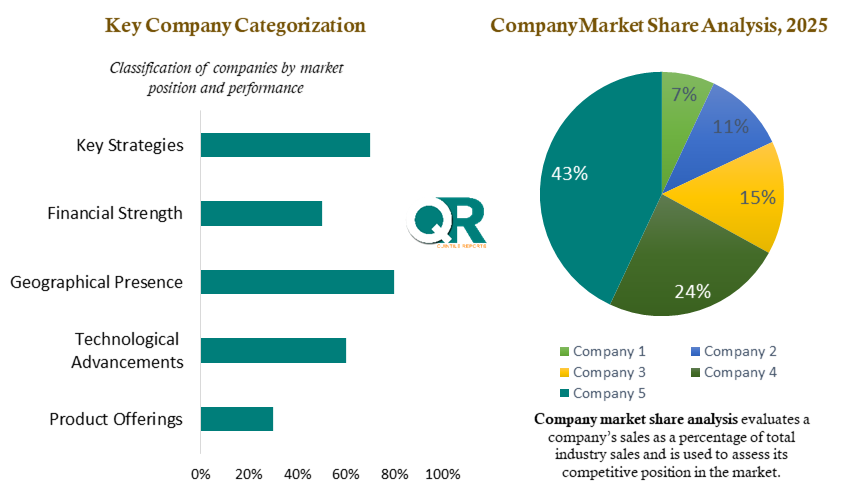
The silicon metal market is highly competitive, with manufacturers competing primarily on product purity, operational efficiency, production scale, and technological innovation. Companies supplying high-purity silicon products for semiconductor and solar applications command significant competitive advantages due to the stringent quality requirements of these industries.
Leading producers continue to invest in advanced purification technologies, energy-efficient production systems, and capacity expansion projects to strengthen their market positions. Vertical integration strategies, secure raw material sourcing, and diversified product portfolios are increasingly important as manufacturers seek to reduce supply chain risks and improve profitability.
Recent industry developments demonstrate the growing emphasis on production expansion, trade protection, and supply chain security. In June 2024, SOHAR Port & Freezone announced plans for a USD 68 million Green Ferro Alloy Silicon Metal Plant, designed to strengthen sustainable silicon metal production capabilities. The facility's initial phase will produce approximately 25,000 tonnes annually, targeting export markets across Asia, Europe, and North America.
In April 2025, leading U.S. producers including Ferroglobe PLC and Mississippi Silicon filed anti-dumping and countervailing duty petitions against imports from several countries. The action reflects growing industry efforts to address competitive pressures associated with global pricing dynamics and strengthen domestic manufacturing competitiveness. These developments highlight the increasing importance of supply chain resilience, regional production capacity, and strategic trade policies within the global silicon metal industry.
| Report Scope | Details |
| Report Version | 2026 |
| Growth Rate | CAGR of 5.58 % from 2026 to 2036 |
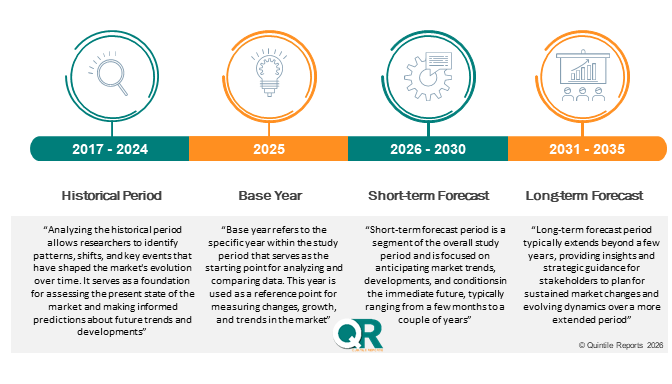
| Base Year | 2025 |
| Actual Estimates / Historical Data | 2017 - 2024 |
| Forecast Period | 2026 - 2036 |
| Quantitative Units | Revenue in USD million/billion & CAGR from 2026 to 2036 |
| Country Scope | North America (U.S., Canada), Europe (UK, Germany, France, Italy, Spain, Russia, Sweden, Denmark, Norway, Rest of Europe), Asia Pacific (Japan, China, India, Australia, South Korea, Thailand, Rest of Asia Pacific), Latin America (Brazil, Mexico, Argentina, Colombia, Rest of Latin America), Middle East & Africa (South Africa, Saudi Arabia, UAE, Kuwait, Rest of Middle East & Africa). |
| The Segment Covered by Type |
|
| The Segment Covered by Purity |
|
| Companies Covered |
|
| Report Coverage | Revenue forecast, company share, competitive landscape, growth factors, technology trends, and regional analysis |
| Free Customization Scope (Equivalent to 5 Analyst Working Days) | If you require additional insights beyond the current scope, our analysts can customize the report to meet your specific business needs. |
This report is built upon a comprehensive research framework that combines extensive primary interviews, secondary research, industry consultations, and advanced analytical methodologies. The study evaluates market performance across the entire silicon metal value chain, providing balanced insights into industry trends, competitive developments, technological advancements, and future growth opportunities.
This study on the Silicon Metal Market was developed using a comprehensive combination of primary research, secondary intelligence gathering, and quantitative market modeling to provide accurate and reliable market estimates. Secondary research involved extensive analysis of silicon metal industry publications, company annual reports, investor presentations, trade statistics, customs databases, government mining and manufacturing reports, solar energy industry data, semiconductor market studies, aluminum industry publications, and regulatory frameworks related to energy-intensive materials production.
Primary research was conducted through interviews with silicon metal manufacturers, quartz suppliers, alloy producers, semiconductor material providers, solar photovoltaic companies, distributors, technology specialists, procurement managers, and industry consultants. These discussions provided critical insights into production trends, pricing dynamics, capacity utilization rates, raw material availability, technological advancements, supply-demand balances, trade flows, and future investment strategies across major producing and consuming regions.
Market size estimation was performed using both bottom-up and top-down analytical approaches. The bottom-up assessment evaluated revenues generated by key silicon metal producers, production capacities, regional output volumes, and end-use consumption patterns across solar energy, semiconductors, aluminum alloys, silicones, specialty chemicals, and metallurgical applications. The top-down approach validated market figures using macroeconomic indicators, industrial production trends, renewable energy deployment forecasts, semiconductor manufacturing investments, and global trade statistics.
Forecast models incorporated multiple industry variables including solar photovoltaic installation growth, semiconductor fabrication capacity expansion, electric vehicle production trends, aluminum alloy demand, energy pricing, environmental regulations, and technological developments in silicon purification and processing. Regional demand forecasts were further refined through analysis of government clean energy initiatives, industrial manufacturing growth, infrastructure investments, and supply chain localization strategies.
All research findings underwent rigorous data triangulation and validation processes using independent industry sources, company disclosures, trade associations, and expert consultations. This methodology ensures a high degree of accuracy, consistency, and reliability while providing a comprehensive assessment of market dynamics, competitive developments, technological innovations, and long-term growth opportunities within the global Silicon Metal Market.

This report has been prepared by a team of experienced materials industry analysts, semiconductor market specialists, and renewable energy researchers with extensive expertise in industrial minerals, advanced manufacturing, and global supply chains. Through continuous monitoring of market developments, technology innovations, regulatory changes, and investment trends, the research team delivers objective, data-driven insights designed to support informed strategic decision-making across the silicon metal value chain.
Table 1 List of Abbreviation and Acronyms
Table 2 List of Sources
Table 3 North America Silicon Metal Market, by Segment Analysis, (USD Million) 2017-2036
Table 4 North America Silicon Metal Market, by Region, (USD Million) 2017-2036
Table 5 U.S. Silicon Metal Market, by Segment Analysis, (USD Million) 2017-2036
Table 6 Canada Silicon Metal Market, by Segment Analysis, (USD Million) 2017-2036
Table 7 Europe Silicon Metal Market, by Segment Analysis, (USD Million) 2017-2036
Table 8 Europe Silicon Metal Market, by Region, (USD Million) 2017-2036
Table 9 Germany Silicon Metal Market, by Segment Analysis, (USD Million) 2017-2036
Table 10 U.K. Silicon Metal Market, by Segment Analysis, (USD Million) 2017-2036
Table 11 France Silicon Metal Market, by Segment Analysis, (USD Million) 2017-2036
Table 12 Italy Silicon Metal Market, by Segment Analysis, (USD Million) 2017-2036
Table 13 Spain Silicon Metal Market, by Segment Analysis, (USD Million) 2017-2036
Table 14 Sweden Silicon Metal Market, by Segment Analysis, (USD Million) 2017-2036
Table 15 Denmark Silicon Metal Market, by Segment Analysis, (USD Million) 2017-2036
Table 16 Norway Silicon Metal Market, by Segment Analysis, (USD Million) 2017-2036
Table 17 The Netherlands Silicon Metal Market, by Segment Analysis, (USD Million) 2017-2036
Table 18 Russia Silicon Metal Market, by Segment Analysis, (USD Million) 2017-2036
Table 19 Asia Pacific Global Market, by Segment Analysis, (USD Million) 2017-2036
Table 20 Asia Pacific Silicon Metal Market, by Region, (USD Million) 2017-2036
Table 21 China Silicon Metal Market, by Segment Analysis, (USD Million) 2017-2036
Table 22 Japan Silicon Metal Market, by Segment Analysis, (USD Million) 2017-2036
Table 23 India Silicon Metal Market, by Segment Analysis, (USD Million) 2017-2036
Table 24 Australia Silicon Metal Market, by Segment Analysis, (USD Million) 2017-2036
Table 25 South Korea Silicon Metal Market, by Segment Analysis, (USD Million) 2017-2036
Table 26 Thailand Silicon Metal Market, by Segment Analysis, (USD Million) 2017-2036
Table 27 Latin America Silicon Metal Market, by Segment Analysis, (USD Million) 2017-2036
Table 28 Latin America Silicon Metal Market, by Region, (USD Million) 2017-2036
Table 29 Brazil Silicon Metal Market, by Segment Analysis, (USD Million) 2017-2036
Table 30 Mexico Silicon Metal Market, by Segment Analysis, (USD Million) 2017-2036
Table 31 Argentina Silicon Metal Market, by Segment Analysis, (USD Million) 2017-2036
Table 32 Middle East and Africa Silicon Metal Market, by Segment Analysis, (USD Million) 2017-2036
Table 33 Middle East and Africa Silicon Metal Market, by Region, (USD Million) 2017-2036
Table 34 South Africa Silicon Metal Market, by Segment Analysis, (USD Million) 2017-2036
Table 35 Saudi Arabia Silicon Metal Market, by Segment Analysis, (USD Million) 2017-2036
Table 36 UAE Silicon Metal Market, by Segment Analysis, (USD Million) 2017-2036
Table 37 Kuwait Silicon Metal Market, by Segment Analysis, (USD Million) 2017-2036
Table 38 Turkey Silicon Metal Market, by Segment Analysis, (USD Million) 2017-2036
Fig.1 Market Research Process
Fig.2 Market Research Approaches
Fig.3 Global Silicon Metal Market: Market Scenario
Fig.4 Global Silicon Metal Market Competitive Outlook
Fig.5 Global Silicon Metal Market Driver Analysis
Fig.6 Global Silicon Metal Market Restraint Analysis
Fig.7 Global Silicon Metal Market Opportunity Analysis
Fig.8 Global Silicon Metal Market Trends Analysis
Fig.9 Global Silicon Metal Market: Segment Analysis (Based on the Scope)
Fig.10 Global Silicon Metal Market: Regional Analysis
Fig.11 Global Market Shares and Leading Market Players
Fig.12 North America Market Share and Leading Players
Fig.13 Europe Market Share and Leading Players
Fig.14 Asia Pacific Market Share and Leading Players
Fig.15 Latin America Market Share and Leading Players
Fig.16 Middle East & Africa Market Share and Leading Players
Fig.17 North America, by Country
Fig.18 North America
Fig.19 North America Market Estimates and Forecast, 2017-2036
Fig.20 U.S.
Fig.21 Canada
Fig.22 Europe
Fig.23 Europe Market Estimates and Forecast, 2017-2036
Fig.24 U.K.
Fig.25 Germany
Fig.26 France
Fig.27 Italy
Fig.28 Spain
Fig.29 Sweden
Fig.30 Denmark
Fig.31 Norway
Fig.32 The Netherlands
Fig.33 Russia
Fig.34 Asia Pacific
Fig.35 Asia Pacific Market Estimates and Forecast, 2017-2036
Fig.36 China
Fig.37 Japan
Fig.38 India
Fig.39 Australia
Fig.40 South Korea
Fig.41 Thailand
Fig.42 Latin America
Fig.43 Latin America Market Estimates and Forecast, 2017-2036
Fig.44 Brazil
Fig.45 Mexico
Fig.46 Argentina
Fig.47 Colombia
Fig.48 Middle East and Africa
Fig.49 Middle East and Africa Market Estimates and Forecast, 2017-2036
Fig.50 Saudi Arabia
Fig.51 South Africa
Fig.52 UAE
Fig.53 Kuwait
Fig.54 Turkey
Table 1 List of Abbreviation and Acronyms
Table 2 List of Sources
Table 3 North America Silicon Metal Market, by Segment Analysis, (USD Million) 2017-2036
Table 4 North America Silicon Metal Market, by Region, (USD Million) 2017-2036
Table 5 U.S. Silicon Metal Market, by Segment Analysis, (USD Million) 2017-2036
Table 6 Canada Silicon Metal Market, by Segment Analysis, (USD Million) 2017-2036
Table 7 Europe Silicon Metal Market, by Segment Analysis, (USD Million) 2017-2036
Table 8 Europe Silicon Metal Market, by Region, (USD Million) 2017-2036
Table 9 Germany Silicon Metal Market, by Segment Analysis, (USD Million) 2017-2036
Table 10 U.K. Silicon Metal Market, by Segment Analysis, (USD Million) 2017-2036
Table 11 France Silicon Metal Market, by Segment Analysis, (USD Million) 2017-2036
Table 12 Italy Silicon Metal Market, by Segment Analysis, (USD Million) 2017-2036
Table 13 Spain Silicon Metal Market, by Segment Analysis, (USD Million) 2017-2036
Table 14 Sweden Silicon Metal Market, by Segment Analysis, (USD Million) 2017-2036
Table 15 Denmark Silicon Metal Market, by Segment Analysis, (USD Million) 2017-2036
Table 16 Norway Silicon Metal Market, by Segment Analysis, (USD Million) 2017-2036
Table 17 The Netherlands Silicon Metal Market, by Segment Analysis, (USD Million) 2017-2036
Table 18 Russia Silicon Metal Market, by Segment Analysis, (USD Million) 2017-2036
Table 19 Asia Pacific Global Market, by Segment Analysis, (USD Million) 2017-2036
Table 20 Asia Pacific Silicon Metal Market, by Region, (USD Million) 2017-2036
Table 21 China Silicon Metal Market, by Segment Analysis, (USD Million) 2017-2036
Table 22 Japan Silicon Metal Market, by Segment Analysis, (USD Million) 2017-2036
Table 23 India Silicon Metal Market, by Segment Analysis, (USD Million) 2017-2036
Table 24 Australia Silicon Metal Market, by Segment Analysis, (USD Million) 2017-2036
Table 25 South Korea Silicon Metal Market, by Segment Analysis, (USD Million) 2017-2036
Table 26 Thailand Silicon Metal Market, by Segment Analysis, (USD Million) 2017-2036
Table 27 Latin America Silicon Metal Market, by Segment Analysis, (USD Million) 2017-2036
Table 28 Latin America Silicon Metal Market, by Region, (USD Million) 2017-2036
Table 29 Brazil Silicon Metal Market, by Segment Analysis, (USD Million) 2017-2036
Table 30 Mexico Silicon Metal Market, by Segment Analysis, (USD Million) 2017-2036
Table 31 Argentina Silicon Metal Market, by Segment Analysis, (USD Million) 2017-2036
Table 32 Middle East and Africa Silicon Metal Market, by Segment Analysis, (USD Million) 2017-2036
Table 33 Middle East and Africa Silicon Metal Market, by Region, (USD Million) 2017-2036
Table 34 South Africa Silicon Metal Market, by Segment Analysis, (USD Million) 2017-2036
Table 35 Saudi Arabia Silicon Metal Market, by Segment Analysis, (USD Million) 2017-2036
Table 36 UAE Silicon Metal Market, by Segment Analysis, (USD Million) 2017-2036
Table 37 Kuwait Silicon Metal Market, by Segment Analysis, (USD Million) 2017-2036
Table 38 Turkey Silicon Metal Market, by Segment Analysis, (USD Million) 2017-2036
Fig.1 Market Research Process
Fig.2 Market Research Approaches
Fig.3 Global Silicon Metal Market: Market Scenario
Fig.4 Global Silicon Metal Market Competitive Outlook
Fig.5 Global Silicon Metal Market Driver Analysis
Fig.6 Global Silicon Metal Market Restraint Analysis
Fig.7 Global Silicon Metal Market Opportunity Analysis
Fig.8 Global Silicon Metal Market Trends Analysis
Fig.9 Global Silicon Metal Market: Segment Analysis (Based on the Scope)
Fig.10 Global Silicon Metal Market: Regional Analysis
Fig.11 Global Market Shares and Leading Market Players
Fig.12 North America Market Share and Leading Players
Fig.13 Europe Market Share and Leading Players
Fig.14 Asia Pacific Market Share and Leading Players
Fig.15 Latin America Market Share and Leading Players
Fig.16 Middle East & Africa Market Share and Leading Players
Fig.17 North America, by Country
Fig.18 North America
Fig.19 North America Market Estimates and Forecast, 2017-2036
Fig.20 U.S.
Fig.21 Canada
Fig.22 Europe
Fig.23 Europe Market Estimates and Forecast, 2017-2036
Fig.24 U.K.
Fig.25 Germany
Fig.26 France
Fig.27 Italy
Fig.28 Spain
Fig.29 Sweden
Fig.30 Denmark
Fig.31 Norway
Fig.32 The Netherlands
Fig.33 Russia
Fig.34 Asia Pacific
Fig.35 Asia Pacific Market Estimates and Forecast, 2017-2036
Fig.36 China
Fig.37 Japan
Fig.38 India
Fig.39 Australia
Fig.40 South Korea
Fig.41 Thailand
Fig.42 Latin America
Fig.43 Latin America Market Estimates and Forecast, 2017-2036
Fig.44 Brazil
Fig.45 Mexico
Fig.46 Argentina
Fig.47 Colombia
Fig.48 Middle East and Africa
Fig.49 Middle East and Africa Market Estimates and Forecast, 2017-2036
Fig.50 Saudi Arabia
Fig.51 South Africa
Fig.52 UAE
Fig.53 Kuwait
Fig.54 Turkey
The global Silicon Metal Market is projected to reach USD 17.47 billion by 2036, growing from USD 9.52 billion in 2026 at a CAGR of 5.58% during the forecast period. Growth is driven by increasing demand from the solar energy, semiconductor, automotive, and electronics industries.
The Silicon Metal Market is expected to register a CAGR of 5.58% between 2026 and 2036, supported by rising investments in renewable energy, semiconductor manufacturing, and lightweight automotive materials.
The market is driven by expanding solar photovoltaic installations, increasing semiconductor production, rising electric vehicle manufacturing, growing demand for aluminum-silicon alloys, and advancements in silicon purification technologies. Government initiatives supporting clean energy and domestic semiconductor production are also contributing to market growth.
Silicon metal is a high-purity industrial material produced by reducing quartz in electric arc furnaces. It is widely used in solar photovoltaic panels, semiconductors, aluminum alloys, silicones, specialty chemicals, battery materials, and advanced electronics, making it a critical raw material for modern industries.
Asia-Pacific dominates the global Silicon Metal Market due to its strong presence in solar panel manufacturing, semiconductor fabrication, aluminum production, and industrial manufacturing. China remains the leading producer and consumer, while North America and Europe continue to expand through investments in renewable energy and semiconductor supply chains.
Key companies operating in the Silicon Metal Market include Ferroglobe PLC, Elkem ASA, Wacker Chemie AG, Dow Inc., RIMA Group, RW Silicium GmbH, Simcoa Operations Pty Ltd., Hoshine Silicon Industry Co. Ltd., Mississippi Silicon, Globe Specialty Metals, Inc., and PCC BakkiSilicon hf.
Silicon metal is an essential raw material for manufacturing solar-grade polysilicon used in photovoltaic cells and high-purity silicon used in semiconductor chips. Growing investments in solar power, artificial intelligence, cloud computing, 5G networks, and electric vehicles are significantly increasing global demand for silicon metal.
Future market growth will be supported by expanding renewable energy infrastructure, localization of semiconductor supply chains, advancements in silicon-based battery technologies, sustainable manufacturing practices, and increasing investments in high-purity silicon production for clean energy and advanced electronics applications.
The global Silicon Metal Market was valued at USD 9.52 billion in 2026 and is projected to reach USD 17.47 billion by 2036, registering a CAGR of 5.58% during the forecast period. Silicon metal remains one of the most strategically important industrial materials due to its critical role in semiconductors, solar photovoltaic systems, aluminum alloys, silicones, and specialty chemicals. Produced through the carbothermic reduction of quartz in electric arc furnaces, silicon metal serves as a foundational raw material supporting modern technology, clean energy development, and advanced manufacturing industries.
The market is benefiting from accelerating investments in renewable energy infrastructure, expanding semiconductor fabrication capacity, and growing demand for lightweight materials within the automotive industry. As global economies increasingly focus on digitalization, electrification, and sustainability, silicon metal is expected to remain a critical enabler of technological innovation and industrial growth throughout the forecast period.
Market Size (2026): USD 9.52 Billion
Projected Market Size (2036): USD 17.47 Billion
CAGR (20262036): 5.58%
Incremental Revenue Opportunity: USD 7.95 Billion
The silicon metal industry is undergoing significant transformation as demand shifts toward high-value applications in solar energy and advanced electronics. Solar photovoltaic manufacturing remains one of the strongest growth drivers, with silicon metal serving as the primary feedstock for producing solar-grade polysilicon used in photovoltaic cells and modules. Growing investments in Monocrystalline Solar Cell Market technologies and Distributed Solar Power Generation Market projects are creating sustained demand for silicon-based solar technologies worldwide.
Simultaneously, the semiconductor industry continues to generate strong demand for ultra-high-purity silicon products. The rapid expansion of artificial intelligence, cloud computing, 5G networks, consumer electronics, and Internet of Things (IoT) devices is increasing semiconductor production worldwide. Additionally, automotive manufacturers are incorporating more silicon-containing aluminum alloys into electric vehicles to reduce weight, improve efficiency, and support evolving emissions standards. These trends collectively reinforce the long-term growth outlook for the global silicon metal market.
Growing Demand for Solar Photovoltaic Installations
Global investments in renewable energy continue to accelerate demand for solar-grade polysilicon and photovoltaic modules. Silicon metal remains the essential raw material for solar cell production, positioning the industry to benefit directly from expanding solar deployment worldwide. Rising installations across the Fixed Tilt Solar PV Market and Monocrystalline Solar Cell Market are expected to further strengthen long-term demand.
Rising Semiconductor Manufacturing Activity
Semiconductors form the backbone of modern electronics, telecommunications, artificial intelligence systems, and industrial automation technologies. Increasing demand for advanced electronic devices is driving consumption of high-purity silicon metal used in semiconductor manufacturing.
Expanding Electric Vehicle Production
Automotive manufacturers are increasingly utilizing silicon-containing aluminum alloys to produce lightweight vehicle components. The rapid adoption of electric vehicles is creating sustained demand for advanced materials that improve energy efficiency and performance.
Technological Advancements in Silicon Processing
Continuous innovation in purification technologies, reactor systems, and energy-efficient manufacturing processes is improving product quality while reducing production costs and environmental impacts.
Stringent Environmental Regulations
Silicon metal production is energy-intensive and subject to increasing environmental scrutiny. Emission reduction requirements, energy consumption restrictions, and sustainability regulations can increase operating costs for manufacturers.
Volatility in Energy and Raw Material Costs
Electricity, quartz, and carbon-based reducing agents represent major production inputs. Fluctuations in raw material availability and energy prices can significantly impact manufacturing economics and profitability.
Competition from Alternative Materials
Emerging semiconductor materials and alternative technologies may gradually challenge traditional silicon applications in selected niche markets, particularly within advanced electronics sectors.
Market Saturation in Mature Production Regions
Certain established markets are approaching production maturity, making future growth increasingly dependent on technological innovation, product differentiation, and new application development.
Expansion of Renewable Energy Infrastructure
Global solar installation targets and energy transition strategies are creating substantial opportunities for silicon metal suppliers serving photovoltaic value chains. Expanding deployment across the Distributed Solar Power Generation Market and growing investments in the Solar Energy Storage Battery Market are expected to further support silicon consumption throughout the renewable energy ecosystem.
Semiconductor Supply Chain Localization
Governments worldwide are investing heavily in domestic semiconductor manufacturing capabilities, creating new demand for high-purity silicon materials and related processing technologies.
Advanced Battery and Energy Storage Technologies
Research into silicon-enhanced battery materials and energy storage systems presents promising opportunities for market expansion beyond traditional applications.
Sustainable Production and Green Manufacturing
Manufacturers investing in renewable energy-powered operations, carbon reduction technologies, and environmentally responsible production methods are positioned to benefit from growing sustainability requirements.
Asia-Pacific continues to dominate the global silicon metal market, accounting for the largest share of both production and consumption. China remains the industry's primary growth engine due to its leadership in solar panel manufacturing, semiconductor production, aluminum processing, and industrial manufacturing. Government initiatives supporting renewable energy deployment and advanced manufacturing continue to strengthen regional demand. Japan, South Korea, Taiwan, and India are also contributing significantly through investments in electronics, automotive production, and infrastructure development.
North America maintains a strong position due to robust demand from semiconductor manufacturing, renewable energy projects, and advanced industrial applications. The United States remains a major producer and consumer of silicon metal, supported by established manufacturing infrastructure and increasing investments in domestic semiconductor production. Ongoing efforts to strengthen supply chain resilience and reduce import dependency are expected to support future market growth.
Europe continues to experience stable demand driven by automotive manufacturing, renewable energy investments, and advanced industrial applications. Germany remains a key market due to its strong automotive, chemical, and industrial sectors. The region's commitment to sustainability, carbon reduction, and renewable energy deployment continues to shape silicon metal consumption patterns.
Latin America is gradually strengthening its market position, led by Brazil's role as a major producer and exporter. Meanwhile, the Middle East and Africa are emerging as growth markets due to increasing investments in solar energy, industrial diversification programs, and manufacturing capacity expansion.
The silicon metal market is positioned for long-term growth as global demand for renewable energy, semiconductors, and electric vehicles continues to expand. The strategic importance of silicon within solar photovoltaic manufacturing and advanced electronics is expected to strengthen supply chain investments and capacity expansion initiatives worldwide. Companies focused on high-purity production, sustainable manufacturing practices, and supply chain resilience are expected to gain competitive advantages during the forecast period.
The silicon metal market is highly competitive, with manufacturers competing primarily on product purity, operational efficiency, production scale, and technological innovation. Companies supplying high-purity silicon products for semiconductor and solar applications command significant competitive advantages due to the stringent quality requirements of these industries.
Leading producers continue to invest in advanced purification technologies, energy-efficient production systems, and capacity expansion projects to strengthen their market positions. Vertical integration strategies, secure raw material sourcing, and diversified product portfolios are increasingly important as manufacturers seek to reduce supply chain risks and improve profitability.
Recent industry developments demonstrate the growing emphasis on production expansion, trade protection, and supply chain security. In June 2024, SOHAR Port & Freezone announced plans for a USD 68 million Green Ferro Alloy Silicon Metal Plant, designed to strengthen sustainable silicon metal production capabilities. The facility's initial phase will produce approximately 25,000 tonnes annually, targeting export markets across Asia, Europe, and North America.
In April 2025, leading U.S. producers including Ferroglobe PLC and Mississippi Silicon filed anti-dumping and countervailing duty petitions against imports from several countries. The action reflects growing industry efforts to address competitive pressures associated with global pricing dynamics and strengthen domestic manufacturing competitiveness. These developments highlight the increasing importance of supply chain resilience, regional production capacity, and strategic trade policies within the global silicon metal industry.
| Report Scope | Details |
| Report Version | 2026 |
| Growth Rate | CAGR of 5.58 % from 2026 to 2036 |
| Base Year | 2025 |
| Actual Estimates / Historical Data | 2017 - 2024 |
| Forecast Period | 2026 - 2036 |
| Quantitative Units | Revenue in USD million/billion & CAGR from 2026 to 2036 |
| Country Scope | North America (U.S., Canada), Europe (UK, Germany, France, Italy, Spain, Russia, Sweden, Denmark, Norway, Rest of Europe), Asia Pacific (Japan, China, India, Australia, South Korea, Thailand, Rest of Asia Pacific), Latin America (Brazil, Mexico, Argentina, Colombia, Rest of Latin America), Middle East & Africa (South Africa, Saudi Arabia, UAE, Kuwait, Rest of Middle East & Africa). |
| The Segment Covered by Type |
|
| The Segment Covered by Purity |
|
| Companies Covered |
|
| Report Coverage | Revenue forecast, company share, competitive landscape, growth factors, technology trends, and regional analysis |
| Free Customization Scope (Equivalent to 5 Analyst Working Days) | If you require additional insights beyond the current scope, our analysts can customize the report to meet your specific business needs. |
This report is built upon a comprehensive research framework that combines extensive primary interviews, secondary research, industry consultations, and advanced analytical methodologies. The study evaluates market performance across the entire silicon metal value chain, providing balanced insights into industry trends, competitive developments, technological advancements, and future growth opportunities.
This study on the Silicon Metal Market was developed using a comprehensive combination of primary research, secondary intelligence gathering, and quantitative market modeling to provide accurate and reliable market estimates. Secondary research involved extensive analysis of silicon metal industry publications, company annual reports, investor presentations, trade statistics, customs databases, government mining and manufacturing reports, solar energy industry data, semiconductor market studies, aluminum industry publications, and regulatory frameworks related to energy-intensive materials production.
Primary research was conducted through interviews with silicon metal manufacturers, quartz suppliers, alloy producers, semiconductor material providers, solar photovoltaic companies, distributors, technology specialists, procurement managers, and industry consultants. These discussions provided critical insights into production trends, pricing dynamics, capacity utilization rates, raw material availability, technological advancements, supply-demand balances, trade flows, and future investment strategies across major producing and consuming regions.
Market size estimation was performed using both bottom-up and top-down analytical approaches. The bottom-up assessment evaluated revenues generated by key silicon metal producers, production capacities, regional output volumes, and end-use consumption patterns across solar energy, semiconductors, aluminum alloys, silicones, specialty chemicals, and metallurgical applications. The top-down approach validated market figures using macroeconomic indicators, industrial production trends, renewable energy deployment forecasts, semiconductor manufacturing investments, and global trade statistics.
Forecast models incorporated multiple industry variables including solar photovoltaic installation growth, semiconductor fabrication capacity expansion, electric vehicle production trends, aluminum alloy demand, energy pricing, environmental regulations, and technological developments in silicon purification and processing. Regional demand forecasts were further refined through analysis of government clean energy initiatives, industrial manufacturing growth, infrastructure investments, and supply chain localization strategies.
All research findings underwent rigorous data triangulation and validation processes using independent industry sources, company disclosures, trade associations, and expert consultations. This methodology ensures a high degree of accuracy, consistency, and reliability while providing a comprehensive assessment of market dynamics, competitive developments, technological innovations, and long-term growth opportunities within the global Silicon Metal Market.
This report has been prepared by a team of experienced materials industry analysts, semiconductor market specialists, and renewable energy researchers with extensive expertise in industrial minerals, advanced manufacturing, and global supply chains. Through continuous monitoring of market developments, technology innovations, regulatory changes, and investment trends, the research team delivers objective, data-driven insights designed to support informed strategic decision-making across the silicon metal value chain.
Table 1 List of Abbreviation and Acronyms
Table 2 List of Sources
Table 3 North America Silicon Metal Market, by Segment Analysis, (USD Million) 2017-2036
Table 4 North America Silicon Metal Market, by Region, (USD Million) 2017-2036
Table 5 U.S. Silicon Metal Market, by Segment Analysis, (USD Million) 2017-2036
Table 6 Canada Silicon Metal Market, by Segment Analysis, (USD Million) 2017-2036
Table 7 Europe Silicon Metal Market, by Segment Analysis, (USD Million) 2017-2036
Table 8 Europe Silicon Metal Market, by Region, (USD Million) 2017-2036
Table 9 Germany Silicon Metal Market, by Segment Analysis, (USD Million) 2017-2036
Table 10 U.K. Silicon Metal Market, by Segment Analysis, (USD Million) 2017-2036
Table 11 France Silicon Metal Market, by Segment Analysis, (USD Million) 2017-2036
Table 12 Italy Silicon Metal Market, by Segment Analysis, (USD Million) 2017-2036
Table 13 Spain Silicon Metal Market, by Segment Analysis, (USD Million) 2017-2036
Table 14 Sweden Silicon Metal Market, by Segment Analysis, (USD Million) 2017-2036
Table 15 Denmark Silicon Metal Market, by Segment Analysis, (USD Million) 2017-2036
Table 16 Norway Silicon Metal Market, by Segment Analysis, (USD Million) 2017-2036
Table 17 The Netherlands Silicon Metal Market, by Segment Analysis, (USD Million) 2017-2036
Table 18 Russia Silicon Metal Market, by Segment Analysis, (USD Million) 2017-2036
Table 19 Asia Pacific Global Market, by Segment Analysis, (USD Million) 2017-2036
Table 20 Asia Pacific Silicon Metal Market, by Region, (USD Million) 2017-2036
Table 21 China Silicon Metal Market, by Segment Analysis, (USD Million) 2017-2036
Table 22 Japan Silicon Metal Market, by Segment Analysis, (USD Million) 2017-2036
Table 23 India Silicon Metal Market, by Segment Analysis, (USD Million) 2017-2036
Table 24 Australia Silicon Metal Market, by Segment Analysis, (USD Million) 2017-2036
Table 25 South Korea Silicon Metal Market, by Segment Analysis, (USD Million) 2017-2036
Table 26 Thailand Silicon Metal Market, by Segment Analysis, (USD Million) 2017-2036
Table 27 Latin America Silicon Metal Market, by Segment Analysis, (USD Million) 2017-2036
Table 28 Latin America Silicon Metal Market, by Region, (USD Million) 2017-2036
Table 29 Brazil Silicon Metal Market, by Segment Analysis, (USD Million) 2017-2036
Table 30 Mexico Silicon Metal Market, by Segment Analysis, (USD Million) 2017-2036
Table 31 Argentina Silicon Metal Market, by Segment Analysis, (USD Million) 2017-2036
Table 32 Middle East and Africa Silicon Metal Market, by Segment Analysis, (USD Million) 2017-2036
Table 33 Middle East and Africa Silicon Metal Market, by Region, (USD Million) 2017-2036
Table 34 South Africa Silicon Metal Market, by Segment Analysis, (USD Million) 2017-2036
Table 35 Saudi Arabia Silicon Metal Market, by Segment Analysis, (USD Million) 2017-2036
Table 36 UAE Silicon Metal Market, by Segment Analysis, (USD Million) 2017-2036
Table 37 Kuwait Silicon Metal Market, by Segment Analysis, (USD Million) 2017-2036
Table 38 Turkey Silicon Metal Market, by Segment Analysis, (USD Million) 2017-2036
Fig.1 Market Research Process
Fig.2 Market Research Approaches
Fig.3 Global Silicon Metal Market: Market Scenario
Fig.4 Global Silicon Metal Market Competitive Outlook
Fig.5 Global Silicon Metal Market Driver Analysis
Fig.6 Global Silicon Metal Market Restraint Analysis
Fig.7 Global Silicon Metal Market Opportunity Analysis
Fig.8 Global Silicon Metal Market Trends Analysis
Fig.9 Global Silicon Metal Market: Segment Analysis (Based on the Scope)
Fig.10 Global Silicon Metal Market: Regional Analysis
Fig.11 Global Market Shares and Leading Market Players
Fig.12 North America Market Share and Leading Players
Fig.13 Europe Market Share and Leading Players
Fig.14 Asia Pacific Market Share and Leading Players
Fig.15 Latin America Market Share and Leading Players
Fig.16 Middle East & Africa Market Share and Leading Players
Fig.17 North America, by Country
Fig.18 North America
Fig.19 North America Market Estimates and Forecast, 2017-2036
Fig.20 U.S.
Fig.21 Canada
Fig.22 Europe
Fig.23 Europe Market Estimates and Forecast, 2017-2036
Fig.24 U.K.
Fig.25 Germany
Fig.26 France
Fig.27 Italy
Fig.28 Spain
Fig.29 Sweden
Fig.30 Denmark
Fig.31 Norway
Fig.32 The Netherlands
Fig.33 Russia
Fig.34 Asia Pacific
Fig.35 Asia Pacific Market Estimates and Forecast, 2017-2036
Fig.36 China
Fig.37 Japan
Fig.38 India
Fig.39 Australia
Fig.40 South Korea
Fig.41 Thailand
Fig.42 Latin America
Fig.43 Latin America Market Estimates and Forecast, 2017-2036
Fig.44 Brazil
Fig.45 Mexico
Fig.46 Argentina
Fig.47 Colombia
Fig.48 Middle East and Africa
Fig.49 Middle East and Africa Market Estimates and Forecast, 2017-2036
Fig.50 Saudi Arabia
Fig.51 South Africa
Fig.52 UAE
Fig.53 Kuwait
Fig.54 Turkey
Table 1 List of Abbreviation and Acronyms
Table 2 List of Sources
Table 3 North America Silicon Metal Market, by Segment Analysis, (USD Million) 2017-2036
Table 4 North America Silicon Metal Market, by Region, (USD Million) 2017-2036
Table 5 U.S. Silicon Metal Market, by Segment Analysis, (USD Million) 2017-2036
Table 6 Canada Silicon Metal Market, by Segment Analysis, (USD Million) 2017-2036
Table 7 Europe Silicon Metal Market, by Segment Analysis, (USD Million) 2017-2036
Table 8 Europe Silicon Metal Market, by Region, (USD Million) 2017-2036
Table 9 Germany Silicon Metal Market, by Segment Analysis, (USD Million) 2017-2036
Table 10 U.K. Silicon Metal Market, by Segment Analysis, (USD Million) 2017-2036
Table 11 France Silicon Metal Market, by Segment Analysis, (USD Million) 2017-2036
Table 12 Italy Silicon Metal Market, by Segment Analysis, (USD Million) 2017-2036
Table 13 Spain Silicon Metal Market, by Segment Analysis, (USD Million) 2017-2036
Table 14 Sweden Silicon Metal Market, by Segment Analysis, (USD Million) 2017-2036
Table 15 Denmark Silicon Metal Market, by Segment Analysis, (USD Million) 2017-2036
Table 16 Norway Silicon Metal Market, by Segment Analysis, (USD Million) 2017-2036
Table 17 The Netherlands Silicon Metal Market, by Segment Analysis, (USD Million) 2017-2036
Table 18 Russia Silicon Metal Market, by Segment Analysis, (USD Million) 2017-2036
Table 19 Asia Pacific Global Market, by Segment Analysis, (USD Million) 2017-2036
Table 20 Asia Pacific Silicon Metal Market, by Region, (USD Million) 2017-2036
Table 21 China Silicon Metal Market, by Segment Analysis, (USD Million) 2017-2036
Table 22 Japan Silicon Metal Market, by Segment Analysis, (USD Million) 2017-2036
Table 23 India Silicon Metal Market, by Segment Analysis, (USD Million) 2017-2036
Table 24 Australia Silicon Metal Market, by Segment Analysis, (USD Million) 2017-2036
Table 25 South Korea Silicon Metal Market, by Segment Analysis, (USD Million) 2017-2036
Table 26 Thailand Silicon Metal Market, by Segment Analysis, (USD Million) 2017-2036
Table 27 Latin America Silicon Metal Market, by Segment Analysis, (USD Million) 2017-2036
Table 28 Latin America Silicon Metal Market, by Region, (USD Million) 2017-2036
Table 29 Brazil Silicon Metal Market, by Segment Analysis, (USD Million) 2017-2036
Table 30 Mexico Silicon Metal Market, by Segment Analysis, (USD Million) 2017-2036
Table 31 Argentina Silicon Metal Market, by Segment Analysis, (USD Million) 2017-2036
Table 32 Middle East and Africa Silicon Metal Market, by Segment Analysis, (USD Million) 2017-2036
Table 33 Middle East and Africa Silicon Metal Market, by Region, (USD Million) 2017-2036
Table 34 South Africa Silicon Metal Market, by Segment Analysis, (USD Million) 2017-2036
Table 35 Saudi Arabia Silicon Metal Market, by Segment Analysis, (USD Million) 2017-2036
Table 36 UAE Silicon Metal Market, by Segment Analysis, (USD Million) 2017-2036
Table 37 Kuwait Silicon Metal Market, by Segment Analysis, (USD Million) 2017-2036
Table 38 Turkey Silicon Metal Market, by Segment Analysis, (USD Million) 2017-2036
Fig.1 Market Research Process
Fig.2 Market Research Approaches
Fig.3 Global Silicon Metal Market: Market Scenario
Fig.4 Global Silicon Metal Market Competitive Outlook
Fig.5 Global Silicon Metal Market Driver Analysis
Fig.6 Global Silicon Metal Market Restraint Analysis
Fig.7 Global Silicon Metal Market Opportunity Analysis
Fig.8 Global Silicon Metal Market Trends Analysis
Fig.9 Global Silicon Metal Market: Segment Analysis (Based on the Scope)
Fig.10 Global Silicon Metal Market: Regional Analysis
Fig.11 Global Market Shares and Leading Market Players
Fig.12 North America Market Share and Leading Players
Fig.13 Europe Market Share and Leading Players
Fig.14 Asia Pacific Market Share and Leading Players
Fig.15 Latin America Market Share and Leading Players
Fig.16 Middle East & Africa Market Share and Leading Players
Fig.17 North America, by Country
Fig.18 North America
Fig.19 North America Market Estimates and Forecast, 2017-2036
Fig.20 U.S.
Fig.21 Canada
Fig.22 Europe
Fig.23 Europe Market Estimates and Forecast, 2017-2036
Fig.24 U.K.
Fig.25 Germany
Fig.26 France
Fig.27 Italy
Fig.28 Spain
Fig.29 Sweden
Fig.30 Denmark
Fig.31 Norway
Fig.32 The Netherlands
Fig.33 Russia
Fig.34 Asia Pacific
Fig.35 Asia Pacific Market Estimates and Forecast, 2017-2036
Fig.36 China
Fig.37 Japan
Fig.38 India
Fig.39 Australia
Fig.40 South Korea
Fig.41 Thailand
Fig.42 Latin America
Fig.43 Latin America Market Estimates and Forecast, 2017-2036
Fig.44 Brazil
Fig.45 Mexico
Fig.46 Argentina
Fig.47 Colombia
Fig.48 Middle East and Africa
Fig.49 Middle East and Africa Market Estimates and Forecast, 2017-2036
Fig.50 Saudi Arabia
Fig.51 South Africa
Fig.52 UAE
Fig.53 Kuwait
Fig.54 Turkey

A license granted to one user. Rules or conditions might be applied for e.g. the use of electric files (PDFs) or printings, depending on product.
A license granted to multiple users.
A license granted to a single business site/establishment.
A license granted to all employees within organisation access to the product.
Immediate / Within 24-48 hours - Working days
Online Payments with PayPal and CCavenue
You can order a report by picking any of the payment methods which is bank wire or online payment through any Debit/Credit card or PayPal.
Hard Copy
Aramid Fiber Market Overview The global Aramid Fiber Market was valued at USD 4.98 billion in 2026 a
Read MoreConcrete Market Overview The global concrete market forms the backbone of modern construction, provi
Read MoreSilicon Carbide Market Overview The global Silicon Carbide (SiC) Market was valued at USD 7.52 billi
Read More