The global Hot Rolled Coil (HRC) Steel Market was valued at USD 348.50 billion in 2026 and is projected to reach USD 834.47 billion by 2036, registering a CAGR of 7.98% during the forecast period. Hot rolled coil steel remains one of the most widely used flat steel products globally due to its strength, versatility, cost-effectiveness, and suitability for a broad range of industrial applications. Produced through high-temperature rolling processes, HRC steel serves as a foundational material for construction, automotive manufacturing, shipbuilding, energy infrastructure, industrial machinery, pipelines, and heavy engineering projects.
The market continues to benefit from increasing urbanization, industrialization, infrastructure development, and manufacturing expansion across both developed and emerging economies. As governments invest heavily in transportation networks, renewable energy systems, industrial facilities, and smart city projects, demand for hot rolled coil steel is expected to remain strong throughout the forecast period.
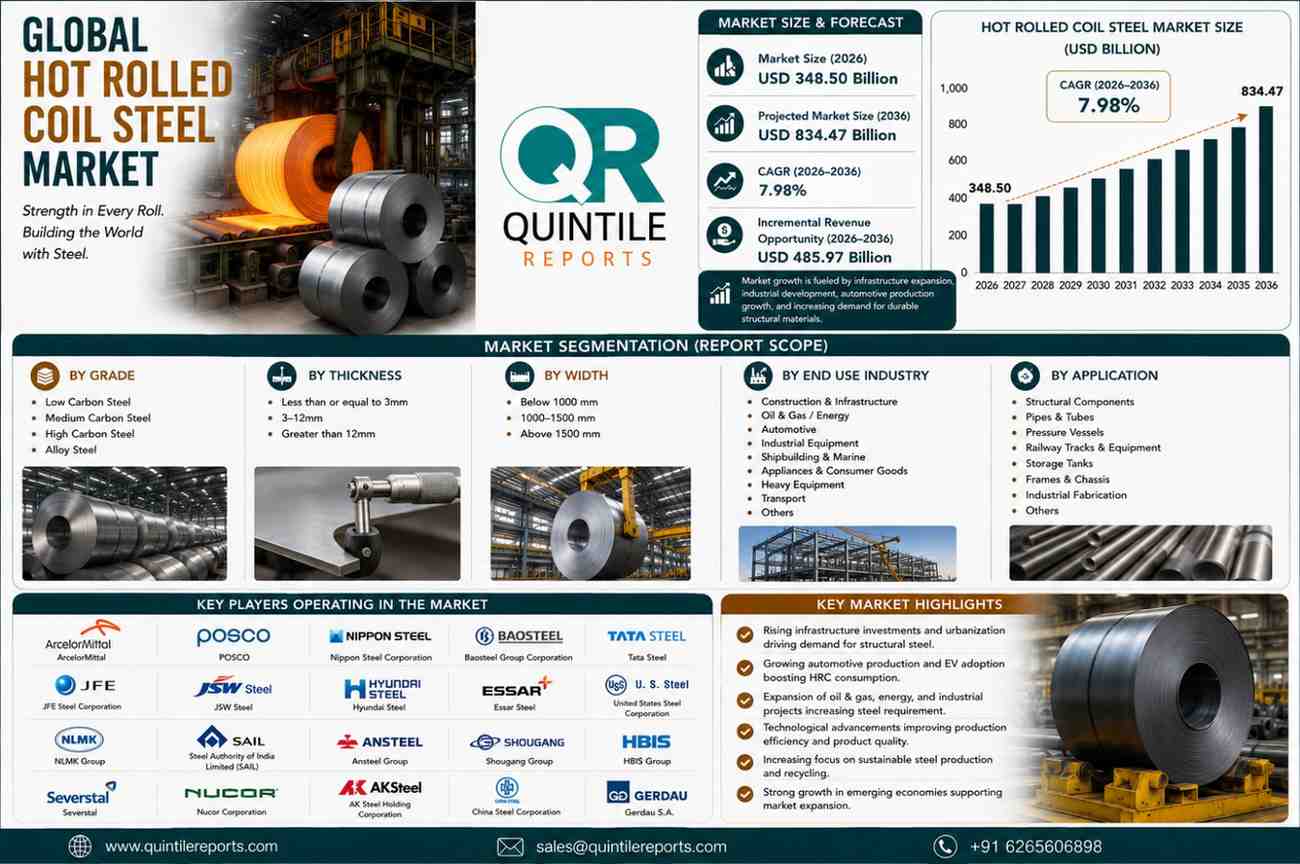
The global demand for hot rolled coil steel is being shaped by large-scale infrastructure development, rising manufacturing output, and growing investments in industrial modernization. Construction remains one of the largest consumers of HRC steel due to its extensive use in structural frameworks, bridges, buildings, pipelines, rail networks, and transportation infrastructure. Rapid urbanization across developing economies is creating substantial demand for steel-intensive projects, further strengthening long-term market growth.
Government-backed investments in highways, smart cities, industrial corridors, ports, airports, renewable energy installations, and public infrastructure projects continue to generate strong consumption of hot rolled coil steel. The materials durability, structural strength, and cost-effectiveness make it a preferred choice for large-scale engineering and construction applications worldwide.
The automotive industry also represents a major demand contributor, utilizing hot rolled coil steel in vehicle frames, chassis systems, suspension components, wheels, and various structural parts. Rising vehicle production, expanding commercial transportation fleets, and increasing investments in electric vehicle manufacturing are expected to further support HRC steel consumption throughout the forecast period.
Meanwhile, oil & gas operators, energy companies, shipbuilders, pipeline manufacturers, and heavy equipment producers continue to rely on hot rolled coil steel due to its excellent mechanical properties, weldability, formability, and cost efficiency. Growing industrial activity across emerging markets, coupled with ongoing modernization of manufacturing facilities, is creating additional demand opportunities across multiple end-use sectors.
These factors collectively position the Hot Rolled Coil (HRC) Steel Market for sustained expansion over the next decade, supported by infrastructure growth, industrial development, energy investments, and increasing demand for durable structural materials globally.
Rising investments in transportation infrastructure, commercial buildings, residential developments, and industrial facilities are driving substantial demand for hot rolled coil steel. Its strength, durability, and versatility make it an essential material for structural applications and large-scale construction projects.
The automotive industry's continued growth is supporting increased consumption of HRC steel for chassis systems, vehicle frames, and structural components. The expansion of electric vehicle production is further strengthening steel demand across global manufacturing hubs.
Hot rolled coil steel is extensively used in pipelines, storage tanks, drilling equipment, power plants, and heavy industrial machinery. Growing investments in energy infrastructure and industrial development continue to support market growth.
Rapid economic development in countries across Asia-Pacific, Latin America, and the Middle East is creating substantial demand for steel products used in manufacturing, transportation, and infrastructure construction.
Fluctuating raw material costs significantly impact steel production expenses and profit margins. Price instability creates uncertainty for both producers and end users when planning long-term procurement strategies.
Increasing pressure to reduce carbon emissions and improve sustainability in steel production is driving higher compliance costs. Investments in cleaner technologies and decarbonization initiatives require significant capital expenditures.
Excess production capacity in certain regions contributes to pricing pressure and reduced profitability. Intense competition among global steel manufacturers continues to challenge market stability.
Import tariffs, anti-dumping measures, export restrictions, and geopolitical tensions can disrupt international steel trade flows and impact market dynamics across key regions.
The transition toward sustainable construction and manufacturing practices is creating opportunities for producers investing in low-emission steelmaking technologies and environmentally responsible production methods.
Wind farms, solar installations, transmission systems, and energy storage projects require significant quantities of structural steel, creating long-term demand opportunities for hot rolled coil manufacturers.
Advanced manufacturing facilities, logistics infrastructure, industrial automation projects, and smart factories continue to drive demand for high-quality steel products.
Large-scale infrastructure initiatives across Asia-Pacific, Africa, Latin America, and the Middle East present substantial growth opportunities for steel producers seeking to expand their market presence.
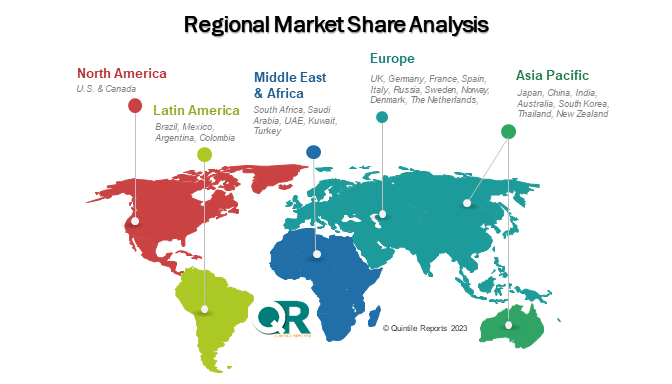
Asia-Pacific dominates the global hot rolled coil steel market and is expected to maintain its leadership position throughout the forecast period. China remains the largest producer and consumer due to extensive infrastructure projects, manufacturing activities, and real estate development. India is rapidly expanding its steel consumption through industrialization, railway modernization programs, automotive growth, and government infrastructure investments. Japan and South Korea continue to play important roles through advanced steel production capabilities and export-oriented manufacturing sectors.
North America represents a significant market supported by infrastructure modernization programs, automotive manufacturing, machinery production, and energy sector investments. The United States continues to invest heavily in transportation infrastructure, manufacturing reshoring initiatives, and electric vehicle production facilities, creating strong demand for HRC steel products.
Europe maintains steady consumption levels driven by automotive production, industrial machinery manufacturing, renewable energy projects, and infrastructure upgrades. Germany, France, Italy, and other key markets are investing in green steel technologies while maintaining strong demand across construction and industrial applications.
Latin America continues to experience moderate growth led by Brazil, Mexico, and Argentina. Expanding construction activity, oil & gas investments, and automotive manufacturing are supporting regional steel consumption.
Meanwhile, the Middle East & Africa are witnessing growing demand from mega infrastructure projects, industrial diversification strategies, transportation developments, and energy sector expansion initiatives.
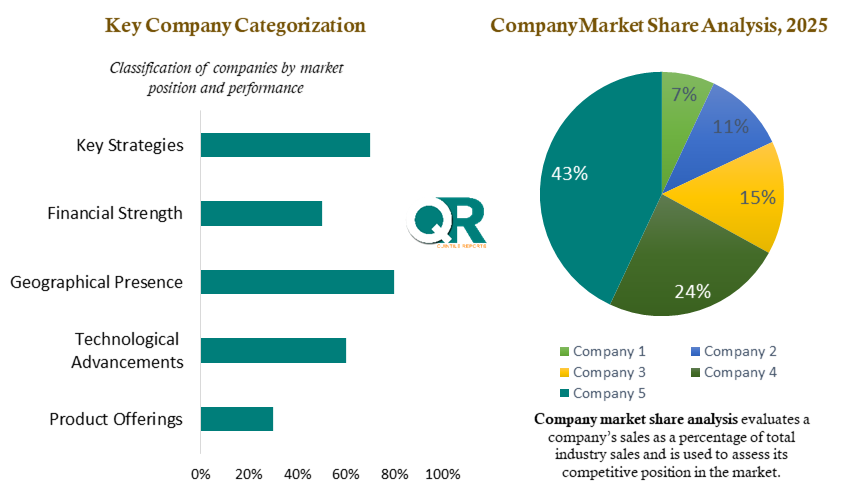
The hot rolled coil steel market is highly competitive, characterized by the presence of large integrated steel producers, regional manufacturers, and export-oriented suppliers. Competition is primarily centered on production capacity, operational efficiency, product quality, cost competitiveness, and supply chain reliability.
Leading steel manufacturers are investing heavily in capacity expansion projects, advanced rolling technologies, digital manufacturing systems, and environmentally sustainable production processes. Companies are increasingly focusing on reducing carbon emissions, improving energy efficiency, and adopting cleaner steelmaking technologies to align with evolving regulatory requirements and customer expectations.
Strategic partnerships, acquisitions, vertical integration initiatives, and long-term supply agreements continue to play an important role in strengthening market positions. Producers with diversified production assets, secure raw material access, and strong distribution networks are expected to maintain competitive advantages in an increasingly dynamic global steel industry.
| Report Scope | Details |
| Report Version | 2026 |
| Growth Rate | CAGR of 7.98 % from 2026 to 2036 |
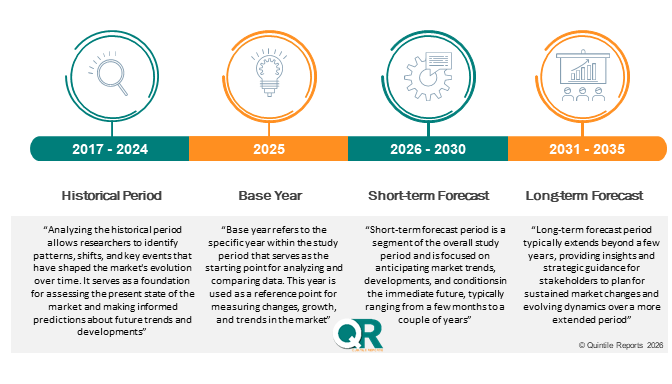
| Base Year | 2025 |
| Actual Estimates / Historical Data | 2017 - 2024 |
| Forecast Period | 2026 - 2036 |
| Quantitative Units | Revenue in USD million/billion & CAGR from 2026 to 2036 |
| Country Scope | North America (U.S., Canada), Europe (UK, Germany, France, Italy, Spain, Russia, Sweden, Denmark, Norway, Rest of Europe), Asia Pacific (Japan, China, India, Australia, South Korea, Thailand, Rest of Asia Pacific), Latin America (Brazil, Mexico, Argentina, Colombia, Rest of Latin America), Middle East & Africa (South Africa, Saudi Arabia, UAE, Kuwait, Rest of Middle East & Africa). |
| The Segment Covered by Grade |
|
| The Segment Covered by Thickness |
|
| Companies Covered |
|
| Report Coverage | Revenue forecast, company share, competitive landscape, growth factors, technology trends, and regional analysis |
| Free Customization Scope (Equivalent to 5 Analyst Working Days) | If you require additional insights beyond the current scope, our analysts can customize the report to meet your specific business needs. |
This report is developed using a rigorous research methodology that combines extensive primary interviews with steel manufacturers, distributors, industry experts, procurement professionals, and market participants alongside comprehensive secondary research from trusted industry sources. The analysis provides a balanced assessment of market trends, growth drivers, competitive dynamics, and future opportunities.
All forecasts and market estimates undergo multiple validation processes, including market triangulation, supply-demand assessments, trend analysis, and expert review. This ensures the highest levels of accuracy, reliability, and transparency for strategic decision-making.
The study utilizes a comprehensive blend of qualitative and quantitative research approaches to evaluate the Hot Rolled Coil Steel Market. Secondary research includes analysis of industry reports, company financials, government publications, steel trade statistics, commodity databases, and market intelligence sources.
Primary research involves direct interviews with steel producers, raw material suppliers, distributors, engineering firms, procurement specialists, and industry consultants. Data collected through these interactions is validated using advanced forecasting models, regional demand assessments, macroeconomic analysis, and market triangulation methodologies to generate reliable market projections.

This report has been prepared by a team of experienced metals, mining, and industrial materials analysts with extensive expertise in global steel markets, commodity supply chains, and infrastructure sectors. The research team combines deep industry knowledge with advanced analytical methodologies to provide objective, accurate, and actionable market intelligence.
Through continuous monitoring of steel production trends, raw material markets, regulatory developments, sustainability initiatives, and technological advancements, our analysts deliver valuable insights that help stakeholders navigate evolving market conditions and capitalize on emerging opportunities. The report reflects a strong commitment to research excellence, transparency, and industry relevance, making it a trusted resource for manufacturers, investors, policymakers, distributors, and industrial end users worldwide.
List of Tables
Table 1 List of Abbreviation and acronyms
Table 2 List of Sources
Table 3 North America Global Hot Rolled Coil Steel Market, by Segment Analysis, (USD Million) 2017-2036
Table 4 North America Global Hot Rolled Coil Steel Market, by Region, (USD Million) 2017-2036
Table 5 U.S. Global Hot Rolled Coil Steel Market, by Segment Analysis, (USD Million) 2017-2036
Table 6 Canada Global Hot Rolled Coil Steel Market, by Segment Analysis, (USD Million) 2017-2036
Table 7 Europe Global Hot Rolled Coil Steel Market, by Segment Analysis, (USD Million) 2017-2036
Table 8 Europe Global Hot Rolled Coil Steel Market, by Region, (USD Million) 2017-2036
Table 9 Germany Global Hot Rolled Coil Steel Market, by Segment Analysis, (USD Million) 2017-2036
Table 10 U.K. Global Hot Rolled Coil Steel Market, by Segment Analysis, (USD Million) 2017-2036
Table 11 France Global Hot Rolled Coil Steel Market, by Segment Analysis, (USD Million) 2017-2036
Table 12 Italy Global Hot Rolled Coil Steel Market, by Segment Analysis, (USD Million) 2017-2036
Table 13 Spain Global Hot Rolled Coil Steel Market, by Segment Analysis, (USD Million) 2017-2036
Table 14 Sweden Global Hot Rolled Coil Steel Market, by Segment Analysis, (USD Million) 2017-2036
Table 15 Denmark Global Hot Rolled Coil Steel Market, by Segment Analysis, (USD Million) 2017-2036
Table 16 Norway Global Hot Rolled Coil Steel Market, by Segment Analysis, (USD Million) 2017-2036
Table 17 The Netherlands Global Hot Rolled Coil Steel Market, by Segment Analysis, (USD Million) 2017-2036
Table 18 Russia Global Hot Rolled Coil Steel Market, by Segment Analysis, (USD Million) 2017-2036
Table 19 Asia Pacific Global Hot Rolled Coil Steel Market, by Segment Analysis, (USD Million) 2017-2036
Table 20 Asia Pacific Global Hot Rolled Coil Steel Market, by Region, (USD Million) 2017-2036
Table 21 China Global Hot Rolled Coil Steel Market, by Segment Analysis, (USD Million) 2017-2036
Table 22 Japan Global Hot Rolled Coil Steel Market, by Segment Analysis, (USD Million) 2017-2036
Table 23 India Global Hot Rolled Coil Steel Market, by Segment Analysis, (USD Million) 2017-2036
Table 24 Australia Global Hot Rolled Coil Steel Market, by Segment Analysis, (USD Million) 2017-2036
Table 25 South Korea Global Hot Rolled Coil Steel Market, by Segment Analysis, (USD Million) 2017-2036
Table 26 Thailand Global Hot Rolled Coil Steel Market, by Segment Analysis, (USD Million) 2017-2036
Table 27 Latin America Global Hot Rolled Coil Steel Market, by Segment Analysis, (USD Million) 2017-2036
Table 28 Latin America Global Hot Rolled Coil Steel Market, by Region, (USD Million) 2017-2036
Table 29 Brazil Global Hot Rolled Coil Steel Market, by Segment Analysis, (USD Million) 2017-2036
Table 30 Mexico Global Hot Rolled Coil Steel Market, by Segment Analysis, (USD Million) 2017-2036
Table 31 Argentina Global Hot Rolled Coil Steel Market, by Segment Analysis, (USD Million) 2017-2036
Table 32 Middle East and Africa Global Hot Rolled Coil Steel Market, by Segment Analysis, (USD Million) 2017-2036
Table 33 Middle East and Africa Global Hot Rolled Coil Steel Market, by Region, (USD Million) 2017-2036
Table 34 South Africa Global Hot Rolled Coil Steel Market, by Segment Analysis, (USD Million) 2017-2036
Table 35 Saudi Arabia Global Hot Rolled Coil Steel Market, by Segment Analysis, (USD Million) 2017-2036
Table 36 UAE Global Hot Rolled Coil Steel Market, by Segment Analysis, (USD Million) 2017-2036
Table 37 Kuwait Global Hot Rolled Coil Steel Market, by Segment Analysis, (USD Million) 2017-2036
Table 38 Turkey Global Hot Rolled Coil Steel Market, by Segment Analysis, (USD Million) 2017-2036
Fig.1 Market research process
Fig.2 Market research approaches
Fig.3 Global Hot Rolled Coil Steel Market: market scenario
Fig.4 Global Hot Rolled Coil Steel Market competitive outlook
Fig.5 Global Hot Rolled Coil Steel Market driver analysis
Fig.6 Global Hot Rolled Coil Steel Market restraint analysis
Fig.7 Global Hot Rolled Coil Steel Market opportunity analysis
Fig.8 Global Hot Rolled Coil Steel Market trends analysis
Fig.9 Global Hot Rolled Coil Steel Market: Segment Analysis (Based on the scope)
Fig.10 Global Hot Rolled Coil Steel Market: regional analysis
Fig.11 Global market shares and leading market players
Fig.12 North America market share and leading players
Fig.13 Europe market share and leading players
Fig.14 Asia Pacific market share and leading players
Fig.15 Latin America market share and leading players
Fig.16 Middle East & Africa market share and leading players
Fig.17 North America, by country
Fig.18 North America
Fig.19 North America market estimates and forecast, 2017-2036
Fig.20 U.S.
Fig.21 Canada
Fig.22 Europe
Fig.23 Europe market estimates and forecast, 2017-2036
Fig.24 U.K.
Fig.25 Germany
Fig.26 France
Fig.27 Italy
Fig.28 Spain
Fig.29 Sweden
Fig.30 Denmark
Fig.31 Norway
Fig.32 The Netherlands
Fig.33 Russia
Fig.34 Asia Pacific
Fig.35 Asia Pacific market estimates and forecast, 2017-2036
Fig.36 China
Fig.37 Japan
Fig.38 India
Fig.39 Australia
Fig.40 South Korea
Fig.41 Thailand
Fig.42 Latin America
Fig.43 Latin America market estimates and forecast, 2017-2036
Fig.44 Brazil
Fig.45 Mexico
Fig.46 Argentina
Fig.47 Colombia
Fig.48 Middle East and Africa
Fig.49 Middle East and Africa market estimates and forecast, 2017-2036
Fig.50 Saudi Arabia
Fig.51 South Africa
Fig.52 UAE
Fig.53 Kuwait
Fig.54 Turkey
List of Tables
Table 1 List of Abbreviation and acronyms
Table 2 List of Sources
Table 3 North America Global Hot Rolled Coil Steel Market, by Segment Analysis, (USD Million) 2017-2036
Table 4 North America Global Hot Rolled Coil Steel Market, by Region, (USD Million) 2017-2036
Table 5 U.S. Global Hot Rolled Coil Steel Market, by Segment Analysis, (USD Million) 2017-2036
Table 6 Canada Global Hot Rolled Coil Steel Market, by Segment Analysis, (USD Million) 2017-2036
Table 7 Europe Global Hot Rolled Coil Steel Market, by Segment Analysis, (USD Million) 2017-2036
Table 8 Europe Global Hot Rolled Coil Steel Market, by Region, (USD Million) 2017-2036
Table 9 Germany Global Hot Rolled Coil Steel Market, by Segment Analysis, (USD Million) 2017-2036
Table 10 U.K. Global Hot Rolled Coil Steel Market, by Segment Analysis, (USD Million) 2017-2036
Table 11 France Global Hot Rolled Coil Steel Market, by Segment Analysis, (USD Million) 2017-2036
Table 12 Italy Global Hot Rolled Coil Steel Market, by Segment Analysis, (USD Million) 2017-2036
Table 13 Spain Global Hot Rolled Coil Steel Market, by Segment Analysis, (USD Million) 2017-2036
Table 14 Sweden Global Hot Rolled Coil Steel Market, by Segment Analysis, (USD Million) 2017-2036
Table 15 Denmark Global Hot Rolled Coil Steel Market, by Segment Analysis, (USD Million) 2017-2036
Table 16 Norway Global Hot Rolled Coil Steel Market, by Segment Analysis, (USD Million) 2017-2036
Table 17 The Netherlands Global Hot Rolled Coil Steel Market, by Segment Analysis, (USD Million) 2017-2036
Table 18 Russia Global Hot Rolled Coil Steel Market, by Segment Analysis, (USD Million) 2017-2036
Table 19 Asia Pacific Global Hot Rolled Coil Steel Market, by Segment Analysis, (USD Million) 2017-2036
Table 20 Asia Pacific Global Hot Rolled Coil Steel Market, by Region, (USD Million) 2017-2036
Table 21 China Global Hot Rolled Coil Steel Market, by Segment Analysis, (USD Million) 2017-2036
Table 22 Japan Global Hot Rolled Coil Steel Market, by Segment Analysis, (USD Million) 2017-2036
Table 23 India Global Hot Rolled Coil Steel Market, by Segment Analysis, (USD Million) 2017-2036
Table 24 Australia Global Hot Rolled Coil Steel Market, by Segment Analysis, (USD Million) 2017-2036
Table 25 South Korea Global Hot Rolled Coil Steel Market, by Segment Analysis, (USD Million) 2017-2036
Table 26 Thailand Global Hot Rolled Coil Steel Market, by Segment Analysis, (USD Million) 2017-2036
Table 27 Latin America Global Hot Rolled Coil Steel Market, by Segment Analysis, (USD Million) 2017-2036
Table 28 Latin America Global Hot Rolled Coil Steel Market, by Region, (USD Million) 2017-2036
Table 29 Brazil Global Hot Rolled Coil Steel Market, by Segment Analysis, (USD Million) 2017-2036
Table 30 Mexico Global Hot Rolled Coil Steel Market, by Segment Analysis, (USD Million) 2017-2036
Table 31 Argentina Global Hot Rolled Coil Steel Market, by Segment Analysis, (USD Million) 2017-2036
Table 32 Middle East and Africa Global Hot Rolled Coil Steel Market, by Segment Analysis, (USD Million) 2017-2036
Table 33 Middle East and Africa Global Hot Rolled Coil Steel Market, by Region, (USD Million) 2017-2036
Table 34 South Africa Global Hot Rolled Coil Steel Market, by Segment Analysis, (USD Million) 2017-2036
Table 35 Saudi Arabia Global Hot Rolled Coil Steel Market, by Segment Analysis, (USD Million) 2017-2036
Table 36 UAE Global Hot Rolled Coil Steel Market, by Segment Analysis, (USD Million) 2017-2036
Table 37 Kuwait Global Hot Rolled Coil Steel Market, by Segment Analysis, (USD Million) 2017-2036
Table 38 Turkey Global Hot Rolled Coil Steel Market, by Segment Analysis, (USD Million) 2017-2036
Fig.1 Market research process
Fig.2 Market research approaches
Fig.3 Global Hot Rolled Coil Steel Market: market scenario
Fig.4 Global Hot Rolled Coil Steel Market competitive outlook
Fig.5 Global Hot Rolled Coil Steel Market driver analysis
Fig.6 Global Hot Rolled Coil Steel Market restraint analysis
Fig.7 Global Hot Rolled Coil Steel Market opportunity analysis
Fig.8 Global Hot Rolled Coil Steel Market trends analysis
Fig.9 Global Hot Rolled Coil Steel Market: Segment Analysis (Based on the scope)
Fig.10 Global Hot Rolled Coil Steel Market: regional analysis
Fig.11 Global market shares and leading market players
Fig.12 North America market share and leading players
Fig.13 Europe market share and leading players
Fig.14 Asia Pacific market share and leading players
Fig.15 Latin America market share and leading players
Fig.16 Middle East & Africa market share and leading players
Fig.17 North America, by country
Fig.18 North America
Fig.19 North America market estimates and forecast, 2017-2036
Fig.20 U.S.
Fig.21 Canada
Fig.22 Europe
Fig.23 Europe market estimates and forecast, 2017-2036
Fig.24 U.K.
Fig.25 Germany
Fig.26 France
Fig.27 Italy
Fig.28 Spain
Fig.29 Sweden
Fig.30 Denmark
Fig.31 Norway
Fig.32 The Netherlands
Fig.33 Russia
Fig.34 Asia Pacific
Fig.35 Asia Pacific market estimates and forecast, 2017-2036
Fig.36 China
Fig.37 Japan
Fig.38 India
Fig.39 Australia
Fig.40 South Korea
Fig.41 Thailand
Fig.42 Latin America
Fig.43 Latin America market estimates and forecast, 2017-2036
Fig.44 Brazil
Fig.45 Mexico
Fig.46 Argentina
Fig.47 Colombia
Fig.48 Middle East and Africa
Fig.49 Middle East and Africa market estimates and forecast, 2017-2036
Fig.50 Saudi Arabia
Fig.51 South Africa
Fig.52 UAE
Fig.53 Kuwait
Fig.54 Turkey
The global Hot Rolled Coil (HRC) Steel Market is projected to grow from USD 348.50 billion in 2026 to approximately USD 834.47 billion by 2036, driven by increasing infrastructure investments, industrial expansion, automotive production, and energy sector developments.
The Hot Rolled Coil Steel Market is expected to register a CAGR of 7.98% during the forecast period from 2026 to 2036.
Key growth drivers include rising infrastructure and construction activities, expansion of the automotive manufacturing sector, increasing investments in energy and industrial projects, rapid urbanization, and growing demand for durable and cost-effective steel products across multiple industries.
Hot Rolled Coil (HRC) steel is a flat steel product manufactured by rolling steel at high temperatures above its recrystallization point. It is widely used due to its strength, formability, weldability, and cost efficiency, making it suitable for construction, automotive, shipbuilding, pipelines, machinery, and industrial applications.
Major end-use industries include construction and infrastructure, automotive, oil & gas, energy, industrial equipment, shipbuilding, transportation, heavy machinery, and consumer goods manufacturing. These sectors rely on HRC steel for structural components, frames, pipelines, machinery, and engineering applications.
Asia-Pacific dominates the global Hot Rolled Coil Steel Market, led by China, India, Japan, and South Korea. The region benefits from extensive industrialization, large-scale infrastructure projects, rapid urbanization, and strong manufacturing activity.
Major companies operating in the Hot Rolled Coil Steel Market include ArcelorMittal, POSCO, Nippon Steel Corporation, Baosteel Group Corporation, Tata Steel, JFE Steel Corporation, JSW Steel, Hyundai Steel, Nucor Corporation, United States Steel Corporation, HBIS Group, Severstal, Steel Authority of India Limited (SAIL), Ansteel Group, and Gerdau S.A.
Sustainability initiatives are encouraging steel producers to invest in low-carbon steelmaking technologies, energy-efficient production processes, carbon emission reduction programs, and green steel solutions. These efforts help manufacturers comply with environmental regulations while meeting growing demand for sustainable materials across construction, automotive, and industrial sectors.
The global Hot Rolled Coil (HRC) Steel Market was valued at USD 348.50 billion in 2026 and is projected to reach USD 834.47 billion by 2036, registering a CAGR of 7.98% during the forecast period. Hot rolled coil steel remains one of the most widely used flat steel products globally due to its strength, versatility, cost-effectiveness, and suitability for a broad range of industrial applications. Produced through high-temperature rolling processes, HRC steel serves as a foundational material for construction, automotive manufacturing, shipbuilding, energy infrastructure, industrial machinery, pipelines, and heavy engineering projects.
The market continues to benefit from increasing urbanization, industrialization, infrastructure development, and manufacturing expansion across both developed and emerging economies. As governments invest heavily in transportation networks, renewable energy systems, industrial facilities, and smart city projects, demand for hot rolled coil steel is expected to remain strong throughout the forecast period.
The global demand for hot rolled coil steel is being shaped by large-scale infrastructure development, rising manufacturing output, and growing investments in industrial modernization. Construction remains one of the largest consumers of HRC steel due to its extensive use in structural frameworks, bridges, buildings, pipelines, rail networks, and transportation infrastructure. Rapid urbanization across developing economies is creating substantial demand for steel-intensive projects, further strengthening long-term market growth.
Government-backed investments in highways, smart cities, industrial corridors, ports, airports, renewable energy installations, and public infrastructure projects continue to generate strong consumption of hot rolled coil steel. The materials durability, structural strength, and cost-effectiveness make it a preferred choice for large-scale engineering and construction applications worldwide.
The automotive industry also represents a major demand contributor, utilizing hot rolled coil steel in vehicle frames, chassis systems, suspension components, wheels, and various structural parts. Rising vehicle production, expanding commercial transportation fleets, and increasing investments in electric vehicle manufacturing are expected to further support HRC steel consumption throughout the forecast period.
Meanwhile, oil & gas operators, energy companies, shipbuilders, pipeline manufacturers, and heavy equipment producers continue to rely on hot rolled coil steel due to its excellent mechanical properties, weldability, formability, and cost efficiency. Growing industrial activity across emerging markets, coupled with ongoing modernization of manufacturing facilities, is creating additional demand opportunities across multiple end-use sectors.
These factors collectively position the Hot Rolled Coil (HRC) Steel Market for sustained expansion over the next decade, supported by infrastructure growth, industrial development, energy investments, and increasing demand for durable structural materials globally.
Rising investments in transportation infrastructure, commercial buildings, residential developments, and industrial facilities are driving substantial demand for hot rolled coil steel. Its strength, durability, and versatility make it an essential material for structural applications and large-scale construction projects.
The automotive industry's continued growth is supporting increased consumption of HRC steel for chassis systems, vehicle frames, and structural components. The expansion of electric vehicle production is further strengthening steel demand across global manufacturing hubs.
Hot rolled coil steel is extensively used in pipelines, storage tanks, drilling equipment, power plants, and heavy industrial machinery. Growing investments in energy infrastructure and industrial development continue to support market growth.
Rapid economic development in countries across Asia-Pacific, Latin America, and the Middle East is creating substantial demand for steel products used in manufacturing, transportation, and infrastructure construction.
Fluctuating raw material costs significantly impact steel production expenses and profit margins. Price instability creates uncertainty for both producers and end users when planning long-term procurement strategies.
Increasing pressure to reduce carbon emissions and improve sustainability in steel production is driving higher compliance costs. Investments in cleaner technologies and decarbonization initiatives require significant capital expenditures.
Excess production capacity in certain regions contributes to pricing pressure and reduced profitability. Intense competition among global steel manufacturers continues to challenge market stability.
Import tariffs, anti-dumping measures, export restrictions, and geopolitical tensions can disrupt international steel trade flows and impact market dynamics across key regions.
The transition toward sustainable construction and manufacturing practices is creating opportunities for producers investing in low-emission steelmaking technologies and environmentally responsible production methods.
Wind farms, solar installations, transmission systems, and energy storage projects require significant quantities of structural steel, creating long-term demand opportunities for hot rolled coil manufacturers.
Advanced manufacturing facilities, logistics infrastructure, industrial automation projects, and smart factories continue to drive demand for high-quality steel products.
Large-scale infrastructure initiatives across Asia-Pacific, Africa, Latin America, and the Middle East present substantial growth opportunities for steel producers seeking to expand their market presence.
Asia-Pacific dominates the global hot rolled coil steel market and is expected to maintain its leadership position throughout the forecast period. China remains the largest producer and consumer due to extensive infrastructure projects, manufacturing activities, and real estate development. India is rapidly expanding its steel consumption through industrialization, railway modernization programs, automotive growth, and government infrastructure investments. Japan and South Korea continue to play important roles through advanced steel production capabilities and export-oriented manufacturing sectors.
North America represents a significant market supported by infrastructure modernization programs, automotive manufacturing, machinery production, and energy sector investments. The United States continues to invest heavily in transportation infrastructure, manufacturing reshoring initiatives, and electric vehicle production facilities, creating strong demand for HRC steel products.
Europe maintains steady consumption levels driven by automotive production, industrial machinery manufacturing, renewable energy projects, and infrastructure upgrades. Germany, France, Italy, and other key markets are investing in green steel technologies while maintaining strong demand across construction and industrial applications.
Latin America continues to experience moderate growth led by Brazil, Mexico, and Argentina. Expanding construction activity, oil & gas investments, and automotive manufacturing are supporting regional steel consumption.
Meanwhile, the Middle East & Africa are witnessing growing demand from mega infrastructure projects, industrial diversification strategies, transportation developments, and energy sector expansion initiatives.
The hot rolled coil steel market is highly competitive, characterized by the presence of large integrated steel producers, regional manufacturers, and export-oriented suppliers. Competition is primarily centered on production capacity, operational efficiency, product quality, cost competitiveness, and supply chain reliability.
Leading steel manufacturers are investing heavily in capacity expansion projects, advanced rolling technologies, digital manufacturing systems, and environmentally sustainable production processes. Companies are increasingly focusing on reducing carbon emissions, improving energy efficiency, and adopting cleaner steelmaking technologies to align with evolving regulatory requirements and customer expectations.
Strategic partnerships, acquisitions, vertical integration initiatives, and long-term supply agreements continue to play an important role in strengthening market positions. Producers with diversified production assets, secure raw material access, and strong distribution networks are expected to maintain competitive advantages in an increasingly dynamic global steel industry.
| Report Scope | Details |
| Report Version | 2026 |
| Growth Rate | CAGR of 7.98 % from 2026 to 2036 |
| Base Year | 2025 |
| Actual Estimates / Historical Data | 2017 - 2024 |
| Forecast Period | 2026 - 2036 |
| Quantitative Units | Revenue in USD million/billion & CAGR from 2026 to 2036 |
| Country Scope | North America (U.S., Canada), Europe (UK, Germany, France, Italy, Spain, Russia, Sweden, Denmark, Norway, Rest of Europe), Asia Pacific (Japan, China, India, Australia, South Korea, Thailand, Rest of Asia Pacific), Latin America (Brazil, Mexico, Argentina, Colombia, Rest of Latin America), Middle East & Africa (South Africa, Saudi Arabia, UAE, Kuwait, Rest of Middle East & Africa). |
| The Segment Covered by Grade |
|
| The Segment Covered by Thickness |
|
| Companies Covered |
|
| Report Coverage | Revenue forecast, company share, competitive landscape, growth factors, technology trends, and regional analysis |
| Free Customization Scope (Equivalent to 5 Analyst Working Days) | If you require additional insights beyond the current scope, our analysts can customize the report to meet your specific business needs. |
This report is developed using a rigorous research methodology that combines extensive primary interviews with steel manufacturers, distributors, industry experts, procurement professionals, and market participants alongside comprehensive secondary research from trusted industry sources. The analysis provides a balanced assessment of market trends, growth drivers, competitive dynamics, and future opportunities.
All forecasts and market estimates undergo multiple validation processes, including market triangulation, supply-demand assessments, trend analysis, and expert review. This ensures the highest levels of accuracy, reliability, and transparency for strategic decision-making.
The study utilizes a comprehensive blend of qualitative and quantitative research approaches to evaluate the Hot Rolled Coil Steel Market. Secondary research includes analysis of industry reports, company financials, government publications, steel trade statistics, commodity databases, and market intelligence sources.
Primary research involves direct interviews with steel producers, raw material suppliers, distributors, engineering firms, procurement specialists, and industry consultants. Data collected through these interactions is validated using advanced forecasting models, regional demand assessments, macroeconomic analysis, and market triangulation methodologies to generate reliable market projections.
This report has been prepared by a team of experienced metals, mining, and industrial materials analysts with extensive expertise in global steel markets, commodity supply chains, and infrastructure sectors. The research team combines deep industry knowledge with advanced analytical methodologies to provide objective, accurate, and actionable market intelligence.
Through continuous monitoring of steel production trends, raw material markets, regulatory developments, sustainability initiatives, and technological advancements, our analysts deliver valuable insights that help stakeholders navigate evolving market conditions and capitalize on emerging opportunities. The report reflects a strong commitment to research excellence, transparency, and industry relevance, making it a trusted resource for manufacturers, investors, policymakers, distributors, and industrial end users worldwide.
Table 1 List of Abbreviation and acronyms
Table 2 List of Sources
Table 3 North America Global Hot Rolled Coil Steel Market, by Segment Analysis, (USD Million) 2017-2036
Table 4 North America Global Hot Rolled Coil Steel Market, by Region, (USD Million) 2017-2036
Table 5 U.S. Global Hot Rolled Coil Steel Market, by Segment Analysis, (USD Million) 2017-2036
Table 6 Canada Global Hot Rolled Coil Steel Market, by Segment Analysis, (USD Million) 2017-2036
Table 7 Europe Global Hot Rolled Coil Steel Market, by Segment Analysis, (USD Million) 2017-2036
Table 8 Europe Global Hot Rolled Coil Steel Market, by Region, (USD Million) 2017-2036
Table 9 Germany Global Hot Rolled Coil Steel Market, by Segment Analysis, (USD Million) 2017-2036
Table 10 U.K. Global Hot Rolled Coil Steel Market, by Segment Analysis, (USD Million) 2017-2036
Table 11 France Global Hot Rolled Coil Steel Market, by Segment Analysis, (USD Million) 2017-2036
Table 12 Italy Global Hot Rolled Coil Steel Market, by Segment Analysis, (USD Million) 2017-2036
Table 13 Spain Global Hot Rolled Coil Steel Market, by Segment Analysis, (USD Million) 2017-2036
Table 14 Sweden Global Hot Rolled Coil Steel Market, by Segment Analysis, (USD Million) 2017-2036
Table 15 Denmark Global Hot Rolled Coil Steel Market, by Segment Analysis, (USD Million) 2017-2036
Table 16 Norway Global Hot Rolled Coil Steel Market, by Segment Analysis, (USD Million) 2017-2036
Table 17 The Netherlands Global Hot Rolled Coil Steel Market, by Segment Analysis, (USD Million) 2017-2036
Table 18 Russia Global Hot Rolled Coil Steel Market, by Segment Analysis, (USD Million) 2017-2036
Table 19 Asia Pacific Global Hot Rolled Coil Steel Market, by Segment Analysis, (USD Million) 2017-2036
Table 20 Asia Pacific Global Hot Rolled Coil Steel Market, by Region, (USD Million) 2017-2036
Table 21 China Global Hot Rolled Coil Steel Market, by Segment Analysis, (USD Million) 2017-2036
Table 22 Japan Global Hot Rolled Coil Steel Market, by Segment Analysis, (USD Million) 2017-2036
Table 23 India Global Hot Rolled Coil Steel Market, by Segment Analysis, (USD Million) 2017-2036
Table 24 Australia Global Hot Rolled Coil Steel Market, by Segment Analysis, (USD Million) 2017-2036
Table 25 South Korea Global Hot Rolled Coil Steel Market, by Segment Analysis, (USD Million) 2017-2036
Table 26 Thailand Global Hot Rolled Coil Steel Market, by Segment Analysis, (USD Million) 2017-2036
Table 27 Latin America Global Hot Rolled Coil Steel Market, by Segment Analysis, (USD Million) 2017-2036
Table 28 Latin America Global Hot Rolled Coil Steel Market, by Region, (USD Million) 2017-2036
Table 29 Brazil Global Hot Rolled Coil Steel Market, by Segment Analysis, (USD Million) 2017-2036
Table 30 Mexico Global Hot Rolled Coil Steel Market, by Segment Analysis, (USD Million) 2017-2036
Table 31 Argentina Global Hot Rolled Coil Steel Market, by Segment Analysis, (USD Million) 2017-2036
Table 32 Middle East and Africa Global Hot Rolled Coil Steel Market, by Segment Analysis, (USD Million) 2017-2036
Table 33 Middle East and Africa Global Hot Rolled Coil Steel Market, by Region, (USD Million) 2017-2036
Table 34 South Africa Global Hot Rolled Coil Steel Market, by Segment Analysis, (USD Million) 2017-2036
Table 35 Saudi Arabia Global Hot Rolled Coil Steel Market, by Segment Analysis, (USD Million) 2017-2036
Table 36 UAE Global Hot Rolled Coil Steel Market, by Segment Analysis, (USD Million) 2017-2036
Table 37 Kuwait Global Hot Rolled Coil Steel Market, by Segment Analysis, (USD Million) 2017-2036
Table 38 Turkey Global Hot Rolled Coil Steel Market, by Segment Analysis, (USD Million) 2017-2036
Fig.1 Market research process
Fig.2 Market research approaches
Fig.3 Global Hot Rolled Coil Steel Market: market scenario
Fig.4 Global Hot Rolled Coil Steel Market competitive outlook
Fig.5 Global Hot Rolled Coil Steel Market driver analysis
Fig.6 Global Hot Rolled Coil Steel Market restraint analysis
Fig.7 Global Hot Rolled Coil Steel Market opportunity analysis
Fig.8 Global Hot Rolled Coil Steel Market trends analysis
Fig.9 Global Hot Rolled Coil Steel Market: Segment Analysis (Based on the scope)
Fig.10 Global Hot Rolled Coil Steel Market: regional analysis
Fig.11 Global market shares and leading market players
Fig.12 North America market share and leading players
Fig.13 Europe market share and leading players
Fig.14 Asia Pacific market share and leading players
Fig.15 Latin America market share and leading players
Fig.16 Middle East & Africa market share and leading players
Fig.17 North America, by country
Fig.18 North America
Fig.19 North America market estimates and forecast, 2017-2036
Fig.20 U.S.
Fig.21 Canada
Fig.22 Europe
Fig.23 Europe market estimates and forecast, 2017-2036
Fig.24 U.K.
Fig.25 Germany
Fig.26 France
Fig.27 Italy
Fig.28 Spain
Fig.29 Sweden
Fig.30 Denmark
Fig.31 Norway
Fig.32 The Netherlands
Fig.33 Russia
Fig.34 Asia Pacific
Fig.35 Asia Pacific market estimates and forecast, 2017-2036
Fig.36 China
Fig.37 Japan
Fig.38 India
Fig.39 Australia
Fig.40 South Korea
Fig.41 Thailand
Fig.42 Latin America
Fig.43 Latin America market estimates and forecast, 2017-2036
Fig.44 Brazil
Fig.45 Mexico
Fig.46 Argentina
Fig.47 Colombia
Fig.48 Middle East and Africa
Fig.49 Middle East and Africa market estimates and forecast, 2017-2036
Fig.50 Saudi Arabia
Fig.51 South Africa
Fig.52 UAE
Fig.53 Kuwait
Fig.54 Turkey
Table 1 List of Abbreviation and acronyms
Table 2 List of Sources
Table 3 North America Global Hot Rolled Coil Steel Market, by Segment Analysis, (USD Million) 2017-2036
Table 4 North America Global Hot Rolled Coil Steel Market, by Region, (USD Million) 2017-2036
Table 5 U.S. Global Hot Rolled Coil Steel Market, by Segment Analysis, (USD Million) 2017-2036
Table 6 Canada Global Hot Rolled Coil Steel Market, by Segment Analysis, (USD Million) 2017-2036
Table 7 Europe Global Hot Rolled Coil Steel Market, by Segment Analysis, (USD Million) 2017-2036
Table 8 Europe Global Hot Rolled Coil Steel Market, by Region, (USD Million) 2017-2036
Table 9 Germany Global Hot Rolled Coil Steel Market, by Segment Analysis, (USD Million) 2017-2036
Table 10 U.K. Global Hot Rolled Coil Steel Market, by Segment Analysis, (USD Million) 2017-2036
Table 11 France Global Hot Rolled Coil Steel Market, by Segment Analysis, (USD Million) 2017-2036
Table 12 Italy Global Hot Rolled Coil Steel Market, by Segment Analysis, (USD Million) 2017-2036
Table 13 Spain Global Hot Rolled Coil Steel Market, by Segment Analysis, (USD Million) 2017-2036
Table 14 Sweden Global Hot Rolled Coil Steel Market, by Segment Analysis, (USD Million) 2017-2036
Table 15 Denmark Global Hot Rolled Coil Steel Market, by Segment Analysis, (USD Million) 2017-2036
Table 16 Norway Global Hot Rolled Coil Steel Market, by Segment Analysis, (USD Million) 2017-2036
Table 17 The Netherlands Global Hot Rolled Coil Steel Market, by Segment Analysis, (USD Million) 2017-2036
Table 18 Russia Global Hot Rolled Coil Steel Market, by Segment Analysis, (USD Million) 2017-2036
Table 19 Asia Pacific Global Hot Rolled Coil Steel Market, by Segment Analysis, (USD Million) 2017-2036
Table 20 Asia Pacific Global Hot Rolled Coil Steel Market, by Region, (USD Million) 2017-2036
Table 21 China Global Hot Rolled Coil Steel Market, by Segment Analysis, (USD Million) 2017-2036
Table 22 Japan Global Hot Rolled Coil Steel Market, by Segment Analysis, (USD Million) 2017-2036
Table 23 India Global Hot Rolled Coil Steel Market, by Segment Analysis, (USD Million) 2017-2036
Table 24 Australia Global Hot Rolled Coil Steel Market, by Segment Analysis, (USD Million) 2017-2036
Table 25 South Korea Global Hot Rolled Coil Steel Market, by Segment Analysis, (USD Million) 2017-2036
Table 26 Thailand Global Hot Rolled Coil Steel Market, by Segment Analysis, (USD Million) 2017-2036
Table 27 Latin America Global Hot Rolled Coil Steel Market, by Segment Analysis, (USD Million) 2017-2036
Table 28 Latin America Global Hot Rolled Coil Steel Market, by Region, (USD Million) 2017-2036
Table 29 Brazil Global Hot Rolled Coil Steel Market, by Segment Analysis, (USD Million) 2017-2036
Table 30 Mexico Global Hot Rolled Coil Steel Market, by Segment Analysis, (USD Million) 2017-2036
Table 31 Argentina Global Hot Rolled Coil Steel Market, by Segment Analysis, (USD Million) 2017-2036
Table 32 Middle East and Africa Global Hot Rolled Coil Steel Market, by Segment Analysis, (USD Million) 2017-2036
Table 33 Middle East and Africa Global Hot Rolled Coil Steel Market, by Region, (USD Million) 2017-2036
Table 34 South Africa Global Hot Rolled Coil Steel Market, by Segment Analysis, (USD Million) 2017-2036
Table 35 Saudi Arabia Global Hot Rolled Coil Steel Market, by Segment Analysis, (USD Million) 2017-2036
Table 36 UAE Global Hot Rolled Coil Steel Market, by Segment Analysis, (USD Million) 2017-2036
Table 37 Kuwait Global Hot Rolled Coil Steel Market, by Segment Analysis, (USD Million) 2017-2036
Table 38 Turkey Global Hot Rolled Coil Steel Market, by Segment Analysis, (USD Million) 2017-2036
Fig.1 Market research process
Fig.2 Market research approaches
Fig.3 Global Hot Rolled Coil Steel Market: market scenario
Fig.4 Global Hot Rolled Coil Steel Market competitive outlook
Fig.5 Global Hot Rolled Coil Steel Market driver analysis
Fig.6 Global Hot Rolled Coil Steel Market restraint analysis
Fig.7 Global Hot Rolled Coil Steel Market opportunity analysis
Fig.8 Global Hot Rolled Coil Steel Market trends analysis
Fig.9 Global Hot Rolled Coil Steel Market: Segment Analysis (Based on the scope)
Fig.10 Global Hot Rolled Coil Steel Market: regional analysis
Fig.11 Global market shares and leading market players
Fig.12 North America market share and leading players
Fig.13 Europe market share and leading players
Fig.14 Asia Pacific market share and leading players
Fig.15 Latin America market share and leading players
Fig.16 Middle East & Africa market share and leading players
Fig.17 North America, by country
Fig.18 North America
Fig.19 North America market estimates and forecast, 2017-2036
Fig.20 U.S.
Fig.21 Canada
Fig.22 Europe
Fig.23 Europe market estimates and forecast, 2017-2036
Fig.24 U.K.
Fig.25 Germany
Fig.26 France
Fig.27 Italy
Fig.28 Spain
Fig.29 Sweden
Fig.30 Denmark
Fig.31 Norway
Fig.32 The Netherlands
Fig.33 Russia
Fig.34 Asia Pacific
Fig.35 Asia Pacific market estimates and forecast, 2017-2036
Fig.36 China
Fig.37 Japan
Fig.38 India
Fig.39 Australia
Fig.40 South Korea
Fig.41 Thailand
Fig.42 Latin America
Fig.43 Latin America market estimates and forecast, 2017-2036
Fig.44 Brazil
Fig.45 Mexico
Fig.46 Argentina
Fig.47 Colombia
Fig.48 Middle East and Africa
Fig.49 Middle East and Africa market estimates and forecast, 2017-2036
Fig.50 Saudi Arabia
Fig.51 South Africa
Fig.52 UAE
Fig.53 Kuwait
Fig.54 Turkey

A license granted to one user. Rules or conditions might be applied for e.g. the use of electric files (PDFs) or printings, depending on product.
A license granted to multiple users.
A license granted to a single business site/establishment.
A license granted to all employees within organisation access to the product.
Immediate / Within 24-48 hours - Working days
Online Payments with PayPal and CCavenue
You can order a report by picking any of the payment methods which is bank wire or online payment through any Debit/Credit card or PayPal.
Hard Copy
Aramid Fiber Market Overview The global Aramid Fiber Market was valued at USD 4.98 billion in 2026 a
Read MoreConcrete Market Overview The global concrete market forms the backbone of modern construction, provi
Read MoreSilicon Carbide Market Overview The global Silicon Carbide (SiC) Market was valued at USD 7.52 billi
Read More