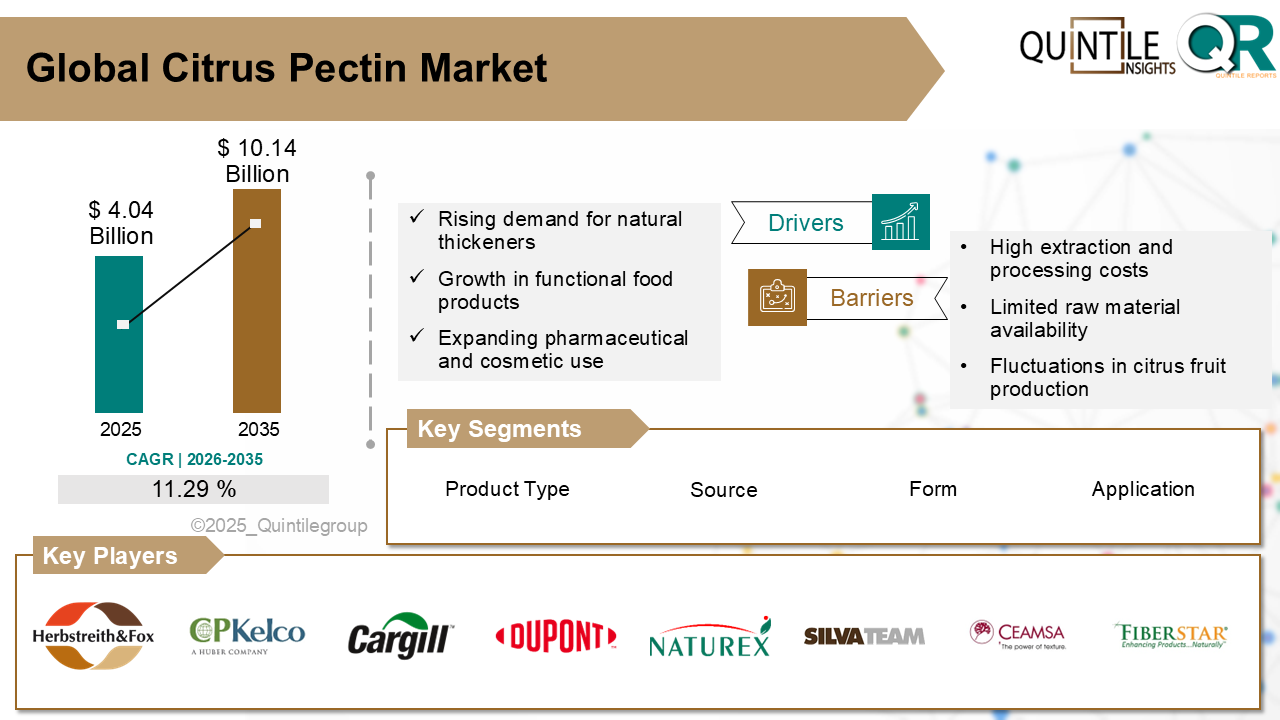
The Global Citrus Pectin Market was estimated at USD 4.04 Billion in 2025 and is projected to reach USD 10.14 Billion by 2035, reflecting a strong CAGR of 11.29% over the forecast period from 2026 to 2035. The Citrus Pectin market report delivers a comprehensive overview of the industry, extending beyond traditional analysis. It examines key market dynamics, including economic shifts, technological advancements, regulatory developments, and changing consumer behavior. The report also highlights the projected Compound Annual Growth Rate (CAGR), offering a clear understanding of future market growth.
The Citrus Pectin market is experiencing dynamic expansion, with 2025 as the base year. Recent data indicates notable growth driven by innovation, rising consumer demand, and rapid technological progress. Companies are refining their go-to-market (GTM) strategies to capitalize on emerging opportunities and adapt to evolving market conditions.
Looking ahead, the Citrus Pectin market is expected to maintain its upward trajectory through 2035, supported by continuous R&D investments, strategic collaborations, and mergers and acquisitions. Organizations that adapt their GTM strategies, innovate, and align with shifting consumer needs are positioned for long-term success. The Citrus Pectin market report provides an in-depth analysis of current conditions and valuable insights into key drivers, challenges, and opportunities shaping the industry over the next decade. It covers market dynamics across segments, regions, and countries, integrating both qualitative and quantitative data from 2017 to 2035.
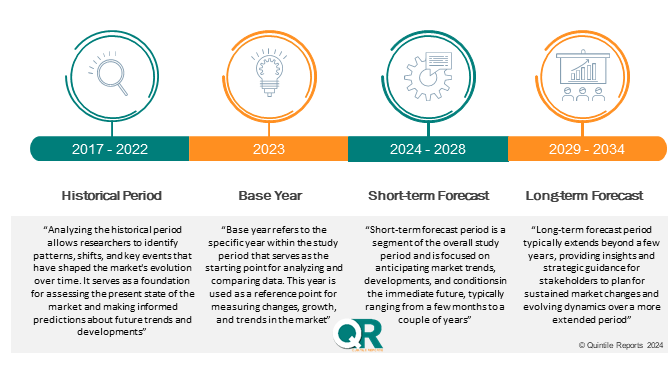
Historical Analysis (2017-2024): The report reviews market trends, performance indicators, and growth patterns from 2017 to 2024, helping identify historical factors that influence present and future dynamics.
Forecast and Projections (2026-2035): Building on historical insights, the report presents market forecasts and growth expectations from 2026 to 2035, highlighting key trends, opportunities, and challenges across various regions and segments.
Compound Annual Growth Rate (CAGR): The report provides a clear calculation of the CAGR for 2026 to 2035, enabling stakeholders to assess expected growth and market potential during the forecast period.
Citrus Pectin Market
The citrus pectin market refers to the global and regional market for a natural polysaccharide extracted from the peel and rind of citrus fruits primarily oranges, lemons, and limes used for its gelling, thickening, stabilizing, and emulsifying properties in food and non-food applications.
Citrus pectin is widely applied in food and beverage processing as a gelling agent in jams, jellies, and confectionery; a stabilizer in dairy and beverages; and a texturizer in bakery products. In non-food sectors, it serves roles in pharmaceuticals, nutraceuticals, cosmetics, and personal care formulations. The market includes various grades of pectin, such as high-methoxyl and low-methoxyl types, tailored to specific formulation requirements by viscosity, gel strength, and solubility accommodating diverse product characteristics and processing conditions.
What are the drivers of citrus pectin marketThe growing demand for natural and clean-label food ingredients is a major driver of the Citrus Pectin Market, as consumers increasingly prefer plant-based thickeners, stabilizers, and gelling agents over synthetic additives.
Rising use of citrus pectin in the pharmaceutical and nutraceutical industries is supporting market growth, due to its health benefits such as improved gut health, cholesterol reduction, and its role as a dietary fiber.
The expansion of the processed food and beverage sector especially jams, jellies, fruit juices, and dairy products is fueling demand for citrus pectin for its texture-enhancing and shelf-life-extending properties.
Increasing awareness of citrus pectins application in low-sugar and low-fat food formulations is driving its adoption, as it enables manufacturers to meet consumer demand for healthier product options.
Sustainable sourcing and the use of citrus peel by-products from juice production are contributing to market growth by reducing waste and providing a cost-effective raw material for pectin extraction.
What are the challenges and restraining factors of citrus pectin marketFluctuating raw material prices and seasonal supply limitations present a major challenge in the Citrus Pectin Market. Since citrus pectin is derived from citrus fruit peels, its availability and cost are strongly influenced by seasonal harvest cycles, climate variability, and crop-specific issues, impacting supply consistency and pricing stability.
Supply chain disruptions and geographic concentration of supply pose significant barriers. Heavy reliance on a few key citrus-producing regions makes the market vulnerable to weather events, trade restrictions, or logistical constraints, leading to interruptions in supply and increased volatility for producers and buyers alike.
Stringent regulatory and quality compliance requirements restrain market growth. Meeting international and regional food additive standards such as purity, methanol content, and labeling regulations is complex and costly, disproportionately affecting smaller manufacturers.
Intense competition from alternative gelling agents and substitutes limits the market potential. Products like apple pectin, sugar-beet pectin, gelatin, agar, and alginate can be more cost-competitive or offer different functional properties, challenging citrus pectins market share.
What are the regional trends of the citrus pectin marketNorth America is a key market for citrus pectin, driven by strong use in food, beverage, and pharmaceutical applications. The U.S. and Canada show high demand for clean-label gelling and thickening ingredients used in jams, dairy, and supplements. Growing interest in digestive and cholesterol-support benefits, along with advances in extraction technologies, continues to support market growth.
Europe holds the largest global share, supported by its mature food processing and nutraceutical industries. Germany, France, Italy, and the UK lead demand for natural, clean-label formulations across jams, bakery goods, beverages, and supplements. Sustainability-driven consumer behavior and strict additive regulations reinforce steady regional adoption.
Asia-Pacific is the fastest-growing region, propelled by expansion in food and pharmaceutical sectors and rising preference for functional, clean-label products. China, India, Japan, and South Korea are major consumers, benefiting from strong citrus production, supportive food safety policies, and increasing demand for digestive-health solutions.
Latin America shows consistent growth, particularly in citrus-producing countries like Brazil, Mexico, and Argentina. These markets supply raw materials while also increasing their consumption in processed foods and beverages. Clean-label preferences and improving food processing capabilities contribute to gradual market expansion.
The Middle East & Africa remain developing markets with rising demand, especially in Saudi Arabia, South Africa, and North African countries. Growth is supported by increasing interest in functional foods, dietary supplements, and expanding regional food processing sectors, driving the use of citrus pectin as a natural additive.
Country-Wise Outlook:Growing demand for clean-label and plant-based ingredients boosts citrus pectin usage in the US:Health-conscious consumers in the US are increasingly favoring natural and recognizable ingredients, driving food manufacturers to replace synthetic additives with clean-label alternatives like citrus pectin. As a plant-based gelling and stabilizing agent, citrus pectin aligns well with the rising popularity of vegan, organic, and non-GMO food products.
Additionally, the expanding use of citrus pectin in functional foods and dietary supplements thanks to its digestive health benefits and fiber content reinforces its market growth. Regulatory approval and consumer awareness of its health-supportive properties make citrus pectin a preferred choice for food and beverage innovation.
Rising demand for natural food additives in processed and organic foods fuels citrus pectin use in Germany:Germanys strong inclination toward organic and clean-label food products is significantly boosting the demand for citrus pectin as a natural stabilizer and thickener. Consumers are becoming more mindful of food ingredients, preferring plant-based alternatives over synthetic ones, which is encouraging food manufacturers to reformulate their products using natural additives like citrus pectin.
Moreover, the country's well-established processed food sector, coupled with growing vegan and vegetarian trends, is further increasing the usage of citrus pectin in jams, dairy alternatives, and bakery goods. The alignment of citrus pectin with EU food safety standards and consumer preference for eco-friendly sourcing enhances its market appeal in Germany.
Expanding demand for functional and dietary fiber-enriched foods is driving citrus pectin adoption in Japan:Japan's health-conscious population and aging demographic are significantly increasing the demand for functional foods that support digestion and overall wellness. Citrus pectin, known for its fiber content and digestive benefits, is being widely incorporated into health supplements, beverages, and low-calorie food products.
In addition, Japans advanced food processing industry and consumer preference for natural, plant-based ingredients are pushing manufacturers to use citrus pectin as a clean-label gelling and stabilizing agent. This trend is aligned with Japans strict food safety standards and growing interest in nutraceuticals, further accelerating the markets growth.
Competitive Analysis:The Citrus Pectin Market is highly competitive based on innovation in product quality, functionality, and purity. Companies are enhancing extraction and refining methodssuch as high-temperature, enzyme-assisted, or greener processesto deliver high-methoxyl and low-methoxyl pectins with better solubility, consistent gelling behavior, and tailored bioavailability for applications in food, dietary supplements, pharmaceuticals, and personal care.
This shift allows manufacturers to compete through advanced R&D capabilities, product segmentation (e.g., high-methoxyl versus low-methoxyl, modified citrus pectin), and ability to meet evolving functional ingredient demands like gut-health formulations, low-sugar jams, and vegan clean-label products.
Price competitiveness remains a critical differentiator due to volatility in raw material supplydriven by crop diseases, climate variability, and reliance on limited citrus-growing regions. Firms with diversified sourcing strategies, efficient extraction technologies, and stable supply chains hold a strategic advantage in bulk food and pharmaceutical contracts.
An additional differentiator is geographic footprint, production capacity, and sustainability positioning. Companies with regional extraction and processing capabilitiesespecially in Europe, North America, and Asia-Pacificare better able to control logistics, meet local demand, and offer certifications. Prioritizing eco-friendly sourcing, recycling citrus peels, and sustainable production are increasingly key competitive levers.
Brand reputation, strategic partnerships, and tailored product portfolios strengthen competitive positioning. Key players invest in collaborations with citrus growers or food and pharma companies, offer specialized formulations (e.g., dietary-grade, organic, modified citrus pectin), and emphasize traceability and functional benefits to support clean-label and health-oriented market segments.
Recent Development:In June 2024, Tate & Lyle announced it had entered into an agreement to acquire CP Kelco U.S., CP Kelco China, and CP Kelco ApS, along with their subsidiaries, in a cash-free, debt-free transaction valued at approximately US $1.8 billion. The acquisition strengthens Tate & Lyles position as a global specialty food and beverage solutions provider.
In March 2024, CP Kelco was officially named Best Ingredients Supplier at the Aditivos Ingredientes awards ceremony in So Paulo. Their GENU Pectin and KELCOGEL Gellan Gum both won first place, with second place awarded to other CP Kelco products like KELTROL Xanthan Gum.
Our team of experienced researchers has meticulously gathered and analyzed data to deliver a thorough examination of market dynamics, competitive landscape, and emerging technologies. With a focus on delivering actionable intelligence, this report aims to empower decision-makers with the information needed to make informed choices and stay ahead of the competition. Whether you are a seasoned industry player or a new entrant, our market research report serves as a strategic tool to navigate the complexities of the market, aiding in successful business planning and growth strategies.
This chapter of our Citrus Pectin market report provides an in-depth examination of the factors shaping the industry landscape. This section typically encompasses several key elements to offer a comprehensive understanding of the industry landscape such as market drivers & restraints analysis, market opportunities & trend analysis, market size & growth analysis, competitive analysis, SWOT analysis, business environment tools such as Porter's five forces & PESTEL analysis, Ansoff Matrix analysis, penetration & growth prospect analysis, regulatory framework & reimbursement scenario analysis, impact of macro & micro economic factors analysis such as Covid-19 impact, GDP growth, market inflation, U.S.- China trade war, Russia-Ukraine war impact, and supply chain analysis.
The segment analysis chapter of Citrus Pectin market report is a critical section that delves into a detailed examination of the market's various segments. Segmentation involves dividing the market into distinct categories based on certain criteria to better understand and address the diverse needs of consumers. This chapter typically follows the introduction and provides a more granular view of the market, offering valuable insights for businesses and stakeholders. The components of the chapter lude segment definitions to understand the inclusions and exclusions of the study, assumptions, market size estimates and growth trend analysis of each segment, qualitative analysis of the segment, technological advancements, market penetration rate, market adoption rate, market share examination by each segment, segment growth drivers and restraint barriers, consumer behaviour and challenge analysis.
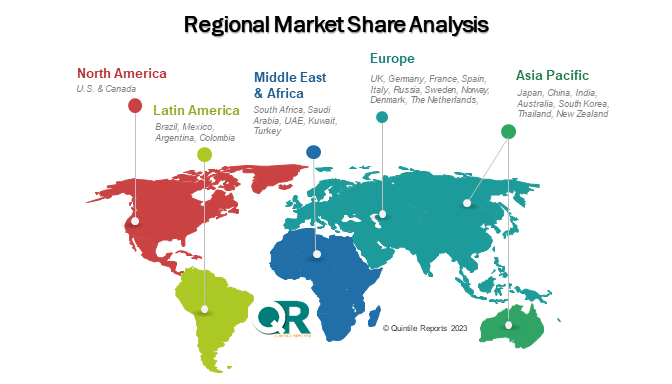
The chapter in Citrus Pectin market research report is a pivotal section that examines and predicts the market dynamics and trends specific to different geographical regions. This chapter is crucial for businesses and stakeholders seeking a comprehensive understanding of how the market behaves across various locations, enabling them to tailor strategies and make informed decisions based on regional variations. The regional analysis chapter of our Citrus Pectin market report is classified into regions & country-level. The chapter consists of North America (U.S., Canada), Europe (UK, Germany, France, Italy, Spain, Russia, Sweden, Denmark, Norway, Rest of Europe), Asia Pacific (Japan, China, India, Australia, South Korea, Thailand, Rest of Asia Pacific), Latin America (Brazil, Mexico, Argentina, Colombia, Rest of Latin America), Middle East & Africa (South Africa, Saudi Arabia, UAE, Kuwait, Rest of Middle East & Africa).
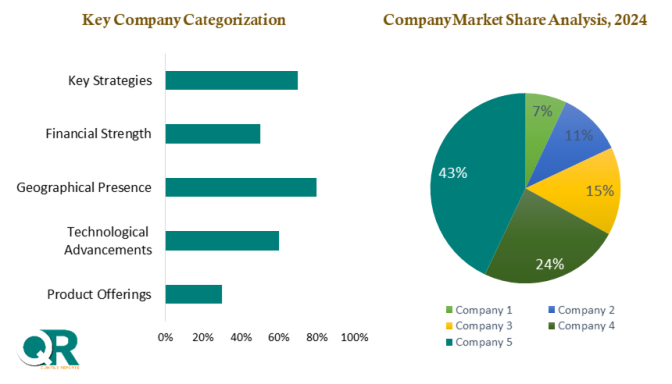
This section of a Citrus Pectin market report is a crucial segment that provides a comprehensive overview of the competitive landscape within the market. This section is vital for businesses, investors, and stakeholders seeking insights into key players, their market positioning, strengths, weaknesses, strategies, and potential impacts on the overall market dynamics. The chapter includes research methodology used to analyse the market competition, list of key players operating in the market, detailed company profile section which includes company overview, business verticals, financial performance, product/services benchmarking, geographical presence, and strategic initiatives.
| Report Scope | Details |
| Report Version | 2026 |
| Growth Rate | CAGR of 11.29 from 2026 to 2035 |
| Base year | 2025 |
| Actual estimates/Historical data | 2017 - 2024 |
| Forecast period | 2026 - 2035 |
| Quantitative units | Revenue in USD million/billion & CAGR from 2026 to 2035 |
| Country scope | North America (U.S., Canada), Europe (UK, Germany, France, Italy, Spain, Russia, Sweden, Denmark, Norway, Rest of Europe), Asia Pacific (Japan, China, India, Australia, South Korea, Thailand, Rest of Asia Pacific), Latin America (Brazil, Mexico, Argentina, Colombia, Rest of Latin America), Middle East & Africa (South Africa, Saudi Arabia, UAE, Kuwait, Rest of Middle East & Africa). |
| The Segment covered by Product Type |
|
| The Segment covered by Source |
|
| Companies covered |
|
| Report coverage | Revenue forecast, company share, competitive landscape, growth factors, and trends |
| Free customization scope (equivalent to 5 analyst working days) | If you need specific information, which is not currently within the scope of the report, we will provide it to you as a part of the customization |

Statistics for the 2025 Citrus Pectin market share, size, and revenue growth rate were created by Quintile Report™. Citrus Pectin analysis includes a market forecast outlook for 2035 and a historical overview. Get a free PDF sample of this market analysis, please get in touch with our principal analyst at sales@quintilereports.com
List of Tables
Table 1 List of Abbreviation and acronyms
Table 2 List of Sources
Table 3 North America Global Citrus Pectin Market, by Segment Analysis, (USD Million) 2017-2035
Table 4 North America Global Citrus Pectin Market, by Region, (USD Million) 2017-2035
Table 5 U.S. Global Citrus Pectin Market, by Segment Analysis, (USD Million) 2017-2035
Table 6 Canada Global Citrus Pectin Market, by Segment Analysis, (USD Million) 2017-2035
Table 7 Europe Global Citrus Pectin Market, by Segment Analysis, (USD Million) 2017-2035
Table 8 Europe Global Citrus Pectin Market, by Region, (USD Million) 2017-2035
Table 9 Germany Global Citrus Pectin Market, by Segment Analysis, (USD Million) 2017-2035
Table 10 U.K. Global Citrus Pectin Market, by Segment Analysis, (USD Million) 2017-2035
Table 11 France Global Citrus Pectin Market, by Segment Analysis, (USD Million) 2017-2035
Table 12 Italy Global Citrus Pectin Market, by Segment Analysis, (USD Million) 2017-2035
Table 13 Spain Global Citrus Pectin Market, by Segment Analysis, (USD Million) 2017-2035
Table 14 Sweden Global Citrus Pectin Market, by Segment Analysis, (USD Million) 2017-2035
Table 15 Denmark Global Citrus Pectin Market, by Segment Analysis, (USD Million) 2017-2035
Table 16 Norway Global Citrus Pectin Market, by Segment Analysis, (USD Million) 2017-2035
Table 17 The Netherlands Global Citrus Pectin Market, by Segment Analysis, (USD Million) 2017-2035
Table 18 Russia Global Citrus Pectin Market, by Segment Analysis, (USD Million) 2017-2035
Table 19 Asia Pacific Global Citrus Pectin Market, by Segment Analysis, (USD Million) 2017-2035
Table 20 Asia Pacific Global Citrus Pectin Market, by Region, (USD Million) 2017-2035
Table 21 China Global Citrus Pectin Market, by Segment Analysis, (USD Million) 2017-2035
Table 22 Japan Global Citrus Pectin Market, by Segment Analysis, (USD Million) 2017-2035
Table 23 India Global Citrus Pectin Market, by Segment Analysis, (USD Million) 2017-2035
Table 24 Australia Global Citrus Pectin Market, by Segment Analysis, (USD Million) 2017-2035
Table 25 South Korea Global Citrus Pectin Market, by Segment Analysis, (USD Million) 2017-2035
Table 26 Thailand Global Citrus Pectin Market, by Segment Analysis, (USD Million) 2017-2035
Table 27 Latin America Global Citrus Pectin Market, by Segment Analysis, (USD Million) 2017-2035
Table 28 Latin America Global Citrus Pectin Market, by Region, (USD Million) 2017-2035
Table 29 Brazil Global Citrus Pectin Market, by Segment Analysis, (USD Million) 2017-2035
Table 30 Mexico Global Citrus Pectin Market, by Segment Analysis, (USD Million) 2017-2035
Table 31 Argentina Global Citrus Pectin Market, by Segment Analysis, (USD Million) 2017-2035
Table 32 Middle East and Africa Global Citrus Pectin Market, by Segment Analysis, (USD Million) 2017-2035
Table 33 Middle East and Africa Global Citrus Pectin Market, by Region, (USD Million) 2017-2035
Table 34 South Africa Global Citrus Pectin Market, by Segment Analysis, (USD Million) 2017-2035
Table 35 Saudi Arabia Global Citrus Pectin Market, by Segment Analysis, (USD Million) 2017-2035
Table 36 UAE Global Citrus Pectin Market, by Segment Analysis, (USD Million) 2017-2035
Table 37 Kuwait Global Citrus Pectin Market, by Segment Analysis, (USD Million) 2017-2035
Table 38 Turkey Global Citrus Pectin Market, by Segment Analysis, (USD Million) 2017-2035
Fig.1 Market research process
Fig.2 Market research approaches
Fig.3 Global Citrus Pectin Market: market scenario
Fig.4 Global Citrus Pectin Market competitive outlook
Fig.5 Global Citrus Pectin Market driver analysis
Fig.6 Global Citrus Pectin Market restraint analysis
Fig.7 Global Citrus Pectin Market opportunity analysis
Fig.8 Global Citrus Pectin Market trends analysis
Fig.9 Global Citrus Pectin Market: Segment Analysis (Based on the scope)
Fig.10 Global Citrus Pectin Market: regional analysis
Fig.11 Global market shares and leading market players
Fig.12 North America market share and leading players
Fig.13 Europe market share and leading players
Fig.14 Asia Pacific market share and leading players
Fig.15 Latin America market share and leading players
Fig.16 Middle East & Africa market share and leading players
Fig.17 North America, by country
Fig.18 North America
Fig.19 North America market estimates and forecast, 2017-2035
Fig.20 U.S.
Fig.21 Canada
Fig.22 Europe
Fig.23 Europe market estimates and forecast, 2017-2035
Fig.24 U.K.
Fig.25 Germany
Fig.26 France
Fig.27 Italy
Fig.28 Spain
Fig.29 Sweden
Fig.30 Denmark
Fig.31 Norway
Fig.32 The Netherlands
Fig.33 Russia
Fig.34 Asia Pacific
Fig.35 Asia Pacific market estimates and forecast, 2017-2035
Fig.36 China
Fig.37 Japan
Fig.38 India
Fig.39 Australia
Fig.40 South Korea
Fig.41 Thailand
Fig.42 Latin America
Fig.43 Latin America market estimates and forecast, 2017-2035
Fig.44 Brazil
Fig.45 Mexico
Fig.46 Argentina
Fig.47 Colombia
Fig.48 Middle East and Africa
Fig.49 Middle East and Africa market estimates and forecast, 2017-2035
Fig.50 Saudi Arabia
Fig.51 South Africa
Fig.52 UAE
Fig.53 Kuwait
Fig.54 Turkey
The Global Citrus Pectin Market was estimated at USD 4.04 Billion in 2025 and is projected to reach USD 10.14 Billion by 2035, reflecting a strong CAGR of 11.29% over the forecast period from 2026 to 2035. The Citrus Pectin market report delivers a comprehensive overview of the industry, extending beyond traditional analysis. It examines key market dynamics, including economic shifts, technological advancements, regulatory developments, and changing consumer behavior. The report also highlights the projected Compound Annual Growth Rate (CAGR), offering a clear understanding of future market growth.
The Citrus Pectin market is experiencing dynamic expansion, with 2025 as the base year. Recent data indicates notable growth driven by innovation, rising consumer demand, and rapid technological progress. Companies are refining their go-to-market (GTM) strategies to capitalize on emerging opportunities and adapt to evolving market conditions.
Looking ahead, the Citrus Pectin market is expected to maintain its upward trajectory through 2035, supported by continuous R&D investments, strategic collaborations, and mergers and acquisitions. Organizations that adapt their GTM strategies, innovate, and align with shifting consumer needs are positioned for long-term success. The Citrus Pectin market report provides an in-depth analysis of current conditions and valuable insights into key drivers, challenges, and opportunities shaping the industry over the next decade. It covers market dynamics across segments, regions, and countries, integrating both qualitative and quantitative data from 2017 to 2035.
Historical Analysis (2017-2024): The report reviews market trends, performance indicators, and growth patterns from 2017 to 2024, helping identify historical factors that influence present and future dynamics.
Forecast and Projections (2026-2035): Building on historical insights, the report presents market forecasts and growth expectations from 2026 to 2035, highlighting key trends, opportunities, and challenges across various regions and segments.
Compound Annual Growth Rate (CAGR): The report provides a clear calculation of the CAGR for 2026 to 2035, enabling stakeholders to assess expected growth and market potential during the forecast period.
Citrus Pectin Market
The citrus pectin market refers to the global and regional market for a natural polysaccharide extracted from the peel and rind of citrus fruits primarily oranges, lemons, and limes used for its gelling, thickening, stabilizing, and emulsifying properties in food and non-food applications.
Citrus pectin is widely applied in food and beverage processing as a gelling agent in jams, jellies, and confectionery; a stabilizer in dairy and beverages; and a texturizer in bakery products. In non-food sectors, it serves roles in pharmaceuticals, nutraceuticals, cosmetics, and personal care formulations. The market includes various grades of pectin, such as high-methoxyl and low-methoxyl types, tailored to specific formulation requirements by viscosity, gel strength, and solubility accommodating diverse product characteristics and processing conditions.
What are the drivers of citrus pectin marketThe growing demand for natural and clean-label food ingredients is a major driver of the Citrus Pectin Market, as consumers increasingly prefer plant-based thickeners, stabilizers, and gelling agents over synthetic additives.
Rising use of citrus pectin in the pharmaceutical and nutraceutical industries is supporting market growth, due to its health benefits such as improved gut health, cholesterol reduction, and its role as a dietary fiber.
The expansion of the processed food and beverage sector especially jams, jellies, fruit juices, and dairy products is fueling demand for citrus pectin for its texture-enhancing and shelf-life-extending properties.
Increasing awareness of citrus pectins application in low-sugar and low-fat food formulations is driving its adoption, as it enables manufacturers to meet consumer demand for healthier product options.
Sustainable sourcing and the use of citrus peel by-products from juice production are contributing to market growth by reducing waste and providing a cost-effective raw material for pectin extraction.
What are the challenges and restraining factors of citrus pectin marketFluctuating raw material prices and seasonal supply limitations present a major challenge in the Citrus Pectin Market. Since citrus pectin is derived from citrus fruit peels, its availability and cost are strongly influenced by seasonal harvest cycles, climate variability, and crop-specific issues, impacting supply consistency and pricing stability.
Supply chain disruptions and geographic concentration of supply pose significant barriers. Heavy reliance on a few key citrus-producing regions makes the market vulnerable to weather events, trade restrictions, or logistical constraints, leading to interruptions in supply and increased volatility for producers and buyers alike.
Stringent regulatory and quality compliance requirements restrain market growth. Meeting international and regional food additive standards such as purity, methanol content, and labeling regulations is complex and costly, disproportionately affecting smaller manufacturers.
Intense competition from alternative gelling agents and substitutes limits the market potential. Products like apple pectin, sugar-beet pectin, gelatin, agar, and alginate can be more cost-competitive or offer different functional properties, challenging citrus pectins market share.
What are the regional trends of the citrus pectin marketNorth America is a key market for citrus pectin, driven by strong use in food, beverage, and pharmaceutical applications. The U.S. and Canada show high demand for clean-label gelling and thickening ingredients used in jams, dairy, and supplements. Growing interest in digestive and cholesterol-support benefits, along with advances in extraction technologies, continues to support market growth.
Europe holds the largest global share, supported by its mature food processing and nutraceutical industries. Germany, France, Italy, and the UK lead demand for natural, clean-label formulations across jams, bakery goods, beverages, and supplements. Sustainability-driven consumer behavior and strict additive regulations reinforce steady regional adoption.
Asia-Pacific is the fastest-growing region, propelled by expansion in food and pharmaceutical sectors and rising preference for functional, clean-label products. China, India, Japan, and South Korea are major consumers, benefiting from strong citrus production, supportive food safety policies, and increasing demand for digestive-health solutions.
Latin America shows consistent growth, particularly in citrus-producing countries like Brazil, Mexico, and Argentina. These markets supply raw materials while also increasing their consumption in processed foods and beverages. Clean-label preferences and improving food processing capabilities contribute to gradual market expansion.
The Middle East & Africa remain developing markets with rising demand, especially in Saudi Arabia, South Africa, and North African countries. Growth is supported by increasing interest in functional foods, dietary supplements, and expanding regional food processing sectors, driving the use of citrus pectin as a natural additive.
Country-Wise Outlook:Growing demand for clean-label and plant-based ingredients boosts citrus pectin usage in the US:Health-conscious consumers in the US are increasingly favoring natural and recognizable ingredients, driving food manufacturers to replace synthetic additives with clean-label alternatives like citrus pectin. As a plant-based gelling and stabilizing agent, citrus pectin aligns well with the rising popularity of vegan, organic, and non-GMO food products.
Additionally, the expanding use of citrus pectin in functional foods and dietary supplements thanks to its digestive health benefits and fiber content reinforces its market growth. Regulatory approval and consumer awareness of its health-supportive properties make citrus pectin a preferred choice for food and beverage innovation.
Rising demand for natural food additives in processed and organic foods fuels citrus pectin use in Germany:Germanys strong inclination toward organic and clean-label food products is significantly boosting the demand for citrus pectin as a natural stabilizer and thickener. Consumers are becoming more mindful of food ingredients, preferring plant-based alternatives over synthetic ones, which is encouraging food manufacturers to reformulate their products using natural additives like citrus pectin.
Moreover, the country's well-established processed food sector, coupled with growing vegan and vegetarian trends, is further increasing the usage of citrus pectin in jams, dairy alternatives, and bakery goods. The alignment of citrus pectin with EU food safety standards and consumer preference for eco-friendly sourcing enhances its market appeal in Germany.
Expanding demand for functional and dietary fiber-enriched foods is driving citrus pectin adoption in Japan:Japan's health-conscious population and aging demographic are significantly increasing the demand for functional foods that support digestion and overall wellness. Citrus pectin, known for its fiber content and digestive benefits, is being widely incorporated into health supplements, beverages, and low-calorie food products.
In addition, Japans advanced food processing industry and consumer preference for natural, plant-based ingredients are pushing manufacturers to use citrus pectin as a clean-label gelling and stabilizing agent. This trend is aligned with Japans strict food safety standards and growing interest in nutraceuticals, further accelerating the markets growth.
Competitive Analysis:The Citrus Pectin Market is highly competitive based on innovation in product quality, functionality, and purity. Companies are enhancing extraction and refining methodssuch as high-temperature, enzyme-assisted, or greener processesto deliver high-methoxyl and low-methoxyl pectins with better solubility, consistent gelling behavior, and tailored bioavailability for applications in food, dietary supplements, pharmaceuticals, and personal care.
This shift allows manufacturers to compete through advanced R&D capabilities, product segmentation (e.g., high-methoxyl versus low-methoxyl, modified citrus pectin), and ability to meet evolving functional ingredient demands like gut-health formulations, low-sugar jams, and vegan clean-label products.
Price competitiveness remains a critical differentiator due to volatility in raw material supplydriven by crop diseases, climate variability, and reliance on limited citrus-growing regions. Firms with diversified sourcing strategies, efficient extraction technologies, and stable supply chains hold a strategic advantage in bulk food and pharmaceutical contracts.
An additional differentiator is geographic footprint, production capacity, and sustainability positioning. Companies with regional extraction and processing capabilitiesespecially in Europe, North America, and Asia-Pacificare better able to control logistics, meet local demand, and offer certifications. Prioritizing eco-friendly sourcing, recycling citrus peels, and sustainable production are increasingly key competitive levers.
Brand reputation, strategic partnerships, and tailored product portfolios strengthen competitive positioning. Key players invest in collaborations with citrus growers or food and pharma companies, offer specialized formulations (e.g., dietary-grade, organic, modified citrus pectin), and emphasize traceability and functional benefits to support clean-label and health-oriented market segments.
Recent Development:In June 2024, Tate & Lyle announced it had entered into an agreement to acquire CP Kelco U.S., CP Kelco China, and CP Kelco ApS, along with their subsidiaries, in a cash-free, debt-free transaction valued at approximately US $1.8 billion. The acquisition strengthens Tate & Lyles position as a global specialty food and beverage solutions provider.
In March 2024, CP Kelco was officially named Best Ingredients Supplier at the Aditivos Ingredientes awards ceremony in So Paulo. Their GENU Pectin and KELCOGEL Gellan Gum both won first place, with second place awarded to other CP Kelco products like KELTROL Xanthan Gum.
Our team of experienced researchers has meticulously gathered and analyzed data to deliver a thorough examination of market dynamics, competitive landscape, and emerging technologies. With a focus on delivering actionable intelligence, this report aims to empower decision-makers with the information needed to make informed choices and stay ahead of the competition. Whether you are a seasoned industry player or a new entrant, our market research report serves as a strategic tool to navigate the complexities of the market, aiding in successful business planning and growth strategies.
This chapter of our Citrus Pectin market report provides an in-depth examination of the factors shaping the industry landscape. This section typically encompasses several key elements to offer a comprehensive understanding of the industry landscape such as market drivers & restraints analysis, market opportunities & trend analysis, market size & growth analysis, competitive analysis, SWOT analysis, business environment tools such as Porter's five forces & PESTEL analysis, Ansoff Matrix analysis, penetration & growth prospect analysis, regulatory framework & reimbursement scenario analysis, impact of macro & micro economic factors analysis such as Covid-19 impact, GDP growth, market inflation, U.S.- China trade war, Russia-Ukraine war impact, and supply chain analysis.
The segment analysis chapter of Citrus Pectin market report is a critical section that delves into a detailed examination of the market's various segments. Segmentation involves dividing the market into distinct categories based on certain criteria to better understand and address the diverse needs of consumers. This chapter typically follows the introduction and provides a more granular view of the market, offering valuable insights for businesses and stakeholders. The components of the chapter lude segment definitions to understand the inclusions and exclusions of the study, assumptions, market size estimates and growth trend analysis of each segment, qualitative analysis of the segment, technological advancements, market penetration rate, market adoption rate, market share examination by each segment, segment growth drivers and restraint barriers, consumer behaviour and challenge analysis.
The chapter in Citrus Pectin market research report is a pivotal section that examines and predicts the market dynamics and trends specific to different geographical regions. This chapter is crucial for businesses and stakeholders seeking a comprehensive understanding of how the market behaves across various locations, enabling them to tailor strategies and make informed decisions based on regional variations. The regional analysis chapter of our Citrus Pectin market report is classified into regions & country-level. The chapter consists of North America (U.S., Canada), Europe (UK, Germany, France, Italy, Spain, Russia, Sweden, Denmark, Norway, Rest of Europe), Asia Pacific (Japan, China, India, Australia, South Korea, Thailand, Rest of Asia Pacific), Latin America (Brazil, Mexico, Argentina, Colombia, Rest of Latin America), Middle East & Africa (South Africa, Saudi Arabia, UAE, Kuwait, Rest of Middle East & Africa).
This section of a Citrus Pectin market report is a crucial segment that provides a comprehensive overview of the competitive landscape within the market. This section is vital for businesses, investors, and stakeholders seeking insights into key players, their market positioning, strengths, weaknesses, strategies, and potential impacts on the overall market dynamics. The chapter includes research methodology used to analyse the market competition, list of key players operating in the market, detailed company profile section which includes company overview, business verticals, financial performance, product/services benchmarking, geographical presence, and strategic initiatives.
| Report Scope | Details |
| Report Version | 2026 |
| Growth Rate | CAGR of 11.29 from 2026 to 2035 |
| Base year | 2025 |
| Actual estimates/Historical data | 2017 - 2024 |
| Forecast period | 2026 - 2035 |
| Quantitative units | Revenue in USD million/billion & CAGR from 2026 to 2035 |
| Country scope | North America (U.S., Canada), Europe (UK, Germany, France, Italy, Spain, Russia, Sweden, Denmark, Norway, Rest of Europe), Asia Pacific (Japan, China, India, Australia, South Korea, Thailand, Rest of Asia Pacific), Latin America (Brazil, Mexico, Argentina, Colombia, Rest of Latin America), Middle East & Africa (South Africa, Saudi Arabia, UAE, Kuwait, Rest of Middle East & Africa). |
| The Segment covered by Product Type |
|
| The Segment covered by Source |
|
| Companies covered |
|
| Report coverage | Revenue forecast, company share, competitive landscape, growth factors, and trends |
| Free customization scope (equivalent to 5 analyst working days) | If you need specific information, which is not currently within the scope of the report, we will provide it to you as a part of the customization |
Statistics for the 2025 Citrus Pectin market share, size, and revenue growth rate were created by Quintile Report™. Citrus Pectin analysis includes a market forecast outlook for 2035 and a historical overview. Get a free PDF sample of this market analysis, please get in touch with our principal analyst at sales@quintilereports.com
Table 1 List of Abbreviation and acronyms
Table 2 List of Sources
Table 3 North America Global Citrus Pectin Market, by Segment Analysis, (USD Million) 2017-2035
Table 4 North America Global Citrus Pectin Market, by Region, (USD Million) 2017-2035
Table 5 U.S. Global Citrus Pectin Market, by Segment Analysis, (USD Million) 2017-2035
Table 6 Canada Global Citrus Pectin Market, by Segment Analysis, (USD Million) 2017-2035
Table 7 Europe Global Citrus Pectin Market, by Segment Analysis, (USD Million) 2017-2035
Table 8 Europe Global Citrus Pectin Market, by Region, (USD Million) 2017-2035
Table 9 Germany Global Citrus Pectin Market, by Segment Analysis, (USD Million) 2017-2035
Table 10 U.K. Global Citrus Pectin Market, by Segment Analysis, (USD Million) 2017-2035
Table 11 France Global Citrus Pectin Market, by Segment Analysis, (USD Million) 2017-2035
Table 12 Italy Global Citrus Pectin Market, by Segment Analysis, (USD Million) 2017-2035
Table 13 Spain Global Citrus Pectin Market, by Segment Analysis, (USD Million) 2017-2035
Table 14 Sweden Global Citrus Pectin Market, by Segment Analysis, (USD Million) 2017-2035
Table 15 Denmark Global Citrus Pectin Market, by Segment Analysis, (USD Million) 2017-2035
Table 16 Norway Global Citrus Pectin Market, by Segment Analysis, (USD Million) 2017-2035
Table 17 The Netherlands Global Citrus Pectin Market, by Segment Analysis, (USD Million) 2017-2035
Table 18 Russia Global Citrus Pectin Market, by Segment Analysis, (USD Million) 2017-2035
Table 19 Asia Pacific Global Citrus Pectin Market, by Segment Analysis, (USD Million) 2017-2035
Table 20 Asia Pacific Global Citrus Pectin Market, by Region, (USD Million) 2017-2035
Table 21 China Global Citrus Pectin Market, by Segment Analysis, (USD Million) 2017-2035
Table 22 Japan Global Citrus Pectin Market, by Segment Analysis, (USD Million) 2017-2035
Table 23 India Global Citrus Pectin Market, by Segment Analysis, (USD Million) 2017-2035
Table 24 Australia Global Citrus Pectin Market, by Segment Analysis, (USD Million) 2017-2035
Table 25 South Korea Global Citrus Pectin Market, by Segment Analysis, (USD Million) 2017-2035
Table 26 Thailand Global Citrus Pectin Market, by Segment Analysis, (USD Million) 2017-2035
Table 27 Latin America Global Citrus Pectin Market, by Segment Analysis, (USD Million) 2017-2035
Table 28 Latin America Global Citrus Pectin Market, by Region, (USD Million) 2017-2035
Table 29 Brazil Global Citrus Pectin Market, by Segment Analysis, (USD Million) 2017-2035
Table 30 Mexico Global Citrus Pectin Market, by Segment Analysis, (USD Million) 2017-2035
Table 31 Argentina Global Citrus Pectin Market, by Segment Analysis, (USD Million) 2017-2035
Table 32 Middle East and Africa Global Citrus Pectin Market, by Segment Analysis, (USD Million) 2017-2035
Table 33 Middle East and Africa Global Citrus Pectin Market, by Region, (USD Million) 2017-2035
Table 34 South Africa Global Citrus Pectin Market, by Segment Analysis, (USD Million) 2017-2035
Table 35 Saudi Arabia Global Citrus Pectin Market, by Segment Analysis, (USD Million) 2017-2035
Table 36 UAE Global Citrus Pectin Market, by Segment Analysis, (USD Million) 2017-2035
Table 37 Kuwait Global Citrus Pectin Market, by Segment Analysis, (USD Million) 2017-2035
Table 38 Turkey Global Citrus Pectin Market, by Segment Analysis, (USD Million) 2017-2035
Fig.1 Market research process
Fig.2 Market research approaches
Fig.3 Global Citrus Pectin Market: market scenario
Fig.4 Global Citrus Pectin Market competitive outlook
Fig.5 Global Citrus Pectin Market driver analysis
Fig.6 Global Citrus Pectin Market restraint analysis
Fig.7 Global Citrus Pectin Market opportunity analysis
Fig.8 Global Citrus Pectin Market trends analysis
Fig.9 Global Citrus Pectin Market: Segment Analysis (Based on the scope)
Fig.10 Global Citrus Pectin Market: regional analysis
Fig.11 Global market shares and leading market players
Fig.12 North America market share and leading players
Fig.13 Europe market share and leading players
Fig.14 Asia Pacific market share and leading players
Fig.15 Latin America market share and leading players
Fig.16 Middle East & Africa market share and leading players
Fig.17 North America, by country
Fig.18 North America
Fig.19 North America market estimates and forecast, 2017-2035
Fig.20 U.S.
Fig.21 Canada
Fig.22 Europe
Fig.23 Europe market estimates and forecast, 2017-2035
Fig.24 U.K.
Fig.25 Germany
Fig.26 France
Fig.27 Italy
Fig.28 Spain
Fig.29 Sweden
Fig.30 Denmark
Fig.31 Norway
Fig.32 The Netherlands
Fig.33 Russia
Fig.34 Asia Pacific
Fig.35 Asia Pacific market estimates and forecast, 2017-2035
Fig.36 China
Fig.37 Japan
Fig.38 India
Fig.39 Australia
Fig.40 South Korea
Fig.41 Thailand
Fig.42 Latin America
Fig.43 Latin America market estimates and forecast, 2017-2035
Fig.44 Brazil
Fig.45 Mexico
Fig.46 Argentina
Fig.47 Colombia
Fig.48 Middle East and Africa
Fig.49 Middle East and Africa market estimates and forecast, 2017-2035
Fig.50 Saudi Arabia
Fig.51 South Africa
Fig.52 UAE
Fig.53 Kuwait
Fig.54 Turkey

A license granted to one user. Rules or conditions might be applied for e.g. the use of electric files (PDFs) or printings, depending on product.
A license granted to multiple users.
A license granted to a single business site/establishment.
A license granted to all employees within organisation access to the product.
Immediate / Within 24-48 hours - Working days
Online Payments with PayPal and CCavenue
You can order a report by picking any of the payment methods which is bank wire or online payment through any Debit/Credit card or PayPal.
Hard Copy
Live Fish Carrier Overview The Global Live Fish Carrier Market was valued at USD 3702.32 million in
Read MoreReport Descriptions: The Global Non-GMO Flour Market was estimated at USD 72.87 billion in 2025 and
Read MoreReport Descriptions: The Global Mineral Ingredients Market was estimated at USD 8.12 billion in 2025
Read More U.S. : +1-201-772-7734