The global Olanzapine Market was valued at USD 2.55 billion in 2026 and is projected to reach USD 3.96 billion by 2036, expanding at a 4.51% CAGR during 2026-2036, according to Quintile Reports' market estimates. Market growth is influenced by demand for olanzapine-based therapies, expansion of psychiatric care, treatment access, generic competition, formulation availability, and developments in pharmaceutical delivery technologies.
The Olanzapine Market covers revenues generated from commercially available olanzapine products across major therapy types, routes of administration, dosage forms, indications, end users, distribution channels, and geographic markets included within the scope of this study. Market estimates are based on manufacturer revenues, pricing, product availability, treatment demand, geographic coverage, and relevant market-level inputs. Estimates may differ from other published studies because of differences in market definition, product inclusion, geographic coverage, pricing assumptions, and forecasting methodology.
Olanzapine is an atypical antipsychotic primarily used in the management of schizophrenia and bipolar I disorder. The market includes oral, orally disintegrating, and injectable formulations, with demand influenced by psychiatric disease burden, treatment access, generic competition, prescribing patterns, formulation availability, reimbursement conditions, and healthcare infrastructure.
North America currently represents the largest regional market, while Asia Pacific is expected to provide the strongest growth opportunity through the forecast period, supported by expanding healthcare infrastructure, improving access to psychiatric services, and increasing availability of generic medicines.
| Market Snapshot | Details |
| 2026 Market Size | USD 2.55 Billion |
| 2036 Market Size | USD 3.96 Billion |
| Forecast CAGR | 4.51% from 2026 to 2036 |
| Base Year | 2025 |
| Key Indications | Schizophrenia and Bipolar I Disorder |
| Major Formulations | Tablets, Orally Disintegrating Tablets, Injectable, and Long-Acting Injectable |
| Key Market Trend | Expanding access to mental healthcare, continued demand for antipsychotic therapies, growing generic competition, and development of differentiated olanzapine formulations |
The market size estimates presented in this report are based on Quintile Reports' defined market scope, covering commercially available olanzapine products across the specified therapy types, routes of administration, dosage forms, indications, end users, distribution channels, and geographic markets. Revenue estimates are based on manufacturer and market-level revenue inputs and reflect the defined product and geographic scope of the study. Estimates may differ from other published studies because of differences in market definition, product inclusion, geographic coverage, pricing assumptions, and forecasting methodology.
The growing recognition of mental health disorders is an important factor supporting demand for antipsychotic medicines, including olanzapine. Healthcare systems in both developed and emerging economies are expanding psychiatric services, improving access to diagnosis, and increasing awareness of conditions such as schizophrenia and bipolar disorder. Investments in hospitals, specialty psychiatric facilities, community-based care, and outpatient services are creating additional points of access for patients requiring long-term treatment.
Mental health awareness initiatives are also contributing to earlier recognition and greater willingness to seek professional care. As diagnosis and treatment access improve, the addressable patient population for established psychiatric therapies can expand. Countries such as India and China represent notable opportunities because of their large populations, expanding healthcare infrastructure, and increasing investment in mental healthcare services. For pharmaceutical companies, these developments create opportunities to expand the availability of both branded and generic olanzapine products.
The global Olanzapine Market is segmented based on therapy type, route of administration, dosage form, indication, end user, and distribution channel. These segments reflect differences in treatment approach, formulation preference, disease burden, healthcare setting, patient management requirements, and purchasing behavior.
Based on therapy type, the market is segmented into Monotherapy and Combination Therapy. Monotherapy accounted for approximately 58% of market revenue in 2025, according to the market estimates used in this analysis. Olanzapine monotherapy involves using olanzapine as the primary pharmacological treatment and is relevant in the management of conditions such as schizophrenia and bipolar I disorder. Its established clinical use, straightforward dosing approach, and availability in multiple formulations support its continued market position. The segment also benefits from the availability of generic products, which can improve access and broaden use across healthcare settings.
Combination Therapy represented approximately 42% of revenue in 2025. This segment includes treatment approaches in which olanzapine is used alongside other medicines according to the clinical condition and treatment strategy. Olanzapine may be used with lithium or valproate in certain bipolar I disorder treatment settings, while olanzapine and fluoxetine are used together for specific approved indications. Growing attention to treatment-resistant psychiatric conditions, individualized treatment approaches, and continued clinical research is supporting interest in combination-based therapies.
Based on route of administration, the market is divided into Oral and Parenteral formulations. Oral formulations accounted for approximately 78% of total sales in 2025. This category includes conventional tablets and orally disintegrating formulations. Oral administration remains widely used because of its convenience, established dosing practices, broad availability, and suitability for long-term treatment. The expansion of generic olanzapine products has also supported accessibility across different healthcare markets.
Parenteral formulations accounted for approximately 22% of sales in 2025 and include intramuscular products used in specific clinical settings. Injectable olanzapine has an established role in the management of agitation associated with schizophrenia and bipolar I mania. Long-acting injectable formulations represent an emerging area of market development. Where applicable, pipeline products are discussed separately from currently commercialized products and are not included in historical market revenue unless explicitly stated.
Based on dosage form, the market is segmented into Tablets, Orally Disintegrating Tablets, Injectable, and Long-Acting Injectable. Tablets represent the principal dosage form because of their established use, ease of administration, broad availability, and suitability for long-term maintenance therapy. Orally Disintegrating Tablets provide an alternative oral formulation for patients who may experience difficulty swallowing conventional tablets and support flexibility in treatment administration.
Injectable formulations are primarily associated with specific acute-care settings where intramuscular administration may be used under appropriate clinical supervision. Long-Acting Injectable formulations represent an emerging area of development intended to support sustained drug delivery and treatment continuity. Pipeline or developmental products are assessed separately from currently commercialized products where applicable and are not automatically included in historical market revenue.
Schizophrenia represented approximately 65% of total olanzapine sales in 2025, while bipolar disorder accounted for approximately 35%. Treatment-resistant depression and other applications are included within the broader market scope but are not separately quantified here. Availability in oral and injectable formulations further broadens its use across different treatment environments.
Bipolar Disorder accounted for approximately 35% of market sales in 2025. Olanzapine is used in the management of manic or mixed episodes associated with bipolar I disorder and for maintenance treatment. It is also used in combination with fluoxetine for depressive episodes associated with bipolar I disorder under applicable labeling. Increasing recognition and diagnosis of bipolar disorders, together with greater access to psychiatric care, are expected to support continued demand for pharmacological treatment.
Treatment-Resistant Depression represents an additional indication-related segment where olanzapine is used in combination with fluoxetine for applicable approved treatment settings. Growing clinical attention to treatment-resistant psychiatric conditions and combination-based treatment strategies may support demand within this segment. The Others category includes additional uses and market applications captured within the defined scope of the study.
Based on end user, the market is segmented into Hospitals, Homecare, and Specialty Clinics. Hospitals accounted for approximately 52% of total sales in 2025. Hospitals remain an important point of care because olanzapine is used in acute psychiatric management, treatment initiation, and clinical situations requiring close patient monitoring. Injectable formulations used in specific acute settings also contribute to hospital demand.
Homecare represented approximately 28% of market sales in 2025. The segment is supported by the broader movement toward outpatient and community-based management of chronic mental health conditions. Oral formulations can be administered outside institutional settings when prescribed and monitored appropriately, making home-based treatment an important component of long-term psychiatric care. Increasing emphasis on continuity of care and outpatient treatment is expected to support this segment.
Specialty Clinics accounted for approximately 20% of sales in 2025. This category includes psychiatric outpatient clinics, behavioral health centers, and community mental health facilities that provide ongoing assessment and treatment for conditions such as schizophrenia and bipolar disorder. Growing awareness of mental health, expansion of specialized outpatient services, and increasing access to psychiatric professionals are expected to support demand through specialty care channels.
Based on distribution channel, the market is segmented into Hospital Pharmacies, Retail Pharmacies, and Online Pharmacies. Hospital Pharmacies remain an important distribution channel because of the role of hospitals in psychiatric treatment initiation, acute-care management, and dispensing of medicines to patients receiving institutional care.
Retail Pharmacies represent a significant channel for prescription olanzapine products, particularly for patients receiving ongoing outpatient treatment. Broad pharmacy availability and established prescription-refill practices support continued demand through this channel. Online Pharmacies are gaining relevance as digital healthcare adoption and online prescription fulfillment expand in markets where applicable regulations permit the sale and delivery of prescription medicines.
The Olanzapine Market is expected to maintain moderate growth through 2036 as healthcare systems expand access to psychiatric treatment and the diagnosed population requiring antipsychotic therapy continues to generate demand. Market development will be influenced not only by disease prevalence but also by treatment access, generic competition, formulation availability and innovation, prescribing practices, reimbursement conditions, distribution infrastructure, and expansion of mental healthcare services. Pharmaceutical companies that maintain competitive pricing, broad product availability, regulatory compliance, and differentiated formulation strategies are likely to remain relevant as the market evolves.

| Market Dynamics | Impact on the Olanzapine Market |
| Rising Mental Health Burden | Increasing recognition, diagnosis, and treatment of schizophrenia and bipolar I disorder are supporting demand for established antipsychotic therapies. Expansion of psychiatric services and improved access to treatment are broadening the addressable patient population for olanzapine. |
| Growing Mental Health Awareness | Greater awareness of mental health conditions is encouraging individuals to seek professional diagnosis and treatment. Public health initiatives, community-based programs, and increasing attention to mental well-being are supporting earlier diagnosis and treatment access. |
| Expansion of Psychiatric Healthcare Infrastructure | Investment in hospitals, psychiatric facilities, behavioral health centers, specialty clinics, and outpatient services is improving access to mental healthcare. This expansion is creating additional opportunities for olanzapine manufacturers and generic pharmaceutical suppliers. |
| Availability of Generic Formulations | The availability of generic olanzapine products is improving treatment accessibility by providing lower-cost alternatives to branded products. Wider generic availability can expand patient access while also increasing pricing competition among manufacturers. |
| Formulation and Delivery Developments | Availability across tablets, orally disintegrating tablets, and injectable formulations provides flexibility for different treatment settings and patient requirements. Development of long-acting injectable approaches represents an emerging opportunity for sustained drug delivery and treatment continuity. |
| Growing Demand for Long-Term Psychiatric Care | Schizophrenia and bipolar I disorder often require ongoing clinical management, supporting recurring demand for pharmacological treatment. Continued use of established olanzapine therapies across inpatient and outpatient settings provides a stable underlying market base. |
| Adverse-Effect and Tolerability Considerations | Adverse-effect considerations associated with olanzapine, including metabolic and other tolerability concerns, may influence prescribing decisions, treatment continuation, and patient adherence. These factors can limit use in certain patient populations and create demand for alternative therapies. |
| Generic Price Competition | Competition among multiple generic manufacturers can increase pricing pressure and constrain revenue growth for individual products. Manufacturers must maintain cost competitiveness while meeting regulatory, quality, and supply requirements. |
| Regulatory and Market Access Requirements | Regulatory requirements, reimbursement conditions, prescription controls, and differences in healthcare infrastructure can affect product availability and market penetration. Variations in regulatory and reimbursement environments across countries may influence commercialization strategies. |
| Emerging Market Opportunities | India, China, and other developing healthcare markets offer growth opportunities as psychiatric infrastructure, mental health awareness, diagnosis rates, and access to treatment improve. Expansion of generic pharmaceutical distribution can further support market penetration in these regions. |
| Combination Treatment Strategies | Olanzapine is used in combination with other medicines in specific clinical settings, including approved olanzapine-fluoxetine treatment approaches. Increasing attention to treatment-resistant psychiatric conditions and individualized treatment strategies may support demand for combination-based therapies where clinically appropriate. |
| Personalized Treatment Approaches | Greater emphasis on individualized psychiatric care is increasing consideration of treatment response, patient characteristics, tolerability, adherence, and clinical history. This may create opportunities for differentiated formulations and treatment strategies that address specific patient-management requirements. |
| Long-Acting Injectable Development | Long-acting injectable olanzapine represents an emerging area of pharmaceutical development. If successfully commercialized and adopted, these formulations could provide additional treatment options for patients requiring sustained drug delivery. Pipeline products should be assessed separately from historical commercial market revenue unless included within the defined market scope. |
Overall, the Olanzapine Market is supported by increasing mental health awareness, expansion of psychiatric healthcare infrastructure, continued demand for schizophrenia and bipolar I disorder treatment, and broad availability of generic and established formulations. Market growth is moderated by generic price competition, adverse-effect and tolerability considerations, regulatory requirements, and differences in access to psychiatric diagnosis and treatment. Emerging opportunities include expansion across developing healthcare markets, formulation development, combination treatment strategies, and potential adoption of long-acting injectable approaches.
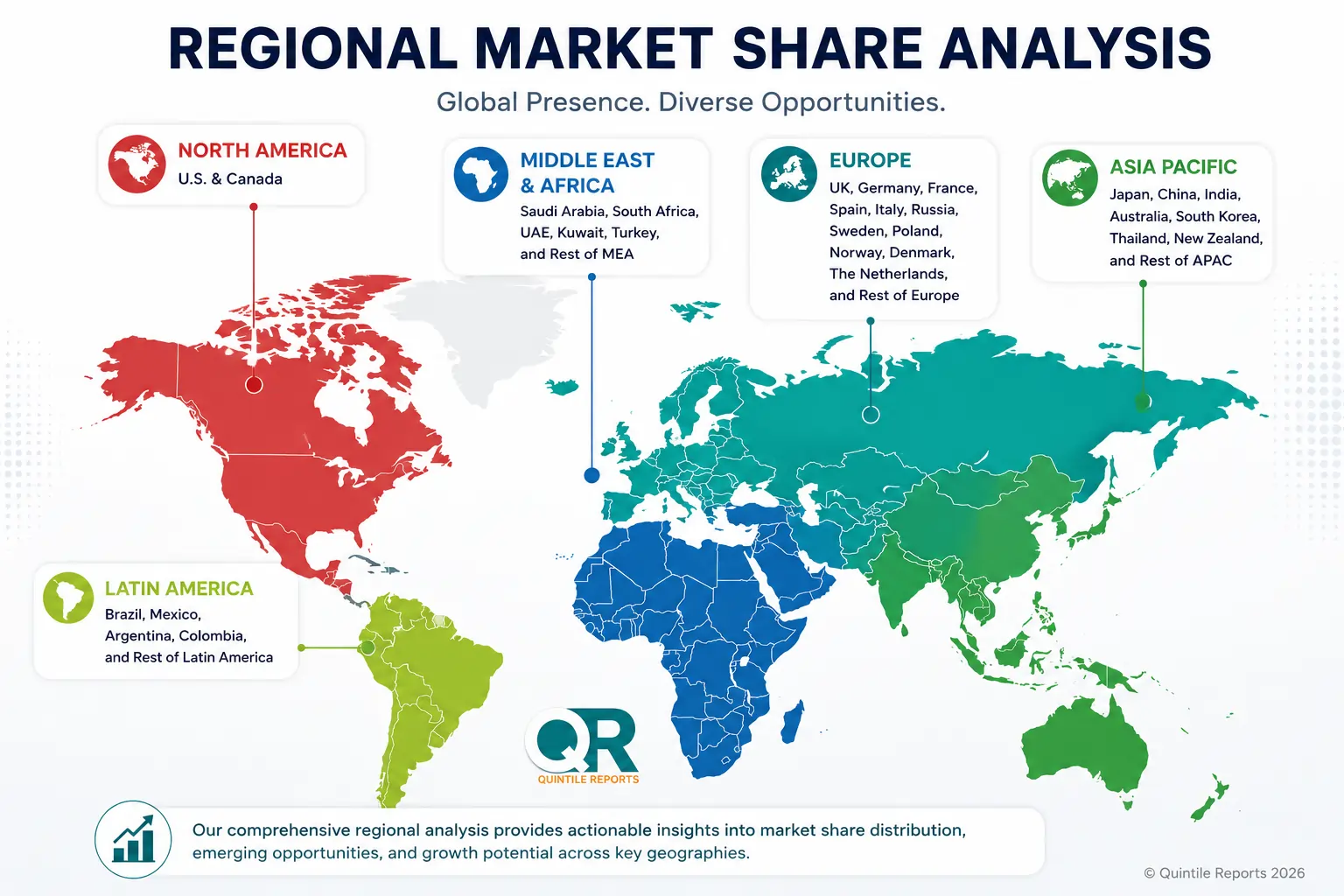
The global Olanzapine Market is segmented into North America, Europe, Asia Pacific, Latin America, and Middle East & Africa. Regional market performance varies according to the prevalence and diagnosis of psychiatric disorders, access to mental healthcare, healthcare expenditure, availability of antipsychotic therapies, pharmaceutical distribution networks, generic medicine penetration, and regulatory and reimbursement conditions. North America represented the largest regional market in 2025, while Asia Pacific is expected to provide the strongest growth opportunity through the forecast period as healthcare infrastructure, mental health awareness, and access to psychiatric treatment continue to improve.
North America accounted for approximately 41.45% of the global Olanzapine Market in 2025, making it the leading regional market. The region benefits from established healthcare infrastructure, relatively high diagnosis and treatment rates for psychiatric disorders, broad access to prescription medicines, and well-developed pharmaceutical distribution networks. The U.S. represents the primary contributor to regional demand, supported by a large treated population, established psychiatric care services, and continued use of olanzapine-based therapies for approved indications.
The region also has a mature generic pharmaceutical market, creating opportunities for affordable treatment access while increasing pricing competition among olanzapine manufacturers. Demand is influenced by the continued management of schizophrenia and bipolar I disorder, availability of oral and injectable formulations, insurance and reimbursement conditions, prescribing practices, and access to psychiatric services. Canada also contributes to regional demand through its established healthcare system and continued investment in mental health services.
Europe represented approximately 30.12% of global market revenue in 2025 and remained the second-largest regional market. Established healthcare systems, broad availability of prescription medicines, and increasing recognition of mental health conditions support demand for antipsychotic therapies. Germany, France, and the U.K. are among the important country-level markets in the region.
The European market is influenced by initiatives aimed at improving access to mental healthcare and addressing gaps in psychiatric treatment. Continued demand for long-term management of schizophrenia and bipolar I disorder supports the use of established antipsychotic therapies. Generic competition remains an important characteristic of the European pharmaceutical market and continues to influence product pricing, supplier positioning, and market access.
Asia Pacific accounted for approximately 18.12% of the global Olanzapine Market in 2025 and is expected to record the fastest growth during the forecast period. The region offers significant expansion potential due to its large population base, improving healthcare infrastructure, increasing awareness of mental health conditions, and gradual expansion of psychiatric services. China and India represent particularly important markets because of their population size, expanding healthcare systems, and continued investment in medical and pharmaceutical infrastructure.
Urbanization, improved recognition of psychiatric disorders, greater access to diagnosis, and expansion of specialized healthcare services are supporting demand for antipsychotic medications. Growth in hospitals, specialty clinics, community-based mental healthcare, and pharmaceutical distribution networks is improving treatment availability across several markets. Generic medicines also play an important role in supporting affordability and expanding access to olanzapine therapies in price-sensitive healthcare environments.
Latin America accounted for approximately 6.28% of global revenue in 2025. The region is expected to experience moderate growth as healthcare systems expand psychiatric services, awareness of mental health conditions improves, and access to prescription medicines increases. Brazil and Mexico are key markets because of their large populations, established healthcare sectors, and expanding pharmaceutical distribution networks.
Increasing recognition of schizophrenia, bipolar disorder, and other psychiatric conditions is creating additional demand for pharmacological treatment. Expansion of hospitals, specialty clinics, outpatient services, and retail and hospital pharmacy networks is expected to support market development. However, differences in healthcare expenditure, reimbursement, treatment access, pharmaceutical affordability, and availability of psychiatric professionals across countries will continue to influence regional growth.
The Middle East & Africa (MEA) region accounted for approximately 4.05% of the global Olanzapine Market in 2025 and is expected to show steady development during the forecast period. Growth is supported by improving healthcare infrastructure, increasing awareness of mental health, healthcare modernization, and gradual expansion of psychiatric and specialty care services.
Saudi Arabia, the UAE, and South Africa represent important markets within the region. Healthcare modernization and investment in specialized medical services are creating opportunities in Gulf markets, while South Africa provides opportunities associated with the expansion of mental health services and access to treatment. Limited specialist availability, uneven healthcare infrastructure, affordability constraints, and differences in diagnosis, reimbursement, and treatment access remain important factors affecting market penetration across MEA.
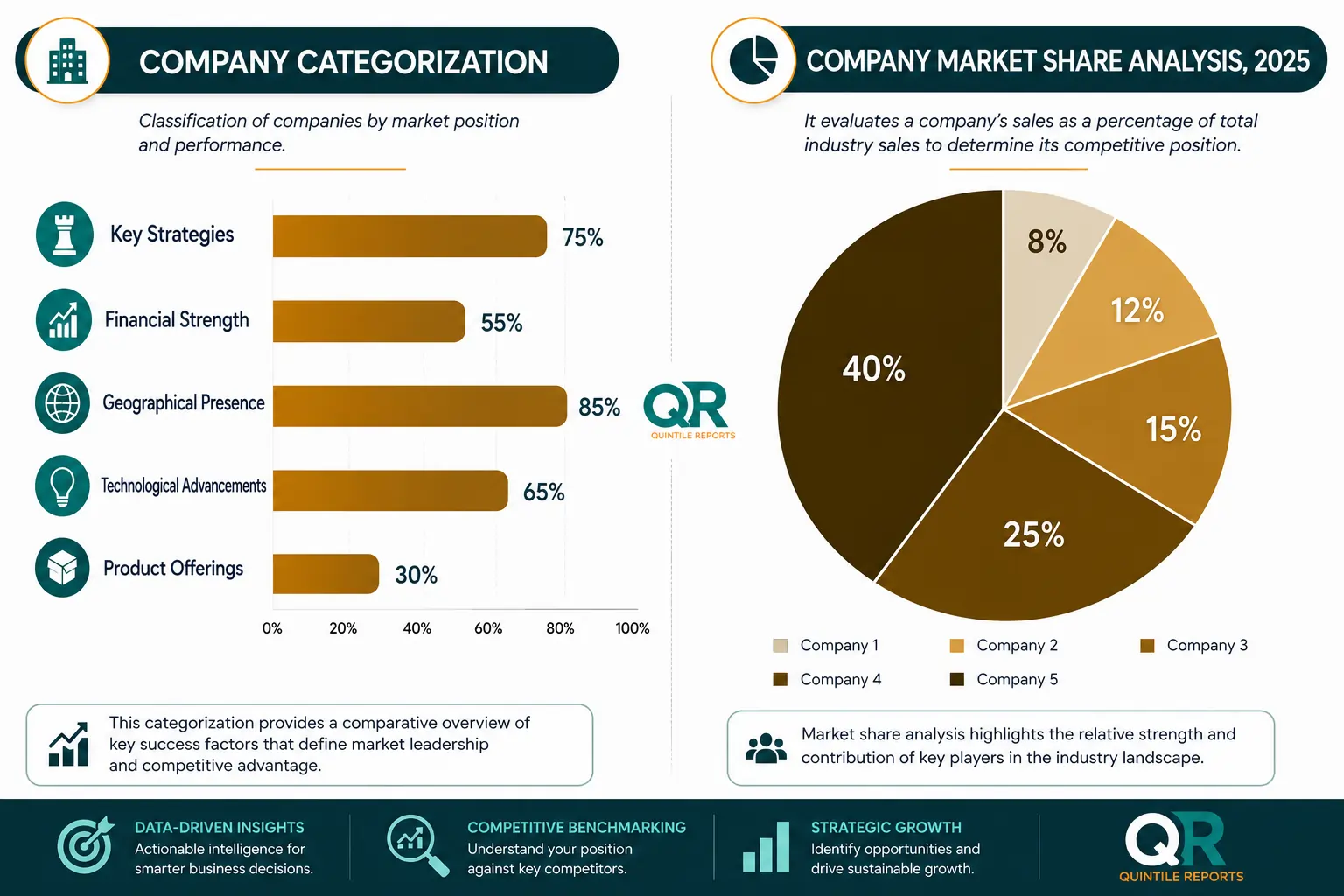
The global Olanzapine Market is characterized by competition between the established branded product and a broad base of generic pharmaceutical manufacturers. Competitive positioning is influenced by product quality, pricing, manufacturing capacity, regulatory approvals, formulation portfolio, supply reliability, distribution reach, and company reputation. Following the loss of market exclusivity for the original product, generic manufacturers have gained a significant role across major pharmaceutical markets, increasing price competition while expanding access to olanzapine therapies.
Eli Lilly and Company remains associated with the established Zyprexa brand, while generic suppliers have broadened the competitive landscape. Companies including Teva Pharmaceutical Industries, Dr. Reddy's Laboratories, Sun Pharmaceutical Industries, Aurobindo Pharma, Lupin, Zydus Lifesciences, Viatris, Sandoz, Torrent Pharmaceuticals, Apotex, and Hikma Pharmaceuticals participate across different formulations and geographic markets. The presence of multiple generic suppliers makes manufacturing scale, competitive pricing, regulatory execution, product availability, and supply reliability important factors in maintaining market position.
Competitive activity is also influenced by formulation differentiation and product portfolio expansion. Conventional oral products remain central to the market, while orally disintegrating and injectable formulations provide additional product options across different treatment settings. Long-acting injectable olanzapine is an emerging area of pharmaceutical development that could create additional opportunities for companies with established development, regulatory, manufacturing, and commercial capabilities.
Overall, the competitive environment combines established branded presence, extensive generic competition, pricing pressure, formulation development, and geographic expansion. As generic availability continues to increase, manufacturers are increasingly required to compete through supply reliability, manufacturing efficiency, regulatory execution, portfolio breadth, competitive pricing, and differentiated product strategies rather than relying solely on brand recognition.
Overall, the competitive environment is evolving from a primarily brand-versus-generic structure toward a broader market in which pricing, supply reliability, formulation differentiation, regulatory execution, manufacturing capabilities, and geographic reach are increasingly important. Expansion of generic portfolios and continued development of long-acting injectable approaches are expected to remain important areas of competitive activity through the forecast period.
| Report Scope | Details |
| Report Version | 2026 |
| Growth Rate | CAGR of 4.51 % from 2026 to 2036 |
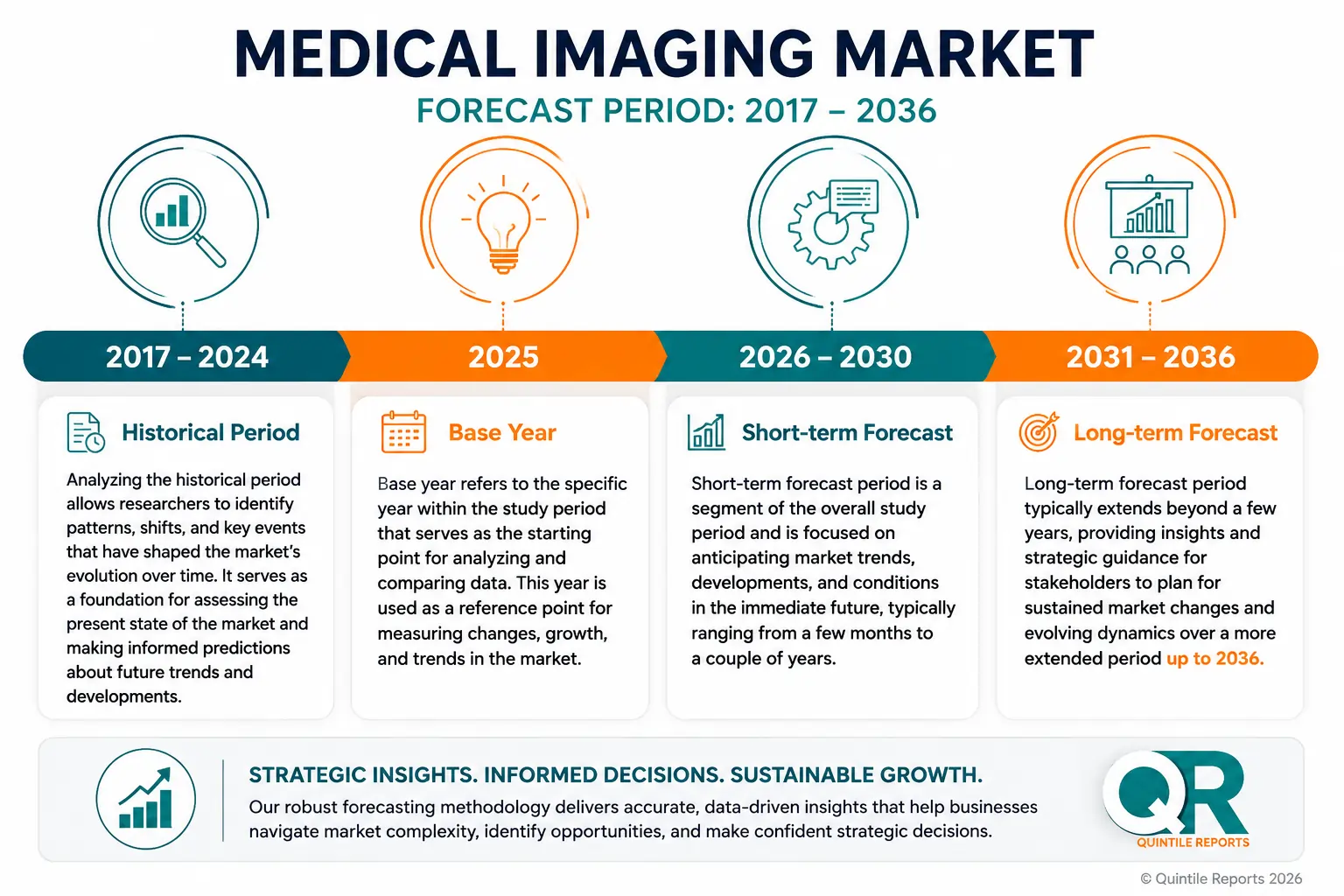
| Base Year | 2025 |
| Actual Estimates / Historical Data | 2017 - 2024 |
| Forecast Period | 2026 - 2036 |
| Quantitative Units | Revenue in USD million/billion & CAGR from 2026 to 2036 |
| Country Scope | North America (U.S., Canada), Europe (UK, Germany, France, Italy, Spain, Russia, Sweden, Denmark, Norway, Rest of Europe), Asia Pacific (Japan, China, India, Australia, South Korea, Thailand, Rest of Asia Pacific), Latin America (Brazil, Mexico, Argentina, Colombia, Rest of Latin America), Middle East & Africa (South Africa, Saudi Arabia, UAE, Kuwait, Rest of Middle East & Africa). |
| The Segment Covered by Dosage Form |
|
| The Segment Covered by Indication |
|
| Companies Covered |
|
| Report Coverage | Revenue forecast, company share, competitive landscape, growth factors, technology trends, and regional analysis |
| Free Customization Scope (Equivalent to 5 Analyst Working Days) | If you require additional insights beyond the current scope, our analysts can customize the report to meet your specific business needs. |
Quintile Reports provides market intelligence to support informed business and strategic decisions. Our research combines structured market analysis, primary and secondary research, competitive assessment, regional insights, and industry developments to provide a clear view of market opportunities and risks.
The Olanzapine Market analysis uses a structured combination of primary and secondary research, product and company assessment, regional analysis, top-down and bottom-up modeling, and data triangulation. The methodology is applied to the defined product, geographic, and segmentation scope to develop consistent market estimates and forecasts.
| Research Area | Methodology Applied |
| Market Scope | Commercially relevant olanzapine products are assessed by formulation, route, indication, geography, and commercial status. Emerging or pipeline products are evaluated separately where applicable. |
| Revenue & Pricing | Market size reflects estimated product revenue, incorporating pricing, formulation mix, generic penetration, distribution, and regional market conditions. |
| Historical & Base Year | 2025 is the base year, with 2017-2024 historical analysis used to identify market and product development trends. |
| Forecast Period | Forecasts for 2026-2036 consider treatment demand, healthcare access, generic competition, pricing, regulatory conditions, formulation developments, and regional growth. |
| Segment & Regional Analysis | Estimates are developed across therapy type, route, dosage form, indication, end user, distribution channel, and major geographic markets. |
| Company & Regulatory Validation | Company portfolios, product availability, regulatory status, manufacturing capabilities, and relevant industry developments are reviewed to support competitive assessment. |
| Market Modeling | Top-down and bottom-up approaches are used to estimate market revenue and reconcile product, company, segment, pricing, and regional inputs. |
| Data Triangulation | Findings are cross-checked using multiple research inputs, including company information, regulatory data, industry sources, product assessment, and market-level analysis. |
Research incorporates company filings and disclosures, regulatory databases, official product information, clinical and healthcare literature, government and health-agency publications, industry sources, pharmaceutical market data, and primary industry inputs. Sources are assessed for relevance, recency, reliability, and applicability to the defined market scope.
Final estimates are developed by reconciling product, company, segment, regional, pricing, and treatment-demand inputs. Forecast assumptions are reviewed against historical trends, competitive conditions, regulatory developments, healthcare access, and expected market changes to maintain consistency through 2036.

| Author Profile | Details |
| Author Name | Vasu Sharma |
| Designation | Senior Healthcare & Life Sciences Research Analyst |
| Organization | Quintile Reports |
| Research Expertise | Pharmaceuticals, Healthcare & Life Sciences, CNS Therapies, Mental Health, Drug Markets, and Emerging Healthcare Technologies |
| Core Research Areas | Market Sizing, Forecasting, Competitive Intelligence, Regulatory Analysis, Product Assessment, and Regional Market Analysis |
| Analytical Focus | Pharmaceutical demand, treatment trends, generic competition, formulation developments, healthcare access, and market opportunities |
| Research Approach | Combines secondary research, industry intelligence, company analysis, regulatory information, and market-level assessment to develop evidence-based insights. |
About the Author: Vasu Sharma is a Senior Healthcare & Life Sciences Research Analyst at Quintile Reports specializing in pharmaceutical and healthcare market intelligence. His research covers drug markets, therapeutic areas, competitive landscapes, regulatory developments, and regional market trends, with a focus on translating market data and industry developments into practical insights for market assessment, competitive benchmarking, market entry, investment planning, and business strategy.
Table 1 List of Abbreviation and Acronyms
Table 2 List of Sources
Table 3 North America Olanzapine Market, by Segment Analysis, (USD Million) 2017-2036
Table 4 North America Olanzapine Market, by Region, (USD Million) 2017-2036
Table 5 U.S. Olanzapine Market, by Segment Analysis, (USD Million) 2017-2036
Table 6 Canada Olanzapine Market, by Segment Analysis, (USD Million) 2017-2036
Table 7 Europe Olanzapine Market, by Segment Analysis, (USD Million) 2017-2036
Table 8 Europe Olanzapine Market, by Region, (USD Million) 2017-2036
Table 9 Germany Olanzapine Market, by Segment Analysis, (USD Million) 2017-2036
Table 10 U.K. Olanzapine Market, by Segment Analysis, (USD Million) 2017-2036
Table 11 France Olanzapine Market, by Segment Analysis, (USD Million) 2017-2036
Table 12 Italy Olanzapine Market, by Segment Analysis, (USD Million) 2017-2036
Table 13 Spain Olanzapine Market, by Segment Analysis, (USD Million) 2017-2036
Table 14 Sweden Olanzapine Market, by Segment Analysis, (USD Million) 2017-2036
Table 15 Denmark Olanzapine Market, by Segment Analysis, (USD Million) 2017-2036
Table 16 Norway Olanzapine Market, by Segment Analysis, (USD Million) 2017-2036
Table 17 The Netherlands Olanzapine Market, by Segment Analysis, (USD Million) 2017-2036
Table 18 Russia Olanzapine Market, by Segment Analysis, (USD Million) 2017-2036
Table 19 Asia Pacific Global Market, by Segment Analysis, (USD Million) 2017-2036
Table 20 Asia Pacific Olanzapine Market, by Region, (USD Million) 2017-2036
Table 21 China Olanzapine Market, by Segment Analysis, (USD Million) 2017-2036
Table 22 Japan Olanzapine Market, by Segment Analysis, (USD Million) 2017-2036
Table 23 India Olanzapine Market, by Segment Analysis, (USD Million) 2017-2036
Table 24 Australia Olanzapine Market, by Segment Analysis, (USD Million) 2017-2036
Table 25 South Korea Olanzapine Market, by Segment Analysis, (USD Million) 2017-2036
Table 26 Thailand Olanzapine Market, by Segment Analysis, (USD Million) 2017-2036
Table 27 Latin America Olanzapine Market, by Segment Analysis, (USD Million) 2017-2036
Table 28 Latin America Olanzapine Market, by Region, (USD Million) 2017-2036
Table 29 Brazil Olanzapine Market, by Segment Analysis, (USD Million) 2017-2036
Table 30 Mexico Olanzapine Market, by Segment Analysis, (USD Million) 2017-2036
Table 31 Argentina Olanzapine Market, by Segment Analysis, (USD Million) 2017-2036
Table 32 Middle East and Africa Olanzapine Market, by Segment Analysis, (USD Million) 2017-2036
Table 33 Middle East and Africa Olanzapine Market, by Region, (USD Million) 2017-2036
Table 34 South Africa Olanzapine Market, by Segment Analysis, (USD Million) 2017-2036
Table 35 Saudi Arabia Olanzapine Market, by Segment Analysis, (USD Million) 2017-2036
Table 36 UAE Olanzapine Market, by Segment Analysis, (USD Million) 2017-2036
Table 37 Kuwait Olanzapine Market, by Segment Analysis, (USD Million) 2017-2036
Table 38 Turkey Olanzapine Market, by Segment Analysis, (USD Million) 2017-2036
Fig.1 Market Research Process
Fig.2 Market Research Approaches
Fig.3 Global Olanzapine Market: Market Scenario
Fig.4 Global Olanzapine Market Competitive Outlook
Fig.5 Global Olanzapine Market Driver Analysis
Fig.6 Global Olanzapine Market Restraint Analysis
Fig.7 Global Olanzapine Market Opportunity Analysis
Fig.8 Global Olanzapine Market Trends Analysis
Fig.9 Global Olanzapine Market: Segment Analysis (Based on the Scope)
Fig.10 Global Olanzapine Market: Regional Analysis
Fig.11 Global Market Shares and Leading Market Players
Fig.12 North America Market Share and Leading Players
Fig.13 Europe Market Share and Leading Players
Fig.14 Asia Pacific Market Share and Leading Players
Fig.15 Latin America Market Share and Leading Players
Fig.16 Middle East & Africa Market Share and Leading Players
Fig.17 North America, by Country
Fig.18 North America
Fig.19 North America Market Estimates and Forecast, 2017-2036
Fig.20 U.S.
Fig.21 Canada
Fig.22 Europe
Fig.23 Europe Market Estimates and Forecast, 2017-2036
Fig.24 U.K.
Fig.25 Germany
Fig.26 France
Fig.27 Italy
Fig.28 Spain
Fig.29 Sweden
Fig.30 Denmark
Fig.31 Norway
Fig.32 The Netherlands
Fig.33 Russia
Fig.34 Asia Pacific
Fig.35 Asia Pacific Market Estimates and Forecast, 2017-2036
Fig.36 China
Fig.37 Japan
Fig.38 India
Fig.39 Australia
Fig.40 South Korea
Fig.41 Thailand
Fig.42 Latin America
Fig.43 Latin America Market Estimates and Forecast, 2017-2036
Fig.44 Brazil
Fig.45 Mexico
Fig.46 Argentina
Fig.47 Colombia
Fig.48 Middle East and Africa
Fig.49 Middle East and Africa Market Estimates and Forecast, 2017-2036
Fig.50 Saudi Arabia
Fig.51 South Africa
Fig.52 UAE
Fig.53 Kuwait
Fig.54 Turkey
Table 1 List of Abbreviation and Acronyms
Table 2 List of Sources
Table 3 North America Olanzapine Market, by Segment Analysis, (USD Million) 2017-2036
Table 4 North America Olanzapine Market, by Region, (USD Million) 2017-2036
Table 5 U.S. Olanzapine Market, by Segment Analysis, (USD Million) 2017-2036
Table 6 Canada Olanzapine Market, by Segment Analysis, (USD Million) 2017-2036
Table 7 Europe Olanzapine Market, by Segment Analysis, (USD Million) 2017-2036
Table 8 Europe Olanzapine Market, by Region, (USD Million) 2017-2036
Table 9 Germany Olanzapine Market, by Segment Analysis, (USD Million) 2017-2036
Table 10 U.K. Olanzapine Market, by Segment Analysis, (USD Million) 2017-2036
Table 11 France Olanzapine Market, by Segment Analysis, (USD Million) 2017-2036
Table 12 Italy Olanzapine Market, by Segment Analysis, (USD Million) 2017-2036
Table 13 Spain Olanzapine Market, by Segment Analysis, (USD Million) 2017-2036
Table 14 Sweden Olanzapine Market, by Segment Analysis, (USD Million) 2017-2036
Table 15 Denmark Olanzapine Market, by Segment Analysis, (USD Million) 2017-2036
Table 16 Norway Olanzapine Market, by Segment Analysis, (USD Million) 2017-2036
Table 17 The Netherlands Olanzapine Market, by Segment Analysis, (USD Million) 2017-2036
Table 18 Russia Olanzapine Market, by Segment Analysis, (USD Million) 2017-2036
Table 19 Asia Pacific Global Market, by Segment Analysis, (USD Million) 2017-2036
Table 20 Asia Pacific Olanzapine Market, by Region, (USD Million) 2017-2036
Table 21 China Olanzapine Market, by Segment Analysis, (USD Million) 2017-2036
Table 22 Japan Olanzapine Market, by Segment Analysis, (USD Million) 2017-2036
Table 23 India Olanzapine Market, by Segment Analysis, (USD Million) 2017-2036
Table 24 Australia Olanzapine Market, by Segment Analysis, (USD Million) 2017-2036
Table 25 South Korea Olanzapine Market, by Segment Analysis, (USD Million) 2017-2036
Table 26 Thailand Olanzapine Market, by Segment Analysis, (USD Million) 2017-2036
Table 27 Latin America Olanzapine Market, by Segment Analysis, (USD Million) 2017-2036
Table 28 Latin America Olanzapine Market, by Region, (USD Million) 2017-2036
Table 29 Brazil Olanzapine Market, by Segment Analysis, (USD Million) 2017-2036
Table 30 Mexico Olanzapine Market, by Segment Analysis, (USD Million) 2017-2036
Table 31 Argentina Olanzapine Market, by Segment Analysis, (USD Million) 2017-2036
Table 32 Middle East and Africa Olanzapine Market, by Segment Analysis, (USD Million) 2017-2036
Table 33 Middle East and Africa Olanzapine Market, by Region, (USD Million) 2017-2036
Table 34 South Africa Olanzapine Market, by Segment Analysis, (USD Million) 2017-2036
Table 35 Saudi Arabia Olanzapine Market, by Segment Analysis, (USD Million) 2017-2036
Table 36 UAE Olanzapine Market, by Segment Analysis, (USD Million) 2017-2036
Table 37 Kuwait Olanzapine Market, by Segment Analysis, (USD Million) 2017-2036
Table 38 Turkey Olanzapine Market, by Segment Analysis, (USD Million) 2017-2036
Fig.1 Market Research Process
Fig.2 Market Research Approaches
Fig.3 Global Olanzapine Market: Market Scenario
Fig.4 Global Olanzapine Market Competitive Outlook
Fig.5 Global Olanzapine Market Driver Analysis
Fig.6 Global Olanzapine Market Restraint Analysis
Fig.7 Global Olanzapine Market Opportunity Analysis
Fig.8 Global Olanzapine Market Trends Analysis
Fig.9 Global Olanzapine Market: Segment Analysis (Based on the Scope)
Fig.10 Global Olanzapine Market: Regional Analysis
Fig.11 Global Market Shares and Leading Market Players
Fig.12 North America Market Share and Leading Players
Fig.13 Europe Market Share and Leading Players
Fig.14 Asia Pacific Market Share and Leading Players
Fig.15 Latin America Market Share and Leading Players
Fig.16 Middle East & Africa Market Share and Leading Players
Fig.17 North America, by Country
Fig.18 North America
Fig.19 North America Market Estimates and Forecast, 2017-2036
Fig.20 U.S.
Fig.21 Canada
Fig.22 Europe
Fig.23 Europe Market Estimates and Forecast, 2017-2036
Fig.24 U.K.
Fig.25 Germany
Fig.26 France
Fig.27 Italy
Fig.28 Spain
Fig.29 Sweden
Fig.30 Denmark
Fig.31 Norway
Fig.32 The Netherlands
Fig.33 Russia
Fig.34 Asia Pacific
Fig.35 Asia Pacific Market Estimates and Forecast, 2017-2036
Fig.36 China
Fig.37 Japan
Fig.38 India
Fig.39 Australia
Fig.40 South Korea
Fig.41 Thailand
Fig.42 Latin America
Fig.43 Latin America Market Estimates and Forecast, 2017-2036
Fig.44 Brazil
Fig.45 Mexico
Fig.46 Argentina
Fig.47 Colombia
Fig.48 Middle East and Africa
Fig.49 Middle East and Africa Market Estimates and Forecast, 2017-2036
Fig.50 Saudi Arabia
Fig.51 South Africa
Fig.52 UAE
Fig.53 Kuwait
Fig.54 Turkey
The global olanzapine market is projected to reach USD 2.55 billion in 2026, based on Quintile Reports’ market assessment.
The global olanzapine market is forecast to reach approximately USD 3.96 billion by 2036, reflecting continued demand for antipsychotic therapies and expanding access to mental healthcare.
The olanzapine market is projected to expand at a 4.51% CAGR between 2026 and 2036.
The major indications covered in the olanzapine market include schizophrenia and bipolar I disorder. Olanzapine is an atypical antipsychotic used in the management of symptoms associated with these conditions.
Major formulations include tablets, orally disintegrating tablets, injectable formulations, and long-acting injectable formulations. Availability and use can vary by market and regulatory approval.
Key factors supporting market growth include growing access to mental healthcare, continued demand for antipsychotic therapies, increasing diagnosis and treatment of psychiatric disorders, and broader availability of generic olanzapine products.
The increasing availability of generic olanzapine can improve affordability and expand patient access to treatment. At the same time, greater generic competition can create pricing pressure for branded products and influence the competitive dynamics of the market.
Olanzapine is primarily associated with the treatment of schizophrenia and bipolar I disorder. Its approved uses can differ depending on the country and regulatory authority.
The global Olanzapine Market was valued at USD 2.55 billion in 2026 and is projected to reach USD 3.96 billion by 2036, expanding at a 4.51% CAGR during 2026-2036, according to Quintile Reports' market estimates. Market growth is influenced by demand for olanzapine-based therapies, expansion of psychiatric care, treatment access, generic competition, formulation availability, and developments in pharmaceutical delivery technologies.
The Olanzapine Market covers revenues generated from commercially available olanzapine products across major therapy types, routes of administration, dosage forms, indications, end users, distribution channels, and geographic markets included within the scope of this study. Market estimates are based on manufacturer revenues, pricing, product availability, treatment demand, geographic coverage, and relevant market-level inputs. Estimates may differ from other published studies because of differences in market definition, product inclusion, geographic coverage, pricing assumptions, and forecasting methodology.
Olanzapine is an atypical antipsychotic primarily used in the management of schizophrenia and bipolar I disorder. The market includes oral, orally disintegrating, and injectable formulations, with demand influenced by psychiatric disease burden, treatment access, generic competition, prescribing patterns, formulation availability, reimbursement conditions, and healthcare infrastructure.
North America currently represents the largest regional market, while Asia Pacific is expected to provide the strongest growth opportunity through the forecast period, supported by expanding healthcare infrastructure, improving access to psychiatric services, and increasing availability of generic medicines.
| Market Snapshot | Details |
| 2026 Market Size | USD 2.55 Billion |
| 2036 Market Size | USD 3.96 Billion |
| Forecast CAGR | 4.51% from 2026 to 2036 |
| Base Year | 2025 |
| Key Indications | Schizophrenia and Bipolar I Disorder |
| Major Formulations | Tablets, Orally Disintegrating Tablets, Injectable, and Long-Acting Injectable |
| Key Market Trend | Expanding access to mental healthcare, continued demand for antipsychotic therapies, growing generic competition, and development of differentiated olanzapine formulations |
The market size estimates presented in this report are based on Quintile Reports' defined market scope, covering commercially available olanzapine products across the specified therapy types, routes of administration, dosage forms, indications, end users, distribution channels, and geographic markets. Revenue estimates are based on manufacturer and market-level revenue inputs and reflect the defined product and geographic scope of the study. Estimates may differ from other published studies because of differences in market definition, product inclusion, geographic coverage, pricing assumptions, and forecasting methodology.
The growing recognition of mental health disorders is an important factor supporting demand for antipsychotic medicines, including olanzapine. Healthcare systems in both developed and emerging economies are expanding psychiatric services, improving access to diagnosis, and increasing awareness of conditions such as schizophrenia and bipolar disorder. Investments in hospitals, specialty psychiatric facilities, community-based care, and outpatient services are creating additional points of access for patients requiring long-term treatment.
Mental health awareness initiatives are also contributing to earlier recognition and greater willingness to seek professional care. As diagnosis and treatment access improve, the addressable patient population for established psychiatric therapies can expand. Countries such as India and China represent notable opportunities because of their large populations, expanding healthcare infrastructure, and increasing investment in mental healthcare services. For pharmaceutical companies, these developments create opportunities to expand the availability of both branded and generic olanzapine products.
The global Olanzapine Market is segmented based on therapy type, route of administration, dosage form, indication, end user, and distribution channel. These segments reflect differences in treatment approach, formulation preference, disease burden, healthcare setting, patient management requirements, and purchasing behavior.
Based on therapy type, the market is segmented into Monotherapy and Combination Therapy. Monotherapy accounted for approximately 58% of market revenue in 2025, according to the market estimates used in this analysis. Olanzapine monotherapy involves using olanzapine as the primary pharmacological treatment and is relevant in the management of conditions such as schizophrenia and bipolar I disorder. Its established clinical use, straightforward dosing approach, and availability in multiple formulations support its continued market position. The segment also benefits from the availability of generic products, which can improve access and broaden use across healthcare settings.
Combination Therapy represented approximately 42% of revenue in 2025. This segment includes treatment approaches in which olanzapine is used alongside other medicines according to the clinical condition and treatment strategy. Olanzapine may be used with lithium or valproate in certain bipolar I disorder treatment settings, while olanzapine and fluoxetine are used together for specific approved indications. Growing attention to treatment-resistant psychiatric conditions, individualized treatment approaches, and continued clinical research is supporting interest in combination-based therapies.
Based on route of administration, the market is divided into Oral and Parenteral formulations. Oral formulations accounted for approximately 78% of total sales in 2025. This category includes conventional tablets and orally disintegrating formulations. Oral administration remains widely used because of its convenience, established dosing practices, broad availability, and suitability for long-term treatment. The expansion of generic olanzapine products has also supported accessibility across different healthcare markets.
Parenteral formulations accounted for approximately 22% of sales in 2025 and include intramuscular products used in specific clinical settings. Injectable olanzapine has an established role in the management of agitation associated with schizophrenia and bipolar I mania. Long-acting injectable formulations represent an emerging area of market development. Where applicable, pipeline products are discussed separately from currently commercialized products and are not included in historical market revenue unless explicitly stated.
Based on dosage form, the market is segmented into Tablets, Orally Disintegrating Tablets, Injectable, and Long-Acting Injectable. Tablets represent the principal dosage form because of their established use, ease of administration, broad availability, and suitability for long-term maintenance therapy. Orally Disintegrating Tablets provide an alternative oral formulation for patients who may experience difficulty swallowing conventional tablets and support flexibility in treatment administration.
Injectable formulations are primarily associated with specific acute-care settings where intramuscular administration may be used under appropriate clinical supervision. Long-Acting Injectable formulations represent an emerging area of development intended to support sustained drug delivery and treatment continuity. Pipeline or developmental products are assessed separately from currently commercialized products where applicable and are not automatically included in historical market revenue.
Schizophrenia represented approximately 65% of total olanzapine sales in 2025, while bipolar disorder accounted for approximately 35%. Treatment-resistant depression and other applications are included within the broader market scope but are not separately quantified here. Availability in oral and injectable formulations further broadens its use across different treatment environments.
Bipolar Disorder accounted for approximately 35% of market sales in 2025. Olanzapine is used in the management of manic or mixed episodes associated with bipolar I disorder and for maintenance treatment. It is also used in combination with fluoxetine for depressive episodes associated with bipolar I disorder under applicable labeling. Increasing recognition and diagnosis of bipolar disorders, together with greater access to psychiatric care, are expected to support continued demand for pharmacological treatment.
Treatment-Resistant Depression represents an additional indication-related segment where olanzapine is used in combination with fluoxetine for applicable approved treatment settings. Growing clinical attention to treatment-resistant psychiatric conditions and combination-based treatment strategies may support demand within this segment. The Others category includes additional uses and market applications captured within the defined scope of the study.
Based on end user, the market is segmented into Hospitals, Homecare, and Specialty Clinics. Hospitals accounted for approximately 52% of total sales in 2025. Hospitals remain an important point of care because olanzapine is used in acute psychiatric management, treatment initiation, and clinical situations requiring close patient monitoring. Injectable formulations used in specific acute settings also contribute to hospital demand.
Homecare represented approximately 28% of market sales in 2025. The segment is supported by the broader movement toward outpatient and community-based management of chronic mental health conditions. Oral formulations can be administered outside institutional settings when prescribed and monitored appropriately, making home-based treatment an important component of long-term psychiatric care. Increasing emphasis on continuity of care and outpatient treatment is expected to support this segment.
Specialty Clinics accounted for approximately 20% of sales in 2025. This category includes psychiatric outpatient clinics, behavioral health centers, and community mental health facilities that provide ongoing assessment and treatment for conditions such as schizophrenia and bipolar disorder. Growing awareness of mental health, expansion of specialized outpatient services, and increasing access to psychiatric professionals are expected to support demand through specialty care channels.
Based on distribution channel, the market is segmented into Hospital Pharmacies, Retail Pharmacies, and Online Pharmacies. Hospital Pharmacies remain an important distribution channel because of the role of hospitals in psychiatric treatment initiation, acute-care management, and dispensing of medicines to patients receiving institutional care.
Retail Pharmacies represent a significant channel for prescription olanzapine products, particularly for patients receiving ongoing outpatient treatment. Broad pharmacy availability and established prescription-refill practices support continued demand through this channel. Online Pharmacies are gaining relevance as digital healthcare adoption and online prescription fulfillment expand in markets where applicable regulations permit the sale and delivery of prescription medicines.
The Olanzapine Market is expected to maintain moderate growth through 2036 as healthcare systems expand access to psychiatric treatment and the diagnosed population requiring antipsychotic therapy continues to generate demand. Market development will be influenced not only by disease prevalence but also by treatment access, generic competition, formulation availability and innovation, prescribing practices, reimbursement conditions, distribution infrastructure, and expansion of mental healthcare services. Pharmaceutical companies that maintain competitive pricing, broad product availability, regulatory compliance, and differentiated formulation strategies are likely to remain relevant as the market evolves.
| Market Dynamics | Impact on the Olanzapine Market |
| Rising Mental Health Burden | Increasing recognition, diagnosis, and treatment of schizophrenia and bipolar I disorder are supporting demand for established antipsychotic therapies. Expansion of psychiatric services and improved access to treatment are broadening the addressable patient population for olanzapine. |
| Growing Mental Health Awareness | Greater awareness of mental health conditions is encouraging individuals to seek professional diagnosis and treatment. Public health initiatives, community-based programs, and increasing attention to mental well-being are supporting earlier diagnosis and treatment access. |
| Expansion of Psychiatric Healthcare Infrastructure | Investment in hospitals, psychiatric facilities, behavioral health centers, specialty clinics, and outpatient services is improving access to mental healthcare. This expansion is creating additional opportunities for olanzapine manufacturers and generic pharmaceutical suppliers. |
| Availability of Generic Formulations | The availability of generic olanzapine products is improving treatment accessibility by providing lower-cost alternatives to branded products. Wider generic availability can expand patient access while also increasing pricing competition among manufacturers. |
| Formulation and Delivery Developments | Availability across tablets, orally disintegrating tablets, and injectable formulations provides flexibility for different treatment settings and patient requirements. Development of long-acting injectable approaches represents an emerging opportunity for sustained drug delivery and treatment continuity. |
| Growing Demand for Long-Term Psychiatric Care | Schizophrenia and bipolar I disorder often require ongoing clinical management, supporting recurring demand for pharmacological treatment. Continued use of established olanzapine therapies across inpatient and outpatient settings provides a stable underlying market base. |
| Adverse-Effect and Tolerability Considerations | Adverse-effect considerations associated with olanzapine, including metabolic and other tolerability concerns, may influence prescribing decisions, treatment continuation, and patient adherence. These factors can limit use in certain patient populations and create demand for alternative therapies. |
| Generic Price Competition | Competition among multiple generic manufacturers can increase pricing pressure and constrain revenue growth for individual products. Manufacturers must maintain cost competitiveness while meeting regulatory, quality, and supply requirements. |
| Regulatory and Market Access Requirements | Regulatory requirements, reimbursement conditions, prescription controls, and differences in healthcare infrastructure can affect product availability and market penetration. Variations in regulatory and reimbursement environments across countries may influence commercialization strategies. |
| Emerging Market Opportunities | India, China, and other developing healthcare markets offer growth opportunities as psychiatric infrastructure, mental health awareness, diagnosis rates, and access to treatment improve. Expansion of generic pharmaceutical distribution can further support market penetration in these regions. |
| Combination Treatment Strategies | Olanzapine is used in combination with other medicines in specific clinical settings, including approved olanzapine-fluoxetine treatment approaches. Increasing attention to treatment-resistant psychiatric conditions and individualized treatment strategies may support demand for combination-based therapies where clinically appropriate. |
| Personalized Treatment Approaches | Greater emphasis on individualized psychiatric care is increasing consideration of treatment response, patient characteristics, tolerability, adherence, and clinical history. This may create opportunities for differentiated formulations and treatment strategies that address specific patient-management requirements. |
| Long-Acting Injectable Development | Long-acting injectable olanzapine represents an emerging area of pharmaceutical development. If successfully commercialized and adopted, these formulations could provide additional treatment options for patients requiring sustained drug delivery. Pipeline products should be assessed separately from historical commercial market revenue unless included within the defined market scope. |
Overall, the Olanzapine Market is supported by increasing mental health awareness, expansion of psychiatric healthcare infrastructure, continued demand for schizophrenia and bipolar I disorder treatment, and broad availability of generic and established formulations. Market growth is moderated by generic price competition, adverse-effect and tolerability considerations, regulatory requirements, and differences in access to psychiatric diagnosis and treatment. Emerging opportunities include expansion across developing healthcare markets, formulation development, combination treatment strategies, and potential adoption of long-acting injectable approaches.
The global Olanzapine Market is segmented into North America, Europe, Asia Pacific, Latin America, and Middle East & Africa. Regional market performance varies according to the prevalence and diagnosis of psychiatric disorders, access to mental healthcare, healthcare expenditure, availability of antipsychotic therapies, pharmaceutical distribution networks, generic medicine penetration, and regulatory and reimbursement conditions. North America represented the largest regional market in 2025, while Asia Pacific is expected to provide the strongest growth opportunity through the forecast period as healthcare infrastructure, mental health awareness, and access to psychiatric treatment continue to improve.
North America accounted for approximately 41.45% of the global Olanzapine Market in 2025, making it the leading regional market. The region benefits from established healthcare infrastructure, relatively high diagnosis and treatment rates for psychiatric disorders, broad access to prescription medicines, and well-developed pharmaceutical distribution networks. The U.S. represents the primary contributor to regional demand, supported by a large treated population, established psychiatric care services, and continued use of olanzapine-based therapies for approved indications.
The region also has a mature generic pharmaceutical market, creating opportunities for affordable treatment access while increasing pricing competition among olanzapine manufacturers. Demand is influenced by the continued management of schizophrenia and bipolar I disorder, availability of oral and injectable formulations, insurance and reimbursement conditions, prescribing practices, and access to psychiatric services. Canada also contributes to regional demand through its established healthcare system and continued investment in mental health services.
Europe represented approximately 30.12% of global market revenue in 2025 and remained the second-largest regional market. Established healthcare systems, broad availability of prescription medicines, and increasing recognition of mental health conditions support demand for antipsychotic therapies. Germany, France, and the U.K. are among the important country-level markets in the region.
The European market is influenced by initiatives aimed at improving access to mental healthcare and addressing gaps in psychiatric treatment. Continued demand for long-term management of schizophrenia and bipolar I disorder supports the use of established antipsychotic therapies. Generic competition remains an important characteristic of the European pharmaceutical market and continues to influence product pricing, supplier positioning, and market access.
Asia Pacific accounted for approximately 18.12% of the global Olanzapine Market in 2025 and is expected to record the fastest growth during the forecast period. The region offers significant expansion potential due to its large population base, improving healthcare infrastructure, increasing awareness of mental health conditions, and gradual expansion of psychiatric services. China and India represent particularly important markets because of their population size, expanding healthcare systems, and continued investment in medical and pharmaceutical infrastructure.
Urbanization, improved recognition of psychiatric disorders, greater access to diagnosis, and expansion of specialized healthcare services are supporting demand for antipsychotic medications. Growth in hospitals, specialty clinics, community-based mental healthcare, and pharmaceutical distribution networks is improving treatment availability across several markets. Generic medicines also play an important role in supporting affordability and expanding access to olanzapine therapies in price-sensitive healthcare environments.
Latin America accounted for approximately 6.28% of global revenue in 2025. The region is expected to experience moderate growth as healthcare systems expand psychiatric services, awareness of mental health conditions improves, and access to prescription medicines increases. Brazil and Mexico are key markets because of their large populations, established healthcare sectors, and expanding pharmaceutical distribution networks.
Increasing recognition of schizophrenia, bipolar disorder, and other psychiatric conditions is creating additional demand for pharmacological treatment. Expansion of hospitals, specialty clinics, outpatient services, and retail and hospital pharmacy networks is expected to support market development. However, differences in healthcare expenditure, reimbursement, treatment access, pharmaceutical affordability, and availability of psychiatric professionals across countries will continue to influence regional growth.
The Middle East & Africa (MEA) region accounted for approximately 4.05% of the global Olanzapine Market in 2025 and is expected to show steady development during the forecast period. Growth is supported by improving healthcare infrastructure, increasing awareness of mental health, healthcare modernization, and gradual expansion of psychiatric and specialty care services.
Saudi Arabia, the UAE, and South Africa represent important markets within the region. Healthcare modernization and investment in specialized medical services are creating opportunities in Gulf markets, while South Africa provides opportunities associated with the expansion of mental health services and access to treatment. Limited specialist availability, uneven healthcare infrastructure, affordability constraints, and differences in diagnosis, reimbursement, and treatment access remain important factors affecting market penetration across MEA.
The global Olanzapine Market is characterized by competition between the established branded product and a broad base of generic pharmaceutical manufacturers. Competitive positioning is influenced by product quality, pricing, manufacturing capacity, regulatory approvals, formulation portfolio, supply reliability, distribution reach, and company reputation. Following the loss of market exclusivity for the original product, generic manufacturers have gained a significant role across major pharmaceutical markets, increasing price competition while expanding access to olanzapine therapies.
Eli Lilly and Company remains associated with the established Zyprexa brand, while generic suppliers have broadened the competitive landscape. Companies including Teva Pharmaceutical Industries, Dr. Reddy's Laboratories, Sun Pharmaceutical Industries, Aurobindo Pharma, Lupin, Zydus Lifesciences, Viatris, Sandoz, Torrent Pharmaceuticals, Apotex, and Hikma Pharmaceuticals participate across different formulations and geographic markets. The presence of multiple generic suppliers makes manufacturing scale, competitive pricing, regulatory execution, product availability, and supply reliability important factors in maintaining market position.
Competitive activity is also influenced by formulation differentiation and product portfolio expansion. Conventional oral products remain central to the market, while orally disintegrating and injectable formulations provide additional product options across different treatment settings. Long-acting injectable olanzapine is an emerging area of pharmaceutical development that could create additional opportunities for companies with established development, regulatory, manufacturing, and commercial capabilities.
Overall, the competitive environment combines established branded presence, extensive generic competition, pricing pressure, formulation development, and geographic expansion. As generic availability continues to increase, manufacturers are increasingly required to compete through supply reliability, manufacturing efficiency, regulatory execution, portfolio breadth, competitive pricing, and differentiated product strategies rather than relying solely on brand recognition.
Overall, the competitive environment is evolving from a primarily brand-versus-generic structure toward a broader market in which pricing, supply reliability, formulation differentiation, regulatory execution, manufacturing capabilities, and geographic reach are increasingly important. Expansion of generic portfolios and continued development of long-acting injectable approaches are expected to remain important areas of competitive activity through the forecast period.
| Report Scope | Details |
| Report Version | 2026 |
| Growth Rate | CAGR of 4.51 % from 2026 to 2036 |
| Base Year | 2025 |
| Actual Estimates / Historical Data | 2017 - 2024 |
| Forecast Period | 2026 - 2036 |
| Quantitative Units | Revenue in USD million/billion & CAGR from 2026 to 2036 |
| Country Scope | North America (U.S., Canada), Europe (UK, Germany, France, Italy, Spain, Russia, Sweden, Denmark, Norway, Rest of Europe), Asia Pacific (Japan, China, India, Australia, South Korea, Thailand, Rest of Asia Pacific), Latin America (Brazil, Mexico, Argentina, Colombia, Rest of Latin America), Middle East & Africa (South Africa, Saudi Arabia, UAE, Kuwait, Rest of Middle East & Africa). |
| The Segment Covered by Dosage Form |
|
| The Segment Covered by Indication |
|
| Companies Covered |
|
| Report Coverage | Revenue forecast, company share, competitive landscape, growth factors, technology trends, and regional analysis |
| Free Customization Scope (Equivalent to 5 Analyst Working Days) | If you require additional insights beyond the current scope, our analysts can customize the report to meet your specific business needs. |
Quintile Reports provides market intelligence to support informed business and strategic decisions. Our research combines structured market analysis, primary and secondary research, competitive assessment, regional insights, and industry developments to provide a clear view of market opportunities and risks.
The Olanzapine Market analysis uses a structured combination of primary and secondary research, product and company assessment, regional analysis, top-down and bottom-up modeling, and data triangulation. The methodology is applied to the defined product, geographic, and segmentation scope to develop consistent market estimates and forecasts.
| Research Area | Methodology Applied |
| Market Scope | Commercially relevant olanzapine products are assessed by formulation, route, indication, geography, and commercial status. Emerging or pipeline products are evaluated separately where applicable. |
| Revenue & Pricing | Market size reflects estimated product revenue, incorporating pricing, formulation mix, generic penetration, distribution, and regional market conditions. |
| Historical & Base Year | 2025 is the base year, with 2017-2024 historical analysis used to identify market and product development trends. |
| Forecast Period | Forecasts for 2026-2036 consider treatment demand, healthcare access, generic competition, pricing, regulatory conditions, formulation developments, and regional growth. |
| Segment & Regional Analysis | Estimates are developed across therapy type, route, dosage form, indication, end user, distribution channel, and major geographic markets. |
| Company & Regulatory Validation | Company portfolios, product availability, regulatory status, manufacturing capabilities, and relevant industry developments are reviewed to support competitive assessment. |
| Market Modeling | Top-down and bottom-up approaches are used to estimate market revenue and reconcile product, company, segment, pricing, and regional inputs. |
| Data Triangulation | Findings are cross-checked using multiple research inputs, including company information, regulatory data, industry sources, product assessment, and market-level analysis. |
Research incorporates company filings and disclosures, regulatory databases, official product information, clinical and healthcare literature, government and health-agency publications, industry sources, pharmaceutical market data, and primary industry inputs. Sources are assessed for relevance, recency, reliability, and applicability to the defined market scope.
Final estimates are developed by reconciling product, company, segment, regional, pricing, and treatment-demand inputs. Forecast assumptions are reviewed against historical trends, competitive conditions, regulatory developments, healthcare access, and expected market changes to maintain consistency through 2036.
| Author Profile | Details |
| Author Name | Vasu Sharma |
| Designation | Senior Healthcare & Life Sciences Research Analyst |
| Organization | Quintile Reports |
| Research Expertise | Pharmaceuticals, Healthcare & Life Sciences, CNS Therapies, Mental Health, Drug Markets, and Emerging Healthcare Technologies |
| Core Research Areas | Market Sizing, Forecasting, Competitive Intelligence, Regulatory Analysis, Product Assessment, and Regional Market Analysis |
| Analytical Focus | Pharmaceutical demand, treatment trends, generic competition, formulation developments, healthcare access, and market opportunities |
| Research Approach | Combines secondary research, industry intelligence, company analysis, regulatory information, and market-level assessment to develop evidence-based insights. |
About the Author: Vasu Sharma is a Senior Healthcare & Life Sciences Research Analyst at Quintile Reports specializing in pharmaceutical and healthcare market intelligence. His research covers drug markets, therapeutic areas, competitive landscapes, regulatory developments, and regional market trends, with a focus on translating market data and industry developments into practical insights for market assessment, competitive benchmarking, market entry, investment planning, and business strategy.
Table 1 List of Abbreviation and Acronyms
Table 2 List of Sources
Table 3 North America Olanzapine Market, by Segment Analysis, (USD Million) 2017-2036
Table 4 North America Olanzapine Market, by Region, (USD Million) 2017-2036
Table 5 U.S. Olanzapine Market, by Segment Analysis, (USD Million) 2017-2036
Table 6 Canada Olanzapine Market, by Segment Analysis, (USD Million) 2017-2036
Table 7 Europe Olanzapine Market, by Segment Analysis, (USD Million) 2017-2036
Table 8 Europe Olanzapine Market, by Region, (USD Million) 2017-2036
Table 9 Germany Olanzapine Market, by Segment Analysis, (USD Million) 2017-2036
Table 10 U.K. Olanzapine Market, by Segment Analysis, (USD Million) 2017-2036
Table 11 France Olanzapine Market, by Segment Analysis, (USD Million) 2017-2036
Table 12 Italy Olanzapine Market, by Segment Analysis, (USD Million) 2017-2036
Table 13 Spain Olanzapine Market, by Segment Analysis, (USD Million) 2017-2036
Table 14 Sweden Olanzapine Market, by Segment Analysis, (USD Million) 2017-2036
Table 15 Denmark Olanzapine Market, by Segment Analysis, (USD Million) 2017-2036
Table 16 Norway Olanzapine Market, by Segment Analysis, (USD Million) 2017-2036
Table 17 The Netherlands Olanzapine Market, by Segment Analysis, (USD Million) 2017-2036
Table 18 Russia Olanzapine Market, by Segment Analysis, (USD Million) 2017-2036
Table 19 Asia Pacific Global Market, by Segment Analysis, (USD Million) 2017-2036
Table 20 Asia Pacific Olanzapine Market, by Region, (USD Million) 2017-2036
Table 21 China Olanzapine Market, by Segment Analysis, (USD Million) 2017-2036
Table 22 Japan Olanzapine Market, by Segment Analysis, (USD Million) 2017-2036
Table 23 India Olanzapine Market, by Segment Analysis, (USD Million) 2017-2036
Table 24 Australia Olanzapine Market, by Segment Analysis, (USD Million) 2017-2036
Table 25 South Korea Olanzapine Market, by Segment Analysis, (USD Million) 2017-2036
Table 26 Thailand Olanzapine Market, by Segment Analysis, (USD Million) 2017-2036
Table 27 Latin America Olanzapine Market, by Segment Analysis, (USD Million) 2017-2036
Table 28 Latin America Olanzapine Market, by Region, (USD Million) 2017-2036
Table 29 Brazil Olanzapine Market, by Segment Analysis, (USD Million) 2017-2036
Table 30 Mexico Olanzapine Market, by Segment Analysis, (USD Million) 2017-2036
Table 31 Argentina Olanzapine Market, by Segment Analysis, (USD Million) 2017-2036
Table 32 Middle East and Africa Olanzapine Market, by Segment Analysis, (USD Million) 2017-2036
Table 33 Middle East and Africa Olanzapine Market, by Region, (USD Million) 2017-2036
Table 34 South Africa Olanzapine Market, by Segment Analysis, (USD Million) 2017-2036
Table 35 Saudi Arabia Olanzapine Market, by Segment Analysis, (USD Million) 2017-2036
Table 36 UAE Olanzapine Market, by Segment Analysis, (USD Million) 2017-2036
Table 37 Kuwait Olanzapine Market, by Segment Analysis, (USD Million) 2017-2036
Table 38 Turkey Olanzapine Market, by Segment Analysis, (USD Million) 2017-2036
Fig.1 Market Research Process
Fig.2 Market Research Approaches
Fig.3 Global Olanzapine Market: Market Scenario
Fig.4 Global Olanzapine Market Competitive Outlook
Fig.5 Global Olanzapine Market Driver Analysis
Fig.6 Global Olanzapine Market Restraint Analysis
Fig.7 Global Olanzapine Market Opportunity Analysis
Fig.8 Global Olanzapine Market Trends Analysis
Fig.9 Global Olanzapine Market: Segment Analysis (Based on the Scope)
Fig.10 Global Olanzapine Market: Regional Analysis
Fig.11 Global Market Shares and Leading Market Players
Fig.12 North America Market Share and Leading Players
Fig.13 Europe Market Share and Leading Players
Fig.14 Asia Pacific Market Share and Leading Players
Fig.15 Latin America Market Share and Leading Players
Fig.16 Middle East & Africa Market Share and Leading Players
Fig.17 North America, by Country
Fig.18 North America
Fig.19 North America Market Estimates and Forecast, 2017-2036
Fig.20 U.S.
Fig.21 Canada
Fig.22 Europe
Fig.23 Europe Market Estimates and Forecast, 2017-2036
Fig.24 U.K.
Fig.25 Germany
Fig.26 France
Fig.27 Italy
Fig.28 Spain
Fig.29 Sweden
Fig.30 Denmark
Fig.31 Norway
Fig.32 The Netherlands
Fig.33 Russia
Fig.34 Asia Pacific
Fig.35 Asia Pacific Market Estimates and Forecast, 2017-2036
Fig.36 China
Fig.37 Japan
Fig.38 India
Fig.39 Australia
Fig.40 South Korea
Fig.41 Thailand
Fig.42 Latin America
Fig.43 Latin America Market Estimates and Forecast, 2017-2036
Fig.44 Brazil
Fig.45 Mexico
Fig.46 Argentina
Fig.47 Colombia
Fig.48 Middle East and Africa
Fig.49 Middle East and Africa Market Estimates and Forecast, 2017-2036
Fig.50 Saudi Arabia
Fig.51 South Africa
Fig.52 UAE
Fig.53 Kuwait
Fig.54 Turkey
Table 1 List of Abbreviation and Acronyms
Table 2 List of Sources
Table 3 North America Olanzapine Market, by Segment Analysis, (USD Million) 2017-2036
Table 4 North America Olanzapine Market, by Region, (USD Million) 2017-2036
Table 5 U.S. Olanzapine Market, by Segment Analysis, (USD Million) 2017-2036
Table 6 Canada Olanzapine Market, by Segment Analysis, (USD Million) 2017-2036
Table 7 Europe Olanzapine Market, by Segment Analysis, (USD Million) 2017-2036
Table 8 Europe Olanzapine Market, by Region, (USD Million) 2017-2036
Table 9 Germany Olanzapine Market, by Segment Analysis, (USD Million) 2017-2036
Table 10 U.K. Olanzapine Market, by Segment Analysis, (USD Million) 2017-2036
Table 11 France Olanzapine Market, by Segment Analysis, (USD Million) 2017-2036
Table 12 Italy Olanzapine Market, by Segment Analysis, (USD Million) 2017-2036
Table 13 Spain Olanzapine Market, by Segment Analysis, (USD Million) 2017-2036
Table 14 Sweden Olanzapine Market, by Segment Analysis, (USD Million) 2017-2036
Table 15 Denmark Olanzapine Market, by Segment Analysis, (USD Million) 2017-2036
Table 16 Norway Olanzapine Market, by Segment Analysis, (USD Million) 2017-2036
Table 17 The Netherlands Olanzapine Market, by Segment Analysis, (USD Million) 2017-2036
Table 18 Russia Olanzapine Market, by Segment Analysis, (USD Million) 2017-2036
Table 19 Asia Pacific Global Market, by Segment Analysis, (USD Million) 2017-2036
Table 20 Asia Pacific Olanzapine Market, by Region, (USD Million) 2017-2036
Table 21 China Olanzapine Market, by Segment Analysis, (USD Million) 2017-2036
Table 22 Japan Olanzapine Market, by Segment Analysis, (USD Million) 2017-2036
Table 23 India Olanzapine Market, by Segment Analysis, (USD Million) 2017-2036
Table 24 Australia Olanzapine Market, by Segment Analysis, (USD Million) 2017-2036
Table 25 South Korea Olanzapine Market, by Segment Analysis, (USD Million) 2017-2036
Table 26 Thailand Olanzapine Market, by Segment Analysis, (USD Million) 2017-2036
Table 27 Latin America Olanzapine Market, by Segment Analysis, (USD Million) 2017-2036
Table 28 Latin America Olanzapine Market, by Region, (USD Million) 2017-2036
Table 29 Brazil Olanzapine Market, by Segment Analysis, (USD Million) 2017-2036
Table 30 Mexico Olanzapine Market, by Segment Analysis, (USD Million) 2017-2036
Table 31 Argentina Olanzapine Market, by Segment Analysis, (USD Million) 2017-2036
Table 32 Middle East and Africa Olanzapine Market, by Segment Analysis, (USD Million) 2017-2036
Table 33 Middle East and Africa Olanzapine Market, by Region, (USD Million) 2017-2036
Table 34 South Africa Olanzapine Market, by Segment Analysis, (USD Million) 2017-2036
Table 35 Saudi Arabia Olanzapine Market, by Segment Analysis, (USD Million) 2017-2036
Table 36 UAE Olanzapine Market, by Segment Analysis, (USD Million) 2017-2036
Table 37 Kuwait Olanzapine Market, by Segment Analysis, (USD Million) 2017-2036
Table 38 Turkey Olanzapine Market, by Segment Analysis, (USD Million) 2017-2036
Fig.1 Market Research Process
Fig.2 Market Research Approaches
Fig.3 Global Olanzapine Market: Market Scenario
Fig.4 Global Olanzapine Market Competitive Outlook
Fig.5 Global Olanzapine Market Driver Analysis
Fig.6 Global Olanzapine Market Restraint Analysis
Fig.7 Global Olanzapine Market Opportunity Analysis
Fig.8 Global Olanzapine Market Trends Analysis
Fig.9 Global Olanzapine Market: Segment Analysis (Based on the Scope)
Fig.10 Global Olanzapine Market: Regional Analysis
Fig.11 Global Market Shares and Leading Market Players
Fig.12 North America Market Share and Leading Players
Fig.13 Europe Market Share and Leading Players
Fig.14 Asia Pacific Market Share and Leading Players
Fig.15 Latin America Market Share and Leading Players
Fig.16 Middle East & Africa Market Share and Leading Players
Fig.17 North America, by Country
Fig.18 North America
Fig.19 North America Market Estimates and Forecast, 2017-2036
Fig.20 U.S.
Fig.21 Canada
Fig.22 Europe
Fig.23 Europe Market Estimates and Forecast, 2017-2036
Fig.24 U.K.
Fig.25 Germany
Fig.26 France
Fig.27 Italy
Fig.28 Spain
Fig.29 Sweden
Fig.30 Denmark
Fig.31 Norway
Fig.32 The Netherlands
Fig.33 Russia
Fig.34 Asia Pacific
Fig.35 Asia Pacific Market Estimates and Forecast, 2017-2036
Fig.36 China
Fig.37 Japan
Fig.38 India
Fig.39 Australia
Fig.40 South Korea
Fig.41 Thailand
Fig.42 Latin America
Fig.43 Latin America Market Estimates and Forecast, 2017-2036
Fig.44 Brazil
Fig.45 Mexico
Fig.46 Argentina
Fig.47 Colombia
Fig.48 Middle East and Africa
Fig.49 Middle East and Africa Market Estimates and Forecast, 2017-2036
Fig.50 Saudi Arabia
Fig.51 South Africa
Fig.52 UAE
Fig.53 Kuwait
Fig.54 Turkey

A license granted to one user. Rules or conditions might be applied for e.g. the use of electric files (PDFs) or printings, depending on product.
A license granted to multiple users.
A license granted to a single business site/establishment.
A license granted to all employees within organisation access to the product.
Immediate / Within 24-48 hours - Working days
Online Payments with PayPal and CCavenue
You can order a report by picking any of the payment methods which is bank wire or online payment through any Debit/Credit card or PayPal.
Hard Copy