Citrus fiber is a plant-based, functional dietary ingredient recovered from the peel and pulp of citrus fruits primarily orange, lemon, grapefruit, and mandarin left behind after juice extraction and pectin production. Rather than discarding these byproducts, manufacturers subject them to mechanical processing, drying, and milling to produce a fine, odorless powder that carries both soluble fiber (pectin) and insoluble fiber (cellulose and hemicellulose) in a single, clean-label ingredient.
What makes citrus fiber commercially compelling is not any single property but the combination of them: it binds water efficiently, stabilizes emulsions, adds body to thin liquids, improves moisture retention in baked goods, and does all of this without synthetic additives or chemical solvents. Food producers working to shorten ingredient lists while still delivering the texture and shelf life consumers expect find it a practical replacement for gums, modified starches, and synthetic emulsifiers.
The ingredient's footprint extends well beyond the food aisle. Nutraceutical brands incorporate it for its prebiotic fiber content; personal care formulators value its thickening and film-forming behavior; animal feed producers use it as a natural fiber supplement. Cutting across all these applications is a sustainability argument that resonates with ingredient buyers: citrus fiber converts a waste stream into a high-value product, reducing the environmental burden of citrus processing while generating revenue from material that would otherwise go to landfill or composting.
Commercially, the market is gaining measurable momentum. The global Citrus Fiber Market, valued at USD 139.14 million in 2026, is projected to reach USD 239.72 million by 2036, registering a CAGR of 5.55% over the forecast period. This trajectory reflects a convergence of long-term demand drivers clean-label formulation, plant-based product development, food waste valorization, and growing clinical awareness of dietary fiber's role in metabolic health rather than a short-lived trend. With established players expanding capacity and new entrants investing in differentiated extraction technologies, citrus fiber is transitioning from a niche specialty ingredient to a mainstream functional food input.
This report provides detailed Citrus Fiber market size analysis, growth trends, competitive benchmarking, and future industry outlook.
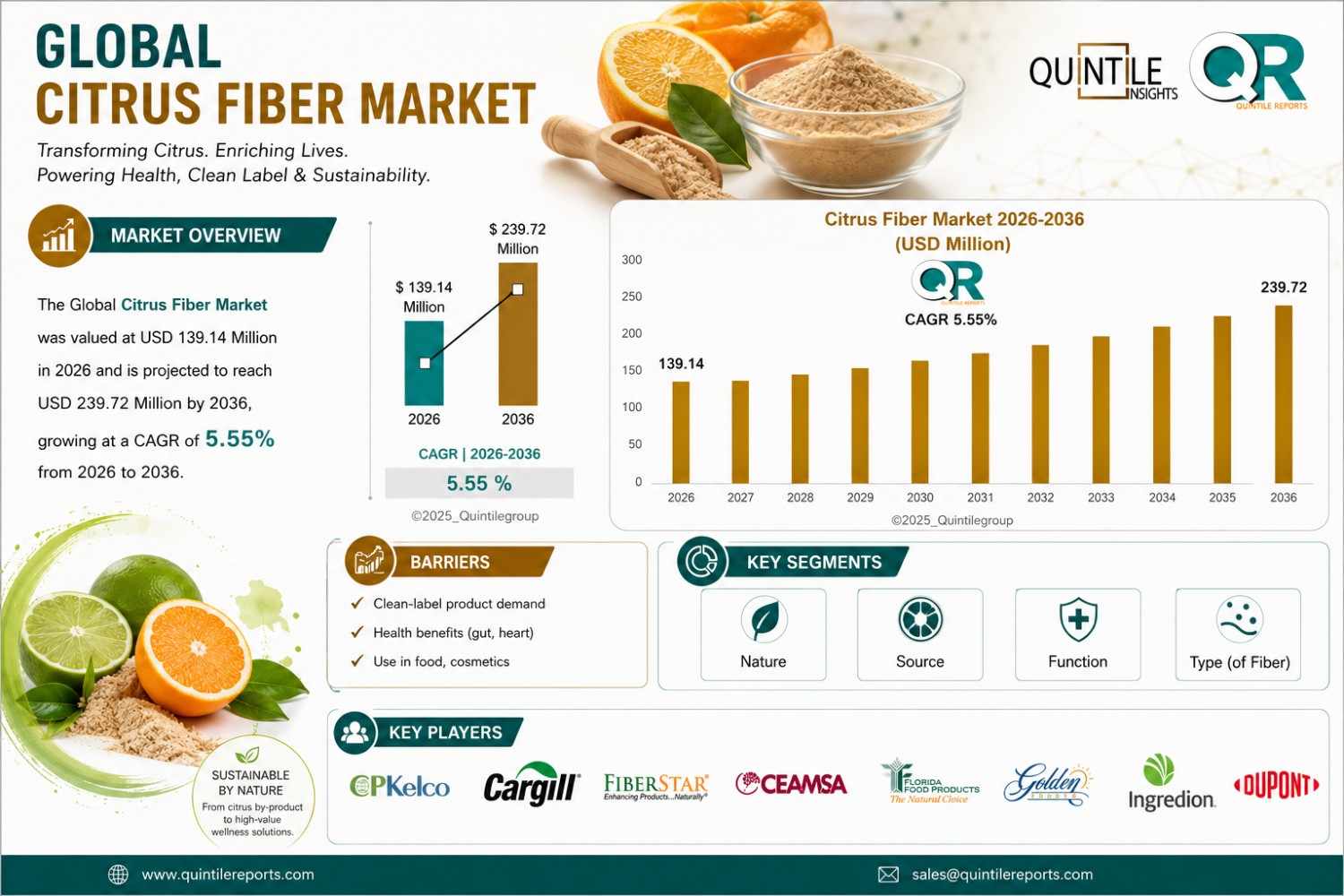
Among all citrus fruit sources used in fiber extraction, orange is expected to command the largest share, accounting for approximately 54.61% of the total citrus fiber market in 2026. That figure is not incidental it reflects structural realities that have shaped the ingredient industry for decades.
Orange juice is among the most widely consumed fruit beverages globally, and large-scale juice processing generates enormous volumes of peels, pulp, and seeds as co-products. This makes orange-derived fiber uniquely accessible from a supply chain standpoint. Processors do not need to establish new sourcing relationships or build parallel procurement infrastructure; the raw material is already being produced at industrial scale and, historically, at low cost relative to its functional value.
From a technical perspective, orange fiber performs reliably across a broad range of applications. Its water-holding capacity is high, its taste profile is neutral enough for use in savory and sweet formulations alike, and its color contribution is minimal a meaningful consideration for manufacturers of dairy alternatives, white sauces, or light-colored beverages. The fiber's pectin content also provides mild gelling behavior at elevated concentrations, adding a secondary functional benefit without requiring additional hydrocolloids.
Consumer perception adds another layer. Orange, as a fruit, carries strong associations with health and naturalness, and "orange fiber" sits comfortably within clean-label ingredient declarations in most markets. This combination of supply reliability, technical versatility, and positive consumer perception has allowed orange-sourced citrus fiber to maintain its dominant position and there is little in the current competitive environment to suggest that dynamic will shift meaningfully through 2036.
Application grade defines where and how citrus fiber is used, and food-grade citrus fiber continues to dominate. Food-grade citrus fiber is projected to hold approximately 59.21% of the total market share in 2026, reflecting the ingredient's primary commercial identity as a functional food additive.
The breadth of food-grade applications is worth unpacking:
This functional versatility across categories gives food-grade citrus fiber a resilience that single-application ingredients typically lack a downturn in one category is partially offset by demand from others. Food-grade's dominance also reflects the regulatory environment: citrus fiber has navigated approval processes in major markets and is recognized as a natural food ingredient in most jurisdictions, lowering the compliance burden for manufacturers who want to incorporate it.
The remaining market share is distributed across pharmaceutical-grade and feed-grade applications, both of which are growing but from smaller bases. Pharmaceutical and nutraceutical applications are expanding as clinical evidence on soluble fiber and gut health accumulates; feed-grade adoption is rising in step with the broader movement toward natural, non-antibiotic livestock nutrition. Neither, however, approaches food-grade's scale within the forecast period.
Food manufacturers across categories are being pushed by retail buyers, brand managers, and consumers to reduce or eliminate ingredients that sound chemical, artificial, or unfamiliar. Citrus fiber derived from fruit, processed mechanically, free of solvents fits naturally into an ingredient list that passes label scrutiny. It performs the stabilizing and texturizing functions of synthetic alternatives without triggering the "artificial" associations those alternatives often carry. As clean-label pressure has moved from a premium positioning strategy to a baseline expectation across mid-market products, demand for ingredients like citrus fiber has grown proportionally.
Global dietary fiber intake remains below recommended levels in most developed and developing markets. Simultaneously, consumer awareness of fiber's relationship to digestive health, blood sugar regulation, and satiety has risen driven by media coverage, physician guidance, and the visible growth of gut health as a wellness category. Food brands are responding by actively fortifying products with dietary fiber. Citrus fiber allows them to do so while simultaneously delivering functional performance benefits, making it a dual-purpose ingredient rather than a pure nutritional add-on.
Regulatory frameworks in the European Union and voluntary sustainability commitments from major food companies have elevated upcycled ingredients those derived from food production byproducts as a procurement priority. Citrus fiber, produced from the peel and pulp residues of juice processing, qualifies unambiguously as an upcycled ingredient. Brands that incorporate it can credibly communicate a circular economy story to consumers and sustainability auditors alike. As ESG reporting requirements expand and consumers increasingly factor environmental claims into purchasing decisions, this positioning advantage translates into commercial demand.
The application range for citrus fiber has broadened meaningfully in recent years, driven by improvements in processing technology and investment in application development by ingredient suppliers. Early adoption was concentrated in bakery and sauces; it has since extended to:
Each new category adds incremental demand and, crucially, exposes citrus fiber to a new population of formulators who may then carry the ingredient into their other product lines.
Citrus fiber production is downstream of the juice industry, and that dependency introduces supply variability that pure ingredient manufacturers do not face. Seasonal citrus harvests, weather events that affect fruit quality or yield, and shifts in juice consumption all propagate into the availability and pricing of citrus fiber feedstock. Suppliers have addressed this partly through geographic diversification and inventory management, but underlying seasonality remains a structural constraint that buyers must factor into sourcing strategies.
Producing citrus fiber at food-grade quality requires controlled drying conditions, consistent particle size, and microbiological standards that demand capital-intensive equipment and careful process management. These costs scale reasonably well for large producers with dedicated facilities, but they present a meaningful barrier for smaller entrants or regional processors looking to enter the market. The gap between commodity byproduct and functional food ingredient is bridged by processing sophistication, and that sophistication carries a cost.
Citrus fiber occupies an ambiguous regulatory space in several markets. In some jurisdictions it is classified straightforwardly as a natural food ingredient; in others, its functional use as a texturizer or stabilizer brings it closer to food additive classifications that carry different approval requirements and labeling obligations. Companies selling across multiple markets must navigate these differences, which adds compliance cost and can delay product launches in new territories.
Large food companies with dedicated ingredient technology teams have largely evaluated and incorporated citrus fiber where it makes formulation sense. Penetration among smaller and mid-sized manufacturers who collectively represent a significant portion of the processed food market remains uneven, partly because the ingredient requires some formulation expertise to use optimally and partly because awareness of its capabilities is not yet universal. Closing this awareness gap is a marketing and application development challenge the industry is still working through.
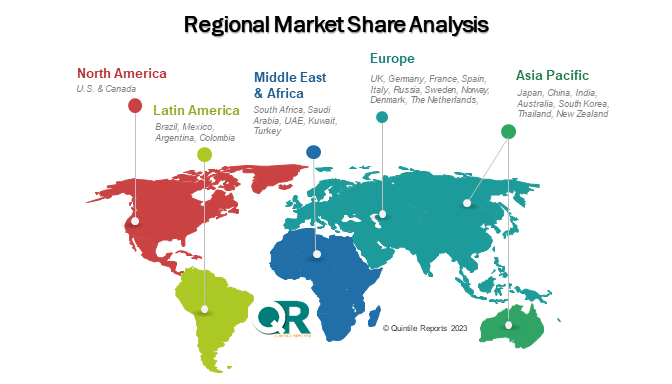
North America represents the largest regional market for citrus fiber, anchored by the United States. The clean-label movement took hold earlier and more intensely in the U.S. than in most other markets, which created early demand for natural stabilizers and texturizers. Major food processors are well-acquainted with citrus fiber and incorporate it across bakery, dairy, dressings, and plant-based product lines. Regulatory recognition of citrus fiber as a natural ingredient streamlines product development. Canada follows a similar trajectory, with plant-based food growth driving incremental demand.
Europe's growth story is shaped by the intersection of strict food additive regulation, a mature sustainability culture, and strong consumer interest in plant-based and minimally processed foods. Germany, France, and the United Kingdom are the most active markets. German food producers, in particular, have embraced citrus fiber as a formulation tool that aligns with the country's circular economy ethos. The EU's Farm to Fork strategy, which sets targets for reducing food waste and increasing sustainable ingredient sourcing, provides regulatory tailwinds that favor upcycled ingredients.
Asia-Pacific is growing fastest on a percentage basis, driven by a combination of rising middle-class incomes, expanding functional food and nutraceutical sectors, and growing local citrus production in China and India. Urban consumers across the region are increasingly reading ingredient labels and seeking products with recognizable, health-associated ingredients. China's large-scale citrus processing infrastructure creates a favorable supply environment for domestic citrus fiber production. India's food processing sector is in a period of rapid expansion, and demand for functional ingredients is rising alongside it.
Brazil and Mexico are the primary markets in Latin America, both with significant domestic citrus fruit production that positions them as potential citrus fiber producers as well as consumers. Awareness of dietary fiber's health benefits is growing, and the food processing industry in both countries is modernizing and incorporating more sophisticated ingredient technology. The region is in an earlier stage of market development than North America or Europe, but the directional trend is consistent.
Adoption in the Middle East and Africa remains nascent but is moving in a positive direction. Rising health consciousness, growing nutraceutical markets in Gulf countries, and increasing investment in functional food production are gradually pulling citrus fiber into regional supply chains. Most supply is currently imported, which limits volume, but local food manufacturers are beginning to evaluate the ingredient seriously as awareness grows.
The U.S. market is characterized by high ingredient sophistication and strong clean-label demand. American consumers are among the most label-literate globally, and the "free from" and "made with real ingredients" positioning that citrus fiber supports resonates across demographic segments. Retail buyers at major grocery chains increasingly require that suppliers demonstrate clean-label compliance, creating a top-down pull for natural functional ingredients. The U.S. also has an active application development culture, with ingredient companies investing heavily in demonstrating citrus fiber's performance in novel applications.
Germany's leadership in sustainable food production extends to ingredient sourcing. Food manufacturers operating in the German market face both regulatory and reputational incentives to source ingredients that align with environmental responsibility principles. Citrus fiber, as an upcycled ingredient from fruit processing, fits this framework precisely. German consumers have shown above-average willingness to pay for sustainability-credentialed products, which makes the clean sourcing story commercially as well as ethically relevant for brands operating in this market.
Japan's functional food culture and its particular sensitivity to ingredient quality and purity make it a receptive market for premium, well-characterized citrus fiber. Japanese consumers place high value on minimally processed, plant-derived ingredients, and citrus fiber's allergen-free, non-GMO profile aligns with these preferences. The country's aging population and associated interest in digestive health and fiber nutrition create a sustained demand signal that is likely to intensify over the forecast period.
Primary interviews conducted with citrus fiber manufacturers, beverage formulators, dairy product developers, and food ingredient distributors during Q1 2026 indicate that demand is increasingly shifting toward multifunctional, clean-label citrus fiber solutions offering improved texture stabilization, moisture retention, and natural emulsification properties across diverse food and beverage applications.
Several food manufacturers and formulation specialists interviewed across North America and Europe also reported growing preference for citrus fiber suppliers providing traceable citrus sourcing, consistent functional performance, customized ingredient solutions for specific applications, and dedicated technical support for clean-label and plant-based product development initiatives.
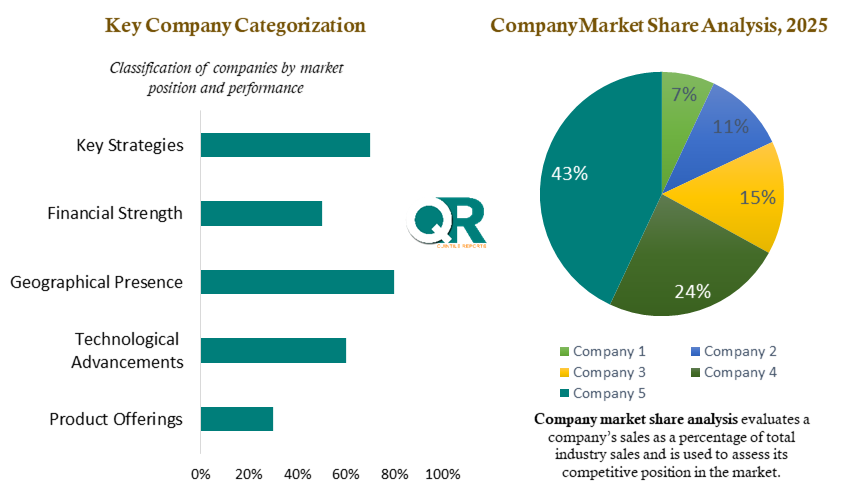
The citrus fiber market is populated by a mix of large diversified ingredient companies and specialist producers, and competition centers on technical performance, formulation support, sustainability credentials, and supply chain reliability rather than price alone.
CP Kelco made a significant capacity commitment in April 2024, completing a USD 60 million expansion at its Brazil facility to bring total output capacity for its NUTRAVA and KELCOSENS citrus fiber lines to approximately 5,000 metric tonnes. This investment signals confidence in long-term demand and strengthens the company's ability to serve global accounts across food, beverage, and personal care.
Ingredion Incorporated entered the EMEA market in July 2024 with its FIBERTEX CF 500 and CF 100 citrus fiber lines, specifically formulated for clean-label food and beverage applications. The company announced plans to extend availability across Asia-Pacific, North America, and Latin America subsequently a phased rollout consistent with targeting regional formulation teams and demonstrating local technical support capability before committing to full distribution infrastructure.
Competitive differentiation is increasingly driven by sustainability traceability the ability to document the origin and processing of citrus byproducts with enough specificity to support brand-level sustainability claims. Companies that can offer verified upcycled sourcing, eco-certifications, and transparent supply chain documentation are better positioned with consumer goods companies whose own sustainability reporting requirements are escalating. Custom technical blends tailored for specific viscosity, mouthfeel, or water-binding targets represent another dimension of differentiation, as ingredient buyers increasingly want solutions rather than commodities.
| Report Scope | Details |
| Report Version | 2026 |
| Growth Rate | CAGR of 5.55 % from 2026 to 2036 |
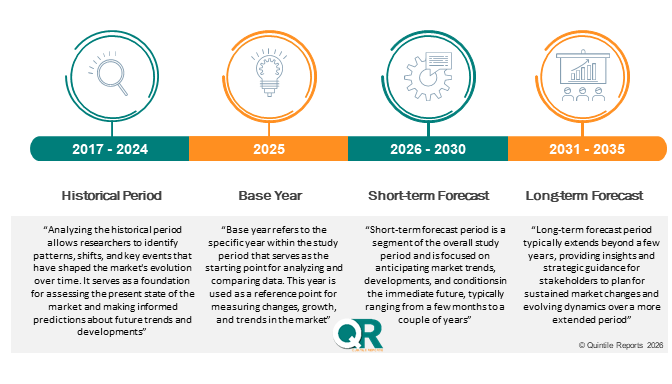
| Base Year | 2025 |
| Actual Estimates / Historical Data | 2017 - 2024 |
| Forecast Period | 2026 - 2036 |
| Quantitative Units | Revenue in USD million/billion & CAGR from 2026 to 2036 |
| Country Scope | North America (U.S., Canada), Europe (UK, Germany, France, Italy, Spain, Russia, Sweden, Denmark, Norway, Rest of Europe), Asia Pacific (Japan, China, India, Australia, South Korea, Thailand, Rest of Asia Pacific), Latin America (Brazil, Mexico, Argentina, Colombia, Rest of Latin America), Middle East & Africa (South Africa, Saudi Arabia, UAE, Kuwait, Rest of Middle East & Africa). |
| The Segment Covered by Nature |
|
| The Segment Covered by Source |
|
| Companies Covered |
|
| Report Coverage | Revenue forecast, company share, competitive landscape, growth factors, technology trends, and regional analysis |
| Free Customization Scope (Equivalent to 5 Analyst Working Days) | If you require additional insights beyond the current scope, our analysts can customize the report to meet your specific business needs. |
This Citrus Fiber Market report is developed using a combination of primary and secondary research methodologies designed to ensure accuracy, analytical depth, and real-world market relevance:
List of Tables
Table 1 List of Abbreviation and acronyms Table 2 List of Sources Table 3 North America Global Citrus Fiber Market, by Segment Analysis, (USD Million) 2017-2035 Table 4 North America Global Citrus Fiber Market, by Region, (USD Million) 2017-2035 Table 5 U.S. Global Citrus Fiber Market, by Segment Analysis, (USD Million) 2017-2035 Table 6 Canada Global Citrus Fiber Market, by Segment Analysis, (USD Million) 2017-2035 Table 7 Europe Global Citrus Fiber Market, by Segment Analysis, (USD Million) 2017-2035 Table 8 Europe Global Citrus Fiber Market, by Region, (USD Million) 2017-2035 Table 9 Germany Global Citrus Fiber Market, by Segment Analysis, (USD Million) 2017-2035 Table 10 U.K. Global Citrus Fiber Market, by Segment Analysis, (USD Million) 2017-2035 Table 11 France Global Citrus Fiber Market, by Segment Analysis, (USD Million) 2017-2035 Table 12 Italy Global Citrus Fiber Market, by Segment Analysis, (USD Million) 2017-2035 Table 13 Spain Global Citrus Fiber Market, by Segment Analysis, (USD Million) 2017-2035 Table 14 Sweden Global Citrus Fiber Market, by Segment Analysis, (USD Million) 2017-2035 Table 15 Denmark Global Citrus Fiber Market, by Segment Analysis, (USD Million) 2017-2035 Table 16 Norway Global Citrus Fiber Market, by Segment Analysis, (USD Million) 2017-2035 Table 17 The Netherlands Global Citrus Fiber Market, by Segment Analysis, (USD Million) 2017-2035 Table 18 Russia Global Citrus Fiber Market, by Segment Analysis, (USD Million) 2017-2035 Table 19 Asia Pacific Global Citrus Fiber Market, by Segment Analysis, (USD Million) 2017-2035 Table 20 Asia Pacific Global Citrus Fiber Market, by Region, (USD Million) 2017-2035 Table 21 China Global Citrus Fiber Market, by Segment Analysis, (USD Million) 2017-2035 Table 22 Japan Global Citrus Fiber Market, by Segment Analysis, (USD Million) 2017-2035 Table 23 India Global Citrus Fiber Market, by Segment Analysis, (USD Million) 2017-2035 Table 24 Australia Global Citrus Fiber Market, by Segment Analysis, (USD Million) 2017-2035 Table 25 South Korea Global Citrus Fiber Market, by Segment Analysis, (USD Million) 2017-2035 Table 26 Thailand Global Citrus Fiber Market, by Segment Analysis, (USD Million) 2017-2035 Table 27 Latin America Global Citrus Fiber Market, by Segment Analysis, (USD Million) 2017-2035 Table 28 Latin America Global Citrus Fiber Market, by Region, (USD Million) 2017-2035 Table 29 Brazil Global Citrus Fiber Market, by Segment Analysis, (USD Million) 2017-2035 Table 30 Mexico Global Citrus Fiber Market, by Segment Analysis, (USD Million) 2017-2035 Table 31 Argentina Global Citrus Fiber Market, by Segment Analysis, (USD Million) 2017-2035 Table 32 Middle East and Africa Global Citrus Fiber Market, by Segment Analysis, (USD Million) 2017-2035 Table 33 Middle East and Africa Global Citrus Fiber Market, by Region, (USD Million) 2017-2035 Table 34 South Africa Global Citrus Fiber Market, by Segment Analysis, (USD Million) 2017-2035 Table 35 Saudi Arabia Global Citrus Fiber Market, by Segment Analysis, (USD Million) 2017-2035 Table 36 UAE Global Citrus Fiber Market, by Segment Analysis, (USD Million) 2017-2035 Table 37 Kuwait Global Citrus Fiber Market, by Segment Analysis, (USD Million) 2017-2035 Table 38 Turkey Global Citrus Fiber Market, by Segment Analysis, (USD Million) 2017-2035
List of FiguresFig.1 Market research process Fig.2 Market research approaches Fig.3 Global Citrus Fiber Market: market scenario Fig.4 Global Citrus Fiber Market competitive outlook Fig.5 Global Citrus Fiber Market driver analysis Fig.6 Global Citrus Fiber Market restraint analysis Fig.7 Global Citrus Fiber Market opportunity analysis Fig.8 Global Citrus Fiber Market trends analysis Fig.9 Global Citrus Fiber Market: Segment Analysis (Based on the scope) Fig.10 Global Citrus Fiber Market: regional analysis Fig.11 Global market shares and leading market players Fig.12 North America market share and leading players Fig.13 Europe market share and leading players Fig.14 Asia Pacific market share and leading players Fig.15 Latin America market share and leading players Fig.16 Middle East & Africa market share and leading players Fig.17 North America, by country Fig.18 North America Fig.19 North America market estimates and forecast, 2017-2035 Fig.20 U.S. Fig.21 Canada Fig.22 Europe Fig.23 Europe market estimates and forecast, 2017-2035 Fig.24 U.K. Fig.25 Germany Fig.26 France Fig.27 Italy Fig.28 Spain Fig.29 Sweden Fig.30 Denmark Fig.31 Norway Fig.32 The Netherlands Fig.33 Russia Fig.34 Asia Pacific Fig.35 Asia Pacific market estimates and forecast, 2017-2035 Fig.36 China Fig.37 Japan Fig.38 India Fig.39 Australia Fig.40 South Korea Fig.41 Thailand Fig.42 Latin America Fig.43 Latin America market estimates and forecast, 2017-2035 Fig.44 Brazil Fig.45 Mexico Fig.46 Argentina Fig.47 Colombia Fig.48 Middle East and Africa Fig.49 Middle East and Africa market estimates and forecast, 2017-2035 Fig.50 Saudi Arabia Fig.51 South Africa Fig.52 UAE Fig.53 Kuwait Fig.54 Turkey
Citrus fiber is a plant-based ingredient derived from citrus fruit peels and pulp, primarily oranges, lemons, grapefruits, and mandarins. It is widely used for water binding, emulsification, texture improvement, moisture retention, and clean-label formulation in food and beverage products.
The global citrus fiber market was valued at USD 139.14 million in 2026 and is projected to reach USD 239.72 million by 2036, growing at a CAGR of 5.55% during the forecast period.
Orange-derived citrus fiber leads the market, accounting for approximately 54.61% of total market share in 2026, due to abundant raw material availability, strong functionality, and positive consumer perception.
The food-grade segment dominates the market with approximately 59.21% share in 2026, driven by widespread use in bakery products, dairy alternatives, sauces, beverages, and meat alternatives.
North America currently represents the largest regional market due to strong clean-label demand, advanced food processing industries, and widespread adoption of natural food ingredients.
The Asia-Pacific region is projected to experience the fastest growth, supported by increasing health awareness, expanding food processing industries, and rising demand for functional ingredients in countries such as China and India.
Major industry participants include CP Kelco, Inc., Cargill, Incorporated, Ingredion Incorporated, Fiberstar, Inc., and CEAMSA, among others.
Growing demand for clean-label ingredients, increasing consumer awareness of dietary fiber benefits, sustainability initiatives focused on food waste reduction, and expanding applications across food, nutraceutical, cosmetic, and pet food industries are driving market growth.
Citrus fiber is a plant-based, functional dietary ingredient recovered from the peel and pulp of citrus fruits primarily orange, lemon, grapefruit, and mandarin left behind after juice extraction and pectin production. Rather than discarding these byproducts, manufacturers subject them to mechanical processing, drying, and milling to produce a fine, odorless powder that carries both soluble fiber (pectin) and insoluble fiber (cellulose and hemicellulose) in a single, clean-label ingredient.
What makes citrus fiber commercially compelling is not any single property but the combination of them: it binds water efficiently, stabilizes emulsions, adds body to thin liquids, improves moisture retention in baked goods, and does all of this without synthetic additives or chemical solvents. Food producers working to shorten ingredient lists while still delivering the texture and shelf life consumers expect find it a practical replacement for gums, modified starches, and synthetic emulsifiers.
The ingredient's footprint extends well beyond the food aisle. Nutraceutical brands incorporate it for its prebiotic fiber content; personal care formulators value its thickening and film-forming behavior; animal feed producers use it as a natural fiber supplement. Cutting across all these applications is a sustainability argument that resonates with ingredient buyers: citrus fiber converts a waste stream into a high-value product, reducing the environmental burden of citrus processing while generating revenue from material that would otherwise go to landfill or composting.
Commercially, the market is gaining measurable momentum. The global Citrus Fiber Market, valued at USD 139.14 million in 2026, is projected to reach USD 239.72 million by 2036, registering a CAGR of 5.55% over the forecast period. This trajectory reflects a convergence of long-term demand drivers clean-label formulation, plant-based product development, food waste valorization, and growing clinical awareness of dietary fiber's role in metabolic health rather than a short-lived trend. With established players expanding capacity and new entrants investing in differentiated extraction technologies, citrus fiber is transitioning from a niche specialty ingredient to a mainstream functional food input.
This report provides detailed Citrus Fiber market size analysis, growth trends, competitive benchmarking, and future industry outlook.
Among all citrus fruit sources used in fiber extraction, orange is expected to command the largest share, accounting for approximately 54.61% of the total citrus fiber market in 2026. That figure is not incidental it reflects structural realities that have shaped the ingredient industry for decades.
Orange juice is among the most widely consumed fruit beverages globally, and large-scale juice processing generates enormous volumes of peels, pulp, and seeds as co-products. This makes orange-derived fiber uniquely accessible from a supply chain standpoint. Processors do not need to establish new sourcing relationships or build parallel procurement infrastructure; the raw material is already being produced at industrial scale and, historically, at low cost relative to its functional value.
From a technical perspective, orange fiber performs reliably across a broad range of applications. Its water-holding capacity is high, its taste profile is neutral enough for use in savory and sweet formulations alike, and its color contribution is minimal a meaningful consideration for manufacturers of dairy alternatives, white sauces, or light-colored beverages. The fiber's pectin content also provides mild gelling behavior at elevated concentrations, adding a secondary functional benefit without requiring additional hydrocolloids.
Consumer perception adds another layer. Orange, as a fruit, carries strong associations with health and naturalness, and "orange fiber" sits comfortably within clean-label ingredient declarations in most markets. This combination of supply reliability, technical versatility, and positive consumer perception has allowed orange-sourced citrus fiber to maintain its dominant position and there is little in the current competitive environment to suggest that dynamic will shift meaningfully through 2036.
Application grade defines where and how citrus fiber is used, and food-grade citrus fiber continues to dominate. Food-grade citrus fiber is projected to hold approximately 59.21% of the total market share in 2026, reflecting the ingredient's primary commercial identity as a functional food additive.
The breadth of food-grade applications is worth unpacking:
This functional versatility across categories gives food-grade citrus fiber a resilience that single-application ingredients typically lack a downturn in one category is partially offset by demand from others. Food-grade's dominance also reflects the regulatory environment: citrus fiber has navigated approval processes in major markets and is recognized as a natural food ingredient in most jurisdictions, lowering the compliance burden for manufacturers who want to incorporate it.
The remaining market share is distributed across pharmaceutical-grade and feed-grade applications, both of which are growing but from smaller bases. Pharmaceutical and nutraceutical applications are expanding as clinical evidence on soluble fiber and gut health accumulates; feed-grade adoption is rising in step with the broader movement toward natural, non-antibiotic livestock nutrition. Neither, however, approaches food-grade's scale within the forecast period.
Food manufacturers across categories are being pushed by retail buyers, brand managers, and consumers to reduce or eliminate ingredients that sound chemical, artificial, or unfamiliar. Citrus fiber derived from fruit, processed mechanically, free of solvents fits naturally into an ingredient list that passes label scrutiny. It performs the stabilizing and texturizing functions of synthetic alternatives without triggering the "artificial" associations those alternatives often carry. As clean-label pressure has moved from a premium positioning strategy to a baseline expectation across mid-market products, demand for ingredients like citrus fiber has grown proportionally.
Global dietary fiber intake remains below recommended levels in most developed and developing markets. Simultaneously, consumer awareness of fiber's relationship to digestive health, blood sugar regulation, and satiety has risen driven by media coverage, physician guidance, and the visible growth of gut health as a wellness category. Food brands are responding by actively fortifying products with dietary fiber. Citrus fiber allows them to do so while simultaneously delivering functional performance benefits, making it a dual-purpose ingredient rather than a pure nutritional add-on.
Regulatory frameworks in the European Union and voluntary sustainability commitments from major food companies have elevated upcycled ingredients those derived from food production byproducts as a procurement priority. Citrus fiber, produced from the peel and pulp residues of juice processing, qualifies unambiguously as an upcycled ingredient. Brands that incorporate it can credibly communicate a circular economy story to consumers and sustainability auditors alike. As ESG reporting requirements expand and consumers increasingly factor environmental claims into purchasing decisions, this positioning advantage translates into commercial demand.
The application range for citrus fiber has broadened meaningfully in recent years, driven by improvements in processing technology and investment in application development by ingredient suppliers. Early adoption was concentrated in bakery and sauces; it has since extended to:
Each new category adds incremental demand and, crucially, exposes citrus fiber to a new population of formulators who may then carry the ingredient into their other product lines.
Citrus fiber production is downstream of the juice industry, and that dependency introduces supply variability that pure ingredient manufacturers do not face. Seasonal citrus harvests, weather events that affect fruit quality or yield, and shifts in juice consumption all propagate into the availability and pricing of citrus fiber feedstock. Suppliers have addressed this partly through geographic diversification and inventory management, but underlying seasonality remains a structural constraint that buyers must factor into sourcing strategies.
Producing citrus fiber at food-grade quality requires controlled drying conditions, consistent particle size, and microbiological standards that demand capital-intensive equipment and careful process management. These costs scale reasonably well for large producers with dedicated facilities, but they present a meaningful barrier for smaller entrants or regional processors looking to enter the market. The gap between commodity byproduct and functional food ingredient is bridged by processing sophistication, and that sophistication carries a cost.
Citrus fiber occupies an ambiguous regulatory space in several markets. In some jurisdictions it is classified straightforwardly as a natural food ingredient; in others, its functional use as a texturizer or stabilizer brings it closer to food additive classifications that carry different approval requirements and labeling obligations. Companies selling across multiple markets must navigate these differences, which adds compliance cost and can delay product launches in new territories.
Large food companies with dedicated ingredient technology teams have largely evaluated and incorporated citrus fiber where it makes formulation sense. Penetration among smaller and mid-sized manufacturers who collectively represent a significant portion of the processed food market remains uneven, partly because the ingredient requires some formulation expertise to use optimally and partly because awareness of its capabilities is not yet universal. Closing this awareness gap is a marketing and application development challenge the industry is still working through.
North America represents the largest regional market for citrus fiber, anchored by the United States. The clean-label movement took hold earlier and more intensely in the U.S. than in most other markets, which created early demand for natural stabilizers and texturizers. Major food processors are well-acquainted with citrus fiber and incorporate it across bakery, dairy, dressings, and plant-based product lines. Regulatory recognition of citrus fiber as a natural ingredient streamlines product development. Canada follows a similar trajectory, with plant-based food growth driving incremental demand.
Europe's growth story is shaped by the intersection of strict food additive regulation, a mature sustainability culture, and strong consumer interest in plant-based and minimally processed foods. Germany, France, and the United Kingdom are the most active markets. German food producers, in particular, have embraced citrus fiber as a formulation tool that aligns with the country's circular economy ethos. The EU's Farm to Fork strategy, which sets targets for reducing food waste and increasing sustainable ingredient sourcing, provides regulatory tailwinds that favor upcycled ingredients.
Asia-Pacific is growing fastest on a percentage basis, driven by a combination of rising middle-class incomes, expanding functional food and nutraceutical sectors, and growing local citrus production in China and India. Urban consumers across the region are increasingly reading ingredient labels and seeking products with recognizable, health-associated ingredients. China's large-scale citrus processing infrastructure creates a favorable supply environment for domestic citrus fiber production. India's food processing sector is in a period of rapid expansion, and demand for functional ingredients is rising alongside it.
Brazil and Mexico are the primary markets in Latin America, both with significant domestic citrus fruit production that positions them as potential citrus fiber producers as well as consumers. Awareness of dietary fiber's health benefits is growing, and the food processing industry in both countries is modernizing and incorporating more sophisticated ingredient technology. The region is in an earlier stage of market development than North America or Europe, but the directional trend is consistent.
Adoption in the Middle East and Africa remains nascent but is moving in a positive direction. Rising health consciousness, growing nutraceutical markets in Gulf countries, and increasing investment in functional food production are gradually pulling citrus fiber into regional supply chains. Most supply is currently imported, which limits volume, but local food manufacturers are beginning to evaluate the ingredient seriously as awareness grows.
The U.S. market is characterized by high ingredient sophistication and strong clean-label demand. American consumers are among the most label-literate globally, and the "free from" and "made with real ingredients" positioning that citrus fiber supports resonates across demographic segments. Retail buyers at major grocery chains increasingly require that suppliers demonstrate clean-label compliance, creating a top-down pull for natural functional ingredients. The U.S. also has an active application development culture, with ingredient companies investing heavily in demonstrating citrus fiber's performance in novel applications.
Germany's leadership in sustainable food production extends to ingredient sourcing. Food manufacturers operating in the German market face both regulatory and reputational incentives to source ingredients that align with environmental responsibility principles. Citrus fiber, as an upcycled ingredient from fruit processing, fits this framework precisely. German consumers have shown above-average willingness to pay for sustainability-credentialed products, which makes the clean sourcing story commercially as well as ethically relevant for brands operating in this market.
Japan's functional food culture and its particular sensitivity to ingredient quality and purity make it a receptive market for premium, well-characterized citrus fiber. Japanese consumers place high value on minimally processed, plant-derived ingredients, and citrus fiber's allergen-free, non-GMO profile aligns with these preferences. The country's aging population and associated interest in digestive health and fiber nutrition create a sustained demand signal that is likely to intensify over the forecast period.
Primary interviews conducted with citrus fiber manufacturers, beverage formulators, dairy product developers, and food ingredient distributors during Q1 2026 indicate that demand is increasingly shifting toward multifunctional, clean-label citrus fiber solutions offering improved texture stabilization, moisture retention, and natural emulsification properties across diverse food and beverage applications.
Several food manufacturers and formulation specialists interviewed across North America and Europe also reported growing preference for citrus fiber suppliers providing traceable citrus sourcing, consistent functional performance, customized ingredient solutions for specific applications, and dedicated technical support for clean-label and plant-based product development initiatives.
The citrus fiber market is populated by a mix of large diversified ingredient companies and specialist producers, and competition centers on technical performance, formulation support, sustainability credentials, and supply chain reliability rather than price alone.
CP Kelco made a significant capacity commitment in April 2024, completing a USD 60 million expansion at its Brazil facility to bring total output capacity for its NUTRAVA and KELCOSENS citrus fiber lines to approximately 5,000 metric tonnes. This investment signals confidence in long-term demand and strengthens the company's ability to serve global accounts across food, beverage, and personal care.
Ingredion Incorporated entered the EMEA market in July 2024 with its FIBERTEX CF 500 and CF 100 citrus fiber lines, specifically formulated for clean-label food and beverage applications. The company announced plans to extend availability across Asia-Pacific, North America, and Latin America subsequently a phased rollout consistent with targeting regional formulation teams and demonstrating local technical support capability before committing to full distribution infrastructure.
Competitive differentiation is increasingly driven by sustainability traceability the ability to document the origin and processing of citrus byproducts with enough specificity to support brand-level sustainability claims. Companies that can offer verified upcycled sourcing, eco-certifications, and transparent supply chain documentation are better positioned with consumer goods companies whose own sustainability reporting requirements are escalating. Custom technical blends tailored for specific viscosity, mouthfeel, or water-binding targets represent another dimension of differentiation, as ingredient buyers increasingly want solutions rather than commodities.
| Report Scope | Details |
| Report Version | 2026 |
| Growth Rate | CAGR of 5.55 % from 2026 to 2036 |
| Base Year | 2025 |
| Actual Estimates / Historical Data | 2017 - 2024 |
| Forecast Period | 2026 - 2036 |
| Quantitative Units | Revenue in USD million/billion & CAGR from 2026 to 2036 |
| Country Scope | North America (U.S., Canada), Europe (UK, Germany, France, Italy, Spain, Russia, Sweden, Denmark, Norway, Rest of Europe), Asia Pacific (Japan, China, India, Australia, South Korea, Thailand, Rest of Asia Pacific), Latin America (Brazil, Mexico, Argentina, Colombia, Rest of Latin America), Middle East & Africa (South Africa, Saudi Arabia, UAE, Kuwait, Rest of Middle East & Africa). |
| The Segment Covered by Nature |
|
| The Segment Covered by Source |
|
| Companies Covered |
|
| Report Coverage | Revenue forecast, company share, competitive landscape, growth factors, technology trends, and regional analysis |
| Free Customization Scope (Equivalent to 5 Analyst Working Days) | If you require additional insights beyond the current scope, our analysts can customize the report to meet your specific business needs. |
This Citrus Fiber Market report is developed using a combination of primary and secondary research methodologies designed to ensure accuracy, analytical depth, and real-world market relevance:
Table 1 List of Abbreviation and acronyms Table 2 List of Sources Table 3 North America Global Citrus Fiber Market, by Segment Analysis, (USD Million) 2017-2035 Table 4 North America Global Citrus Fiber Market, by Region, (USD Million) 2017-2035 Table 5 U.S. Global Citrus Fiber Market, by Segment Analysis, (USD Million) 2017-2035 Table 6 Canada Global Citrus Fiber Market, by Segment Analysis, (USD Million) 2017-2035 Table 7 Europe Global Citrus Fiber Market, by Segment Analysis, (USD Million) 2017-2035 Table 8 Europe Global Citrus Fiber Market, by Region, (USD Million) 2017-2035 Table 9 Germany Global Citrus Fiber Market, by Segment Analysis, (USD Million) 2017-2035 Table 10 U.K. Global Citrus Fiber Market, by Segment Analysis, (USD Million) 2017-2035 Table 11 France Global Citrus Fiber Market, by Segment Analysis, (USD Million) 2017-2035 Table 12 Italy Global Citrus Fiber Market, by Segment Analysis, (USD Million) 2017-2035 Table 13 Spain Global Citrus Fiber Market, by Segment Analysis, (USD Million) 2017-2035 Table 14 Sweden Global Citrus Fiber Market, by Segment Analysis, (USD Million) 2017-2035 Table 15 Denmark Global Citrus Fiber Market, by Segment Analysis, (USD Million) 2017-2035 Table 16 Norway Global Citrus Fiber Market, by Segment Analysis, (USD Million) 2017-2035 Table 17 The Netherlands Global Citrus Fiber Market, by Segment Analysis, (USD Million) 2017-2035 Table 18 Russia Global Citrus Fiber Market, by Segment Analysis, (USD Million) 2017-2035 Table 19 Asia Pacific Global Citrus Fiber Market, by Segment Analysis, (USD Million) 2017-2035 Table 20 Asia Pacific Global Citrus Fiber Market, by Region, (USD Million) 2017-2035 Table 21 China Global Citrus Fiber Market, by Segment Analysis, (USD Million) 2017-2035 Table 22 Japan Global Citrus Fiber Market, by Segment Analysis, (USD Million) 2017-2035 Table 23 India Global Citrus Fiber Market, by Segment Analysis, (USD Million) 2017-2035 Table 24 Australia Global Citrus Fiber Market, by Segment Analysis, (USD Million) 2017-2035 Table 25 South Korea Global Citrus Fiber Market, by Segment Analysis, (USD Million) 2017-2035 Table 26 Thailand Global Citrus Fiber Market, by Segment Analysis, (USD Million) 2017-2035 Table 27 Latin America Global Citrus Fiber Market, by Segment Analysis, (USD Million) 2017-2035 Table 28 Latin America Global Citrus Fiber Market, by Region, (USD Million) 2017-2035 Table 29 Brazil Global Citrus Fiber Market, by Segment Analysis, (USD Million) 2017-2035 Table 30 Mexico Global Citrus Fiber Market, by Segment Analysis, (USD Million) 2017-2035 Table 31 Argentina Global Citrus Fiber Market, by Segment Analysis, (USD Million) 2017-2035 Table 32 Middle East and Africa Global Citrus Fiber Market, by Segment Analysis, (USD Million) 2017-2035 Table 33 Middle East and Africa Global Citrus Fiber Market, by Region, (USD Million) 2017-2035 Table 34 South Africa Global Citrus Fiber Market, by Segment Analysis, (USD Million) 2017-2035 Table 35 Saudi Arabia Global Citrus Fiber Market, by Segment Analysis, (USD Million) 2017-2035 Table 36 UAE Global Citrus Fiber Market, by Segment Analysis, (USD Million) 2017-2035 Table 37 Kuwait Global Citrus Fiber Market, by Segment Analysis, (USD Million) 2017-2035 Table 38 Turkey Global Citrus Fiber Market, by Segment Analysis, (USD Million) 2017-2035
List of FiguresFig.1 Market research process Fig.2 Market research approaches Fig.3 Global Citrus Fiber Market: market scenario Fig.4 Global Citrus Fiber Market competitive outlook Fig.5 Global Citrus Fiber Market driver analysis Fig.6 Global Citrus Fiber Market restraint analysis Fig.7 Global Citrus Fiber Market opportunity analysis Fig.8 Global Citrus Fiber Market trends analysis Fig.9 Global Citrus Fiber Market: Segment Analysis (Based on the scope) Fig.10 Global Citrus Fiber Market: regional analysis Fig.11 Global market shares and leading market players Fig.12 North America market share and leading players Fig.13 Europe market share and leading players Fig.14 Asia Pacific market share and leading players Fig.15 Latin America market share and leading players Fig.16 Middle East & Africa market share and leading players Fig.17 North America, by country Fig.18 North America Fig.19 North America market estimates and forecast, 2017-2035 Fig.20 U.S. Fig.21 Canada Fig.22 Europe Fig.23 Europe market estimates and forecast, 2017-2035 Fig.24 U.K. Fig.25 Germany Fig.26 France Fig.27 Italy Fig.28 Spain Fig.29 Sweden Fig.30 Denmark Fig.31 Norway Fig.32 The Netherlands Fig.33 Russia Fig.34 Asia Pacific Fig.35 Asia Pacific market estimates and forecast, 2017-2035 Fig.36 China Fig.37 Japan Fig.38 India Fig.39 Australia Fig.40 South Korea Fig.41 Thailand Fig.42 Latin America Fig.43 Latin America market estimates and forecast, 2017-2035 Fig.44 Brazil Fig.45 Mexico Fig.46 Argentina Fig.47 Colombia Fig.48 Middle East and Africa Fig.49 Middle East and Africa market estimates and forecast, 2017-2035 Fig.50 Saudi Arabia Fig.51 South Africa Fig.52 UAE Fig.53 Kuwait Fig.54 Turkey

A license granted to one user. Rules or conditions might be applied for e.g. the use of electric files (PDFs) or printings, depending on product.
A license granted to multiple users.
A license granted to a single business site/establishment.
A license granted to all employees within organisation access to the product.
Immediate / Within 24-48 hours - Working days
Online Payments with PayPal and CCavenue
You can order a report by picking any of the payment methods which is bank wire or online payment through any Debit/Credit card or PayPal.
Hard Copy