The Global Air Purifier Market was valued at USD 18.08 billion in 2025 and is anticipated to reach USD 39.23 billion by 2035, growing at a robust CAGR of 7.89% during the forecast period from 2026 to 2035. The Air Purifier market report presents a comprehensive overview of the industry by assessing macroeconomic conditions, emerging technologies, regulatory frameworks, and shifting consumer behavior to provide a clear outlook on future market expansion.
The air purifier market refers to the global and regional market for devices engineered to remove airborne pollutants such as fine particulate matter (PM2.5), allergens, smoke, volatile organic compounds (VOCs), bacteria, and odours from indoor air. These systems employ various technologies, most notably high-efficiency particulate air (HEPA) filters, activated carbon, UV-C light, photocatalysis, and ionisation to improve air quality in residential, commercial, industrial, and institutional environments. Air purifiers are available in portable, wall-mounted, and HVAC-integrated formats, serving needs across homes, offices, hospitals, schools, data centres, and public transportation systems.
The Residential Air Purifier market purifier segment plays a pivotal role within the broader Air Purifier Market, driven by rising urbanization, increasing awareness of indoor air quality, and growing health concerns related to pollution and allergens. As households become more conscious of respiratory health—especially in densely populated cities—demand for compact, energy-efficient, and technologically advanced air purifiers has surged. Features such as HEPA filtration, smart connectivity, and real-time air quality monitoring are increasingly influencing consumer purchasing decisions. This segment is further supported by lifestyle shifts, including work-from-home trends and heightened hygiene awareness post-pandemic, making residential air purifiers a key growth driver in the global market landscape.
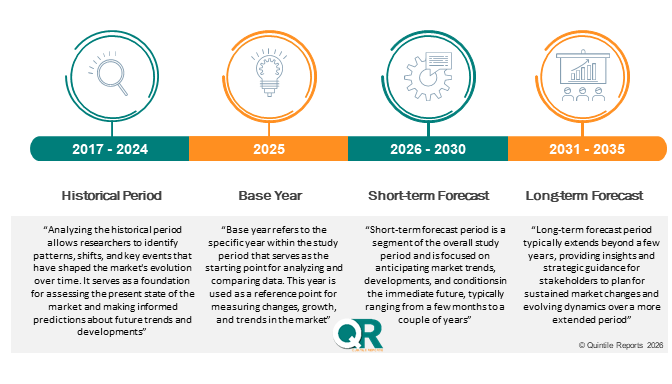
With 2025 serving as the base year, the Air Purifier market is experiencing stable growth supported by rising demand across key end-use industries and continuous technological innovation. Companies operating in the market are enhancing their go-to-market (GTM) strategies to capture emerging opportunities and navigate evolving competitive dynamics effectively.
By 2035, the market is expected to demonstrate strong growth potential, driven by sustained investments in innovation, increasing strategic partnerships, and growing merger and acquisition activities. Organizations that prioritize customer-centric solutions, innovation, and agile GTM execution are likely to strengthen their market presence and achieve long-term success. The report provides detailed insights into major market drivers, restraints, opportunities, and challenges across segments, regions, and countries, supported by extensive qualitative and quantitative analysis from 2017 to 2035.
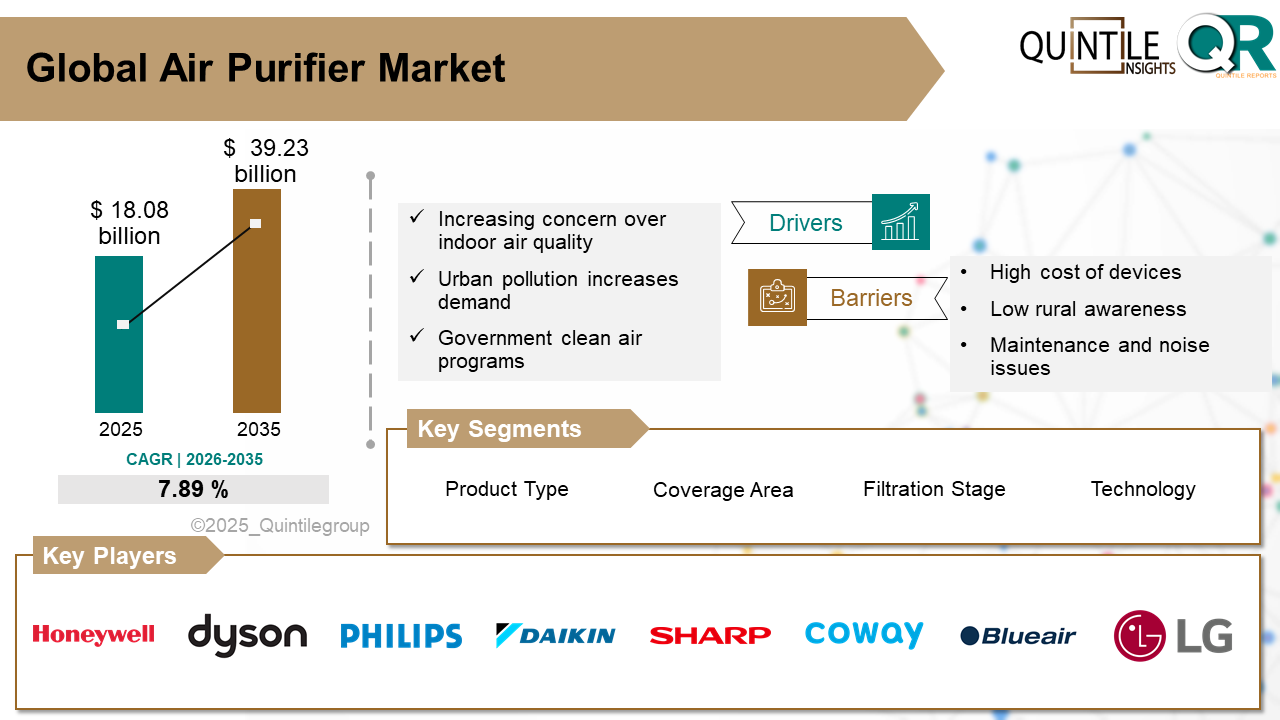
This market includes a broad spectrum of manufacturers, distributors, and technology providers offering systems tailored to specific pollutants and regional compliance standards. With Asia-Pacific leading in volume, North America and Europe show strong demand for energy-efficient, low-noise, and ozone-free units. Key players such as Daikin, Dyson, Honeywell, Xiaomi, Coway, Panasonic, and IQAir are focused on innovations in filter media, IoT integration, and design aesthetics to enhance consumer engagement. As health consciousness deepens and environmental regulations tighten, the air purifier market is expected to see sustained expansion across developed and emerging economies.
The primary driver is the increasing level of air pollution and its associated health impacts. Outdoor and indoor air pollutants like fine particulate matter (PM2.5), allergens, VOCs, and pathogens are directly associated with respiratory diseases, cardiovascular disease, and early death. Consumers, healthcare centres, schools, and workplaces are thus purchasing high-quality air purifiers to safeguard vulnerable groups like children, older individuals, and people with chronic diseases.
The second major driver is the stepped-up emphasis on indoor air quality through the COVID-19 pandemic. HEPA filtration and UV-C-enabled purifiers have become essential in avoiding airborne virus transmission. Fear of airborne pathogens among the public continues to drive demand in residential, public places, and office settings.
The fast growth of Asia-Pacific cities such as Delhi, Beijing, and Jakarta has driven air quality issues due to rapid urbanization and industrialization. Chronic smog and particulate matter pollution are encouraging houses and institutions to use portable and stationary purifiers, especially smart, high-efficiency models, to counteract the impacts of dense urban environments.
A fourth driver is technological innovation. HEPA (in this case, H13), UV-C sterilisation, activated carbon, IoT connectivity, voice/app control, real-time AQI monitoring, predictive maintenance, and energy-saving modes are transforming performance and user experience, compelling market expansion.
Last but not least, incentives and policies of the government are driving adoption. EU, U.S., Chinese, Japanese, and Indian air quality regulations, and programs such as India's National Clean Air Programme, are driving public and private investments in air cleaning, particularly in public areas such as parks, hospitals, and schools.
There is a developed air purifier market in North America, supported by effective public health regulation. Indoor use of Portable Air Cleaners (air purifiers) during high-pollution events such as wildfires is recommended by the U.S. EPA and CDC, emphasising their indoor air quality risk reduction. The key players (e.g., Honeywell, IQAir, Dyson) are emphasising IoT-enabled HEPA systems in the residential segment as well as the commercial segment. Offline retail remains strong with increasing adoption of smart, connected variants.
Europe places a top priority on indoor air quality through health-focused policy and eco-standards. Government agencies like the European Environment Agency reference air cleaning in advisory reports to schools and care institutions, especially around pollution spikes or viral infections. European consumers prefer energy efficiency, quiet operation, and HEPA-plus-carbon designs, which come with labels like TÜV and EHPA. Market leaders like Philips and Bosch incorporate smart sensors for filter management.
Asia-Pacific is the fastest-growing market, driven by severe urban air pollution and increasing prosperity. National government programs like India's National Clean Air Programme encourage home use of air purifiers. Home OEMs like Xiaomi, Blueair provide low-cost, portable HEPA/activated carbon units commonly bundled with real-time AQI monitors. Market research reports attest to dominance by stand-alone units in the commercial environment.
Latin America is gradually coming into play by way of greater participation in the modernisation of retail and heightened environmental consciousness. Air cleaners are finding applications in offices, hospitals, and homes to address WHO-conforming indoor air quality standards. Regionally based suppliers market mid-range portable and in-home products through retail outlets like home-improvement centres and drug stores.
The Middle East & Africa are a new but lucrative market. UAE and South Africa health ministries both suggest air purifiers for home environments and clinics, particularly during winter pollution and dust storms. They are especially made for hot climates and large spaces, and they are in increasing demand in hospitals, cities, and office buildings.
The United States is leading the air purifier industry, fueled by the urgency to fight seasonal and severe episodes of air pollution, primarily wildfire smoke. Among the major drivers is the greater frequency and magnitude of wildfires, which are lowering the quality of external air and causing residents in impacted states to buy indoor cleaning systems.
West Coast states of Oregon, California, and Washington see demand for air purifiers surge in the peak fire season. Health authorities recommend in-home use of HEPA-fitted and portable air purifiers by residents, particularly those with lung ailments, kids, and the elderly, to reduce indoor exposure to particulates.
Producers are pushing back with smart, energy-efficient models imprinted with initiatives such as Lean Energy Star, equipping them with real-time AQI sensors, automatically adjusting fan technology, and IoT connectivity that marries air quality with function, meeting both emergency response levels and everyday energy-efficiency regulations.
Germany is among Europe's leading air purifier markets due to Germany's increased emphasis on indoor air quality (IAQ) requirements and general awareness of public health. With new legislation promoting clean air habits among schools, offices, and public facilities, and further concern over chemicals such as particulate matter and allergens, demand has grown considerably for consumer-level and commercial-level air purification systems.
In cities of Berlin, Munich, and Frankfurt, property owners and facility managers increasingly opt for smart, ventilated system-integrated solutions and HEPA-fitted air cleaners. The equipment is also being installed in schools, homes, and hospitals to mitigate exposure to pollution, seasonal allergens, and airborne disease agents such as viruses. The trend is a reflection of Germany's aggressive approach towards occupant well-being and building health, further supplemented by public financing schemes for IAQ retrofits in schools.
Competitors such as Philips, Bosch, and Leitz are fighting back with product offerings featuring live air quality sensors, multi-stage filtration (activated carbon and UV-C modules), and energy-efficient operation. Increasingly, products now offer IoT-connectivity for IAQ monitoring through apps or integration with building automation systems aligned with Germany's smart building and wellness-driven construction trends as a whole.
Japan's growing concern over indoor air quality within the context of urban lifestyles and health threats from an ageing population is the primary driving force behind the air purifier market. Fine particulate pollution (PM2.5), urban residential complexes, seasonal allergens such as cedar pollen, and old buildings with closed-in insulation are leading consumers to look for reliable filtering systems for tidying up breathing space. Old people, children, and individuals with asthma problem are especially engaged in the use of purifiers to mitigate airborne hazards such as contaminants, mold spores, and allergens.
Manufacturers are meeting this demand with high-performance, specialised units featuring HEPA H13/H14 filters, activated carbon to adsorb VOCs, and anti-microbial coating to target specific in-residence problems. Miniature bedroom or single workstation models, and whole-house systems with air quality sensors and automatically reducing fan speeds, are the norm. Many such systems have smart connectivity, allowing users to check and control air quality from their cell phones, a much-desired feature among technology-embracing, health-oriented Japanese residents.
In addition, population ageing in Japan and the desire to promote healthy longevity have brought forth the healthcare-at-home ethos. Air cleaners are becoming a part of daily life for preventive wellness as a necessary appliance, such as water filters or insulation. Sensitivity to airborne viruses and a seasonal immune system will continue to drive demands for tough, quiet, and fashion-savvy air cleaners, making them staple items in Japanese homes today.
The air purifier market is also increasingly characterised by intelligence integration and automation, separating top brands. Brands such as Dreame have added radars specifically to reach consumers with clean air, while Matter-certified devices such as AiDot WeLov allow for effortless home system control. Brands that add app connectivity, voice control, and sensor feedback in real time to their products make them extensively integrated in smart homes, and those features are becoming minimum consumer requirements very fast.
Second is design evolution and multi-functionality. Contemporary purifiers are turning out to be multi-functional furniture—such as SwitchBot's combination of a purifier and table with Qi charging and illumination—and acting on taste in design. This convergence of form and functionality suits urban shoppers looking for products that integrate into living areas without compromising performance or practicality.
Eco-friendliness and energy efficiency are the prime drivers of differentiation. Energy Star certification, quiet mode, and filter life are highlighted by companies to minimise running costs and carbon footprint. With customers increasingly looking for environmentally friendly appliances, companies that produce green filters, low-power motors, and high-efficiency purification cycles become trusted and in vogue.
Consumer trust in sensor accuracy and data reliability is becoming a key competitive advantage. Concerns over low-cost sensors, automated tuning, and privacy risks from smart connectivity highlight the need for high-quality calibration, transparent data practices, and strong cybersecurity to build user trust.
Omni-channel strategies like direct sales, subscriptions, and smart integration help brands expand reach, while simplicity, sustainability, and reliability drive long-term success.
The air purifier market is competitive, led by Honeywell, Dyson, Philips, and Daikin. Other key players include Sharp, Coway, and Blueair, while brands like LG, Xiaomi, Panasonic, Whirlpool, and Samsung are growing through smart, energy-efficient solutions.
In April 2025, Dyson officially confirmed that its Purifier Hot+Cool Gen1 has been awarded Best Air Purifier at the prestigious NDTV Gadgets360 Awards 2025 in India, recognising its innovation in filtration, performance, and design.
In January 2024, Dyson officially unveiled findings from its first Global Connected Air Quality Data project, analysing indoor air quality from over 2.5 million connected Dyson purifiers globally during 2022. The data revealed that in most countries, indoor air pollution exceeded outdoor levels for at least six months in 2022.
Our team of experienced researchers has meticulously gathered and analyzed data to deliver a thorough examination of market dynamics, competitive landscape, and emerging technologies. With a focus on delivering actionable intelligence, this report aims to empower decision-makers with the information needed to make informed choices and stay ahead of the competition. Whether you are a seasoned industry player or a new entrant, our market research report serves as a strategic tool to navigate the complexities of the market, aiding in successful business planning and growth strategies.
This chapter of our Air Purifier market report provides an in-depth examination of the factors shaping the industry landscape. This section typically encompasses several key elements to offer a comprehensive understanding of the industry landscape such as market drivers & restraints analysis, market opportunities & trend analysis, market size & growth analysis, competitive analysis, SWOT analysis, business environment tools such as Porter's five forces & PESTEL analysis, Ansoff Matrix analysis, penetration & growth prospect analysis, regulatory framework & reimbursement scenario analysis, impact of macro & micro economic factors analysis such as Covid-19 impact, GDP growth, market inflation, U.S.- China trade war, Russia-Ukraine war impact, and supply chain analysis.
The segment analysis chapter of Air Purifier market report is a critical section that delves into a detailed examination of the market's various segments. Segmentation involves dividing the market into distinct categories based on certain criteria to better understand and address the diverse needs of consumers. This chapter typically follows the introduction and provides a more granular view of the market, offering valuable insights for businesses and stakeholders. The components of the chapter include segment definitions to understand the inclusions and exclusions of the study, assumptions, market size estimates and growth trend analysis of each segment, qualitative analysis of the segment, technological advancements, market penetration rate, market adoption rate, market share examination by each segment, segment growth drivers and restraint barriers, consumer behaviour and challenge analysis.
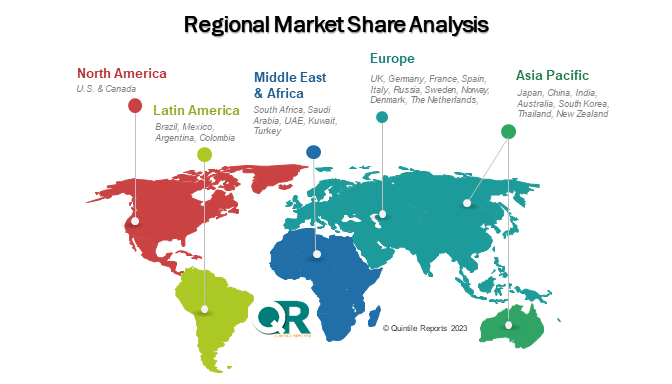
The chapter in Air Purifier market research report is a pivotal section that examines and predicts the market dynamics and trends specific to different geographical regions. This chapter is crucial for businesses and stakeholders seeking a comprehensive understanding of how the market behaves across various locations, enabling them to tailor strategies and make informed decisions based on regional variations. The regional analysis chapter of our Air Purifier market report is classified into regions & country-level. The chapter consists of North America (U.S., Canada), Europe (UK, Germany, France, Italy, Spain, Russia, Sweden, Denmark, Norway, Rest of Europe), Asia Pacific (Japan, China, India, Australia, South Korea, Thailand, Rest of Asia Pacific), Latin America (Brazil, Mexico, Argentina, Colombia, Rest of Latin America), Middle East & Africa (South Africa, Saudi Arabia, UAE, Kuwait, Rest of Middle East & Africa).
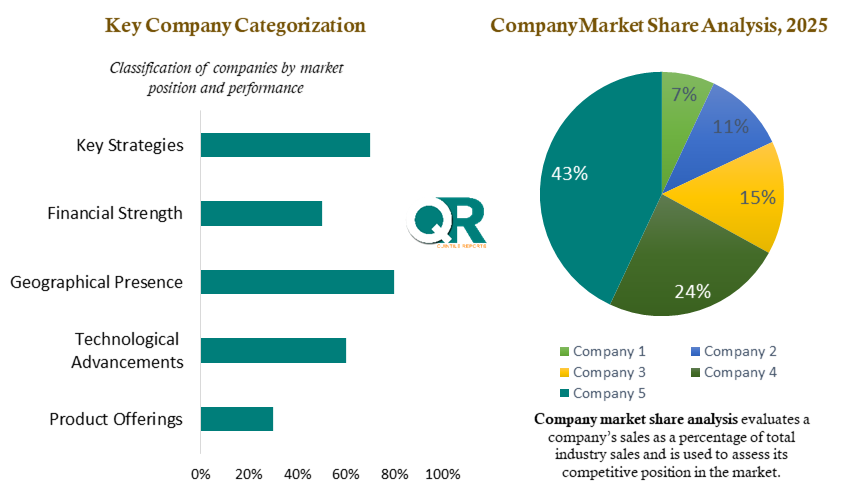
This section of a Air Purifier market report is a crucial segment that provides a comprehensive overview of the competitive landscape within the market. This section is vital for businesses, investors, and stakeholders seeking insights into key players, their market positioning, strengths, weaknesses, strategies, and potential impacts on the overall market dynamics. The chapter includes research methodology used to analyse the market competition, list of key players operating in the market, detailed company profile section which includes company overview, business verticals, financial performance, product/services benchmarking, geographical presence, and strategic initiatives.
| Report Scope | Details |
| Report Version | 2026 |
| Growth Rate | CAGR of 7.89 from 2026 to 2035 |
| Base Year | 2025 |
| Actual Estimates / Historical Data | 2017 - 2024 |
| Forecast Period | 2026 - 2035 |
| Quantitative Units | Revenue in USD million/billion & CAGR from 2026 to 2035 |
| Country Scope | North America (U.S., Canada), Europe (UK, Germany, France, Italy, Spain, Russia, Sweden, Denmark, Norway, Rest of Europe), Asia Pacific (Japan, China, India, Australia, South Korea, Thailand, Rest of Asia Pacific), Latin America (Brazil, Mexico, Argentina, Colombia, Rest of Latin America), Middle East & Africa (South Africa, Saudi Arabia, UAE, Kuwait, Rest of Middle East & Africa). |
| The Segment Covered by Technology |
|
| The Segment Covered by Product Classification |
|
| Companies Covered |
|
| Report Coverage | Revenue forecast, company share, competitive landscape, growth factors, and trends |
| Free Customization Scope (Equivalent to 5 Analyst Working Days) | If you need specific information, which is not currently within the scope of the report, we will provide it to you as a part of the customization |

Statistics for the 2025 Air Purifier market share, size, and revenue growth rate were created by Quintile Report™. Air Purifier analysis includes a market forecast outlook for 2035 and a historical overview. Get a free PDF sample of this market analysis, please get in touch with our principal analyst at sales@quintilereports.com
List of Tables
Table 1 List of Abbreviation and acronyms
Table 2 List of Sources
Table 3 North America Global Air Purifier Market, by Segment Analysis, (USD Million) 2017-2035
Table 4 North America Global Air Purifier Market, by Region, (USD Million) 2017-2035
Table 5 U.S. Global Air Purifier Market, by Segment Analysis, (USD Million) 2017-2035
Table 6 Canada Global Air Purifier Market, by Segment Analysis, (USD Million) 2017-2035
Table 7 Europe Global Air Purifier Market, by Segment Analysis, (USD Million) 2017-2035
Table 8 Europe Global Air Purifier Market, by Region, (USD Million) 2017-2035
Table 9 Germany Global Air Purifier Market, by Segment Analysis, (USD Million) 2017-2035
Table 10 U.K. Global Air Purifier Market, by Segment Analysis, (USD Million) 2017-2035
Table 11 France Global Air Purifier Market, by Segment Analysis, (USD Million) 2017-2035
Table 12 Italy Global Air Purifier Market, by Segment Analysis, (USD Million) 2017-2035
Table 13 Spain Global Air Purifier Market, by Segment Analysis, (USD Million) 2017-2035
Table 14 Sweden Global Air Purifier Market, by Segment Analysis, (USD Million) 2017-2035
Table 15 Denmark Global Air Purifier Market, by Segment Analysis, (USD Million) 2017-2035
Table 16 Norway Global Air Purifier Market, by Segment Analysis, (USD Million) 2017-2035
Table 17 The Netherlands Global Air Purifier Market, by Segment Analysis, (USD Million) 2017-2035
Table 18 Russia Global Air Purifier Market, by Segment Analysis, (USD Million) 2017-2035
Table 19 Asia Pacific Global Air Purifier Market, by Segment Analysis, (USD Million) 2017-2035
Table 20 Asia Pacific Global Air Purifier Market, by Region, (USD Million) 2017-2035
Table 21 China Global Air Purifier Market, by Segment Analysis, (USD Million) 2017-2035
Table 22 Japan Global Air Purifier Market, by Segment Analysis, (USD Million) 2017-2035
Table 23 India Global Air Purifier Market, by Segment Analysis, (USD Million) 2017-2035
Table 24 Australia Global Air Purifier Market, by Segment Analysis, (USD Million) 2017-2035
Table 25 South Korea Global Air Purifier Market, by Segment Analysis, (USD Million) 2017-2035
Table 26 Thailand Global Air Purifier Market, by Segment Analysis, (USD Million) 2017-2035
Table 27 Latin America Global Air Purifier Market, by Segment Analysis, (USD Million) 2017-2035
Table 28 Latin America Global Air Purifier Market, by Region, (USD Million) 2017-2035
Table 29 Brazil Global Air Purifier Market, by Segment Analysis, (USD Million) 2017-2035
Table 30 Mexico Global Air Purifier Market, by Segment Analysis, (USD Million) 2017-2035
Table 31 Argentina Global Air Purifier Market, by Segment Analysis, (USD Million) 2017-2035
Table 32 Middle East and Africa Global Air Purifier Market, by Segment Analysis, (USD Million) 2017-2035
Table 33 Middle East and Africa Global Air Purifier Market, by Region, (USD Million) 2017-2035
Table 34 South Africa Global Air Purifier Market, by Segment Analysis, (USD Million) 2017-2035
Table 35 Saudi Arabia Global Air Purifier Market, by Segment Analysis, (USD Million) 2017-2035
Table 36 UAE Global Air Purifier Market, by Segment Analysis, (USD Million) 2017-2035
Table 37 Kuwait Global Air Purifier Market, by Segment Analysis, (USD Million) 2017-2035
Table 38 Turkey Global Air Purifier Market, by Segment Analysis, (USD Million) 2017-2035
Fig.1 Market research process
Fig.2 Market research approaches
Fig.3 Global Air Purifier Market: market scenario
Fig.4 Global Air Purifier Market competitive outlook
Fig.5 Global Air Purifier Market driver analysis
Fig.6 Global Air Purifier Market restraint analysis
Fig.7 Global Air Purifier Market opportunity analysis
Fig.8 Global Air Purifier Market trends analysis
Fig.9 Global Air Purifier Market: Segment Analysis (Based on the scope)
Fig.10 Global Air Purifier Market: regional analysis
Fig.11 Global market shares and leading market players
Fig.12 North America market share and leading players
Fig.13 Europe market share and leading players
Fig.14 Asia Pacific market share and leading players
Fig.15 Latin America market share and leading players
Fig.16 Middle East & Africa market share and leading players
Fig.17 North America, by country
Fig.18 North America
Fig.19 North America market estimates and forecast, 2017-2035
Fig.20 U.S.
Fig.21 Canada
Fig.22 Europe
Fig.23 Europe market estimates and forecast, 2017-2035
Fig.24 U.K.
Fig.25 Germany
Fig.26 France
Fig.27 Italy
Fig.28 Spain
Fig.29 Sweden
Fig.30 Denmark
Fig.31 Norway
Fig.32 The Netherlands
Fig.33 Russia
Fig.34 Asia Pacific
Fig.35 Asia Pacific market estimates and forecast, 2017-2035
Fig.36 China
Fig.37 Japan
Fig.38 India
Fig.39 Australia
Fig.40 South Korea
Fig.41 Thailand
Fig.42 Latin America
Fig.43 Latin America market estimates and forecast, 2017-2035
Fig.44 Brazil
Fig.45 Mexico
Fig.46 Argentina
Fig.47 Colombia
Fig.48 Middle East and Africa
Fig.49 Middle East and Africa market estimates and forecast, 2017-2035
Fig.50 Saudi Arabia
Fig.51 South Africa
Fig.52 UAE
Fig.53 Kuwait
Fig.54 Turkey
The Global Air Purifier Market was valued at USD 18.08 billion in 2025 and is anticipated to reach USD 39.23 billion by 2035, growing at a robust CAGR of 7.89% during the forecast period from 2026 to 2035. The Air Purifier market report presents a comprehensive overview of the industry by assessing macroeconomic conditions, emerging technologies, regulatory frameworks, and shifting consumer behavior to provide a clear outlook on future market expansion.
The air purifier market refers to the global and regional market for devices engineered to remove airborne pollutants such as fine particulate matter (PM2.5), allergens, smoke, volatile organic compounds (VOCs), bacteria, and odours from indoor air. These systems employ various technologies, most notably high-efficiency particulate air (HEPA) filters, activated carbon, UV-C light, photocatalysis, and ionisation to improve air quality in residential, commercial, industrial, and institutional environments. Air purifiers are available in portable, wall-mounted, and HVAC-integrated formats, serving needs across homes, offices, hospitals, schools, data centres, and public transportation systems.
The Residential Air Purifier market purifier segment plays a pivotal role within the broader Air Purifier Market, driven by rising urbanization, increasing awareness of indoor air quality, and growing health concerns related to pollution and allergens. As households become more conscious of respiratory health—especially in densely populated cities—demand for compact, energy-efficient, and technologically advanced air purifiers has surged. Features such as HEPA filtration, smart connectivity, and real-time air quality monitoring are increasingly influencing consumer purchasing decisions. This segment is further supported by lifestyle shifts, including work-from-home trends and heightened hygiene awareness post-pandemic, making residential air purifiers a key growth driver in the global market landscape.
With 2025 serving as the base year, the Air Purifier market is experiencing stable growth supported by rising demand across key end-use industries and continuous technological innovation. Companies operating in the market are enhancing their go-to-market (GTM) strategies to capture emerging opportunities and navigate evolving competitive dynamics effectively.
By 2035, the market is expected to demonstrate strong growth potential, driven by sustained investments in innovation, increasing strategic partnerships, and growing merger and acquisition activities. Organizations that prioritize customer-centric solutions, innovation, and agile GTM execution are likely to strengthen their market presence and achieve long-term success. The report provides detailed insights into major market drivers, restraints, opportunities, and challenges across segments, regions, and countries, supported by extensive qualitative and quantitative analysis from 2017 to 2035.
This market includes a broad spectrum of manufacturers, distributors, and technology providers offering systems tailored to specific pollutants and regional compliance standards. With Asia-Pacific leading in volume, North America and Europe show strong demand for energy-efficient, low-noise, and ozone-free units. Key players such as Daikin, Dyson, Honeywell, Xiaomi, Coway, Panasonic, and IQAir are focused on innovations in filter media, IoT integration, and design aesthetics to enhance consumer engagement. As health consciousness deepens and environmental regulations tighten, the air purifier market is expected to see sustained expansion across developed and emerging economies.
The primary driver is the increasing level of air pollution and its associated health impacts. Outdoor and indoor air pollutants like fine particulate matter (PM2.5), allergens, VOCs, and pathogens are directly associated with respiratory diseases, cardiovascular disease, and early death. Consumers, healthcare centres, schools, and workplaces are thus purchasing high-quality air purifiers to safeguard vulnerable groups like children, older individuals, and people with chronic diseases.
The second major driver is the stepped-up emphasis on indoor air quality through the COVID-19 pandemic. HEPA filtration and UV-C-enabled purifiers have become essential in avoiding airborne virus transmission. Fear of airborne pathogens among the public continues to drive demand in residential, public places, and office settings.
The fast growth of Asia-Pacific cities such as Delhi, Beijing, and Jakarta has driven air quality issues due to rapid urbanization and industrialization. Chronic smog and particulate matter pollution are encouraging houses and institutions to use portable and stationary purifiers, especially smart, high-efficiency models, to counteract the impacts of dense urban environments.
A fourth driver is technological innovation. HEPA (in this case, H13), UV-C sterilisation, activated carbon, IoT connectivity, voice/app control, real-time AQI monitoring, predictive maintenance, and energy-saving modes are transforming performance and user experience, compelling market expansion.
Last but not least, incentives and policies of the government are driving adoption. EU, U.S., Chinese, Japanese, and Indian air quality regulations, and programs such as India's National Clean Air Programme, are driving public and private investments in air cleaning, particularly in public areas such as parks, hospitals, and schools.
There is a developed air purifier market in North America, supported by effective public health regulation. Indoor use of Portable Air Cleaners (air purifiers) during high-pollution events such as wildfires is recommended by the U.S. EPA and CDC, emphasising their indoor air quality risk reduction. The key players (e.g., Honeywell, IQAir, Dyson) are emphasising IoT-enabled HEPA systems in the residential segment as well as the commercial segment. Offline retail remains strong with increasing adoption of smart, connected variants.
Europe places a top priority on indoor air quality through health-focused policy and eco-standards. Government agencies like the European Environment Agency reference air cleaning in advisory reports to schools and care institutions, especially around pollution spikes or viral infections. European consumers prefer energy efficiency, quiet operation, and HEPA-plus-carbon designs, which come with labels like TÜV and EHPA. Market leaders like Philips and Bosch incorporate smart sensors for filter management.
Asia-Pacific is the fastest-growing market, driven by severe urban air pollution and increasing prosperity. National government programs like India's National Clean Air Programme encourage home use of air purifiers. Home OEMs like Xiaomi, Blueair provide low-cost, portable HEPA/activated carbon units commonly bundled with real-time AQI monitors. Market research reports attest to dominance by stand-alone units in the commercial environment.
Latin America is gradually coming into play by way of greater participation in the modernisation of retail and heightened environmental consciousness. Air cleaners are finding applications in offices, hospitals, and homes to address WHO-conforming indoor air quality standards. Regionally based suppliers market mid-range portable and in-home products through retail outlets like home-improvement centres and drug stores.
The Middle East & Africa are a new but lucrative market. UAE and South Africa health ministries both suggest air purifiers for home environments and clinics, particularly during winter pollution and dust storms. They are especially made for hot climates and large spaces, and they are in increasing demand in hospitals, cities, and office buildings.
The United States is leading the air purifier industry, fueled by the urgency to fight seasonal and severe episodes of air pollution, primarily wildfire smoke. Among the major drivers is the greater frequency and magnitude of wildfires, which are lowering the quality of external air and causing residents in impacted states to buy indoor cleaning systems.
West Coast states of Oregon, California, and Washington see demand for air purifiers surge in the peak fire season. Health authorities recommend in-home use of HEPA-fitted and portable air purifiers by residents, particularly those with lung ailments, kids, and the elderly, to reduce indoor exposure to particulates.
Producers are pushing back with smart, energy-efficient models imprinted with initiatives such as Lean Energy Star, equipping them with real-time AQI sensors, automatically adjusting fan technology, and IoT connectivity that marries air quality with function, meeting both emergency response levels and everyday energy-efficiency regulations.
Germany is among Europe's leading air purifier markets due to Germany's increased emphasis on indoor air quality (IAQ) requirements and general awareness of public health. With new legislation promoting clean air habits among schools, offices, and public facilities, and further concern over chemicals such as particulate matter and allergens, demand has grown considerably for consumer-level and commercial-level air purification systems.
In cities of Berlin, Munich, and Frankfurt, property owners and facility managers increasingly opt for smart, ventilated system-integrated solutions and HEPA-fitted air cleaners. The equipment is also being installed in schools, homes, and hospitals to mitigate exposure to pollution, seasonal allergens, and airborne disease agents such as viruses. The trend is a reflection of Germany's aggressive approach towards occupant well-being and building health, further supplemented by public financing schemes for IAQ retrofits in schools.
Competitors such as Philips, Bosch, and Leitz are fighting back with product offerings featuring live air quality sensors, multi-stage filtration (activated carbon and UV-C modules), and energy-efficient operation. Increasingly, products now offer IoT-connectivity for IAQ monitoring through apps or integration with building automation systems aligned with Germany's smart building and wellness-driven construction trends as a whole.
Japan's growing concern over indoor air quality within the context of urban lifestyles and health threats from an ageing population is the primary driving force behind the air purifier market. Fine particulate pollution (PM2.5), urban residential complexes, seasonal allergens such as cedar pollen, and old buildings with closed-in insulation are leading consumers to look for reliable filtering systems for tidying up breathing space. Old people, children, and individuals with asthma problem are especially engaged in the use of purifiers to mitigate airborne hazards such as contaminants, mold spores, and allergens.
Manufacturers are meeting this demand with high-performance, specialised units featuring HEPA H13/H14 filters, activated carbon to adsorb VOCs, and anti-microbial coating to target specific in-residence problems. Miniature bedroom or single workstation models, and whole-house systems with air quality sensors and automatically reducing fan speeds, are the norm. Many such systems have smart connectivity, allowing users to check and control air quality from their cell phones, a much-desired feature among technology-embracing, health-oriented Japanese residents.
In addition, population ageing in Japan and the desire to promote healthy longevity have brought forth the healthcare-at-home ethos. Air cleaners are becoming a part of daily life for preventive wellness as a necessary appliance, such as water filters or insulation. Sensitivity to airborne viruses and a seasonal immune system will continue to drive demands for tough, quiet, and fashion-savvy air cleaners, making them staple items in Japanese homes today.
The air purifier market is also increasingly characterised by intelligence integration and automation, separating top brands. Brands such as Dreame have added radars specifically to reach consumers with clean air, while Matter-certified devices such as AiDot WeLov allow for effortless home system control. Brands that add app connectivity, voice control, and sensor feedback in real time to their products make them extensively integrated in smart homes, and those features are becoming minimum consumer requirements very fast.
Second is design evolution and multi-functionality. Contemporary purifiers are turning out to be multi-functional furniture—such as SwitchBot's combination of a purifier and table with Qi charging and illumination—and acting on taste in design. This convergence of form and functionality suits urban shoppers looking for products that integrate into living areas without compromising performance or practicality.
Eco-friendliness and energy efficiency are the prime drivers of differentiation. Energy Star certification, quiet mode, and filter life are highlighted by companies to minimise running costs and carbon footprint. With customers increasingly looking for environmentally friendly appliances, companies that produce green filters, low-power motors, and high-efficiency purification cycles become trusted and in vogue.
Consumer trust in sensor accuracy and data reliability is becoming a key competitive advantage. Concerns over low-cost sensors, automated tuning, and privacy risks from smart connectivity highlight the need for high-quality calibration, transparent data practices, and strong cybersecurity to build user trust.
Omni-channel strategies like direct sales, subscriptions, and smart integration help brands expand reach, while simplicity, sustainability, and reliability drive long-term success.
The air purifier market is competitive, led by Honeywell, Dyson, Philips, and Daikin. Other key players include Sharp, Coway, and Blueair, while brands like LG, Xiaomi, Panasonic, Whirlpool, and Samsung are growing through smart, energy-efficient solutions.
In April 2025, Dyson officially confirmed that its Purifier Hot+Cool Gen1 has been awarded Best Air Purifier at the prestigious NDTV Gadgets360 Awards 2025 in India, recognising its innovation in filtration, performance, and design.
In January 2024, Dyson officially unveiled findings from its first Global Connected Air Quality Data project, analysing indoor air quality from over 2.5 million connected Dyson purifiers globally during 2022. The data revealed that in most countries, indoor air pollution exceeded outdoor levels for at least six months in 2022.
Our team of experienced researchers has meticulously gathered and analyzed data to deliver a thorough examination of market dynamics, competitive landscape, and emerging technologies. With a focus on delivering actionable intelligence, this report aims to empower decision-makers with the information needed to make informed choices and stay ahead of the competition. Whether you are a seasoned industry player or a new entrant, our market research report serves as a strategic tool to navigate the complexities of the market, aiding in successful business planning and growth strategies.
This chapter of our Air Purifier market report provides an in-depth examination of the factors shaping the industry landscape. This section typically encompasses several key elements to offer a comprehensive understanding of the industry landscape such as market drivers & restraints analysis, market opportunities & trend analysis, market size & growth analysis, competitive analysis, SWOT analysis, business environment tools such as Porter's five forces & PESTEL analysis, Ansoff Matrix analysis, penetration & growth prospect analysis, regulatory framework & reimbursement scenario analysis, impact of macro & micro economic factors analysis such as Covid-19 impact, GDP growth, market inflation, U.S.- China trade war, Russia-Ukraine war impact, and supply chain analysis.
The segment analysis chapter of Air Purifier market report is a critical section that delves into a detailed examination of the market's various segments. Segmentation involves dividing the market into distinct categories based on certain criteria to better understand and address the diverse needs of consumers. This chapter typically follows the introduction and provides a more granular view of the market, offering valuable insights for businesses and stakeholders. The components of the chapter include segment definitions to understand the inclusions and exclusions of the study, assumptions, market size estimates and growth trend analysis of each segment, qualitative analysis of the segment, technological advancements, market penetration rate, market adoption rate, market share examination by each segment, segment growth drivers and restraint barriers, consumer behaviour and challenge analysis.
The chapter in Air Purifier market research report is a pivotal section that examines and predicts the market dynamics and trends specific to different geographical regions. This chapter is crucial for businesses and stakeholders seeking a comprehensive understanding of how the market behaves across various locations, enabling them to tailor strategies and make informed decisions based on regional variations. The regional analysis chapter of our Air Purifier market report is classified into regions & country-level. The chapter consists of North America (U.S., Canada), Europe (UK, Germany, France, Italy, Spain, Russia, Sweden, Denmark, Norway, Rest of Europe), Asia Pacific (Japan, China, India, Australia, South Korea, Thailand, Rest of Asia Pacific), Latin America (Brazil, Mexico, Argentina, Colombia, Rest of Latin America), Middle East & Africa (South Africa, Saudi Arabia, UAE, Kuwait, Rest of Middle East & Africa).
This section of a Air Purifier market report is a crucial segment that provides a comprehensive overview of the competitive landscape within the market. This section is vital for businesses, investors, and stakeholders seeking insights into key players, their market positioning, strengths, weaknesses, strategies, and potential impacts on the overall market dynamics. The chapter includes research methodology used to analyse the market competition, list of key players operating in the market, detailed company profile section which includes company overview, business verticals, financial performance, product/services benchmarking, geographical presence, and strategic initiatives.
| Report Scope | Details |
| Report Version | 2026 |
| Growth Rate | CAGR of 7.89 from 2026 to 2035 |
| Base Year | 2025 |
| Actual Estimates / Historical Data | 2017 - 2024 |
| Forecast Period | 2026 - 2035 |
| Quantitative Units | Revenue in USD million/billion & CAGR from 2026 to 2035 |
| Country Scope | North America (U.S., Canada), Europe (UK, Germany, France, Italy, Spain, Russia, Sweden, Denmark, Norway, Rest of Europe), Asia Pacific (Japan, China, India, Australia, South Korea, Thailand, Rest of Asia Pacific), Latin America (Brazil, Mexico, Argentina, Colombia, Rest of Latin America), Middle East & Africa (South Africa, Saudi Arabia, UAE, Kuwait, Rest of Middle East & Africa). |
| The Segment Covered by Technology |
|
| The Segment Covered by Product Classification |
|
| Companies Covered |
|
| Report Coverage | Revenue forecast, company share, competitive landscape, growth factors, and trends |
| Free Customization Scope (Equivalent to 5 Analyst Working Days) | If you need specific information, which is not currently within the scope of the report, we will provide it to you as a part of the customization |
Statistics for the 2025 Air Purifier market share, size, and revenue growth rate were created by Quintile Report™. Air Purifier analysis includes a market forecast outlook for 2035 and a historical overview. Get a free PDF sample of this market analysis, please get in touch with our principal analyst at sales@quintilereports.com
Table 1 List of Abbreviation and acronyms
Table 2 List of Sources
Table 3 North America Global Air Purifier Market, by Segment Analysis, (USD Million) 2017-2035
Table 4 North America Global Air Purifier Market, by Region, (USD Million) 2017-2035
Table 5 U.S. Global Air Purifier Market, by Segment Analysis, (USD Million) 2017-2035
Table 6 Canada Global Air Purifier Market, by Segment Analysis, (USD Million) 2017-2035
Table 7 Europe Global Air Purifier Market, by Segment Analysis, (USD Million) 2017-2035
Table 8 Europe Global Air Purifier Market, by Region, (USD Million) 2017-2035
Table 9 Germany Global Air Purifier Market, by Segment Analysis, (USD Million) 2017-2035
Table 10 U.K. Global Air Purifier Market, by Segment Analysis, (USD Million) 2017-2035
Table 11 France Global Air Purifier Market, by Segment Analysis, (USD Million) 2017-2035
Table 12 Italy Global Air Purifier Market, by Segment Analysis, (USD Million) 2017-2035
Table 13 Spain Global Air Purifier Market, by Segment Analysis, (USD Million) 2017-2035
Table 14 Sweden Global Air Purifier Market, by Segment Analysis, (USD Million) 2017-2035
Table 15 Denmark Global Air Purifier Market, by Segment Analysis, (USD Million) 2017-2035
Table 16 Norway Global Air Purifier Market, by Segment Analysis, (USD Million) 2017-2035
Table 17 The Netherlands Global Air Purifier Market, by Segment Analysis, (USD Million) 2017-2035
Table 18 Russia Global Air Purifier Market, by Segment Analysis, (USD Million) 2017-2035
Table 19 Asia Pacific Global Air Purifier Market, by Segment Analysis, (USD Million) 2017-2035
Table 20 Asia Pacific Global Air Purifier Market, by Region, (USD Million) 2017-2035
Table 21 China Global Air Purifier Market, by Segment Analysis, (USD Million) 2017-2035
Table 22 Japan Global Air Purifier Market, by Segment Analysis, (USD Million) 2017-2035
Table 23 India Global Air Purifier Market, by Segment Analysis, (USD Million) 2017-2035
Table 24 Australia Global Air Purifier Market, by Segment Analysis, (USD Million) 2017-2035
Table 25 South Korea Global Air Purifier Market, by Segment Analysis, (USD Million) 2017-2035
Table 26 Thailand Global Air Purifier Market, by Segment Analysis, (USD Million) 2017-2035
Table 27 Latin America Global Air Purifier Market, by Segment Analysis, (USD Million) 2017-2035
Table 28 Latin America Global Air Purifier Market, by Region, (USD Million) 2017-2035
Table 29 Brazil Global Air Purifier Market, by Segment Analysis, (USD Million) 2017-2035
Table 30 Mexico Global Air Purifier Market, by Segment Analysis, (USD Million) 2017-2035
Table 31 Argentina Global Air Purifier Market, by Segment Analysis, (USD Million) 2017-2035
Table 32 Middle East and Africa Global Air Purifier Market, by Segment Analysis, (USD Million) 2017-2035
Table 33 Middle East and Africa Global Air Purifier Market, by Region, (USD Million) 2017-2035
Table 34 South Africa Global Air Purifier Market, by Segment Analysis, (USD Million) 2017-2035
Table 35 Saudi Arabia Global Air Purifier Market, by Segment Analysis, (USD Million) 2017-2035
Table 36 UAE Global Air Purifier Market, by Segment Analysis, (USD Million) 2017-2035
Table 37 Kuwait Global Air Purifier Market, by Segment Analysis, (USD Million) 2017-2035
Table 38 Turkey Global Air Purifier Market, by Segment Analysis, (USD Million) 2017-2035
Fig.1 Market research process
Fig.2 Market research approaches
Fig.3 Global Air Purifier Market: market scenario
Fig.4 Global Air Purifier Market competitive outlook
Fig.5 Global Air Purifier Market driver analysis
Fig.6 Global Air Purifier Market restraint analysis
Fig.7 Global Air Purifier Market opportunity analysis
Fig.8 Global Air Purifier Market trends analysis
Fig.9 Global Air Purifier Market: Segment Analysis (Based on the scope)
Fig.10 Global Air Purifier Market: regional analysis
Fig.11 Global market shares and leading market players
Fig.12 North America market share and leading players
Fig.13 Europe market share and leading players
Fig.14 Asia Pacific market share and leading players
Fig.15 Latin America market share and leading players
Fig.16 Middle East & Africa market share and leading players
Fig.17 North America, by country
Fig.18 North America
Fig.19 North America market estimates and forecast, 2017-2035
Fig.20 U.S.
Fig.21 Canada
Fig.22 Europe
Fig.23 Europe market estimates and forecast, 2017-2035
Fig.24 U.K.
Fig.25 Germany
Fig.26 France
Fig.27 Italy
Fig.28 Spain
Fig.29 Sweden
Fig.30 Denmark
Fig.31 Norway
Fig.32 The Netherlands
Fig.33 Russia
Fig.34 Asia Pacific
Fig.35 Asia Pacific market estimates and forecast, 2017-2035
Fig.36 China
Fig.37 Japan
Fig.38 India
Fig.39 Australia
Fig.40 South Korea
Fig.41 Thailand
Fig.42 Latin America
Fig.43 Latin America market estimates and forecast, 2017-2035
Fig.44 Brazil
Fig.45 Mexico
Fig.46 Argentina
Fig.47 Colombia
Fig.48 Middle East and Africa
Fig.49 Middle East and Africa market estimates and forecast, 2017-2035
Fig.50 Saudi Arabia
Fig.51 South Africa
Fig.52 UAE
Fig.53 Kuwait
Fig.54 Turkey

A license granted to one user. Rules or conditions might be applied for e.g. the use of electric files (PDFs) or printings, depending on product.
A license granted to multiple users.
A license granted to a single business site/establishment.
A license granted to all employees within organisation access to the product.
Immediate / Within 24-48 hours - Working days
Online Payments with PayPal and CCavenue
You can order a report by picking any of the payment methods which is bank wire or online payment through any Debit/Credit card or PayPal.
Hard Copy
 U.S. : +1-201-772-7734