The Global Railway HVAC Market was valued at USD 3391.32 million in 2025 and is anticipated to reach USD 6455.5 million by 2035, growing at a robust CAGR of 7.69% during the forecast period from 2026 to 2035. The Railway HVAC market report presents a comprehensive overview of the industry by assessing macroeconomic conditions, emerging technologies, regulatory frameworks, and shifting consumer behavior to provide a clear outlook on future market expansion.
The Railway HVAC market focuses on advanced climate control systems tailored for different types of rail transport, including passenger trains, freight, metros, and light rail. These systems manage temperature, humidity, and air quality to ensure a comfortable and safe environment for passengers and cargo alike. Core components such as compressors, condensers, evaporators, blowers, air dampers, transformers, and inverters work together using refrigerants—both conventional and eco-friendly—to regulate conditions within train compartments. Key technologies include vapour cycle systems, which use thermodynamic refrigerant cycles, and air cycle systems that rely on compressed air for cooling.
With 2025 serving as the base year, the Railway HVAC market is experiencing stable growth supported by rising demand across key end-use industries and continuous technological innovation. Companies operating in the market are enhancing their go-to-market (GTM) strategies to capture emerging opportunities and navigate evolving competitive dynamics effectively.
By 2035, the market is expected to demonstrate strong growth potential, driven by sustained investments in innovation, increasing strategic partnerships, and growing merger and acquisition activities. Organizations that prioritize customer-centric solutions, innovation, and agile GTM execution are likely to strengthen their market presence and achieve long-term success. The report provides detailed insights into major market drivers, restraints, opportunities, and challenges across segments, regions, and countries, supported by extensive qualitative and quantitative analysis from 2017 to 2035.
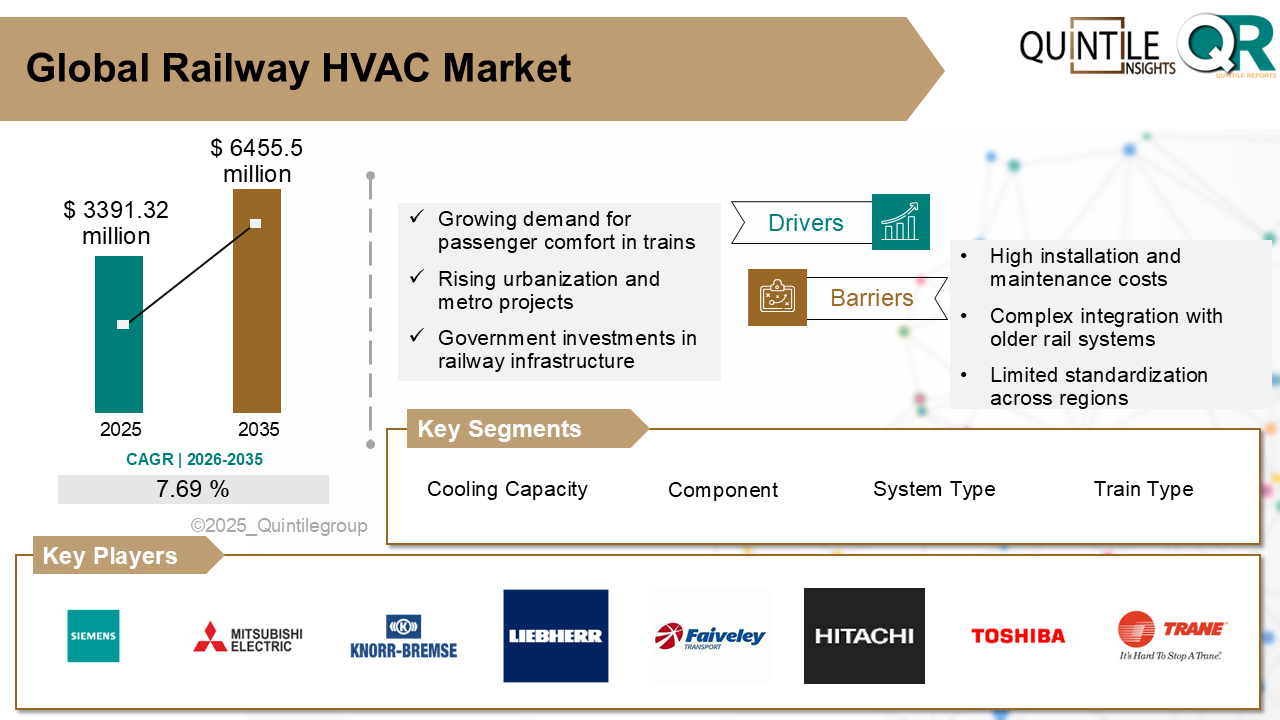
Modern railway HVAC solutions increasingly integrate HEPA filters, UV sanitization, and real-time air quality monitoring to enhance hygiene and passenger well-being. Additionally, intelligent control systems using IoT and AI allow for predictive diagnostics and efficient temperature regulation. The trend toward modular, service-friendly designs further supports sustainability and ease of maintenance, making these systems more adaptable and future-ready.
The railway HVAC market is evolving rapidly, driven by a mix of rising passenger expectations, infrastructure expansion, stricter environmental rules, and cutting-edge technologies.
Passengers increasingly demand greater comfort and improved air quality, especially after the pandemic, pushing operators to install advanced systems with HEPA filters, UV sanitization, and real-time air monitoring—something already being adopted in metro and high-speed trains.
At the same time, several countries in Europe are investing heavily in new rail networks and upgrading older fleets, creating a strong need for energy-efficient HVAC systems capable of handling different climates and adapt to varying passenger loads.
Governments are also tightening regulations around emissions and energy use, leading to a shift toward low-GWP refrigerants like CO2 and R-290, and the use of efficient components such as variable-speed compressors. This has sparked innovation in green HVAC solutions and supports the broader move toward electrified rail.
On the technology front, AI-driven climate control, IoT-based diagnostics, inverter systems, and even solid-state cooling are enabling smarter, more responsive HVAC systems. These upgrades not only save energy and reduce maintenance costs but also improve reliability by integrating with train management systems for better performance tracking and fewer disruptions.
High upfront costs and the need for skilled maintenance can be a major barrier, especially for smaller rail operators or those in developing regions, often leading to delays in fleet upgrades that affect both passenger comfort and regulatory compliance.
Retrofitting these systems into older trains adds another layer of complexity, as space, power, and compatibility limitations make integration technically demanding—particularly in areas with aging infrastructure.
Meanwhile, the industry's heavy reliance on specialized components like compressors and inverters from a small number of suppliers exposes it to supply chain disruptions and cost instability.
Energy use is another pressing concern—HVAC systems consume a lot of power, which affects overall train efficiency and carbon emissions. In response, manufacturers are focusing on ultra-efficient designs, energy recovery technologies, and integrating renewable energy sources to meet sustainability goals.
In North America, the railway HVAC market is evolving rapidly as efforts intensify to modernize aging rail infrastructure and enhance passenger comfort—especially in urban and intercity transit. The U.S. leads the region, thanks to its vast network of over 140,000 miles of freight and passenger rail lines and more than 600 freight railroads. Canada, while smaller, is a growing player, investing heavily to ensure HVAC systems can handle extreme weather and improve comfort in city transit. Cutting-edge features like energy-efficient inverter technology, low-noise systems, and real-time air quality monitoring are gaining traction as rail operators work to meet strict safety and environmental regulations. Government funding and sustainability mandates continue to be key drivers supporting this transformation.
Europe’s railway HVAC market is evolving rapidly, driven by strict environmental regulations and the region’s strong push toward decarbonization. Countries like Germany, France, and the UK are heavily investing in high-speed and urban metro systems, prioritizing energy-efficient and low-GWP refrigerant technologies to improve sustainability, passenger comfort, and noise control. The EU’s supportive regulatory framework promotes the use of smart HVAC systems powered by IoT and AI for predictive maintenance and better energy use. A growing focus on climate-neutral rail travel and circular design of HVAC components is also shaping the future of the industry.
Asia Pacific is set to lead the global railway HVAC market, driven by major investments in rail electrification, metro expansions, and high-speed rail projects across China, India, Japan, and Southeast Asia. As cities grow and more people rely on public transport, the need for advanced HVAC systems that provide consistent comfort and air quality in varied climates is rising fast. Governments are also pushing for greener transport by supporting energy-efficient systems that use low-impact refrigerants. The region sees a mix of global HVAC giants and agile local players offering scalable, budget-friendly solutions for crowded rail networks. To boost efficiency and reduce maintenance, the use of AI-driven climate control and IoT-based systems is quickly gaining traction.
In Latin America, the railway HVAC market is seeing steady growth, driven by government efforts to expand urban transit and improve passenger comfort. Countries like Brazil and Mexico are investing in upgrading metro and commuter rail systems with modern HVAC technologies that improve air quality and temperature control. There's a growing focus on energy-efficient systems, though the use of eco-friendly refrigerants is still limited due to cost concerns. Regional HVAC suppliers are teaming up with international players to bring in advanced solutions, but progress is slowed by funding limitations, infrastructure challenges, and a shortage of skilled maintenance workers.
The Middle East and Africa railway HVAC market is steadily gaining traction, fuelled by major infrastructure projects in growing urban areas and the development of new rail corridors aimed at improving public transportation. Given the region’s intense heat and dusty environments, there’s a strong need for high-performance HVAC systems that can ensure passenger comfort. Governments are actively pushing for energy-efficient and climate-resilient solutions, often partnering with global tech providers to bring in advanced technologies. The market faces hurdles like limited local manufacturing, reliance on imports, and broader political and economic uncertainties.
The U.S. Railway HVAC market is rapidly evolving as cities like New York, San Francisco, and Chicago invest in upgrading aging rail systems to meet rising standards for energy efficiency and passenger comfort. The majority of existing trains are being retrofitted with advanced HVAC units that use inverter technology, operate quietly, and monitor air quality in real time. This push is backed by government funding and environmental mandates promoting eco-friendly refrigerants and smart systems with predictive maintenance features.
The growing popularity of long-distance high-speed rail travel further fuels demand for HVAC solutions that ensure consistent thermal comfort across lengthy journeys. Despite the momentum, the market faces hurdles such as the high cost of retrofitting older trains and the challenge of servicing units across a vast, varied network. In response, top HVAC manufacturers are forming strategic partnerships to drive innovation and strengthen their presence in this increasingly competitive landscape.
Germany’s railway HVAC market is evolving rapidly as the country pushes toward climate-neutral rail transport by 2040, in line with strict EU environmental standards. This shift is driving the use of low-GWP refrigerants and energy-efficient systems across both high-speed and regional trains. Operators are increasingly focused on ensuring passenger comfort through better temperature control and noise reduction, while also embracing sustainability. Cutting-edge technologies like IoT sensors and AI-powered climate systems are helping optimize energy use and predict maintenance needs.
As Deutsche Bahn and other networks undergo major upgrades, modern HVAC solutions are being rolled out more widely, although challenges remain—particularly when retrofitting older trains and dealing with varying regulations across Europe. To overcome these hurdles, German HVAC providers are teaming up with global partners to create modular, recyclable systems that support the region’s growing focus on circular economy principles.
Japan’s railway HVAC market stands out for its focus on reliability, compactness, and adaptability to the country’s diverse climate—from hot, humid summers to chilly winters. With a vast high-speed Shinkansen network and busy urban rail systems, there's a strong demand for HVAC solutions that ensure accurate temperature control and clean, healthy air. Japan is also a front-runner in smart HVAC technology, using IoT sensors for real-time system monitoring and AI for energy efficiency and predictive maintenance.
Environmental responsibility plays a key role, with systems built around low-energy consumption and eco-friendly refrigerants in line with national efficiency policies. As the government continues investing in rail infrastructure upgrades and urban mobility projects to cut emissions, the market sees ongoing growth. However, challenges remain, particularly in managing the high cost of advanced systems and ensuring consistent performance across older trains.
In the competitive world of rail HVAC systems, companies stand out by leveraging cutting-edge technology and meeting growing demands for efficiency, comfort, and sustainability.
Advanced features like inverter-driven compressors, IoT-enabled sensors for air quality, AI-driven climate control, and predictive maintenance are setting the standard—enhancing reliability and performance even in the challenging conditions of rail transport.
While upfront cost still matters, buyers are increasingly focused on long-term savings, favouring systems that reduce energy use and maintenance needs. Energy efficiency is a top priority, with solutions that incorporate variable-speed drives, low-GWP refrigerants, and compatibility with regenerative energy systems leading the pack.
At the same time, systems that operate quietly—thanks to improved acoustic design and vibration control—are gaining traction for enhancing passenger comfort. Customization is another key edge: modular HVAC units that can be adapted to various train types and climate zones make maintenance and retrofitting easier and faster.
Finally, regulatory compliance and sustainability are non-negotiables. Manufacturers who meet global emissions standards, use recyclable materials, and integrate with smart train management systems for predictive maintenance are emerging as industry leaders.
Key players in the market are Knorr-Bremse AG, Liebherr-International AG, Merak (Faiveley Transport), Hitachi Rail, Toshiba Infrastructure Systems & Solutions Corporation, Siemens AG, Mitsubishi Electric Corporation, Lloyd Electric & Engineering Limited, Trane Technologies, Thermo King Corporation, SUTRAK Corporation, Eberspächer Group, HVAC Rail Systems Ltd., and other players.
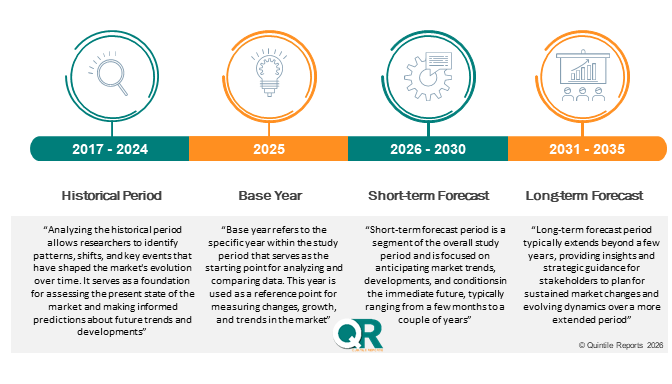
Our team of experienced researchers has meticulously gathered and analyzed data to deliver a thorough examination of market dynamics, competitive landscape, and emerging technologies. With a focus on delivering actionable intelligence, this report aims to empower decision-makers with the information needed to make informed choices and stay ahead of the competition. Whether you are a seasoned industry player or a new entrant, our market research report serves as a strategic tool to navigate the complexities of the market, aiding in successful business planning and growth strategies.
This chapter of our Railway HVAC market report provides an in-depth examination of the factors shaping the industry landscape. This section typically encompasses several key elements to offer a comprehensive understanding of the industry landscape such as market drivers & restraints analysis, market opportunities & trend analysis, market size & growth analysis, competitive analysis, SWOT analysis, business environment tools such as Porter's five forces & PESTEL analysis, Ansoff Matrix analysis, penetration & growth prospect analysis, regulatory framework & reimbursement scenario analysis, impact of macro & micro economic factors analysis such as Covid-19 impact, GDP growth, market inflation, U.S.- China trade war, Russia-Ukraine war impact, and supply chain analysis.
The segment analysis chapter of Railway HVAC market report is a critical section that delves into a detailed examination of the market's various segments. Segmentation involves dividing the market into distinct categories based on certain criteria to better understand and address the diverse needs of consumers. This chapter typically follows the introduction and provides a more granular view of the market, offering valuable insights for businesses and stakeholders. The components of the chapter include segment definitions to understand the inclusions and exclusions of the study, assumptions, market size estimates and growth trend analysis of each segment, qualitative analysis of the segment, technological advancements, market penetration rate, market adoption rate, market share examination by each segment, segment growth drivers and restraint barriers, consumer behaviour and challenge analysis.
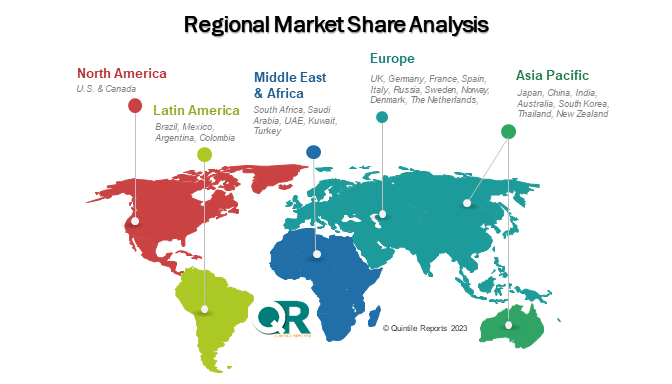
The chapter in Railway HVAC market research report is a pivotal section that examines and predicts the market dynamics and trends specific to different geographical regions. This chapter is crucial for businesses and stakeholders seeking a comprehensive understanding of how the market behaves across various locations, enabling them to tailor strategies and make informed decisions based on regional variations. The regional analysis chapter of our Railway HVAC market report is classified into regions & country-level. The chapter consists of North America (U.S., Canada), Europe (UK, Germany, France, Italy, Spain, Russia, Sweden, Denmark, Norway, Rest of Europe), Asia Pacific (Japan, China, India, Australia, South Korea, Thailand, Rest of Asia Pacific), Latin America (Brazil, Mexico, Argentina, Colombia, Rest of Latin America), Middle East & Africa (South Africa, Saudi Arabia, UAE, Kuwait, Rest of Middle East & Africa).
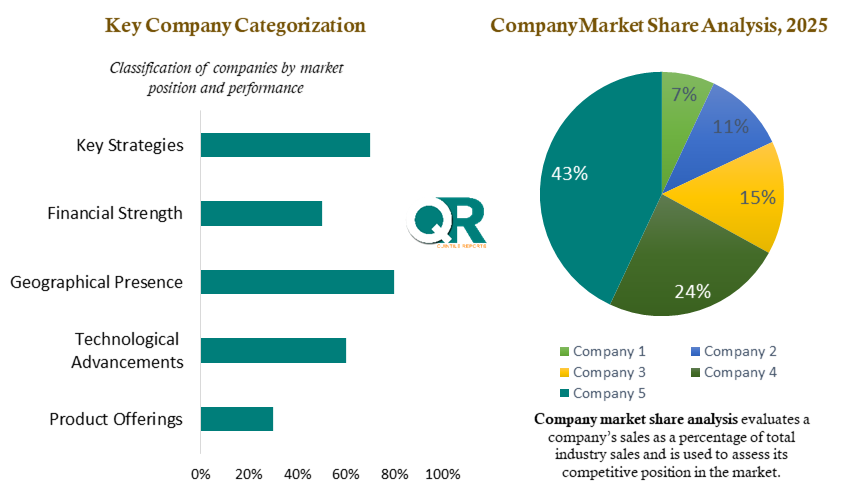
This section of a Railway HVAC market report is a crucial segment that provides a comprehensive overview of the competitive landscape within the market. This section is vital for businesses, investors, and stakeholders seeking insights into key players, their market positioning, strengths, weaknesses, strategies, and potential impacts on the overall market dynamics. The chapter includes research methodology used to analyse the market competition, list of key players operating in the market, detailed company profile section which includes company overview, business verticals, financial performance, product/services benchmarking, geographical presence, and strategic initiatives.
| Report Scope | Details |
| Report Version | 2026 |
| Growth Rate | CAGR of 7.69 from 2026 to 2035 |
| Base Year | 2025 |
| Actual Estimates / Historical Data | 2017 - 2024 |
| Forecast Period | 2026 - 2035 |
| Quantitative Units | Revenue in USD million/billion & CAGR from 2026 to 2035 |
| Country Scope | North America (U.S., Canada), Europe (UK, Germany, France, Italy, Spain, Russia, Sweden, Denmark, Norway, Rest of Europe), Asia Pacific (Japan, China, India, Australia, South Korea, Thailand, Rest of Asia Pacific), Latin America (Brazil, Mexico, Argentina, Colombia, Rest of Latin America), Middle East & Africa (South Africa, Saudi Arabia, UAE, Kuwait, Rest of Middle East & Africa). |
| The Segment Covered by Component |
|
| The Segment Covered by Cooling Capacity |
|
| Companies Covered |
|
| Report Coverage | Revenue forecast, company share, competitive landscape, growth factors, and trends |
| Free Customization Scope (Equivalent to 5 Analyst Working Days) | If you need specific information, which is not currently within the scope of the report, we will provide it to you as a part of the customization |

Statistics for the 2025 Railway HVAC market share, size, and revenue growth rate were created by Quintile Report™. Railway HVAC analysis includes a market forecast outlook for 2035 and a historical overview. Get a free PDF sample of this market analysis, please get in touch with our principal analyst at sales@quintilereports.com
List of Tables
Table 1 List of Abbreviation and acronyms
Table 2 List of Sources
Table 3 North America Global Railway HVAC Market, by Segment Analysis, (USD Million) 2017-2035
Table 4 North America Global Railway HVAC Market, by Region, (USD Million) 2017-2035
Table 5 U.S. Global Railway HVAC Market, by Segment Analysis, (USD Million) 2017-2035
Table 6 Canada Global Railway HVAC Market, by Segment Analysis, (USD Million) 2017-2035
Table 7 Europe Global Railway HVAC Market, by Segment Analysis, (USD Million) 2017-2035
Table 8 Europe Global Railway HVAC Market, by Region, (USD Million) 2017-2035
Table 9 Germany Global Railway HVAC Market, by Segment Analysis, (USD Million) 2017-2035
Table 10 U.K. Global Railway HVAC Market, by Segment Analysis, (USD Million) 2017-2035
Table 11 France Global Railway HVAC Market, by Segment Analysis, (USD Million) 2017-2035
Table 12 Italy Global Railway HVAC Market, by Segment Analysis, (USD Million) 2017-2035
Table 13 Spain Global Railway HVAC Market, by Segment Analysis, (USD Million) 2017-2035
Table 14 Sweden Global Railway HVAC Market, by Segment Analysis, (USD Million) 2017-2035
Table 15 Denmark Global Railway HVAC Market, by Segment Analysis, (USD Million) 2017-2035
Table 16 Norway Global Railway HVAC Market, by Segment Analysis, (USD Million) 2017-2035
Table 17 The Netherlands Global Railway HVAC Market, by Segment Analysis, (USD Million) 2017-2035
Table 18 Russia Global Railway HVAC Market, by Segment Analysis, (USD Million) 2017-2035
Table 19 Asia Pacific Global Railway HVAC Market, by Segment Analysis, (USD Million) 2017-2035
Table 20 Asia Pacific Global Railway HVAC Market, by Region, (USD Million) 2017-2035
Table 21 China Global Railway HVAC Market, by Segment Analysis, (USD Million) 2017-2035
Table 22 Japan Global Railway HVAC Market, by Segment Analysis, (USD Million) 2017-2035
Table 23 India Global Railway HVAC Market, by Segment Analysis, (USD Million) 2017-2035
Table 24 Australia Global Railway HVAC Market, by Segment Analysis, (USD Million) 2017-2035
Table 25 South Korea Global Railway HVAC Market, by Segment Analysis, (USD Million) 2017-2035
Table 26 Thailand Global Railway HVAC Market, by Segment Analysis, (USD Million) 2017-2035
Table 27 Latin America Global Railway HVAC Market, by Segment Analysis, (USD Million) 2017-2035
Table 28 Latin America Global Railway HVAC Market, by Region, (USD Million) 2017-2035
Table 29 Brazil Global Railway HVAC Market, by Segment Analysis, (USD Million) 2017-2035
Table 30 Mexico Global Railway HVAC Market, by Segment Analysis, (USD Million) 2017-2035
Table 31 Argentina Global Railway HVAC Market, by Segment Analysis, (USD Million) 2017-2035
Table 32 Middle East and Africa Global Railway HVAC Market, by Segment Analysis, (USD Million) 2017-2035
Table 33 Middle East and Africa Global Railway HVAC Market, by Region, (USD Million) 2017-2035
Table 34 South Africa Global Railway HVAC Market, by Segment Analysis, (USD Million) 2017-2035
Table 35 Saudi Arabia Global Railway HVAC Market, by Segment Analysis, (USD Million) 2017-2035
Table 36 UAE Global Railway HVAC Market, by Segment Analysis, (USD Million) 2017-2035
Table 37 Kuwait Global Railway HVAC Market, by Segment Analysis, (USD Million) 2017-2035
Table 38 Turkey Global Railway HVAC Market, by Segment Analysis, (USD Million) 2017-2035
Fig.1 Market research process
Fig.2 Market research approaches
Fig.3 Global Railway HVAC Market: market scenario
Fig.4 Global Railway HVAC Market competitive outlook
Fig.5 Global Railway HVAC Market driver analysis
Fig.6 Global Railway HVAC Market restraint analysis
Fig.7 Global Railway HVAC Market opportunity analysis
Fig.8 Global Railway HVAC Market trends analysis
Fig.9 Global Railway HVAC Market: Segment Analysis (Based on the scope)
Fig.10 Global Railway HVAC Market: regional analysis
Fig.11 Global market shares and leading market players
Fig.12 North America market share and leading players
Fig.13 Europe market share and leading players
Fig.14 Asia Pacific market share and leading players
Fig.15 Latin America market share and leading players
Fig.16 Middle East & Africa market share and leading players
Fig.17 North America, by country
Fig.18 North America
Fig.19 North America market estimates and forecast, 2017-2035
Fig.20 U.S.
Fig.21 Canada
Fig.22 Europe
Fig.23 Europe market estimates and forecast, 2017-2035
Fig.24 U.K.
Fig.25 Germany
Fig.26 France
Fig.27 Italy
Fig.28 Spain
Fig.29 Sweden
Fig.30 Denmark
Fig.31 Norway
Fig.32 The Netherlands
Fig.33 Russia
Fig.34 Asia Pacific
Fig.35 Asia Pacific market estimates and forecast, 2017-2035
Fig.36 China
Fig.37 Japan
Fig.38 India
Fig.39 Australia
Fig.40 South Korea
Fig.41 Thailand
Fig.42 Latin America
Fig.43 Latin America market estimates and forecast, 2017-2035
Fig.44 Brazil
Fig.45 Mexico
Fig.46 Argentina
Fig.47 Colombia
Fig.48 Middle East and Africa
Fig.49 Middle East and Africa market estimates and forecast, 2017-2035
Fig.50 Saudi Arabia
Fig.51 South Africa
Fig.52 UAE
Fig.53 Kuwait
Fig.54 Turkey
The Global Railway HVAC Market was valued at USD 3391.32 million in 2025 and is anticipated to reach USD 6455.5 million by 2035, growing at a robust CAGR of 7.69% during the forecast period from 2026 to 2035. The Railway HVAC market report presents a comprehensive overview of the industry by assessing macroeconomic conditions, emerging technologies, regulatory frameworks, and shifting consumer behavior to provide a clear outlook on future market expansion.
The Railway HVAC market focuses on advanced climate control systems tailored for different types of rail transport, including passenger trains, freight, metros, and light rail. These systems manage temperature, humidity, and air quality to ensure a comfortable and safe environment for passengers and cargo alike. Core components such as compressors, condensers, evaporators, blowers, air dampers, transformers, and inverters work together using refrigerants—both conventional and eco-friendly—to regulate conditions within train compartments. Key technologies include vapour cycle systems, which use thermodynamic refrigerant cycles, and air cycle systems that rely on compressed air for cooling.
With 2025 serving as the base year, the Railway HVAC market is experiencing stable growth supported by rising demand across key end-use industries and continuous technological innovation. Companies operating in the market are enhancing their go-to-market (GTM) strategies to capture emerging opportunities and navigate evolving competitive dynamics effectively.
By 2035, the market is expected to demonstrate strong growth potential, driven by sustained investments in innovation, increasing strategic partnerships, and growing merger and acquisition activities. Organizations that prioritize customer-centric solutions, innovation, and agile GTM execution are likely to strengthen their market presence and achieve long-term success. The report provides detailed insights into major market drivers, restraints, opportunities, and challenges across segments, regions, and countries, supported by extensive qualitative and quantitative analysis from 2017 to 2035.
Modern railway HVAC solutions increasingly integrate HEPA filters, UV sanitization, and real-time air quality monitoring to enhance hygiene and passenger well-being. Additionally, intelligent control systems using IoT and AI allow for predictive diagnostics and efficient temperature regulation. The trend toward modular, service-friendly designs further supports sustainability and ease of maintenance, making these systems more adaptable and future-ready.
The railway HVAC market is evolving rapidly, driven by a mix of rising passenger expectations, infrastructure expansion, stricter environmental rules, and cutting-edge technologies.
Passengers increasingly demand greater comfort and improved air quality, especially after the pandemic, pushing operators to install advanced systems with HEPA filters, UV sanitization, and real-time air monitoring—something already being adopted in metro and high-speed trains.
At the same time, several countries in Europe are investing heavily in new rail networks and upgrading older fleets, creating a strong need for energy-efficient HVAC systems capable of handling different climates and adapt to varying passenger loads.
Governments are also tightening regulations around emissions and energy use, leading to a shift toward low-GWP refrigerants like CO2 and R-290, and the use of efficient components such as variable-speed compressors. This has sparked innovation in green HVAC solutions and supports the broader move toward electrified rail.
On the technology front, AI-driven climate control, IoT-based diagnostics, inverter systems, and even solid-state cooling are enabling smarter, more responsive HVAC systems. These upgrades not only save energy and reduce maintenance costs but also improve reliability by integrating with train management systems for better performance tracking and fewer disruptions.
High upfront costs and the need for skilled maintenance can be a major barrier, especially for smaller rail operators or those in developing regions, often leading to delays in fleet upgrades that affect both passenger comfort and regulatory compliance.
Retrofitting these systems into older trains adds another layer of complexity, as space, power, and compatibility limitations make integration technically demanding—particularly in areas with aging infrastructure.
Meanwhile, the industry's heavy reliance on specialized components like compressors and inverters from a small number of suppliers exposes it to supply chain disruptions and cost instability.
Energy use is another pressing concern—HVAC systems consume a lot of power, which affects overall train efficiency and carbon emissions. In response, manufacturers are focusing on ultra-efficient designs, energy recovery technologies, and integrating renewable energy sources to meet sustainability goals.
In North America, the railway HVAC market is evolving rapidly as efforts intensify to modernize aging rail infrastructure and enhance passenger comfort—especially in urban and intercity transit. The U.S. leads the region, thanks to its vast network of over 140,000 miles of freight and passenger rail lines and more than 600 freight railroads. Canada, while smaller, is a growing player, investing heavily to ensure HVAC systems can handle extreme weather and improve comfort in city transit. Cutting-edge features like energy-efficient inverter technology, low-noise systems, and real-time air quality monitoring are gaining traction as rail operators work to meet strict safety and environmental regulations. Government funding and sustainability mandates continue to be key drivers supporting this transformation.
Europe’s railway HVAC market is evolving rapidly, driven by strict environmental regulations and the region’s strong push toward decarbonization. Countries like Germany, France, and the UK are heavily investing in high-speed and urban metro systems, prioritizing energy-efficient and low-GWP refrigerant technologies to improve sustainability, passenger comfort, and noise control. The EU’s supportive regulatory framework promotes the use of smart HVAC systems powered by IoT and AI for predictive maintenance and better energy use. A growing focus on climate-neutral rail travel and circular design of HVAC components is also shaping the future of the industry.
Asia Pacific is set to lead the global railway HVAC market, driven by major investments in rail electrification, metro expansions, and high-speed rail projects across China, India, Japan, and Southeast Asia. As cities grow and more people rely on public transport, the need for advanced HVAC systems that provide consistent comfort and air quality in varied climates is rising fast. Governments are also pushing for greener transport by supporting energy-efficient systems that use low-impact refrigerants. The region sees a mix of global HVAC giants and agile local players offering scalable, budget-friendly solutions for crowded rail networks. To boost efficiency and reduce maintenance, the use of AI-driven climate control and IoT-based systems is quickly gaining traction.
In Latin America, the railway HVAC market is seeing steady growth, driven by government efforts to expand urban transit and improve passenger comfort. Countries like Brazil and Mexico are investing in upgrading metro and commuter rail systems with modern HVAC technologies that improve air quality and temperature control. There's a growing focus on energy-efficient systems, though the use of eco-friendly refrigerants is still limited due to cost concerns. Regional HVAC suppliers are teaming up with international players to bring in advanced solutions, but progress is slowed by funding limitations, infrastructure challenges, and a shortage of skilled maintenance workers.
The Middle East and Africa railway HVAC market is steadily gaining traction, fuelled by major infrastructure projects in growing urban areas and the development of new rail corridors aimed at improving public transportation. Given the region’s intense heat and dusty environments, there’s a strong need for high-performance HVAC systems that can ensure passenger comfort. Governments are actively pushing for energy-efficient and climate-resilient solutions, often partnering with global tech providers to bring in advanced technologies. The market faces hurdles like limited local manufacturing, reliance on imports, and broader political and economic uncertainties.
The U.S. Railway HVAC market is rapidly evolving as cities like New York, San Francisco, and Chicago invest in upgrading aging rail systems to meet rising standards for energy efficiency and passenger comfort. The majority of existing trains are being retrofitted with advanced HVAC units that use inverter technology, operate quietly, and monitor air quality in real time. This push is backed by government funding and environmental mandates promoting eco-friendly refrigerants and smart systems with predictive maintenance features.
The growing popularity of long-distance high-speed rail travel further fuels demand for HVAC solutions that ensure consistent thermal comfort across lengthy journeys. Despite the momentum, the market faces hurdles such as the high cost of retrofitting older trains and the challenge of servicing units across a vast, varied network. In response, top HVAC manufacturers are forming strategic partnerships to drive innovation and strengthen their presence in this increasingly competitive landscape.
Germany’s railway HVAC market is evolving rapidly as the country pushes toward climate-neutral rail transport by 2040, in line with strict EU environmental standards. This shift is driving the use of low-GWP refrigerants and energy-efficient systems across both high-speed and regional trains. Operators are increasingly focused on ensuring passenger comfort through better temperature control and noise reduction, while also embracing sustainability. Cutting-edge technologies like IoT sensors and AI-powered climate systems are helping optimize energy use and predict maintenance needs.
As Deutsche Bahn and other networks undergo major upgrades, modern HVAC solutions are being rolled out more widely, although challenges remain—particularly when retrofitting older trains and dealing with varying regulations across Europe. To overcome these hurdles, German HVAC providers are teaming up with global partners to create modular, recyclable systems that support the region’s growing focus on circular economy principles.
Japan’s railway HVAC market stands out for its focus on reliability, compactness, and adaptability to the country’s diverse climate—from hot, humid summers to chilly winters. With a vast high-speed Shinkansen network and busy urban rail systems, there's a strong demand for HVAC solutions that ensure accurate temperature control and clean, healthy air. Japan is also a front-runner in smart HVAC technology, using IoT sensors for real-time system monitoring and AI for energy efficiency and predictive maintenance.
Environmental responsibility plays a key role, with systems built around low-energy consumption and eco-friendly refrigerants in line with national efficiency policies. As the government continues investing in rail infrastructure upgrades and urban mobility projects to cut emissions, the market sees ongoing growth. However, challenges remain, particularly in managing the high cost of advanced systems and ensuring consistent performance across older trains.
In the competitive world of rail HVAC systems, companies stand out by leveraging cutting-edge technology and meeting growing demands for efficiency, comfort, and sustainability.
Advanced features like inverter-driven compressors, IoT-enabled sensors for air quality, AI-driven climate control, and predictive maintenance are setting the standard—enhancing reliability and performance even in the challenging conditions of rail transport.
While upfront cost still matters, buyers are increasingly focused on long-term savings, favouring systems that reduce energy use and maintenance needs. Energy efficiency is a top priority, with solutions that incorporate variable-speed drives, low-GWP refrigerants, and compatibility with regenerative energy systems leading the pack.
At the same time, systems that operate quietly—thanks to improved acoustic design and vibration control—are gaining traction for enhancing passenger comfort. Customization is another key edge: modular HVAC units that can be adapted to various train types and climate zones make maintenance and retrofitting easier and faster.
Finally, regulatory compliance and sustainability are non-negotiables. Manufacturers who meet global emissions standards, use recyclable materials, and integrate with smart train management systems for predictive maintenance are emerging as industry leaders.
Key players in the market are Knorr-Bremse AG, Liebherr-International AG, Merak (Faiveley Transport), Hitachi Rail, Toshiba Infrastructure Systems & Solutions Corporation, Siemens AG, Mitsubishi Electric Corporation, Lloyd Electric & Engineering Limited, Trane Technologies, Thermo King Corporation, SUTRAK Corporation, Eberspächer Group, HVAC Rail Systems Ltd., and other players.
Our team of experienced researchers has meticulously gathered and analyzed data to deliver a thorough examination of market dynamics, competitive landscape, and emerging technologies. With a focus on delivering actionable intelligence, this report aims to empower decision-makers with the information needed to make informed choices and stay ahead of the competition. Whether you are a seasoned industry player or a new entrant, our market research report serves as a strategic tool to navigate the complexities of the market, aiding in successful business planning and growth strategies.
This chapter of our Railway HVAC market report provides an in-depth examination of the factors shaping the industry landscape. This section typically encompasses several key elements to offer a comprehensive understanding of the industry landscape such as market drivers & restraints analysis, market opportunities & trend analysis, market size & growth analysis, competitive analysis, SWOT analysis, business environment tools such as Porter's five forces & PESTEL analysis, Ansoff Matrix analysis, penetration & growth prospect analysis, regulatory framework & reimbursement scenario analysis, impact of macro & micro economic factors analysis such as Covid-19 impact, GDP growth, market inflation, U.S.- China trade war, Russia-Ukraine war impact, and supply chain analysis.
The segment analysis chapter of Railway HVAC market report is a critical section that delves into a detailed examination of the market's various segments. Segmentation involves dividing the market into distinct categories based on certain criteria to better understand and address the diverse needs of consumers. This chapter typically follows the introduction and provides a more granular view of the market, offering valuable insights for businesses and stakeholders. The components of the chapter include segment definitions to understand the inclusions and exclusions of the study, assumptions, market size estimates and growth trend analysis of each segment, qualitative analysis of the segment, technological advancements, market penetration rate, market adoption rate, market share examination by each segment, segment growth drivers and restraint barriers, consumer behaviour and challenge analysis.
The chapter in Railway HVAC market research report is a pivotal section that examines and predicts the market dynamics and trends specific to different geographical regions. This chapter is crucial for businesses and stakeholders seeking a comprehensive understanding of how the market behaves across various locations, enabling them to tailor strategies and make informed decisions based on regional variations. The regional analysis chapter of our Railway HVAC market report is classified into regions & country-level. The chapter consists of North America (U.S., Canada), Europe (UK, Germany, France, Italy, Spain, Russia, Sweden, Denmark, Norway, Rest of Europe), Asia Pacific (Japan, China, India, Australia, South Korea, Thailand, Rest of Asia Pacific), Latin America (Brazil, Mexico, Argentina, Colombia, Rest of Latin America), Middle East & Africa (South Africa, Saudi Arabia, UAE, Kuwait, Rest of Middle East & Africa).
This section of a Railway HVAC market report is a crucial segment that provides a comprehensive overview of the competitive landscape within the market. This section is vital for businesses, investors, and stakeholders seeking insights into key players, their market positioning, strengths, weaknesses, strategies, and potential impacts on the overall market dynamics. The chapter includes research methodology used to analyse the market competition, list of key players operating in the market, detailed company profile section which includes company overview, business verticals, financial performance, product/services benchmarking, geographical presence, and strategic initiatives.
| Report Scope | Details |
| Report Version | 2026 |
| Growth Rate | CAGR of 7.69 from 2026 to 2035 |
| Base Year | 2025 |
| Actual Estimates / Historical Data | 2017 - 2024 |
| Forecast Period | 2026 - 2035 |
| Quantitative Units | Revenue in USD million/billion & CAGR from 2026 to 2035 |
| Country Scope | North America (U.S., Canada), Europe (UK, Germany, France, Italy, Spain, Russia, Sweden, Denmark, Norway, Rest of Europe), Asia Pacific (Japan, China, India, Australia, South Korea, Thailand, Rest of Asia Pacific), Latin America (Brazil, Mexico, Argentina, Colombia, Rest of Latin America), Middle East & Africa (South Africa, Saudi Arabia, UAE, Kuwait, Rest of Middle East & Africa). |
| The Segment Covered by Component |
|
| The Segment Covered by Cooling Capacity |
|
| Companies Covered |
|
| Report Coverage | Revenue forecast, company share, competitive landscape, growth factors, and trends |
| Free Customization Scope (Equivalent to 5 Analyst Working Days) | If you need specific information, which is not currently within the scope of the report, we will provide it to you as a part of the customization |
Statistics for the 2025 Railway HVAC market share, size, and revenue growth rate were created by Quintile Report™. Railway HVAC analysis includes a market forecast outlook for 2035 and a historical overview. Get a free PDF sample of this market analysis, please get in touch with our principal analyst at sales@quintilereports.com
Table 1 List of Abbreviation and acronyms
Table 2 List of Sources
Table 3 North America Global Railway HVAC Market, by Segment Analysis, (USD Million) 2017-2035
Table 4 North America Global Railway HVAC Market, by Region, (USD Million) 2017-2035
Table 5 U.S. Global Railway HVAC Market, by Segment Analysis, (USD Million) 2017-2035
Table 6 Canada Global Railway HVAC Market, by Segment Analysis, (USD Million) 2017-2035
Table 7 Europe Global Railway HVAC Market, by Segment Analysis, (USD Million) 2017-2035
Table 8 Europe Global Railway HVAC Market, by Region, (USD Million) 2017-2035
Table 9 Germany Global Railway HVAC Market, by Segment Analysis, (USD Million) 2017-2035
Table 10 U.K. Global Railway HVAC Market, by Segment Analysis, (USD Million) 2017-2035
Table 11 France Global Railway HVAC Market, by Segment Analysis, (USD Million) 2017-2035
Table 12 Italy Global Railway HVAC Market, by Segment Analysis, (USD Million) 2017-2035
Table 13 Spain Global Railway HVAC Market, by Segment Analysis, (USD Million) 2017-2035
Table 14 Sweden Global Railway HVAC Market, by Segment Analysis, (USD Million) 2017-2035
Table 15 Denmark Global Railway HVAC Market, by Segment Analysis, (USD Million) 2017-2035
Table 16 Norway Global Railway HVAC Market, by Segment Analysis, (USD Million) 2017-2035
Table 17 The Netherlands Global Railway HVAC Market, by Segment Analysis, (USD Million) 2017-2035
Table 18 Russia Global Railway HVAC Market, by Segment Analysis, (USD Million) 2017-2035
Table 19 Asia Pacific Global Railway HVAC Market, by Segment Analysis, (USD Million) 2017-2035
Table 20 Asia Pacific Global Railway HVAC Market, by Region, (USD Million) 2017-2035
Table 21 China Global Railway HVAC Market, by Segment Analysis, (USD Million) 2017-2035
Table 22 Japan Global Railway HVAC Market, by Segment Analysis, (USD Million) 2017-2035
Table 23 India Global Railway HVAC Market, by Segment Analysis, (USD Million) 2017-2035
Table 24 Australia Global Railway HVAC Market, by Segment Analysis, (USD Million) 2017-2035
Table 25 South Korea Global Railway HVAC Market, by Segment Analysis, (USD Million) 2017-2035
Table 26 Thailand Global Railway HVAC Market, by Segment Analysis, (USD Million) 2017-2035
Table 27 Latin America Global Railway HVAC Market, by Segment Analysis, (USD Million) 2017-2035
Table 28 Latin America Global Railway HVAC Market, by Region, (USD Million) 2017-2035
Table 29 Brazil Global Railway HVAC Market, by Segment Analysis, (USD Million) 2017-2035
Table 30 Mexico Global Railway HVAC Market, by Segment Analysis, (USD Million) 2017-2035
Table 31 Argentina Global Railway HVAC Market, by Segment Analysis, (USD Million) 2017-2035
Table 32 Middle East and Africa Global Railway HVAC Market, by Segment Analysis, (USD Million) 2017-2035
Table 33 Middle East and Africa Global Railway HVAC Market, by Region, (USD Million) 2017-2035
Table 34 South Africa Global Railway HVAC Market, by Segment Analysis, (USD Million) 2017-2035
Table 35 Saudi Arabia Global Railway HVAC Market, by Segment Analysis, (USD Million) 2017-2035
Table 36 UAE Global Railway HVAC Market, by Segment Analysis, (USD Million) 2017-2035
Table 37 Kuwait Global Railway HVAC Market, by Segment Analysis, (USD Million) 2017-2035
Table 38 Turkey Global Railway HVAC Market, by Segment Analysis, (USD Million) 2017-2035
Fig.1 Market research process
Fig.2 Market research approaches
Fig.3 Global Railway HVAC Market: market scenario
Fig.4 Global Railway HVAC Market competitive outlook
Fig.5 Global Railway HVAC Market driver analysis
Fig.6 Global Railway HVAC Market restraint analysis
Fig.7 Global Railway HVAC Market opportunity analysis
Fig.8 Global Railway HVAC Market trends analysis
Fig.9 Global Railway HVAC Market: Segment Analysis (Based on the scope)
Fig.10 Global Railway HVAC Market: regional analysis
Fig.11 Global market shares and leading market players
Fig.12 North America market share and leading players
Fig.13 Europe market share and leading players
Fig.14 Asia Pacific market share and leading players
Fig.15 Latin America market share and leading players
Fig.16 Middle East & Africa market share and leading players
Fig.17 North America, by country
Fig.18 North America
Fig.19 North America market estimates and forecast, 2017-2035
Fig.20 U.S.
Fig.21 Canada
Fig.22 Europe
Fig.23 Europe market estimates and forecast, 2017-2035
Fig.24 U.K.
Fig.25 Germany
Fig.26 France
Fig.27 Italy
Fig.28 Spain
Fig.29 Sweden
Fig.30 Denmark
Fig.31 Norway
Fig.32 The Netherlands
Fig.33 Russia
Fig.34 Asia Pacific
Fig.35 Asia Pacific market estimates and forecast, 2017-2035
Fig.36 China
Fig.37 Japan
Fig.38 India
Fig.39 Australia
Fig.40 South Korea
Fig.41 Thailand
Fig.42 Latin America
Fig.43 Latin America market estimates and forecast, 2017-2035
Fig.44 Brazil
Fig.45 Mexico
Fig.46 Argentina
Fig.47 Colombia
Fig.48 Middle East and Africa
Fig.49 Middle East and Africa market estimates and forecast, 2017-2035
Fig.50 Saudi Arabia
Fig.51 South Africa
Fig.52 UAE
Fig.53 Kuwait
Fig.54 Turkey

A license granted to one user. Rules or conditions might be applied for e.g. the use of electric files (PDFs) or printings, depending on product.
A license granted to multiple users.
A license granted to a single business site/establishment.
A license granted to all employees within organisation access to the product.
Immediate / Within 24-48 hours - Working days
Online Payments with PayPal and CCavenue
You can order a report by picking any of the payment methods which is bank wire or online payment through any Debit/Credit card or PayPal.
Hard Copy
 U.S. : +1-201-772-7734