The Global Magnetic Induction Heating Device Market was valued at USD 589.3 million in 2025 and is projected to reach USD 896.77 million by 2035, advancing at a notable CAGR of 5.19% throughout the forecast period from 2026 to 2035. The Magnetic Induction Heating Device market report provides an in-depth analysis of the industry by examining macroeconomic indicators, technological progress, regulatory environments, and evolving consumer trends to highlight the markets long-term growth outlook.
The magnetic induction heating device market involves systems that use electromagnetic fields to heat conductive materials without direct contact. These devices work by generating eddy currents in metal objects, creating heat inside the material itself. They are widely used in industrial applications such as metal hardening, forging, welding, brazing, plastic sealing, and food processing.
Taking 2025 as the base year, the Magnetic Induction Heating Device market is demonstrating steady growth fueled by increased innovation, expanding application areas across end-use sectors, and rapid digital transformation. Market participants are increasingly optimizing their go-to-market (GTM) strategies to strengthen market penetration and capitalize on emerging business opportunities.
Over the coming decade, the market is expected to maintain strong expansion supported by continuous R&D investments, collaborative partnerships, and a rising number of mergers and acquisitions. Businesses that focus on innovation, operational agility, and customer-focused strategies are expected to build a sustainable competitive advantage. The report delivers comprehensive insights into market drivers, restraints, opportunities, and challenges across segments, regions, and countries, backed by detailed qualitative and quantitative analysis from 2017 to 2035.
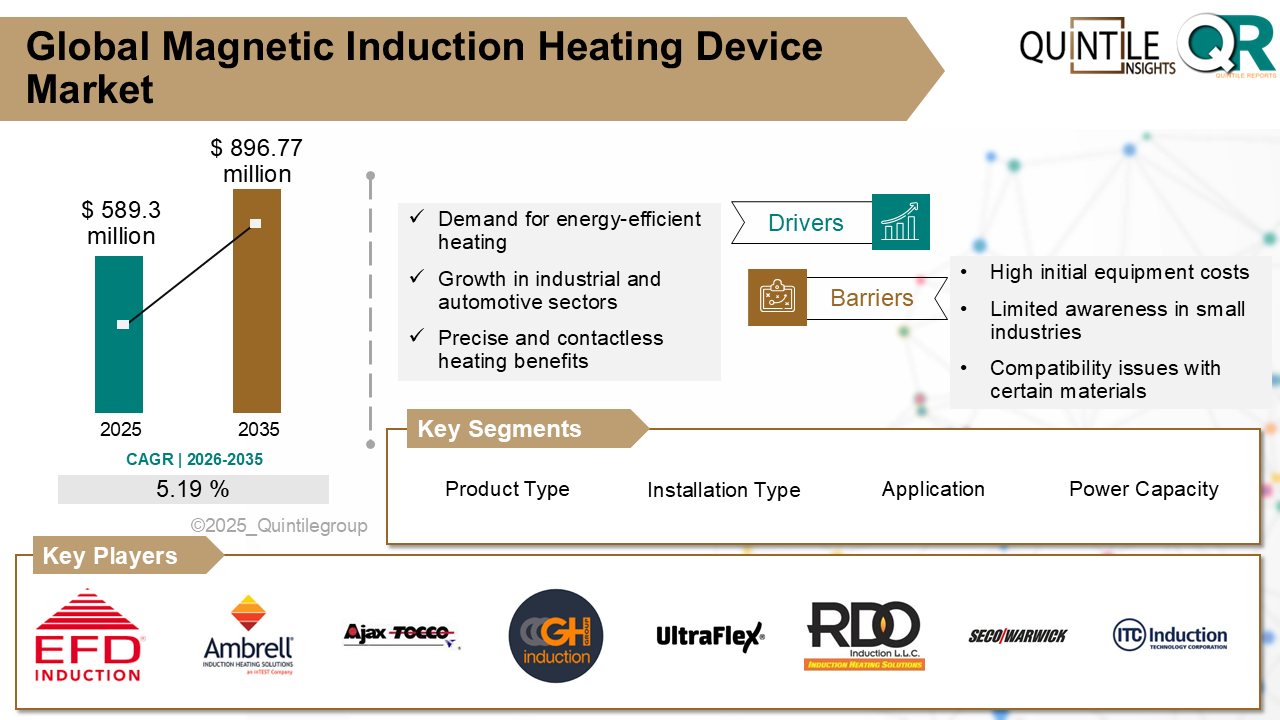
The appeal of magnetic induction heating lies in its energy efficiency, speed, and precision. It delivers localized heating, reducing waste and emissions compared to conventional methods like flame or resistance heating. As industries adopt automation and look for cleaner, safer heating processes, demand for induction heating devices continues to grow globally.
Induction heating provides rapid and controlled heating with less energy loss, helping factories cut power consumption and operating costs. This is especially relevant in countries aiming to meet energy-saving targets and reduce carbon emissions.
In the manufacturing sector, these devices are widely used for heat treatment of metals, including hardening, annealing, and soldering. Industries like automotive, aerospace, and machinery rely on precise and repeatable heating for strong, consistent parts. The increased use of electric vehicles and lightweight alloys has further boosted demand for reliable heating methods.
Consumer goods and electronics industries also benefit from induction heating, especially for plastic bonding, sealing, and soldering in compact spaces. Induction tools offer faster production cycles and cleaner operations, reducing the need for solvents or open flames. These advantages are valuable for high-throughput assembly lines.
Regulations around workplace safety and environmental control are pushing companies to adopt non-contact heating. Induction systems generate less noise, no direct flame, and minimal emissions. This aligns with government policies in Europe, North America, and Asia promoting green manufacturing and worker protection.
Initial installation cost is a barrier, particularly for small and mid-sized firms. Induction heating equipment often requires customization for power level, coil design, and control systems, which increases upfront investment compared to traditional heating methods.
Material compatibility is another limitation. Only electrically conductive materials like steel, copper, or aluminum respond effectively to induction heating. For non-conductive materials or composite parts, alternative technologies must still be used, limiting the devices scope.
Operators must be trained in coil design, power tuning, and safety protocols. Incorrect settings or unsuitable coil configurations can cause inefficient heating or equipment damage. This adds to the cost and complexity of system operation.
Maintenance of power supplies, water-cooling systems, and electronic components also requires skilled support. In regions with limited industrial service infrastructure, adoption may be slower due to lack of after-sales support and technical expertise.
North America shows strong demand in automotive and aerospace parts manufacturing. The U.S. market also benefits from energy efficiency incentives that encourage switching from gas-based heating to electric induction systems.
Europe supports the use of induction heating in clean and safe industrial processes. Countries like Germany, Italy, and France promote adoption in metalworking and electronics sectors as part of their energy and labor safety policies.
Asia Pacific leads in industrial applications. China, Japan, South Korea, and India are investing in induction heating for auto parts, electronics, and consumer appliances. Government-led manufacturing upgrades also promote cleaner heating technologies.
Brazil and Mexico show growing interest in induction heating for metal fabrication and machinery repair. Market growth is steady, although limited by high equipment cost and lower local manufacturing capacity.
Industrial plants in the Middle East and mining operations in Africa use induction heating for tool maintenance and welding. Adoption is rising slowly, supported by industrialization and localized energy-saving policies.
The United States uses magnetic induction heating in automotive, aerospace, and defense manufacturing. As industries aim to reduce operating costs and meet environmental regulations, many factories are replacing gas burners and resistance coils with induction systems.
The Department of Energy and state-level programs support industrial electrification. These policies, along with investments in robotics and smart manufacturing, are helping expand the role of precision heating tools like induction devices. Growth is supported by strong local supply chains and technical expertise.
Germany leads in adopting magnetic induction heating for industrial parts treatment. With a strong base in automotive, machine tools, and electronics, the country uses these systems to achieve clean, fast, and repeatable heat cycles.
Regulations on workplace safety and efficiency encourage non-contact heating methods. German firms also export induction heating systems to other European markets. National programs under the Industry 4.0 strategy promote automation and smart thermal processing across manufacturing sectors.
Japan uses magnetic induction heating in electronics manufacturing, metal forming, and tool production. Compact and high-frequency induction units are preferred for bonding and sealing in tight assembly lines. These systems are also used in small appliance manufacturing and battery assembly.
Japans push for smart factories and automation supports wider adoption. Regulatory and corporate energy-saving goals promote replacement of flame-based or inefficient resistance heaters. Japanese firms continue to innovate in induction system design for fast changeover and precise heat control.
The magnetic induction heating market includes global engineering firms and specialized thermal equipment providers. Large companies offer complete heating systems including power supplies, coils, sensors, and control units. They serve metalworking, automotive, aerospace, and electronics industries with customized solutions.
Medium-sized companies focus on modular systems for specific applications such as brazing, forging, and shrink-fitting. These systems are preferred for quick installation, energy efficiency, and improved operator safety. Many companies also provide portable and water-cooled induction units suitable for workshops and factory environments.
Technology innovation plays a major role in market competition. Some firms are developing induction systems with digital controls, automatic tuning, and data logging capabilities. These features improve process consistency, reduce material waste, and support quality control in high-precision manufacturing sectors.
Partnerships with machine builders and system integrators are increasing. Induction heating units are frequently integrated with robotic arms, CNC machines, and automated production lines. Companies that provide turnkey installation and operator training are gaining strong positions in industrial automation markets.
After-sales service and maintenance contracts are critical for long-term customer relationships. Firms offering coil replacement, field servicing, and rapid technical assistance are highly valued by industrial clients. Global distribution networks, repair centers, and flexible financing options also help leading players expand their market presence.
Key players in the market include EFD Induction, Ambrell (Ingersoll Rand), GH Induction Atmospheres, Inductoheat Inc., Ajax TOCCO Magnethermic Corporation, Ultraflex Power Technologies, Tetra Pak, Foster Induction, Fluxtrol Inc., DAI-ICHI High Frequency Co., Ltd., SECO/WARWICK, Induction Technology Corp, MIT (Manufacturing Induction Technologies), eldec LLC, RDO Induction LLC, and other players.
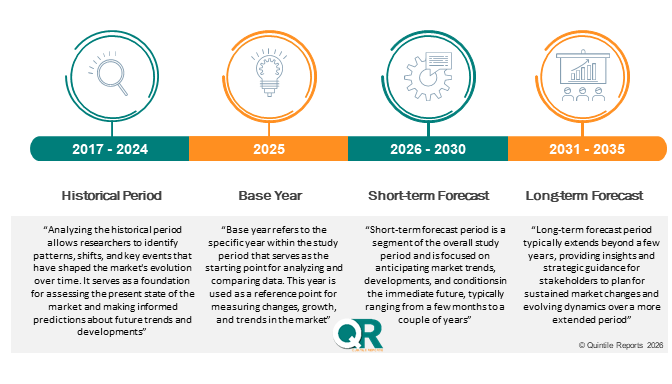
Our team of experienced researchers has meticulously gathered and analyzed data to deliver a thorough examination of market dynamics, competitive landscape, and emerging technologies. With a focus on delivering actionable intelligence, this report aims to empower decision-makers with the information needed to make informed choices and stay ahead of the competition. Whether you are a seasoned industry player or a new entrant, our market research report serves as a strategic tool to navigate the complexities of the market, aiding in successful business planning and growth strategies.
This chapter of our Magnetic Induction Heating Device market report provides an in-depth examination of the factors shaping the industry landscape. This section typically encompasses several key elements to offer a comprehensive understanding of the industry landscape such as market drivers & restraints analysis, market opportunities & trend analysis, market size & growth analysis, competitive analysis, SWOT analysis, business environment tools such as Porter's five forces & PESTEL analysis, Ansoff Matrix analysis, penetration & growth prospect analysis, regulatory framework & reimbursement scenario analysis, impact of macro & micro economic factors analysis such as Covid-19 impact, GDP growth, market inflation, U.S.- China trade war, Russia-Ukraine war impact, and supply chain analysis.
The segment analysis chapter of Magnetic Induction Heating Device market report is a critical section that delves into a detailed examination of the market's various segments. Segmentation involves dividing the market into distinct categories based on certain criteria to better understand and address the diverse needs of consumers. This chapter typically follows the introduction and provides a more granular view of the market, offering valuable insights for businesses and stakeholders. The components of the chapter lude segment definitions to understand the inclusions and exclusions of the study, assumptions, market size estimates and growth trend analysis of each segment, qualitative analysis of the segment, technological advancements, market penetration rate, market adoption rate, market share examination by each segment, segment growth drivers and restraint barriers, consumer behaviour and challenge analysis.
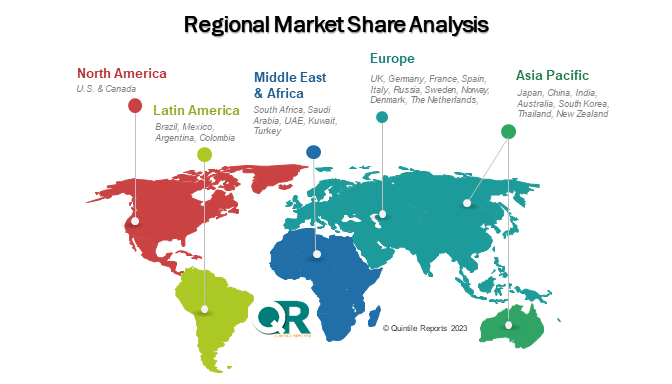
The chapter in Magnetic Induction Heating Device market research report is a pivotal section that examines and predicts the market dynamics and trends specific to different geographical regions. This chapter is crucial for businesses and stakeholders seeking a comprehensive understanding of how the market behaves across various locations, enabling them to tailor strategies and make informed decisions based on regional variations. The regional analysis chapter of our Magnetic Induction Heating Device market report is classified into regions & country-level. The chapter consists of North America (U.S., Canada), Europe (UK, Germany, France, Italy, Spain, Russia, Sweden, Denmark, Norway, Rest of Europe), Asia Pacific (Japan, China, India, Australia, South Korea, Thailand, Rest of Asia Pacific), Latin America (Brazil, Mexico, Argentina, Colombia, Rest of Latin America), Middle East & Africa (South Africa, Saudi Arabia, UAE, Kuwait, Rest of Middle East & Africa).
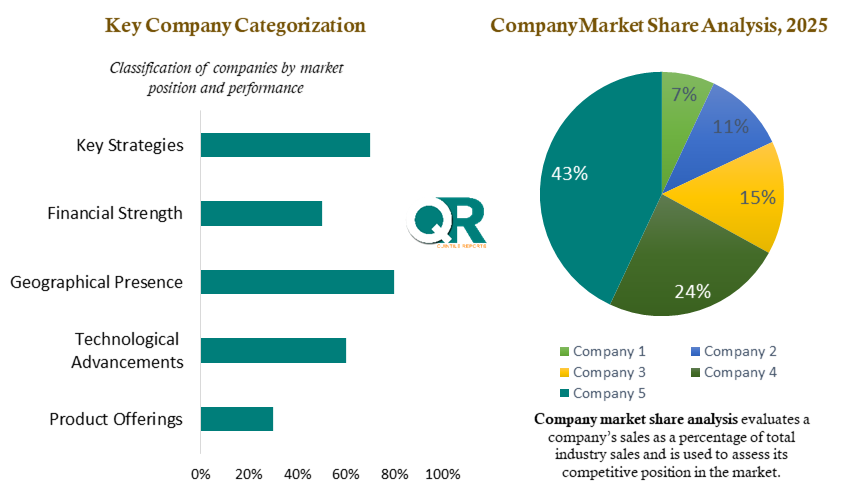
This section of a Magnetic Induction Heating Device market report is a crucial segment that provides a comprehensive overview of the competitive landscape within the market. This section is vital for businesses, investors, and stakeholders seeking insights into key players, their market positioning, strengths, weaknesses, strategies, and potential impacts on the overall market dynamics. The chapter includes research methodology used to analyse the market competition, list of key players operating in the market, detailed company profile section which includes company overview, business verticals, financial performance, product/services benchmarking, geographical presence, and strategic initiatives.
| Report Scope | Details |
| Report Version | 2026 |
| Growth Rate | CAGR of 5.19 from 2026 to 2035 |
| Base Year | 2025 |
| Actual Estimates / Historical Data | 2017 - 2024 |
| Forecast Period | 2026 - 2035 |
| Quantitative Units | Revenue in USD million/billion & CAGR from 2026 to 2035 |
| Country Scope | North America (U.S., Canada), Europe (UK, Germany, France, Italy, Spain, Russia, Sweden, Denmark, Norway, Rest of Europe), Asia Pacific (Japan, China, India, Australia, South Korea, Thailand, Rest of Asia Pacific), Latin America (Brazil, Mexico, Argentina, Colombia, Rest of Latin America), Middle East & Africa (South Africa, Saudi Arabia, UAE, Kuwait, Rest of Middle East & Africa). |
| The Segment Covered by Product Type |
|
| The Segment Covered by Power Capacity |
|
| Companies Covered | |
| Report Coverage | Revenue forecast, company share, competitive landscape, growth factors, and trends |
| Free Customization Scope (Equivalent to 5 Analyst Working Days) | If you need specific information, which is not currently within the scope of the report, we will provide it to you as a part of the customization |

Statistics for the 2025 Magnetic Induction Heating Device market share, size, and revenue growth rate were created by Quintile Report™. Magnetic Induction Heating Device analysis includes a market forecast outlook for 2035 and a historical overview. Get a free PDF sample of this market analysis, please get in touch with our principal analyst at sales@quintilereports.com
List of Tables
Table 1 List of Abbreviation and acronyms
Table 2 List of Sources
Table 3 North America Global Magnetic Induction Heating Device Market, by Segment Analysis, (USD Million) 2017-2035
Table 4 North America Global Magnetic Induction Heating Device Market, by Region, (USD Million) 2017-2035
Table 5 U.S. Global Magnetic Induction Heating Device Market, by Segment Analysis, (USD Million) 2017-2035
Table 6 Canada Global Magnetic Induction Heating Device Market, by Segment Analysis, (USD Million) 2017-2035
Table 7 Europe Global Magnetic Induction Heating Device Market, by Segment Analysis, (USD Million) 2017-2035
Table 8 Europe Global Magnetic Induction Heating Device Market, by Region, (USD Million) 2017-2035
Table 9 Germany Global Magnetic Induction Heating Device Market, by Segment Analysis, (USD Million) 2017-2035
Table 10 U.K. Global Magnetic Induction Heating Device Market, by Segment Analysis, (USD Million) 2017-2035
Table 11 France Global Magnetic Induction Heating Device Market, by Segment Analysis, (USD Million) 2017-2035
Table 12 Italy Global Magnetic Induction Heating Device Market, by Segment Analysis, (USD Million) 2017-2035
Table 13 Spain Global Magnetic Induction Heating Device Market, by Segment Analysis, (USD Million) 2017-2035
Table 14 Sweden Global Magnetic Induction Heating Device Market, by Segment Analysis, (USD Million) 2017-2035
Table 15 Denmark Global Magnetic Induction Heating Device Market, by Segment Analysis, (USD Million) 2017-2035
Table 16 Norway Global Magnetic Induction Heating Device Market, by Segment Analysis, (USD Million) 2017-2035
Table 17 The Netherlands Global Magnetic Induction Heating Device Market, by Segment Analysis, (USD Million) 2017-2035
Table 18 Russia Global Magnetic Induction Heating Device Market, by Segment Analysis, (USD Million) 2017-2035
Table 19 Asia Pacific Global Magnetic Induction Heating Device Market, by Segment Analysis, (USD Million) 2017-2035
Table 20 Asia Pacific Global Magnetic Induction Heating Device Market, by Region, (USD Million) 2017-2035
Table 21 China Global Magnetic Induction Heating Device Market, by Segment Analysis, (USD Million) 2017-2035
Table 22 Japan Global Magnetic Induction Heating Device Market, by Segment Analysis, (USD Million) 2017-2035
Table 23 India Global Magnetic Induction Heating Device Market, by Segment Analysis, (USD Million) 2017-2035
Table 24 Australia Global Magnetic Induction Heating Device Market, by Segment Analysis, (USD Million) 2017-2035
Table 25 South Korea Global Magnetic Induction Heating Device Market, by Segment Analysis, (USD Million) 2017-2035
Table 26 Thailand Global Magnetic Induction Heating Device Market, by Segment Analysis, (USD Million) 2017-2035
Table 27 Latin America Global Magnetic Induction Heating Device Market, by Segment Analysis, (USD Million) 2017-2035
Table 28 Latin America Global Magnetic Induction Heating Device Market, by Region, (USD Million) 2017-2035
Table 29 Brazil Global Magnetic Induction Heating Device Market, by Segment Analysis, (USD Million) 2017-2035
Table 30 Mexico Global Magnetic Induction Heating Device Market, by Segment Analysis, (USD Million) 2017-2035
Table 31 Argentina Global Magnetic Induction Heating Device Market, by Segment Analysis, (USD Million) 2017-2035
Table 32 Middle East and Africa Global Magnetic Induction Heating Device Market, by Segment Analysis, (USD Million) 2017-2035
Table 33 Middle East and Africa Global Magnetic Induction Heating Device Market, by Region, (USD Million) 2017-2035
Table 34 South Africa Global Magnetic Induction Heating Device Market, by Segment Analysis, (USD Million) 2017-2035
Table 35 Saudi Arabia Global Magnetic Induction Heating Device Market, by Segment Analysis, (USD Million) 2017-2035
Table 36 UAE Global Magnetic Induction Heating Device Market, by Segment Analysis, (USD Million) 2017-2035
Table 37 Kuwait Global Magnetic Induction Heating Device Market, by Segment Analysis, (USD Million) 2017-2035
Table 38 Turkey Global Magnetic Induction Heating Device Market, by Segment Analysis, (USD Million) 2017-2035
Fig.1 Market research process
Fig.2 Market research approaches
Fig.3 Global Magnetic Induction Heating Device Market: market scenario
Fig.4 Global Magnetic Induction Heating Device Market competitive outlook
Fig.5 Global Magnetic Induction Heating Device Market driver analysis
Fig.6 Global Magnetic Induction Heating Device Market restraint analysis
Fig.7 Global Magnetic Induction Heating Device Market opportunity analysis
Fig.8 Global Magnetic Induction Heating Device Market trends analysis
Fig.9 Global Magnetic Induction Heating Device Market: Segment Analysis (Based on the scope)
Fig.10 Global Magnetic Induction Heating Device Market: regional analysis
Fig.11 Global market shares and leading market players
Fig.12 North America market share and leading players
Fig.13 Europe market share and leading players
Fig.14 Asia Pacific market share and leading players
Fig.15 Latin America market share and leading players
Fig.16 Middle East & Africa market share and leading players
Fig.17 North America, by country
Fig.18 North America
Fig.19 North America market estimates and forecast, 2017-2035
Fig.20 U.S.
Fig.21 Canada
Fig.22 Europe
Fig.23 Europe market estimates and forecast, 2017-2035
Fig.24 U.K.
Fig.25 Germany
Fig.26 France
Fig.27 Italy
Fig.28 Spain
Fig.29 Sweden
Fig.30 Denmark
Fig.31 Norway
Fig.32 The Netherlands
Fig.33 Russia
Fig.34 Asia Pacific
Fig.35 Asia Pacific market estimates and forecast, 2017-2035
Fig.36 China
Fig.37 Japan
Fig.38 India
Fig.39 Australia
Fig.40 South Korea
Fig.41 Thailand
Fig.42 Latin America
Fig.43 Latin America market estimates and forecast, 2017-2035
Fig.44 Brazil
Fig.45 Mexico
Fig.46 Argentina
Fig.47 Colombia
Fig.48 Middle East and Africa
Fig.49 Middle East and Africa market estimates and forecast, 2017-2035
Fig.50 Saudi Arabia
Fig.51 South Africa
Fig.52 UAE
Fig.53 Kuwait
Fig.54 Turkey
The Global Magnetic Induction Heating Device Market was valued at USD 589.3 million in 2025 and is projected to reach USD 896.77 million by 2035, advancing at a notable CAGR of 5.19% throughout the forecast period from 2026 to 2035. The Magnetic Induction Heating Device market report provides an in-depth analysis of the industry by examining macroeconomic indicators, technological progress, regulatory environments, and evolving consumer trends to highlight the markets long-term growth outlook.
The magnetic induction heating device market involves systems that use electromagnetic fields to heat conductive materials without direct contact. These devices work by generating eddy currents in metal objects, creating heat inside the material itself. They are widely used in industrial applications such as metal hardening, forging, welding, brazing, plastic sealing, and food processing.
Taking 2025 as the base year, the Magnetic Induction Heating Device market is demonstrating steady growth fueled by increased innovation, expanding application areas across end-use sectors, and rapid digital transformation. Market participants are increasingly optimizing their go-to-market (GTM) strategies to strengthen market penetration and capitalize on emerging business opportunities.
Over the coming decade, the market is expected to maintain strong expansion supported by continuous R&D investments, collaborative partnerships, and a rising number of mergers and acquisitions. Businesses that focus on innovation, operational agility, and customer-focused strategies are expected to build a sustainable competitive advantage. The report delivers comprehensive insights into market drivers, restraints, opportunities, and challenges across segments, regions, and countries, backed by detailed qualitative and quantitative analysis from 2017 to 2035.
The appeal of magnetic induction heating lies in its energy efficiency, speed, and precision. It delivers localized heating, reducing waste and emissions compared to conventional methods like flame or resistance heating. As industries adopt automation and look for cleaner, safer heating processes, demand for induction heating devices continues to grow globally.
Induction heating provides rapid and controlled heating with less energy loss, helping factories cut power consumption and operating costs. This is especially relevant in countries aiming to meet energy-saving targets and reduce carbon emissions.
In the manufacturing sector, these devices are widely used for heat treatment of metals, including hardening, annealing, and soldering. Industries like automotive, aerospace, and machinery rely on precise and repeatable heating for strong, consistent parts. The increased use of electric vehicles and lightweight alloys has further boosted demand for reliable heating methods.
Consumer goods and electronics industries also benefit from induction heating, especially for plastic bonding, sealing, and soldering in compact spaces. Induction tools offer faster production cycles and cleaner operations, reducing the need for solvents or open flames. These advantages are valuable for high-throughput assembly lines.
Regulations around workplace safety and environmental control are pushing companies to adopt non-contact heating. Induction systems generate less noise, no direct flame, and minimal emissions. This aligns with government policies in Europe, North America, and Asia promoting green manufacturing and worker protection.
Initial installation cost is a barrier, particularly for small and mid-sized firms. Induction heating equipment often requires customization for power level, coil design, and control systems, which increases upfront investment compared to traditional heating methods.
Material compatibility is another limitation. Only electrically conductive materials like steel, copper, or aluminum respond effectively to induction heating. For non-conductive materials or composite parts, alternative technologies must still be used, limiting the devices scope.
Operators must be trained in coil design, power tuning, and safety protocols. Incorrect settings or unsuitable coil configurations can cause inefficient heating or equipment damage. This adds to the cost and complexity of system operation.
Maintenance of power supplies, water-cooling systems, and electronic components also requires skilled support. In regions with limited industrial service infrastructure, adoption may be slower due to lack of after-sales support and technical expertise.
North America shows strong demand in automotive and aerospace parts manufacturing. The U.S. market also benefits from energy efficiency incentives that encourage switching from gas-based heating to electric induction systems.
Europe supports the use of induction heating in clean and safe industrial processes. Countries like Germany, Italy, and France promote adoption in metalworking and electronics sectors as part of their energy and labor safety policies.
Asia Pacific leads in industrial applications. China, Japan, South Korea, and India are investing in induction heating for auto parts, electronics, and consumer appliances. Government-led manufacturing upgrades also promote cleaner heating technologies.
Brazil and Mexico show growing interest in induction heating for metal fabrication and machinery repair. Market growth is steady, although limited by high equipment cost and lower local manufacturing capacity.
Industrial plants in the Middle East and mining operations in Africa use induction heating for tool maintenance and welding. Adoption is rising slowly, supported by industrialization and localized energy-saving policies.
The United States uses magnetic induction heating in automotive, aerospace, and defense manufacturing. As industries aim to reduce operating costs and meet environmental regulations, many factories are replacing gas burners and resistance coils with induction systems.
The Department of Energy and state-level programs support industrial electrification. These policies, along with investments in robotics and smart manufacturing, are helping expand the role of precision heating tools like induction devices. Growth is supported by strong local supply chains and technical expertise.
Germany leads in adopting magnetic induction heating for industrial parts treatment. With a strong base in automotive, machine tools, and electronics, the country uses these systems to achieve clean, fast, and repeatable heat cycles.
Regulations on workplace safety and efficiency encourage non-contact heating methods. German firms also export induction heating systems to other European markets. National programs under the Industry 4.0 strategy promote automation and smart thermal processing across manufacturing sectors.
Japan uses magnetic induction heating in electronics manufacturing, metal forming, and tool production. Compact and high-frequency induction units are preferred for bonding and sealing in tight assembly lines. These systems are also used in small appliance manufacturing and battery assembly.
Japans push for smart factories and automation supports wider adoption. Regulatory and corporate energy-saving goals promote replacement of flame-based or inefficient resistance heaters. Japanese firms continue to innovate in induction system design for fast changeover and precise heat control.
The magnetic induction heating market includes global engineering firms and specialized thermal equipment providers. Large companies offer complete heating systems including power supplies, coils, sensors, and control units. They serve metalworking, automotive, aerospace, and electronics industries with customized solutions.
Medium-sized companies focus on modular systems for specific applications such as brazing, forging, and shrink-fitting. These systems are preferred for quick installation, energy efficiency, and improved operator safety. Many companies also provide portable and water-cooled induction units suitable for workshops and factory environments.
Technology innovation plays a major role in market competition. Some firms are developing induction systems with digital controls, automatic tuning, and data logging capabilities. These features improve process consistency, reduce material waste, and support quality control in high-precision manufacturing sectors.
Partnerships with machine builders and system integrators are increasing. Induction heating units are frequently integrated with robotic arms, CNC machines, and automated production lines. Companies that provide turnkey installation and operator training are gaining strong positions in industrial automation markets.
After-sales service and maintenance contracts are critical for long-term customer relationships. Firms offering coil replacement, field servicing, and rapid technical assistance are highly valued by industrial clients. Global distribution networks, repair centers, and flexible financing options also help leading players expand their market presence.
Key players in the market include EFD Induction, Ambrell (Ingersoll Rand), GH Induction Atmospheres, Inductoheat Inc., Ajax TOCCO Magnethermic Corporation, Ultraflex Power Technologies, Tetra Pak, Foster Induction, Fluxtrol Inc., DAI-ICHI High Frequency Co., Ltd., SECO/WARWICK, Induction Technology Corp, MIT (Manufacturing Induction Technologies), eldec LLC, RDO Induction LLC, and other players.
Our team of experienced researchers has meticulously gathered and analyzed data to deliver a thorough examination of market dynamics, competitive landscape, and emerging technologies. With a focus on delivering actionable intelligence, this report aims to empower decision-makers with the information needed to make informed choices and stay ahead of the competition. Whether you are a seasoned industry player or a new entrant, our market research report serves as a strategic tool to navigate the complexities of the market, aiding in successful business planning and growth strategies.
This chapter of our Magnetic Induction Heating Device market report provides an in-depth examination of the factors shaping the industry landscape. This section typically encompasses several key elements to offer a comprehensive understanding of the industry landscape such as market drivers & restraints analysis, market opportunities & trend analysis, market size & growth analysis, competitive analysis, SWOT analysis, business environment tools such as Porter's five forces & PESTEL analysis, Ansoff Matrix analysis, penetration & growth prospect analysis, regulatory framework & reimbursement scenario analysis, impact of macro & micro economic factors analysis such as Covid-19 impact, GDP growth, market inflation, U.S.- China trade war, Russia-Ukraine war impact, and supply chain analysis.
The segment analysis chapter of Magnetic Induction Heating Device market report is a critical section that delves into a detailed examination of the market's various segments. Segmentation involves dividing the market into distinct categories based on certain criteria to better understand and address the diverse needs of consumers. This chapter typically follows the introduction and provides a more granular view of the market, offering valuable insights for businesses and stakeholders. The components of the chapter lude segment definitions to understand the inclusions and exclusions of the study, assumptions, market size estimates and growth trend analysis of each segment, qualitative analysis of the segment, technological advancements, market penetration rate, market adoption rate, market share examination by each segment, segment growth drivers and restraint barriers, consumer behaviour and challenge analysis.
The chapter in Magnetic Induction Heating Device market research report is a pivotal section that examines and predicts the market dynamics and trends specific to different geographical regions. This chapter is crucial for businesses and stakeholders seeking a comprehensive understanding of how the market behaves across various locations, enabling them to tailor strategies and make informed decisions based on regional variations. The regional analysis chapter of our Magnetic Induction Heating Device market report is classified into regions & country-level. The chapter consists of North America (U.S., Canada), Europe (UK, Germany, France, Italy, Spain, Russia, Sweden, Denmark, Norway, Rest of Europe), Asia Pacific (Japan, China, India, Australia, South Korea, Thailand, Rest of Asia Pacific), Latin America (Brazil, Mexico, Argentina, Colombia, Rest of Latin America), Middle East & Africa (South Africa, Saudi Arabia, UAE, Kuwait, Rest of Middle East & Africa).
This section of a Magnetic Induction Heating Device market report is a crucial segment that provides a comprehensive overview of the competitive landscape within the market. This section is vital for businesses, investors, and stakeholders seeking insights into key players, their market positioning, strengths, weaknesses, strategies, and potential impacts on the overall market dynamics. The chapter includes research methodology used to analyse the market competition, list of key players operating in the market, detailed company profile section which includes company overview, business verticals, financial performance, product/services benchmarking, geographical presence, and strategic initiatives.
| Report Scope | Details |
| Report Version | 2026 |
| Growth Rate | CAGR of 5.19 from 2026 to 2035 |
| Base Year | 2025 |
| Actual Estimates / Historical Data | 2017 - 2024 |
| Forecast Period | 2026 - 2035 |
| Quantitative Units | Revenue in USD million/billion & CAGR from 2026 to 2035 |
| Country Scope | North America (U.S., Canada), Europe (UK, Germany, France, Italy, Spain, Russia, Sweden, Denmark, Norway, Rest of Europe), Asia Pacific (Japan, China, India, Australia, South Korea, Thailand, Rest of Asia Pacific), Latin America (Brazil, Mexico, Argentina, Colombia, Rest of Latin America), Middle East & Africa (South Africa, Saudi Arabia, UAE, Kuwait, Rest of Middle East & Africa). |
| The Segment Covered by Product Type |
|
| The Segment Covered by Power Capacity |
|
| Companies Covered | |
| Report Coverage | Revenue forecast, company share, competitive landscape, growth factors, and trends |
| Free Customization Scope (Equivalent to 5 Analyst Working Days) | If you need specific information, which is not currently within the scope of the report, we will provide it to you as a part of the customization |
Statistics for the 2025 Magnetic Induction Heating Device market share, size, and revenue growth rate were created by Quintile Report™. Magnetic Induction Heating Device analysis includes a market forecast outlook for 2035 and a historical overview. Get a free PDF sample of this market analysis, please get in touch with our principal analyst at sales@quintilereports.com
Table 1 List of Abbreviation and acronyms
Table 2 List of Sources
Table 3 North America Global Magnetic Induction Heating Device Market, by Segment Analysis, (USD Million) 2017-2035
Table 4 North America Global Magnetic Induction Heating Device Market, by Region, (USD Million) 2017-2035
Table 5 U.S. Global Magnetic Induction Heating Device Market, by Segment Analysis, (USD Million) 2017-2035
Table 6 Canada Global Magnetic Induction Heating Device Market, by Segment Analysis, (USD Million) 2017-2035
Table 7 Europe Global Magnetic Induction Heating Device Market, by Segment Analysis, (USD Million) 2017-2035
Table 8 Europe Global Magnetic Induction Heating Device Market, by Region, (USD Million) 2017-2035
Table 9 Germany Global Magnetic Induction Heating Device Market, by Segment Analysis, (USD Million) 2017-2035
Table 10 U.K. Global Magnetic Induction Heating Device Market, by Segment Analysis, (USD Million) 2017-2035
Table 11 France Global Magnetic Induction Heating Device Market, by Segment Analysis, (USD Million) 2017-2035
Table 12 Italy Global Magnetic Induction Heating Device Market, by Segment Analysis, (USD Million) 2017-2035
Table 13 Spain Global Magnetic Induction Heating Device Market, by Segment Analysis, (USD Million) 2017-2035
Table 14 Sweden Global Magnetic Induction Heating Device Market, by Segment Analysis, (USD Million) 2017-2035
Table 15 Denmark Global Magnetic Induction Heating Device Market, by Segment Analysis, (USD Million) 2017-2035
Table 16 Norway Global Magnetic Induction Heating Device Market, by Segment Analysis, (USD Million) 2017-2035
Table 17 The Netherlands Global Magnetic Induction Heating Device Market, by Segment Analysis, (USD Million) 2017-2035
Table 18 Russia Global Magnetic Induction Heating Device Market, by Segment Analysis, (USD Million) 2017-2035
Table 19 Asia Pacific Global Magnetic Induction Heating Device Market, by Segment Analysis, (USD Million) 2017-2035
Table 20 Asia Pacific Global Magnetic Induction Heating Device Market, by Region, (USD Million) 2017-2035
Table 21 China Global Magnetic Induction Heating Device Market, by Segment Analysis, (USD Million) 2017-2035
Table 22 Japan Global Magnetic Induction Heating Device Market, by Segment Analysis, (USD Million) 2017-2035
Table 23 India Global Magnetic Induction Heating Device Market, by Segment Analysis, (USD Million) 2017-2035
Table 24 Australia Global Magnetic Induction Heating Device Market, by Segment Analysis, (USD Million) 2017-2035
Table 25 South Korea Global Magnetic Induction Heating Device Market, by Segment Analysis, (USD Million) 2017-2035
Table 26 Thailand Global Magnetic Induction Heating Device Market, by Segment Analysis, (USD Million) 2017-2035
Table 27 Latin America Global Magnetic Induction Heating Device Market, by Segment Analysis, (USD Million) 2017-2035
Table 28 Latin America Global Magnetic Induction Heating Device Market, by Region, (USD Million) 2017-2035
Table 29 Brazil Global Magnetic Induction Heating Device Market, by Segment Analysis, (USD Million) 2017-2035
Table 30 Mexico Global Magnetic Induction Heating Device Market, by Segment Analysis, (USD Million) 2017-2035
Table 31 Argentina Global Magnetic Induction Heating Device Market, by Segment Analysis, (USD Million) 2017-2035
Table 32 Middle East and Africa Global Magnetic Induction Heating Device Market, by Segment Analysis, (USD Million) 2017-2035
Table 33 Middle East and Africa Global Magnetic Induction Heating Device Market, by Region, (USD Million) 2017-2035
Table 34 South Africa Global Magnetic Induction Heating Device Market, by Segment Analysis, (USD Million) 2017-2035
Table 35 Saudi Arabia Global Magnetic Induction Heating Device Market, by Segment Analysis, (USD Million) 2017-2035
Table 36 UAE Global Magnetic Induction Heating Device Market, by Segment Analysis, (USD Million) 2017-2035
Table 37 Kuwait Global Magnetic Induction Heating Device Market, by Segment Analysis, (USD Million) 2017-2035
Table 38 Turkey Global Magnetic Induction Heating Device Market, by Segment Analysis, (USD Million) 2017-2035
Fig.1 Market research process
Fig.2 Market research approaches
Fig.3 Global Magnetic Induction Heating Device Market: market scenario
Fig.4 Global Magnetic Induction Heating Device Market competitive outlook
Fig.5 Global Magnetic Induction Heating Device Market driver analysis
Fig.6 Global Magnetic Induction Heating Device Market restraint analysis
Fig.7 Global Magnetic Induction Heating Device Market opportunity analysis
Fig.8 Global Magnetic Induction Heating Device Market trends analysis
Fig.9 Global Magnetic Induction Heating Device Market: Segment Analysis (Based on the scope)
Fig.10 Global Magnetic Induction Heating Device Market: regional analysis
Fig.11 Global market shares and leading market players
Fig.12 North America market share and leading players
Fig.13 Europe market share and leading players
Fig.14 Asia Pacific market share and leading players
Fig.15 Latin America market share and leading players
Fig.16 Middle East & Africa market share and leading players
Fig.17 North America, by country
Fig.18 North America
Fig.19 North America market estimates and forecast, 2017-2035
Fig.20 U.S.
Fig.21 Canada
Fig.22 Europe
Fig.23 Europe market estimates and forecast, 2017-2035
Fig.24 U.K.
Fig.25 Germany
Fig.26 France
Fig.27 Italy
Fig.28 Spain
Fig.29 Sweden
Fig.30 Denmark
Fig.31 Norway
Fig.32 The Netherlands
Fig.33 Russia
Fig.34 Asia Pacific
Fig.35 Asia Pacific market estimates and forecast, 2017-2035
Fig.36 China
Fig.37 Japan
Fig.38 India
Fig.39 Australia
Fig.40 South Korea
Fig.41 Thailand
Fig.42 Latin America
Fig.43 Latin America market estimates and forecast, 2017-2035
Fig.44 Brazil
Fig.45 Mexico
Fig.46 Argentina
Fig.47 Colombia
Fig.48 Middle East and Africa
Fig.49 Middle East and Africa market estimates and forecast, 2017-2035
Fig.50 Saudi Arabia
Fig.51 South Africa
Fig.52 UAE
Fig.53 Kuwait
Fig.54 Turkey

A license granted to one user. Rules or conditions might be applied for e.g. the use of electric files (PDFs) or printings, depending on product.
A license granted to multiple users.
A license granted to a single business site/establishment.
A license granted to all employees within organisation access to the product.
Immediate / Within 24-48 hours - Working days
Online Payments with PayPal and CCavenue
You can order a report by picking any of the payment methods which is bank wire or online payment through any Debit/Credit card or PayPal.
Hard Copy
 U.S. : +1-201-772-7734