The Global PET Containers Market was valued at USD 86.59 million in 2025 and is projected to reach USD 144.14 million by 2035, registering a strong CAGR of 6.28% during the forecast period from 2026 to 2035. The PET Containers market report offers a detailed evaluation of the industry by examining macroeconomic trends, technological developments, regulatory landscapes, and changing consumer dynamics to outline the markets future growth prospects.
The PET containers market includes the manufacturing and distribution of packaging made from polyethylene terephthalate. PET is a lightweight, durable, and recyclable plastic used to make bottles, jars, and containers for beverages, food, personal care, household, and pharmaceutical products. PET containers are widely used due to their clarity, strength, and ability to form airtight seals that preserve product freshness.
Using 2025 as the base year, the PET Containers market continues to expand steadily due to ongoing innovation, growing adoption across multiple end-use sectors, and rapid advancements in technology. Industry participants are actively refining their go-to-market (GTM) strategies to leverage new growth avenues and strengthen their competitive positioning in a rapidly evolving marketplace.
Looking toward 2035, the market is expected to sustain significant growth momentum, driven by continuous investments in research and development, strategic alliances, and increased merger and acquisition activity. Companies that emphasize innovation, implement agile GTM strategies, and remain aligned with shifting customer expectations are well positioned to achieve sustainable long-term growth. The report delivers comprehensive insights into key drivers, restraints, opportunities, and challenges across segments, regions, and countries, supported by qualitative and quantitative analysis covering 2017 to 2035.

The demand for PET containers continues to grow as companies shift to lighter and recyclable packaging. PET is favoured over glass and other plastics due to its lower cost, ease of transport, and high safety standards. With increasing awareness of environmental sustainability and recycling, many industries are adopting PET containers as part of their packaging strategies, especially for bottled water, soft drinks, sauces, cosmetics, and medical products.
The consumption of bottled beverages has increased in recent years. The shift in consumer preferences toward packaged drinking water, sports drinks, and ready-to-drink products is increasing demand for lightweight and convenient PET bottles. These containers offer shatterproof safety, portability, and long shelf life, which make them ideal for everyday use.
The growing personal care and home care industries also contribute to market growth. PET containers are used for packaging items such as shampoos, lotions, detergents, and cleaning sprays. Manufacturers prefer PET because it is resistant to chemicals and provides design flexibility, allowing them to produce attractive and functional packaging at scale.
In the food industry, PET containers are used for edible oils, sauces, condiments, and ready-to-eat meals. Their transparency and ability to block moisture and oxygen help preserve food quality. Retailers and food processors are choosing PET packaging to meet consumer expectations for freshness, hygiene, and portion control.
Government policies promoting recycling and the circular economy also drive PET adoption. Many countries are setting higher targets for plastic recycling and encouraging the use of recyclable materials. PET's compatibility with established recycling systems supports its popularity, and recycled PET (rPET) is now being used in beverage bottles, food containers, and non-food applications.
Volatility in raw material prices affects PET container production. PET is derived from petroleum-based feedstocks, and fluctuations in oil prices directly impact manufacturing costs. This makes pricing unstable, especially for small packaging companies that rely on bulk procurement.
Environmental concerns related to plastic waste also pose a challenge. Although PET is recyclable, improper disposal and lack of recycling infrastructure in some regions lead to pollution. Public pressure and media focus on plastic waste are encouraging some companies to shift toward alternative materials, even if PET is technically sustainable when properly managed.
Competition from biodegradable packaging and paper-based alternatives is growing. In some markets, regulatory bans on single-use plastics have affected the use of PET containers, especially for smaller-sized products. Manufacturers are being forced to innovate or modify packaging formats to comply with new standards.
Counterfeit and substandard packaging products in local markets can impact the brand image and reduce trust in PET-based containers. Ensuring food-grade certification and supply chain traceability remains a concern for both local producers and international brands.
North America shows consistent demand for PET containers in bottled water, personal care, and household cleaners. The region is seeing a push toward using recycled PET (rPET), especially as large consumer brands set sustainability targets. Government-backed recycling programs and public awareness campaigns also help support market growth.
Europe is focused on creating a circular packaging economy. Countries like Germany, France, and the Netherlands have laws requiring recycled content in PET bottles. Deposit return systems and advanced recycling technologies make PET one of the most recovered plastics in the region. This supports ongoing investment in rPET production facilities.
Asia Pacific is the largest and fastest-growing market for PET containers. High population, urbanization, and rising consumption of packaged food and beverages drive demand in China, India, and Southeast Asia. Governments are also beginning to regulate plastic waste, which is increasing interest in recyclable packaging formats like PET.
Latin America is growing steadily in beverage, edible oil, and personal care packaging. Countries such as Brazil and Mexico are expanding PET use in carbonated drinks and household products. However, weak recycling infrastructure remains a concern. Local governments are beginning to promote waste sorting and collection programs to support long-term sustainability.
The Middle East and Africa show rising demand for PET packaging due to population growth, urban retail development, and bottled water consumption. Gulf countries are investing in food processing and packaging hubs, while African cities are slowly adopting PET in both formal retail and informal trade. Recycling systems are limited but expected to expand in the future.
The U.S. market is driven by demand for packaged beverages and household products. PET containers are widely used for bottled water, carbonated drinks, personal care, and cleaning products. Consumers prefer PET packaging due to its light weight and ease of use.
Growing awareness of sustainability and rising recycling targets support the use of recycled PET. The U.S. Environmental Protection Agency promotes the use of recyclable plastics, and major beverage companies have set goals to increase recycled content in their PET bottles. This encourages investment in recycling facilities and rPET production.
Germany has one of the most advanced recycling systems in the world. PET containers are widely used in beverages, sauces, and personal care products, with strict design standards that enable high recovery rates through reverse vending systems.
The German Packaging Act requires companies to meet recycling and reusable packaging targets. As a result, most PET containers in the country contain a portion of recycled content. Companies are also investing in reusable PET bottles and closed-loop systems for supermarkets and beverage chains.
Japan uses PET containers across a wide range of sectors, including bottled teas, soy sauces, seasonings, and personal care items. Space-saving design and precision moulding are key features in the countrys packaging industry.
Government programs encourage recycling and proper disposal of PET bottles. Japan has one of the highest PET recycling rates globally, and packaging companies use this to promote the environmental benefits of their products. Lightweight, resealable containers are widely preferred in both vending and retail markets.
The PET containers market is dominated by large global packaging manufacturers that serve beverage, personal care, and food clients. These companies operate large-scale production facilities, offer multiple product lines, and provide packaging innovation support to major consumer brands.
Mid-sized and regional players focus on local market needs. They supply packaging for edible oils, dairy, household goods, and niche beverages. These firms often win contracts based on short lead times, flexible production runs, and competitive pricing.
Sustainability is a key focus area. Companies are developing containers using 100 percent recycled PET and designing packaging that is easier to sort and recycle. Lightweighting and reduced resin use are also part of strategies to lower material costs and environmental impact.
Technology partnerships are emerging between packaging firms and recycling companies to improve the supply and quality of recycled PET. Integration of digital printing, tamper-evident caps, and ergonomic bottle shapes is helping brands stand out on retail shelves.
Customer service, supply chain strength, and food-grade compliance are essential for success. Companies that offer consistent product quality, reliable delivery, and packaging innovation tailored to brand needs are better positioned to build long-term relationships with consumer goods companies.
Key players in the market are Amcor plc, Resilux NV, Indorama Ventures Public Company Limited, Graham Packaging Company, Plastipak Holdings Inc., ALPLA Group, GTX Hanex Plastic, CKS Packaging Inc., Logoplaste, Manjushree Technopack Ltd., RETAL Industries Ltd., Zhuhai Zhongfu Enterprise Co., Ltd., Berry Global Inc., Esterform Packaging Ltd., and other players.
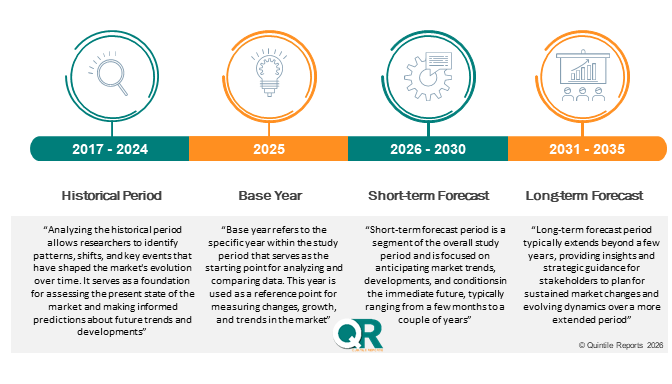
Our team of experienced researchers has meticulously gathered and analyzed data to deliver a thorough examination of market dynamics, competitive landscape, and emerging technologies. With a focus on delivering actionable intelligence, this report aims to empower decision-makers with the information needed to make informed choices and stay ahead of the competition. Whether you are a seasoned industry player or a new entrant, our market research report serves as a strategic tool to navigate the complexities of the market, aiding in successful business planning and growth strategies.
This chapter of our PET Containers market report provides an in-depth examination of the factors shaping the industry landscape. This section typically encompasses several key elements to offer a comprehensive understanding of the industry landscape such as market drivers & restraints analysis, market opportunities & trend analysis, market size & growth analysis, competitive analysis, SWOT analysis, business environment tools such as Porter's five forces & PESTEL analysis, Ansoff Matrix analysis, penetration & growth prospect analysis, regulatory framework & reimbursement scenario analysis, impact of macro & micro economic factors analysis such as Covid-19 impact, GDP growth, market inflation, U.S.- China trade war, Russia-Ukraine war impact, and supply chain analysis.
The segment analysis chapter of PET Containers market report is a critical section that delves into a detailed examination of the market's various segments. Segmentation involves dividing the market into distinct categories based on certain criteria to better understand and address the diverse needs of consumers. This chapter typically follows the introduction and provides a more granular view of the market, offering valuable insights for businesses and stakeholders. The components of the chapter lude segment definitions to understand the inclusions and exclusions of the study, assumptions, market size estimates and growth trend analysis of each segment, qualitative analysis of the segment, technological advancements, market penetration rate, market adoption rate, market share examination by each segment, segment growth drivers and restraint barriers, consumer behaviour and challenge analysis.
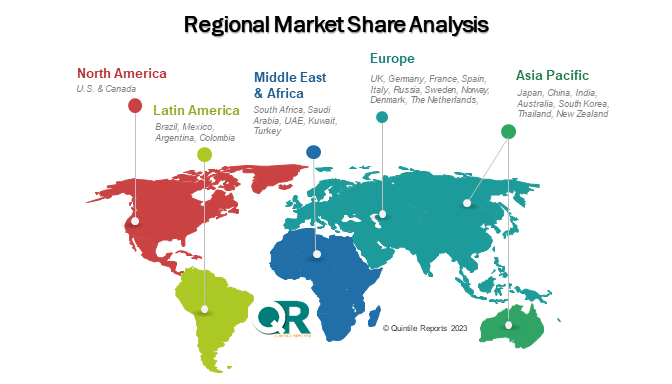
The chapter in PET Containers market research report is a pivotal section that examines and predicts the market dynamics and trends specific to different geographical regions. This chapter is crucial for businesses and stakeholders seeking a comprehensive understanding of how the market behaves across various locations, enabling them to tailor strategies and make informed decisions based on regional variations. The regional analysis chapter of our PET Containers market report is classified into regions & country-level. The chapter consists of North America (U.S., Canada), Europe (UK, Germany, France, Italy, Spain, Russia, Sweden, Denmark, Norway, Rest of Europe), Asia Pacific (Japan, China, India, Australia, South Korea, Thailand, Rest of Asia Pacific), Latin America (Brazil, Mexico, Argentina, Colombia, Rest of Latin America), Middle East & Africa (South Africa, Saudi Arabia, UAE, Kuwait, Rest of Middle East & Africa).
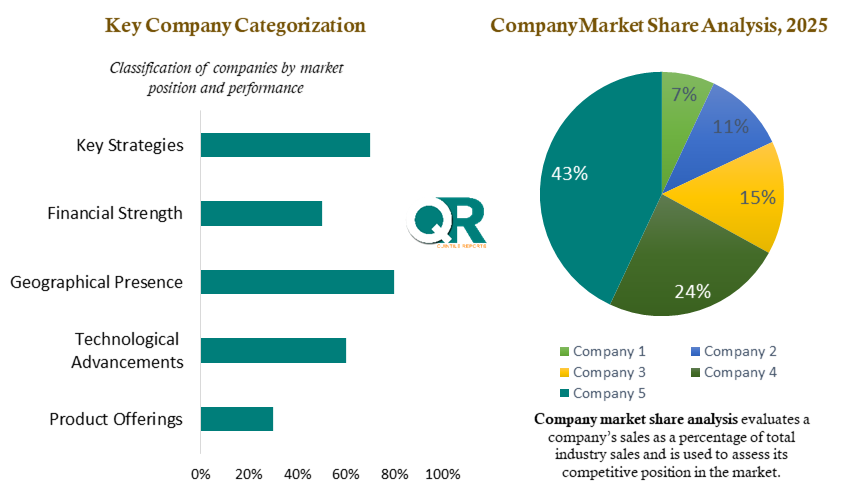
This section of a PET Containers market report is a crucial segment that provides a comprehensive overview of the competitive landscape within the market. This section is vital for businesses, investors, and stakeholders seeking insights into key players, their market positioning, strengths, weaknesses, strategies, and potential impacts on the overall market dynamics. The chapter includes research methodology used to analyse the market competition, list of key players operating in the market, detailed company profile section which includes company overview, business verticals, financial performance, product/services benchmarking, geographical presence, and strategic initiatives.
| Report Scope | Details |
| Report Version | 2026 |
| Growth Rate | CAGR of 6.28 from 2026 to 2035 |
| Base Year | 2025 |
| Actual Estimates / Historical Data | 2017 - 2024 |
| Forecast Period | 2026 - 2035 |
| Quantitative Units | Revenue in USD million/billion & CAGR from 2026 to 2035 |
| Country Scope | North America (U.S., Canada), Europe (UK, Germany, France, Italy, Spain, Russia, Sweden, Denmark, Norway, Rest of Europe), Asia Pacific (Japan, China, India, Australia, South Korea, Thailand, Rest of Asia Pacific), Latin America (Brazil, Mexico, Argentina, Colombia, Rest of Latin America), Middle East & Africa (South Africa, Saudi Arabia, UAE, Kuwait, Rest of Middle East & Africa). |
| The Segment Covered by Product Type |
|
| The Segment Covered by Neck Type |
|
| Companies Covered |
|
| Report Coverage | Revenue forecast, company share, competitive landscape, growth factors, and trends |
| Free Customization Scope (Equivalent to 5 Analyst Working Days) | If you need specific information, which is not currently within the scope of the report, we will provide it to you as a part of the customization |

Statistics for the 2025 PET Containers market share, size, and revenue growth rate were created by Quintile Report™. PET Containers analysis includes a market forecast outlook for 2035 and a historical overview. Get a free PDF sample of this market analysis, please get in touch with our principal analyst at sales@quintilereports.com
List of Tables
Table 1 List of Abbreviation and acronyms
Table 2 List of Sources
Table 3 North America Global PET Containers Market, by Segment Analysis, (USD Million) 2017-2035
Table 4 North America Global PET Containers Market, by Region, (USD Million) 2017-2035
Table 5 U.S. Global PET Containers Market, by Segment Analysis, (USD Million) 2017-2035
Table 6 Canada Global PET Containers Market, by Segment Analysis, (USD Million) 2017-2035
Table 7 Europe Global PET Containers Market, by Segment Analysis, (USD Million) 2017-2035
Table 8 Europe Global PET Containers Market, by Region, (USD Million) 2017-2035
Table 9 Germany Global PET Containers Market, by Segment Analysis, (USD Million) 2017-2035
Table 10 U.K. Global PET Containers Market, by Segment Analysis, (USD Million) 2017-2035
Table 11 France Global PET Containers Market, by Segment Analysis, (USD Million) 2017-2035
Table 12 Italy Global PET Containers Market, by Segment Analysis, (USD Million) 2017-2035
Table 13 Spain Global PET Containers Market, by Segment Analysis, (USD Million) 2017-2035
Table 14 Sweden Global PET Containers Market, by Segment Analysis, (USD Million) 2017-2035
Table 15 Denmark Global PET Containers Market, by Segment Analysis, (USD Million) 2017-2035
Table 16 Norway Global PET Containers Market, by Segment Analysis, (USD Million) 2017-2035
Table 17 The Netherlands Global PET Containers Market, by Segment Analysis, (USD Million) 2017-2035
Table 18 Russia Global PET Containers Market, by Segment Analysis, (USD Million) 2017-2035
Table 19 Asia Pacific Global PET Containers Market, by Segment Analysis, (USD Million) 2017-2035
Table 20 Asia Pacific Global PET Containers Market, by Region, (USD Million) 2017-2035
Table 21 China Global PET Containers Market, by Segment Analysis, (USD Million) 2017-2035
Table 22 Japan Global PET Containers Market, by Segment Analysis, (USD Million) 2017-2035
Table 23 India Global PET Containers Market, by Segment Analysis, (USD Million) 2017-2035
Table 24 Australia Global PET Containers Market, by Segment Analysis, (USD Million) 2017-2035
Table 25 South Korea Global PET Containers Market, by Segment Analysis, (USD Million) 2017-2035
Table 26 Thailand Global PET Containers Market, by Segment Analysis, (USD Million) 2017-2035
Table 27 Latin America Global PET Containers Market, by Segment Analysis, (USD Million) 2017-2035
Table 28 Latin America Global PET Containers Market, by Region, (USD Million) 2017-2035
Table 29 Brazil Global PET Containers Market, by Segment Analysis, (USD Million) 2017-2035
Table 30 Mexico Global PET Containers Market, by Segment Analysis, (USD Million) 2017-2035
Table 31 Argentina Global PET Containers Market, by Segment Analysis, (USD Million) 2017-2035
Table 32 Middle East and Africa Global PET Containers Market, by Segment Analysis, (USD Million) 2017-2035
Table 33 Middle East and Africa Global PET Containers Market, by Region, (USD Million) 2017-2035
Table 34 South Africa Global PET Containers Market, by Segment Analysis, (USD Million) 2017-2035
Table 35 Saudi Arabia Global PET Containers Market, by Segment Analysis, (USD Million) 2017-2035
Table 36 UAE Global PET Containers Market, by Segment Analysis, (USD Million) 2017-2035
Table 37 Kuwait Global PET Containers Market, by Segment Analysis, (USD Million) 2017-2035
Table 38 Turkey Global PET Containers Market, by Segment Analysis, (USD Million) 2017-2035
Fig.1 Market research process
Fig.2 Market research approaches
Fig.3 Global PET Containers Market: market scenario
Fig.4 Global PET Containers Market competitive outlook
Fig.5 Global PET Containers Market driver analysis
Fig.6 Global PET Containers Market restraint analysis
Fig.7 Global PET Containers Market opportunity analysis
Fig.8 Global PET Containers Market trends analysis
Fig.9 Global PET Containers Market: Segment Analysis (Based on the scope)
Fig.10 Global PET Containers Market: regional analysis
Fig.11 Global market shares and leading market players
Fig.12 North America market share and leading players
Fig.13 Europe market share and leading players
Fig.14 Asia Pacific market share and leading players
Fig.15 Latin America market share and leading players
Fig.16 Middle East & Africa market share and leading players
Fig.17 North America, by country
Fig.18 North America
Fig.19 North America market estimates and forecast, 2017-2035
Fig.20 U.S.
Fig.21 Canada
Fig.22 Europe
Fig.23 Europe market estimates and forecast, 2017-2035
Fig.24 U.K.
Fig.25 Germany
Fig.26 France
Fig.27 Italy
Fig.28 Spain
Fig.29 Sweden
Fig.30 Denmark
Fig.31 Norway
Fig.32 The Netherlands
Fig.33 Russia
Fig.34 Asia Pacific
Fig.35 Asia Pacific market estimates and forecast, 2017-2035
Fig.36 China
Fig.37 Japan
Fig.38 India
Fig.39 Australia
Fig.40 South Korea
Fig.41 Thailand
Fig.42 Latin America
Fig.43 Latin America market estimates and forecast, 2017-2035
Fig.44 Brazil
Fig.45 Mexico
Fig.46 Argentina
Fig.47 Colombia
Fig.48 Middle East and Africa
Fig.49 Middle East and Africa market estimates and forecast, 2017-2035
Fig.50 Saudi Arabia
Fig.51 South Africa
Fig.52 UAE
Fig.53 Kuwait
Fig.54 Turkey
The Global PET Containers Market was valued at USD 86.59 million in 2025 and is projected to reach USD 144.14 million by 2035, registering a strong CAGR of 6.28% during the forecast period from 2026 to 2035. The PET Containers market report offers a detailed evaluation of the industry by examining macroeconomic trends, technological developments, regulatory landscapes, and changing consumer dynamics to outline the markets future growth prospects.
The PET containers market includes the manufacturing and distribution of packaging made from polyethylene terephthalate. PET is a lightweight, durable, and recyclable plastic used to make bottles, jars, and containers for beverages, food, personal care, household, and pharmaceutical products. PET containers are widely used due to their clarity, strength, and ability to form airtight seals that preserve product freshness.
Using 2025 as the base year, the PET Containers market continues to expand steadily due to ongoing innovation, growing adoption across multiple end-use sectors, and rapid advancements in technology. Industry participants are actively refining their go-to-market (GTM) strategies to leverage new growth avenues and strengthen their competitive positioning in a rapidly evolving marketplace.
Looking toward 2035, the market is expected to sustain significant growth momentum, driven by continuous investments in research and development, strategic alliances, and increased merger and acquisition activity. Companies that emphasize innovation, implement agile GTM strategies, and remain aligned with shifting customer expectations are well positioned to achieve sustainable long-term growth. The report delivers comprehensive insights into key drivers, restraints, opportunities, and challenges across segments, regions, and countries, supported by qualitative and quantitative analysis covering 2017 to 2035.
The demand for PET containers continues to grow as companies shift to lighter and recyclable packaging. PET is favoured over glass and other plastics due to its lower cost, ease of transport, and high safety standards. With increasing awareness of environmental sustainability and recycling, many industries are adopting PET containers as part of their packaging strategies, especially for bottled water, soft drinks, sauces, cosmetics, and medical products.
The consumption of bottled beverages has increased in recent years. The shift in consumer preferences toward packaged drinking water, sports drinks, and ready-to-drink products is increasing demand for lightweight and convenient PET bottles. These containers offer shatterproof safety, portability, and long shelf life, which make them ideal for everyday use.
The growing personal care and home care industries also contribute to market growth. PET containers are used for packaging items such as shampoos, lotions, detergents, and cleaning sprays. Manufacturers prefer PET because it is resistant to chemicals and provides design flexibility, allowing them to produce attractive and functional packaging at scale.
In the food industry, PET containers are used for edible oils, sauces, condiments, and ready-to-eat meals. Their transparency and ability to block moisture and oxygen help preserve food quality. Retailers and food processors are choosing PET packaging to meet consumer expectations for freshness, hygiene, and portion control.
Government policies promoting recycling and the circular economy also drive PET adoption. Many countries are setting higher targets for plastic recycling and encouraging the use of recyclable materials. PET's compatibility with established recycling systems supports its popularity, and recycled PET (rPET) is now being used in beverage bottles, food containers, and non-food applications.
Volatility in raw material prices affects PET container production. PET is derived from petroleum-based feedstocks, and fluctuations in oil prices directly impact manufacturing costs. This makes pricing unstable, especially for small packaging companies that rely on bulk procurement.
Environmental concerns related to plastic waste also pose a challenge. Although PET is recyclable, improper disposal and lack of recycling infrastructure in some regions lead to pollution. Public pressure and media focus on plastic waste are encouraging some companies to shift toward alternative materials, even if PET is technically sustainable when properly managed.
Competition from biodegradable packaging and paper-based alternatives is growing. In some markets, regulatory bans on single-use plastics have affected the use of PET containers, especially for smaller-sized products. Manufacturers are being forced to innovate or modify packaging formats to comply with new standards.
Counterfeit and substandard packaging products in local markets can impact the brand image and reduce trust in PET-based containers. Ensuring food-grade certification and supply chain traceability remains a concern for both local producers and international brands.
North America shows consistent demand for PET containers in bottled water, personal care, and household cleaners. The region is seeing a push toward using recycled PET (rPET), especially as large consumer brands set sustainability targets. Government-backed recycling programs and public awareness campaigns also help support market growth.
Europe is focused on creating a circular packaging economy. Countries like Germany, France, and the Netherlands have laws requiring recycled content in PET bottles. Deposit return systems and advanced recycling technologies make PET one of the most recovered plastics in the region. This supports ongoing investment in rPET production facilities.
Asia Pacific is the largest and fastest-growing market for PET containers. High population, urbanization, and rising consumption of packaged food and beverages drive demand in China, India, and Southeast Asia. Governments are also beginning to regulate plastic waste, which is increasing interest in recyclable packaging formats like PET.
Latin America is growing steadily in beverage, edible oil, and personal care packaging. Countries such as Brazil and Mexico are expanding PET use in carbonated drinks and household products. However, weak recycling infrastructure remains a concern. Local governments are beginning to promote waste sorting and collection programs to support long-term sustainability.
The Middle East and Africa show rising demand for PET packaging due to population growth, urban retail development, and bottled water consumption. Gulf countries are investing in food processing and packaging hubs, while African cities are slowly adopting PET in both formal retail and informal trade. Recycling systems are limited but expected to expand in the future.
The U.S. market is driven by demand for packaged beverages and household products. PET containers are widely used for bottled water, carbonated drinks, personal care, and cleaning products. Consumers prefer PET packaging due to its light weight and ease of use.
Growing awareness of sustainability and rising recycling targets support the use of recycled PET. The U.S. Environmental Protection Agency promotes the use of recyclable plastics, and major beverage companies have set goals to increase recycled content in their PET bottles. This encourages investment in recycling facilities and rPET production.
Germany has one of the most advanced recycling systems in the world. PET containers are widely used in beverages, sauces, and personal care products, with strict design standards that enable high recovery rates through reverse vending systems.
The German Packaging Act requires companies to meet recycling and reusable packaging targets. As a result, most PET containers in the country contain a portion of recycled content. Companies are also investing in reusable PET bottles and closed-loop systems for supermarkets and beverage chains.
Japan uses PET containers across a wide range of sectors, including bottled teas, soy sauces, seasonings, and personal care items. Space-saving design and precision moulding are key features in the countrys packaging industry.
Government programs encourage recycling and proper disposal of PET bottles. Japan has one of the highest PET recycling rates globally, and packaging companies use this to promote the environmental benefits of their products. Lightweight, resealable containers are widely preferred in both vending and retail markets.
The PET containers market is dominated by large global packaging manufacturers that serve beverage, personal care, and food clients. These companies operate large-scale production facilities, offer multiple product lines, and provide packaging innovation support to major consumer brands.
Mid-sized and regional players focus on local market needs. They supply packaging for edible oils, dairy, household goods, and niche beverages. These firms often win contracts based on short lead times, flexible production runs, and competitive pricing.
Sustainability is a key focus area. Companies are developing containers using 100 percent recycled PET and designing packaging that is easier to sort and recycle. Lightweighting and reduced resin use are also part of strategies to lower material costs and environmental impact.
Technology partnerships are emerging between packaging firms and recycling companies to improve the supply and quality of recycled PET. Integration of digital printing, tamper-evident caps, and ergonomic bottle shapes is helping brands stand out on retail shelves.
Customer service, supply chain strength, and food-grade compliance are essential for success. Companies that offer consistent product quality, reliable delivery, and packaging innovation tailored to brand needs are better positioned to build long-term relationships with consumer goods companies.
Key players in the market are Amcor plc, Resilux NV, Indorama Ventures Public Company Limited, Graham Packaging Company, Plastipak Holdings Inc., ALPLA Group, GTX Hanex Plastic, CKS Packaging Inc., Logoplaste, Manjushree Technopack Ltd., RETAL Industries Ltd., Zhuhai Zhongfu Enterprise Co., Ltd., Berry Global Inc., Esterform Packaging Ltd., and other players.
Our team of experienced researchers has meticulously gathered and analyzed data to deliver a thorough examination of market dynamics, competitive landscape, and emerging technologies. With a focus on delivering actionable intelligence, this report aims to empower decision-makers with the information needed to make informed choices and stay ahead of the competition. Whether you are a seasoned industry player or a new entrant, our market research report serves as a strategic tool to navigate the complexities of the market, aiding in successful business planning and growth strategies.
This chapter of our PET Containers market report provides an in-depth examination of the factors shaping the industry landscape. This section typically encompasses several key elements to offer a comprehensive understanding of the industry landscape such as market drivers & restraints analysis, market opportunities & trend analysis, market size & growth analysis, competitive analysis, SWOT analysis, business environment tools such as Porter's five forces & PESTEL analysis, Ansoff Matrix analysis, penetration & growth prospect analysis, regulatory framework & reimbursement scenario analysis, impact of macro & micro economic factors analysis such as Covid-19 impact, GDP growth, market inflation, U.S.- China trade war, Russia-Ukraine war impact, and supply chain analysis.
The segment analysis chapter of PET Containers market report is a critical section that delves into a detailed examination of the market's various segments. Segmentation involves dividing the market into distinct categories based on certain criteria to better understand and address the diverse needs of consumers. This chapter typically follows the introduction and provides a more granular view of the market, offering valuable insights for businesses and stakeholders. The components of the chapter lude segment definitions to understand the inclusions and exclusions of the study, assumptions, market size estimates and growth trend analysis of each segment, qualitative analysis of the segment, technological advancements, market penetration rate, market adoption rate, market share examination by each segment, segment growth drivers and restraint barriers, consumer behaviour and challenge analysis.
The chapter in PET Containers market research report is a pivotal section that examines and predicts the market dynamics and trends specific to different geographical regions. This chapter is crucial for businesses and stakeholders seeking a comprehensive understanding of how the market behaves across various locations, enabling them to tailor strategies and make informed decisions based on regional variations. The regional analysis chapter of our PET Containers market report is classified into regions & country-level. The chapter consists of North America (U.S., Canada), Europe (UK, Germany, France, Italy, Spain, Russia, Sweden, Denmark, Norway, Rest of Europe), Asia Pacific (Japan, China, India, Australia, South Korea, Thailand, Rest of Asia Pacific), Latin America (Brazil, Mexico, Argentina, Colombia, Rest of Latin America), Middle East & Africa (South Africa, Saudi Arabia, UAE, Kuwait, Rest of Middle East & Africa).
This section of a PET Containers market report is a crucial segment that provides a comprehensive overview of the competitive landscape within the market. This section is vital for businesses, investors, and stakeholders seeking insights into key players, their market positioning, strengths, weaknesses, strategies, and potential impacts on the overall market dynamics. The chapter includes research methodology used to analyse the market competition, list of key players operating in the market, detailed company profile section which includes company overview, business verticals, financial performance, product/services benchmarking, geographical presence, and strategic initiatives.
| Report Scope | Details |
| Report Version | 2026 |
| Growth Rate | CAGR of 6.28 from 2026 to 2035 |
| Base Year | 2025 |
| Actual Estimates / Historical Data | 2017 - 2024 |
| Forecast Period | 2026 - 2035 |
| Quantitative Units | Revenue in USD million/billion & CAGR from 2026 to 2035 |
| Country Scope | North America (U.S., Canada), Europe (UK, Germany, France, Italy, Spain, Russia, Sweden, Denmark, Norway, Rest of Europe), Asia Pacific (Japan, China, India, Australia, South Korea, Thailand, Rest of Asia Pacific), Latin America (Brazil, Mexico, Argentina, Colombia, Rest of Latin America), Middle East & Africa (South Africa, Saudi Arabia, UAE, Kuwait, Rest of Middle East & Africa). |
| The Segment Covered by Product Type |
|
| The Segment Covered by Neck Type |
|
| Companies Covered |
|
| Report Coverage | Revenue forecast, company share, competitive landscape, growth factors, and trends |
| Free Customization Scope (Equivalent to 5 Analyst Working Days) | If you need specific information, which is not currently within the scope of the report, we will provide it to you as a part of the customization |
Statistics for the 2025 PET Containers market share, size, and revenue growth rate were created by Quintile Report™. PET Containers analysis includes a market forecast outlook for 2035 and a historical overview. Get a free PDF sample of this market analysis, please get in touch with our principal analyst at sales@quintilereports.com
Table 1 List of Abbreviation and acronyms
Table 2 List of Sources
Table 3 North America Global PET Containers Market, by Segment Analysis, (USD Million) 2017-2035
Table 4 North America Global PET Containers Market, by Region, (USD Million) 2017-2035
Table 5 U.S. Global PET Containers Market, by Segment Analysis, (USD Million) 2017-2035
Table 6 Canada Global PET Containers Market, by Segment Analysis, (USD Million) 2017-2035
Table 7 Europe Global PET Containers Market, by Segment Analysis, (USD Million) 2017-2035
Table 8 Europe Global PET Containers Market, by Region, (USD Million) 2017-2035
Table 9 Germany Global PET Containers Market, by Segment Analysis, (USD Million) 2017-2035
Table 10 U.K. Global PET Containers Market, by Segment Analysis, (USD Million) 2017-2035
Table 11 France Global PET Containers Market, by Segment Analysis, (USD Million) 2017-2035
Table 12 Italy Global PET Containers Market, by Segment Analysis, (USD Million) 2017-2035
Table 13 Spain Global PET Containers Market, by Segment Analysis, (USD Million) 2017-2035
Table 14 Sweden Global PET Containers Market, by Segment Analysis, (USD Million) 2017-2035
Table 15 Denmark Global PET Containers Market, by Segment Analysis, (USD Million) 2017-2035
Table 16 Norway Global PET Containers Market, by Segment Analysis, (USD Million) 2017-2035
Table 17 The Netherlands Global PET Containers Market, by Segment Analysis, (USD Million) 2017-2035
Table 18 Russia Global PET Containers Market, by Segment Analysis, (USD Million) 2017-2035
Table 19 Asia Pacific Global PET Containers Market, by Segment Analysis, (USD Million) 2017-2035
Table 20 Asia Pacific Global PET Containers Market, by Region, (USD Million) 2017-2035
Table 21 China Global PET Containers Market, by Segment Analysis, (USD Million) 2017-2035
Table 22 Japan Global PET Containers Market, by Segment Analysis, (USD Million) 2017-2035
Table 23 India Global PET Containers Market, by Segment Analysis, (USD Million) 2017-2035
Table 24 Australia Global PET Containers Market, by Segment Analysis, (USD Million) 2017-2035
Table 25 South Korea Global PET Containers Market, by Segment Analysis, (USD Million) 2017-2035
Table 26 Thailand Global PET Containers Market, by Segment Analysis, (USD Million) 2017-2035
Table 27 Latin America Global PET Containers Market, by Segment Analysis, (USD Million) 2017-2035
Table 28 Latin America Global PET Containers Market, by Region, (USD Million) 2017-2035
Table 29 Brazil Global PET Containers Market, by Segment Analysis, (USD Million) 2017-2035
Table 30 Mexico Global PET Containers Market, by Segment Analysis, (USD Million) 2017-2035
Table 31 Argentina Global PET Containers Market, by Segment Analysis, (USD Million) 2017-2035
Table 32 Middle East and Africa Global PET Containers Market, by Segment Analysis, (USD Million) 2017-2035
Table 33 Middle East and Africa Global PET Containers Market, by Region, (USD Million) 2017-2035
Table 34 South Africa Global PET Containers Market, by Segment Analysis, (USD Million) 2017-2035
Table 35 Saudi Arabia Global PET Containers Market, by Segment Analysis, (USD Million) 2017-2035
Table 36 UAE Global PET Containers Market, by Segment Analysis, (USD Million) 2017-2035
Table 37 Kuwait Global PET Containers Market, by Segment Analysis, (USD Million) 2017-2035
Table 38 Turkey Global PET Containers Market, by Segment Analysis, (USD Million) 2017-2035
Fig.1 Market research process
Fig.2 Market research approaches
Fig.3 Global PET Containers Market: market scenario
Fig.4 Global PET Containers Market competitive outlook
Fig.5 Global PET Containers Market driver analysis
Fig.6 Global PET Containers Market restraint analysis
Fig.7 Global PET Containers Market opportunity analysis
Fig.8 Global PET Containers Market trends analysis
Fig.9 Global PET Containers Market: Segment Analysis (Based on the scope)
Fig.10 Global PET Containers Market: regional analysis
Fig.11 Global market shares and leading market players
Fig.12 North America market share and leading players
Fig.13 Europe market share and leading players
Fig.14 Asia Pacific market share and leading players
Fig.15 Latin America market share and leading players
Fig.16 Middle East & Africa market share and leading players
Fig.17 North America, by country
Fig.18 North America
Fig.19 North America market estimates and forecast, 2017-2035
Fig.20 U.S.
Fig.21 Canada
Fig.22 Europe
Fig.23 Europe market estimates and forecast, 2017-2035
Fig.24 U.K.
Fig.25 Germany
Fig.26 France
Fig.27 Italy
Fig.28 Spain
Fig.29 Sweden
Fig.30 Denmark
Fig.31 Norway
Fig.32 The Netherlands
Fig.33 Russia
Fig.34 Asia Pacific
Fig.35 Asia Pacific market estimates and forecast, 2017-2035
Fig.36 China
Fig.37 Japan
Fig.38 India
Fig.39 Australia
Fig.40 South Korea
Fig.41 Thailand
Fig.42 Latin America
Fig.43 Latin America market estimates and forecast, 2017-2035
Fig.44 Brazil
Fig.45 Mexico
Fig.46 Argentina
Fig.47 Colombia
Fig.48 Middle East and Africa
Fig.49 Middle East and Africa market estimates and forecast, 2017-2035
Fig.50 Saudi Arabia
Fig.51 South Africa
Fig.52 UAE
Fig.53 Kuwait
Fig.54 Turkey

A license granted to one user. Rules or conditions might be applied for e.g. the use of electric files (PDFs) or printings, depending on product.
A license granted to multiple users.
A license granted to a single business site/establishment.
A license granted to all employees within organisation access to the product.
Immediate / Within 24-48 hours - Working days
Online Payments with PayPal and CCavenue
You can order a report by picking any of the payment methods which is bank wire or online payment through any Debit/Credit card or PayPal.
Hard Copy
 U.S. : +1-201-772-7734