The Global Hole Opener Market was valued at USD 3.12 billion in 2025 and is projected to reach USD 4.62 billion by 2035, advancing at a notable CAGR of 7.48% throughout the forecast period from 2026 to 2035. The Hole Opener market report provides an in-depth analysis of the industry by examining macroeconomic indicators, technological progress, regulatory environments, and evolving consumer trends to highlight the markets long-term growth outlook.
The hole opener market refers to the manufacturing and supply of drilling tools designed to enlarge boreholes in various subsurface conditions. Hole openers are commonly used in oil and gas drilling, water well drilling, horizontal directional drilling (HDD), geothermal projects, and mining operations. These tools consist of roller cones, cutters, and stabilizers that help ream the borehole to a larger diameter after pilot drilling.
Taking 2025 as the base year, the Hole Opener market is demonstrating steady growth fueled by increased innovation, expanding application areas across end-use sectors, and rapid digital transformation. Market participants are increasingly optimizing their go-to-market (GTM) strategies to strengthen market penetration and capitalize on emerging business opportunities.
Over the coming decade, the market is expected to maintain strong expansion supported by continuous R&D investments, collaborative partnerships, and a rising number of mergers and acquisitions. Businesses that focus on innovation, operational agility, and customer-focused strategies are expected to build a sustainable competitive advantage. The report delivers comprehensive insights into market drivers, restraints, opportunities, and challenges across segments, regions, and countries, backed by detailed qualitative and quantitative analysis from 2017 to 2035.
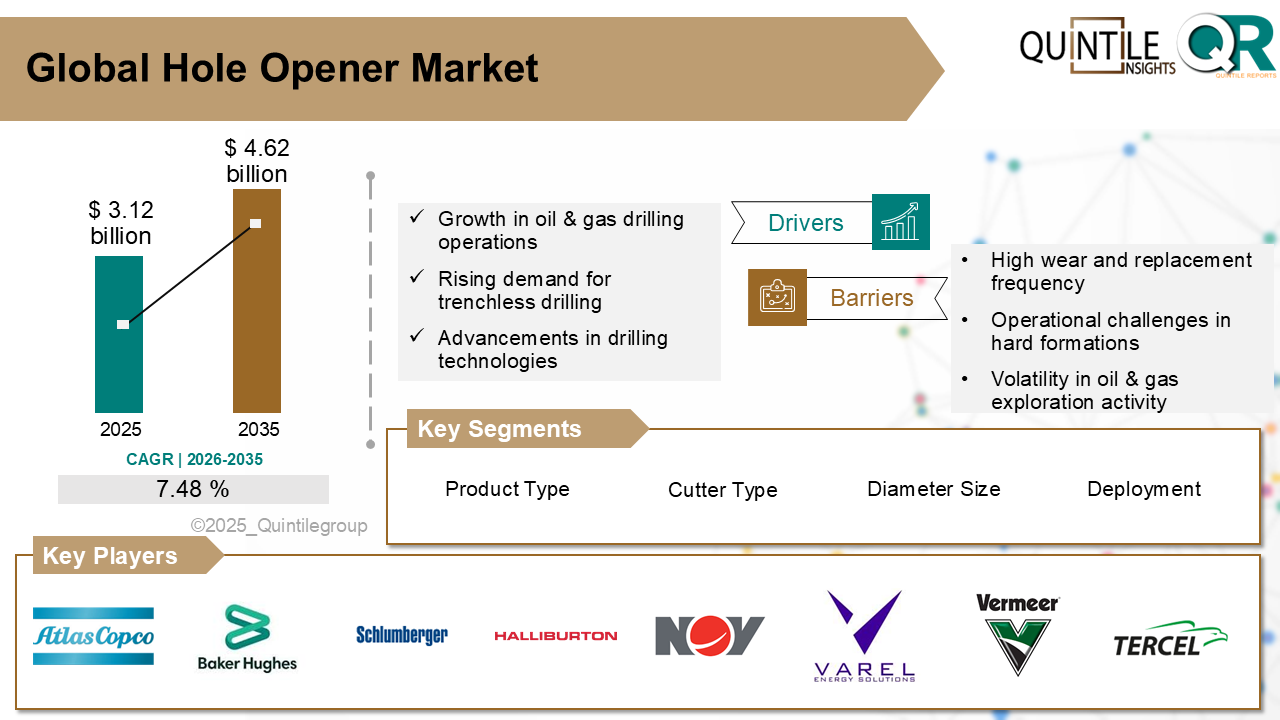
Hole openers are essential in managing borehole stability, reducing vibration, and ensuring smooth passage for casing or pipeline installation. As infrastructure, energy exploration, and trenchless drilling projects expand, the demand for high-performance, durable, and custom-engineered hole openers continues to grow globally.
A key driver is the growing demand for oil and gas exploration, particularly in offshore and unconventional reserves. Hole openers are critical for reaming large-diameter holes in deep, high-pressure drilling environments. According to the International Energy Agency (IEA), global oil demand is projected to reach 105.7 million barrels per day by 2028, up from 102.3 million in 2023, supported by expanding petrochemical and transport fuel needs.
Infrastructure expansion and utility projects, particularly trenchless pipe installations using horizontal directional drilling, are boosting demand. Hole openers are used to create smooth and stable boreholes for underground installation of water lines, power cables, and gas pipelines. In the United States, the Environmental Protection Agency (EPA) and local water agencies continue to fund replacement of aging infrastructure with trenchless methods, particularly for urban and environmentally sensitive zones.
The rise in geothermal and water well drilling in regions facing energy and water scarcity is also contributing to market growth. These projects often require robust hole openers to cut through mixed rock and soil layers efficiently.
Technological advancements in cutter design, bearing systems, and metallurgy have improved tool performance, allowing for longer operational life, faster penetration rates, and better adaptability to hard or abrasive formations.
Additionally, customization for specific geological conditions and increased adoption of directional drilling techniques are driving sales, particularly in regions with complex or variable ground formations.
Wear and tear in extreme environments can lead to premature tool failure if materials or designs are not well-matched to the geology. This can result in delays, increased costs, and the need for frequent tool replacement.
Another challenge is supply chain disruption, particularly in the availability of specialized raw materials or custom components. Dependence on skilled manufacturing and the need for quality control add complexity to production.
Skilled labor and operator training are essential for effective hole opener use. Improper handling or incompatible usage can lead to tool damage or borehole instability.
Environmental concerns and regulations around drilling practices, especially in protected or populated areas, can delay projects or limit market growth in certain regions.
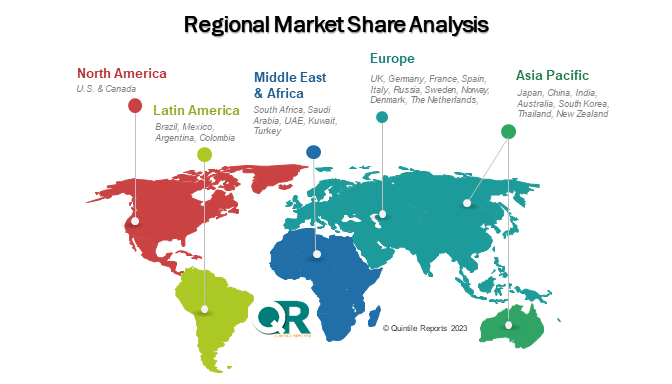
North America leads the market due to its strong oil and gas industry, particularly in the U.S. shale basins and Canadas energy sector. The region also sees growing use of hole openers in utility installations and geothermal drilling.
Europe shows steady growth, driven by underground cable laying, water infrastructure projects, and directional drilling in urban areas. Countries like Germany, the United Kingdom, and Norway support trenchless technology to reduce surface disruption and improve sustainability.
Asia Pacific is growing rapidly. China and India are investing in pipeline infrastructure, energy exploration, and smart city projects requiring HDD and water bore drilling. Australia supports mining and geothermal applications with durable drilling tools.
Latin America is expanding moderately, with Brazil, Argentina, and Colombia developing oil reserves and water infrastructure. However, economic constraints may limit adoption of high-cost tooling.
Middle East and Africa are key markets for deep oil drilling. Gulf countries like Saudi Arabia and the UAE use high-end hole openers in large-scale energy projects. African countries are using these tools in both mining and rural water access projects.
The United States remains the leading user of hole openers, driven by shale oil exploration, infrastructure modernization, and high demand for directional drilling. The countrys large-scale oil and gas projects, especially in shale basins like the Permian and Bakken, require strong and reliable drilling tools.
Across cities, hole openers are used in underground utility work, including fiber optic cable, power lines, and gas pipe installations. Horizontal directional drilling is preferred because it reduces surface damage and traffic disruption. U.S. manufacturers offer customized tools suited to different soil types across regions, and local contractors benefit from strong service support networks.
Germany is adopting trenchless technology in urban areas to avoid damaging roads during pipe and cable installations. Hole openers are important in these projects because they create smooth, large tunnels for new infrastructure while minimizing surface disruption.
German engineering companies design tools that meet strict quality standards. These hole openers are often used in municipal water and energy projects, and they are exported across Europe. The government also encourages sustainable construction practices, which include using directional drilling tools for long-term underground upgrades.
Japan uses hole openers in its many crowded urban areas where space is tight and surface disruption must be minimal. Directional drilling is commonly used in projects involving water pipes, electric lines, tunnels, and internet infrastructure beneath roads and buildings.
Japanese companies often design compact and low-vibration hole openers suitable for soft and mixed soils. These tools are chosen for projects in industrial zones, railway tunnels, and earthquake-sensitive regions. Japan also supports clean energy and smart city goals, where modern drilling tools are essential.
The hole opener market is served by a mix of global manufacturers, regional suppliers, and specialized engineering firms. Large companies typically focus on high-performance tools for oil and gas, mining, and geothermal drilling. They invest in new technologies for better durability, tool life, and cutting performance. These firms also offer integrated services like tool rental, reconditioning, and field support.
Mid-sized and regional players cater to HDD and construction sectors. Their strength lies in fast customizations and offering products designed for specific local ground conditions. These firms play a key role in infrastructure, telecom, and water-related utility work.
Innovation plays a major role in competition. Some manufacturers offer modular hole openers where cutters can be quickly replaced, reducing downtime. Others integrate RFID or smart tracking systems for tool monitoring. Advancements in bearing design, hardfacing, and alloy selection are helping reduce maintenance needs and extend tool longevity.
Companies that form partnerships with contractors, drilling service providers, or public infrastructure agencies tend to gain repeat business. Providing support services such as on-site consultation, training, and performance analytics gives firms an additional advantage, especially in high-risk or complex projects.
Key players in the market are Baker Hughes, Schlumberger Limited, NOV Inc., Halliburton, Drill Master, Varel International, Torquato Drilling Accessories, Numa (New England Urethane), Tercel Oilfield Products, Atlas Copco, Vermeer Corporation, Herrenknecht AG, Xian ZZ Top Oil Tools Co. Ltd., Rubicon Oilfield International, Matex Control Chemical AB, and other players.
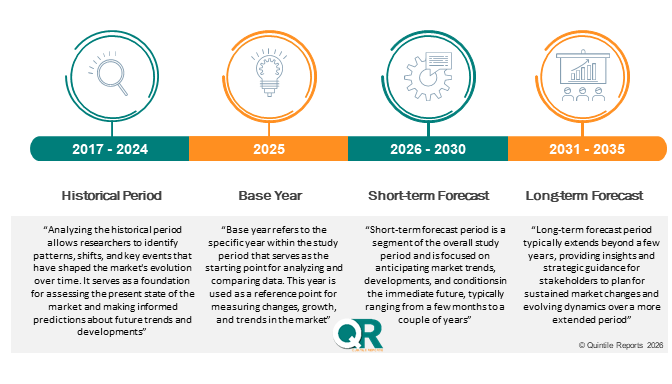
Our team of experienced researchers has meticulously gathered and analyzed data to deliver a thorough examination of market dynamics, competitive landscape, and emerging technologies. With a focus on delivering actionable intelligence, this report aims to empower decision-makers with the information needed to make informed choices and stay ahead of the competition. Whether you are a seasoned industry player or a new entrant, our market research report serves as a strategic tool to navigate the complexities of the market, aiding in successful business planning and growth strategies.
This chapter of our Hole Opener market report provides an in-depth examination of the factors shaping the industry landscape. This section typically encompasses several key elements to offer a comprehensive understanding of the industry landscape such as market drivers & restraints analysis, market opportunities & trend analysis, market size & growth analysis, competitive analysis, SWOT analysis, business environment tools such as Porter's five forces & PESTEL analysis, Ansoff Matrix analysis, penetration & growth prospect analysis, regulatory framework & reimbursement scenario analysis, impact of macro & micro economic factors analysis such as Covid-19 impact, GDP growth, market inflation, U.S.- China trade war, Russia-Ukraine war impact, and supply chain analysis.
The segment analysis chapter of Hole Opener market report is a critical section that delves into a detailed examination of the market's various segments. Segmentation involves dividing the market into distinct categories based on certain criteria to better understand and address the diverse needs of consumers. This chapter typically follows the introduction and provides a more granular view of the market, offering valuable insights for businesses and stakeholders. The components of the chapter lude segment definitions to understand the inclusions and exclusions of the study, assumptions, market size estimates and growth trend analysis of each segment, qualitative analysis of the segment, technological advancements, market penetration rate, market adoption rate, market share examination by each segment, segment growth drivers and restraint barriers, consumer behaviour and challenge analysis.
The chapter in Hole Opener market research report is a pivotal section that examines and predicts the market dynamics and trends specific to different geographical regions. This chapter is crucial for businesses and stakeholders seeking a comprehensive understanding of how the market behaves across various locations, enabling them to tailor strategies and make informed decisions based on regional variations. The regional analysis chapter of our Hole Opener market report is classified into regions & country-level. The chapter consists of North America (U.S., Canada), Europe (UK, Germany, France, Italy, Spain, Russia, Sweden, Denmark, Norway, Rest of Europe), Asia Pacific (Japan, China, India, Australia, South Korea, Thailand, Rest of Asia Pacific), Latin America (Brazil, Mexico, Argentina, Colombia, Rest of Latin America), Middle East & Africa (South Africa, Saudi Arabia, UAE, Kuwait, Rest of Middle East & Africa).
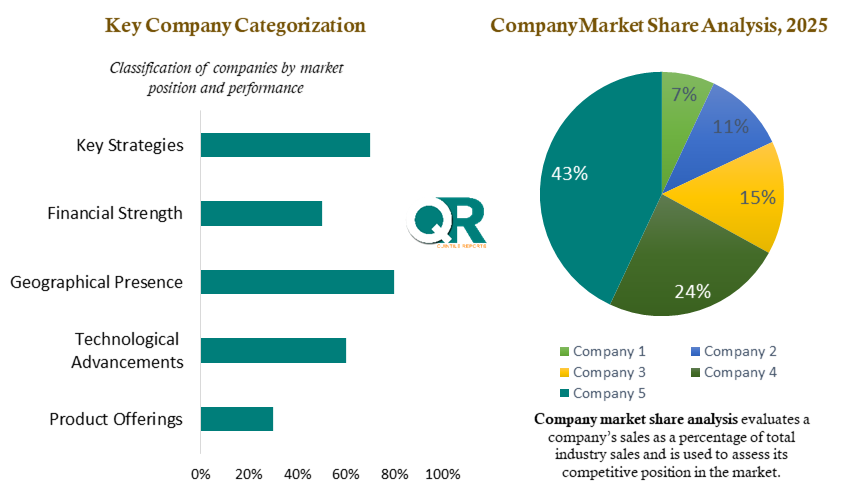
This section of a Hole Opener market report is a crucial segment that provides a comprehensive overview of the competitive landscape within the market. This section is vital for businesses, investors, and stakeholders seeking insights into key players, their market positioning, strengths, weaknesses, strategies, and potential impacts on the overall market dynamics. The chapter includes research methodology used to analyse the market competition, list of key players operating in the market, detailed company profile section which includes company overview, business verticals, financial performance, product/services benchmarking, geographical presence, and strategic initiatives.
| Report Scope | Details |
| Report Version | 2026 |
| Growth Rate | CAGR of 7.48 from 2026 to 2035 |
| Base Year | 2025 |
| Actual Estimates / Historical Data | 2017 - 2024 |
| Forecast Period | 2026 - 2035 |
| Quantitative Units | Revenue in USD million/billion & CAGR from 2026 to 2035 |
| Country Scope | North America (U.S., Canada), Europe (UK, Germany, France, Italy, Spain, Russia, Sweden, Denmark, Norway, Rest of Europe), Asia Pacific (Japan, China, India, Australia, South Korea, Thailand, Rest of Asia Pacific), Latin America (Brazil, Mexico, Argentina, Colombia, Rest of Latin America), Middle East & Africa (South Africa, Saudi Arabia, UAE, Kuwait, Rest of Middle East & Africa). |
| The Segment Covered by Cutter Type |
|
| The Segment Covered by Number of Cutters |
|
| Companies Covered |
|
| Report Coverage | Revenue forecast, company share, competitive landscape, growth factors, and trends |
| Free Customization Scope (Equivalent to 5 Analyst Working Days) | If you need specific information, which is not currently within the scope of the report, we will provide it to you as a part of the customization |

Statistics for the 2025 Hole Opener market share, size, and revenue growth rate were created by Quintile Report™. Hole Opener analysis includes a market forecast outlook for 2035 and a historical overview. Get a free PDF sample of this market analysis, please get in touch with our principal analyst at sales@quintilereports.com
List of Tables
Table 1 List of Abbreviation and acronyms
Table 2 List of Sources
Table 3 North America Global Hole Opener Market, by Segment Analysis, (USD Million) 2017-2035
Table 4 North America Global Hole Opener Market, by Region, (USD Million) 2017-2035
Table 5 U.S. Global Hole Opener Market, by Segment Analysis, (USD Million) 2017-2035
Table 6 Canada Global Hole Opener Market, by Segment Analysis, (USD Million) 2017-2035
Table 7 Europe Global Hole Opener Market, by Segment Analysis, (USD Million) 2017-2035
Table 8 Europe Global Hole Opener Market, by Region, (USD Million) 2017-2035
Table 9 Germany Global Hole Opener Market, by Segment Analysis, (USD Million) 2017-2035
Table 10 U.K. Global Hole Opener Market, by Segment Analysis, (USD Million) 2017-2035
Table 11 France Global Hole Opener Market, by Segment Analysis, (USD Million) 2017-2035
Table 12 Italy Global Hole Opener Market, by Segment Analysis, (USD Million) 2017-2035
Table 13 Spain Global Hole Opener Market, by Segment Analysis, (USD Million) 2017-2035
Table 14 Sweden Global Hole Opener Market, by Segment Analysis, (USD Million) 2017-2035
Table 15 Denmark Global Hole Opener Market, by Segment Analysis, (USD Million) 2017-2035
Table 16 Norway Global Hole Opener Market, by Segment Analysis, (USD Million) 2017-2035
Table 17 The Netherlands Global Hole Opener Market, by Segment Analysis, (USD Million) 2017-2035
Table 18 Russia Global Hole Opener Market, by Segment Analysis, (USD Million) 2017-2035
Table 19 Asia Pacific Global Hole Opener Market, by Segment Analysis, (USD Million) 2017-2035
Table 20 Asia Pacific Global Hole Opener Market, by Region, (USD Million) 2017-2035
Table 21 China Global Hole Opener Market, by Segment Analysis, (USD Million) 2017-2035
Table 22 Japan Global Hole Opener Market, by Segment Analysis, (USD Million) 2017-2035
Table 23 India Global Hole Opener Market, by Segment Analysis, (USD Million) 2017-2035
Table 24 Australia Global Hole Opener Market, by Segment Analysis, (USD Million) 2017-2035
Table 25 South Korea Global Hole Opener Market, by Segment Analysis, (USD Million) 2017-2035
Table 26 Thailand Global Hole Opener Market, by Segment Analysis, (USD Million) 2017-2035
Table 27 Latin America Global Hole Opener Market, by Segment Analysis, (USD Million) 2017-2035
Table 28 Latin America Global Hole Opener Market, by Region, (USD Million) 2017-2035
Table 29 Brazil Global Hole Opener Market, by Segment Analysis, (USD Million) 2017-2035
Table 30 Mexico Global Hole Opener Market, by Segment Analysis, (USD Million) 2017-2035
Table 31 Argentina Global Hole Opener Market, by Segment Analysis, (USD Million) 2017-2035
Table 32 Middle East and Africa Global Hole Opener Market, by Segment Analysis, (USD Million) 2017-2035
Table 33 Middle East and Africa Global Hole Opener Market, by Region, (USD Million) 2017-2035
Table 34 South Africa Global Hole Opener Market, by Segment Analysis, (USD Million) 2017-2035
Table 35 Saudi Arabia Global Hole Opener Market, by Segment Analysis, (USD Million) 2017-2035
Table 36 UAE Global Hole Opener Market, by Segment Analysis, (USD Million) 2017-2035
Table 37 Kuwait Global Hole Opener Market, by Segment Analysis, (USD Million) 2017-2035
Table 38 Turkey Global Hole Opener Market, by Segment Analysis, (USD Million) 2017-2035
Fig.1 Market research process
Fig.2 Market research approaches
Fig.3 Global Hole Opener Market: market scenario
Fig.4 Global Hole Opener Market competitive outlook
Fig.5 Global Hole Opener Market driver analysis
Fig.6 Global Hole Opener Market restraint analysis
Fig.7 Global Hole Opener Market opportunity analysis
Fig.8 Global Hole Opener Market trends analysis
Fig.9 Global Hole Opener Market: Segment Analysis (Based on the scope)
Fig.10 Global Hole Opener Market: regional analysis
Fig.11 Global market shares and leading market players
Fig.12 North America market share and leading players
Fig.13 Europe market share and leading players
Fig.14 Asia Pacific market share and leading players
Fig.15 Latin America market share and leading players
Fig.16 Middle East & Africa market share and leading players
Fig.17 North America, by country
Fig.18 North America
Fig.19 North America market estimates and forecast, 2017-2035
Fig.20 U.S.
Fig.21 Canada
Fig.22 Europe
Fig.23 Europe market estimates and forecast, 2017-2035
Fig.24 U.K.
Fig.25 Germany
Fig.26 France
Fig.27 Italy
Fig.28 Spain
Fig.29 Sweden
Fig.30 Denmark
Fig.31 Norway
Fig.32 The Netherlands
Fig.33 Russia
Fig.34 Asia Pacific
Fig.35 Asia Pacific market estimates and forecast, 2017-2035
Fig.36 China
Fig.37 Japan
Fig.38 India
Fig.39 Australia
Fig.40 South Korea
Fig.41 Thailand
Fig.42 Latin America
Fig.43 Latin America market estimates and forecast, 2017-2035
Fig.44 Brazil
Fig.45 Mexico
Fig.46 Argentina
Fig.47 Colombia
Fig.48 Middle East and Africa
Fig.49 Middle East and Africa market estimates and forecast, 2017-2035
Fig.50 Saudi Arabia
Fig.51 South Africa
Fig.52 UAE
Fig.53 Kuwait
Fig.54 Turkey
The Global Hole Opener Market was valued at USD 3.12 billion in 2025 and is projected to reach USD 4.62 billion by 2035, advancing at a notable CAGR of 7.48% throughout the forecast period from 2026 to 2035. The Hole Opener market report provides an in-depth analysis of the industry by examining macroeconomic indicators, technological progress, regulatory environments, and evolving consumer trends to highlight the markets long-term growth outlook.
The hole opener market refers to the manufacturing and supply of drilling tools designed to enlarge boreholes in various subsurface conditions. Hole openers are commonly used in oil and gas drilling, water well drilling, horizontal directional drilling (HDD), geothermal projects, and mining operations. These tools consist of roller cones, cutters, and stabilizers that help ream the borehole to a larger diameter after pilot drilling.
Taking 2025 as the base year, the Hole Opener market is demonstrating steady growth fueled by increased innovation, expanding application areas across end-use sectors, and rapid digital transformation. Market participants are increasingly optimizing their go-to-market (GTM) strategies to strengthen market penetration and capitalize on emerging business opportunities.
Over the coming decade, the market is expected to maintain strong expansion supported by continuous R&D investments, collaborative partnerships, and a rising number of mergers and acquisitions. Businesses that focus on innovation, operational agility, and customer-focused strategies are expected to build a sustainable competitive advantage. The report delivers comprehensive insights into market drivers, restraints, opportunities, and challenges across segments, regions, and countries, backed by detailed qualitative and quantitative analysis from 2017 to 2035.
Hole openers are essential in managing borehole stability, reducing vibration, and ensuring smooth passage for casing or pipeline installation. As infrastructure, energy exploration, and trenchless drilling projects expand, the demand for high-performance, durable, and custom-engineered hole openers continues to grow globally.
A key driver is the growing demand for oil and gas exploration, particularly in offshore and unconventional reserves. Hole openers are critical for reaming large-diameter holes in deep, high-pressure drilling environments. According to the International Energy Agency (IEA), global oil demand is projected to reach 105.7 million barrels per day by 2028, up from 102.3 million in 2023, supported by expanding petrochemical and transport fuel needs.
Infrastructure expansion and utility projects, particularly trenchless pipe installations using horizontal directional drilling, are boosting demand. Hole openers are used to create smooth and stable boreholes for underground installation of water lines, power cables, and gas pipelines. In the United States, the Environmental Protection Agency (EPA) and local water agencies continue to fund replacement of aging infrastructure with trenchless methods, particularly for urban and environmentally sensitive zones.
The rise in geothermal and water well drilling in regions facing energy and water scarcity is also contributing to market growth. These projects often require robust hole openers to cut through mixed rock and soil layers efficiently.
Technological advancements in cutter design, bearing systems, and metallurgy have improved tool performance, allowing for longer operational life, faster penetration rates, and better adaptability to hard or abrasive formations.
Additionally, customization for specific geological conditions and increased adoption of directional drilling techniques are driving sales, particularly in regions with complex or variable ground formations.
Wear and tear in extreme environments can lead to premature tool failure if materials or designs are not well-matched to the geology. This can result in delays, increased costs, and the need for frequent tool replacement.
Another challenge is supply chain disruption, particularly in the availability of specialized raw materials or custom components. Dependence on skilled manufacturing and the need for quality control add complexity to production.
Skilled labor and operator training are essential for effective hole opener use. Improper handling or incompatible usage can lead to tool damage or borehole instability.
Environmental concerns and regulations around drilling practices, especially in protected or populated areas, can delay projects or limit market growth in certain regions.
North America leads the market due to its strong oil and gas industry, particularly in the U.S. shale basins and Canadas energy sector. The region also sees growing use of hole openers in utility installations and geothermal drilling.
Europe shows steady growth, driven by underground cable laying, water infrastructure projects, and directional drilling in urban areas. Countries like Germany, the United Kingdom, and Norway support trenchless technology to reduce surface disruption and improve sustainability.
Asia Pacific is growing rapidly. China and India are investing in pipeline infrastructure, energy exploration, and smart city projects requiring HDD and water bore drilling. Australia supports mining and geothermal applications with durable drilling tools.
Latin America is expanding moderately, with Brazil, Argentina, and Colombia developing oil reserves and water infrastructure. However, economic constraints may limit adoption of high-cost tooling.
Middle East and Africa are key markets for deep oil drilling. Gulf countries like Saudi Arabia and the UAE use high-end hole openers in large-scale energy projects. African countries are using these tools in both mining and rural water access projects.
The United States remains the leading user of hole openers, driven by shale oil exploration, infrastructure modernization, and high demand for directional drilling. The countrys large-scale oil and gas projects, especially in shale basins like the Permian and Bakken, require strong and reliable drilling tools.
Across cities, hole openers are used in underground utility work, including fiber optic cable, power lines, and gas pipe installations. Horizontal directional drilling is preferred because it reduces surface damage and traffic disruption. U.S. manufacturers offer customized tools suited to different soil types across regions, and local contractors benefit from strong service support networks.
Germany is adopting trenchless technology in urban areas to avoid damaging roads during pipe and cable installations. Hole openers are important in these projects because they create smooth, large tunnels for new infrastructure while minimizing surface disruption.
German engineering companies design tools that meet strict quality standards. These hole openers are often used in municipal water and energy projects, and they are exported across Europe. The government also encourages sustainable construction practices, which include using directional drilling tools for long-term underground upgrades.
Japan uses hole openers in its many crowded urban areas where space is tight and surface disruption must be minimal. Directional drilling is commonly used in projects involving water pipes, electric lines, tunnels, and internet infrastructure beneath roads and buildings.
Japanese companies often design compact and low-vibration hole openers suitable for soft and mixed soils. These tools are chosen for projects in industrial zones, railway tunnels, and earthquake-sensitive regions. Japan also supports clean energy and smart city goals, where modern drilling tools are essential.
The hole opener market is served by a mix of global manufacturers, regional suppliers, and specialized engineering firms. Large companies typically focus on high-performance tools for oil and gas, mining, and geothermal drilling. They invest in new technologies for better durability, tool life, and cutting performance. These firms also offer integrated services like tool rental, reconditioning, and field support.
Mid-sized and regional players cater to HDD and construction sectors. Their strength lies in fast customizations and offering products designed for specific local ground conditions. These firms play a key role in infrastructure, telecom, and water-related utility work.
Innovation plays a major role in competition. Some manufacturers offer modular hole openers where cutters can be quickly replaced, reducing downtime. Others integrate RFID or smart tracking systems for tool monitoring. Advancements in bearing design, hardfacing, and alloy selection are helping reduce maintenance needs and extend tool longevity.
Companies that form partnerships with contractors, drilling service providers, or public infrastructure agencies tend to gain repeat business. Providing support services such as on-site consultation, training, and performance analytics gives firms an additional advantage, especially in high-risk or complex projects.
Key players in the market are Baker Hughes, Schlumberger Limited, NOV Inc., Halliburton, Drill Master, Varel International, Torquato Drilling Accessories, Numa (New England Urethane), Tercel Oilfield Products, Atlas Copco, Vermeer Corporation, Herrenknecht AG, Xian ZZ Top Oil Tools Co. Ltd., Rubicon Oilfield International, Matex Control Chemical AB, and other players.
Our team of experienced researchers has meticulously gathered and analyzed data to deliver a thorough examination of market dynamics, competitive landscape, and emerging technologies. With a focus on delivering actionable intelligence, this report aims to empower decision-makers with the information needed to make informed choices and stay ahead of the competition. Whether you are a seasoned industry player or a new entrant, our market research report serves as a strategic tool to navigate the complexities of the market, aiding in successful business planning and growth strategies.
This chapter of our Hole Opener market report provides an in-depth examination of the factors shaping the industry landscape. This section typically encompasses several key elements to offer a comprehensive understanding of the industry landscape such as market drivers & restraints analysis, market opportunities & trend analysis, market size & growth analysis, competitive analysis, SWOT analysis, business environment tools such as Porter's five forces & PESTEL analysis, Ansoff Matrix analysis, penetration & growth prospect analysis, regulatory framework & reimbursement scenario analysis, impact of macro & micro economic factors analysis such as Covid-19 impact, GDP growth, market inflation, U.S.- China trade war, Russia-Ukraine war impact, and supply chain analysis.
The segment analysis chapter of Hole Opener market report is a critical section that delves into a detailed examination of the market's various segments. Segmentation involves dividing the market into distinct categories based on certain criteria to better understand and address the diverse needs of consumers. This chapter typically follows the introduction and provides a more granular view of the market, offering valuable insights for businesses and stakeholders. The components of the chapter lude segment definitions to understand the inclusions and exclusions of the study, assumptions, market size estimates and growth trend analysis of each segment, qualitative analysis of the segment, technological advancements, market penetration rate, market adoption rate, market share examination by each segment, segment growth drivers and restraint barriers, consumer behaviour and challenge analysis.
The chapter in Hole Opener market research report is a pivotal section that examines and predicts the market dynamics and trends specific to different geographical regions. This chapter is crucial for businesses and stakeholders seeking a comprehensive understanding of how the market behaves across various locations, enabling them to tailor strategies and make informed decisions based on regional variations. The regional analysis chapter of our Hole Opener market report is classified into regions & country-level. The chapter consists of North America (U.S., Canada), Europe (UK, Germany, France, Italy, Spain, Russia, Sweden, Denmark, Norway, Rest of Europe), Asia Pacific (Japan, China, India, Australia, South Korea, Thailand, Rest of Asia Pacific), Latin America (Brazil, Mexico, Argentina, Colombia, Rest of Latin America), Middle East & Africa (South Africa, Saudi Arabia, UAE, Kuwait, Rest of Middle East & Africa).
This section of a Hole Opener market report is a crucial segment that provides a comprehensive overview of the competitive landscape within the market. This section is vital for businesses, investors, and stakeholders seeking insights into key players, their market positioning, strengths, weaknesses, strategies, and potential impacts on the overall market dynamics. The chapter includes research methodology used to analyse the market competition, list of key players operating in the market, detailed company profile section which includes company overview, business verticals, financial performance, product/services benchmarking, geographical presence, and strategic initiatives.
| Report Scope | Details |
| Report Version | 2026 |
| Growth Rate | CAGR of 7.48 from 2026 to 2035 |
| Base Year | 2025 |
| Actual Estimates / Historical Data | 2017 - 2024 |
| Forecast Period | 2026 - 2035 |
| Quantitative Units | Revenue in USD million/billion & CAGR from 2026 to 2035 |
| Country Scope | North America (U.S., Canada), Europe (UK, Germany, France, Italy, Spain, Russia, Sweden, Denmark, Norway, Rest of Europe), Asia Pacific (Japan, China, India, Australia, South Korea, Thailand, Rest of Asia Pacific), Latin America (Brazil, Mexico, Argentina, Colombia, Rest of Latin America), Middle East & Africa (South Africa, Saudi Arabia, UAE, Kuwait, Rest of Middle East & Africa). |
| The Segment Covered by Cutter Type |
|
| The Segment Covered by Number of Cutters |
|
| Companies Covered |
|
| Report Coverage | Revenue forecast, company share, competitive landscape, growth factors, and trends |
| Free Customization Scope (Equivalent to 5 Analyst Working Days) | If you need specific information, which is not currently within the scope of the report, we will provide it to you as a part of the customization |
Statistics for the 2025 Hole Opener market share, size, and revenue growth rate were created by Quintile Report™. Hole Opener analysis includes a market forecast outlook for 2035 and a historical overview. Get a free PDF sample of this market analysis, please get in touch with our principal analyst at sales@quintilereports.com
Table 1 List of Abbreviation and acronyms
Table 2 List of Sources
Table 3 North America Global Hole Opener Market, by Segment Analysis, (USD Million) 2017-2035
Table 4 North America Global Hole Opener Market, by Region, (USD Million) 2017-2035
Table 5 U.S. Global Hole Opener Market, by Segment Analysis, (USD Million) 2017-2035
Table 6 Canada Global Hole Opener Market, by Segment Analysis, (USD Million) 2017-2035
Table 7 Europe Global Hole Opener Market, by Segment Analysis, (USD Million) 2017-2035
Table 8 Europe Global Hole Opener Market, by Region, (USD Million) 2017-2035
Table 9 Germany Global Hole Opener Market, by Segment Analysis, (USD Million) 2017-2035
Table 10 U.K. Global Hole Opener Market, by Segment Analysis, (USD Million) 2017-2035
Table 11 France Global Hole Opener Market, by Segment Analysis, (USD Million) 2017-2035
Table 12 Italy Global Hole Opener Market, by Segment Analysis, (USD Million) 2017-2035
Table 13 Spain Global Hole Opener Market, by Segment Analysis, (USD Million) 2017-2035
Table 14 Sweden Global Hole Opener Market, by Segment Analysis, (USD Million) 2017-2035
Table 15 Denmark Global Hole Opener Market, by Segment Analysis, (USD Million) 2017-2035
Table 16 Norway Global Hole Opener Market, by Segment Analysis, (USD Million) 2017-2035
Table 17 The Netherlands Global Hole Opener Market, by Segment Analysis, (USD Million) 2017-2035
Table 18 Russia Global Hole Opener Market, by Segment Analysis, (USD Million) 2017-2035
Table 19 Asia Pacific Global Hole Opener Market, by Segment Analysis, (USD Million) 2017-2035
Table 20 Asia Pacific Global Hole Opener Market, by Region, (USD Million) 2017-2035
Table 21 China Global Hole Opener Market, by Segment Analysis, (USD Million) 2017-2035
Table 22 Japan Global Hole Opener Market, by Segment Analysis, (USD Million) 2017-2035
Table 23 India Global Hole Opener Market, by Segment Analysis, (USD Million) 2017-2035
Table 24 Australia Global Hole Opener Market, by Segment Analysis, (USD Million) 2017-2035
Table 25 South Korea Global Hole Opener Market, by Segment Analysis, (USD Million) 2017-2035
Table 26 Thailand Global Hole Opener Market, by Segment Analysis, (USD Million) 2017-2035
Table 27 Latin America Global Hole Opener Market, by Segment Analysis, (USD Million) 2017-2035
Table 28 Latin America Global Hole Opener Market, by Region, (USD Million) 2017-2035
Table 29 Brazil Global Hole Opener Market, by Segment Analysis, (USD Million) 2017-2035
Table 30 Mexico Global Hole Opener Market, by Segment Analysis, (USD Million) 2017-2035
Table 31 Argentina Global Hole Opener Market, by Segment Analysis, (USD Million) 2017-2035
Table 32 Middle East and Africa Global Hole Opener Market, by Segment Analysis, (USD Million) 2017-2035
Table 33 Middle East and Africa Global Hole Opener Market, by Region, (USD Million) 2017-2035
Table 34 South Africa Global Hole Opener Market, by Segment Analysis, (USD Million) 2017-2035
Table 35 Saudi Arabia Global Hole Opener Market, by Segment Analysis, (USD Million) 2017-2035
Table 36 UAE Global Hole Opener Market, by Segment Analysis, (USD Million) 2017-2035
Table 37 Kuwait Global Hole Opener Market, by Segment Analysis, (USD Million) 2017-2035
Table 38 Turkey Global Hole Opener Market, by Segment Analysis, (USD Million) 2017-2035
Fig.1 Market research process
Fig.2 Market research approaches
Fig.3 Global Hole Opener Market: market scenario
Fig.4 Global Hole Opener Market competitive outlook
Fig.5 Global Hole Opener Market driver analysis
Fig.6 Global Hole Opener Market restraint analysis
Fig.7 Global Hole Opener Market opportunity analysis
Fig.8 Global Hole Opener Market trends analysis
Fig.9 Global Hole Opener Market: Segment Analysis (Based on the scope)
Fig.10 Global Hole Opener Market: regional analysis
Fig.11 Global market shares and leading market players
Fig.12 North America market share and leading players
Fig.13 Europe market share and leading players
Fig.14 Asia Pacific market share and leading players
Fig.15 Latin America market share and leading players
Fig.16 Middle East & Africa market share and leading players
Fig.17 North America, by country
Fig.18 North America
Fig.19 North America market estimates and forecast, 2017-2035
Fig.20 U.S.
Fig.21 Canada
Fig.22 Europe
Fig.23 Europe market estimates and forecast, 2017-2035
Fig.24 U.K.
Fig.25 Germany
Fig.26 France
Fig.27 Italy
Fig.28 Spain
Fig.29 Sweden
Fig.30 Denmark
Fig.31 Norway
Fig.32 The Netherlands
Fig.33 Russia
Fig.34 Asia Pacific
Fig.35 Asia Pacific market estimates and forecast, 2017-2035
Fig.36 China
Fig.37 Japan
Fig.38 India
Fig.39 Australia
Fig.40 South Korea
Fig.41 Thailand
Fig.42 Latin America
Fig.43 Latin America market estimates and forecast, 2017-2035
Fig.44 Brazil
Fig.45 Mexico
Fig.46 Argentina
Fig.47 Colombia
Fig.48 Middle East and Africa
Fig.49 Middle East and Africa market estimates and forecast, 2017-2035
Fig.50 Saudi Arabia
Fig.51 South Africa
Fig.52 UAE
Fig.53 Kuwait
Fig.54 Turkey

A license granted to one user. Rules or conditions might be applied for e.g. the use of electric files (PDFs) or printings, depending on product.
A license granted to multiple users.
A license granted to a single business site/establishment.
A license granted to all employees within organisation access to the product.
Immediate / Within 24-48 hours - Working days
Online Payments with PayPal and CCavenue
You can order a report by picking any of the payment methods which is bank wire or online payment through any Debit/Credit card or PayPal.
Hard Copy
Report Overview: The Global Magnetic Induction Heating Device Market was valued at USD 589.3 million
Read MoreReport Overview: The Global Large Scale Bearing Market was valued at USD 21.74 billion in 2025 and i
Read MoreReport Overview: The Global Industrial Ventilation Fan Market was valued at USD 1372.32 million in 2
Read More U.S. : +1-201-772-7734