The Global Dioxin Analyzer Market was valued at USD 317.19 million in 2025 and is projected to reach USD 446.66 million by 2035, registering a strong CAGR of 4.39% during the forecast period from 2026 to 2035. The Dioxin Analyzer market report offers a detailed evaluation of the industry by examining macroeconomic trends, technological developments, regulatory landscapes, and changing consumer dynamics to outline the markets future growth prospects.
The dioxin analyzer market comprises providers of analytical instruments designed to detect and quantify dioxins, furans, and dioxin-like polychlorinated biphenyls (dl-PCBs) in environmental samples, food products, and industrial emissions. These analyzers utilize advanced technologies such as gas chromatographymass spectrometry (GCMS/MS), high-resolution mass spectrometry (GCHRMS), liquid chromatographyMS/MS (LCMS/MS), and immunoassay-based detection methods to achieve highly accurate and regulatory-compliant measurement of persistent organic pollutants.
Using 2025 as the base year, the Dioxin Analyzer market continues to expand steadily due to ongoing innovation, growing adoption across multiple end-use sectors, and rapid advancements in technology. Industry participants are actively refining their go-to-market (GTM) strategies to leverage new growth avenues and strengthen their competitive positioning in a rapidly evolving marketplace.
Looking toward 2035, the market is expected to sustain significant growth momentum, driven by continuous investments in research and development, strategic alliances, and increased merger and acquisition activity. Companies that emphasize innovation, implement agile GTM strategies, and remain aligned with shifting customer expectations are well positioned to achieve sustainable long-term growth. The report delivers comprehensive insights into key drivers, restraints, opportunities, and challenges across segments, regions, and countries, supported by qualitative and quantitative analysis covering 2017 to 2035.
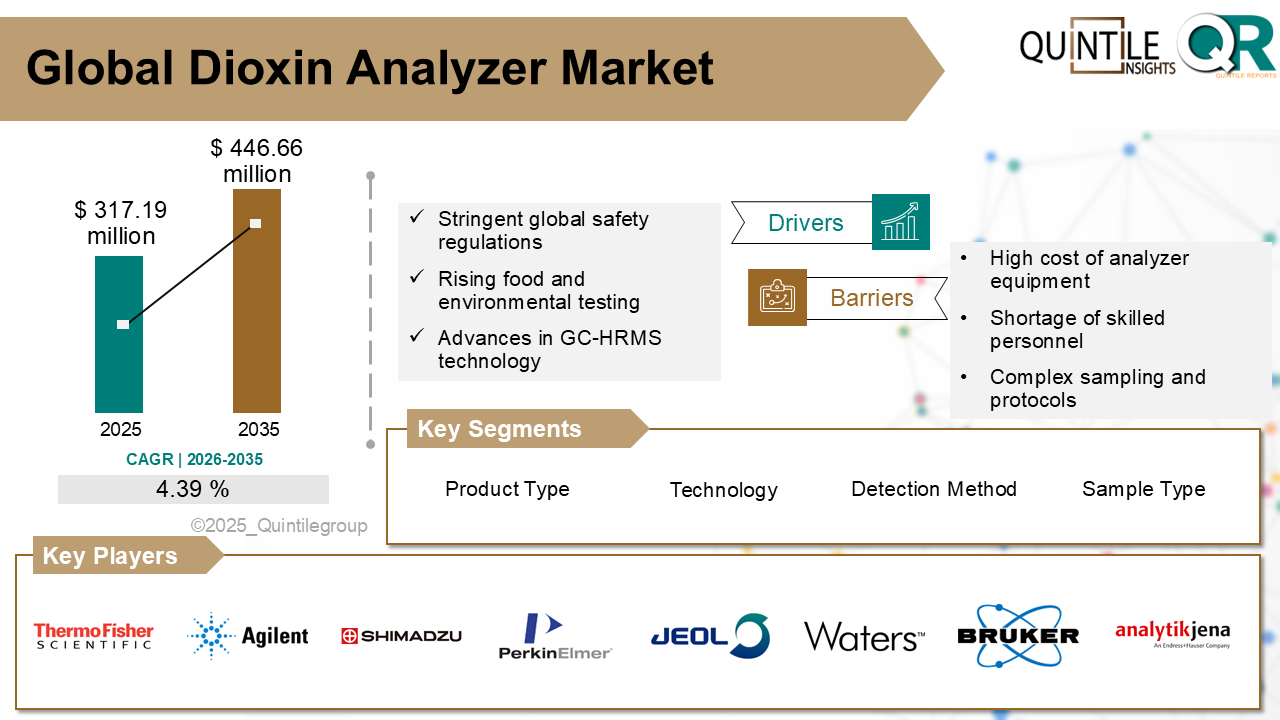
Products in this market include benchtop, portable, and online analyzer systems, along with consumables, calibration tools, software platforms, and maintenance services. These systems are widely used by food safety laboratories, environmental monitoring agencies, industrial compliance departments, and government regulatory bodies. Demand for dioxin analyzers continues to grow due to strict environmental regulations, expanding global food trade, and rising awareness of the long-term health and ecological impacts associated with dioxin contamination.
The enforcement of stringent environmental and food safety regulations represents the primary driver of the dioxin analyzer market. Global standards such as those established by EFSA, the U.S. Environmental Protection Agency (EPA) Method 1613B, and the EU Industrial Emissions Directive require regular monitoring of dioxins in air, water, soil, food, and industrial waste streams. These requirements compel laboratories and regulatory agencies to adopt advanced analytical instruments capable of detecting ultra-trace levels of contaminants.
The increasing consumption of processed food and the expansion of international food trade are further accelerating demand. Global supply chains for dairy products, seafood, meat, edible oils, and animal feed require rigorous contamination screening to meet export certification standards. As a result, food testing laboratories are investing in advanced dioxin analyzers to ensure product safety and regulatory compliance.
Industrial expansion in sectors such as waste incineration, paper bleaching, pesticide manufacturing, and chemical production also contributes to market growth. These industries are known to generate dioxins during various production processes, creating the need for continuous environmental monitoring and emission control.
Technological innovation is also shaping the market. Advances in automated GC-MS/MS systems, high-resolution mass spectrometry, AI-assisted analytics, and portable analyzer platforms are improving detection sensitivity and operational efficiency. Real-time data logging, remote diagnostics, and modular system designs further enhance accessibility for laboratories and regulatory agencies.
Third-party accredited laboratories play a crucial role in market expansion. ISO/IEC 17025-certified labs offer outsourced testing services that allow industries to comply with regulatory standards without investing heavily in expensive analytical infrastructure.
The high cost of advanced dioxin analyzer systems remains a significant barrier to market growth. High-resolution GC-HRMS and GC-MS/MS systems can cost more than USD 1 million, and laboratories must also invest in specialized reagents, calibration materials, and maintenance services. These expenses limit adoption among smaller laboratories and institutions in developing regions.
A shortage of skilled personnel also restricts wider deployment. Operating advanced dioxin testing equipment requires specialized training in sample preparation, analytical protocols, and data interpretation. The complexity of detecting femtogram-level contaminants means that only a limited number of laboratories worldwide possess the technical capabilities to perform high-precision analyses.
Regulatory fragmentation across regions presents additional challenges. Different countries maintain distinct testing standards and compliance thresholds, requiring laboratories to implement multiple testing protocols. This increases operational complexity and extends the time required for analytical method validation.
Supply chain disruptions and trade restrictions can also affect equipment availability and operational costs. Tariffs on imported analytical instruments and reagents, along with global logistics challenges, have increased procurement costs and forced many laboratories to extend the operational lifespan of existing equipment.
North America represents one of the leading markets for dioxin analyzers due to strict environmental and food safety regulations. Agencies such as the U.S. Environmental Protection Agency enforce detailed testing requirements for air emissions, industrial waste streams, and food products. Laboratories across the region increasingly adopt high-resolution analytical technologies such as GC-MS/MS and GC-HRMS systems to meet regulatory compliance standards.
Europe maintains a significant share of the market, supported by strict regulatory frameworks such as the Industrial Emissions Directive and the European Unions strict limits on dioxin contamination in food and feed products. Countries including Germany, the Netherlands, and France continue to expand government-funded testing laboratories equipped with high-resolution mass spectrometry systems.
Asia-Pacific is the fastest-growing regional market. Countries such as China, Japan, and South Korea are strengthening environmental monitoring regulations and expanding food safety programs. Industrial emissions monitoring and contamination control measures are driving increased adoption of advanced analytical instruments across laboratories and regulatory agencies.
Latin America is emerging as a growing market as governments strengthen environmental regulations and export certification standards for agricultural products. Countries such as Brazil and Argentina are establishing centralized testing facilities to support industries that export food products and raw materials.
The Middle East and Africa region is gradually adopting dioxin testing technologies as environmental regulations and industrial monitoring programs expand. Governments in Gulf countries are investing in monitoring equipment for waste-to-energy plants and industrial emissions, while international development initiatives are supporting environmental testing capabilities across parts of Africa.
The United States continues to strengthen environmental monitoring regulations under legislation such as the Toxic Substances Control Act (TSCA). Updated compliance requirements mandate detailed dioxin monitoring for chemical manufacturing facilities that discharge into water systems serving large populations. These regulations are increasing demand for advanced analytical equipment across environmental laboratories.
Federal monitoring programs, including the National Dioxin Air Monitoring Network, require ultra-trace detection of dioxins in air, soil, and water samples. Laboratories are therefore investing in high-precision GC-HRMS and GC-MS/MS technologies capable of detecting extremely low contaminant concentrations.
Germanys environmental regulations, including provisions under the Federal Immission Control Act, require strict monitoring of dioxin emissions from combustion and waste incineration facilities. These rules set extremely low permissible emission limits and require continuous monitoring by certified laboratories.
Government investments in environmental surveillance infrastructure have enabled laboratories to adopt high-resolution analytical systems and automated monitoring platforms. These efforts align with Germanys broader sustainability and circular economy initiatives.
Japans Act on Special Measures against Dioxins requires industries to regularly monitor and report dioxin emissions from industrial processes, waste treatment facilities, and environmental sources. Companies must submit testing results to local authorities, ensuring strict compliance with national pollution control standards.
The country has maintained comprehensive monitoring programs since the early 2000s, which significantly reduced dioxin emissions nationwide. Continued surveillance programs ensure ongoing demand for both laboratory-grade and portable analyzer systems used in environmental and industrial monitoring.
The dioxin analyzer market is highly competitive and driven by technological innovation. Major manufacturers focus on improving analytical accuracy, automation, and system efficiency through advancements in high-resolution mass spectrometry and AI-assisted data analysis.
Leading companies are investing heavily in research and development to introduce advanced GC-MS/MS and GC-HRMS platforms capable of detecting ultra-trace levels of contaminants while simplifying laboratory workflows. Integration of remote diagnostics, automated calibration systems, and real-time data monitoring is becoming increasingly common.
Price competition remains important, particularly in emerging markets where mid-tier GC-MS/MS systems offer a balance between performance and affordability. Portable and compact analyzer systems are also gaining traction as governments and private laboratories seek flexible testing solutions.
Manufacturers increasingly compete through comprehensive service ecosystems that include instrument installation, calibration services, software analytics platforms, and long-term maintenance programs. Partnerships with accredited testing laboratories further enhance market reach and adoption.
Key players in the market include Thermo Fisher Scientific, Agilent Technologies, Shimadzu Corporation, PerkinElmer Inc., JEOL Ltd., Waters Corporation, Bruker Corporation, Sciex (Danaher Corporation), Analytik Jena AG, LECO Corporation, Hitachi High-Tech Corporation, Eurofins Scientific, SGS SA, and Intertek Group plc.
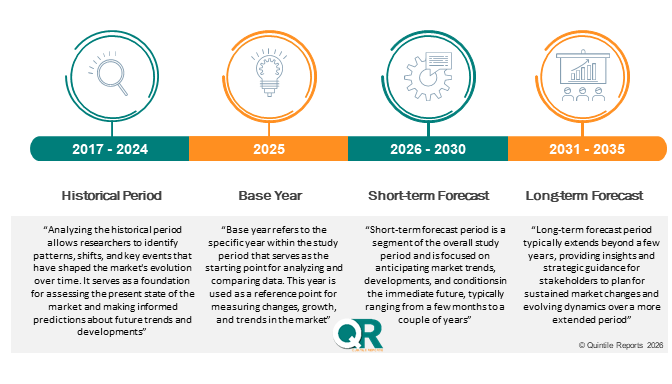
Our team of experienced researchers has meticulously gathered and analyzed data to deliver a thorough examination of market dynamics, competitive landscape, and emerging technologies. With a focus on delivering actionable intelligence, this report aims to empower decision-makers with the information needed to make informed choices and stay ahead of the competition. Whether you are a seasoned industry player or a new entrant, our market research report serves as a strategic tool to navigate the complexities of the market, aiding in successful business planning and growth strategies.
This chapter of our Dioxin Analyzer market report provides an in-depth examination of the factors shaping the industry landscape. This section typically encompasses several key elements to offer a comprehensive understanding of the industry landscape such as market drivers & restraints analysis, market opportunities & trend analysis, market size & growth analysis, competitive analysis, SWOT analysis, business environment tools such as Porter's five forces & PESTEL analysis, Ansoff Matrix analysis, penetration & growth prospect analysis, regulatory framework & reimbursement scenario analysis, impact of macro & micro economic factors analysis such as Covid-19 impact, GDP growth, market inflation, U.S.- China trade war, Russia-Ukraine war impact, and supply chain analysis.
The segment analysis chapter of Dioxin Analyzer market report is a critical section that delves into a detailed examination of the market's various segments. Segmentation involves dividing the market into distinct categories based on certain criteria to better understand and address the diverse needs of consumers. This chapter typically follows the introduction and provides a more granular view of the market, offering valuable insights for businesses and stakeholders. The components of the chapter lude segment definitions to understand the inclusions and exclusions of the study, assumptions, market size estimates and growth trend analysis of each segment, qualitative analysis of the segment, technological advancements, market penetration rate, market adoption rate, market share examination by each segment, segment growth drivers and restraint barriers, consumer behaviour and challenge analysis.
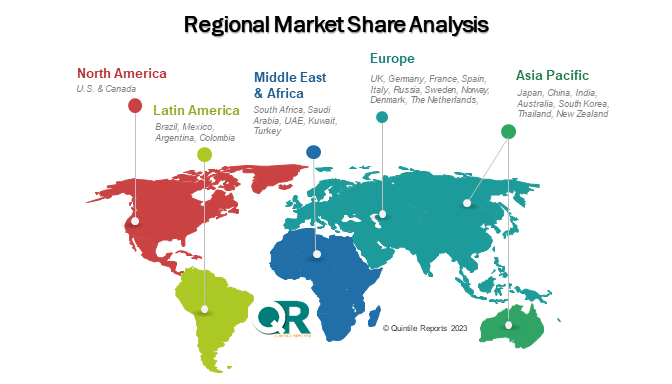
The chapter in Dioxin Analyzer market research report is a pivotal section that examines and predicts the market dynamics and trends specific to different geographical regions. This chapter is crucial for businesses and stakeholders seeking a comprehensive understanding of how the market behaves across various locations, enabling them to tailor strategies and make informed decisions based on regional variations. The regional analysis chapter of our Dioxin Analyzer market report is classified into regions & country-level. The chapter consists of North America (U.S., Canada), Europe (UK, Germany, France, Italy, Spain, Russia, Sweden, Denmark, Norway, Rest of Europe), Asia Pacific (Japan, China, India, Australia, South Korea, Thailand, Rest of Asia Pacific), Latin America (Brazil, Mexico, Argentina, Colombia, Rest of Latin America), Middle East & Africa (South Africa, Saudi Arabia, UAE, Kuwait, Rest of Middle East & Africa).
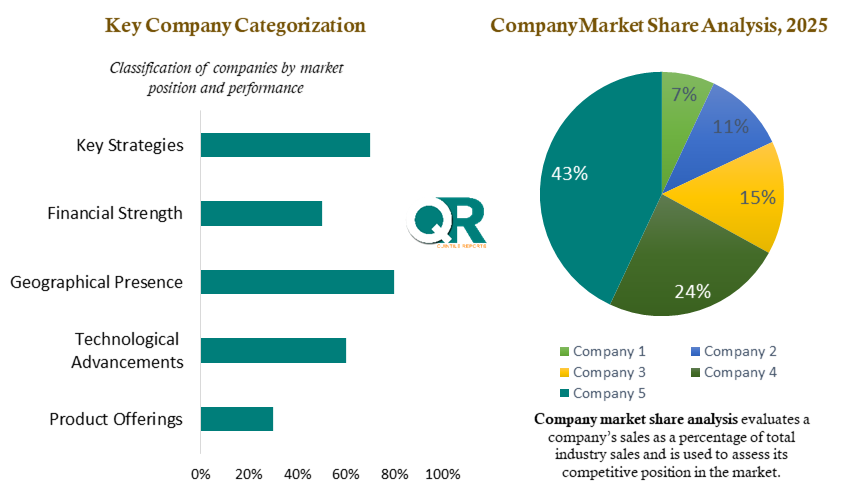
This section of a Dioxin Analyzer market report is a crucial segment that provides a comprehensive overview of the competitive landscape within the market. This section is vital for businesses, investors, and stakeholders seeking insights into key players, their market positioning, strengths, weaknesses, strategies, and potential impacts on the overall market dynamics. The chapter includes research methodology used to analyse the market competition, list of key players operating in the market, detailed company profile section which includes company overview, business verticals, financial performance, product/services benchmarking, geographical presence, and strategic initiatives.
| Report Scope | Details |
| Report Version | 2026 |
| Growth Rate | CAGR of 4.39 from 2026 to 2035 |
| Base Year | 2025 |
| Actual Estimates / Historical Data | 2017 - 2024 |
| Forecast Period | 2026 - 2035 |
| Quantitative Units | Revenue in USD million/billion & CAGR from 2026 to 2035 |
| Country Scope | North America (U.S., Canada), Europe (UK, Germany, France, Italy, Spain, Russia, Sweden, Denmark, Norway, Rest of Europe), Asia Pacific (Japan, China, India, Australia, South Korea, Thailand, Rest of Asia Pacific), Latin America (Brazil, Mexico, Argentina, Colombia, Rest of Latin America), Middle East & Africa (South Africa, Saudi Arabia, UAE, Kuwait, Rest of Middle East & Africa). |
| The Segment Covered by Technology |
|
| The Segment Covered by Product Type |
|
| Companies Covered |
|
| Report Coverage | Revenue forecast, company share, competitive landscape, growth factors, and trends |
| Free Customization Scope (Equivalent to 5 Analyst Working Days) | If you need specific information, which is not currently within the scope of the report, we will provide it to you as a part of the customization |

Statistics for the 2025 Dioxin Analyzer market share, size, and revenue growth rate were created by Quintile Report™. Dioxin Analyzer analysis includes a market forecast outlook for 2035 and a historical overview. Get a free PDF sample of this market analysis, please get in touch with our principal analyst at sales@quintilereports.com
List of Tables
Table 1 List of Abbreviation and acronyms
Table 2 List of Sources
Table 3 North America Global Dioxin Analyzer Market, by Segment Analysis, (USD Million) 2017-2035
Table 4 North America Global Dioxin Analyzer Market, by Region, (USD Million) 2017-2035
Table 5 U.S. Global Dioxin Analyzer Market, by Segment Analysis, (USD Million) 2017-2035
Table 6 Canada Global Dioxin Analyzer Market, by Segment Analysis, (USD Million) 2017-2035
Table 7 Europe Global Dioxin Analyzer Market, by Segment Analysis, (USD Million) 2017-2035
Table 8 Europe Global Dioxin Analyzer Market, by Region, (USD Million) 2017-2035
Table 9 Germany Global Dioxin Analyzer Market, by Segment Analysis, (USD Million) 2017-2035
Table 10 U.K. Global Dioxin Analyzer Market, by Segment Analysis, (USD Million) 2017-2035
Table 11 France Global Dioxin Analyzer Market, by Segment Analysis, (USD Million) 2017-2035
Table 12 Italy Global Dioxin Analyzer Market, by Segment Analysis, (USD Million) 2017-2035
Table 13 Spain Global Dioxin Analyzer Market, by Segment Analysis, (USD Million) 2017-2035
Table 14 Sweden Global Dioxin Analyzer Market, by Segment Analysis, (USD Million) 2017-2035
Table 15 Denmark Global Dioxin Analyzer Market, by Segment Analysis, (USD Million) 2017-2035
Table 16 Norway Global Dioxin Analyzer Market, by Segment Analysis, (USD Million) 2017-2035
Table 17 The Netherlands Global Dioxin Analyzer Market, by Segment Analysis, (USD Million) 2017-2035
Table 18 Russia Global Dioxin Analyzer Market, by Segment Analysis, (USD Million) 2017-2035
Table 19 Asia Pacific Global Dioxin Analyzer Market, by Segment Analysis, (USD Million) 2017-2035
Table 20 Asia Pacific Global Dioxin Analyzer Market, by Region, (USD Million) 2017-2035
Table 21 China Global Dioxin Analyzer Market, by Segment Analysis, (USD Million) 2017-2035
Table 22 Japan Global Dioxin Analyzer Market, by Segment Analysis, (USD Million) 2017-2035
Table 23 India Global Dioxin Analyzer Market, by Segment Analysis, (USD Million) 2017-2035
Table 24 Australia Global Dioxin Analyzer Market, by Segment Analysis, (USD Million) 2017-2035
Table 25 South Korea Global Dioxin Analyzer Market, by Segment Analysis, (USD Million) 2017-2035
Table 26 Thailand Global Dioxin Analyzer Market, by Segment Analysis, (USD Million) 2017-2035
Table 27 Latin America Global Dioxin Analyzer Market, by Segment Analysis, (USD Million) 2017-2035
Table 28 Latin America Global Dioxin Analyzer Market, by Region, (USD Million) 2017-2035
Table 29 Brazil Global Dioxin Analyzer Market, by Segment Analysis, (USD Million) 2017-2035
Table 30 Mexico Global Dioxin Analyzer Market, by Segment Analysis, (USD Million) 2017-2035
Table 31 Argentina Global Dioxin Analyzer Market, by Segment Analysis, (USD Million) 2017-2035
Table 32 Middle East and Africa Global Dioxin Analyzer Market, by Segment Analysis, (USD Million) 2017-2035
Table 33 Middle East and Africa Global Dioxin Analyzer Market, by Region, (USD Million) 2017-2035
Table 34 South Africa Global Dioxin Analyzer Market, by Segment Analysis, (USD Million) 2017-2035
Table 35 Saudi Arabia Global Dioxin Analyzer Market, by Segment Analysis, (USD Million) 2017-2035
Table 36 UAE Global Dioxin Analyzer Market, by Segment Analysis, (USD Million) 2017-2035
Table 37 Kuwait Global Dioxin Analyzer Market, by Segment Analysis, (USD Million) 2017-2035
Table 38 Turkey Global Dioxin Analyzer Market, by Segment Analysis, (USD Million) 2017-2035
Fig.1 Market research process
Fig.2 Market research approaches
Fig.3 Global Dioxin Analyzer Market: market scenario
Fig.4 Global Dioxin Analyzer Market competitive outlook
Fig.5 Global Dioxin Analyzer Market driver analysis
Fig.6 Global Dioxin Analyzer Market restraint analysis
Fig.7 Global Dioxin Analyzer Market opportunity analysis
Fig.8 Global Dioxin Analyzer Market trends analysis
Fig.9 Global Dioxin Analyzer Market: Segment Analysis (Based on the scope)
Fig.10 Global Dioxin Analyzer Market: regional analysis
Fig.11 Global market shares and leading market players
Fig.12 North America market share and leading players
Fig.13 Europe market share and leading players
Fig.14 Asia Pacific market share and leading players
Fig.15 Latin America market share and leading players
Fig.16 Middle East & Africa market share and leading players
Fig.17 North America, by country
Fig.18 North America
Fig.19 North America market estimates and forecast, 2017-2035
Fig.20 U.S.
Fig.21 Canada
Fig.22 Europe
Fig.23 Europe market estimates and forecast, 2017-2035
Fig.24 U.K.
Fig.25 Germany
Fig.26 France
Fig.27 Italy
Fig.28 Spain
Fig.29 Sweden
Fig.30 Denmark
Fig.31 Norway
Fig.32 The Netherlands
Fig.33 Russia
Fig.34 Asia Pacific
Fig.35 Asia Pacific market estimates and forecast, 2017-2035
Fig.36 China
Fig.37 Japan
Fig.38 India
Fig.39 Australia
Fig.40 South Korea
Fig.41 Thailand
Fig.42 Latin America
Fig.43 Latin America market estimates and forecast, 2017-2035
Fig.44 Brazil
Fig.45 Mexico
Fig.46 Argentina
Fig.47 Colombia
Fig.48 Middle East and Africa
Fig.49 Middle East and Africa market estimates and forecast, 2017-2035
Fig.50 Saudi Arabia
Fig.51 South Africa
Fig.52 UAE
Fig.53 Kuwait
Fig.54 Turkey
The Global Dioxin Analyzer Market was valued at USD 317.19 million in 2025 and is projected to reach USD 446.66 million by 2035, registering a strong CAGR of 4.39% during the forecast period from 2026 to 2035. The Dioxin Analyzer market report offers a detailed evaluation of the industry by examining macroeconomic trends, technological developments, regulatory landscapes, and changing consumer dynamics to outline the markets future growth prospects.
The dioxin analyzer market comprises providers of analytical instruments designed to detect and quantify dioxins, furans, and dioxin-like polychlorinated biphenyls (dl-PCBs) in environmental samples, food products, and industrial emissions. These analyzers utilize advanced technologies such as gas chromatographymass spectrometry (GCMS/MS), high-resolution mass spectrometry (GCHRMS), liquid chromatographyMS/MS (LCMS/MS), and immunoassay-based detection methods to achieve highly accurate and regulatory-compliant measurement of persistent organic pollutants.
Using 2025 as the base year, the Dioxin Analyzer market continues to expand steadily due to ongoing innovation, growing adoption across multiple end-use sectors, and rapid advancements in technology. Industry participants are actively refining their go-to-market (GTM) strategies to leverage new growth avenues and strengthen their competitive positioning in a rapidly evolving marketplace.
Looking toward 2035, the market is expected to sustain significant growth momentum, driven by continuous investments in research and development, strategic alliances, and increased merger and acquisition activity. Companies that emphasize innovation, implement agile GTM strategies, and remain aligned with shifting customer expectations are well positioned to achieve sustainable long-term growth. The report delivers comprehensive insights into key drivers, restraints, opportunities, and challenges across segments, regions, and countries, supported by qualitative and quantitative analysis covering 2017 to 2035.
Products in this market include benchtop, portable, and online analyzer systems, along with consumables, calibration tools, software platforms, and maintenance services. These systems are widely used by food safety laboratories, environmental monitoring agencies, industrial compliance departments, and government regulatory bodies. Demand for dioxin analyzers continues to grow due to strict environmental regulations, expanding global food trade, and rising awareness of the long-term health and ecological impacts associated with dioxin contamination.
The enforcement of stringent environmental and food safety regulations represents the primary driver of the dioxin analyzer market. Global standards such as those established by EFSA, the U.S. Environmental Protection Agency (EPA) Method 1613B, and the EU Industrial Emissions Directive require regular monitoring of dioxins in air, water, soil, food, and industrial waste streams. These requirements compel laboratories and regulatory agencies to adopt advanced analytical instruments capable of detecting ultra-trace levels of contaminants.
The increasing consumption of processed food and the expansion of international food trade are further accelerating demand. Global supply chains for dairy products, seafood, meat, edible oils, and animal feed require rigorous contamination screening to meet export certification standards. As a result, food testing laboratories are investing in advanced dioxin analyzers to ensure product safety and regulatory compliance.
Industrial expansion in sectors such as waste incineration, paper bleaching, pesticide manufacturing, and chemical production also contributes to market growth. These industries are known to generate dioxins during various production processes, creating the need for continuous environmental monitoring and emission control.
Technological innovation is also shaping the market. Advances in automated GC-MS/MS systems, high-resolution mass spectrometry, AI-assisted analytics, and portable analyzer platforms are improving detection sensitivity and operational efficiency. Real-time data logging, remote diagnostics, and modular system designs further enhance accessibility for laboratories and regulatory agencies.
Third-party accredited laboratories play a crucial role in market expansion. ISO/IEC 17025-certified labs offer outsourced testing services that allow industries to comply with regulatory standards without investing heavily in expensive analytical infrastructure.
The high cost of advanced dioxin analyzer systems remains a significant barrier to market growth. High-resolution GC-HRMS and GC-MS/MS systems can cost more than USD 1 million, and laboratories must also invest in specialized reagents, calibration materials, and maintenance services. These expenses limit adoption among smaller laboratories and institutions in developing regions.
A shortage of skilled personnel also restricts wider deployment. Operating advanced dioxin testing equipment requires specialized training in sample preparation, analytical protocols, and data interpretation. The complexity of detecting femtogram-level contaminants means that only a limited number of laboratories worldwide possess the technical capabilities to perform high-precision analyses.
Regulatory fragmentation across regions presents additional challenges. Different countries maintain distinct testing standards and compliance thresholds, requiring laboratories to implement multiple testing protocols. This increases operational complexity and extends the time required for analytical method validation.
Supply chain disruptions and trade restrictions can also affect equipment availability and operational costs. Tariffs on imported analytical instruments and reagents, along with global logistics challenges, have increased procurement costs and forced many laboratories to extend the operational lifespan of existing equipment.
North America represents one of the leading markets for dioxin analyzers due to strict environmental and food safety regulations. Agencies such as the U.S. Environmental Protection Agency enforce detailed testing requirements for air emissions, industrial waste streams, and food products. Laboratories across the region increasingly adopt high-resolution analytical technologies such as GC-MS/MS and GC-HRMS systems to meet regulatory compliance standards.
Europe maintains a significant share of the market, supported by strict regulatory frameworks such as the Industrial Emissions Directive and the European Unions strict limits on dioxin contamination in food and feed products. Countries including Germany, the Netherlands, and France continue to expand government-funded testing laboratories equipped with high-resolution mass spectrometry systems.
Asia-Pacific is the fastest-growing regional market. Countries such as China, Japan, and South Korea are strengthening environmental monitoring regulations and expanding food safety programs. Industrial emissions monitoring and contamination control measures are driving increased adoption of advanced analytical instruments across laboratories and regulatory agencies.
Latin America is emerging as a growing market as governments strengthen environmental regulations and export certification standards for agricultural products. Countries such as Brazil and Argentina are establishing centralized testing facilities to support industries that export food products and raw materials.
The Middle East and Africa region is gradually adopting dioxin testing technologies as environmental regulations and industrial monitoring programs expand. Governments in Gulf countries are investing in monitoring equipment for waste-to-energy plants and industrial emissions, while international development initiatives are supporting environmental testing capabilities across parts of Africa.
The United States continues to strengthen environmental monitoring regulations under legislation such as the Toxic Substances Control Act (TSCA). Updated compliance requirements mandate detailed dioxin monitoring for chemical manufacturing facilities that discharge into water systems serving large populations. These regulations are increasing demand for advanced analytical equipment across environmental laboratories.
Federal monitoring programs, including the National Dioxin Air Monitoring Network, require ultra-trace detection of dioxins in air, soil, and water samples. Laboratories are therefore investing in high-precision GC-HRMS and GC-MS/MS technologies capable of detecting extremely low contaminant concentrations.
Germanys environmental regulations, including provisions under the Federal Immission Control Act, require strict monitoring of dioxin emissions from combustion and waste incineration facilities. These rules set extremely low permissible emission limits and require continuous monitoring by certified laboratories.
Government investments in environmental surveillance infrastructure have enabled laboratories to adopt high-resolution analytical systems and automated monitoring platforms. These efforts align with Germanys broader sustainability and circular economy initiatives.
Japans Act on Special Measures against Dioxins requires industries to regularly monitor and report dioxin emissions from industrial processes, waste treatment facilities, and environmental sources. Companies must submit testing results to local authorities, ensuring strict compliance with national pollution control standards.
The country has maintained comprehensive monitoring programs since the early 2000s, which significantly reduced dioxin emissions nationwide. Continued surveillance programs ensure ongoing demand for both laboratory-grade and portable analyzer systems used in environmental and industrial monitoring.
The dioxin analyzer market is highly competitive and driven by technological innovation. Major manufacturers focus on improving analytical accuracy, automation, and system efficiency through advancements in high-resolution mass spectrometry and AI-assisted data analysis.
Leading companies are investing heavily in research and development to introduce advanced GC-MS/MS and GC-HRMS platforms capable of detecting ultra-trace levels of contaminants while simplifying laboratory workflows. Integration of remote diagnostics, automated calibration systems, and real-time data monitoring is becoming increasingly common.
Price competition remains important, particularly in emerging markets where mid-tier GC-MS/MS systems offer a balance between performance and affordability. Portable and compact analyzer systems are also gaining traction as governments and private laboratories seek flexible testing solutions.
Manufacturers increasingly compete through comprehensive service ecosystems that include instrument installation, calibration services, software analytics platforms, and long-term maintenance programs. Partnerships with accredited testing laboratories further enhance market reach and adoption.
Key players in the market include Thermo Fisher Scientific, Agilent Technologies, Shimadzu Corporation, PerkinElmer Inc., JEOL Ltd., Waters Corporation, Bruker Corporation, Sciex (Danaher Corporation), Analytik Jena AG, LECO Corporation, Hitachi High-Tech Corporation, Eurofins Scientific, SGS SA, and Intertek Group plc.
Our team of experienced researchers has meticulously gathered and analyzed data to deliver a thorough examination of market dynamics, competitive landscape, and emerging technologies. With a focus on delivering actionable intelligence, this report aims to empower decision-makers with the information needed to make informed choices and stay ahead of the competition. Whether you are a seasoned industry player or a new entrant, our market research report serves as a strategic tool to navigate the complexities of the market, aiding in successful business planning and growth strategies.
This chapter of our Dioxin Analyzer market report provides an in-depth examination of the factors shaping the industry landscape. This section typically encompasses several key elements to offer a comprehensive understanding of the industry landscape such as market drivers & restraints analysis, market opportunities & trend analysis, market size & growth analysis, competitive analysis, SWOT analysis, business environment tools such as Porter's five forces & PESTEL analysis, Ansoff Matrix analysis, penetration & growth prospect analysis, regulatory framework & reimbursement scenario analysis, impact of macro & micro economic factors analysis such as Covid-19 impact, GDP growth, market inflation, U.S.- China trade war, Russia-Ukraine war impact, and supply chain analysis.
The segment analysis chapter of Dioxin Analyzer market report is a critical section that delves into a detailed examination of the market's various segments. Segmentation involves dividing the market into distinct categories based on certain criteria to better understand and address the diverse needs of consumers. This chapter typically follows the introduction and provides a more granular view of the market, offering valuable insights for businesses and stakeholders. The components of the chapter lude segment definitions to understand the inclusions and exclusions of the study, assumptions, market size estimates and growth trend analysis of each segment, qualitative analysis of the segment, technological advancements, market penetration rate, market adoption rate, market share examination by each segment, segment growth drivers and restraint barriers, consumer behaviour and challenge analysis.
The chapter in Dioxin Analyzer market research report is a pivotal section that examines and predicts the market dynamics and trends specific to different geographical regions. This chapter is crucial for businesses and stakeholders seeking a comprehensive understanding of how the market behaves across various locations, enabling them to tailor strategies and make informed decisions based on regional variations. The regional analysis chapter of our Dioxin Analyzer market report is classified into regions & country-level. The chapter consists of North America (U.S., Canada), Europe (UK, Germany, France, Italy, Spain, Russia, Sweden, Denmark, Norway, Rest of Europe), Asia Pacific (Japan, China, India, Australia, South Korea, Thailand, Rest of Asia Pacific), Latin America (Brazil, Mexico, Argentina, Colombia, Rest of Latin America), Middle East & Africa (South Africa, Saudi Arabia, UAE, Kuwait, Rest of Middle East & Africa).
This section of a Dioxin Analyzer market report is a crucial segment that provides a comprehensive overview of the competitive landscape within the market. This section is vital for businesses, investors, and stakeholders seeking insights into key players, their market positioning, strengths, weaknesses, strategies, and potential impacts on the overall market dynamics. The chapter includes research methodology used to analyse the market competition, list of key players operating in the market, detailed company profile section which includes company overview, business verticals, financial performance, product/services benchmarking, geographical presence, and strategic initiatives.
| Report Scope | Details |
| Report Version | 2026 |
| Growth Rate | CAGR of 4.39 from 2026 to 2035 |
| Base Year | 2025 |
| Actual Estimates / Historical Data | 2017 - 2024 |
| Forecast Period | 2026 - 2035 |
| Quantitative Units | Revenue in USD million/billion & CAGR from 2026 to 2035 |
| Country Scope | North America (U.S., Canada), Europe (UK, Germany, France, Italy, Spain, Russia, Sweden, Denmark, Norway, Rest of Europe), Asia Pacific (Japan, China, India, Australia, South Korea, Thailand, Rest of Asia Pacific), Latin America (Brazil, Mexico, Argentina, Colombia, Rest of Latin America), Middle East & Africa (South Africa, Saudi Arabia, UAE, Kuwait, Rest of Middle East & Africa). |
| The Segment Covered by Technology |
|
| The Segment Covered by Product Type |
|
| Companies Covered |
|
| Report Coverage | Revenue forecast, company share, competitive landscape, growth factors, and trends |
| Free Customization Scope (Equivalent to 5 Analyst Working Days) | If you need specific information, which is not currently within the scope of the report, we will provide it to you as a part of the customization |
Statistics for the 2025 Dioxin Analyzer market share, size, and revenue growth rate were created by Quintile Report™. Dioxin Analyzer analysis includes a market forecast outlook for 2035 and a historical overview. Get a free PDF sample of this market analysis, please get in touch with our principal analyst at sales@quintilereports.com
Table 1 List of Abbreviation and acronyms
Table 2 List of Sources
Table 3 North America Global Dioxin Analyzer Market, by Segment Analysis, (USD Million) 2017-2035
Table 4 North America Global Dioxin Analyzer Market, by Region, (USD Million) 2017-2035
Table 5 U.S. Global Dioxin Analyzer Market, by Segment Analysis, (USD Million) 2017-2035
Table 6 Canada Global Dioxin Analyzer Market, by Segment Analysis, (USD Million) 2017-2035
Table 7 Europe Global Dioxin Analyzer Market, by Segment Analysis, (USD Million) 2017-2035
Table 8 Europe Global Dioxin Analyzer Market, by Region, (USD Million) 2017-2035
Table 9 Germany Global Dioxin Analyzer Market, by Segment Analysis, (USD Million) 2017-2035
Table 10 U.K. Global Dioxin Analyzer Market, by Segment Analysis, (USD Million) 2017-2035
Table 11 France Global Dioxin Analyzer Market, by Segment Analysis, (USD Million) 2017-2035
Table 12 Italy Global Dioxin Analyzer Market, by Segment Analysis, (USD Million) 2017-2035
Table 13 Spain Global Dioxin Analyzer Market, by Segment Analysis, (USD Million) 2017-2035
Table 14 Sweden Global Dioxin Analyzer Market, by Segment Analysis, (USD Million) 2017-2035
Table 15 Denmark Global Dioxin Analyzer Market, by Segment Analysis, (USD Million) 2017-2035
Table 16 Norway Global Dioxin Analyzer Market, by Segment Analysis, (USD Million) 2017-2035
Table 17 The Netherlands Global Dioxin Analyzer Market, by Segment Analysis, (USD Million) 2017-2035
Table 18 Russia Global Dioxin Analyzer Market, by Segment Analysis, (USD Million) 2017-2035
Table 19 Asia Pacific Global Dioxin Analyzer Market, by Segment Analysis, (USD Million) 2017-2035
Table 20 Asia Pacific Global Dioxin Analyzer Market, by Region, (USD Million) 2017-2035
Table 21 China Global Dioxin Analyzer Market, by Segment Analysis, (USD Million) 2017-2035
Table 22 Japan Global Dioxin Analyzer Market, by Segment Analysis, (USD Million) 2017-2035
Table 23 India Global Dioxin Analyzer Market, by Segment Analysis, (USD Million) 2017-2035
Table 24 Australia Global Dioxin Analyzer Market, by Segment Analysis, (USD Million) 2017-2035
Table 25 South Korea Global Dioxin Analyzer Market, by Segment Analysis, (USD Million) 2017-2035
Table 26 Thailand Global Dioxin Analyzer Market, by Segment Analysis, (USD Million) 2017-2035
Table 27 Latin America Global Dioxin Analyzer Market, by Segment Analysis, (USD Million) 2017-2035
Table 28 Latin America Global Dioxin Analyzer Market, by Region, (USD Million) 2017-2035
Table 29 Brazil Global Dioxin Analyzer Market, by Segment Analysis, (USD Million) 2017-2035
Table 30 Mexico Global Dioxin Analyzer Market, by Segment Analysis, (USD Million) 2017-2035
Table 31 Argentina Global Dioxin Analyzer Market, by Segment Analysis, (USD Million) 2017-2035
Table 32 Middle East and Africa Global Dioxin Analyzer Market, by Segment Analysis, (USD Million) 2017-2035
Table 33 Middle East and Africa Global Dioxin Analyzer Market, by Region, (USD Million) 2017-2035
Table 34 South Africa Global Dioxin Analyzer Market, by Segment Analysis, (USD Million) 2017-2035
Table 35 Saudi Arabia Global Dioxin Analyzer Market, by Segment Analysis, (USD Million) 2017-2035
Table 36 UAE Global Dioxin Analyzer Market, by Segment Analysis, (USD Million) 2017-2035
Table 37 Kuwait Global Dioxin Analyzer Market, by Segment Analysis, (USD Million) 2017-2035
Table 38 Turkey Global Dioxin Analyzer Market, by Segment Analysis, (USD Million) 2017-2035
Fig.1 Market research process
Fig.2 Market research approaches
Fig.3 Global Dioxin Analyzer Market: market scenario
Fig.4 Global Dioxin Analyzer Market competitive outlook
Fig.5 Global Dioxin Analyzer Market driver analysis
Fig.6 Global Dioxin Analyzer Market restraint analysis
Fig.7 Global Dioxin Analyzer Market opportunity analysis
Fig.8 Global Dioxin Analyzer Market trends analysis
Fig.9 Global Dioxin Analyzer Market: Segment Analysis (Based on the scope)
Fig.10 Global Dioxin Analyzer Market: regional analysis
Fig.11 Global market shares and leading market players
Fig.12 North America market share and leading players
Fig.13 Europe market share and leading players
Fig.14 Asia Pacific market share and leading players
Fig.15 Latin America market share and leading players
Fig.16 Middle East & Africa market share and leading players
Fig.17 North America, by country
Fig.18 North America
Fig.19 North America market estimates and forecast, 2017-2035
Fig.20 U.S.
Fig.21 Canada
Fig.22 Europe
Fig.23 Europe market estimates and forecast, 2017-2035
Fig.24 U.K.
Fig.25 Germany
Fig.26 France
Fig.27 Italy
Fig.28 Spain
Fig.29 Sweden
Fig.30 Denmark
Fig.31 Norway
Fig.32 The Netherlands
Fig.33 Russia
Fig.34 Asia Pacific
Fig.35 Asia Pacific market estimates and forecast, 2017-2035
Fig.36 China
Fig.37 Japan
Fig.38 India
Fig.39 Australia
Fig.40 South Korea
Fig.41 Thailand
Fig.42 Latin America
Fig.43 Latin America market estimates and forecast, 2017-2035
Fig.44 Brazil
Fig.45 Mexico
Fig.46 Argentina
Fig.47 Colombia
Fig.48 Middle East and Africa
Fig.49 Middle East and Africa market estimates and forecast, 2017-2035
Fig.50 Saudi Arabia
Fig.51 South Africa
Fig.52 UAE
Fig.53 Kuwait
Fig.54 Turkey

A license granted to one user. Rules or conditions might be applied for e.g. the use of electric files (PDFs) or printings, depending on product.
A license granted to multiple users.
A license granted to a single business site/establishment.
A license granted to all employees within organisation access to the product.
Immediate / Within 24-48 hours - Working days
Online Payments with PayPal and CCavenue
You can order a report by picking any of the payment methods which is bank wire or online payment through any Debit/Credit card or PayPal.
Hard Copy
 U.S. : +1-201-772-7734