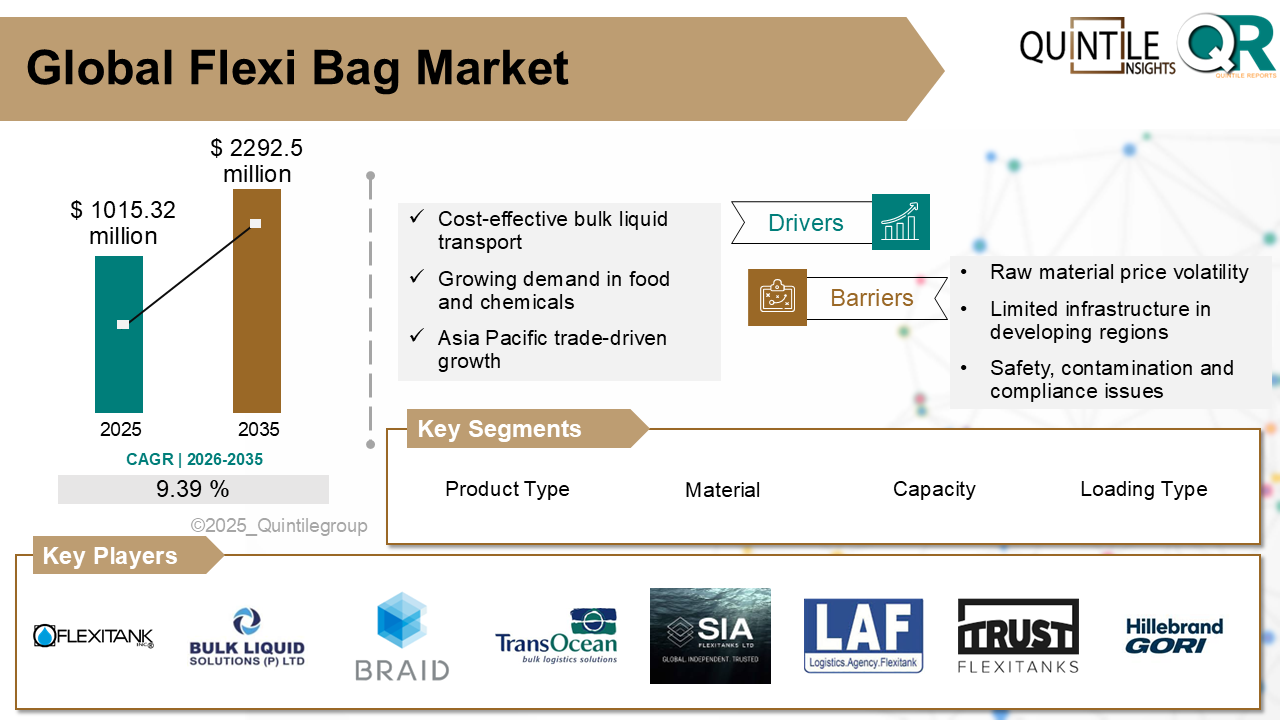
The Global Flexi Bag Market was valued at USD 1015.32 million in 2025 and is anticipated to reach USD 2292.5 million by 2035, growing at a robust CAGR of 9.39% during the forecast period from 2026 to 2035. The Flexi Bag market report presents a comprehensive overview of the industry by assessing macroeconomic conditions, emerging technologies, regulatory frameworks, and shifting consumer behavior to provide a clear outlook on future market expansion.
The flexi bag market encompasses the global industry dedicated to the design, manufacturing, and distribution of large flexible containers known as flexibags or flexitanks, used for transporting non-hazardous bulk liquids and powders. These containers are typically constructed from multilayer materials such as polyethylene or polypropylene laminated with high-tensile polyester and elastomer coatings, and are inserted into standard 20-ft shipping containers to facilitate efficient import and export logistics.
With 2025 serving as the base year, the Flexi Bag market is experiencing stable growth supported by rising demand across key end-use industries and continuous technological innovation. Companies operating in the market are enhancing their go-to-market (GTM) strategies to capture emerging opportunities and navigate evolving competitive dynamics effectively.
By 2035, the market is expected to demonstrate strong growth potential, driven by sustained investments in innovation, increasing strategic partnerships, and growing merger and acquisition activities. Organizations that prioritize customer-centric solutions, innovation, and agile GTM execution are likely to strengthen their market presence and achieve long-term success. The report provides detailed insights into major market drivers, restraints, opportunities, and challenges across segments, regions, and countries, supported by extensive qualitative and quantitative analysis from 2017 to 2035.
The market includes both the flexi bags themselves and complementary accessories such as valves, pumps, liners, and retrofit kits. These systems serve key end-use industries including food and beverages, chemicals, pharmaceuticals, edible oils, wines, and industrial fluids. Flexi bags offer advantages over traditional drums or intermediate bulk containers (IBCs), including higher payload efficiency, lightweight construction, easier installation, lower shipping costs, and recyclability, making them a preferred solution for global bulk liquid transportation.
The cost-effectiveness of flexi bags in transporting bulk liquids is a primary driver of market growth. Flexi bags can carry payloads of up to 24,000 liters within a single container, significantly reducing packaging, handling, and transportation costs compared to conventional drums or IBCs. This efficiency is encouraging adoption across industries dealing with food-grade and non-hazardous liquids.
Growth in global liquid trade and increasing demand from emerging economies is further accelerating market expansion. The rising export of edible oils, wines, juices, industrial chemicals, and lubricantsparticularly from Asia-Pacific and Latin Americahas prompted logistics providers to adopt flexible bulk packaging systems such as flexi bags.
Sustainability initiatives are also driving demand. Many flexi bags are produced using recyclable polyethylene materials, allowing companies to reduce carbon emissions and packaging waste. This aligns with corporate sustainability goals and environmental regulations, especially within food and beverage supply chains.
Technological advancements in multi-layer film construction and smart monitoring systems are improving the performance and reliability of flexi bags. Innovations such as chemical-resistant liners, temperature-control systems, leak-prevention designs, and GPS-enabled tracking features help protect sensitive liquid cargo including pharmaceuticals and specialty chemicals.
Expanding applications across multiple industries also support market growth. Agriculture, oil and gas, industrial chemicals, and pharmaceutical sectors increasingly rely on flexi bags for efficient bulk transport, while infrastructure expansion in Asia-Pacific, the Middle East, and Africa is creating new opportunities for logistics solutions.
Volatility in raw material prices remains a significant challenge for flexi bag manufacturers. Most flexi bags are produced using polyethylene or polypropylene resins, whose prices fluctuate based on crude oil costs, energy prices, and global logistics disruptions. These fluctuations increase production costs and complicate pricing strategies for suppliers.
Limited recycling infrastructure and environmental concerns related to plastic-based packaging can also restrict market growth. Although recyclable and biodegradable flexi bag options exist, the absence of efficient collection systems and standardized recycling frameworks limits widespread reuse in many regions.
Quality assurance concerns represent another restraint. Leakage, contamination risks, or improper handling during transport may result in product spills or cargo damage. For sensitive industries such as pharmaceuticals or specialty chemicals, these risks require advanced liners and strict quality testing, increasing overall costs.
Regulatory fragmentation and competition from rigid packaging alternatives also affect market adoption. Different international shipping standards and certification requirements increase compliance costs for global shipments. Meanwhile, rigid IBCs, drums, and tank containers continue to dominate certain sectors due to their perceived durability and reusability.
North America maintains steady demand for flexi bags due to strong logistics infrastructure and widespread transportation of non-hazardous liquids across manufacturing, food processing, and chemical sectors. The United States and Canada benefit from mature supply chains that support bulk liquid packaging solutions.
Europe represents a mature flexi bag market shaped by strict environmental regulations that encourage sustainable packaging solutions. Countries such as Germany, France, and the Netherlands rely heavily on flexi bags within their well-established food processing, chemical, and wine industries.
Asia-Pacific is the fastest-growing region in the flexi bag market. Rapid industrialization and increasing export activity in countries such as China, India, and Southeast Asian nations are driving demand for bulk liquid transport solutions. Expanding manufacturing capabilities and improved logistics infrastructure further strengthen regional growth.
Latin America is experiencing gradual growth in flexi bag adoption, supported by expanding exports of wine, edible oils, and industrial liquids. Countries including Brazil and Argentina are increasingly incorporating flexi bags into their export supply chains.
The Middle East and Africa are also witnessing rising adoption, driven by growing exports of oils, chemicals, and industrial liquids. Infrastructure development and evolving trade regulations are encouraging companies to explore flexible bulk transport solutions in these regions.
The growing wine export industry in the United States is significantly boosting demand for flexi bags. These flexible containers provide cost-efficient and high-capacity solutions for transporting bulk wine internationally, helping exporters reduce packaging expenses while maximizing cargo volume.
The trend is reinforced by increasing adoption of sustainable packaging practices across the food and agriculture sectors. Flexi bags support lower carbon footprints and reduced packaging waste, while innovations such as multilayer films and leak-proof valve technologies ensure product integrity during long-distance shipments.
Germanys strong focus on environmentally responsible logistics is accelerating the adoption of biodegradable and reusable flexi bags across industries such as food processing, beverages, and chemicals. These systems help exporters reduce emissions and packaging waste while maintaining efficient bulk transport.
German manufacturers are investing in advanced multilayer film technology and compostable materials to ensure cargo protection during long-haul shipments. Supported by strict environmental policies and sustainability goals, flexi bags are becoming a preferred packaging solution within European supply chains.
Japanese industries are increasingly adopting reusable intermediate bulk containers and flexi bags as part of their sustainability strategies. These packaging systems align with Japans strict environmental regulations while reducing carbon emissions associated with traditional single-use packaging.
Flexi bags are also valued for their compact and space-efficient design, which fits well within Japans highly optimized logistics systems. Government initiatives supporting agricultural supply chains and eco-friendly packaging innovations are further driving adoption across the country.
The flexi bag market is highly competitive and innovation-driven, with companies focusing on advanced material technologies, improved durability, and sustainable packaging solutions. Developments in plant-based plastics, bio-resins, recycled materials, and high-barrier multilayer films are enhancing product performance and environmental sustainability.
Competition is shaped by research and development capabilities, regulatory compliance, and the ability to quickly deliver customized solutions. Major global manufacturers are expanding product portfolios with modular flexi bag designs that meet the transportation requirements of diverse industries including food, chemicals, and pharmaceuticals.
Price competitiveness remains particularly important in emerging markets such as India and China, where regional manufacturers offer cost-efficient alternatives tailored to local demand. Established players leverage economies of scale and advanced supply chain networks to maintain competitive pricing while maintaining product quality.
Manufacturers are also building value-added ecosystems by integrating digital printing technologies, traceability tools, sustainability consulting, and after-sales support. These integrated services enhance customer experience and strengthen long-term partnerships with logistics providers and exporters.
Key players in the market include Flexitank Inc., Bulk Liquid Solutions, Braid Logistics, Trans Ocean Bulk Logistics, SIA Flexitanks, Qingdao LAF Packaging Co. Ltd., Trust Flexitanks, Hillebrand Gori, Global Flexitank Logistics, Environmental Packaging Technologies, BLT Flexitank Industrial Co., MY FlexiTank, and Rishi FIBC Solutions Pvt. Ltd.
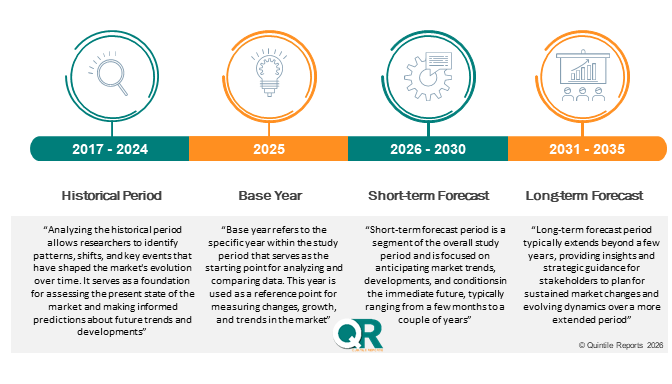
Our team of experienced researchers has meticulously gathered and analyzed data to deliver a thorough examination of market dynamics, competitive landscape, and emerging technologies. With a focus on delivering actionable intelligence, this report aims to empower decision-makers with the information needed to make informed choices and stay ahead of the competition. Whether you are a seasoned industry player or a new entrant, our market research report serves as a strategic tool to navigate the complexities of the market, aiding in successful business planning and growth strategies.
This chapter of our Flexi Bag market report provides an in-depth examination of the factors shaping the industry landscape. This section typically encompasses several key elements to offer a comprehensive understanding of the industry landscape such as market drivers & restraints analysis, market opportunities & trend analysis, market size & growth analysis, competitive analysis, SWOT analysis, business environment tools such as Porter's five forces & PESTEL analysis, Ansoff Matrix analysis, penetration & growth prospect analysis, regulatory framework & reimbursement scenario analysis, impact of macro & micro economic factors analysis such as Covid-19 impact, GDP growth, market inflation, U.S.- China trade war, Russia-Ukraine war impact, and supply chain analysis.
The segment analysis chapter of Flexi Bag market report is a critical section that delves into a detailed examination of the market's various segments. Segmentation involves dividing the market into distinct categories based on certain criteria to better understand and address the diverse needs of consumers. This chapter typically follows the introduction and provides a more granular view of the market, offering valuable insights for businesses and stakeholders. The components of the chapter lude segment definitions to understand the inclusions and exclusions of the study, assumptions, market size estimates and growth trend analysis of each segment, qualitative analysis of the segment, technological advancements, market penetration rate, market adoption rate, market share examination by each segment, segment growth drivers and restraint barriers, consumer behaviour and challenge analysis.
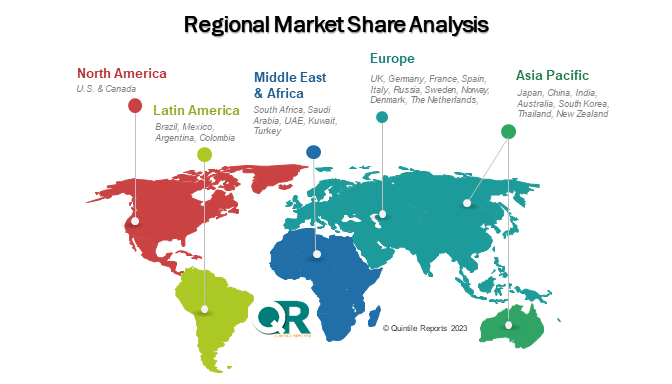
The chapter in Flexi Bag market research report is a pivotal section that examines and predicts the market dynamics and trends specific to different geographical regions. This chapter is crucial for businesses and stakeholders seeking a comprehensive understanding of how the market behaves across various locations, enabling them to tailor strategies and make informed decisions based on regional variations. The regional analysis chapter of our Flexi Bag market report is classified into regions & country-level. The chapter consists of North America (U.S., Canada), Europe (UK, Germany, France, Italy, Spain, Russia, Sweden, Denmark, Norway, Rest of Europe), Asia Pacific (Japan, China, India, Australia, South Korea, Thailand, Rest of Asia Pacific), Latin America (Brazil, Mexico, Argentina, Colombia, Rest of Latin America), Middle East & Africa (South Africa, Saudi Arabia, UAE, Kuwait, Rest of Middle East & Africa).
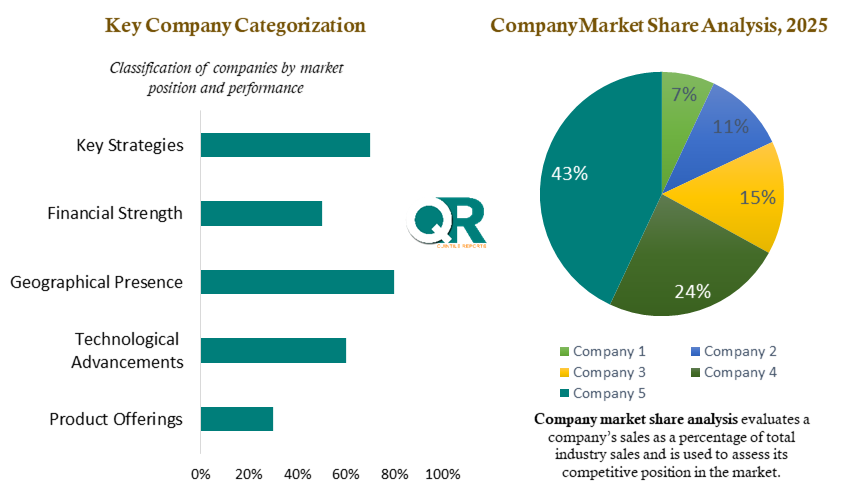
This section of a Flexi Bag market report is a crucial segment that provides a comprehensive overview of the competitive landscape within the market. This section is vital for businesses, investors, and stakeholders seeking insights into key players, their market positioning, strengths, weaknesses, strategies, and potential impacts on the overall market dynamics. The chapter includes research methodology used to analyse the market competition, list of key players operating in the market, detailed company profile section which includes company overview, business verticals, financial performance, product/services benchmarking, geographical presence, and strategic initiatives.
| Report Scope | Details |
| Report Version | 2026 |
| Growth Rate | CAGR of 9.39 from 2026 to 2035 |
| Base Year | 2025 |
| Actual Estimates / Historical Data | 2017 - 2024 |
| Forecast Period | 2026 - 2035 |
| Quantitative Units | Revenue in USD million/billion & CAGR from 2026 to 2035 |
| Country Scope | North America (U.S., Canada), Europe (UK, Germany, France, Italy, Spain, Russia, Sweden, Denmark, Norway, Rest of Europe), Asia Pacific (Japan, China, India, Australia, South Korea, Thailand, Rest of Asia Pacific), Latin America (Brazil, Mexico, Argentina, Colombia, Rest of Latin America), Middle East & Africa (South Africa, Saudi Arabia, UAE, Kuwait, Rest of Middle East & Africa). |
| The Segment Covered by Product Type |
|
| The Segment Covered by Material |
|
| Companies Covered |
|
| Report Coverage | Revenue forecast, company share, competitive landscape, growth factors, and trends |
| Free Customization Scope (Equivalent to 5 Analyst Working Days) | If you need specific information, which is not currently within the scope of the report, we will provide it to you as a part of the customization |

Statistics for the 2025 Flexi Bag market share, size, and revenue growth rate were created by Quintile Report™. Flexi Bag analysis includes a market forecast outlook for 2035 and a historical overview. Get a free PDF sample of this market analysis, please get in touch with our principal analyst at sales@quintilereports.com
List of Tables
Table 1 List of Abbreviation and acronyms
Table 2 List of Sources
Table 3 North America Global Flexi Bag Market, by Segment Analysis, (USD Million) 2017-2035
Table 4 North America Global Flexi Bag Market, by Region, (USD Million) 2017-2035
Table 5 U.S. Global Flexi Bag Market, by Segment Analysis, (USD Million) 2017-2035
Table 6 Canada Global Flexi Bag Market, by Segment Analysis, (USD Million) 2017-2035
Table 7 Europe Global Flexi Bag Market, by Segment Analysis, (USD Million) 2017-2035
Table 8 Europe Global Flexi Bag Market, by Region, (USD Million) 2017-2035
Table 9 Germany Global Flexi Bag Market, by Segment Analysis, (USD Million) 2017-2035
Table 10 U.K. Global Flexi Bag Market, by Segment Analysis, (USD Million) 2017-2035
Table 11 France Global Flexi Bag Market, by Segment Analysis, (USD Million) 2017-2035
Table 12 Italy Global Flexi Bag Market, by Segment Analysis, (USD Million) 2017-2035
Table 13 Spain Global Flexi Bag Market, by Segment Analysis, (USD Million) 2017-2035
Table 14 Sweden Global Flexi Bag Market, by Segment Analysis, (USD Million) 2017-2035
Table 15 Denmark Global Flexi Bag Market, by Segment Analysis, (USD Million) 2017-2035
Table 16 Norway Global Flexi Bag Market, by Segment Analysis, (USD Million) 2017-2035
Table 17 The Netherlands Global Flexi Bag Market, by Segment Analysis, (USD Million) 2017-2035
Table 18 Russia Global Flexi Bag Market, by Segment Analysis, (USD Million) 2017-2035
Table 19 Asia Pacific Global Flexi Bag Market, by Segment Analysis, (USD Million) 2017-2035
Table 20 Asia Pacific Global Flexi Bag Market, by Region, (USD Million) 2017-2035
Table 21 China Global Flexi Bag Market, by Segment Analysis, (USD Million) 2017-2035
Table 22 Japan Global Flexi Bag Market, by Segment Analysis, (USD Million) 2017-2035
Table 23 India Global Flexi Bag Market, by Segment Analysis, (USD Million) 2017-2035
Table 24 Australia Global Flexi Bag Market, by Segment Analysis, (USD Million) 2017-2035
Table 25 South Korea Global Flexi Bag Market, by Segment Analysis, (USD Million) 2017-2035
Table 26 Thailand Global Flexi Bag Market, by Segment Analysis, (USD Million) 2017-2035
Table 27 Latin America Global Flexi Bag Market, by Segment Analysis, (USD Million) 2017-2035
Table 28 Latin America Global Flexi Bag Market, by Region, (USD Million) 2017-2035
Table 29 Brazil Global Flexi Bag Market, by Segment Analysis, (USD Million) 2017-2035
Table 30 Mexico Global Flexi Bag Market, by Segment Analysis, (USD Million) 2017-2035
Table 31 Argentina Global Flexi Bag Market, by Segment Analysis, (USD Million) 2017-2035
Table 32 Middle East and Africa Global Flexi Bag Market, by Segment Analysis, (USD Million) 2017-2035
Table 33 Middle East and Africa Global Flexi Bag Market, by Region, (USD Million) 2017-2035
Table 34 South Africa Global Flexi Bag Market, by Segment Analysis, (USD Million) 2017-2035
Table 35 Saudi Arabia Global Flexi Bag Market, by Segment Analysis, (USD Million) 2017-2035
Table 36 UAE Global Flexi Bag Market, by Segment Analysis, (USD Million) 2017-2035
Table 37 Kuwait Global Flexi Bag Market, by Segment Analysis, (USD Million) 2017-2035
Table 38 Turkey Global Flexi Bag Market, by Segment Analysis, (USD Million) 2017-2035
Fig.1 Market research process
Fig.2 Market research approaches
Fig.3 Global Flexi Bag Market: market scenario
Fig.4 Global Flexi Bag Market competitive outlook
Fig.5 Global Flexi Bag Market driver analysis
Fig.6 Global Flexi Bag Market restraint analysis
Fig.7 Global Flexi Bag Market opportunity analysis
Fig.8 Global Flexi Bag Market trends analysis
Fig.9 Global Flexi Bag Market: Segment Analysis (Based on the scope)
Fig.10 Global Flexi Bag Market: regional analysis
Fig.11 Global market shares and leading market players
Fig.12 North America market share and leading players
Fig.13 Europe market share and leading players
Fig.14 Asia Pacific market share and leading players
Fig.15 Latin America market share and leading players
Fig.16 Middle East & Africa market share and leading players
Fig.17 North America, by country
Fig.18 North America
Fig.19 North America market estimates and forecast, 2017-2035
Fig.20 U.S.
Fig.21 Canada
Fig.22 Europe
Fig.23 Europe market estimates and forecast, 2017-2035
Fig.24 U.K.
Fig.25 Germany
Fig.26 France
Fig.27 Italy
Fig.28 Spain
Fig.29 Sweden
Fig.30 Denmark
Fig.31 Norway
Fig.32 The Netherlands
Fig.33 Russia
Fig.34 Asia Pacific
Fig.35 Asia Pacific market estimates and forecast, 2017-2035
Fig.36 China
Fig.37 Japan
Fig.38 India
Fig.39 Australia
Fig.40 South Korea
Fig.41 Thailand
Fig.42 Latin America
Fig.43 Latin America market estimates and forecast, 2017-2035
Fig.44 Brazil
Fig.45 Mexico
Fig.46 Argentina
Fig.47 Colombia
Fig.48 Middle East and Africa
Fig.49 Middle East and Africa market estimates and forecast, 2017-2035
Fig.50 Saudi Arabia
Fig.51 South Africa
Fig.52 UAE
Fig.53 Kuwait
Fig.54 Turkey
The Global Flexi Bag Market was valued at USD 1015.32 million in 2025 and is anticipated to reach USD 2292.5 million by 2035, growing at a robust CAGR of 9.39% during the forecast period from 2026 to 2035. The Flexi Bag market report presents a comprehensive overview of the industry by assessing macroeconomic conditions, emerging technologies, regulatory frameworks, and shifting consumer behavior to provide a clear outlook on future market expansion.
The flexi bag market encompasses the global industry dedicated to the design, manufacturing, and distribution of large flexible containers known as flexibags or flexitanks, used for transporting non-hazardous bulk liquids and powders. These containers are typically constructed from multilayer materials such as polyethylene or polypropylene laminated with high-tensile polyester and elastomer coatings, and are inserted into standard 20-ft shipping containers to facilitate efficient import and export logistics.
With 2025 serving as the base year, the Flexi Bag market is experiencing stable growth supported by rising demand across key end-use industries and continuous technological innovation. Companies operating in the market are enhancing their go-to-market (GTM) strategies to capture emerging opportunities and navigate evolving competitive dynamics effectively.
By 2035, the market is expected to demonstrate strong growth potential, driven by sustained investments in innovation, increasing strategic partnerships, and growing merger and acquisition activities. Organizations that prioritize customer-centric solutions, innovation, and agile GTM execution are likely to strengthen their market presence and achieve long-term success. The report provides detailed insights into major market drivers, restraints, opportunities, and challenges across segments, regions, and countries, supported by extensive qualitative and quantitative analysis from 2017 to 2035.
The market includes both the flexi bags themselves and complementary accessories such as valves, pumps, liners, and retrofit kits. These systems serve key end-use industries including food and beverages, chemicals, pharmaceuticals, edible oils, wines, and industrial fluids. Flexi bags offer advantages over traditional drums or intermediate bulk containers (IBCs), including higher payload efficiency, lightweight construction, easier installation, lower shipping costs, and recyclability, making them a preferred solution for global bulk liquid transportation.
The cost-effectiveness of flexi bags in transporting bulk liquids is a primary driver of market growth. Flexi bags can carry payloads of up to 24,000 liters within a single container, significantly reducing packaging, handling, and transportation costs compared to conventional drums or IBCs. This efficiency is encouraging adoption across industries dealing with food-grade and non-hazardous liquids.
Growth in global liquid trade and increasing demand from emerging economies is further accelerating market expansion. The rising export of edible oils, wines, juices, industrial chemicals, and lubricantsparticularly from Asia-Pacific and Latin Americahas prompted logistics providers to adopt flexible bulk packaging systems such as flexi bags.
Sustainability initiatives are also driving demand. Many flexi bags are produced using recyclable polyethylene materials, allowing companies to reduce carbon emissions and packaging waste. This aligns with corporate sustainability goals and environmental regulations, especially within food and beverage supply chains.
Technological advancements in multi-layer film construction and smart monitoring systems are improving the performance and reliability of flexi bags. Innovations such as chemical-resistant liners, temperature-control systems, leak-prevention designs, and GPS-enabled tracking features help protect sensitive liquid cargo including pharmaceuticals and specialty chemicals.
Expanding applications across multiple industries also support market growth. Agriculture, oil and gas, industrial chemicals, and pharmaceutical sectors increasingly rely on flexi bags for efficient bulk transport, while infrastructure expansion in Asia-Pacific, the Middle East, and Africa is creating new opportunities for logistics solutions.
Volatility in raw material prices remains a significant challenge for flexi bag manufacturers. Most flexi bags are produced using polyethylene or polypropylene resins, whose prices fluctuate based on crude oil costs, energy prices, and global logistics disruptions. These fluctuations increase production costs and complicate pricing strategies for suppliers.
Limited recycling infrastructure and environmental concerns related to plastic-based packaging can also restrict market growth. Although recyclable and biodegradable flexi bag options exist, the absence of efficient collection systems and standardized recycling frameworks limits widespread reuse in many regions.
Quality assurance concerns represent another restraint. Leakage, contamination risks, or improper handling during transport may result in product spills or cargo damage. For sensitive industries such as pharmaceuticals or specialty chemicals, these risks require advanced liners and strict quality testing, increasing overall costs.
Regulatory fragmentation and competition from rigid packaging alternatives also affect market adoption. Different international shipping standards and certification requirements increase compliance costs for global shipments. Meanwhile, rigid IBCs, drums, and tank containers continue to dominate certain sectors due to their perceived durability and reusability.
North America maintains steady demand for flexi bags due to strong logistics infrastructure and widespread transportation of non-hazardous liquids across manufacturing, food processing, and chemical sectors. The United States and Canada benefit from mature supply chains that support bulk liquid packaging solutions.
Europe represents a mature flexi bag market shaped by strict environmental regulations that encourage sustainable packaging solutions. Countries such as Germany, France, and the Netherlands rely heavily on flexi bags within their well-established food processing, chemical, and wine industries.
Asia-Pacific is the fastest-growing region in the flexi bag market. Rapid industrialization and increasing export activity in countries such as China, India, and Southeast Asian nations are driving demand for bulk liquid transport solutions. Expanding manufacturing capabilities and improved logistics infrastructure further strengthen regional growth.
Latin America is experiencing gradual growth in flexi bag adoption, supported by expanding exports of wine, edible oils, and industrial liquids. Countries including Brazil and Argentina are increasingly incorporating flexi bags into their export supply chains.
The Middle East and Africa are also witnessing rising adoption, driven by growing exports of oils, chemicals, and industrial liquids. Infrastructure development and evolving trade regulations are encouraging companies to explore flexible bulk transport solutions in these regions.
The growing wine export industry in the United States is significantly boosting demand for flexi bags. These flexible containers provide cost-efficient and high-capacity solutions for transporting bulk wine internationally, helping exporters reduce packaging expenses while maximizing cargo volume.
The trend is reinforced by increasing adoption of sustainable packaging practices across the food and agriculture sectors. Flexi bags support lower carbon footprints and reduced packaging waste, while innovations such as multilayer films and leak-proof valve technologies ensure product integrity during long-distance shipments.
Germanys strong focus on environmentally responsible logistics is accelerating the adoption of biodegradable and reusable flexi bags across industries such as food processing, beverages, and chemicals. These systems help exporters reduce emissions and packaging waste while maintaining efficient bulk transport.
German manufacturers are investing in advanced multilayer film technology and compostable materials to ensure cargo protection during long-haul shipments. Supported by strict environmental policies and sustainability goals, flexi bags are becoming a preferred packaging solution within European supply chains.
Japanese industries are increasingly adopting reusable intermediate bulk containers and flexi bags as part of their sustainability strategies. These packaging systems align with Japans strict environmental regulations while reducing carbon emissions associated with traditional single-use packaging.
Flexi bags are also valued for their compact and space-efficient design, which fits well within Japans highly optimized logistics systems. Government initiatives supporting agricultural supply chains and eco-friendly packaging innovations are further driving adoption across the country.
The flexi bag market is highly competitive and innovation-driven, with companies focusing on advanced material technologies, improved durability, and sustainable packaging solutions. Developments in plant-based plastics, bio-resins, recycled materials, and high-barrier multilayer films are enhancing product performance and environmental sustainability.
Competition is shaped by research and development capabilities, regulatory compliance, and the ability to quickly deliver customized solutions. Major global manufacturers are expanding product portfolios with modular flexi bag designs that meet the transportation requirements of diverse industries including food, chemicals, and pharmaceuticals.
Price competitiveness remains particularly important in emerging markets such as India and China, where regional manufacturers offer cost-efficient alternatives tailored to local demand. Established players leverage economies of scale and advanced supply chain networks to maintain competitive pricing while maintaining product quality.
Manufacturers are also building value-added ecosystems by integrating digital printing technologies, traceability tools, sustainability consulting, and after-sales support. These integrated services enhance customer experience and strengthen long-term partnerships with logistics providers and exporters.
Key players in the market include Flexitank Inc., Bulk Liquid Solutions, Braid Logistics, Trans Ocean Bulk Logistics, SIA Flexitanks, Qingdao LAF Packaging Co. Ltd., Trust Flexitanks, Hillebrand Gori, Global Flexitank Logistics, Environmental Packaging Technologies, BLT Flexitank Industrial Co., MY FlexiTank, and Rishi FIBC Solutions Pvt. Ltd.
Our team of experienced researchers has meticulously gathered and analyzed data to deliver a thorough examination of market dynamics, competitive landscape, and emerging technologies. With a focus on delivering actionable intelligence, this report aims to empower decision-makers with the information needed to make informed choices and stay ahead of the competition. Whether you are a seasoned industry player or a new entrant, our market research report serves as a strategic tool to navigate the complexities of the market, aiding in successful business planning and growth strategies.
This chapter of our Flexi Bag market report provides an in-depth examination of the factors shaping the industry landscape. This section typically encompasses several key elements to offer a comprehensive understanding of the industry landscape such as market drivers & restraints analysis, market opportunities & trend analysis, market size & growth analysis, competitive analysis, SWOT analysis, business environment tools such as Porter's five forces & PESTEL analysis, Ansoff Matrix analysis, penetration & growth prospect analysis, regulatory framework & reimbursement scenario analysis, impact of macro & micro economic factors analysis such as Covid-19 impact, GDP growth, market inflation, U.S.- China trade war, Russia-Ukraine war impact, and supply chain analysis.
The segment analysis chapter of Flexi Bag market report is a critical section that delves into a detailed examination of the market's various segments. Segmentation involves dividing the market into distinct categories based on certain criteria to better understand and address the diverse needs of consumers. This chapter typically follows the introduction and provides a more granular view of the market, offering valuable insights for businesses and stakeholders. The components of the chapter lude segment definitions to understand the inclusions and exclusions of the study, assumptions, market size estimates and growth trend analysis of each segment, qualitative analysis of the segment, technological advancements, market penetration rate, market adoption rate, market share examination by each segment, segment growth drivers and restraint barriers, consumer behaviour and challenge analysis.
The chapter in Flexi Bag market research report is a pivotal section that examines and predicts the market dynamics and trends specific to different geographical regions. This chapter is crucial for businesses and stakeholders seeking a comprehensive understanding of how the market behaves across various locations, enabling them to tailor strategies and make informed decisions based on regional variations. The regional analysis chapter of our Flexi Bag market report is classified into regions & country-level. The chapter consists of North America (U.S., Canada), Europe (UK, Germany, France, Italy, Spain, Russia, Sweden, Denmark, Norway, Rest of Europe), Asia Pacific (Japan, China, India, Australia, South Korea, Thailand, Rest of Asia Pacific), Latin America (Brazil, Mexico, Argentina, Colombia, Rest of Latin America), Middle East & Africa (South Africa, Saudi Arabia, UAE, Kuwait, Rest of Middle East & Africa).
This section of a Flexi Bag market report is a crucial segment that provides a comprehensive overview of the competitive landscape within the market. This section is vital for businesses, investors, and stakeholders seeking insights into key players, their market positioning, strengths, weaknesses, strategies, and potential impacts on the overall market dynamics. The chapter includes research methodology used to analyse the market competition, list of key players operating in the market, detailed company profile section which includes company overview, business verticals, financial performance, product/services benchmarking, geographical presence, and strategic initiatives.
| Report Scope | Details |
| Report Version | 2026 |
| Growth Rate | CAGR of 9.39 from 2026 to 2035 |
| Base Year | 2025 |
| Actual Estimates / Historical Data | 2017 - 2024 |
| Forecast Period | 2026 - 2035 |
| Quantitative Units | Revenue in USD million/billion & CAGR from 2026 to 2035 |
| Country Scope | North America (U.S., Canada), Europe (UK, Germany, France, Italy, Spain, Russia, Sweden, Denmark, Norway, Rest of Europe), Asia Pacific (Japan, China, India, Australia, South Korea, Thailand, Rest of Asia Pacific), Latin America (Brazil, Mexico, Argentina, Colombia, Rest of Latin America), Middle East & Africa (South Africa, Saudi Arabia, UAE, Kuwait, Rest of Middle East & Africa). |
| The Segment Covered by Product Type |
|
| The Segment Covered by Material |
|
| Companies Covered |
|
| Report Coverage | Revenue forecast, company share, competitive landscape, growth factors, and trends |
| Free Customization Scope (Equivalent to 5 Analyst Working Days) | If you need specific information, which is not currently within the scope of the report, we will provide it to you as a part of the customization |
Statistics for the 2025 Flexi Bag market share, size, and revenue growth rate were created by Quintile Report™. Flexi Bag analysis includes a market forecast outlook for 2035 and a historical overview. Get a free PDF sample of this market analysis, please get in touch with our principal analyst at sales@quintilereports.com
Table 1 List of Abbreviation and acronyms
Table 2 List of Sources
Table 3 North America Global Flexi Bag Market, by Segment Analysis, (USD Million) 2017-2035
Table 4 North America Global Flexi Bag Market, by Region, (USD Million) 2017-2035
Table 5 U.S. Global Flexi Bag Market, by Segment Analysis, (USD Million) 2017-2035
Table 6 Canada Global Flexi Bag Market, by Segment Analysis, (USD Million) 2017-2035
Table 7 Europe Global Flexi Bag Market, by Segment Analysis, (USD Million) 2017-2035
Table 8 Europe Global Flexi Bag Market, by Region, (USD Million) 2017-2035
Table 9 Germany Global Flexi Bag Market, by Segment Analysis, (USD Million) 2017-2035
Table 10 U.K. Global Flexi Bag Market, by Segment Analysis, (USD Million) 2017-2035
Table 11 France Global Flexi Bag Market, by Segment Analysis, (USD Million) 2017-2035
Table 12 Italy Global Flexi Bag Market, by Segment Analysis, (USD Million) 2017-2035
Table 13 Spain Global Flexi Bag Market, by Segment Analysis, (USD Million) 2017-2035
Table 14 Sweden Global Flexi Bag Market, by Segment Analysis, (USD Million) 2017-2035
Table 15 Denmark Global Flexi Bag Market, by Segment Analysis, (USD Million) 2017-2035
Table 16 Norway Global Flexi Bag Market, by Segment Analysis, (USD Million) 2017-2035
Table 17 The Netherlands Global Flexi Bag Market, by Segment Analysis, (USD Million) 2017-2035
Table 18 Russia Global Flexi Bag Market, by Segment Analysis, (USD Million) 2017-2035
Table 19 Asia Pacific Global Flexi Bag Market, by Segment Analysis, (USD Million) 2017-2035
Table 20 Asia Pacific Global Flexi Bag Market, by Region, (USD Million) 2017-2035
Table 21 China Global Flexi Bag Market, by Segment Analysis, (USD Million) 2017-2035
Table 22 Japan Global Flexi Bag Market, by Segment Analysis, (USD Million) 2017-2035
Table 23 India Global Flexi Bag Market, by Segment Analysis, (USD Million) 2017-2035
Table 24 Australia Global Flexi Bag Market, by Segment Analysis, (USD Million) 2017-2035
Table 25 South Korea Global Flexi Bag Market, by Segment Analysis, (USD Million) 2017-2035
Table 26 Thailand Global Flexi Bag Market, by Segment Analysis, (USD Million) 2017-2035
Table 27 Latin America Global Flexi Bag Market, by Segment Analysis, (USD Million) 2017-2035
Table 28 Latin America Global Flexi Bag Market, by Region, (USD Million) 2017-2035
Table 29 Brazil Global Flexi Bag Market, by Segment Analysis, (USD Million) 2017-2035
Table 30 Mexico Global Flexi Bag Market, by Segment Analysis, (USD Million) 2017-2035
Table 31 Argentina Global Flexi Bag Market, by Segment Analysis, (USD Million) 2017-2035
Table 32 Middle East and Africa Global Flexi Bag Market, by Segment Analysis, (USD Million) 2017-2035
Table 33 Middle East and Africa Global Flexi Bag Market, by Region, (USD Million) 2017-2035
Table 34 South Africa Global Flexi Bag Market, by Segment Analysis, (USD Million) 2017-2035
Table 35 Saudi Arabia Global Flexi Bag Market, by Segment Analysis, (USD Million) 2017-2035
Table 36 UAE Global Flexi Bag Market, by Segment Analysis, (USD Million) 2017-2035
Table 37 Kuwait Global Flexi Bag Market, by Segment Analysis, (USD Million) 2017-2035
Table 38 Turkey Global Flexi Bag Market, by Segment Analysis, (USD Million) 2017-2035
Fig.1 Market research process
Fig.2 Market research approaches
Fig.3 Global Flexi Bag Market: market scenario
Fig.4 Global Flexi Bag Market competitive outlook
Fig.5 Global Flexi Bag Market driver analysis
Fig.6 Global Flexi Bag Market restraint analysis
Fig.7 Global Flexi Bag Market opportunity analysis
Fig.8 Global Flexi Bag Market trends analysis
Fig.9 Global Flexi Bag Market: Segment Analysis (Based on the scope)
Fig.10 Global Flexi Bag Market: regional analysis
Fig.11 Global market shares and leading market players
Fig.12 North America market share and leading players
Fig.13 Europe market share and leading players
Fig.14 Asia Pacific market share and leading players
Fig.15 Latin America market share and leading players
Fig.16 Middle East & Africa market share and leading players
Fig.17 North America, by country
Fig.18 North America
Fig.19 North America market estimates and forecast, 2017-2035
Fig.20 U.S.
Fig.21 Canada
Fig.22 Europe
Fig.23 Europe market estimates and forecast, 2017-2035
Fig.24 U.K.
Fig.25 Germany
Fig.26 France
Fig.27 Italy
Fig.28 Spain
Fig.29 Sweden
Fig.30 Denmark
Fig.31 Norway
Fig.32 The Netherlands
Fig.33 Russia
Fig.34 Asia Pacific
Fig.35 Asia Pacific market estimates and forecast, 2017-2035
Fig.36 China
Fig.37 Japan
Fig.38 India
Fig.39 Australia
Fig.40 South Korea
Fig.41 Thailand
Fig.42 Latin America
Fig.43 Latin America market estimates and forecast, 2017-2035
Fig.44 Brazil
Fig.45 Mexico
Fig.46 Argentina
Fig.47 Colombia
Fig.48 Middle East and Africa
Fig.49 Middle East and Africa market estimates and forecast, 2017-2035
Fig.50 Saudi Arabia
Fig.51 South Africa
Fig.52 UAE
Fig.53 Kuwait
Fig.54 Turkey

A license granted to one user. Rules or conditions might be applied for e.g. the use of electric files (PDFs) or printings, depending on product.
A license granted to multiple users.
A license granted to a single business site/establishment.
A license granted to all employees within organisation access to the product.
Immediate / Within 24-48 hours - Working days
Online Payments with PayPal and CCavenue
You can order a report by picking any of the payment methods which is bank wire or online payment through any Debit/Credit card or PayPal.
Hard Copy
 U.S. : +1-201-772-7734