The Global Suspended Scaffolding Market was valued at USD 3222.32 million in 2025 and is projected to reach USD 5402.5 million by 2035, registering a strong CAGR of 6.19% during the forecast period from 2026 to 2035. The Suspended Scaffolding market report offers a detailed evaluation of the industry by examining macroeconomic trends, technological developments, regulatory landscapes, and changing consumer dynamics to outline the markets future growth prospects.
Using 2025 as the base year, the Suspended Scaffolding market continues to expand steadily due to ongoing innovation, growing adoption across multiple end-use sectors, and rapid advancements in technology. Industry participants are actively refining their go-to-market (GTM) strategies to leverage new growth avenues and strengthen their competitive positioning in a rapidly evolving marketplace.
Looking toward 2035, the market is expected to sustain significant growth momentum, driven by continuous investments in research and development, strategic alliances, and increased merger and acquisition activity. Companies that emphasize innovation, implement agile GTM strategies, and remain aligned with shifting customer expectations are well positioned to achieve sustainable long-term growth. The report delivers comprehensive insights into key drivers, restraints, opportunities, and challenges across segments, regions, and countries, supported by qualitative and quantitative analysis covering 2017 to 2035.
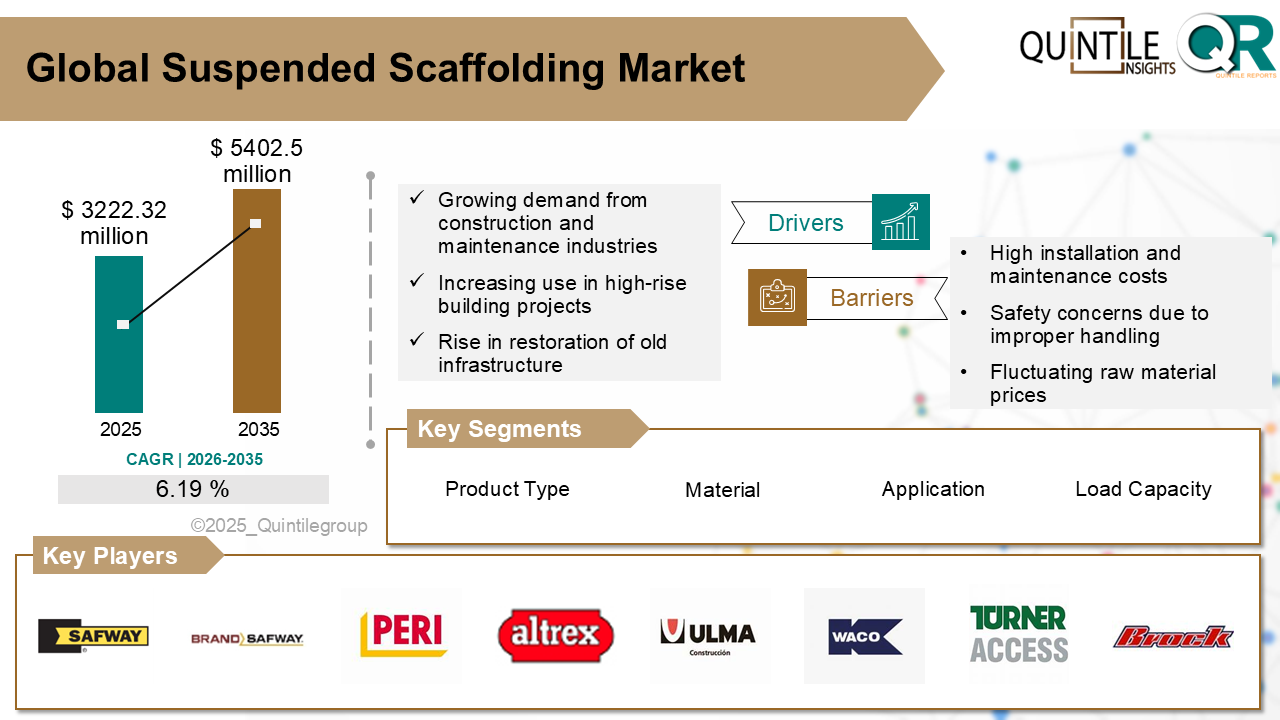
The Suspended Scaffolding Market encompasses the manufacturing, distribution, and application of scaffolding systems that are suspended from the top of structures to provide safe working platforms at elevated heights. These scaffolds are typically suspended by ropes, cables, or other flexible means from overhead structures, enabling access to hard-to-reach areas for construction, maintenance, repair, and inspection activities.
Unlike traditional base-supported scaffolding, suspended scaffolding is especially significant for high-rise buildings, bridges, shipbuilding, and complex architectural structures where ground-based scaffolding is impractical or space-restricted. The market covers various product types distinguished by suspension mechanisms, materials (steel, aluminium, carbon fibre), and load capacities, serving industries such as construction, industrial maintenance, and infrastructure refurbishment.
The global suspended scaffolding market is witnessing robust growth, driven by several key factors shaping the construction and infrastructure landscape.
One major driver is the rising wave of high-rise construction and rapid urbanization. In densely populated regions, traditional scaffolding becomes impractical for tall buildings, making suspended systems essential for construction and facade work. The ongoing renovation of aging urban infrastructuresuch as bridges and older buildingsis further fuelling this demand.
Technology is also playing a pivotal role in advancing this market. Manufacturers are introducing lightweight, modular platforms equipped with enhanced hoist controls and real-time monitoring systems. The addition of IoT-enabled sensors and automation is transforming scaffolding from a manual tool to a smart, data-driven access solution.
Moreover, the push for higher safety standards worldwide is encouraging companies to switch to safer scaffolding alternatives. Suspended scaffolding systems, known for their secure and adaptable design, are helping firms comply with stringent safety regulations while minimizing workplace hazards.
Lastly, the global focus on infrastructure modernization, smart city development, and even offshore wind maintenance is opening up new avenues for suspended scaffolding. These complex, large-scale projects demand advanced access solutions that can operate in challenging environments, further strengthening the markets growth prospects.
One major challenge is the high cost and price volatility of raw materials such as aluminium and steel. Fluctuations in these material prices can disrupt pricing strategies and reduce profitability for manufacturers and contractors, often leading to project delays or scaled-back investments.
Another significant hurdle is the shortage of skilled labour. Assembling and operating suspended scaffolding systems requires specialized expertise, and the lack of trained professionals can slow down project timelines and increase the risk of operational errors.
Additionally, suspended scaffolding systems are associated with higher safety risks compared to traditional supported scaffolding. This naturally draws heightened regulatory attention, potentially resulting in stricter safety standards, higher compliance costs, and reluctance among some users to adopt these systems.
Lastly, the market also faces competition from both traditional supported scaffolding and newer access technologies. In certain regions or project scenarios, these alternatives may be more cost-effective or practical, posing a challenge to the wider adoption of suspended scaffolding solutions.
North Americas suspended scaffolding market is steadily growing, fuelled by ongoing urban infrastructure renovation and retrofitting projects across the U.S. and Canada. The region is seeing a shift toward advanced modular systems with built-in safety features like real-time load monitoring and automation, helping reduce labour demands and meet strict OSHA safety standards. Despite challenges such as high labour costs and a shortage of skilled operators, opportunities are expanding through major infrastructure developments and increased use in shipbuilding, especially for hull maintenance. With both U.S. and Canadian regulations enforcing high safety benchmarks, manufacturers are focusing on lightweight, certified solutions. The market also benefits from strong tech integration and a well-established rental ecosystem, making it easier for projects to scale as needed.
Europes suspended scaffolding market is shaped by a strong emphasis on heritage restoration, commercial high-rise renovations, and infrastructure upkeep, particularly in countries like Germany, France, and the UK. Multi-point suspended scaffolding is widely used here for its flexibility in covering large surfaces and adapting to intricate architectural designs. Strict EU safety and environmental regulations are pushing manufacturers to develop sustainable, reusable systems in line with green construction goals. While these rules promote safety and eco-friendliness, navigating diverse regulations and the high cost of compliance can be challenging. With aging infrastructure across the region, theres a rising need for non-disruptive access solutions and greater integration of digital safety tools.
The Asia Pacific region is emerging as the fastest-growing market for suspended scaffolding, driven by rapid urbanization, rising high-rise construction, and large-scale infrastructure projects supported by governments in countries like India, China, Japan, and Indonesia. These megaprojectsranging from skyscrapers to smart cities and energy facilitiesare increasingly turning to suspended scaffolding due to limited ground space. While the region benefits from lower labour costs, it also grapples with challenges like uneven safety enforcement and a shortage of skilled workers for complex scaffolding tasks. However, regulatory standards are improving, with many countries aligning their safety norms with global benchmarks.
Latin America's suspended scaffolding market is steadily gaining momentum, fuelled by infrastructure refurbishment and urban development projects across Brazil, Mexico, and Argentina. While the adoption of advanced systems like multi-level and multi-point scaffolding is still in its early stages, these solutions are increasingly seen as essential for improving access efficiency on complex structures. The region does face hurdles however, government-led efforts to modernize aging infrastructure and expand urban housing are creating strong growth opportunities. Although safety regulations aren't yet as stringent, they're gradually tightening as awareness around worker safety increases. Suspended scaffolding is also gaining traction in bridge maintenance and commercial renovations, signalling its growing acceptance across key projects.
The Middle East and Africa are rapidly embracing suspended scaffolding, driven by booming infrastructure, commercial, and energy projectsespecially in the UAE, Saudi Arabia, and South Africa. A key trend is the growing preference for lightweight aluminium scaffolding, ideal for the regions harsh climate and easy to transport. Massive construction efforts are creating strong demand for safe and efficient vertical access solutions. However, challenges such as a shortage of skilled labour and the need to keep up with evolving safety regulations remain. Countries like the UAE are using suspended scaffolding extensively for maintaining high-rise facades, while the region also pushes for more sustainable, eco-friendly scaffolding options.
The suspended scaffolding market in the United States is mature yet steadily growing, fuelled by a surge in urban infrastructure revitalization, high-rise construction, and industrial maintenance projects. A key trend shaping the industry is the rising adoption of modular and lightweight scaffolding systems, many of which are now equipped with real-time safety monitoring and automation to improve both worker safety and operational efficiency. The sector has received a significant boost from the Infrastructure Investment and Jobs Act, which has unlocked substantial funding for commercial building renovation, bridge maintenance, and energy infrastructure.
Regulatory oversight remains strict, with OSHA (Occupational Safety and Health Administration) enforcing detailed safety standards, including rules on fall protection, load capacities, and mandatory worker training. Industry leaders like Brand Industrial Services (BrandSafway) continue to expand their reach. Suspended scaffolding remains an essential tool in construction, industrial maintenance, shipbuilding, and the energy sector, reinforcing its importance in supporting the nations growing infrastructure needs.
Germanys suspended scaffolding market thrives on a foundation of safety, sustainability, and cutting-edge innovation, deeply aligned with the EUs strict regulatory environment. With a well-established construction sector that prioritizes heritage restoration, commercial high-rises, and infrastructure maintenance, the demand for advanced scaffolding solutions remains steady. EU directives such as the Construction Products Regulation (CPR) and the Work at Height Directive enforce rigorous safety and environmental criteria, pushing manufacturers to design certified, reusable systems with improved load-bearing strength and modularity.
Homegrown leaders like PERI GmbH are setting benchmarks through innovations. Suspended scaffolding finds its primary applications in commercial construction, bridge rehabilitation, and the fast-growing energy infrastructure space, particularly wind energy installations. A hallmark of the German industry is its highly trained workforce, which contributes to significantly fewer scaffolding accidents than the global average. While the sector grapples with high compliance costs and intricate regulatory hurdles, it also benefits from robust government support aimed at green construction and infrastructure upgrades.
Japans suspended scaffolding market is thriving amid rapid urbanization, a dense skyline of skyscrapers, and ongoing infrastructure upgradesparticularly crucial in earthquake-prone regions where resilient construction methods are a must. Lightweight aluminium scaffolding systems are becoming the industry standard due to their corrosion resistance and ease of installation in Japans space-constrained urban environments. The countrys rigorous regulatory framework, managed by the Ministry of Health, Labour and Welfare (MHLW), enforces strict safety norms, mandating worker training, equipment certification, and regular inspections to curb fall-related hazards.
The market features a mix of domestic manufacturers and global companies offering modular, seismic-resistant suspended platforms designed for efficiency and safety. These systems are heavily used in commercial and residential high-rise projects, as well as in bridge and tunnel maintenance and shipbuilding. While Japans construction workforce is highly skilled, it is also aging, spurring a shift toward automation and mechanization in scaffolding operations. Major redevelopment and maintenance projects in cities like Tokyo and Osaka highlight the preference for suspended scaffolding in facade work on tall buildings. Looking ahead, the market is embracing IoT-based monitoring systems and hybrid scaffolding innovations.
In todays highly competitive access equipment and scaffolding market, companies are leveraging a mix of innovation, compliance, and strategic growth to differentiate themselves. Technological innovation plays a central role, with leading players heavily investing in R&D to develop modular designs, automated systems, and IoT-enabled safety features such as real-time load monitoring.
Regulatory compliance has become a key battleground. Certified systems give companies a clear edge in securing contracts, while non-compliance can lead to outright exclusion. At the same time, pricing strategies are shaped by the volatility in raw material costs such as aluminium and steel. Market leaders manage this through economies of scale, while smaller players often focus on niche markets where they can offer more flexible pricing models.
Beyond strategy, key differentiators are shaping who leads the pack. Material engineering choices are essentialaluminium is favoured in coastal and industrial zones for its corrosion resistance, steel dominates in heavy-load applications, and new hybrid composites offer a promising balance of weight reduction and strength.
Digital integration is another frontier, with advanced systems incorporating sensors for real-time diagnostics like load imbalance alerts, helping reduce on-site accidents by over conventional setups. Additionally, strong service ecosystems are becoming a hallmark of successful players, offering rental networks, operator training, and maintenance services that foster long-term customer loyalty, especially in markets facing skilled labour shortages.
Lastly, customization capabilities are crucialcompanies that offer adaptable, multi-point platforms for complex facades or specialized systems like catenary scaffolding for bridges are better equipped to meet diverse project needs, outshining generic, one-size-fits-all solutions.
Key players in the market are Safway Group Holding LLC, BrandSafway, PERI GmbH, Altrex B.V., ULMA Construction, Waco Kwikform Ltd., The Brock Group, Spider by BrandSafway, Turner Access, Layher Holding GmbH & Co. KG, Instant UpRight, Beijing Kangde Scaffolding, Rizhao Fast & Fasten Scaffold Co., Ltd., FIXATOR, Tianjin Wellmade Scaffold Co., Ltd., and other players.
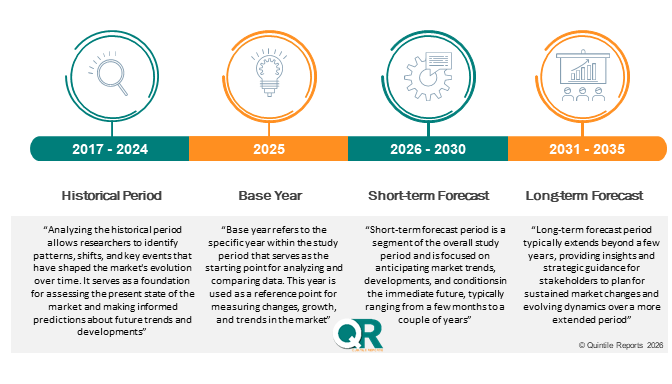
Our team of experienced researchers has meticulously gathered and analyzed data to deliver a thorough examination of market dynamics, competitive landscape, and emerging technologies. With a focus on delivering actionable intelligence, this report aims to empower decision-makers with the information needed to make informed choices and stay ahead of the competition. Whether you are a seasoned industry player or a new entrant, our market research report serves as a strategic tool to navigate the complexities of the market, aiding in successful business planning and growth strategies.
This chapter of our Suspended Scaffolding market report provides an in-depth examination of the factors shaping the industry landscape. This section typically encompasses several key elements to offer a comprehensive understanding of the industry landscape such as market drivers & restraints analysis, market opportunities & trend analysis, market size & growth analysis, competitive analysis, SWOT analysis, business environment tools such as Porter's five forces & PESTEL analysis, Ansoff Matrix analysis, penetration & growth prospect analysis, regulatory framework & reimbursement scenario analysis, impact of macro & micro economic factors analysis such as Covid-19 impact, GDP growth, market inflation, U.S.- China trade war, Russia-Ukraine war impact, and supply chain analysis.
The segment analysis chapter of Suspended Scaffolding market report is a critical section that delves into a detailed examination of the market's various segments. Segmentation involves dividing the market into distinct categories based on certain criteria to better understand and address the diverse needs of consumers. This chapter typically follows the introduction and provides a more granular view of the market, offering valuable insights for businesses and stakeholders. The components of the chapter lude segment definitions to understand the inclusions and exclusions of the study, assumptions, market size estimates and growth trend analysis of each segment, qualitative analysis of the segment, technological advancements, market penetration rate, market adoption rate, market share examination by each segment, segment growth drivers and restraint barriers, consumer behaviour and challenge analysis.
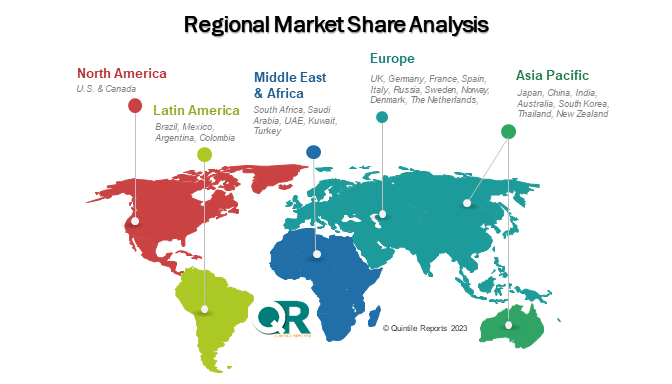
The chapter in Suspended Scaffolding market research report is a pivotal section that examines and predicts the market dynamics and trends specific to different geographical regions. This chapter is crucial for businesses and stakeholders seeking a comprehensive understanding of how the market behaves across various locations, enabling them to tailor strategies and make informed decisions based on regional variations. The regional analysis chapter of our Suspended Scaffolding market report is classified into regions & country-level. The chapter consists of North America (U.S., Canada), Europe (UK, Germany, France, Italy, Spain, Russia, Sweden, Denmark, Norway, Rest of Europe), Asia Pacific (Japan, China, India, Australia, South Korea, Thailand, Rest of Asia Pacific), Latin America (Brazil, Mexico, Argentina, Colombia, Rest of Latin America), Middle East & Africa (South Africa, Saudi Arabia, UAE, Kuwait, Rest of Middle East & Africa).
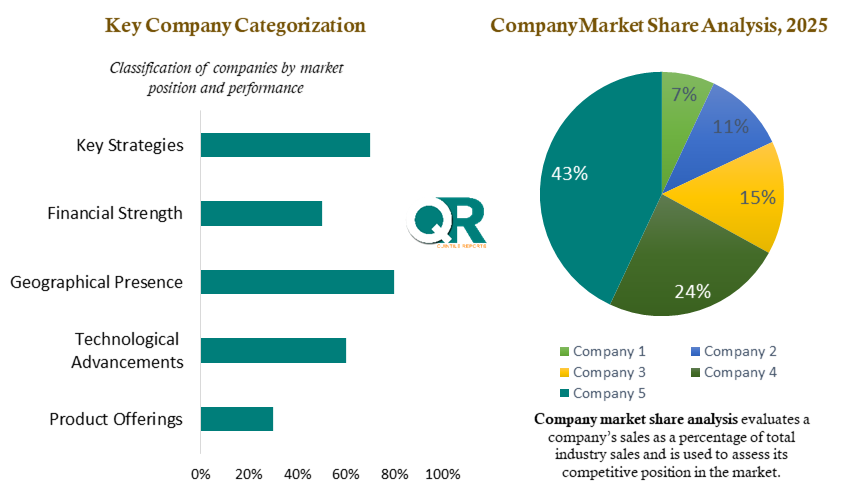
This section of a Suspended Scaffolding market report is a crucial segment that provides a comprehensive overview of the competitive landscape within the market. This section is vital for businesses, investors, and stakeholders seeking insights into key players, their market positioning, strengths, weaknesses, strategies, and potential impacts on the overall market dynamics. The chapter includes research methodology used to analyse the market competition, list of key players operating in the market, detailed company profile section which includes company overview, business verticals, financial performance, product/services benchmarking, geographical presence, and strategic initiatives.
| Report Scope | Details |
| Report Version | 2026 |
| Growth Rate | CAGR of 6.19 from 2026 to 2035 |
| Base Year | 2025 |
| Actual Estimates / Historical Data | 2017 - 2024 |
| Forecast Period | 2026 - 2035 |
| Quantitative Units | Revenue in USD million/billion & CAGR from 2026 to 2035 |
| Country Scope | North America (U.S., Canada), Europe (UK, Germany, France, Italy, Spain, Russia, Sweden, Denmark, Norway, Rest of Europe), Asia Pacific (Japan, China, India, Australia, South Korea, Thailand, Rest of Asia Pacific), Latin America (Brazil, Mexico, Argentina, Colombia, Rest of Latin America), Middle East & Africa (South Africa, Saudi Arabia, UAE, Kuwait, Rest of Middle East & Africa). |
| The Segment Covered by Type |
|
| The Segment Covered by Material |
|
| Companies Covered |
|
| Report Coverage | Revenue forecast, company share, competitive landscape, growth factors, and trends |
| Free Customization Scope (Equivalent to 5 Analyst Working Days) | If you need specific information, which is not currently within the scope of the report, we will provide it to you as a part of the customization |

Statistics for the 2025 Suspended Scaffolding market share, size, and revenue growth rate were created by Quintile Report™. Suspended Scaffolding analysis includes a market forecast outlook for 2035 and a historical overview. Get a free PDF sample of this market analysis, please get in touch with our principal analyst at sales@quintilereports.com
List of Tables
Table 1 List of Abbreviation and acronyms
Table 2 List of Sources
Table 3 North America Global Suspended Scaffolding Market, by Segment Analysis, (USD Million) 2017-2035
Table 4 North America Global Suspended Scaffolding Market, by Region, (USD Million) 2017-2035
Table 5 U.S. Global Suspended Scaffolding Market, by Segment Analysis, (USD Million) 2017-2035
Table 6 Canada Global Suspended Scaffolding Market, by Segment Analysis, (USD Million) 2017-2035
Table 7 Europe Global Suspended Scaffolding Market, by Segment Analysis, (USD Million) 2017-2035
Table 8 Europe Global Suspended Scaffolding Market, by Region, (USD Million) 2017-2035
Table 9 Germany Global Suspended Scaffolding Market, by Segment Analysis, (USD Million) 2017-2035
Table 10 U.K. Global Suspended Scaffolding Market, by Segment Analysis, (USD Million) 2017-2035
Table 11 France Global Suspended Scaffolding Market, by Segment Analysis, (USD Million) 2017-2035
Table 12 Italy Global Suspended Scaffolding Market, by Segment Analysis, (USD Million) 2017-2035
Table 13 Spain Global Suspended Scaffolding Market, by Segment Analysis, (USD Million) 2017-2035
Table 14 Sweden Global Suspended Scaffolding Market, by Segment Analysis, (USD Million) 2017-2035
Table 15 Denmark Global Suspended Scaffolding Market, by Segment Analysis, (USD Million) 2017-2035
Table 16 Norway Global Suspended Scaffolding Market, by Segment Analysis, (USD Million) 2017-2035
Table 17 The Netherlands Global Suspended Scaffolding Market, by Segment Analysis, (USD Million) 2017-2035
Table 18 Russia Global Suspended Scaffolding Market, by Segment Analysis, (USD Million) 2017-2035
Table 19 Asia Pacific Global Suspended Scaffolding Market, by Segment Analysis, (USD Million) 2017-2035
Table 20 Asia Pacific Global Suspended Scaffolding Market, by Region, (USD Million) 2017-2035
Table 21 China Global Suspended Scaffolding Market, by Segment Analysis, (USD Million) 2017-2035
Table 22 Japan Global Suspended Scaffolding Market, by Segment Analysis, (USD Million) 2017-2035
Table 23 India Global Suspended Scaffolding Market, by Segment Analysis, (USD Million) 2017-2035
Table 24 Australia Global Suspended Scaffolding Market, by Segment Analysis, (USD Million) 2017-2035
Table 25 South Korea Global Suspended Scaffolding Market, by Segment Analysis, (USD Million) 2017-2035
Table 26 Thailand Global Suspended Scaffolding Market, by Segment Analysis, (USD Million) 2017-2035
Table 27 Latin America Global Suspended Scaffolding Market, by Segment Analysis, (USD Million) 2017-2035
Table 28 Latin America Global Suspended Scaffolding Market, by Region, (USD Million) 2017-2035
Table 29 Brazil Global Suspended Scaffolding Market, by Segment Analysis, (USD Million) 2017-2035
Table 30 Mexico Global Suspended Scaffolding Market, by Segment Analysis, (USD Million) 2017-2035
Table 31 Argentina Global Suspended Scaffolding Market, by Segment Analysis, (USD Million) 2017-2035
Table 32 Middle East and Africa Global Suspended Scaffolding Market, by Segment Analysis, (USD Million) 2017-2035
Table 33 Middle East and Africa Global Suspended Scaffolding Market, by Region, (USD Million) 2017-2035
Table 34 South Africa Global Suspended Scaffolding Market, by Segment Analysis, (USD Million) 2017-2035
Table 35 Saudi Arabia Global Suspended Scaffolding Market, by Segment Analysis, (USD Million) 2017-2035
Table 36 UAE Global Suspended Scaffolding Market, by Segment Analysis, (USD Million) 2017-2035
Table 37 Kuwait Global Suspended Scaffolding Market, by Segment Analysis, (USD Million) 2017-2035
Table 38 Turkey Global Suspended Scaffolding Market, by Segment Analysis, (USD Million) 2017-2035
Fig.1 Market research process
Fig.2 Market research approaches
Fig.3 Global Suspended Scaffolding Market: market scenario
Fig.4 Global Suspended Scaffolding Market competitive outlook
Fig.5 Global Suspended Scaffolding Market driver analysis
Fig.6 Global Suspended Scaffolding Market restraint analysis
Fig.7 Global Suspended Scaffolding Market opportunity analysis
Fig.8 Global Suspended Scaffolding Market trends analysis
Fig.9 Global Suspended Scaffolding Market: Segment Analysis (Based on the scope)
Fig.10 Global Suspended Scaffolding Market: regional analysis
Fig.11 Global market shares and leading market players
Fig.12 North America market share and leading players
Fig.13 Europe market share and leading players
Fig.14 Asia Pacific market share and leading players
Fig.15 Latin America market share and leading players
Fig.16 Middle East & Africa market share and leading players
Fig.17 North America, by country
Fig.18 North America
Fig.19 North America market estimates and forecast, 2017-2035
Fig.20 U.S.
Fig.21 Canada
Fig.22 Europe
Fig.23 Europe market estimates and forecast, 2017-2035
Fig.24 U.K.
Fig.25 Germany
Fig.26 France
Fig.27 Italy
Fig.28 Spain
Fig.29 Sweden
Fig.30 Denmark
Fig.31 Norway
Fig.32 The Netherlands
Fig.33 Russia
Fig.34 Asia Pacific
Fig.35 Asia Pacific market estimates and forecast, 2017-2035
Fig.36 China
Fig.37 Japan
Fig.38 India
Fig.39 Australia
Fig.40 South Korea
Fig.41 Thailand
Fig.42 Latin America
Fig.43 Latin America market estimates and forecast, 2017-2035
Fig.44 Brazil
Fig.45 Mexico
Fig.46 Argentina
Fig.47 Colombia
Fig.48 Middle East and Africa
Fig.49 Middle East and Africa market estimates and forecast, 2017-2035
Fig.50 Saudi Arabia
Fig.51 South Africa
Fig.52 UAE
Fig.53 Kuwait
Fig.54 Turkey
The Global Suspended Scaffolding Market was valued at USD 3222.32 million in 2025 and is projected to reach USD 5402.5 million by 2035, registering a strong CAGR of 6.19% during the forecast period from 2026 to 2035. The Suspended Scaffolding market report offers a detailed evaluation of the industry by examining macroeconomic trends, technological developments, regulatory landscapes, and changing consumer dynamics to outline the markets future growth prospects.
Using 2025 as the base year, the Suspended Scaffolding market continues to expand steadily due to ongoing innovation, growing adoption across multiple end-use sectors, and rapid advancements in technology. Industry participants are actively refining their go-to-market (GTM) strategies to leverage new growth avenues and strengthen their competitive positioning in a rapidly evolving marketplace.
Looking toward 2035, the market is expected to sustain significant growth momentum, driven by continuous investments in research and development, strategic alliances, and increased merger and acquisition activity. Companies that emphasize innovation, implement agile GTM strategies, and remain aligned with shifting customer expectations are well positioned to achieve sustainable long-term growth. The report delivers comprehensive insights into key drivers, restraints, opportunities, and challenges across segments, regions, and countries, supported by qualitative and quantitative analysis covering 2017 to 2035.
The Suspended Scaffolding Market encompasses the manufacturing, distribution, and application of scaffolding systems that are suspended from the top of structures to provide safe working platforms at elevated heights. These scaffolds are typically suspended by ropes, cables, or other flexible means from overhead structures, enabling access to hard-to-reach areas for construction, maintenance, repair, and inspection activities.
Unlike traditional base-supported scaffolding, suspended scaffolding is especially significant for high-rise buildings, bridges, shipbuilding, and complex architectural structures where ground-based scaffolding is impractical or space-restricted. The market covers various product types distinguished by suspension mechanisms, materials (steel, aluminium, carbon fibre), and load capacities, serving industries such as construction, industrial maintenance, and infrastructure refurbishment.
The global suspended scaffolding market is witnessing robust growth, driven by several key factors shaping the construction and infrastructure landscape.
One major driver is the rising wave of high-rise construction and rapid urbanization. In densely populated regions, traditional scaffolding becomes impractical for tall buildings, making suspended systems essential for construction and facade work. The ongoing renovation of aging urban infrastructuresuch as bridges and older buildingsis further fuelling this demand.
Technology is also playing a pivotal role in advancing this market. Manufacturers are introducing lightweight, modular platforms equipped with enhanced hoist controls and real-time monitoring systems. The addition of IoT-enabled sensors and automation is transforming scaffolding from a manual tool to a smart, data-driven access solution.
Moreover, the push for higher safety standards worldwide is encouraging companies to switch to safer scaffolding alternatives. Suspended scaffolding systems, known for their secure and adaptable design, are helping firms comply with stringent safety regulations while minimizing workplace hazards.
Lastly, the global focus on infrastructure modernization, smart city development, and even offshore wind maintenance is opening up new avenues for suspended scaffolding. These complex, large-scale projects demand advanced access solutions that can operate in challenging environments, further strengthening the markets growth prospects.
One major challenge is the high cost and price volatility of raw materials such as aluminium and steel. Fluctuations in these material prices can disrupt pricing strategies and reduce profitability for manufacturers and contractors, often leading to project delays or scaled-back investments.
Another significant hurdle is the shortage of skilled labour. Assembling and operating suspended scaffolding systems requires specialized expertise, and the lack of trained professionals can slow down project timelines and increase the risk of operational errors.
Additionally, suspended scaffolding systems are associated with higher safety risks compared to traditional supported scaffolding. This naturally draws heightened regulatory attention, potentially resulting in stricter safety standards, higher compliance costs, and reluctance among some users to adopt these systems.
Lastly, the market also faces competition from both traditional supported scaffolding and newer access technologies. In certain regions or project scenarios, these alternatives may be more cost-effective or practical, posing a challenge to the wider adoption of suspended scaffolding solutions.
North Americas suspended scaffolding market is steadily growing, fuelled by ongoing urban infrastructure renovation and retrofitting projects across the U.S. and Canada. The region is seeing a shift toward advanced modular systems with built-in safety features like real-time load monitoring and automation, helping reduce labour demands and meet strict OSHA safety standards. Despite challenges such as high labour costs and a shortage of skilled operators, opportunities are expanding through major infrastructure developments and increased use in shipbuilding, especially for hull maintenance. With both U.S. and Canadian regulations enforcing high safety benchmarks, manufacturers are focusing on lightweight, certified solutions. The market also benefits from strong tech integration and a well-established rental ecosystem, making it easier for projects to scale as needed.
Europes suspended scaffolding market is shaped by a strong emphasis on heritage restoration, commercial high-rise renovations, and infrastructure upkeep, particularly in countries like Germany, France, and the UK. Multi-point suspended scaffolding is widely used here for its flexibility in covering large surfaces and adapting to intricate architectural designs. Strict EU safety and environmental regulations are pushing manufacturers to develop sustainable, reusable systems in line with green construction goals. While these rules promote safety and eco-friendliness, navigating diverse regulations and the high cost of compliance can be challenging. With aging infrastructure across the region, theres a rising need for non-disruptive access solutions and greater integration of digital safety tools.
The Asia Pacific region is emerging as the fastest-growing market for suspended scaffolding, driven by rapid urbanization, rising high-rise construction, and large-scale infrastructure projects supported by governments in countries like India, China, Japan, and Indonesia. These megaprojectsranging from skyscrapers to smart cities and energy facilitiesare increasingly turning to suspended scaffolding due to limited ground space. While the region benefits from lower labour costs, it also grapples with challenges like uneven safety enforcement and a shortage of skilled workers for complex scaffolding tasks. However, regulatory standards are improving, with many countries aligning their safety norms with global benchmarks.
Latin America's suspended scaffolding market is steadily gaining momentum, fuelled by infrastructure refurbishment and urban development projects across Brazil, Mexico, and Argentina. While the adoption of advanced systems like multi-level and multi-point scaffolding is still in its early stages, these solutions are increasingly seen as essential for improving access efficiency on complex structures. The region does face hurdles however, government-led efforts to modernize aging infrastructure and expand urban housing are creating strong growth opportunities. Although safety regulations aren't yet as stringent, they're gradually tightening as awareness around worker safety increases. Suspended scaffolding is also gaining traction in bridge maintenance and commercial renovations, signalling its growing acceptance across key projects.
The Middle East and Africa are rapidly embracing suspended scaffolding, driven by booming infrastructure, commercial, and energy projectsespecially in the UAE, Saudi Arabia, and South Africa. A key trend is the growing preference for lightweight aluminium scaffolding, ideal for the regions harsh climate and easy to transport. Massive construction efforts are creating strong demand for safe and efficient vertical access solutions. However, challenges such as a shortage of skilled labour and the need to keep up with evolving safety regulations remain. Countries like the UAE are using suspended scaffolding extensively for maintaining high-rise facades, while the region also pushes for more sustainable, eco-friendly scaffolding options.
The suspended scaffolding market in the United States is mature yet steadily growing, fuelled by a surge in urban infrastructure revitalization, high-rise construction, and industrial maintenance projects. A key trend shaping the industry is the rising adoption of modular and lightweight scaffolding systems, many of which are now equipped with real-time safety monitoring and automation to improve both worker safety and operational efficiency. The sector has received a significant boost from the Infrastructure Investment and Jobs Act, which has unlocked substantial funding for commercial building renovation, bridge maintenance, and energy infrastructure.
Regulatory oversight remains strict, with OSHA (Occupational Safety and Health Administration) enforcing detailed safety standards, including rules on fall protection, load capacities, and mandatory worker training. Industry leaders like Brand Industrial Services (BrandSafway) continue to expand their reach. Suspended scaffolding remains an essential tool in construction, industrial maintenance, shipbuilding, and the energy sector, reinforcing its importance in supporting the nations growing infrastructure needs.
Germanys suspended scaffolding market thrives on a foundation of safety, sustainability, and cutting-edge innovation, deeply aligned with the EUs strict regulatory environment. With a well-established construction sector that prioritizes heritage restoration, commercial high-rises, and infrastructure maintenance, the demand for advanced scaffolding solutions remains steady. EU directives such as the Construction Products Regulation (CPR) and the Work at Height Directive enforce rigorous safety and environmental criteria, pushing manufacturers to design certified, reusable systems with improved load-bearing strength and modularity.
Homegrown leaders like PERI GmbH are setting benchmarks through innovations. Suspended scaffolding finds its primary applications in commercial construction, bridge rehabilitation, and the fast-growing energy infrastructure space, particularly wind energy installations. A hallmark of the German industry is its highly trained workforce, which contributes to significantly fewer scaffolding accidents than the global average. While the sector grapples with high compliance costs and intricate regulatory hurdles, it also benefits from robust government support aimed at green construction and infrastructure upgrades.
Japans suspended scaffolding market is thriving amid rapid urbanization, a dense skyline of skyscrapers, and ongoing infrastructure upgradesparticularly crucial in earthquake-prone regions where resilient construction methods are a must. Lightweight aluminium scaffolding systems are becoming the industry standard due to their corrosion resistance and ease of installation in Japans space-constrained urban environments. The countrys rigorous regulatory framework, managed by the Ministry of Health, Labour and Welfare (MHLW), enforces strict safety norms, mandating worker training, equipment certification, and regular inspections to curb fall-related hazards.
The market features a mix of domestic manufacturers and global companies offering modular, seismic-resistant suspended platforms designed for efficiency and safety. These systems are heavily used in commercial and residential high-rise projects, as well as in bridge and tunnel maintenance and shipbuilding. While Japans construction workforce is highly skilled, it is also aging, spurring a shift toward automation and mechanization in scaffolding operations. Major redevelopment and maintenance projects in cities like Tokyo and Osaka highlight the preference for suspended scaffolding in facade work on tall buildings. Looking ahead, the market is embracing IoT-based monitoring systems and hybrid scaffolding innovations.
In todays highly competitive access equipment and scaffolding market, companies are leveraging a mix of innovation, compliance, and strategic growth to differentiate themselves. Technological innovation plays a central role, with leading players heavily investing in R&D to develop modular designs, automated systems, and IoT-enabled safety features such as real-time load monitoring.
Regulatory compliance has become a key battleground. Certified systems give companies a clear edge in securing contracts, while non-compliance can lead to outright exclusion. At the same time, pricing strategies are shaped by the volatility in raw material costs such as aluminium and steel. Market leaders manage this through economies of scale, while smaller players often focus on niche markets where they can offer more flexible pricing models.
Beyond strategy, key differentiators are shaping who leads the pack. Material engineering choices are essentialaluminium is favoured in coastal and industrial zones for its corrosion resistance, steel dominates in heavy-load applications, and new hybrid composites offer a promising balance of weight reduction and strength.
Digital integration is another frontier, with advanced systems incorporating sensors for real-time diagnostics like load imbalance alerts, helping reduce on-site accidents by over conventional setups. Additionally, strong service ecosystems are becoming a hallmark of successful players, offering rental networks, operator training, and maintenance services that foster long-term customer loyalty, especially in markets facing skilled labour shortages.
Lastly, customization capabilities are crucialcompanies that offer adaptable, multi-point platforms for complex facades or specialized systems like catenary scaffolding for bridges are better equipped to meet diverse project needs, outshining generic, one-size-fits-all solutions.
Key players in the market are Safway Group Holding LLC, BrandSafway, PERI GmbH, Altrex B.V., ULMA Construction, Waco Kwikform Ltd., The Brock Group, Spider by BrandSafway, Turner Access, Layher Holding GmbH & Co. KG, Instant UpRight, Beijing Kangde Scaffolding, Rizhao Fast & Fasten Scaffold Co., Ltd., FIXATOR, Tianjin Wellmade Scaffold Co., Ltd., and other players.
Our team of experienced researchers has meticulously gathered and analyzed data to deliver a thorough examination of market dynamics, competitive landscape, and emerging technologies. With a focus on delivering actionable intelligence, this report aims to empower decision-makers with the information needed to make informed choices and stay ahead of the competition. Whether you are a seasoned industry player or a new entrant, our market research report serves as a strategic tool to navigate the complexities of the market, aiding in successful business planning and growth strategies.
This chapter of our Suspended Scaffolding market report provides an in-depth examination of the factors shaping the industry landscape. This section typically encompasses several key elements to offer a comprehensive understanding of the industry landscape such as market drivers & restraints analysis, market opportunities & trend analysis, market size & growth analysis, competitive analysis, SWOT analysis, business environment tools such as Porter's five forces & PESTEL analysis, Ansoff Matrix analysis, penetration & growth prospect analysis, regulatory framework & reimbursement scenario analysis, impact of macro & micro economic factors analysis such as Covid-19 impact, GDP growth, market inflation, U.S.- China trade war, Russia-Ukraine war impact, and supply chain analysis.
The segment analysis chapter of Suspended Scaffolding market report is a critical section that delves into a detailed examination of the market's various segments. Segmentation involves dividing the market into distinct categories based on certain criteria to better understand and address the diverse needs of consumers. This chapter typically follows the introduction and provides a more granular view of the market, offering valuable insights for businesses and stakeholders. The components of the chapter lude segment definitions to understand the inclusions and exclusions of the study, assumptions, market size estimates and growth trend analysis of each segment, qualitative analysis of the segment, technological advancements, market penetration rate, market adoption rate, market share examination by each segment, segment growth drivers and restraint barriers, consumer behaviour and challenge analysis.
The chapter in Suspended Scaffolding market research report is a pivotal section that examines and predicts the market dynamics and trends specific to different geographical regions. This chapter is crucial for businesses and stakeholders seeking a comprehensive understanding of how the market behaves across various locations, enabling them to tailor strategies and make informed decisions based on regional variations. The regional analysis chapter of our Suspended Scaffolding market report is classified into regions & country-level. The chapter consists of North America (U.S., Canada), Europe (UK, Germany, France, Italy, Spain, Russia, Sweden, Denmark, Norway, Rest of Europe), Asia Pacific (Japan, China, India, Australia, South Korea, Thailand, Rest of Asia Pacific), Latin America (Brazil, Mexico, Argentina, Colombia, Rest of Latin America), Middle East & Africa (South Africa, Saudi Arabia, UAE, Kuwait, Rest of Middle East & Africa).
This section of a Suspended Scaffolding market report is a crucial segment that provides a comprehensive overview of the competitive landscape within the market. This section is vital for businesses, investors, and stakeholders seeking insights into key players, their market positioning, strengths, weaknesses, strategies, and potential impacts on the overall market dynamics. The chapter includes research methodology used to analyse the market competition, list of key players operating in the market, detailed company profile section which includes company overview, business verticals, financial performance, product/services benchmarking, geographical presence, and strategic initiatives.
| Report Scope | Details |
| Report Version | 2026 |
| Growth Rate | CAGR of 6.19 from 2026 to 2035 |
| Base Year | 2025 |
| Actual Estimates / Historical Data | 2017 - 2024 |
| Forecast Period | 2026 - 2035 |
| Quantitative Units | Revenue in USD million/billion & CAGR from 2026 to 2035 |
| Country Scope | North America (U.S., Canada), Europe (UK, Germany, France, Italy, Spain, Russia, Sweden, Denmark, Norway, Rest of Europe), Asia Pacific (Japan, China, India, Australia, South Korea, Thailand, Rest of Asia Pacific), Latin America (Brazil, Mexico, Argentina, Colombia, Rest of Latin America), Middle East & Africa (South Africa, Saudi Arabia, UAE, Kuwait, Rest of Middle East & Africa). |
| The Segment Covered by Type |
|
| The Segment Covered by Material |
|
| Companies Covered |
|
| Report Coverage | Revenue forecast, company share, competitive landscape, growth factors, and trends |
| Free Customization Scope (Equivalent to 5 Analyst Working Days) | If you need specific information, which is not currently within the scope of the report, we will provide it to you as a part of the customization |
Statistics for the 2025 Suspended Scaffolding market share, size, and revenue growth rate were created by Quintile Report™. Suspended Scaffolding analysis includes a market forecast outlook for 2035 and a historical overview. Get a free PDF sample of this market analysis, please get in touch with our principal analyst at sales@quintilereports.com
Table 1 List of Abbreviation and acronyms
Table 2 List of Sources
Table 3 North America Global Suspended Scaffolding Market, by Segment Analysis, (USD Million) 2017-2035
Table 4 North America Global Suspended Scaffolding Market, by Region, (USD Million) 2017-2035
Table 5 U.S. Global Suspended Scaffolding Market, by Segment Analysis, (USD Million) 2017-2035
Table 6 Canada Global Suspended Scaffolding Market, by Segment Analysis, (USD Million) 2017-2035
Table 7 Europe Global Suspended Scaffolding Market, by Segment Analysis, (USD Million) 2017-2035
Table 8 Europe Global Suspended Scaffolding Market, by Region, (USD Million) 2017-2035
Table 9 Germany Global Suspended Scaffolding Market, by Segment Analysis, (USD Million) 2017-2035
Table 10 U.K. Global Suspended Scaffolding Market, by Segment Analysis, (USD Million) 2017-2035
Table 11 France Global Suspended Scaffolding Market, by Segment Analysis, (USD Million) 2017-2035
Table 12 Italy Global Suspended Scaffolding Market, by Segment Analysis, (USD Million) 2017-2035
Table 13 Spain Global Suspended Scaffolding Market, by Segment Analysis, (USD Million) 2017-2035
Table 14 Sweden Global Suspended Scaffolding Market, by Segment Analysis, (USD Million) 2017-2035
Table 15 Denmark Global Suspended Scaffolding Market, by Segment Analysis, (USD Million) 2017-2035
Table 16 Norway Global Suspended Scaffolding Market, by Segment Analysis, (USD Million) 2017-2035
Table 17 The Netherlands Global Suspended Scaffolding Market, by Segment Analysis, (USD Million) 2017-2035
Table 18 Russia Global Suspended Scaffolding Market, by Segment Analysis, (USD Million) 2017-2035
Table 19 Asia Pacific Global Suspended Scaffolding Market, by Segment Analysis, (USD Million) 2017-2035
Table 20 Asia Pacific Global Suspended Scaffolding Market, by Region, (USD Million) 2017-2035
Table 21 China Global Suspended Scaffolding Market, by Segment Analysis, (USD Million) 2017-2035
Table 22 Japan Global Suspended Scaffolding Market, by Segment Analysis, (USD Million) 2017-2035
Table 23 India Global Suspended Scaffolding Market, by Segment Analysis, (USD Million) 2017-2035
Table 24 Australia Global Suspended Scaffolding Market, by Segment Analysis, (USD Million) 2017-2035
Table 25 South Korea Global Suspended Scaffolding Market, by Segment Analysis, (USD Million) 2017-2035
Table 26 Thailand Global Suspended Scaffolding Market, by Segment Analysis, (USD Million) 2017-2035
Table 27 Latin America Global Suspended Scaffolding Market, by Segment Analysis, (USD Million) 2017-2035
Table 28 Latin America Global Suspended Scaffolding Market, by Region, (USD Million) 2017-2035
Table 29 Brazil Global Suspended Scaffolding Market, by Segment Analysis, (USD Million) 2017-2035
Table 30 Mexico Global Suspended Scaffolding Market, by Segment Analysis, (USD Million) 2017-2035
Table 31 Argentina Global Suspended Scaffolding Market, by Segment Analysis, (USD Million) 2017-2035
Table 32 Middle East and Africa Global Suspended Scaffolding Market, by Segment Analysis, (USD Million) 2017-2035
Table 33 Middle East and Africa Global Suspended Scaffolding Market, by Region, (USD Million) 2017-2035
Table 34 South Africa Global Suspended Scaffolding Market, by Segment Analysis, (USD Million) 2017-2035
Table 35 Saudi Arabia Global Suspended Scaffolding Market, by Segment Analysis, (USD Million) 2017-2035
Table 36 UAE Global Suspended Scaffolding Market, by Segment Analysis, (USD Million) 2017-2035
Table 37 Kuwait Global Suspended Scaffolding Market, by Segment Analysis, (USD Million) 2017-2035
Table 38 Turkey Global Suspended Scaffolding Market, by Segment Analysis, (USD Million) 2017-2035
Fig.1 Market research process
Fig.2 Market research approaches
Fig.3 Global Suspended Scaffolding Market: market scenario
Fig.4 Global Suspended Scaffolding Market competitive outlook
Fig.5 Global Suspended Scaffolding Market driver analysis
Fig.6 Global Suspended Scaffolding Market restraint analysis
Fig.7 Global Suspended Scaffolding Market opportunity analysis
Fig.8 Global Suspended Scaffolding Market trends analysis
Fig.9 Global Suspended Scaffolding Market: Segment Analysis (Based on the scope)
Fig.10 Global Suspended Scaffolding Market: regional analysis
Fig.11 Global market shares and leading market players
Fig.12 North America market share and leading players
Fig.13 Europe market share and leading players
Fig.14 Asia Pacific market share and leading players
Fig.15 Latin America market share and leading players
Fig.16 Middle East & Africa market share and leading players
Fig.17 North America, by country
Fig.18 North America
Fig.19 North America market estimates and forecast, 2017-2035
Fig.20 U.S.
Fig.21 Canada
Fig.22 Europe
Fig.23 Europe market estimates and forecast, 2017-2035
Fig.24 U.K.
Fig.25 Germany
Fig.26 France
Fig.27 Italy
Fig.28 Spain
Fig.29 Sweden
Fig.30 Denmark
Fig.31 Norway
Fig.32 The Netherlands
Fig.33 Russia
Fig.34 Asia Pacific
Fig.35 Asia Pacific market estimates and forecast, 2017-2035
Fig.36 China
Fig.37 Japan
Fig.38 India
Fig.39 Australia
Fig.40 South Korea
Fig.41 Thailand
Fig.42 Latin America
Fig.43 Latin America market estimates and forecast, 2017-2035
Fig.44 Brazil
Fig.45 Mexico
Fig.46 Argentina
Fig.47 Colombia
Fig.48 Middle East and Africa
Fig.49 Middle East and Africa market estimates and forecast, 2017-2035
Fig.50 Saudi Arabia
Fig.51 South Africa
Fig.52 UAE
Fig.53 Kuwait
Fig.54 Turkey

A license granted to one user. Rules or conditions might be applied for e.g. the use of electric files (PDFs) or printings, depending on product.
A license granted to multiple users.
A license granted to a single business site/establishment.
A license granted to all employees within organisation access to the product.
Immediate / Within 24-48 hours - Working days
Online Payments with PayPal and CCavenue
You can order a report by picking any of the payment methods which is bank wire or online payment through any Debit/Credit card or PayPal.
Hard Copy
Report Overview: The Global Gas and Liquid Flow Management Systems Market was valued at USD 21.82 bi
Read MoreReport Overview: The Global Product Fall Protection Systems Market was valued at USD 8.62 million in
Read MoreReport Overview: The Global Superconductor Motors Market was valued at USD 135.82 million in 2025 an
Read More U.S. : +1-201-772-7734