The Global Mechanical Power Transmission Market was valued at USD 77.27 billion in 2025 and is forecast to reach USD 127.31 billion by 2035, expanding at a healthy CAGR of 6.18% between 2026 and 2035. The Mechanical Power Transmission market report delivers a strategic overview of the industry by analyzing macroeconomic factors, technological innovations, regulatory developments, and changing consumer preferences to assess future market growth potential.
With 2025 considered the base year, the Mechanical Power Transmission market is witnessing progressive growth driven by continuous product innovation, increasing demand from diverse end-use industries, and advancements in digital technologies. Market stakeholders are actively strengthening their go-to-market (GTM) strategies to unlock new opportunities and enhance their competitive capabilities.
Looking forward to 2035, the market is expected to continue its upward trajectory, supported by growing R&D initiatives, expanding strategic collaborations, and increasing merger and acquisition activities. Companies that invest in innovation, adopt flexible GTM strategies, and align with evolving customer requirements are expected to achieve sustainable market leadership. The report provides detailed insights into the markets drivers, restraints, opportunities, and challenges across segments, regions, and countries, supported by comprehensive qualitative and quantitative analysis from 2017 to 2035.
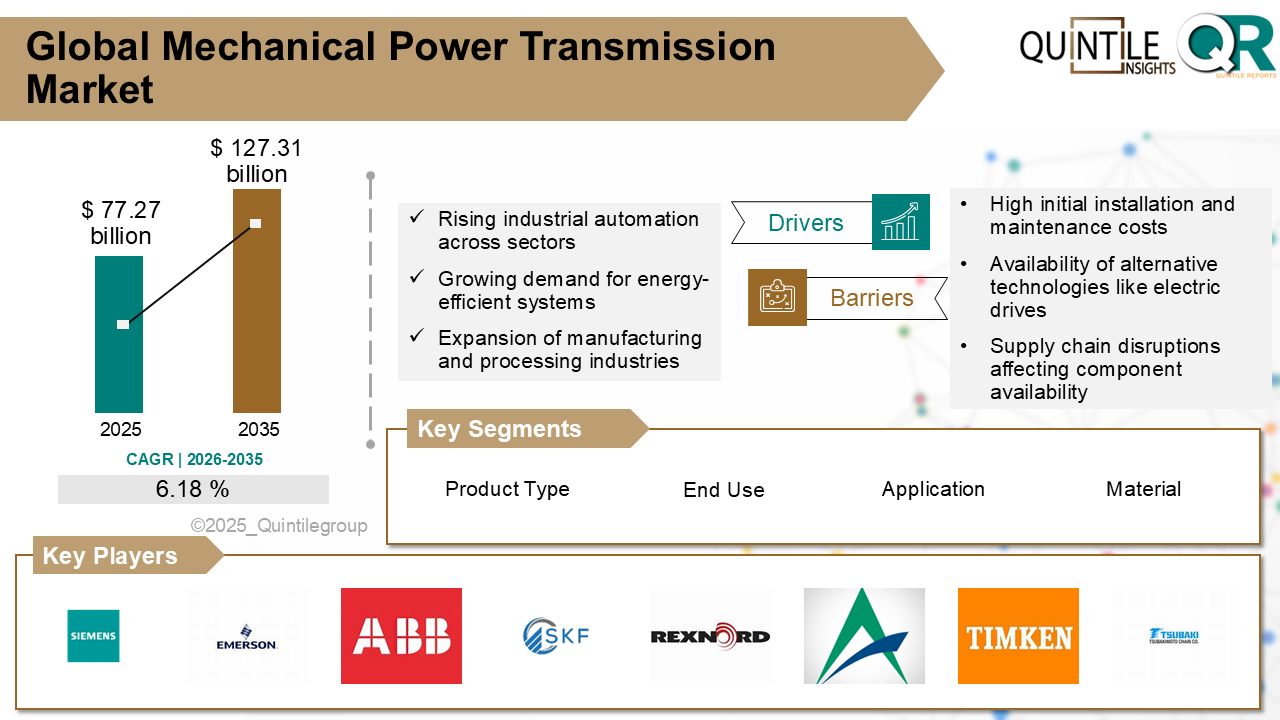
The Mechanical Power Transmission Market plays a critical role in keeping the wheels of industry turningquite literally. It covers the essential systems and components like gears, bearings, belts, chains, couplings, and hydraulic transmissions that help transfer power from a source (like a motor or engine) to the machines that do the real work. Whether it's shifting motion direction, adjusting speeds, or converting rotary to linear movement, these components are the unsung heroes behind countless industrial processes.
From powering conveyor belts in manufacturing plants to driving agricultural machinery, construction equipment, vehicles, and even aircraft systems, mechanical power transmission is at the heart of it all. It ensures smooth, reliable, and efficient energy transfer, making it fundamental to productivity and performance across industries. Whether it's optimizing motion in a mining rig or enabling precision control in an automotive assembly line, this market quietly supports the heavy lifting behind the scenes.
The global mechanical power transmission market is experiencing strong growth, driven by several key factors shaping industrial trends.
One of the primary drivers is the increasing adoption of industrial automation and smart manufacturing technologies, commonly known as Industry 4.0. As businesses seek to enhance precision and productivity while cutting operational costs, sectors such as automotive, aerospace, and general manufacturing are investing heavily in advanced mechanical transmission systems.
Another significant factor is the rising demand for energy-efficient solutions. With growing pressure from environmental regulations and the need to reduce energy expenses, industriesparticularly in power generation, electric vehicles, and renewable energy infrastructureare shifting toward components that help minimize energy consumption and carbon emissions.
Additionally, infrastructure development in emerging economies is fuelling the market. Rapid urbanization and industrialization, have created strong demand for mechanical power transmission equipment in construction, mining, and transport.
Finally, technological advancements and product innovation continue to boost the market. The integration of IoT and predictive maintenance technologies is helping extend equipment lifespan and reduce downtime, while innovations in materials and design are improving performance and durability across industries.
One major challenge is the high initial investment and ongoing maintenance costs associated with advanced systems, which can be especially burdensome for small and medium-sized enterprises. These expenses often deter adoption in cost-sensitive industries and regions.
Additionally, compatibility and integration issues present another hurdle, as incorporating new components into older, legacy systems can be both complex and expensive. This integration process may require significant redesigns or downtime, making it less appealing for industries with outdated infrastructure.
The market also faces growing competition from alternative technologies, such as electric drives and other electronic power transmission systems. These alternatives are increasingly favoured for their compactness and precise control, potentially drawing demand away from traditional mechanical solutions.
Lastly, strict regulatory and environmental compliance requirements are pushing manufacturers to continuously invest in research and development to meet evolving emissions and energy standards.
In North America, the mechanical power transmission market is gaining momentum due to a revival in industrial activity, increased automation, and the need to replace aging systems with energy-efficient, high-precision alternatives. The surge in electric vehicle (EV) manufacturing is a major catalyst, driving demand for components tailored to EV powertrains. At the same time, industries are embracing technological upgrades like smart sensors, IoT-based predictive maintenance, and AI diagnostics to improve reliability and minimize downtimekey priorities under Industry 4.0 initiatives in the U.S. and Canada. Sectors such as automotive, aerospace, manufacturing, energy, and even precision agriculture are seeing a faster replacement cycle as regulatory and efficiency expectations tighten. Environmental regulations from agencies like the EPA and DOE are steering the market toward sustainable materials and cleaner technologies.
In Europe, the mechanical power transmission market is driven by a strong push toward industrial automation, renewable energy adoption, and the replacement of outdated systems with energy-efficient alternatives. Countries like Germany, France, and the UK are seeing a surge in electric and hybrid vehicle production, boosting demand for advanced transmission components. While strict EU regulationslike the Ecodesign Directiveincrease compliance costs, they also encourage innovation in eco-friendly, high-efficiency systems and materials. Europe is at the forefront of integrating smart technologies, such as sensor-embedded components, through close collaboration between industry and research institutions.
The Asia Pacific region stands as the largest market, fuelled by rapid industrialization, urbanization, and major infrastructure growth across China, India, Southeast Asia, and Japan. The booming automotive sector and the rising adoption of solar and wind energy are key growth drivers. The region is also embracing Industry 4.0, with smart sensors and IoT being integrated into mechanical power transmission systems to enhance efficiency and durability. Industries such as automotive manufacturing, construction equipment, food processing, and renewable energy are the main users, with China leading global photovoltaic installationsdriving up demand for advanced gearboxes and drive systems. Regulatory policies across countries increasingly promote energy efficiency and environmental sustainability, with governments offering strong incentives for renewable energy and electric vehicle adoption.
Latin America's market is steadily growing, driven by expanding manufacturing sectors, major infrastructure projects, and rising adoption of automation. While the region faces challenges like economic volatility, political uncertainty, and slower industrial modernization, local manufacturers are focusing on producing durable, cost-effective solutions. Technological adoption is moderate, with a gradual shift toward smart components and predictive maintenance tools. Key industries fuelling demand include automotive, mining, agriculture, and constructionparticularly mining, thanks to the regions rich natural resources. Though environmental and safety regulations are less stringent, governments are increasingly pushing for sustainable industrial practices, which are beginning to shape market trends.
In the Middle East and Africa, the mechanical power transmission market is shaped by rapid infrastructure development, ongoing modernization of the oil and gas sector, and rising investments in renewable energy. While geopolitical instability, oil price fluctuations, and limited industrial diversification present ongoing challenges, there's growing momentum toward economic diversification. Advanced technologies like smart sensors and IoT are gradually entering the scene, especially in oil, gas, and renewable energy applications. Key industries driving demand include oil and gas, construction, mining, and renewables. On the regulatory front, there's a steady shift toward international standards for industrial safety and environmental protection, with GCC nations particularly advancing renewable energy policies.
The mechanical power transmission market in the United States is experiencing strong growth, fuelled by expanding industrial automation, the integration of renewable energy sources, and the automotive industrys transition toward electric vehicles (EVs). Companies are increasingly prioritizing energy-efficient, lightweight designs alongside predictive maintenance and IoT-enabled smart components that align with Industry 4.0 trends. Modular and customizable transmission systems, as well as integration with robotics and collaborative robots (cobots), are gaining popularity. Key industries driving this momentum include EV powertrain manufacturing, industrial machinery, aerospace, and renewable energy sectors like wind and solar.
Technological innovations such as AI-powered diagnostics, embedded sensors for real-time monitoring, and partnerships with research institutions to develop advanced materials are shaping the future of the market. Meanwhile, the regulatory landscapesteered by stringent energy efficiency and environmental guidelines from the EPA and DOEpushes manufacturers toward more sustainable, recyclable product solutions. U.S.-based companies are responding with heavy investments in R&D, aiming to lead through innovation, digital integration, and eco-conscious practices.
Germanys mechanical power transmission market plays a vital role in supporting its globally renowned automotive and advanced manufacturing industries. As a leader in producing electric and hybrid vehicles, the country fuels a growing demand for high-precision, energy-efficient transmission systems. Beyond automotive, Germanys robust aerospace sector and expanding renewable energy initiatives further drive market growth. Innovation is at the forefront, with technological advancements centred on sustainable materials, smart sensor integration, and modular system designs.
Operating under a strict regulatory environment shaped by the European Unions Ecodesign Directive and emissions standards, manufacturers are increasingly focused on developing greener, more efficient products aligned with circular economy principles. German firms are globally recognized for their engineering excellence, with many emphasizing sustainability, digitalization, and international expansion in their growth strategies. Supported by a mature industrial ecosystem and a culture of quality and compliance, Germany remains a key player in Europes mechanical power transmission landscape.
Japans mechanical power transmission market thrives on the strength of its advanced manufacturing ecosystem, anchored by key sectors like automotive, robotics, and precision machinery. As a global leader in automation, Japan integrates smart transmission systems with IoT and AI technologies to boost operational efficiency and enable predictive maintenance. The automotive industry remains a core driver of demand for these components. Simultaneously, Japans strong investment in renewable energy, particularly solar power, supports the growing need for specialized gearboxes and drive systems.
Cutting-edge developments in lightweight materials, compact designs, and intelligent couplings continue to enhance energy efficiency and reliability. A robust regulatory framework further propels this market, prioritizing energy conservation and aligning with global environmental standards. Japanese firms lead with a sharp focus on innovation, superior quality, and export-oriented strategies, cementing the countrys reputation for delivering sustainable and technologically sophisticated mechanical power transmission solutions.
In the highly competitive mechanical power transmission market, companies differentiate themselves through a blend of technological innovation, customization, sustainability, and customer-centric services. A major driver of competition is the integration of smart technologieslike AI-driven diagnostics, IoT-enabled predictive maintenance, and intelligent sensorswhich not only enhance reliability but also align with Industry 4.0 demands.
Customization and modular design add further value, allowing manufacturers to tailor solutions for industries ranging from automotive to renewable energy. Material innovation plays a crucial role too, with firms using lightweight, durable, and sustainable materials to improve efficiency while meeting environmental standards.
Cost efficiency is another key factorespecially in emerging marketswhere optimized supply chains and strategic sourcing help maintain competitive pricing despite raw material price volatility.
Moreover, strong R&D investments and collaborations fuel product advancement, while broad portfolios backed by deep application knowledge appeal to a wide industrial base. The growing focus on predictive maintenance through smart components gives an edge to providers in uptime-sensitive sectors.
Compliance with environmental norms and a strong commitment to sustainability further strengthen market standing. Lastly, exceptional customer service, including training, technical support, and rapid after-sales assistance, is a critical differentiator that builds trust and ensures long-term client relationships.
Key players in the market are Siemens AG, Emerson Electric Co., ABB Ltd., SKF Group, Rexnord Corporation, Altra Industrial Motion Corp., Timken Company, Schaeffler Group, Tsubakimoto Chain Co., Regal Rexnord Corporation, Martin Sprocket & Gear Inc., Renold plc, Bonfiglioli Riduttori S.p.A, Dana Incorporated, Fenner Drives, and other players.
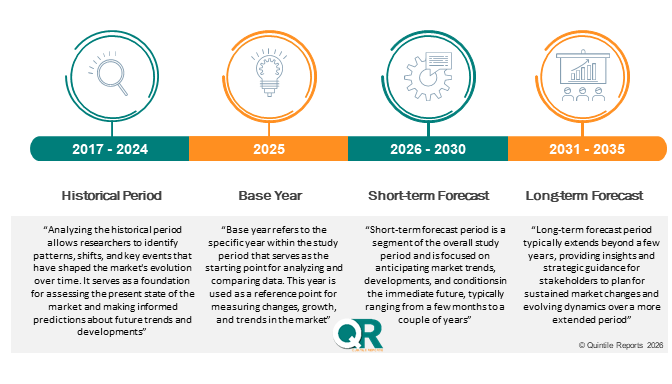
Our team of experienced researchers has meticulously gathered and analyzed data to deliver a thorough examination of market dynamics, competitive landscape, and emerging technologies. With a focus on delivering actionable intelligence, this report aims to empower decision-makers with the information needed to make informed choices and stay ahead of the competition. Whether you are a seasoned industry player or a new entrant, our market research report serves as a strategic tool to navigate the complexities of the market, aiding in successful business planning and growth strategies.
This chapter of our Mechanical Power Transmission market report provides an in-depth examination of the factors shaping the industry landscape. This section typically encompasses several key elements to offer a comprehensive understanding of the industry landscape such as market drivers & restraints analysis, market opportunities & trend analysis, market size & growth analysis, competitive analysis, SWOT analysis, business environment tools such as Porter's five forces & PESTEL analysis, Ansoff Matrix analysis, penetration & growth prospect analysis, regulatory framework & reimbursement scenario analysis, impact of macro & micro economic factors analysis such as Covid-19 impact, GDP growth, market inflation, U.S.- China trade war, Russia-Ukraine war impact, and supply chain analysis.
The segment analysis chapter of Mechanical Power Transmission market report is a critical section that delves into a detailed examination of the market's various segments. Segmentation involves dividing the market into distinct categories based on certain criteria to better understand and address the diverse needs of consumers. This chapter typically follows the introduction and provides a more granular view of the market, offering valuable insights for businesses and stakeholders. The components of the chapter lude segment definitions to understand the inclusions and exclusions of the study, assumptions, market size estimates and growth trend analysis of each segment, qualitative analysis of the segment, technological advancements, market penetration rate, market adoption rate, market share examination by each segment, segment growth drivers and restraint barriers, consumer behaviour and challenge analysis.
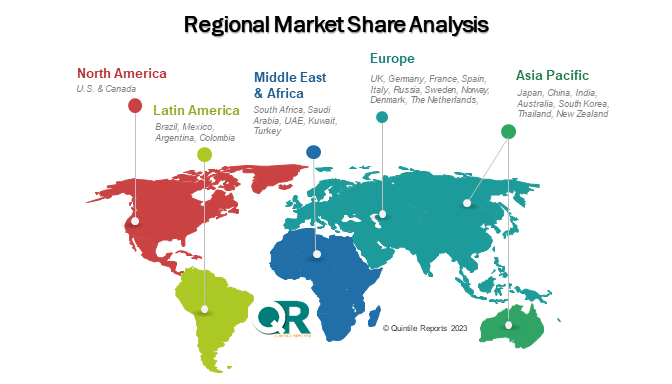
The chapter in Mechanical Power Transmission market research report is a pivotal section that examines and predicts the market dynamics and trends specific to different geographical regions. This chapter is crucial for businesses and stakeholders seeking a comprehensive understanding of how the market behaves across various locations, enabling them to tailor strategies and make informed decisions based on regional variations. The regional analysis chapter of our Mechanical Power Transmission market report is classified into regions & country-level. The chapter consists of North America (U.S., Canada), Europe (UK, Germany, France, Italy, Spain, Russia, Sweden, Denmark, Norway, Rest of Europe), Asia Pacific (Japan, China, India, Australia, South Korea, Thailand, Rest of Asia Pacific), Latin America (Brazil, Mexico, Argentina, Colombia, Rest of Latin America), Middle East & Africa (South Africa, Saudi Arabia, UAE, Kuwait, Rest of Middle East & Africa).
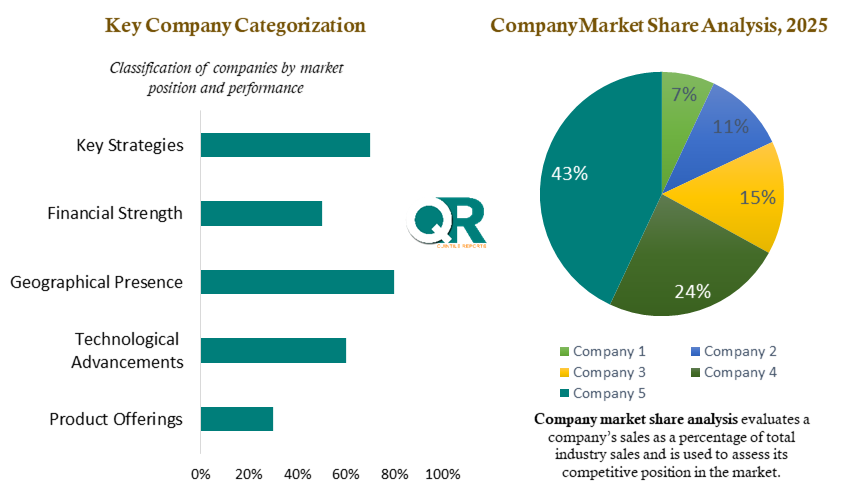
This section of a Mechanical Power Transmission market report is a crucial segment that provides a comprehensive overview of the competitive landscape within the market. This section is vital for businesses, investors, and stakeholders seeking insights into key players, their market positioning, strengths, weaknesses, strategies, and potential impacts on the overall market dynamics. The chapter includes research methodology used to analyse the market competition, list of key players operating in the market, detailed company profile section which includes company overview, business verticals, financial performance, product/services benchmarking, geographical presence, and strategic initiatives.
| Report Scope | Details |
| Report Version | 2026 |
| Growth Rate | CAGR of 6.18 from 2026 to 2035 |
| Base Year | 2025 |
| Actual Estimates / Historical Data | 2017 - 2024 |
| Forecast Period | 2026 - 2035 |
| Quantitative Units | Revenue in USD million/billion & CAGR from 2026 to 2035 |
| Country Scope | North America (U.S., Canada), Europe (UK, Germany, France, Italy, Spain, Russia, Sweden, Denmark, Norway, Rest of Europe), Asia Pacific (Japan, China, India, Australia, South Korea, Thailand, Rest of Asia Pacific), Latin America (Brazil, Mexico, Argentina, Colombia, Rest of Latin America), Middle East & Africa (South Africa, Saudi Arabia, UAE, Kuwait, Rest of Middle East & Africa). |
| The Segment Covered by Product Type |
|
| The Segment Covered by Material |
|
| Companies Covered |
|
| Report Coverage | Revenue forecast, company share, competitive landscape, growth factors, and trends |
| Free Customization Scope (Equivalent to 5 Analyst Working Days) | If you need specific information, which is not currently within the scope of the report, we will provide it to you as a part of the customization |

Statistics for the 2025 Mechanical Power Transmission market share, size, and revenue growth rate were created by Quintile Report™. Mechanical Power Transmission analysis includes a market forecast outlook for 2035 and a historical overview. Get a free PDF sample of this market analysis, please get in touch with our principal analyst at sales@quintilereports.com
List of Tables
Table 1 List of Abbreviation and acronyms
Table 2 List of Sources
Table 3 North America Global Mechanical Power Transmission Market, by Segment Analysis, (USD Million) 2017-2035
Table 4 North America Global Mechanical Power Transmission Market, by Region, (USD Million) 2017-2035
Table 5 U.S. Global Mechanical Power Transmission Market, by Segment Analysis, (USD Million) 2017-2035
Table 6 Canada Global Mechanical Power Transmission Market, by Segment Analysis, (USD Million) 2017-2035
Table 7 Europe Global Mechanical Power Transmission Market, by Segment Analysis, (USD Million) 2017-2035
Table 8 Europe Global Mechanical Power Transmission Market, by Region, (USD Million) 2017-2035
Table 9 Germany Global Mechanical Power Transmission Market, by Segment Analysis, (USD Million) 2017-2035
Table 10 U.K. Global Mechanical Power Transmission Market, by Segment Analysis, (USD Million) 2017-2035
Table 11 France Global Mechanical Power Transmission Market, by Segment Analysis, (USD Million) 2017-2035
Table 12 Italy Global Mechanical Power Transmission Market, by Segment Analysis, (USD Million) 2017-2035
Table 13 Spain Global Mechanical Power Transmission Market, by Segment Analysis, (USD Million) 2017-2035
Table 14 Sweden Global Mechanical Power Transmission Market, by Segment Analysis, (USD Million) 2017-2035
Table 15 Denmark Global Mechanical Power Transmission Market, by Segment Analysis, (USD Million) 2017-2035
Table 16 Norway Global Mechanical Power Transmission Market, by Segment Analysis, (USD Million) 2017-2035
Table 17 The Netherlands Global Mechanical Power Transmission Market, by Segment Analysis, (USD Million) 2017-2035
Table 18 Russia Global Mechanical Power Transmission Market, by Segment Analysis, (USD Million) 2017-2035
Table 19 Asia Pacific Global Mechanical Power Transmission Market, by Segment Analysis, (USD Million) 2017-2035
Table 20 Asia Pacific Global Mechanical Power Transmission Market, by Region, (USD Million) 2017-2035
Table 21 China Global Mechanical Power Transmission Market, by Segment Analysis, (USD Million) 2017-2035
Table 22 Japan Global Mechanical Power Transmission Market, by Segment Analysis, (USD Million) 2017-2035
Table 23 India Global Mechanical Power Transmission Market, by Segment Analysis, (USD Million) 2017-2035
Table 24 Australia Global Mechanical Power Transmission Market, by Segment Analysis, (USD Million) 2017-2035
Table 25 South Korea Global Mechanical Power Transmission Market, by Segment Analysis, (USD Million) 2017-2035
Table 26 Thailand Global Mechanical Power Transmission Market, by Segment Analysis, (USD Million) 2017-2035
Table 27 Latin America Global Mechanical Power Transmission Market, by Segment Analysis, (USD Million) 2017-2035
Table 28 Latin America Global Mechanical Power Transmission Market, by Region, (USD Million) 2017-2035
Table 29 Brazil Global Mechanical Power Transmission Market, by Segment Analysis, (USD Million) 2017-2035
Table 30 Mexico Global Mechanical Power Transmission Market, by Segment Analysis, (USD Million) 2017-2035
Table 31 Argentina Global Mechanical Power Transmission Market, by Segment Analysis, (USD Million) 2017-2035
Table 32 Middle East and Africa Global Mechanical Power Transmission Market, by Segment Analysis, (USD Million) 2017-2035
Table 33 Middle East and Africa Global Mechanical Power Transmission Market, by Region, (USD Million) 2017-2035
Table 34 South Africa Global Mechanical Power Transmission Market, by Segment Analysis, (USD Million) 2017-2035
Table 35 Saudi Arabia Global Mechanical Power Transmission Market, by Segment Analysis, (USD Million) 2017-2035
Table 36 UAE Global Mechanical Power Transmission Market, by Segment Analysis, (USD Million) 2017-2035
Table 37 Kuwait Global Mechanical Power Transmission Market, by Segment Analysis, (USD Million) 2017-2035
Table 38 Turkey Global Mechanical Power Transmission Market, by Segment Analysis, (USD Million) 2017-2035
Fig.1 Market research process
Fig.2 Market research approaches
Fig.3 Global Mechanical Power Transmission Market: market scenario
Fig.4 Global Mechanical Power Transmission Market competitive outlook
Fig.5 Global Mechanical Power Transmission Market driver analysis
Fig.6 Global Mechanical Power Transmission Market restraint analysis
Fig.7 Global Mechanical Power Transmission Market opportunity analysis
Fig.8 Global Mechanical Power Transmission Market trends analysis
Fig.9 Global Mechanical Power Transmission Market: Segment Analysis (Based on the scope)
Fig.10 Global Mechanical Power Transmission Market: regional analysis
Fig.11 Global market shares and leading market players
Fig.12 North America market share and leading players
Fig.13 Europe market share and leading players
Fig.14 Asia Pacific market share and leading players
Fig.15 Latin America market share and leading players
Fig.16 Middle East & Africa market share and leading players
Fig.17 North America, by country
Fig.18 North America
Fig.19 North America market estimates and forecast, 2017-2035
Fig.20 U.S.
Fig.21 Canada
Fig.22 Europe
Fig.23 Europe market estimates and forecast, 2017-2035
Fig.24 U.K.
Fig.25 Germany
Fig.26 France
Fig.27 Italy
Fig.28 Spain
Fig.29 Sweden
Fig.30 Denmark
Fig.31 Norway
Fig.32 The Netherlands
Fig.33 Russia
Fig.34 Asia Pacific
Fig.35 Asia Pacific market estimates and forecast, 2017-2035
Fig.36 China
Fig.37 Japan
Fig.38 India
Fig.39 Australia
Fig.40 South Korea
Fig.41 Thailand
Fig.42 Latin America
Fig.43 Latin America market estimates and forecast, 2017-2035
Fig.44 Brazil
Fig.45 Mexico
Fig.46 Argentina
Fig.47 Colombia
Fig.48 Middle East and Africa
Fig.49 Middle East and Africa market estimates and forecast, 2017-2035
Fig.50 Saudi Arabia
Fig.51 South Africa
Fig.52 UAE
Fig.53 Kuwait
Fig.54 Turkey
The Global Mechanical Power Transmission Market was valued at USD 77.27 billion in 2025 and is forecast to reach USD 127.31 billion by 2035, expanding at a healthy CAGR of 6.18% between 2026 and 2035. The Mechanical Power Transmission market report delivers a strategic overview of the industry by analyzing macroeconomic factors, technological innovations, regulatory developments, and changing consumer preferences to assess future market growth potential.
With 2025 considered the base year, the Mechanical Power Transmission market is witnessing progressive growth driven by continuous product innovation, increasing demand from diverse end-use industries, and advancements in digital technologies. Market stakeholders are actively strengthening their go-to-market (GTM) strategies to unlock new opportunities and enhance their competitive capabilities.
Looking forward to 2035, the market is expected to continue its upward trajectory, supported by growing R&D initiatives, expanding strategic collaborations, and increasing merger and acquisition activities. Companies that invest in innovation, adopt flexible GTM strategies, and align with evolving customer requirements are expected to achieve sustainable market leadership. The report provides detailed insights into the markets drivers, restraints, opportunities, and challenges across segments, regions, and countries, supported by comprehensive qualitative and quantitative analysis from 2017 to 2035.
The Mechanical Power Transmission Market plays a critical role in keeping the wheels of industry turningquite literally. It covers the essential systems and components like gears, bearings, belts, chains, couplings, and hydraulic transmissions that help transfer power from a source (like a motor or engine) to the machines that do the real work. Whether it's shifting motion direction, adjusting speeds, or converting rotary to linear movement, these components are the unsung heroes behind countless industrial processes.
From powering conveyor belts in manufacturing plants to driving agricultural machinery, construction equipment, vehicles, and even aircraft systems, mechanical power transmission is at the heart of it all. It ensures smooth, reliable, and efficient energy transfer, making it fundamental to productivity and performance across industries. Whether it's optimizing motion in a mining rig or enabling precision control in an automotive assembly line, this market quietly supports the heavy lifting behind the scenes.
The global mechanical power transmission market is experiencing strong growth, driven by several key factors shaping industrial trends.
One of the primary drivers is the increasing adoption of industrial automation and smart manufacturing technologies, commonly known as Industry 4.0. As businesses seek to enhance precision and productivity while cutting operational costs, sectors such as automotive, aerospace, and general manufacturing are investing heavily in advanced mechanical transmission systems.
Another significant factor is the rising demand for energy-efficient solutions. With growing pressure from environmental regulations and the need to reduce energy expenses, industriesparticularly in power generation, electric vehicles, and renewable energy infrastructureare shifting toward components that help minimize energy consumption and carbon emissions.
Additionally, infrastructure development in emerging economies is fuelling the market. Rapid urbanization and industrialization, have created strong demand for mechanical power transmission equipment in construction, mining, and transport.
Finally, technological advancements and product innovation continue to boost the market. The integration of IoT and predictive maintenance technologies is helping extend equipment lifespan and reduce downtime, while innovations in materials and design are improving performance and durability across industries.
One major challenge is the high initial investment and ongoing maintenance costs associated with advanced systems, which can be especially burdensome for small and medium-sized enterprises. These expenses often deter adoption in cost-sensitive industries and regions.
Additionally, compatibility and integration issues present another hurdle, as incorporating new components into older, legacy systems can be both complex and expensive. This integration process may require significant redesigns or downtime, making it less appealing for industries with outdated infrastructure.
The market also faces growing competition from alternative technologies, such as electric drives and other electronic power transmission systems. These alternatives are increasingly favoured for their compactness and precise control, potentially drawing demand away from traditional mechanical solutions.
Lastly, strict regulatory and environmental compliance requirements are pushing manufacturers to continuously invest in research and development to meet evolving emissions and energy standards.
In North America, the mechanical power transmission market is gaining momentum due to a revival in industrial activity, increased automation, and the need to replace aging systems with energy-efficient, high-precision alternatives. The surge in electric vehicle (EV) manufacturing is a major catalyst, driving demand for components tailored to EV powertrains. At the same time, industries are embracing technological upgrades like smart sensors, IoT-based predictive maintenance, and AI diagnostics to improve reliability and minimize downtimekey priorities under Industry 4.0 initiatives in the U.S. and Canada. Sectors such as automotive, aerospace, manufacturing, energy, and even precision agriculture are seeing a faster replacement cycle as regulatory and efficiency expectations tighten. Environmental regulations from agencies like the EPA and DOE are steering the market toward sustainable materials and cleaner technologies.
In Europe, the mechanical power transmission market is driven by a strong push toward industrial automation, renewable energy adoption, and the replacement of outdated systems with energy-efficient alternatives. Countries like Germany, France, and the UK are seeing a surge in electric and hybrid vehicle production, boosting demand for advanced transmission components. While strict EU regulationslike the Ecodesign Directiveincrease compliance costs, they also encourage innovation in eco-friendly, high-efficiency systems and materials. Europe is at the forefront of integrating smart technologies, such as sensor-embedded components, through close collaboration between industry and research institutions.
The Asia Pacific region stands as the largest market, fuelled by rapid industrialization, urbanization, and major infrastructure growth across China, India, Southeast Asia, and Japan. The booming automotive sector and the rising adoption of solar and wind energy are key growth drivers. The region is also embracing Industry 4.0, with smart sensors and IoT being integrated into mechanical power transmission systems to enhance efficiency and durability. Industries such as automotive manufacturing, construction equipment, food processing, and renewable energy are the main users, with China leading global photovoltaic installationsdriving up demand for advanced gearboxes and drive systems. Regulatory policies across countries increasingly promote energy efficiency and environmental sustainability, with governments offering strong incentives for renewable energy and electric vehicle adoption.
Latin America's market is steadily growing, driven by expanding manufacturing sectors, major infrastructure projects, and rising adoption of automation. While the region faces challenges like economic volatility, political uncertainty, and slower industrial modernization, local manufacturers are focusing on producing durable, cost-effective solutions. Technological adoption is moderate, with a gradual shift toward smart components and predictive maintenance tools. Key industries fuelling demand include automotive, mining, agriculture, and constructionparticularly mining, thanks to the regions rich natural resources. Though environmental and safety regulations are less stringent, governments are increasingly pushing for sustainable industrial practices, which are beginning to shape market trends.
In the Middle East and Africa, the mechanical power transmission market is shaped by rapid infrastructure development, ongoing modernization of the oil and gas sector, and rising investments in renewable energy. While geopolitical instability, oil price fluctuations, and limited industrial diversification present ongoing challenges, there's growing momentum toward economic diversification. Advanced technologies like smart sensors and IoT are gradually entering the scene, especially in oil, gas, and renewable energy applications. Key industries driving demand include oil and gas, construction, mining, and renewables. On the regulatory front, there's a steady shift toward international standards for industrial safety and environmental protection, with GCC nations particularly advancing renewable energy policies.
The mechanical power transmission market in the United States is experiencing strong growth, fuelled by expanding industrial automation, the integration of renewable energy sources, and the automotive industrys transition toward electric vehicles (EVs). Companies are increasingly prioritizing energy-efficient, lightweight designs alongside predictive maintenance and IoT-enabled smart components that align with Industry 4.0 trends. Modular and customizable transmission systems, as well as integration with robotics and collaborative robots (cobots), are gaining popularity. Key industries driving this momentum include EV powertrain manufacturing, industrial machinery, aerospace, and renewable energy sectors like wind and solar.
Technological innovations such as AI-powered diagnostics, embedded sensors for real-time monitoring, and partnerships with research institutions to develop advanced materials are shaping the future of the market. Meanwhile, the regulatory landscapesteered by stringent energy efficiency and environmental guidelines from the EPA and DOEpushes manufacturers toward more sustainable, recyclable product solutions. U.S.-based companies are responding with heavy investments in R&D, aiming to lead through innovation, digital integration, and eco-conscious practices.
Germanys mechanical power transmission market plays a vital role in supporting its globally renowned automotive and advanced manufacturing industries. As a leader in producing electric and hybrid vehicles, the country fuels a growing demand for high-precision, energy-efficient transmission systems. Beyond automotive, Germanys robust aerospace sector and expanding renewable energy initiatives further drive market growth. Innovation is at the forefront, with technological advancements centred on sustainable materials, smart sensor integration, and modular system designs.
Operating under a strict regulatory environment shaped by the European Unions Ecodesign Directive and emissions standards, manufacturers are increasingly focused on developing greener, more efficient products aligned with circular economy principles. German firms are globally recognized for their engineering excellence, with many emphasizing sustainability, digitalization, and international expansion in their growth strategies. Supported by a mature industrial ecosystem and a culture of quality and compliance, Germany remains a key player in Europes mechanical power transmission landscape.
Japans mechanical power transmission market thrives on the strength of its advanced manufacturing ecosystem, anchored by key sectors like automotive, robotics, and precision machinery. As a global leader in automation, Japan integrates smart transmission systems with IoT and AI technologies to boost operational efficiency and enable predictive maintenance. The automotive industry remains a core driver of demand for these components. Simultaneously, Japans strong investment in renewable energy, particularly solar power, supports the growing need for specialized gearboxes and drive systems.
Cutting-edge developments in lightweight materials, compact designs, and intelligent couplings continue to enhance energy efficiency and reliability. A robust regulatory framework further propels this market, prioritizing energy conservation and aligning with global environmental standards. Japanese firms lead with a sharp focus on innovation, superior quality, and export-oriented strategies, cementing the countrys reputation for delivering sustainable and technologically sophisticated mechanical power transmission solutions.
In the highly competitive mechanical power transmission market, companies differentiate themselves through a blend of technological innovation, customization, sustainability, and customer-centric services. A major driver of competition is the integration of smart technologieslike AI-driven diagnostics, IoT-enabled predictive maintenance, and intelligent sensorswhich not only enhance reliability but also align with Industry 4.0 demands.
Customization and modular design add further value, allowing manufacturers to tailor solutions for industries ranging from automotive to renewable energy. Material innovation plays a crucial role too, with firms using lightweight, durable, and sustainable materials to improve efficiency while meeting environmental standards.
Cost efficiency is another key factorespecially in emerging marketswhere optimized supply chains and strategic sourcing help maintain competitive pricing despite raw material price volatility.
Moreover, strong R&D investments and collaborations fuel product advancement, while broad portfolios backed by deep application knowledge appeal to a wide industrial base. The growing focus on predictive maintenance through smart components gives an edge to providers in uptime-sensitive sectors.
Compliance with environmental norms and a strong commitment to sustainability further strengthen market standing. Lastly, exceptional customer service, including training, technical support, and rapid after-sales assistance, is a critical differentiator that builds trust and ensures long-term client relationships.
Key players in the market are Siemens AG, Emerson Electric Co., ABB Ltd., SKF Group, Rexnord Corporation, Altra Industrial Motion Corp., Timken Company, Schaeffler Group, Tsubakimoto Chain Co., Regal Rexnord Corporation, Martin Sprocket & Gear Inc., Renold plc, Bonfiglioli Riduttori S.p.A, Dana Incorporated, Fenner Drives, and other players.
Our team of experienced researchers has meticulously gathered and analyzed data to deliver a thorough examination of market dynamics, competitive landscape, and emerging technologies. With a focus on delivering actionable intelligence, this report aims to empower decision-makers with the information needed to make informed choices and stay ahead of the competition. Whether you are a seasoned industry player or a new entrant, our market research report serves as a strategic tool to navigate the complexities of the market, aiding in successful business planning and growth strategies.
This chapter of our Mechanical Power Transmission market report provides an in-depth examination of the factors shaping the industry landscape. This section typically encompasses several key elements to offer a comprehensive understanding of the industry landscape such as market drivers & restraints analysis, market opportunities & trend analysis, market size & growth analysis, competitive analysis, SWOT analysis, business environment tools such as Porter's five forces & PESTEL analysis, Ansoff Matrix analysis, penetration & growth prospect analysis, regulatory framework & reimbursement scenario analysis, impact of macro & micro economic factors analysis such as Covid-19 impact, GDP growth, market inflation, U.S.- China trade war, Russia-Ukraine war impact, and supply chain analysis.
The segment analysis chapter of Mechanical Power Transmission market report is a critical section that delves into a detailed examination of the market's various segments. Segmentation involves dividing the market into distinct categories based on certain criteria to better understand and address the diverse needs of consumers. This chapter typically follows the introduction and provides a more granular view of the market, offering valuable insights for businesses and stakeholders. The components of the chapter lude segment definitions to understand the inclusions and exclusions of the study, assumptions, market size estimates and growth trend analysis of each segment, qualitative analysis of the segment, technological advancements, market penetration rate, market adoption rate, market share examination by each segment, segment growth drivers and restraint barriers, consumer behaviour and challenge analysis.
The chapter in Mechanical Power Transmission market research report is a pivotal section that examines and predicts the market dynamics and trends specific to different geographical regions. This chapter is crucial for businesses and stakeholders seeking a comprehensive understanding of how the market behaves across various locations, enabling them to tailor strategies and make informed decisions based on regional variations. The regional analysis chapter of our Mechanical Power Transmission market report is classified into regions & country-level. The chapter consists of North America (U.S., Canada), Europe (UK, Germany, France, Italy, Spain, Russia, Sweden, Denmark, Norway, Rest of Europe), Asia Pacific (Japan, China, India, Australia, South Korea, Thailand, Rest of Asia Pacific), Latin America (Brazil, Mexico, Argentina, Colombia, Rest of Latin America), Middle East & Africa (South Africa, Saudi Arabia, UAE, Kuwait, Rest of Middle East & Africa).
This section of a Mechanical Power Transmission market report is a crucial segment that provides a comprehensive overview of the competitive landscape within the market. This section is vital for businesses, investors, and stakeholders seeking insights into key players, their market positioning, strengths, weaknesses, strategies, and potential impacts on the overall market dynamics. The chapter includes research methodology used to analyse the market competition, list of key players operating in the market, detailed company profile section which includes company overview, business verticals, financial performance, product/services benchmarking, geographical presence, and strategic initiatives.
| Report Scope | Details |
| Report Version | 2026 |
| Growth Rate | CAGR of 6.18 from 2026 to 2035 |
| Base Year | 2025 |
| Actual Estimates / Historical Data | 2017 - 2024 |
| Forecast Period | 2026 - 2035 |
| Quantitative Units | Revenue in USD million/billion & CAGR from 2026 to 2035 |
| Country Scope | North America (U.S., Canada), Europe (UK, Germany, France, Italy, Spain, Russia, Sweden, Denmark, Norway, Rest of Europe), Asia Pacific (Japan, China, India, Australia, South Korea, Thailand, Rest of Asia Pacific), Latin America (Brazil, Mexico, Argentina, Colombia, Rest of Latin America), Middle East & Africa (South Africa, Saudi Arabia, UAE, Kuwait, Rest of Middle East & Africa). |
| The Segment Covered by Product Type |
|
| The Segment Covered by Material |
|
| Companies Covered |
|
| Report Coverage | Revenue forecast, company share, competitive landscape, growth factors, and trends |
| Free Customization Scope (Equivalent to 5 Analyst Working Days) | If you need specific information, which is not currently within the scope of the report, we will provide it to you as a part of the customization |
Statistics for the 2025 Mechanical Power Transmission market share, size, and revenue growth rate were created by Quintile Report™. Mechanical Power Transmission analysis includes a market forecast outlook for 2035 and a historical overview. Get a free PDF sample of this market analysis, please get in touch with our principal analyst at sales@quintilereports.com
Table 1 List of Abbreviation and acronyms
Table 2 List of Sources
Table 3 North America Global Mechanical Power Transmission Market, by Segment Analysis, (USD Million) 2017-2035
Table 4 North America Global Mechanical Power Transmission Market, by Region, (USD Million) 2017-2035
Table 5 U.S. Global Mechanical Power Transmission Market, by Segment Analysis, (USD Million) 2017-2035
Table 6 Canada Global Mechanical Power Transmission Market, by Segment Analysis, (USD Million) 2017-2035
Table 7 Europe Global Mechanical Power Transmission Market, by Segment Analysis, (USD Million) 2017-2035
Table 8 Europe Global Mechanical Power Transmission Market, by Region, (USD Million) 2017-2035
Table 9 Germany Global Mechanical Power Transmission Market, by Segment Analysis, (USD Million) 2017-2035
Table 10 U.K. Global Mechanical Power Transmission Market, by Segment Analysis, (USD Million) 2017-2035
Table 11 France Global Mechanical Power Transmission Market, by Segment Analysis, (USD Million) 2017-2035
Table 12 Italy Global Mechanical Power Transmission Market, by Segment Analysis, (USD Million) 2017-2035
Table 13 Spain Global Mechanical Power Transmission Market, by Segment Analysis, (USD Million) 2017-2035
Table 14 Sweden Global Mechanical Power Transmission Market, by Segment Analysis, (USD Million) 2017-2035
Table 15 Denmark Global Mechanical Power Transmission Market, by Segment Analysis, (USD Million) 2017-2035
Table 16 Norway Global Mechanical Power Transmission Market, by Segment Analysis, (USD Million) 2017-2035
Table 17 The Netherlands Global Mechanical Power Transmission Market, by Segment Analysis, (USD Million) 2017-2035
Table 18 Russia Global Mechanical Power Transmission Market, by Segment Analysis, (USD Million) 2017-2035
Table 19 Asia Pacific Global Mechanical Power Transmission Market, by Segment Analysis, (USD Million) 2017-2035
Table 20 Asia Pacific Global Mechanical Power Transmission Market, by Region, (USD Million) 2017-2035
Table 21 China Global Mechanical Power Transmission Market, by Segment Analysis, (USD Million) 2017-2035
Table 22 Japan Global Mechanical Power Transmission Market, by Segment Analysis, (USD Million) 2017-2035
Table 23 India Global Mechanical Power Transmission Market, by Segment Analysis, (USD Million) 2017-2035
Table 24 Australia Global Mechanical Power Transmission Market, by Segment Analysis, (USD Million) 2017-2035
Table 25 South Korea Global Mechanical Power Transmission Market, by Segment Analysis, (USD Million) 2017-2035
Table 26 Thailand Global Mechanical Power Transmission Market, by Segment Analysis, (USD Million) 2017-2035
Table 27 Latin America Global Mechanical Power Transmission Market, by Segment Analysis, (USD Million) 2017-2035
Table 28 Latin America Global Mechanical Power Transmission Market, by Region, (USD Million) 2017-2035
Table 29 Brazil Global Mechanical Power Transmission Market, by Segment Analysis, (USD Million) 2017-2035
Table 30 Mexico Global Mechanical Power Transmission Market, by Segment Analysis, (USD Million) 2017-2035
Table 31 Argentina Global Mechanical Power Transmission Market, by Segment Analysis, (USD Million) 2017-2035
Table 32 Middle East and Africa Global Mechanical Power Transmission Market, by Segment Analysis, (USD Million) 2017-2035
Table 33 Middle East and Africa Global Mechanical Power Transmission Market, by Region, (USD Million) 2017-2035
Table 34 South Africa Global Mechanical Power Transmission Market, by Segment Analysis, (USD Million) 2017-2035
Table 35 Saudi Arabia Global Mechanical Power Transmission Market, by Segment Analysis, (USD Million) 2017-2035
Table 36 UAE Global Mechanical Power Transmission Market, by Segment Analysis, (USD Million) 2017-2035
Table 37 Kuwait Global Mechanical Power Transmission Market, by Segment Analysis, (USD Million) 2017-2035
Table 38 Turkey Global Mechanical Power Transmission Market, by Segment Analysis, (USD Million) 2017-2035
Fig.1 Market research process
Fig.2 Market research approaches
Fig.3 Global Mechanical Power Transmission Market: market scenario
Fig.4 Global Mechanical Power Transmission Market competitive outlook
Fig.5 Global Mechanical Power Transmission Market driver analysis
Fig.6 Global Mechanical Power Transmission Market restraint analysis
Fig.7 Global Mechanical Power Transmission Market opportunity analysis
Fig.8 Global Mechanical Power Transmission Market trends analysis
Fig.9 Global Mechanical Power Transmission Market: Segment Analysis (Based on the scope)
Fig.10 Global Mechanical Power Transmission Market: regional analysis
Fig.11 Global market shares and leading market players
Fig.12 North America market share and leading players
Fig.13 Europe market share and leading players
Fig.14 Asia Pacific market share and leading players
Fig.15 Latin America market share and leading players
Fig.16 Middle East & Africa market share and leading players
Fig.17 North America, by country
Fig.18 North America
Fig.19 North America market estimates and forecast, 2017-2035
Fig.20 U.S.
Fig.21 Canada
Fig.22 Europe
Fig.23 Europe market estimates and forecast, 2017-2035
Fig.24 U.K.
Fig.25 Germany
Fig.26 France
Fig.27 Italy
Fig.28 Spain
Fig.29 Sweden
Fig.30 Denmark
Fig.31 Norway
Fig.32 The Netherlands
Fig.33 Russia
Fig.34 Asia Pacific
Fig.35 Asia Pacific market estimates and forecast, 2017-2035
Fig.36 China
Fig.37 Japan
Fig.38 India
Fig.39 Australia
Fig.40 South Korea
Fig.41 Thailand
Fig.42 Latin America
Fig.43 Latin America market estimates and forecast, 2017-2035
Fig.44 Brazil
Fig.45 Mexico
Fig.46 Argentina
Fig.47 Colombia
Fig.48 Middle East and Africa
Fig.49 Middle East and Africa market estimates and forecast, 2017-2035
Fig.50 Saudi Arabia
Fig.51 South Africa
Fig.52 UAE
Fig.53 Kuwait
Fig.54 Turkey

A license granted to one user. Rules or conditions might be applied for e.g. the use of electric files (PDFs) or printings, depending on product.
A license granted to multiple users.
A license granted to a single business site/establishment.
A license granted to all employees within organisation access to the product.
Immediate / Within 24-48 hours - Working days
Online Payments with PayPal and CCavenue
You can order a report by picking any of the payment methods which is bank wire or online payment through any Debit/Credit card or PayPal.
Hard Copy
Report Overview: The Global Gas and Liquid Flow Management Systems Market was valued at USD 21.82 bi
Read MoreReport Overview: The Global Product Fall Protection Systems Market was valued at USD 8.62 million in
Read MoreReport Overview: The Global Superconductor Motors Market was valued at USD 135.82 million in 2025 an
Read More U.S. : +1-201-772-7734