The Global Last Mile Drone Delivery Market was valued at USD 566.32 million in 2025 and is projected to reach USD 6158.5 million by 2035, advancing at a notable CAGR of 27.89% throughout the forecast period from 2026 to 2035. The Last Mile Drone Delivery market report provides an in-depth analysis of the industry by examining macroeconomic indicators, technological progress, regulatory environments, and evolving consumer trends to highlight the markets long-term growth outlook.
Taking 2025 as the base year, the Last Mile Drone Delivery market is demonstrating steady growth fueled by increased innovation, expanding application areas across end-use sectors, and rapid digital transformation. Market participants are increasingly optimizing their go-to-market (GTM) strategies to strengthen market penetration and capitalize on emerging business opportunities.
Over the coming decade, the market is expected to maintain strong expansion supported by continuous R&D investments, collaborative partnerships, and a rising number of mergers and acquisitions. Businesses that focus on innovation, operational agility, and customer-focused strategies are expected to build a sustainable competitive advantage. The report delivers comprehensive insights into market drivers, restraints, opportunities, and challenges across segments, regions, and countries, backed by detailed qualitative and quantitative analysis from 2017 to 2035.
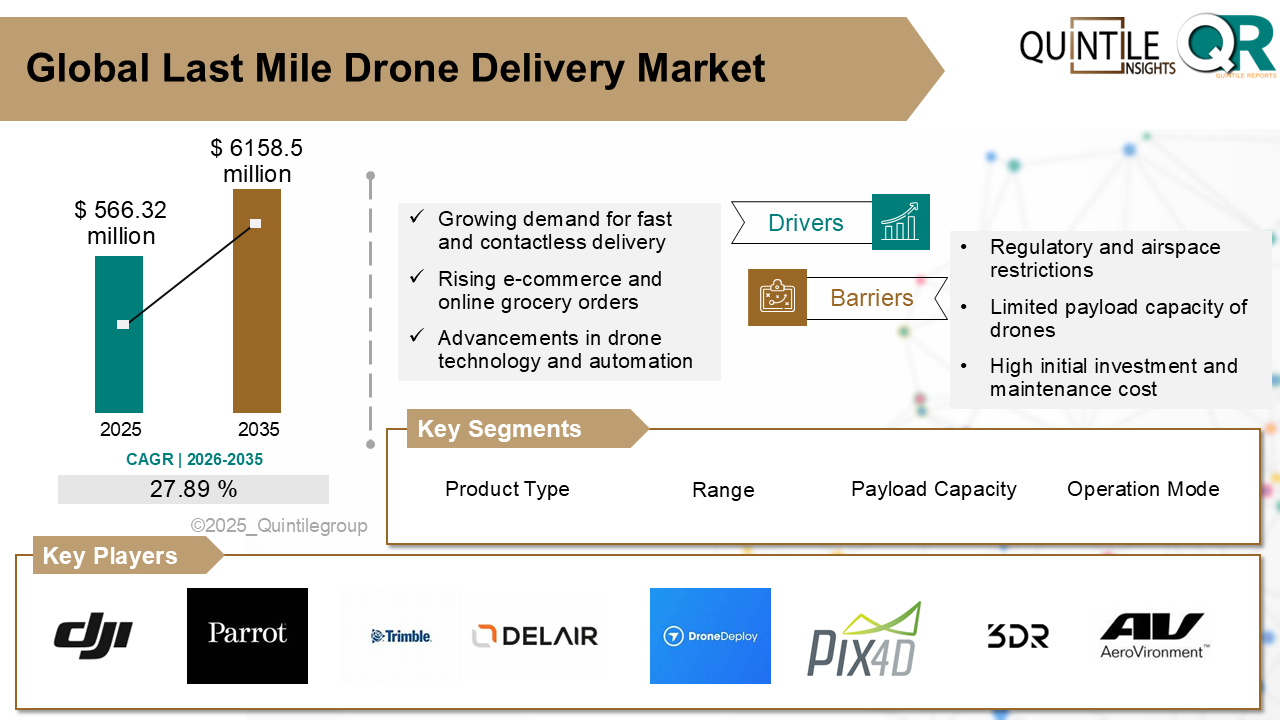
The last-mile drone delivery market is reshaping how goods reach our doorsteps. Instead of relying on traditional delivery trucks stuck in traffic or hunting for parking, companies are turning to dronessmall, unmanned aerial vehicles that can fly directly from warehouses to consumers homes. This shift tackles one of the most expensive and complex parts of the delivery process: the last mile. Whether its navigating city congestion or delivering to remote villages, drones offer a faster, more efficient, and contactless solution.
Theyre proving especially valuable in time-sensitive sectors like healthcareimagine critical medicines reaching rural clinics in minutesor in retail and e-commerce, where customers increasingly expect rapid delivery. Beyond speed and convenience, drones also help reduce delivery costs by saving on fuel and labour, and they align with eco-friendly goals by cutting emissions. In short, drone delivery is turning a logistical headache into a streamlined, high-tech service that meets the growing demand for speed, precision, and sustainability.
The rapid growth of last-mile drone delivery is driven by several interconnected forces that are reshaping how goods are transported.
First, the explosive rise of e-commerce has heightened consumer expectations for speed and convenience, with many now expecting same-hour deliveriessomething drone technology can uniquely deliver, especially for time-sensitive items like perishables, medicines, and urgent parcels.
At the same time, technological advancements are making drones smarter and more capable. AI and machine learning have improved their ability to navigate urban environments autonomously, while better batteries and lighter materials allow for longer flights and heavier payloads. The rollout of 5G networks is enabling real-time communication between fleets, making operations more dynamic and scalable.
On the regulatory front, progress is being made tooagencies like the FAA and EASA are relaxing restrictions and allowing more real-world testing through pilot programs, making commercial operations more viable.
Finally, the push for greener logistics is also fuelling drone adoption. Since drones are electric, they significantly cut down on emissions compared to traditional delivery trucks, helping companies meet sustainability goals and appeal to environmentally conscious consumers.
One of the major hurdles facing last-mile drone delivery is regulatory fragmentation, where varying rules across countriesand even within regions of the same countrymake it difficult for companies to operate at scale. While some regulators like the FAA are making progress, they still require drones to remain within the operators line of sight for many commercial uses.
Alongside this, technical limitations in payload and battery life restrict the types of goods drones can carry and limit their range to relatively short flights, especially problematic in rural or hard-to-reach areas.
Safety and security risks are another major concern. Drones flying in urban areas face potential collisions with buildings, power lines, or other aircraft, and are also vulnerable to hacking and signal jamming. These safety issues not only demand advanced obstacle avoidance and cybersecurity measures but also raise public concern.
Speaking of which, public acceptance and infrastructure gaps present additional challenges. While some people welcome faster deliveries, others worry about noise, privacy, and visual clutter. Moreover, the lack of infrastructurelike drone hubs, charging stations, and regulated air pathsalong with weak telecom networks in some regions, further hampers deployment.
North Americaespecially the U.S.is leading the way in last-mile drone delivery, thanks to cutting-edge drone tech and supportive regulations shaped by the FAA. Key frameworks like Part 135 and Part 107 lay out the rules for commercial drone use, covering pilot certification, aircraft registration, and flight limits such as staying below 400 feet and within visual line of sight. Programs like the FAAs UAS Integration Pilot Program (IPP) and its follow-up, UAS BEYOND, are crucial for testing advanced capabilities like beyond-visual-line-of-sight (BVLOS) operations in real-world settings. Public interest is rising, with over 1.1 million recreational drones registered and growing awareness of the convenience drones can bring. Still, operators face a web of federal, state, and local rulesespecially around Remote ID, which requires drones to share their ID and location mid-flight for security purposes.
Europes last-mile drone delivery market is rapidly evolving, shaped by a patchwork of national regulations under the broader framework of the European Union Aviation Safety Agency (EASA). EASAs efforts to streamline certification and authorize BVLOS (Beyond Visual Line of Sight) flights have made it easier for operators to run drone delivery trials, especially in urban areas. Countries like Germany, France, and the Netherlands are leading the way, piloting drone deliveries of parcels, food, and medical supplies in both cities and rural regions. These initiatives have been met with growing public interest and trust, thanks to the speed and convenience drones offer. While the EU emphasizes safety, privacy, and data protectionensuring drone use aligns with digital and environmental goalsvarying national regulations and uneven infrastructure remain hurdles.
Last-mile drone delivery is rapidly gaining ground in the Asia Pacific region, especially in large markets like China and India, backed by strong government support. China is leading the way with its robust drone manufacturing industry and integration of drones into the logistics networks of major e-commerce and healthcare players. The government actively promotes this growth through subsidies, infrastructure investment, and regulations that allow BVLOS (Beyond Visual Line of Sight) flights in approved zones. India is catching up with pilot programs in both urban and rural areas, particularly targeting faster medical deliveries. Efforts include setting up drone ports, charging stations, and linking drone operations with smart city projects.
Latin America offers a promising yet complex environment for last-mile drone delivery. While infrastructure gapslike weak telecom networks and underdeveloped logistics hubscreate real hurdles, the potential benefits are compelling, especially in remote or mountainous regions where traditional delivery is slow and costly. Regulatory uncertainty adds to the challenge, as many countries still lack clear laws for commercial drone use. However, successful pilot programs in countries like Brazil and Colombia have shown that drones can effectively deliver medical supplies and e-commerce parcels, sparking consumer interest.
The Middle East and Africa region is emerging as a promising hub for last-mile drone delivery, fuelled by both logistical challenges and a strong push toward tech innovation. Countries like the UAE and South Africa are leading the way with pilot projectsusing drones to ease urban traffic and reach remote areas lacking proper road infrastructure. The UAEs drone-friendly policies and investments in smart city systems have opened doors for private players, while South Africa is testing drones to deliver healthcare and essential goods to underserved communities. Although many countries are still developing comprehensive regulatory frameworks, theres growing momentum to strike the right balance between safety, privacy, and innovation.
The United States is at the forefront of drone delivery innovation, backed by a cutting-edge technological ecosystem and a dynamic regulatory environment shaped by the Federal Aviation Administration (FAA). Through initiatives like the UAS Integration Pilot Program and UAS BEYOND, the government actively supports UAV growth while ensuring airspace safety. Adoption is steadily gaining momentum, with pilot programs in both urban and suburban areas proving the feasibility of commercial drone delivery. Public acceptance is on the rise, reflected by over 1.1 million recreational drone registrations, although large-scale commercial rollouts remain dependent on evolving FAA regulations.
Industry giants such as Amazon Prime Air, Alphabets Wing, and Zipline are leading the charge. Under FAA rules, small drones operate under Part 107, while commercial deliveries beyond visual line of sight (BVLOS) fall under Part 135, with future streamlining expected via Part 108. Compliance requires drone registration, Remote ID, and adherence to altitude and flight restrictions. Technological advancements continue to push boundaries, including the use of AI for autonomous flight, 5G-enabled fleet coordination, and parachute-based delivery systems now mandated by the FAA. Meanwhile, the newly enacted Drone Act of 2025 enhances public safety awareness and enforces tougher penalties for unauthorized flights near sensitive sites, signalling a firm yet forward-looking stance on drone integration.
Germany is emerging as a significant hub for drone delivery innovation in Europe, supported by its advanced technological infrastructure and a regulatory framework shaped by the European Union Aviation Safety Agency (EASA). This framework standardizes drone operations across member states, enabling consistency in certification, safety, and operational procedures. Public-private partnerships and pilot projectsparticularly in urban logistics and healthcaredemonstrate strong national support for integrating drones into everyday services. Adoption of drone delivery is on the rise, especially in urban centres, where consumer trust is growing due to the perceived convenience and environmental benefits.
Key players in the German market include Alphabets Wing, DHLs Parcelcopter program, and several homegrown startups that focus on drone logistics and intelligent software systems. Technological innovation continues to thrive, with projects aimed at integrating drones into smart city systems, enhancing obstacle avoidance capabilities, and promoting electric, eco-friendly drones designed specifically for urban settings. Collaborative efforts are also underway to optimize drone air corridors and improve air traffic management, laying the groundwork for a scalable and efficient drone delivery network across Germany.
Japan is emerging as a global leader in drone delivery, backed by a highly advanced technological ecosystem and robust government support, especially for logistics and disaster response. The countrys regulatory environment, overseen by the Ministry of Land, Infrastructure, Transport and Tourism (MLIT), emphasizes safety, privacy, and airspace management through well-defined drone operation guidelines. Adoption is steadily rising, particularly in remote rural and mountainous areas where traditional delivery routes are less viable, and consumer acceptance remains strong thanks to Japans long-standing comfort with robotics and automation.
Leading players such as Rakuten, ANA Holdings, and Terra Drone are at the forefront, collaborating with government bodies to deliver parcels, medical supplies, and agricultural goods. Regulatory measures require flight permits for operations beyond visual line of sight or at night, while a mandatory drone registration system and Remote ID compliance ensure accountability. Government-backed subsidies and pilot initiatives further accelerate drone integration into national logistics frameworks. Technological innovations from Japan feature advanced sensors for navigation, IoT-enabled real-time tracking, and hybrid drones capable of vertical take-off and extended range.
The competitive landscape of the last-mile drone delivery market is shaped by how companies innovate across several key areasspeed, cost, range, payload, and technology.
At its core, speed is essential, with drones offering sub-30-minute deliveries by avoiding ground traffic and using AI-powered route optimization and real-time obstacle detection. Companies race to enhance battery life and aerodynamic designs to meet rising consumer expectations.
Cost is another major factor, as drones cut labour and fuel costs, though upfront investments are high. To stay competitive, firms rely on automation, smart fleet management, and drone-as-a-service (DaaS) models to drive affordability. Range plays a pivotal role tooespecially for reaching rural zonespushing companies to develop longer-lasting batteries, lightweight designs, and secure BVLOS approvals.
Payload capacity defines what can be delivered, with firms aiming to boost weight limits without compromising efficiency. Advanced automation and navigation technologies further set leaders apart, with AI, blockchain, and real-time analytics improving safety, scalability, and tracking transparency.
Additional differentiators like geofencing, collision-avoidance systems, and parachutes ensure regulatory compliance and public safety. Meanwhile, electric-powered drones appeal to eco-conscious users, and integration with smart city infrastructure enhances their suitability for dense urban environments. Collectively, these factors define how companies carve out their place in this fast-evolving market.
Key players in the market are DJI, Parrot SA, PrecisionHawk, DroneDeploy, Cyberhawk, Terra Drone Corporation, Aerodyne Group, Sky-Futures (ION Group), AirPix, 3D Robotics, AerialWorks Inc., Flytrex, Matternet, Zipline, Skydio, and other players.
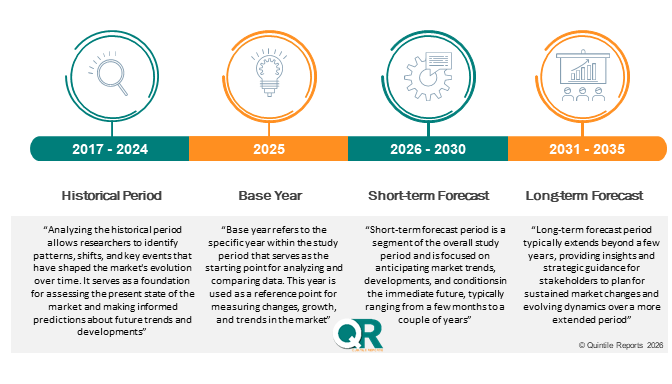
Our team of experienced researchers has meticulously gathered and analyzed data to deliver a thorough examination of market dynamics, competitive landscape, and emerging technologies. With a focus on delivering actionable intelligence, this report aims to empower decision-makers with the information needed to make informed choices and stay ahead of the competition. Whether you are a seasoned industry player or a new entrant, our market research report serves as a strategic tool to navigate the complexities of the market, aiding in successful business planning and growth strategies.
This chapter of our Last Mile Drone Delivery market report provides an in-depth examination of the factors shaping the industry landscape. This section typically encompasses several key elements to offer a comprehensive understanding of the industry landscape such as market drivers & restraints analysis, market opportunities & trend analysis, market size & growth analysis, competitive analysis, SWOT analysis, business environment tools such as Porter's five forces & PESTEL analysis, Ansoff Matrix analysis, penetration & growth prospect analysis, regulatory framework & reimbursement scenario analysis, impact of macro & micro economic factors analysis such as Covid-19 impact, GDP growth, market inflation, U.S.- China trade war, Russia-Ukraine war impact, and supply chain analysis.
The segment analysis chapter of Last Mile Drone Delivery market report is a critical section that delves into a detailed examination of the market's various segments. Segmentation involves dividing the market into distinct categories based on certain criteria to better understand and address the diverse needs of consumers. This chapter typically follows the introduction and provides a more granular view of the market, offering valuable insights for businesses and stakeholders. The components of the chapter lude segment definitions to understand the inclusions and exclusions of the study, assumptions, market size estimates and growth trend analysis of each segment, qualitative analysis of the segment, technological advancements, market penetration rate, market adoption rate, market share examination by each segment, segment growth drivers and restraint barriers, consumer behaviour and challenge analysis.
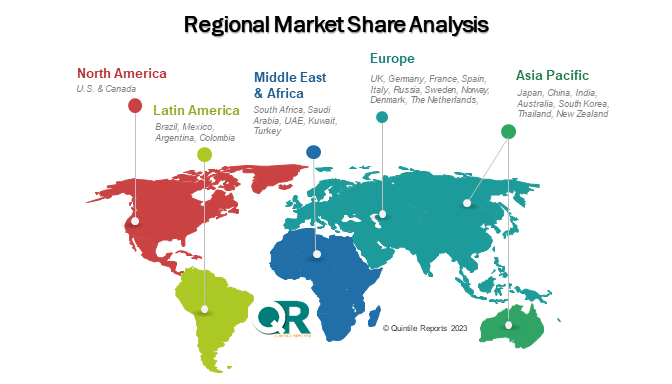
The chapter in Last Mile Drone Delivery market research report is a pivotal section that examines and predicts the market dynamics and trends specific to different geographical regions. This chapter is crucial for businesses and stakeholders seeking a comprehensive understanding of how the market behaves across various locations, enabling them to tailor strategies and make informed decisions based on regional variations. The regional analysis chapter of our Last Mile Drone Delivery market report is classified into regions & country-level. The chapter consists of North America (U.S., Canada), Europe (UK, Germany, France, Italy, Spain, Russia, Sweden, Denmark, Norway, Rest of Europe), Asia Pacific (Japan, China, India, Australia, South Korea, Thailand, Rest of Asia Pacific), Latin America (Brazil, Mexico, Argentina, Colombia, Rest of Latin America), Middle East & Africa (South Africa, Saudi Arabia, UAE, Kuwait, Rest of Middle East & Africa).
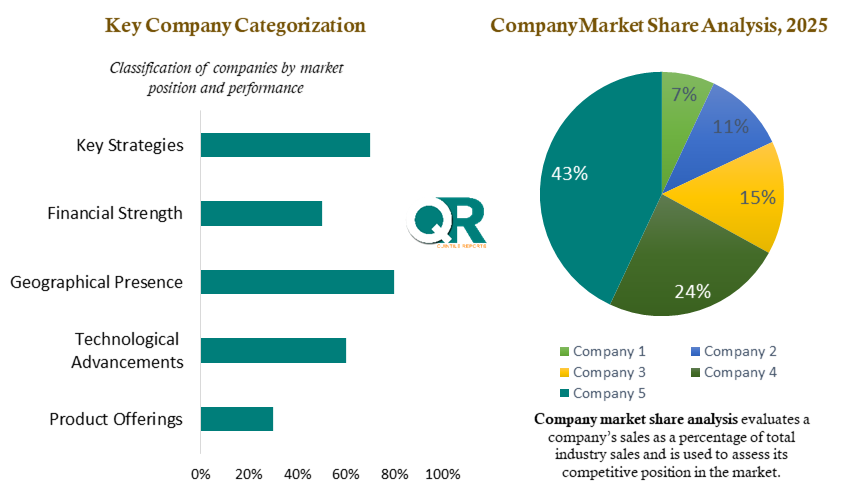
This section of a Last Mile Drone Delivery market report is a crucial segment that provides a comprehensive overview of the competitive landscape within the market. This section is vital for businesses, investors, and stakeholders seeking insights into key players, their market positioning, strengths, weaknesses, strategies, and potential impacts on the overall market dynamics. The chapter includes research methodology used to analyse the market competition, list of key players operating in the market, detailed company profile section which includes company overview, business verticals, financial performance, product/services benchmarking, geographical presence, and strategic initiatives.
| Report Scope | Details |
| Report Version | 2026 |
| Growth Rate | CAGR of 27.89 from 2026 to 2035 |
| Base Year | 2025 |
| Actual Estimates / Historical Data | 2017 - 2024 |
| Forecast Period | 2026 - 2035 |
| Quantitative Units | Revenue in USD million/billion & CAGR from 2026 to 2035 |
| Country Scope | North America (U.S., Canada), Europe (UK, Germany, France, Italy, Spain, Russia, Sweden, Denmark, Norway, Rest of Europe), Asia Pacific (Japan, China, India, Australia, South Korea, Thailand, Rest of Asia Pacific), Latin America (Brazil, Mexico, Argentina, Colombia, Rest of Latin America), Middle East & Africa (South Africa, Saudi Arabia, UAE, Kuwait, Rest of Middle East & Africa). |
| The Segment Covered by Drone Type |
|
| The Segment Covered by Range |
|
| Companies Covered |
|
| Report Coverage | Revenue forecast, company share, competitive landscape, growth factors, and trends |
| Free Customization Scope (Equivalent to 5 Analyst Working Days) | If you need specific information, which is not currently within the scope of the report, we will provide it to you as a part of the customization |

Statistics for the 2025 Last Mile Drone Delivery market share, size, and revenue growth rate were created by Quintile Report™. Last Mile Drone Delivery analysis includes a market forecast outlook for 2035 and a historical overview. Get a free PDF sample of this market analysis, please get in touch with our principal analyst at sales@quintilereports.com
List of Tables
Table 1 List of Abbreviation and acronyms
Table 2 List of Sources
Table 3 North America Global Last Mile Drone Delivery Market, by Segment Analysis, (USD Million) 2017-2035
Table 4 North America Global Last Mile Drone Delivery Market, by Region, (USD Million) 2017-2035
Table 5 U.S. Global Last Mile Drone Delivery Market, by Segment Analysis, (USD Million) 2017-2035
Table 6 Canada Global Last Mile Drone Delivery Market, by Segment Analysis, (USD Million) 2017-2035
Table 7 Europe Global Last Mile Drone Delivery Market, by Segment Analysis, (USD Million) 2017-2035
Table 8 Europe Global Last Mile Drone Delivery Market, by Region, (USD Million) 2017-2035
Table 9 Germany Global Last Mile Drone Delivery Market, by Segment Analysis, (USD Million) 2017-2035
Table 10 U.K. Global Last Mile Drone Delivery Market, by Segment Analysis, (USD Million) 2017-2035
Table 11 France Global Last Mile Drone Delivery Market, by Segment Analysis, (USD Million) 2017-2035
Table 12 Italy Global Last Mile Drone Delivery Market, by Segment Analysis, (USD Million) 2017-2035
Table 13 Spain Global Last Mile Drone Delivery Market, by Segment Analysis, (USD Million) 2017-2035
Table 14 Sweden Global Last Mile Drone Delivery Market, by Segment Analysis, (USD Million) 2017-2035
Table 15 Denmark Global Last Mile Drone Delivery Market, by Segment Analysis, (USD Million) 2017-2035
Table 16 Norway Global Last Mile Drone Delivery Market, by Segment Analysis, (USD Million) 2017-2035
Table 17 The Netherlands Global Last Mile Drone Delivery Market, by Segment Analysis, (USD Million) 2017-2035
Table 18 Russia Global Last Mile Drone Delivery Market, by Segment Analysis, (USD Million) 2017-2035
Table 19 Asia Pacific Global Last Mile Drone Delivery Market, by Segment Analysis, (USD Million) 2017-2035
Table 20 Asia Pacific Global Last Mile Drone Delivery Market, by Region, (USD Million) 2017-2035
Table 21 China Global Last Mile Drone Delivery Market, by Segment Analysis, (USD Million) 2017-2035
Table 22 Japan Global Last Mile Drone Delivery Market, by Segment Analysis, (USD Million) 2017-2035
Table 23 India Global Last Mile Drone Delivery Market, by Segment Analysis, (USD Million) 2017-2035
Table 24 Australia Global Last Mile Drone Delivery Market, by Segment Analysis, (USD Million) 2017-2035
Table 25 South Korea Global Last Mile Drone Delivery Market, by Segment Analysis, (USD Million) 2017-2035
Table 26 Thailand Global Last Mile Drone Delivery Market, by Segment Analysis, (USD Million) 2017-2035
Table 27 Latin America Global Last Mile Drone Delivery Market, by Segment Analysis, (USD Million) 2017-2035
Table 28 Latin America Global Last Mile Drone Delivery Market, by Region, (USD Million) 2017-2035
Table 29 Brazil Global Last Mile Drone Delivery Market, by Segment Analysis, (USD Million) 2017-2035
Table 30 Mexico Global Last Mile Drone Delivery Market, by Segment Analysis, (USD Million) 2017-2035
Table 31 Argentina Global Last Mile Drone Delivery Market, by Segment Analysis, (USD Million) 2017-2035
Table 32 Middle East and Africa Global Last Mile Drone Delivery Market, by Segment Analysis, (USD Million) 2017-2035
Table 33 Middle East and Africa Global Last Mile Drone Delivery Market, by Region, (USD Million) 2017-2035
Table 34 South Africa Global Last Mile Drone Delivery Market, by Segment Analysis, (USD Million) 2017-2035
Table 35 Saudi Arabia Global Last Mile Drone Delivery Market, by Segment Analysis, (USD Million) 2017-2035
Table 36 UAE Global Last Mile Drone Delivery Market, by Segment Analysis, (USD Million) 2017-2035
Table 37 Kuwait Global Last Mile Drone Delivery Market, by Segment Analysis, (USD Million) 2017-2035
Table 38 Turkey Global Last Mile Drone Delivery Market, by Segment Analysis, (USD Million) 2017-2035
Fig.1 Market research process
Fig.2 Market research approaches
Fig.3 Global Last Mile Drone Delivery Market: market scenario
Fig.4 Global Last Mile Drone Delivery Market competitive outlook
Fig.5 Global Last Mile Drone Delivery Market driver analysis
Fig.6 Global Last Mile Drone Delivery Market restraint analysis
Fig.7 Global Last Mile Drone Delivery Market opportunity analysis
Fig.8 Global Last Mile Drone Delivery Market trends analysis
Fig.9 Global Last Mile Drone Delivery Market: Segment Analysis (Based on the scope)
Fig.10 Global Last Mile Drone Delivery Market: regional analysis
Fig.11 Global market shares and leading market players
Fig.12 North America market share and leading players
Fig.13 Europe market share and leading players
Fig.14 Asia Pacific market share and leading players
Fig.15 Latin America market share and leading players
Fig.16 Middle East & Africa market share and leading players
Fig.17 North America, by country
Fig.18 North America
Fig.19 North America market estimates and forecast, 2017-2035
Fig.20 U.S.
Fig.21 Canada
Fig.22 Europe
Fig.23 Europe market estimates and forecast, 2017-2035
Fig.24 U.K.
Fig.25 Germany
Fig.26 France
Fig.27 Italy
Fig.28 Spain
Fig.29 Sweden
Fig.30 Denmark
Fig.31 Norway
Fig.32 The Netherlands
Fig.33 Russia
Fig.34 Asia Pacific
Fig.35 Asia Pacific market estimates and forecast, 2017-2035
Fig.36 China
Fig.37 Japan
Fig.38 India
Fig.39 Australia
Fig.40 South Korea
Fig.41 Thailand
Fig.42 Latin America
Fig.43 Latin America market estimates and forecast, 2017-2035
Fig.44 Brazil
Fig.45 Mexico
Fig.46 Argentina
Fig.47 Colombia
Fig.48 Middle East and Africa
Fig.49 Middle East and Africa market estimates and forecast, 2017-2035
Fig.50 Saudi Arabia
Fig.51 South Africa
Fig.52 UAE
Fig.53 Kuwait
Fig.54 Turkey
The Global Last Mile Drone Delivery Market was valued at USD 566.32 million in 2025 and is projected to reach USD 6158.5 million by 2035, advancing at a notable CAGR of 27.89% throughout the forecast period from 2026 to 2035. The Last Mile Drone Delivery market report provides an in-depth analysis of the industry by examining macroeconomic indicators, technological progress, regulatory environments, and evolving consumer trends to highlight the markets long-term growth outlook.
Taking 2025 as the base year, the Last Mile Drone Delivery market is demonstrating steady growth fueled by increased innovation, expanding application areas across end-use sectors, and rapid digital transformation. Market participants are increasingly optimizing their go-to-market (GTM) strategies to strengthen market penetration and capitalize on emerging business opportunities.
Over the coming decade, the market is expected to maintain strong expansion supported by continuous R&D investments, collaborative partnerships, and a rising number of mergers and acquisitions. Businesses that focus on innovation, operational agility, and customer-focused strategies are expected to build a sustainable competitive advantage. The report delivers comprehensive insights into market drivers, restraints, opportunities, and challenges across segments, regions, and countries, backed by detailed qualitative and quantitative analysis from 2017 to 2035.
The last-mile drone delivery market is reshaping how goods reach our doorsteps. Instead of relying on traditional delivery trucks stuck in traffic or hunting for parking, companies are turning to dronessmall, unmanned aerial vehicles that can fly directly from warehouses to consumers homes. This shift tackles one of the most expensive and complex parts of the delivery process: the last mile. Whether its navigating city congestion or delivering to remote villages, drones offer a faster, more efficient, and contactless solution.
Theyre proving especially valuable in time-sensitive sectors like healthcareimagine critical medicines reaching rural clinics in minutesor in retail and e-commerce, where customers increasingly expect rapid delivery. Beyond speed and convenience, drones also help reduce delivery costs by saving on fuel and labour, and they align with eco-friendly goals by cutting emissions. In short, drone delivery is turning a logistical headache into a streamlined, high-tech service that meets the growing demand for speed, precision, and sustainability.
The rapid growth of last-mile drone delivery is driven by several interconnected forces that are reshaping how goods are transported.
First, the explosive rise of e-commerce has heightened consumer expectations for speed and convenience, with many now expecting same-hour deliveriessomething drone technology can uniquely deliver, especially for time-sensitive items like perishables, medicines, and urgent parcels.
At the same time, technological advancements are making drones smarter and more capable. AI and machine learning have improved their ability to navigate urban environments autonomously, while better batteries and lighter materials allow for longer flights and heavier payloads. The rollout of 5G networks is enabling real-time communication between fleets, making operations more dynamic and scalable.
On the regulatory front, progress is being made tooagencies like the FAA and EASA are relaxing restrictions and allowing more real-world testing through pilot programs, making commercial operations more viable.
Finally, the push for greener logistics is also fuelling drone adoption. Since drones are electric, they significantly cut down on emissions compared to traditional delivery trucks, helping companies meet sustainability goals and appeal to environmentally conscious consumers.
One of the major hurdles facing last-mile drone delivery is regulatory fragmentation, where varying rules across countriesand even within regions of the same countrymake it difficult for companies to operate at scale. While some regulators like the FAA are making progress, they still require drones to remain within the operators line of sight for many commercial uses.
Alongside this, technical limitations in payload and battery life restrict the types of goods drones can carry and limit their range to relatively short flights, especially problematic in rural or hard-to-reach areas.
Safety and security risks are another major concern. Drones flying in urban areas face potential collisions with buildings, power lines, or other aircraft, and are also vulnerable to hacking and signal jamming. These safety issues not only demand advanced obstacle avoidance and cybersecurity measures but also raise public concern.
Speaking of which, public acceptance and infrastructure gaps present additional challenges. While some people welcome faster deliveries, others worry about noise, privacy, and visual clutter. Moreover, the lack of infrastructurelike drone hubs, charging stations, and regulated air pathsalong with weak telecom networks in some regions, further hampers deployment.
North Americaespecially the U.S.is leading the way in last-mile drone delivery, thanks to cutting-edge drone tech and supportive regulations shaped by the FAA. Key frameworks like Part 135 and Part 107 lay out the rules for commercial drone use, covering pilot certification, aircraft registration, and flight limits such as staying below 400 feet and within visual line of sight. Programs like the FAAs UAS Integration Pilot Program (IPP) and its follow-up, UAS BEYOND, are crucial for testing advanced capabilities like beyond-visual-line-of-sight (BVLOS) operations in real-world settings. Public interest is rising, with over 1.1 million recreational drones registered and growing awareness of the convenience drones can bring. Still, operators face a web of federal, state, and local rulesespecially around Remote ID, which requires drones to share their ID and location mid-flight for security purposes.
Europes last-mile drone delivery market is rapidly evolving, shaped by a patchwork of national regulations under the broader framework of the European Union Aviation Safety Agency (EASA). EASAs efforts to streamline certification and authorize BVLOS (Beyond Visual Line of Sight) flights have made it easier for operators to run drone delivery trials, especially in urban areas. Countries like Germany, France, and the Netherlands are leading the way, piloting drone deliveries of parcels, food, and medical supplies in both cities and rural regions. These initiatives have been met with growing public interest and trust, thanks to the speed and convenience drones offer. While the EU emphasizes safety, privacy, and data protectionensuring drone use aligns with digital and environmental goalsvarying national regulations and uneven infrastructure remain hurdles.
Last-mile drone delivery is rapidly gaining ground in the Asia Pacific region, especially in large markets like China and India, backed by strong government support. China is leading the way with its robust drone manufacturing industry and integration of drones into the logistics networks of major e-commerce and healthcare players. The government actively promotes this growth through subsidies, infrastructure investment, and regulations that allow BVLOS (Beyond Visual Line of Sight) flights in approved zones. India is catching up with pilot programs in both urban and rural areas, particularly targeting faster medical deliveries. Efforts include setting up drone ports, charging stations, and linking drone operations with smart city projects.
Latin America offers a promising yet complex environment for last-mile drone delivery. While infrastructure gapslike weak telecom networks and underdeveloped logistics hubscreate real hurdles, the potential benefits are compelling, especially in remote or mountainous regions where traditional delivery is slow and costly. Regulatory uncertainty adds to the challenge, as many countries still lack clear laws for commercial drone use. However, successful pilot programs in countries like Brazil and Colombia have shown that drones can effectively deliver medical supplies and e-commerce parcels, sparking consumer interest.
The Middle East and Africa region is emerging as a promising hub for last-mile drone delivery, fuelled by both logistical challenges and a strong push toward tech innovation. Countries like the UAE and South Africa are leading the way with pilot projectsusing drones to ease urban traffic and reach remote areas lacking proper road infrastructure. The UAEs drone-friendly policies and investments in smart city systems have opened doors for private players, while South Africa is testing drones to deliver healthcare and essential goods to underserved communities. Although many countries are still developing comprehensive regulatory frameworks, theres growing momentum to strike the right balance between safety, privacy, and innovation.
The United States is at the forefront of drone delivery innovation, backed by a cutting-edge technological ecosystem and a dynamic regulatory environment shaped by the Federal Aviation Administration (FAA). Through initiatives like the UAS Integration Pilot Program and UAS BEYOND, the government actively supports UAV growth while ensuring airspace safety. Adoption is steadily gaining momentum, with pilot programs in both urban and suburban areas proving the feasibility of commercial drone delivery. Public acceptance is on the rise, reflected by over 1.1 million recreational drone registrations, although large-scale commercial rollouts remain dependent on evolving FAA regulations.
Industry giants such as Amazon Prime Air, Alphabets Wing, and Zipline are leading the charge. Under FAA rules, small drones operate under Part 107, while commercial deliveries beyond visual line of sight (BVLOS) fall under Part 135, with future streamlining expected via Part 108. Compliance requires drone registration, Remote ID, and adherence to altitude and flight restrictions. Technological advancements continue to push boundaries, including the use of AI for autonomous flight, 5G-enabled fleet coordination, and parachute-based delivery systems now mandated by the FAA. Meanwhile, the newly enacted Drone Act of 2025 enhances public safety awareness and enforces tougher penalties for unauthorized flights near sensitive sites, signalling a firm yet forward-looking stance on drone integration.
Germany is emerging as a significant hub for drone delivery innovation in Europe, supported by its advanced technological infrastructure and a regulatory framework shaped by the European Union Aviation Safety Agency (EASA). This framework standardizes drone operations across member states, enabling consistency in certification, safety, and operational procedures. Public-private partnerships and pilot projectsparticularly in urban logistics and healthcaredemonstrate strong national support for integrating drones into everyday services. Adoption of drone delivery is on the rise, especially in urban centres, where consumer trust is growing due to the perceived convenience and environmental benefits.
Key players in the German market include Alphabets Wing, DHLs Parcelcopter program, and several homegrown startups that focus on drone logistics and intelligent software systems. Technological innovation continues to thrive, with projects aimed at integrating drones into smart city systems, enhancing obstacle avoidance capabilities, and promoting electric, eco-friendly drones designed specifically for urban settings. Collaborative efforts are also underway to optimize drone air corridors and improve air traffic management, laying the groundwork for a scalable and efficient drone delivery network across Germany.
Japan is emerging as a global leader in drone delivery, backed by a highly advanced technological ecosystem and robust government support, especially for logistics and disaster response. The countrys regulatory environment, overseen by the Ministry of Land, Infrastructure, Transport and Tourism (MLIT), emphasizes safety, privacy, and airspace management through well-defined drone operation guidelines. Adoption is steadily rising, particularly in remote rural and mountainous areas where traditional delivery routes are less viable, and consumer acceptance remains strong thanks to Japans long-standing comfort with robotics and automation.
Leading players such as Rakuten, ANA Holdings, and Terra Drone are at the forefront, collaborating with government bodies to deliver parcels, medical supplies, and agricultural goods. Regulatory measures require flight permits for operations beyond visual line of sight or at night, while a mandatory drone registration system and Remote ID compliance ensure accountability. Government-backed subsidies and pilot initiatives further accelerate drone integration into national logistics frameworks. Technological innovations from Japan feature advanced sensors for navigation, IoT-enabled real-time tracking, and hybrid drones capable of vertical take-off and extended range.
The competitive landscape of the last-mile drone delivery market is shaped by how companies innovate across several key areasspeed, cost, range, payload, and technology.
At its core, speed is essential, with drones offering sub-30-minute deliveries by avoiding ground traffic and using AI-powered route optimization and real-time obstacle detection. Companies race to enhance battery life and aerodynamic designs to meet rising consumer expectations.
Cost is another major factor, as drones cut labour and fuel costs, though upfront investments are high. To stay competitive, firms rely on automation, smart fleet management, and drone-as-a-service (DaaS) models to drive affordability. Range plays a pivotal role tooespecially for reaching rural zonespushing companies to develop longer-lasting batteries, lightweight designs, and secure BVLOS approvals.
Payload capacity defines what can be delivered, with firms aiming to boost weight limits without compromising efficiency. Advanced automation and navigation technologies further set leaders apart, with AI, blockchain, and real-time analytics improving safety, scalability, and tracking transparency.
Additional differentiators like geofencing, collision-avoidance systems, and parachutes ensure regulatory compliance and public safety. Meanwhile, electric-powered drones appeal to eco-conscious users, and integration with smart city infrastructure enhances their suitability for dense urban environments. Collectively, these factors define how companies carve out their place in this fast-evolving market.
Key players in the market are DJI, Parrot SA, PrecisionHawk, DroneDeploy, Cyberhawk, Terra Drone Corporation, Aerodyne Group, Sky-Futures (ION Group), AirPix, 3D Robotics, AerialWorks Inc., Flytrex, Matternet, Zipline, Skydio, and other players.
Our team of experienced researchers has meticulously gathered and analyzed data to deliver a thorough examination of market dynamics, competitive landscape, and emerging technologies. With a focus on delivering actionable intelligence, this report aims to empower decision-makers with the information needed to make informed choices and stay ahead of the competition. Whether you are a seasoned industry player or a new entrant, our market research report serves as a strategic tool to navigate the complexities of the market, aiding in successful business planning and growth strategies.
This chapter of our Last Mile Drone Delivery market report provides an in-depth examination of the factors shaping the industry landscape. This section typically encompasses several key elements to offer a comprehensive understanding of the industry landscape such as market drivers & restraints analysis, market opportunities & trend analysis, market size & growth analysis, competitive analysis, SWOT analysis, business environment tools such as Porter's five forces & PESTEL analysis, Ansoff Matrix analysis, penetration & growth prospect analysis, regulatory framework & reimbursement scenario analysis, impact of macro & micro economic factors analysis such as Covid-19 impact, GDP growth, market inflation, U.S.- China trade war, Russia-Ukraine war impact, and supply chain analysis.
The segment analysis chapter of Last Mile Drone Delivery market report is a critical section that delves into a detailed examination of the market's various segments. Segmentation involves dividing the market into distinct categories based on certain criteria to better understand and address the diverse needs of consumers. This chapter typically follows the introduction and provides a more granular view of the market, offering valuable insights for businesses and stakeholders. The components of the chapter lude segment definitions to understand the inclusions and exclusions of the study, assumptions, market size estimates and growth trend analysis of each segment, qualitative analysis of the segment, technological advancements, market penetration rate, market adoption rate, market share examination by each segment, segment growth drivers and restraint barriers, consumer behaviour and challenge analysis.
The chapter in Last Mile Drone Delivery market research report is a pivotal section that examines and predicts the market dynamics and trends specific to different geographical regions. This chapter is crucial for businesses and stakeholders seeking a comprehensive understanding of how the market behaves across various locations, enabling them to tailor strategies and make informed decisions based on regional variations. The regional analysis chapter of our Last Mile Drone Delivery market report is classified into regions & country-level. The chapter consists of North America (U.S., Canada), Europe (UK, Germany, France, Italy, Spain, Russia, Sweden, Denmark, Norway, Rest of Europe), Asia Pacific (Japan, China, India, Australia, South Korea, Thailand, Rest of Asia Pacific), Latin America (Brazil, Mexico, Argentina, Colombia, Rest of Latin America), Middle East & Africa (South Africa, Saudi Arabia, UAE, Kuwait, Rest of Middle East & Africa).
This section of a Last Mile Drone Delivery market report is a crucial segment that provides a comprehensive overview of the competitive landscape within the market. This section is vital for businesses, investors, and stakeholders seeking insights into key players, their market positioning, strengths, weaknesses, strategies, and potential impacts on the overall market dynamics. The chapter includes research methodology used to analyse the market competition, list of key players operating in the market, detailed company profile section which includes company overview, business verticals, financial performance, product/services benchmarking, geographical presence, and strategic initiatives.
| Report Scope | Details |
| Report Version | 2026 |
| Growth Rate | CAGR of 27.89 from 2026 to 2035 |
| Base Year | 2025 |
| Actual Estimates / Historical Data | 2017 - 2024 |
| Forecast Period | 2026 - 2035 |
| Quantitative Units | Revenue in USD million/billion & CAGR from 2026 to 2035 |
| Country Scope | North America (U.S., Canada), Europe (UK, Germany, France, Italy, Spain, Russia, Sweden, Denmark, Norway, Rest of Europe), Asia Pacific (Japan, China, India, Australia, South Korea, Thailand, Rest of Asia Pacific), Latin America (Brazil, Mexico, Argentina, Colombia, Rest of Latin America), Middle East & Africa (South Africa, Saudi Arabia, UAE, Kuwait, Rest of Middle East & Africa). |
| The Segment Covered by Drone Type |
|
| The Segment Covered by Range |
|
| Companies Covered |
|
| Report Coverage | Revenue forecast, company share, competitive landscape, growth factors, and trends |
| Free Customization Scope (Equivalent to 5 Analyst Working Days) | If you need specific information, which is not currently within the scope of the report, we will provide it to you as a part of the customization |
Statistics for the 2025 Last Mile Drone Delivery market share, size, and revenue growth rate were created by Quintile Report™. Last Mile Drone Delivery analysis includes a market forecast outlook for 2035 and a historical overview. Get a free PDF sample of this market analysis, please get in touch with our principal analyst at sales@quintilereports.com
Table 1 List of Abbreviation and acronyms
Table 2 List of Sources
Table 3 North America Global Last Mile Drone Delivery Market, by Segment Analysis, (USD Million) 2017-2035
Table 4 North America Global Last Mile Drone Delivery Market, by Region, (USD Million) 2017-2035
Table 5 U.S. Global Last Mile Drone Delivery Market, by Segment Analysis, (USD Million) 2017-2035
Table 6 Canada Global Last Mile Drone Delivery Market, by Segment Analysis, (USD Million) 2017-2035
Table 7 Europe Global Last Mile Drone Delivery Market, by Segment Analysis, (USD Million) 2017-2035
Table 8 Europe Global Last Mile Drone Delivery Market, by Region, (USD Million) 2017-2035
Table 9 Germany Global Last Mile Drone Delivery Market, by Segment Analysis, (USD Million) 2017-2035
Table 10 U.K. Global Last Mile Drone Delivery Market, by Segment Analysis, (USD Million) 2017-2035
Table 11 France Global Last Mile Drone Delivery Market, by Segment Analysis, (USD Million) 2017-2035
Table 12 Italy Global Last Mile Drone Delivery Market, by Segment Analysis, (USD Million) 2017-2035
Table 13 Spain Global Last Mile Drone Delivery Market, by Segment Analysis, (USD Million) 2017-2035
Table 14 Sweden Global Last Mile Drone Delivery Market, by Segment Analysis, (USD Million) 2017-2035
Table 15 Denmark Global Last Mile Drone Delivery Market, by Segment Analysis, (USD Million) 2017-2035
Table 16 Norway Global Last Mile Drone Delivery Market, by Segment Analysis, (USD Million) 2017-2035
Table 17 The Netherlands Global Last Mile Drone Delivery Market, by Segment Analysis, (USD Million) 2017-2035
Table 18 Russia Global Last Mile Drone Delivery Market, by Segment Analysis, (USD Million) 2017-2035
Table 19 Asia Pacific Global Last Mile Drone Delivery Market, by Segment Analysis, (USD Million) 2017-2035
Table 20 Asia Pacific Global Last Mile Drone Delivery Market, by Region, (USD Million) 2017-2035
Table 21 China Global Last Mile Drone Delivery Market, by Segment Analysis, (USD Million) 2017-2035
Table 22 Japan Global Last Mile Drone Delivery Market, by Segment Analysis, (USD Million) 2017-2035
Table 23 India Global Last Mile Drone Delivery Market, by Segment Analysis, (USD Million) 2017-2035
Table 24 Australia Global Last Mile Drone Delivery Market, by Segment Analysis, (USD Million) 2017-2035
Table 25 South Korea Global Last Mile Drone Delivery Market, by Segment Analysis, (USD Million) 2017-2035
Table 26 Thailand Global Last Mile Drone Delivery Market, by Segment Analysis, (USD Million) 2017-2035
Table 27 Latin America Global Last Mile Drone Delivery Market, by Segment Analysis, (USD Million) 2017-2035
Table 28 Latin America Global Last Mile Drone Delivery Market, by Region, (USD Million) 2017-2035
Table 29 Brazil Global Last Mile Drone Delivery Market, by Segment Analysis, (USD Million) 2017-2035
Table 30 Mexico Global Last Mile Drone Delivery Market, by Segment Analysis, (USD Million) 2017-2035
Table 31 Argentina Global Last Mile Drone Delivery Market, by Segment Analysis, (USD Million) 2017-2035
Table 32 Middle East and Africa Global Last Mile Drone Delivery Market, by Segment Analysis, (USD Million) 2017-2035
Table 33 Middle East and Africa Global Last Mile Drone Delivery Market, by Region, (USD Million) 2017-2035
Table 34 South Africa Global Last Mile Drone Delivery Market, by Segment Analysis, (USD Million) 2017-2035
Table 35 Saudi Arabia Global Last Mile Drone Delivery Market, by Segment Analysis, (USD Million) 2017-2035
Table 36 UAE Global Last Mile Drone Delivery Market, by Segment Analysis, (USD Million) 2017-2035
Table 37 Kuwait Global Last Mile Drone Delivery Market, by Segment Analysis, (USD Million) 2017-2035
Table 38 Turkey Global Last Mile Drone Delivery Market, by Segment Analysis, (USD Million) 2017-2035
Fig.1 Market research process
Fig.2 Market research approaches
Fig.3 Global Last Mile Drone Delivery Market: market scenario
Fig.4 Global Last Mile Drone Delivery Market competitive outlook
Fig.5 Global Last Mile Drone Delivery Market driver analysis
Fig.6 Global Last Mile Drone Delivery Market restraint analysis
Fig.7 Global Last Mile Drone Delivery Market opportunity analysis
Fig.8 Global Last Mile Drone Delivery Market trends analysis
Fig.9 Global Last Mile Drone Delivery Market: Segment Analysis (Based on the scope)
Fig.10 Global Last Mile Drone Delivery Market: regional analysis
Fig.11 Global market shares and leading market players
Fig.12 North America market share and leading players
Fig.13 Europe market share and leading players
Fig.14 Asia Pacific market share and leading players
Fig.15 Latin America market share and leading players
Fig.16 Middle East & Africa market share and leading players
Fig.17 North America, by country
Fig.18 North America
Fig.19 North America market estimates and forecast, 2017-2035
Fig.20 U.S.
Fig.21 Canada
Fig.22 Europe
Fig.23 Europe market estimates and forecast, 2017-2035
Fig.24 U.K.
Fig.25 Germany
Fig.26 France
Fig.27 Italy
Fig.28 Spain
Fig.29 Sweden
Fig.30 Denmark
Fig.31 Norway
Fig.32 The Netherlands
Fig.33 Russia
Fig.34 Asia Pacific
Fig.35 Asia Pacific market estimates and forecast, 2017-2035
Fig.36 China
Fig.37 Japan
Fig.38 India
Fig.39 Australia
Fig.40 South Korea
Fig.41 Thailand
Fig.42 Latin America
Fig.43 Latin America market estimates and forecast, 2017-2035
Fig.44 Brazil
Fig.45 Mexico
Fig.46 Argentina
Fig.47 Colombia
Fig.48 Middle East and Africa
Fig.49 Middle East and Africa market estimates and forecast, 2017-2035
Fig.50 Saudi Arabia
Fig.51 South Africa
Fig.52 UAE
Fig.53 Kuwait
Fig.54 Turkey

A license granted to one user. Rules or conditions might be applied for e.g. the use of electric files (PDFs) or printings, depending on product.
A license granted to multiple users.
A license granted to a single business site/establishment.
A license granted to all employees within organisation access to the product.
Immediate / Within 24-48 hours - Working days
Online Payments with PayPal and CCavenue
You can order a report by picking any of the payment methods which is bank wire or online payment through any Debit/Credit card or PayPal.
Hard Copy
Report Overview: The Global Gas and Liquid Flow Management Systems Market was valued at USD 21.82 bi
Read MoreReport Overview: The Global Product Fall Protection Systems Market was valued at USD 8.62 million in
Read MoreReport Overview: The Global Superconductor Motors Market was valued at USD 135.82 million in 2025 an
Read More U.S. : +1-201-772-7734