The Global Geothermal Heat Pumps Market was valued at USD 242.84 million in 2025 and is projected to reach USD 828.36 million by 2035, expanding at a robust CAGR of 15.08% during the forecast period from 2026 to 2035. The Geothermal Heat Pumps market report delivers a comprehensive industry assessment by analyzing macroeconomic conditions, technological advancements, regulatory frameworks, and evolving consumer behavior to provide a clear outlook on future growth potential.
With 2025 as the base year, the Geothermal Heat Pumps market is experiencing steady expansion driven by continuous innovation, rising demand across end-use industries, and rapid technological progress. Market participants are increasingly optimizing their go-to-market (GTM) strategies to capitalize on emerging opportunities and adapt to shifting competitive dynamics.
Looking ahead to 2035, the market is expected to maintain strong growth momentum, supported by sustained investments in research and development, strategic partnerships, and mergers and acquisitions. Companies that focus on innovation, agile GTM execution, and alignment with evolving customer needs are well positioned to achieve long-term success. The report provides in-depth insights into key market drivers, restraints, opportunities, and challenges across segments, regions, and countries, supported by robust qualitative and quantitative analysis spanning 2017 to 2035.
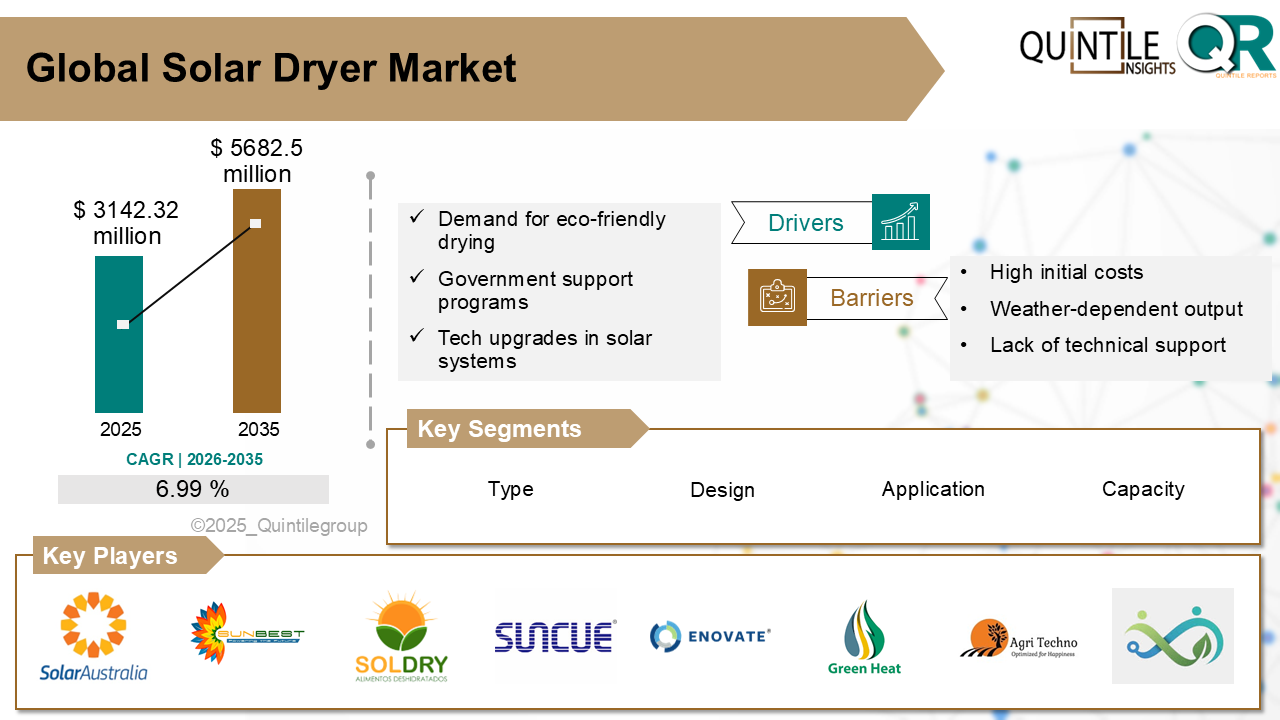
The geothermal heat pumps market refers to the global and regional market for ground-source heat pump systems that utilise the stable temperature of the earth to provide energy-efficient heating, cooling, and, in some cases, hot water for residential, commercial, and industrial buildings. These systems operate by transferring heat to or from the ground through a closed or open-loop system, offering a sustainable alternative to conventional HVAC systems with significantly reduced greenhouse gas emissions and operating costs.
Driven by rising demand for renewable energy solutions and building decarbonization strategies, the market is experiencing growth across both new construction and retrofitting applications. Technological advancements in variable-speed compressors, improved loop field designs, and integration with smart thermostats have enhanced system efficiency and user control. The geothermal heat pumps market serves homeowners, property developers, government institutions, and businesses, with incentives, tax credits, and supportive regulations further accelerating adoption in regions focused on climate goals and energy independence.
The most powerful push factor in the geothermal heat pump (GHP) industry is increasing demand for energy-efficient and eco-friendly heating and cooling solutions. Since buildings consume a large share of global energy, GHPs present a sustainable solution by harnessing the stable underground temperatures of the Earth.
Another major factor is the policy environment and governmental encouragement towards green building and renewable energy technologies. Tax credits, rebates, low-interest loans, and grants for geothermal heat pump systems are offered by various nations. The U.S. federal government, for instance, provides tax incentives under the Investment Tax Credit (ITC) program, and the EU promotes GHP installation under directives like the Renewable Energy Directive. T
Simultaneously, the market is being spurred on by expanding development of efficient energy buildings and retrofits of already established infrastructure. With more concern for carbon emissions and the operating cost of conventional systems, property developers and owners are adopting geothermal technology as a means of passing green certification requirements like LEED and BREEAM. GHPs not only cut energy costs but also add value to the property and indoor comfort, thus making it a lucrative long-term investment.
The geothermal heat pump industry is also benefiting from technological advancements in drilling, system design, and heat exchange materials. Horizontal loop systems, dual-source pumps, and solar PV system compatibility have made the GHP more efficient and adaptable.
Lastly, increased consciousness of climate change as well as energy security concerns is pressurizing policymakers and consumers to hunt for low-carbon heating and cooling solutions. GHPs, having no environmental impact and offering stable energy expense throughout their life cycle, are highly in tune with decarbonization goals and less dependence on imported fuel..
The most important obstacle to geothermal heat pump (GHP) use is the up-front investment for drilling, equipment, and professional installation. Although geothermal systems offer long-term energy savings, the initial capital cost is two to three times higher than that of traditional HVAC systems.
Geothermal heat pump design, loop sizing, and ground loop installation are extremely specialised tasks, not easily found in every geographic area. Without adequate training, local availability of licensed geothermal installers, and differential labour skills locally, market penetration is inhibited. Ineffective performance through less-than-optimum system sizing or loop placement by neophyte installers can lower customer satisfaction and limit adoption and acceptance within the industry.
Without their energy efficiency, geothermal heat pumps are also beset by low consumer awareness. Most potential customers are unaware of the technology and its long-term benefits, or do not understand how the technology works. The market also lacks trained installers and technicians who possess knowledge of ground-source systems. This poor information has the potential to result in inferior installations, higher maintenance costs, and consumer resistance to adopting the technology.
While geothermal heat pumps cost homeowners a lot of money over the years on their utility bills, the payback is typically 7 to 15 years based on climate, electricity cost, and building insulation. For most home clients, that lengthy payback is not appealing relative to other heating and cooling equipment, particularly in countries with moderate climates or subsidised power.
Geothermal installation allowance is at times intricate and time-consuming, especially in deep vertical loop systems drilling. Regime compliance involves working with local governments and environmental authorities, which means that additional layers of bureaucracy and cost are introduced. Uncodified regulations between regions also complicate project implementation, discouraging installers and customers.
North America is seeing robust growth for geothermal heat pumps, specifically in residential and commercial uses. The U.S. and Canadian governments have federal tax credits, rebates (like Nova Scotia's Green Heat program), and promotion by utility-led district systems like the pilot project in Framingham, MA. Geothermal heating and cooling are being used more often in public buildings and schools, though political uncertainty over subsidies is creating some hesitation.
Europe's market-share and innovation leadership are driven by aggressive green building codes, the German stampede to speed up geothermal permits, and Swedish to French city proposals. District and advanced systems are also picking up steam, with networked subterranean infrastructure pilots and EU regulations to support them.
Asia-Pacific is the fastest-growing region, driven by China, Japan, South Korea, and Australia/New Zealand in adoption. The growth is driven by urbanisation, government subsidies, and growing district-scale geothermal networks. South Korea and Japan, in particular, have offered subsidies and grants under policies such as the Green New Deal and METI programs.
Latin America is advancing steadily, headed by Brazil, Chile, Mexico, Costa Rica, and Argentina's intelligent-energy policies. Geothermal heat pumps are increasingly being preferred by the governments for cost-effective heating and cooling, especially for industrial and mining purposes, and constructing energy security.
The Middle East & Africa are also in their infancy stage, but are showing promise. Saudi Arabia, UAE, and Kenya, among others, are exploring geothermal heat pumps primarily for commercial cooling and district systems. Market emergence is supported by initiatives to decarbonise infrastructure and integrate energy diversification.
The United States leads the geothermal heat pumps (GHP) market due to strong federal tax credits, decarbonization requirements, and a national priority on building efficiency technologies. Number one enabler is the 2022 Inflation Reduction Act, which extended and enlarged the Residential Clean Energy Credit and Commercial Investment Tax Credit, providing up to 30% reimbursement on qualifying geothermal installations. This has heavily sped up adoption, especially in residential and light commercial markets.
The early-adopting states are states such as New York, Massachusetts, and Colorado, driven by aggressive clean energy policies and local rebates that further lower the upfront expenses of GHP systems. In cold-climate states, geothermal systems are being promoted heavily as a zero-carbon alternative to oil and gas-heating, especially in areas with no natural gas infrastructure.
The market is also gaining from the growth of utility-sponsored thermal energy grids and pilot projects by electric utilities and cooperatives to increase GHPs in numbers. As more American homeowners, builders, and HVAC professionals become aware of the long-term cost savings, low maintenance, and grid-friendly operation of geothermal heat pumps, the market will continue to increase, particularly in new construction and retrofits of public buildings, schools, and community housing.
Germany represents the largest European geothermal heat pump market, led by its national policy choice to the Energiewende (energy transition) program to increase renewable heat and cooling over fossil fuel. Ambitious government policies to phase out oil and gas heating systems, especially via legislation such as the Building Energy Act (GEG) and incentives, are pushing substitution with ground-source heat pump systems for residential and commercial buildings.
The growth of geothermal heat pump application is particularly visible in southern German regions such as Bavaria and Baden-Wrttemberg, geologically favorable for shallow geothermal installations. Municipal authorities and land developers are including heat pumps in new housing development, schools, and refurbished public buildings, as municipal authorities react to building goals for carbon emissions savings and increases in energy costs.
German customers highly appreciate long-term energy efficiency, low noise, and low maintenance, all of which are benefits of geothermal systems. Top German manufacturers like Vaillant, Stiebel Eltron, and Bosch Thermo-technology are spearheading innovation through inverter-driven heat pumps in compact size and hybrid technologies that integrate geothermal with solar thermal or photovoltaics. Smart integration and high-efficiency operation are further complementing Germany's dominance of the European geothermal heat pump market.
Japan's geothermal heat pumps (GHP) market is primarily driven by the nation's vision of becoming carbon-neutral by 2050 and reducing the use of fossil fuels. Japan is investing in low-carbon building technologies as part of its Green Growth Strategy, and geothermal heat pumps have emerged as an important solution for energy-efficient heating and cooling. The systems take advantage of a stable Earth temperature to reduce electricity consumption significantly, which aligns with the high standards of building energy efficiency codes in Japan.
Government policy incentives like subsidies, under the Ministry of the Environment's "ZEB (Net Zero Energy Building) Promotion Program," have spurred the installation of geothermal systems in schools, offices, and government buildings. Vertical ground-source systems are used in urban locations, while rural and suburban locations use horizontal or hybrid loops. Prefectural governments also implement demonstration projects to build awareness and feasibility of GHP installations, particularly where there is already a geothermal energy source available.
In addition, the shift in the building industry towards climate-resilient materials and sustainable building is generating more demand for geothermal heat pumps in newly built and remodelled buildings. Japan's stock of ageing houses allows for including GHPs when energy-efficient retrofits are carried out. As energy prices rise and consumers increasingly seek environmentally friendly options at home, the Japanese market for geothermal heat pumps is gradually growing as part of the country's overall transition to resilient, low-emission infrastructure.
Geothermal heat pump providers increasingly compete on the capability to provide sophisticated integration using smart sensors, artificial intelligence, and IoT platforms. Providers of systems that support real-time monitoring of performance, predictive maintenance, and easy integration with building management systems differentiate themselves. Facilitating dynamic control and remote diagnostics, these integrated systems streamline operation and enhance reliability, which directly meets the requirements of green building owners and facility managers.
Product and R&D efforts are focused on infusing smart capability in software and hardware layers. Businesses are putting resources into more sophisticated designs of heat exchangers, smart thermostats, and module-based platforms that can be plugged into the energy grid and smart-home networks.
This enables home users to mass commercial operators to maximise usage habits, align with complementary renewables, and reduce energy waste. Those that couple modular system design with digital user interfaces and data analytics are well-positioned for customisation and user experience.
Finally, there is intelligent integration. Intelligent integration is the main force behind the geothermal heat pump industry. It turns conventional heating and cooling devices into intelligent, networked systems that provide quantifiable performance, user convenience, and longevity. Leaders in intelligent systems are in the best position for leadership in the marketplace, as building owners continue to look for automated efficiency, sustainability, and high-order system awareness.
ClimateMaster Inc., Bosch Thermotechnology, Trane Technologies plc, WaterFurnace International, Inc., Danfoss Group, Carrier Corporation, Enertech Global LLC, Bard Manufacturing Company, Inc., Vaillant Group, Viessmann Manufacturing Company Inc., Dimplex (Glen Dimplex Group), OCHSNER Wrmepumpen GmbH, Bryant Heating & Cooling Systems, Nordic Heat Pumps, Stiebel Eltron GmbH & Co. KG.
In February 2025, Swedish Swegon Group buys American Geothermal, expanding its North America production and service presence.
In April 2024, Dandelion Energy partner with Lennar Corporation to integrate geothermal systems into standard new-home offeringsaimed at improving affordability and market uptake.
In September 2024, Dandelion Energy launched its high-end "Dandelion Geo" residential geothermal heat pump product with best-in-class efficiency and easier installation.
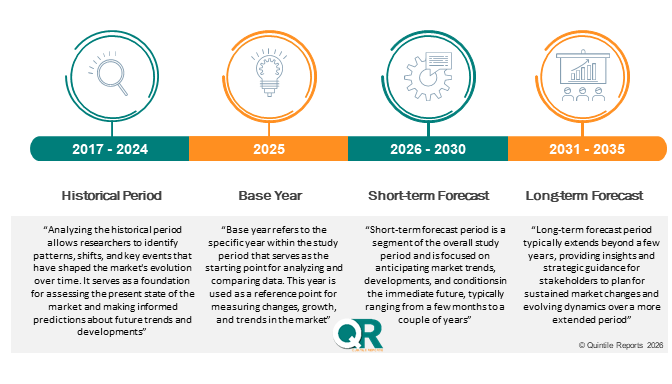
Our team of experienced researchers has meticulously gathered and analyzed data to deliver a thorough examination of market dynamics, competitive landscape, and emerging technologies. With a focus on delivering actionable intelligence, this report aims to empower decision-makers with the information needed to make informed choices and stay ahead of the competition. Whether you are a seasoned industry player or a new entrant, our market research report serves as a strategic tool to navigate the complexities of the market, aiding in successful business planning and growth strategies.
This chapter of our Geothermal Heat Pumps market report provides an in-depth examination of the factors shaping the industry landscape. This section typically encompasses several key elements to offer a comprehensive understanding of the industry landscape such as market drivers & restraints analysis, market opportunities & trend analysis, market size & growth analysis, competitive analysis, SWOT analysis, business environment tools such as Porter's five forces & PESTEL analysis, Ansoff Matrix analysis, penetration & growth prospect analysis, regulatory framework & reimbursement scenario analysis, impact of macro & micro economic factors analysis such as Covid-19 impact, GDP growth, market inflation, U.S.- China trade war, Russia-Ukraine war impact, and supply chain analysis.
The segment analysis chapter of Geothermal Heat Pumps market report is a critical section that delves into a detailed examination of the market's various segments. Segmentation involves dividing the market into distinct categories based on certain criteria to better understand and address the diverse needs of consumers. This chapter typically follows the introduction and provides a more granular view of the market, offering valuable insights for businesses and stakeholders. The components of the chapter lude segment definitions to understand the inclusions and exclusions of the study, assumptions, market size estimates and growth trend analysis of each segment, qualitative analysis of the segment, technological advancements, market penetration rate, market adoption rate, market share examination by each segment, segment growth drivers and restraint barriers, consumer behaviour and challenge analysis.
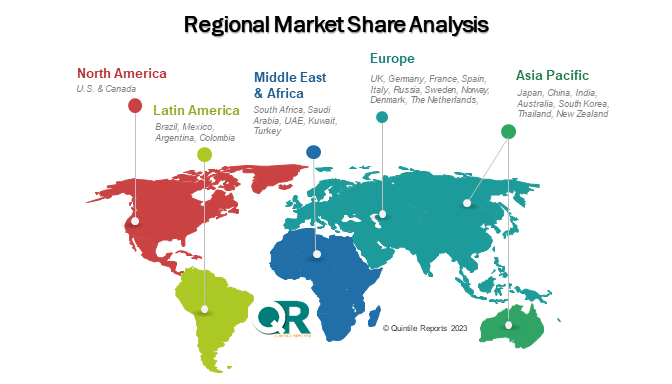
The chapter in Geothermal Heat Pumps market research report is a pivotal section that examines and predicts the market dynamics and trends specific to different geographical regions. This chapter is crucial for businesses and stakeholders seeking a comprehensive understanding of how the market behaves across various locations, enabling them to tailor strategies and make informed decisions based on regional variations. The regional analysis chapter of our Geothermal Heat Pumps market report is classified into regions & country-level. The chapter consists of North America (U.S., Canada), Europe (UK, Germany, France, Italy, Spain, Russia, Sweden, Denmark, Norway, Rest of Europe), Asia Pacific (Japan, China, India, Australia, South Korea, Thailand, Rest of Asia Pacific), Latin America (Brazil, Mexico, Argentina, Colombia, Rest of Latin America), Middle East & Africa (South Africa, Saudi Arabia, UAE, Kuwait, Rest of Middle East & Africa).
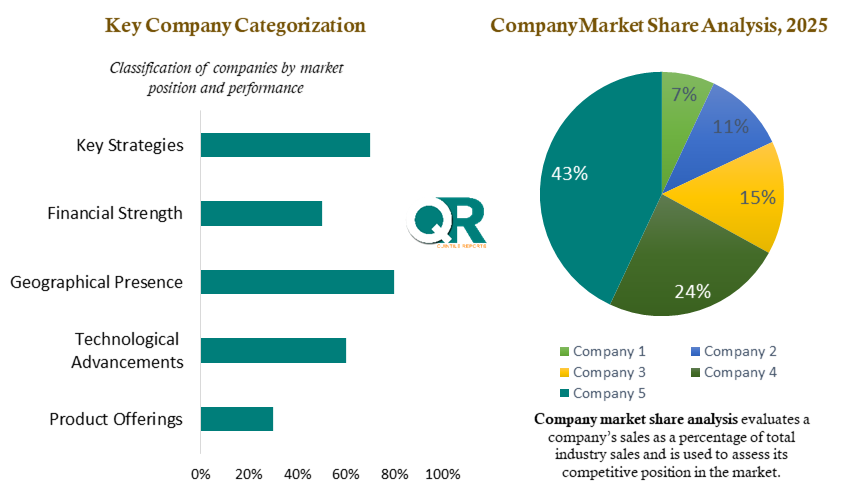
This section of a Geothermal Heat Pumps market report is a crucial segment that provides a comprehensive overview of the competitive landscape within the market. This section is vital for businesses, investors, and stakeholders seeking insights into key players, their market positioning, strengths, weaknesses, strategies, and potential impacts on the overall market dynamics. The chapter includes research methodology used to analyse the market competition, list of key players operating in the market, detailed company profile section which includes company overview, business verticals, financial performance, product/services benchmarking, geographical presence, and strategic initiatives.
| Report Scope | Details |
| Report Version | 2026 |
| Growth Rate | CAGR of 15.08 from 2026 to 2035 |
| Base Year | 2025 |
| Actual Estimates / Historical Data | 2017 - 2024 |
| Forecast Period | 2026 - 2035 |
| Quantitative Units | Revenue in USD million/billion & CAGR from 2026 to 2035 |
| Country Scope | North America (U.S., Canada), Europe (UK, Germany, France, Italy, Spain, Russia, Sweden, Denmark, Norway, Rest of Europe), Asia Pacific (Japan, China, India, Australia, South Korea, Thailand, Rest of Asia Pacific), Latin America (Brazil, Mexico, Argentina, Colombia, Rest of Latin America), Middle East & Africa (South Africa, Saudi Arabia, UAE, Kuwait, Rest of Middle East & Africa). |
| The Segment Covered by System Type (Loop & Configuration) |
|
| The Segment Covered by Technology |
|
| Companies Covered |
|
| Report Coverage | Revenue forecast, company share, competitive landscape, growth factors, and trends |
| Free Customization Scope (Equivalent to 5 Analyst Working Days) | If you need specific information, which is not currently within the scope of the report, we will provide it to you as a part of the customization |

Statistics for the 2025 Geothermal Heat Pumps market share, size, and revenue growth rate were created by Quintile Report™. Geothermal Heat Pumps analysis includes a market forecast outlook for 2035 and a historical overview. Get a free PDF sample of this market analysis, please get in touch with our principal analyst at sales@quintilereports.com
List of Tables
Table 1 List of Abbreviation and acronyms
Table 2 List of Sources
Table 3 North America Global Geothermal Heat Pumps Market, by Segment Analysis, (USD Million) 2017-2035
Table 4 North America Global Geothermal Heat Pumps Market, by Region, (USD Million) 2017-2035
Table 5 U.S. Global Geothermal Heat Pumps Market, by Segment Analysis, (USD Million) 2017-2035
Table 6 Canada Global Geothermal Heat Pumps Market, by Segment Analysis, (USD Million) 2017-2035
Table 7 Europe Global Geothermal Heat Pumps Market, by Segment Analysis, (USD Million) 2017-2035
Table 8 Europe Global Geothermal Heat Pumps Market, by Region, (USD Million) 2017-2035
Table 9 Germany Global Geothermal Heat Pumps Market, by Segment Analysis, (USD Million) 2017-2035
Table 10 U.K. Global Geothermal Heat Pumps Market, by Segment Analysis, (USD Million) 2017-2035
Table 11 France Global Geothermal Heat Pumps Market, by Segment Analysis, (USD Million) 2017-2035
Table 12 Italy Global Geothermal Heat Pumps Market, by Segment Analysis, (USD Million) 2017-2035
Table 13 Spain Global Geothermal Heat Pumps Market, by Segment Analysis, (USD Million) 2017-2035
Table 14 Sweden Global Geothermal Heat Pumps Market, by Segment Analysis, (USD Million) 2017-2035
Table 15 Denmark Global Geothermal Heat Pumps Market, by Segment Analysis, (USD Million) 2017-2035
Table 16 Norway Global Geothermal Heat Pumps Market, by Segment Analysis, (USD Million) 2017-2035
Table 17 The Netherlands Global Geothermal Heat Pumps Market, by Segment Analysis, (USD Million) 2017-2035
Table 18 Russia Global Geothermal Heat Pumps Market, by Segment Analysis, (USD Million) 2017-2035
Table 19 Asia Pacific Global Geothermal Heat Pumps Market, by Segment Analysis, (USD Million) 2017-2035
Table 20 Asia Pacific Global Geothermal Heat Pumps Market, by Region, (USD Million) 2017-2035
Table 21 China Global Geothermal Heat Pumps Market, by Segment Analysis, (USD Million) 2017-2035
Table 22 Japan Global Geothermal Heat Pumps Market, by Segment Analysis, (USD Million) 2017-2035
Table 23 India Global Geothermal Heat Pumps Market, by Segment Analysis, (USD Million) 2017-2035
Table 24 Australia Global Geothermal Heat Pumps Market, by Segment Analysis, (USD Million) 2017-2035
Table 25 South Korea Global Geothermal Heat Pumps Market, by Segment Analysis, (USD Million) 2017-2035
Table 26 Thailand Global Geothermal Heat Pumps Market, by Segment Analysis, (USD Million) 2017-2035
Table 27 Latin America Global Geothermal Heat Pumps Market, by Segment Analysis, (USD Million) 2017-2035
Table 28 Latin America Global Geothermal Heat Pumps Market, by Region, (USD Million) 2017-2035
Table 29 Brazil Global Geothermal Heat Pumps Market, by Segment Analysis, (USD Million) 2017-2035
Table 30 Mexico Global Geothermal Heat Pumps Market, by Segment Analysis, (USD Million) 2017-2035
Table 31 Argentina Global Geothermal Heat Pumps Market, by Segment Analysis, (USD Million) 2017-2035
Table 32 Middle East and Africa Global Geothermal Heat Pumps Market, by Segment Analysis, (USD Million) 2017-2035
Table 33 Middle East and Africa Global Geothermal Heat Pumps Market, by Region, (USD Million) 2017-2035
Table 34 South Africa Global Geothermal Heat Pumps Market, by Segment Analysis, (USD Million) 2017-2035
Table 35 Saudi Arabia Global Geothermal Heat Pumps Market, by Segment Analysis, (USD Million) 2017-2035
Table 36 UAE Global Geothermal Heat Pumps Market, by Segment Analysis, (USD Million) 2017-2035
Table 37 Kuwait Global Geothermal Heat Pumps Market, by Segment Analysis, (USD Million) 2017-2035
Table 38 Turkey Global Geothermal Heat Pumps Market, by Segment Analysis, (USD Million) 2017-2035
Fig.1 Market research process
Fig.2 Market research approaches
Fig.3 Global Geothermal Heat Pumps Market: market scenario
Fig.4 Global Geothermal Heat Pumps Market competitive outlook
Fig.5 Global Geothermal Heat Pumps Market driver analysis
Fig.6 Global Geothermal Heat Pumps Market restraint analysis
Fig.7 Global Geothermal Heat Pumps Market opportunity analysis
Fig.8 Global Geothermal Heat Pumps Market trends analysis
Fig.9 Global Geothermal Heat Pumps Market: Segment Analysis (Based on the scope)
Fig.10 Global Geothermal Heat Pumps Market: regional analysis
Fig.11 Global market shares and leading market players
Fig.12 North America market share and leading players
Fig.13 Europe market share and leading players
Fig.14 Asia Pacific market share and leading players
Fig.15 Latin America market share and leading players
Fig.16 Middle East & Africa market share and leading players
Fig.17 North America, by country
Fig.18 North America
Fig.19 North America market estimates and forecast, 2017-2035
Fig.20 U.S.
Fig.21 Canada
Fig.22 Europe
Fig.23 Europe market estimates and forecast, 2017-2035
Fig.24 U.K.
Fig.25 Germany
Fig.26 France
Fig.27 Italy
Fig.28 Spain
Fig.29 Sweden
Fig.30 Denmark
Fig.31 Norway
Fig.32 The Netherlands
Fig.33 Russia
Fig.34 Asia Pacific
Fig.35 Asia Pacific market estimates and forecast, 2017-2035
Fig.36 China
Fig.37 Japan
Fig.38 India
Fig.39 Australia
Fig.40 South Korea
Fig.41 Thailand
Fig.42 Latin America
Fig.43 Latin America market estimates and forecast, 2017-2035
Fig.44 Brazil
Fig.45 Mexico
Fig.46 Argentina
Fig.47 Colombia
Fig.48 Middle East and Africa
Fig.49 Middle East and Africa market estimates and forecast, 2017-2035
Fig.50 Saudi Arabia
Fig.51 South Africa
Fig.52 UAE
Fig.53 Kuwait
Fig.54 Turkey
List of Tables
Table 1 List of Abbreviation and acronyms
Table 2 List of Sources
Table 3 North America Global Geothermal Heat Pumps Market, by Segment Analysis, (USD Million) 2017-2035
Table 4 North America Global Geothermal Heat Pumps Market, by Region, (USD Million) 2017-2035
Table 5 U.S. Global Geothermal Heat Pumps Market, by Segment Analysis, (USD Million) 2017-2035
Table 6 Canada Global Geothermal Heat Pumps Market, by Segment Analysis, (USD Million) 2017-2035
Table 7 Europe Global Geothermal Heat Pumps Market, by Segment Analysis, (USD Million) 2017-2035
Table 8 Europe Global Geothermal Heat Pumps Market, by Region, (USD Million) 2017-2035
Table 9 Germany Global Geothermal Heat Pumps Market, by Segment Analysis, (USD Million) 2017-2035
Table 10 U.K. Global Geothermal Heat Pumps Market, by Segment Analysis, (USD Million) 2017-2035
Table 11 France Global Geothermal Heat Pumps Market, by Segment Analysis, (USD Million) 2017-2035
Table 12 Italy Global Geothermal Heat Pumps Market, by Segment Analysis, (USD Million) 2017-2035
Table 13 Spain Global Geothermal Heat Pumps Market, by Segment Analysis, (USD Million) 2017-2035
Table 14 Sweden Global Geothermal Heat Pumps Market, by Segment Analysis, (USD Million) 2017-2035
Table 15 Denmark Global Geothermal Heat Pumps Market, by Segment Analysis, (USD Million) 2017-2035
Table 16 Norway Global Geothermal Heat Pumps Market, by Segment Analysis, (USD Million) 2017-2035
Table 17 The Netherlands Global Geothermal Heat Pumps Market, by Segment Analysis, (USD Million) 2017-2035
Table 18 Russia Global Geothermal Heat Pumps Market, by Segment Analysis, (USD Million) 2017-2035
Table 19 Asia Pacific Global Geothermal Heat Pumps Market, by Segment Analysis, (USD Million) 2017-2035
Table 20 Asia Pacific Global Geothermal Heat Pumps Market, by Region, (USD Million) 2017-2035
Table 21 China Global Geothermal Heat Pumps Market, by Segment Analysis, (USD Million) 2017-2035
Table 22 Japan Global Geothermal Heat Pumps Market, by Segment Analysis, (USD Million) 2017-2035
Table 23 India Global Geothermal Heat Pumps Market, by Segment Analysis, (USD Million) 2017-2035
Table 24 Australia Global Geothermal Heat Pumps Market, by Segment Analysis, (USD Million) 2017-2035
Table 25 South Korea Global Geothermal Heat Pumps Market, by Segment Analysis, (USD Million) 2017-2035
Table 26 Thailand Global Geothermal Heat Pumps Market, by Segment Analysis, (USD Million) 2017-2035
Table 27 Latin America Global Geothermal Heat Pumps Market, by Segment Analysis, (USD Million) 2017-2035
Table 28 Latin America Global Geothermal Heat Pumps Market, by Region, (USD Million) 2017-2035
Table 29 Brazil Global Geothermal Heat Pumps Market, by Segment Analysis, (USD Million) 2017-2035
Table 30 Mexico Global Geothermal Heat Pumps Market, by Segment Analysis, (USD Million) 2017-2035
Table 31 Argentina Global Geothermal Heat Pumps Market, by Segment Analysis, (USD Million) 2017-2035
Table 32 Middle East and Africa Global Geothermal Heat Pumps Market, by Segment Analysis, (USD Million) 2017-2035
Table 33 Middle East and Africa Global Geothermal Heat Pumps Market, by Region, (USD Million) 2017-2035
Table 34 South Africa Global Geothermal Heat Pumps Market, by Segment Analysis, (USD Million) 2017-2035
Table 35 Saudi Arabia Global Geothermal Heat Pumps Market, by Segment Analysis, (USD Million) 2017-2035
Table 36 UAE Global Geothermal Heat Pumps Market, by Segment Analysis, (USD Million) 2017-2035
Table 37 Kuwait Global Geothermal Heat Pumps Market, by Segment Analysis, (USD Million) 2017-2035
Table 38 Turkey Global Geothermal Heat Pumps Market, by Segment Analysis, (USD Million) 2017-2035
Fig.1 Market research process
Fig.2 Market research approaches
Fig.3 Global Geothermal Heat Pumps Market: market scenario
Fig.4 Global Geothermal Heat Pumps Market competitive outlook
Fig.5 Global Geothermal Heat Pumps Market driver analysis
Fig.6 Global Geothermal Heat Pumps Market restraint analysis
Fig.7 Global Geothermal Heat Pumps Market opportunity analysis
Fig.8 Global Geothermal Heat Pumps Market trends analysis
Fig.9 Global Geothermal Heat Pumps Market: Segment Analysis (Based on the scope)
Fig.10 Global Geothermal Heat Pumps Market: regional analysis
Fig.11 Global market shares and leading market players
Fig.12 North America market share and leading players
Fig.13 Europe market share and leading players
Fig.14 Asia Pacific market share and leading players
Fig.15 Latin America market share and leading players
Fig.16 Middle East & Africa market share and leading players
Fig.17 North America, by country
Fig.18 North America
Fig.19 North America market estimates and forecast, 2017-2035
Fig.20 U.S.
Fig.21 Canada
Fig.22 Europe
Fig.23 Europe market estimates and forecast, 2017-2035
Fig.24 U.K.
Fig.25 Germany
Fig.26 France
Fig.27 Italy
Fig.28 Spain
Fig.29 Sweden
Fig.30 Denmark
Fig.31 Norway
Fig.32 The Netherlands
Fig.33 Russia
Fig.34 Asia Pacific
Fig.35 Asia Pacific market estimates and forecast, 2017-2035
Fig.36 China
Fig.37 Japan
Fig.38 India
Fig.39 Australia
Fig.40 South Korea
Fig.41 Thailand
Fig.42 Latin America
Fig.43 Latin America market estimates and forecast, 2017-2035
Fig.44 Brazil
Fig.45 Mexico
Fig.46 Argentina
Fig.47 Colombia
Fig.48 Middle East and Africa
Fig.49 Middle East and Africa market estimates and forecast, 2017-2035
Fig.50 Saudi Arabia
Fig.51 South Africa
Fig.52 UAE
Fig.53 Kuwait
Fig.54 Turkey
The Global Geothermal Heat Pumps Market was valued at USD 242.84 million in 2025 and is projected to reach USD 828.36 million by 2035, expanding at a robust CAGR of 15.08% during the forecast period from 2026 to 2035. The Geothermal Heat Pumps market report delivers a comprehensive industry assessment by analyzing macroeconomic conditions, technological advancements, regulatory frameworks, and evolving consumer behavior to provide a clear outlook on future growth potential.
With 2025 as the base year, the Geothermal Heat Pumps market is experiencing steady expansion driven by continuous innovation, rising demand across end-use industries, and rapid technological progress. Market participants are increasingly optimizing their go-to-market (GTM) strategies to capitalize on emerging opportunities and adapt to shifting competitive dynamics.
Looking ahead to 2035, the market is expected to maintain strong growth momentum, supported by sustained investments in research and development, strategic partnerships, and mergers and acquisitions. Companies that focus on innovation, agile GTM execution, and alignment with evolving customer needs are well positioned to achieve long-term success. The report provides in-depth insights into key market drivers, restraints, opportunities, and challenges across segments, regions, and countries, supported by robust qualitative and quantitative analysis spanning 2017 to 2035.
The geothermal heat pumps market refers to the global and regional market for ground-source heat pump systems that utilise the stable temperature of the earth to provide energy-efficient heating, cooling, and, in some cases, hot water for residential, commercial, and industrial buildings. These systems operate by transferring heat to or from the ground through a closed or open-loop system, offering a sustainable alternative to conventional HVAC systems with significantly reduced greenhouse gas emissions and operating costs.
Driven by rising demand for renewable energy solutions and building decarbonization strategies, the market is experiencing growth across both new construction and retrofitting applications. Technological advancements in variable-speed compressors, improved loop field designs, and integration with smart thermostats have enhanced system efficiency and user control. The geothermal heat pumps market serves homeowners, property developers, government institutions, and businesses, with incentives, tax credits, and supportive regulations further accelerating adoption in regions focused on climate goals and energy independence.
The most powerful push factor in the geothermal heat pump (GHP) industry is increasing demand for energy-efficient and eco-friendly heating and cooling solutions. Since buildings consume a large share of global energy, GHPs present a sustainable solution by harnessing the stable underground temperatures of the Earth.
Another major factor is the policy environment and governmental encouragement towards green building and renewable energy technologies. Tax credits, rebates, low-interest loans, and grants for geothermal heat pump systems are offered by various nations. The U.S. federal government, for instance, provides tax incentives under the Investment Tax Credit (ITC) program, and the EU promotes GHP installation under directives like the Renewable Energy Directive. T
Simultaneously, the market is being spurred on by expanding development of efficient energy buildings and retrofits of already established infrastructure. With more concern for carbon emissions and the operating cost of conventional systems, property developers and owners are adopting geothermal technology as a means of passing green certification requirements like LEED and BREEAM. GHPs not only cut energy costs but also add value to the property and indoor comfort, thus making it a lucrative long-term investment.
The geothermal heat pump industry is also benefiting from technological advancements in drilling, system design, and heat exchange materials. Horizontal loop systems, dual-source pumps, and solar PV system compatibility have made the GHP more efficient and adaptable.
Lastly, increased consciousness of climate change as well as energy security concerns is pressurizing policymakers and consumers to hunt for low-carbon heating and cooling solutions. GHPs, having no environmental impact and offering stable energy expense throughout their life cycle, are highly in tune with decarbonization goals and less dependence on imported fuel..
The most important obstacle to geothermal heat pump (GHP) use is the up-front investment for drilling, equipment, and professional installation. Although geothermal systems offer long-term energy savings, the initial capital cost is two to three times higher than that of traditional HVAC systems.
Geothermal heat pump design, loop sizing, and ground loop installation are extremely specialised tasks, not easily found in every geographic area. Without adequate training, local availability of licensed geothermal installers, and differential labour skills locally, market penetration is inhibited. Ineffective performance through less-than-optimum system sizing or loop placement by neophyte installers can lower customer satisfaction and limit adoption and acceptance within the industry.
Without their energy efficiency, geothermal heat pumps are also beset by low consumer awareness. Most potential customers are unaware of the technology and its long-term benefits, or do not understand how the technology works. The market also lacks trained installers and technicians who possess knowledge of ground-source systems. This poor information has the potential to result in inferior installations, higher maintenance costs, and consumer resistance to adopting the technology.
While geothermal heat pumps cost homeowners a lot of money over the years on their utility bills, the payback is typically 7 to 15 years based on climate, electricity cost, and building insulation. For most home clients, that lengthy payback is not appealing relative to other heating and cooling equipment, particularly in countries with moderate climates or subsidised power.
Geothermal installation allowance is at times intricate and time-consuming, especially in deep vertical loop systems drilling. Regime compliance involves working with local governments and environmental authorities, which means that additional layers of bureaucracy and cost are introduced. Uncodified regulations between regions also complicate project implementation, discouraging installers and customers.
North America is seeing robust growth for geothermal heat pumps, specifically in residential and commercial uses. The U.S. and Canadian governments have federal tax credits, rebates (like Nova Scotia's Green Heat program), and promotion by utility-led district systems like the pilot project in Framingham, MA. Geothermal heating and cooling are being used more often in public buildings and schools, though political uncertainty over subsidies is creating some hesitation.
Europe's market-share and innovation leadership are driven by aggressive green building codes, the German stampede to speed up geothermal permits, and Swedish to French city proposals. District and advanced systems are also picking up steam, with networked subterranean infrastructure pilots and EU regulations to support them.
Asia-Pacific is the fastest-growing region, driven by China, Japan, South Korea, and Australia/New Zealand in adoption. The growth is driven by urbanisation, government subsidies, and growing district-scale geothermal networks. South Korea and Japan, in particular, have offered subsidies and grants under policies such as the Green New Deal and METI programs.
Latin America is advancing steadily, headed by Brazil, Chile, Mexico, Costa Rica, and Argentina's intelligent-energy policies. Geothermal heat pumps are increasingly being preferred by the governments for cost-effective heating and cooling, especially for industrial and mining purposes, and constructing energy security.
The Middle East & Africa are also in their infancy stage, but are showing promise. Saudi Arabia, UAE, and Kenya, among others, are exploring geothermal heat pumps primarily for commercial cooling and district systems. Market emergence is supported by initiatives to decarbonise infrastructure and integrate energy diversification.
The United States leads the geothermal heat pumps (GHP) market due to strong federal tax credits, decarbonization requirements, and a national priority on building efficiency technologies. Number one enabler is the 2022 Inflation Reduction Act, which extended and enlarged the Residential Clean Energy Credit and Commercial Investment Tax Credit, providing up to 30% reimbursement on qualifying geothermal installations. This has heavily sped up adoption, especially in residential and light commercial markets.
The early-adopting states are states such as New York, Massachusetts, and Colorado, driven by aggressive clean energy policies and local rebates that further lower the upfront expenses of GHP systems. In cold-climate states, geothermal systems are being promoted heavily as a zero-carbon alternative to oil and gas-heating, especially in areas with no natural gas infrastructure.
The market is also gaining from the growth of utility-sponsored thermal energy grids and pilot projects by electric utilities and cooperatives to increase GHPs in numbers. As more American homeowners, builders, and HVAC professionals become aware of the long-term cost savings, low maintenance, and grid-friendly operation of geothermal heat pumps, the market will continue to increase, particularly in new construction and retrofits of public buildings, schools, and community housing.
Germany represents the largest European geothermal heat pump market, led by its national policy choice to the Energiewende (energy transition) program to increase renewable heat and cooling over fossil fuel. Ambitious government policies to phase out oil and gas heating systems, especially via legislation such as the Building Energy Act (GEG) and incentives, are pushing substitution with ground-source heat pump systems for residential and commercial buildings.
The growth of geothermal heat pump application is particularly visible in southern German regions such as Bavaria and Baden-Wrttemberg, geologically favorable for shallow geothermal installations. Municipal authorities and land developers are including heat pumps in new housing development, schools, and refurbished public buildings, as municipal authorities react to building goals for carbon emissions savings and increases in energy costs.
German customers highly appreciate long-term energy efficiency, low noise, and low maintenance, all of which are benefits of geothermal systems. Top German manufacturers like Vaillant, Stiebel Eltron, and Bosch Thermo-technology are spearheading innovation through inverter-driven heat pumps in compact size and hybrid technologies that integrate geothermal with solar thermal or photovoltaics. Smart integration and high-efficiency operation are further complementing Germany's dominance of the European geothermal heat pump market.
Japan's geothermal heat pumps (GHP) market is primarily driven by the nation's vision of becoming carbon-neutral by 2050 and reducing the use of fossil fuels. Japan is investing in low-carbon building technologies as part of its Green Growth Strategy, and geothermal heat pumps have emerged as an important solution for energy-efficient heating and cooling. The systems take advantage of a stable Earth temperature to reduce electricity consumption significantly, which aligns with the high standards of building energy efficiency codes in Japan.
Government policy incentives like subsidies, under the Ministry of the Environment's "ZEB (Net Zero Energy Building) Promotion Program," have spurred the installation of geothermal systems in schools, offices, and government buildings. Vertical ground-source systems are used in urban locations, while rural and suburban locations use horizontal or hybrid loops. Prefectural governments also implement demonstration projects to build awareness and feasibility of GHP installations, particularly where there is already a geothermal energy source available.
In addition, the shift in the building industry towards climate-resilient materials and sustainable building is generating more demand for geothermal heat pumps in newly built and remodelled buildings. Japan's stock of ageing houses allows for including GHPs when energy-efficient retrofits are carried out. As energy prices rise and consumers increasingly seek environmentally friendly options at home, the Japanese market for geothermal heat pumps is gradually growing as part of the country's overall transition to resilient, low-emission infrastructure.
Geothermal heat pump providers increasingly compete on the capability to provide sophisticated integration using smart sensors, artificial intelligence, and IoT platforms. Providers of systems that support real-time monitoring of performance, predictive maintenance, and easy integration with building management systems differentiate themselves. Facilitating dynamic control and remote diagnostics, these integrated systems streamline operation and enhance reliability, which directly meets the requirements of green building owners and facility managers.
Product and R&D efforts are focused on infusing smart capability in software and hardware layers. Businesses are putting resources into more sophisticated designs of heat exchangers, smart thermostats, and module-based platforms that can be plugged into the energy grid and smart-home networks.
This enables home users to mass commercial operators to maximise usage habits, align with complementary renewables, and reduce energy waste. Those that couple modular system design with digital user interfaces and data analytics are well-positioned for customisation and user experience.
Finally, there is intelligent integration. Intelligent integration is the main force behind the geothermal heat pump industry. It turns conventional heating and cooling devices into intelligent, networked systems that provide quantifiable performance, user convenience, and longevity. Leaders in intelligent systems are in the best position for leadership in the marketplace, as building owners continue to look for automated efficiency, sustainability, and high-order system awareness.
ClimateMaster Inc., Bosch Thermotechnology, Trane Technologies plc, WaterFurnace International, Inc., Danfoss Group, Carrier Corporation, Enertech Global LLC, Bard Manufacturing Company, Inc., Vaillant Group, Viessmann Manufacturing Company Inc., Dimplex (Glen Dimplex Group), OCHSNER Wrmepumpen GmbH, Bryant Heating & Cooling Systems, Nordic Heat Pumps, Stiebel Eltron GmbH & Co. KG.
In February 2025, Swedish Swegon Group buys American Geothermal, expanding its North America production and service presence.
In April 2024, Dandelion Energy partner with Lennar Corporation to integrate geothermal systems into standard new-home offeringsaimed at improving affordability and market uptake.
In September 2024, Dandelion Energy launched its high-end "Dandelion Geo" residential geothermal heat pump product with best-in-class efficiency and easier installation.
Our team of experienced researchers has meticulously gathered and analyzed data to deliver a thorough examination of market dynamics, competitive landscape, and emerging technologies. With a focus on delivering actionable intelligence, this report aims to empower decision-makers with the information needed to make informed choices and stay ahead of the competition. Whether you are a seasoned industry player or a new entrant, our market research report serves as a strategic tool to navigate the complexities of the market, aiding in successful business planning and growth strategies.
This chapter of our Geothermal Heat Pumps market report provides an in-depth examination of the factors shaping the industry landscape. This section typically encompasses several key elements to offer a comprehensive understanding of the industry landscape such as market drivers & restraints analysis, market opportunities & trend analysis, market size & growth analysis, competitive analysis, SWOT analysis, business environment tools such as Porter's five forces & PESTEL analysis, Ansoff Matrix analysis, penetration & growth prospect analysis, regulatory framework & reimbursement scenario analysis, impact of macro & micro economic factors analysis such as Covid-19 impact, GDP growth, market inflation, U.S.- China trade war, Russia-Ukraine war impact, and supply chain analysis.
The segment analysis chapter of Geothermal Heat Pumps market report is a critical section that delves into a detailed examination of the market's various segments. Segmentation involves dividing the market into distinct categories based on certain criteria to better understand and address the diverse needs of consumers. This chapter typically follows the introduction and provides a more granular view of the market, offering valuable insights for businesses and stakeholders. The components of the chapter lude segment definitions to understand the inclusions and exclusions of the study, assumptions, market size estimates and growth trend analysis of each segment, qualitative analysis of the segment, technological advancements, market penetration rate, market adoption rate, market share examination by each segment, segment growth drivers and restraint barriers, consumer behaviour and challenge analysis.
The chapter in Geothermal Heat Pumps market research report is a pivotal section that examines and predicts the market dynamics and trends specific to different geographical regions. This chapter is crucial for businesses and stakeholders seeking a comprehensive understanding of how the market behaves across various locations, enabling them to tailor strategies and make informed decisions based on regional variations. The regional analysis chapter of our Geothermal Heat Pumps market report is classified into regions & country-level. The chapter consists of North America (U.S., Canada), Europe (UK, Germany, France, Italy, Spain, Russia, Sweden, Denmark, Norway, Rest of Europe), Asia Pacific (Japan, China, India, Australia, South Korea, Thailand, Rest of Asia Pacific), Latin America (Brazil, Mexico, Argentina, Colombia, Rest of Latin America), Middle East & Africa (South Africa, Saudi Arabia, UAE, Kuwait, Rest of Middle East & Africa).
This section of a Geothermal Heat Pumps market report is a crucial segment that provides a comprehensive overview of the competitive landscape within the market. This section is vital for businesses, investors, and stakeholders seeking insights into key players, their market positioning, strengths, weaknesses, strategies, and potential impacts on the overall market dynamics. The chapter includes research methodology used to analyse the market competition, list of key players operating in the market, detailed company profile section which includes company overview, business verticals, financial performance, product/services benchmarking, geographical presence, and strategic initiatives.
| Report Scope | Details |
| Report Version | 2026 |
| Growth Rate | CAGR of 15.08 from 2026 to 2035 |
| Base Year | 2025 |
| Actual Estimates / Historical Data | 2017 - 2024 |
| Forecast Period | 2026 - 2035 |
| Quantitative Units | Revenue in USD million/billion & CAGR from 2026 to 2035 |
| Country Scope | North America (U.S., Canada), Europe (UK, Germany, France, Italy, Spain, Russia, Sweden, Denmark, Norway, Rest of Europe), Asia Pacific (Japan, China, India, Australia, South Korea, Thailand, Rest of Asia Pacific), Latin America (Brazil, Mexico, Argentina, Colombia, Rest of Latin America), Middle East & Africa (South Africa, Saudi Arabia, UAE, Kuwait, Rest of Middle East & Africa). |
| The Segment Covered by System Type (Loop & Configuration) |
|
| The Segment Covered by Technology |
|
| Companies Covered |
|
| Report Coverage | Revenue forecast, company share, competitive landscape, growth factors, and trends |
| Free Customization Scope (Equivalent to 5 Analyst Working Days) | If you need specific information, which is not currently within the scope of the report, we will provide it to you as a part of the customization |
Statistics for the 2025 Geothermal Heat Pumps market share, size, and revenue growth rate were created by Quintile Report™. Geothermal Heat Pumps analysis includes a market forecast outlook for 2035 and a historical overview. Get a free PDF sample of this market analysis, please get in touch with our principal analyst at sales@quintilereports.com
Table 1 List of Abbreviation and acronyms
Table 2 List of Sources
Table 3 North America Global Geothermal Heat Pumps Market, by Segment Analysis, (USD Million) 2017-2035
Table 4 North America Global Geothermal Heat Pumps Market, by Region, (USD Million) 2017-2035
Table 5 U.S. Global Geothermal Heat Pumps Market, by Segment Analysis, (USD Million) 2017-2035
Table 6 Canada Global Geothermal Heat Pumps Market, by Segment Analysis, (USD Million) 2017-2035
Table 7 Europe Global Geothermal Heat Pumps Market, by Segment Analysis, (USD Million) 2017-2035
Table 8 Europe Global Geothermal Heat Pumps Market, by Region, (USD Million) 2017-2035
Table 9 Germany Global Geothermal Heat Pumps Market, by Segment Analysis, (USD Million) 2017-2035
Table 10 U.K. Global Geothermal Heat Pumps Market, by Segment Analysis, (USD Million) 2017-2035
Table 11 France Global Geothermal Heat Pumps Market, by Segment Analysis, (USD Million) 2017-2035
Table 12 Italy Global Geothermal Heat Pumps Market, by Segment Analysis, (USD Million) 2017-2035
Table 13 Spain Global Geothermal Heat Pumps Market, by Segment Analysis, (USD Million) 2017-2035
Table 14 Sweden Global Geothermal Heat Pumps Market, by Segment Analysis, (USD Million) 2017-2035
Table 15 Denmark Global Geothermal Heat Pumps Market, by Segment Analysis, (USD Million) 2017-2035
Table 16 Norway Global Geothermal Heat Pumps Market, by Segment Analysis, (USD Million) 2017-2035
Table 17 The Netherlands Global Geothermal Heat Pumps Market, by Segment Analysis, (USD Million) 2017-2035
Table 18 Russia Global Geothermal Heat Pumps Market, by Segment Analysis, (USD Million) 2017-2035
Table 19 Asia Pacific Global Geothermal Heat Pumps Market, by Segment Analysis, (USD Million) 2017-2035
Table 20 Asia Pacific Global Geothermal Heat Pumps Market, by Region, (USD Million) 2017-2035
Table 21 China Global Geothermal Heat Pumps Market, by Segment Analysis, (USD Million) 2017-2035
Table 22 Japan Global Geothermal Heat Pumps Market, by Segment Analysis, (USD Million) 2017-2035
Table 23 India Global Geothermal Heat Pumps Market, by Segment Analysis, (USD Million) 2017-2035
Table 24 Australia Global Geothermal Heat Pumps Market, by Segment Analysis, (USD Million) 2017-2035
Table 25 South Korea Global Geothermal Heat Pumps Market, by Segment Analysis, (USD Million) 2017-2035
Table 26 Thailand Global Geothermal Heat Pumps Market, by Segment Analysis, (USD Million) 2017-2035
Table 27 Latin America Global Geothermal Heat Pumps Market, by Segment Analysis, (USD Million) 2017-2035
Table 28 Latin America Global Geothermal Heat Pumps Market, by Region, (USD Million) 2017-2035
Table 29 Brazil Global Geothermal Heat Pumps Market, by Segment Analysis, (USD Million) 2017-2035
Table 30 Mexico Global Geothermal Heat Pumps Market, by Segment Analysis, (USD Million) 2017-2035
Table 31 Argentina Global Geothermal Heat Pumps Market, by Segment Analysis, (USD Million) 2017-2035
Table 32 Middle East and Africa Global Geothermal Heat Pumps Market, by Segment Analysis, (USD Million) 2017-2035
Table 33 Middle East and Africa Global Geothermal Heat Pumps Market, by Region, (USD Million) 2017-2035
Table 34 South Africa Global Geothermal Heat Pumps Market, by Segment Analysis, (USD Million) 2017-2035
Table 35 Saudi Arabia Global Geothermal Heat Pumps Market, by Segment Analysis, (USD Million) 2017-2035
Table 36 UAE Global Geothermal Heat Pumps Market, by Segment Analysis, (USD Million) 2017-2035
Table 37 Kuwait Global Geothermal Heat Pumps Market, by Segment Analysis, (USD Million) 2017-2035
Table 38 Turkey Global Geothermal Heat Pumps Market, by Segment Analysis, (USD Million) 2017-2035
Fig.1 Market research process
Fig.2 Market research approaches
Fig.3 Global Geothermal Heat Pumps Market: market scenario
Fig.4 Global Geothermal Heat Pumps Market competitive outlook
Fig.5 Global Geothermal Heat Pumps Market driver analysis
Fig.6 Global Geothermal Heat Pumps Market restraint analysis
Fig.7 Global Geothermal Heat Pumps Market opportunity analysis
Fig.8 Global Geothermal Heat Pumps Market trends analysis
Fig.9 Global Geothermal Heat Pumps Market: Segment Analysis (Based on the scope)
Fig.10 Global Geothermal Heat Pumps Market: regional analysis
Fig.11 Global market shares and leading market players
Fig.12 North America market share and leading players
Fig.13 Europe market share and leading players
Fig.14 Asia Pacific market share and leading players
Fig.15 Latin America market share and leading players
Fig.16 Middle East & Africa market share and leading players
Fig.17 North America, by country
Fig.18 North America
Fig.19 North America market estimates and forecast, 2017-2035
Fig.20 U.S.
Fig.21 Canada
Fig.22 Europe
Fig.23 Europe market estimates and forecast, 2017-2035
Fig.24 U.K.
Fig.25 Germany
Fig.26 France
Fig.27 Italy
Fig.28 Spain
Fig.29 Sweden
Fig.30 Denmark
Fig.31 Norway
Fig.32 The Netherlands
Fig.33 Russia
Fig.34 Asia Pacific
Fig.35 Asia Pacific market estimates and forecast, 2017-2035
Fig.36 China
Fig.37 Japan
Fig.38 India
Fig.39 Australia
Fig.40 South Korea
Fig.41 Thailand
Fig.42 Latin America
Fig.43 Latin America market estimates and forecast, 2017-2035
Fig.44 Brazil
Fig.45 Mexico
Fig.46 Argentina
Fig.47 Colombia
Fig.48 Middle East and Africa
Fig.49 Middle East and Africa market estimates and forecast, 2017-2035
Fig.50 Saudi Arabia
Fig.51 South Africa
Fig.52 UAE
Fig.53 Kuwait
Fig.54 Turkey
Table 1 List of Abbreviation and acronyms
Table 2 List of Sources
Table 3 North America Global Geothermal Heat Pumps Market, by Segment Analysis, (USD Million) 2017-2035
Table 4 North America Global Geothermal Heat Pumps Market, by Region, (USD Million) 2017-2035
Table 5 U.S. Global Geothermal Heat Pumps Market, by Segment Analysis, (USD Million) 2017-2035
Table 6 Canada Global Geothermal Heat Pumps Market, by Segment Analysis, (USD Million) 2017-2035
Table 7 Europe Global Geothermal Heat Pumps Market, by Segment Analysis, (USD Million) 2017-2035
Table 8 Europe Global Geothermal Heat Pumps Market, by Region, (USD Million) 2017-2035
Table 9 Germany Global Geothermal Heat Pumps Market, by Segment Analysis, (USD Million) 2017-2035
Table 10 U.K. Global Geothermal Heat Pumps Market, by Segment Analysis, (USD Million) 2017-2035
Table 11 France Global Geothermal Heat Pumps Market, by Segment Analysis, (USD Million) 2017-2035
Table 12 Italy Global Geothermal Heat Pumps Market, by Segment Analysis, (USD Million) 2017-2035
Table 13 Spain Global Geothermal Heat Pumps Market, by Segment Analysis, (USD Million) 2017-2035
Table 14 Sweden Global Geothermal Heat Pumps Market, by Segment Analysis, (USD Million) 2017-2035
Table 15 Denmark Global Geothermal Heat Pumps Market, by Segment Analysis, (USD Million) 2017-2035
Table 16 Norway Global Geothermal Heat Pumps Market, by Segment Analysis, (USD Million) 2017-2035
Table 17 The Netherlands Global Geothermal Heat Pumps Market, by Segment Analysis, (USD Million) 2017-2035
Table 18 Russia Global Geothermal Heat Pumps Market, by Segment Analysis, (USD Million) 2017-2035
Table 19 Asia Pacific Global Geothermal Heat Pumps Market, by Segment Analysis, (USD Million) 2017-2035
Table 20 Asia Pacific Global Geothermal Heat Pumps Market, by Region, (USD Million) 2017-2035
Table 21 China Global Geothermal Heat Pumps Market, by Segment Analysis, (USD Million) 2017-2035
Table 22 Japan Global Geothermal Heat Pumps Market, by Segment Analysis, (USD Million) 2017-2035
Table 23 India Global Geothermal Heat Pumps Market, by Segment Analysis, (USD Million) 2017-2035
Table 24 Australia Global Geothermal Heat Pumps Market, by Segment Analysis, (USD Million) 2017-2035
Table 25 South Korea Global Geothermal Heat Pumps Market, by Segment Analysis, (USD Million) 2017-2035
Table 26 Thailand Global Geothermal Heat Pumps Market, by Segment Analysis, (USD Million) 2017-2035
Table 27 Latin America Global Geothermal Heat Pumps Market, by Segment Analysis, (USD Million) 2017-2035
Table 28 Latin America Global Geothermal Heat Pumps Market, by Region, (USD Million) 2017-2035
Table 29 Brazil Global Geothermal Heat Pumps Market, by Segment Analysis, (USD Million) 2017-2035
Table 30 Mexico Global Geothermal Heat Pumps Market, by Segment Analysis, (USD Million) 2017-2035
Table 31 Argentina Global Geothermal Heat Pumps Market, by Segment Analysis, (USD Million) 2017-2035
Table 32 Middle East and Africa Global Geothermal Heat Pumps Market, by Segment Analysis, (USD Million) 2017-2035
Table 33 Middle East and Africa Global Geothermal Heat Pumps Market, by Region, (USD Million) 2017-2035
Table 34 South Africa Global Geothermal Heat Pumps Market, by Segment Analysis, (USD Million) 2017-2035
Table 35 Saudi Arabia Global Geothermal Heat Pumps Market, by Segment Analysis, (USD Million) 2017-2035
Table 36 UAE Global Geothermal Heat Pumps Market, by Segment Analysis, (USD Million) 2017-2035
Table 37 Kuwait Global Geothermal Heat Pumps Market, by Segment Analysis, (USD Million) 2017-2035
Table 38 Turkey Global Geothermal Heat Pumps Market, by Segment Analysis, (USD Million) 2017-2035
Fig.1 Market research process
Fig.2 Market research approaches
Fig.3 Global Geothermal Heat Pumps Market: market scenario
Fig.4 Global Geothermal Heat Pumps Market competitive outlook
Fig.5 Global Geothermal Heat Pumps Market driver analysis
Fig.6 Global Geothermal Heat Pumps Market restraint analysis
Fig.7 Global Geothermal Heat Pumps Market opportunity analysis
Fig.8 Global Geothermal Heat Pumps Market trends analysis
Fig.9 Global Geothermal Heat Pumps Market: Segment Analysis (Based on the scope)
Fig.10 Global Geothermal Heat Pumps Market: regional analysis
Fig.11 Global market shares and leading market players
Fig.12 North America market share and leading players
Fig.13 Europe market share and leading players
Fig.14 Asia Pacific market share and leading players
Fig.15 Latin America market share and leading players
Fig.16 Middle East & Africa market share and leading players
Fig.17 North America, by country
Fig.18 North America
Fig.19 North America market estimates and forecast, 2017-2035
Fig.20 U.S.
Fig.21 Canada
Fig.22 Europe
Fig.23 Europe market estimates and forecast, 2017-2035
Fig.24 U.K.
Fig.25 Germany
Fig.26 France
Fig.27 Italy
Fig.28 Spain
Fig.29 Sweden
Fig.30 Denmark
Fig.31 Norway
Fig.32 The Netherlands
Fig.33 Russia
Fig.34 Asia Pacific
Fig.35 Asia Pacific market estimates and forecast, 2017-2035
Fig.36 China
Fig.37 Japan
Fig.38 India
Fig.39 Australia
Fig.40 South Korea
Fig.41 Thailand
Fig.42 Latin America
Fig.43 Latin America market estimates and forecast, 2017-2035
Fig.44 Brazil
Fig.45 Mexico
Fig.46 Argentina
Fig.47 Colombia
Fig.48 Middle East and Africa
Fig.49 Middle East and Africa market estimates and forecast, 2017-2035
Fig.50 Saudi Arabia
Fig.51 South Africa
Fig.52 UAE
Fig.53 Kuwait
Fig.54 Turkey

A license granted to one user. Rules or conditions might be applied for e.g. the use of electric files (PDFs) or printings, depending on product.
A license granted to multiple users.
A license granted to a single business site/establishment.
A license granted to all employees within organisation access to the product.
Immediate / Within 24-48 hours - Working days
Online Payments with PayPal and CCavenue
You can order a report by picking any of the payment methods which is bank wire or online payment through any Debit/Credit card or PayPal.
Hard Copy
 U.S. : +91-626-560-6898