The Global Solar Dryer Market was valued at USD 3142.32 million in 2025 and is projected to reach USD 5682.5 million by 2035, expanding at a robust CAGR of 6.99% during the forecast period from 2026 to 2035. The Solar Dryer market report delivers a comprehensive industry assessment by analyzing macroeconomic conditions, technological advancements, regulatory frameworks, and evolving consumer behavior to provide a clear outlook on future growth potential.
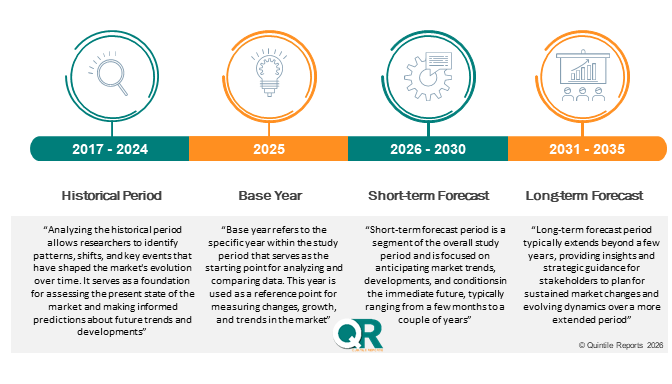
With 2025 as the base year, the Solar Dryer market is experiencing steady expansion driven by continuous innovation, rising demand across end-use industries, and rapid technological progress. Market participants are increasingly optimizing their go-to-market (GTM) strategies to capitalize on emerging opportunities and adapt to shifting competitive dynamics.
Looking ahead to 2035, the market is expected to maintain strong growth momentum, supported by sustained investments in research and development, strategic partnerships, and mergers and acquisitions. Companies that focus on innovation, agile GTM execution, and alignment with evolving customer needs are well positioned to achieve long-term success. The report provides in-depth insights into key market drivers, restraints, opportunities, and challenges across segments, regions, and countries, supported by robust qualitative and quantitative analysis spanning 2017 to 2035.
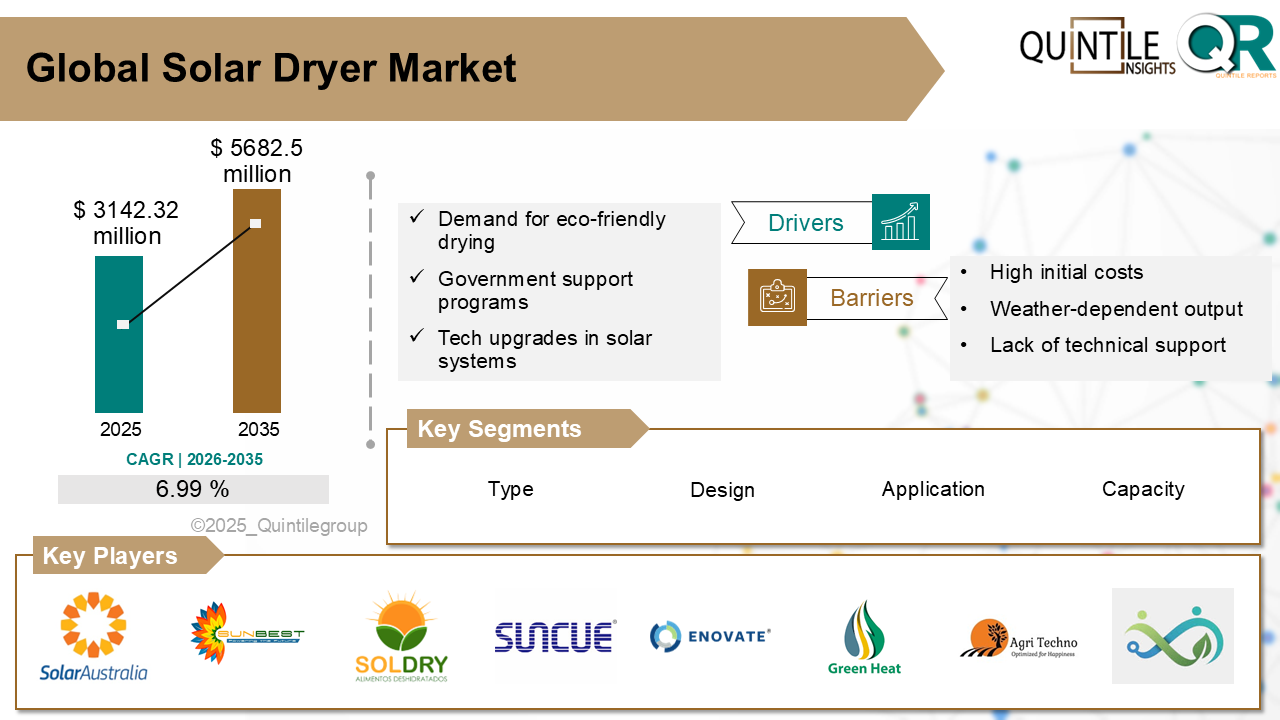
The solar dryer market refers to the global and regional market for an environmentally friendly method of removing moisture from food and agricultural products using solar dryers that harness solar energy to generate heat. In this process, air enters the drying chamber through natural convection or mechanical aids such as fans or pumps. As the air heats up, it absorbs moisture from the products and exits as humid air through an exhaust system, maintaining efficient drying conditions.
Solar drying has gained global recognition as a sustainable and cost-effective preservation technique, particularly in fish processing and horticulture, where it offers a more efficient alternative to traditional open-air drying. The simplicity of solar dryer designs and the abundance of solar energy support widespread adoption. However, the relatively low efficiency of conventional dryers continues to limit large-scale industrial usage, driving ongoing innovation to enhance performance and throughput.
Solar dryers significantly reduce dependence on fossil fuels and grid electricity, offering low-operating-cost solutions ideal for sustainability-driven food processors and agricultural producers.
They help reduce post-harvest losses and food spoilage, especially in emerging economies, by enabling reliable drying independent of rainfall or unreliable electricity access.
Government subsidies and renewable energy incentives in agricultureparticularly across Asiaare accelerating the adoption of solar drying systems at the farm and cooperative level.
Technological innovations such as forced-air circulation, IoT-based monitoring, thermal energy storage, and polycarbonate dryer designs (for example, CovestroGIZ projects in Ethiopia) are boosting efficiency, consistency, and user confidence.
Rising demand for value-added food products such as dried fruits, herbs, spices, organic snacks, and nutraceutical ingredients is driving the uptake of on-farm and small-scale commercial solar dryers, particularly in the United States.
Advanced solar dryer systemsincluding active, indirect, and hybrid models with sensors or thermal storagerequire high upfront capital investment. This is a major barrier for smallholder farmers and rural producers who often lack access to financing or subsidies.
Solar drying efficiency depends heavily on consistent sunlight availability. In regions with variable weather or prolonged cloud cover, performance drops, necessitating backup energy or heat storage systems that increase system complexity and cost.
Limited awareness and technical expertise among farmers and cooperatives restrict adoption. Studies in regions such as Nepal highlight that insufficient training and weak extension services prevent effective installation, operation, and maintenance.
The market is fragmented, with many small manufacturers offering non-standardised designs. The absence of uniform quality, safety, and performance standards complicates scalability, certification, and cross-border tradeparticularly in South Asia and Sub-Saharan Africa.
In North America, solar dryers are primarily used in organic, indigenous, and artisanal food sectors. USDA-funded pilot programs in states such as Indiana and Georgia are evaluating the commercial viability of solar dehydration for specialty crops.
Germany, France, and Spain lead adoption of hybrid and technology-enhanced solar dryers that prioritize food safety, traceability, and energy efficiency. EU sustainability programs and institutions like Fraunhofer ISE are driving innovation.
Asia-Pacific is the largest market by volume, supported by government subsidies in India and China, NGO-led rural projects in Southeast Asia, and SME adoption in the horticulture sector.
Adoption is uneven but growing, with pilot projects in coffee and cocoa drying supported by cooperatives. Limited financing remains a key constraint.
Strong NGO-driven adoption characterizes the region. Initiatives such as the CovestroGIZ solar dryer program in Ethiopia demonstrate the role of solar drying in rural enterprise and value-chain development.
The U.S. solar dryer market is supported by agri-tech innovation and federal funding. Purdue-affiliated startup JUA Technologies received USDA SBIR grants (USD 100k Phase I and USD 600k Phase II) to develop its Dehytray and Dehymeleon multipurpose dryers, integrating forced-air systems, smart controls, and heat recovery.
USDANIFA trials across Indiana, Georgia, and California indicate over USD 1 million in demand potential for specialty-crop drying. Despite strong ROI potential, high capital costs still limit mass adoption.
Germany is advancing high-end solar drying through projects like HORMEE, combining solar collectors with PV-powered heat pumps and adaptive control systems. Supported by Fraunhofer ISE, Germany also exports modular hybrid dryers to Africa and Asia.
Japans market centers on community-scale, quality-driven installations integrated with agrivoltaic systems. The 2024 SMART solar dryer prototype, developed under the Japan SDGs Innovation Challenge, supports communal drying of tea, fish, herbs, and grains, with strong rural development backing.
The solar dryer market is highly decentralized. Local manufacturers in Asia and Africa focus on affordable passive dryers, while North American and European firms target advanced hybrid systems with IoT, thermal storage, and forced-air control.
Innovation leaders include JUA Technologies in the U.S. and Fraunhofer ISE in Germany, pioneering smart dryers with heat recovery and adaptive control. Meanwhile, firms in India, Kenya, and Vietnam provide rugged, low-cost solutions through NGO and cooperative partnerships.
Market differentiation increasingly depends on hybrid designs, performance standardisation, integration with farm services, and after-sales support. Grants, pilot successes, and international partnerships are key to scaling adoption.
Key players include Solar Dryers Australia, Sunbest, SolDry, GrainPro Inc., Suncue Company Ltd., Solar Tunnel Dryer (TNAU), Enovate Engineering, Green Heat Uganda, Agri-Techno Company, SPRERI, Drying Systems India Pvt. Ltd., Ecosense Appliances Pvt. Ltd., SunWorks Solar Dryer, Futurepump, and Narayan Agro Food Engineers.
Our team of experienced researchers has meticulously gathered and analyzed data to deliver a thorough examination of market dynamics, competitive landscape, and emerging technologies. With a focus on delivering actionable intelligence, this report aims to empower decision-makers with the information needed to make informed choices and stay ahead of the competition. Whether you are a seasoned industry player or a new entrant, our market research report serves as a strategic tool to navigate the complexities of the market, aiding in successful business planning and growth strategies.
This chapter of our Solar Dryer market report provides an in-depth examination of the factors shaping the industry landscape. This section typically encompasses several key elements to offer a comprehensive understanding of the industry landscape such as market drivers & restraints analysis, market opportunities & trend analysis, market size & growth analysis, competitive analysis, SWOT analysis, business environment tools such as Porter's five forces & PESTEL analysis, Ansoff Matrix analysis, penetration & growth prospect analysis, regulatory framework & reimbursement scenario analysis, impact of macro & micro economic factors analysis such as Covid-19 impact, GDP growth, market inflation, U.S.- China trade war, Russia-Ukraine war impact, and supply chain analysis.
The segment analysis chapter of Solar Dryer market report is a critical section that delves into a detailed examination of the market's various segments. Segmentation involves dividing the market into distinct categories based on certain criteria to better understand and address the diverse needs of consumers. This chapter typically follows the introduction and provides a more granular view of the market, offering valuable insights for businesses and stakeholders. The components of the chapter lude segment definitions to understand the inclusions and exclusions of the study, assumptions, market size estimates and growth trend analysis of each segment, qualitative analysis of the segment, technological advancements, market penetration rate, market adoption rate, market share examination by each segment, segment growth drivers and restraint barriers, consumer behaviour and challenge analysis.
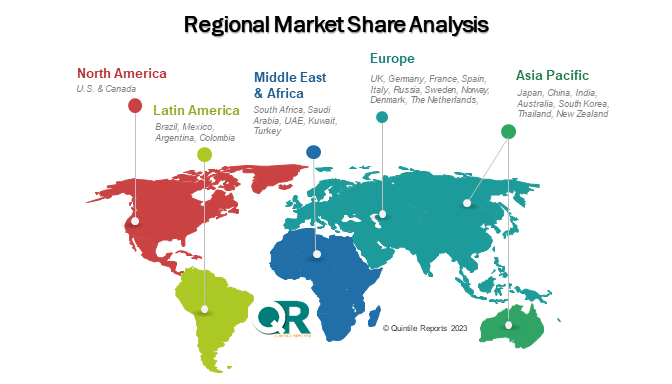
The chapter in Solar Dryer market research report is a pivotal section that examines and predicts the market dynamics and trends specific to different geographical regions. This chapter is crucial for businesses and stakeholders seeking a comprehensive understanding of how the market behaves across various locations, enabling them to tailor strategies and make informed decisions based on regional variations. The regional analysis chapter of our Solar Dryer market report is classified into regions & country-level. The chapter consists of North America (U.S., Canada), Europe (UK, Germany, France, Italy, Spain, Russia, Sweden, Denmark, Norway, Rest of Europe), Asia Pacific (Japan, China, India, Australia, South Korea, Thailand, Rest of Asia Pacific), Latin America (Brazil, Mexico, Argentina, Colombia, Rest of Latin America), Middle East & Africa (South Africa, Saudi Arabia, UAE, Kuwait, Rest of Middle East & Africa).
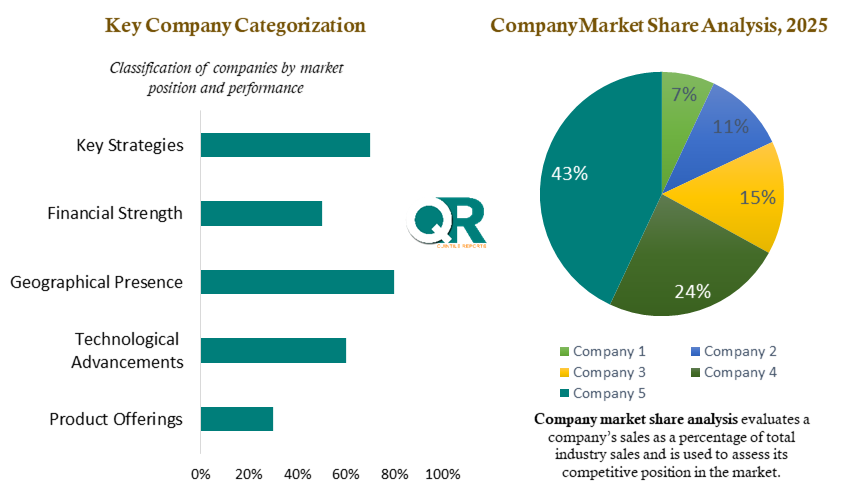
This section of a Solar Dryer market report is a crucial segment that provides a comprehensive overview of the competitive landscape within the market. This section is vital for businesses, investors, and stakeholders seeking insights into key players, their market positioning, strengths, weaknesses, strategies, and potential impacts on the overall market dynamics. The chapter includes research methodology used to analyse the market competition, list of key players operating in the market, detailed company profile section which includes company overview, business verticals, financial performance, product/services benchmarking, geographical presence, and strategic initiatives.
| Report Scope | Details |
| Report Version | 2026 |
| Growth Rate | CAGR of 6.99 from 2026 to 2035 |
| Base Year | 2025 |
| Actual Estimates / Historical Data | 2017 - 2024 |
| Forecast Period | 2026 - 2035 |
| Quantitative Units | Revenue in USD million/billion & CAGR from 2026 to 2035 |
| Country Scope | North America (U.S., Canada), Europe (UK, Germany, France, Italy, Spain, Russia, Sweden, Denmark, Norway, Rest of Europe), Asia Pacific (Japan, China, India, Australia, South Korea, Thailand, Rest of Asia Pacific), Latin America (Brazil, Mexico, Argentina, Colombia, Rest of Latin America), Middle East & Africa (South Africa, Saudi Arabia, UAE, Kuwait, Rest of Middle East & Africa). |
| The Segment Covered by Type |
|
| The Segment Covered by Design |
|
| Companies Covered |
|
| Report Coverage | Revenue forecast, company share, competitive landscape, growth factors, and trends |
| Free Customization Scope (Equivalent to 5 Analyst Working Days) | If you need specific information, which is not currently within the scope of the report, we will provide it to you as a part of the customization |

Statistics for the 2025 Solar Dryer market share, size, and revenue growth rate were created by Quintile Report™. Solar Dryer analysis includes a market forecast outlook for 2035 and a historical overview. Get a free PDF sample of this market analysis, please get in touch with our principal analyst at sales@quintilereports.com
List of Tables
Table 1 List of Abbreviation and acronyms
Table 2 List of Sources
Table 3 North America Global Solar Dryer Market, by Segment Analysis, (USD Million) 2017-2035
Table 4 North America Global Solar Dryer Market, by Region, (USD Million) 2017-2035
Table 5 U.S. Global Solar Dryer Market, by Segment Analysis, (USD Million) 2017-2035
Table 6 Canada Global Solar Dryer Market, by Segment Analysis, (USD Million) 2017-2035
Table 7 Europe Global Solar Dryer Market, by Segment Analysis, (USD Million) 2017-2035
Table 8 Europe Global Solar Dryer Market, by Region, (USD Million) 2017-2035
Table 9 Germany Global Solar Dryer Market, by Segment Analysis, (USD Million) 2017-2035
Table 10 U.K. Global Solar Dryer Market, by Segment Analysis, (USD Million) 2017-2035
Table 11 France Global Solar Dryer Market, by Segment Analysis, (USD Million) 2017-2035
Table 12 Italy Global Solar Dryer Market, by Segment Analysis, (USD Million) 2017-2035
Table 13 Spain Global Solar Dryer Market, by Segment Analysis, (USD Million) 2017-2035
Table 14 Sweden Global Solar Dryer Market, by Segment Analysis, (USD Million) 2017-2035
Table 15 Denmark Global Solar Dryer Market, by Segment Analysis, (USD Million) 2017-2035
Table 16 Norway Global Solar Dryer Market, by Segment Analysis, (USD Million) 2017-2035
Table 17 The Netherlands Global Solar Dryer Market, by Segment Analysis, (USD Million) 2017-2035
Table 18 Russia Global Solar Dryer Market, by Segment Analysis, (USD Million) 2017-2035
Table 19 Asia Pacific Global Solar Dryer Market, by Segment Analysis, (USD Million) 2017-2035
Table 20 Asia Pacific Global Solar Dryer Market, by Region, (USD Million) 2017-2035
Table 21 China Global Solar Dryer Market, by Segment Analysis, (USD Million) 2017-2035
Table 22 Japan Global Solar Dryer Market, by Segment Analysis, (USD Million) 2017-2035
Table 23 India Global Solar Dryer Market, by Segment Analysis, (USD Million) 2017-2035
Table 24 Australia Global Solar Dryer Market, by Segment Analysis, (USD Million) 2017-2035
Table 25 South Korea Global Solar Dryer Market, by Segment Analysis, (USD Million) 2017-2035
Table 26 Thailand Global Solar Dryer Market, by Segment Analysis, (USD Million) 2017-2035
Table 27 Latin America Global Solar Dryer Market, by Segment Analysis, (USD Million) 2017-2035
Table 28 Latin America Global Solar Dryer Market, by Region, (USD Million) 2017-2035
Table 29 Brazil Global Solar Dryer Market, by Segment Analysis, (USD Million) 2017-2035
Table 30 Mexico Global Solar Dryer Market, by Segment Analysis, (USD Million) 2017-2035
Table 31 Argentina Global Solar Dryer Market, by Segment Analysis, (USD Million) 2017-2035
Table 32 Middle East and Africa Global Solar Dryer Market, by Segment Analysis, (USD Million) 2017-2035
Table 33 Middle East and Africa Global Solar Dryer Market, by Region, (USD Million) 2017-2035
Table 34 South Africa Global Solar Dryer Market, by Segment Analysis, (USD Million) 2017-2035
Table 35 Saudi Arabia Global Solar Dryer Market, by Segment Analysis, (USD Million) 2017-2035
Table 36 UAE Global Solar Dryer Market, by Segment Analysis, (USD Million) 2017-2035
Table 37 Kuwait Global Solar Dryer Market, by Segment Analysis, (USD Million) 2017-2035
Table 38 Turkey Global Solar Dryer Market, by Segment Analysis, (USD Million) 2017-2035
Fig.1 Market research process
Fig.2 Market research approaches
Fig.3 Global Solar Dryer Market: market scenario
Fig.4 Global Solar Dryer Market competitive outlook
Fig.5 Global Solar Dryer Market driver analysis
Fig.6 Global Solar Dryer Market restraint analysis
Fig.7 Global Solar Dryer Market opportunity analysis
Fig.8 Global Solar Dryer Market trends analysis
Fig.9 Global Solar Dryer Market: Segment Analysis (Based on the scope)
Fig.10 Global Solar Dryer Market: regional analysis
Fig.11 Global market shares and leading market players
Fig.12 North America market share and leading players
Fig.13 Europe market share and leading players
Fig.14 Asia Pacific market share and leading players
Fig.15 Latin America market share and leading players
Fig.16 Middle East & Africa market share and leading players
Fig.17 North America, by country
Fig.18 North America
Fig.19 North America market estimates and forecast, 2017-2035
Fig.20 U.S.
Fig.21 Canada
Fig.22 Europe
Fig.23 Europe market estimates and forecast, 2017-2035
Fig.24 U.K.
Fig.25 Germany
Fig.26 France
Fig.27 Italy
Fig.28 Spain
Fig.29 Sweden
Fig.30 Denmark
Fig.31 Norway
Fig.32 The Netherlands
Fig.33 Russia
Fig.34 Asia Pacific
Fig.35 Asia Pacific market estimates and forecast, 2017-2035
Fig.36 China
Fig.37 Japan
Fig.38 India
Fig.39 Australia
Fig.40 South Korea
Fig.41 Thailand
Fig.42 Latin America
Fig.43 Latin America market estimates and forecast, 2017-2035
Fig.44 Brazil
Fig.45 Mexico
Fig.46 Argentina
Fig.47 Colombia
Fig.48 Middle East and Africa
Fig.49 Middle East and Africa market estimates and forecast, 2017-2035
Fig.50 Saudi Arabia
Fig.51 South Africa
Fig.52 UAE
Fig.53 Kuwait
Fig.54 Turkey
The Global Solar Dryer Market was valued at USD 3142.32 million in 2025 and is projected to reach USD 5682.5 million by 2035, expanding at a robust CAGR of 6.99% during the forecast period from 2026 to 2035. The Solar Dryer market report delivers a comprehensive industry assessment by analyzing macroeconomic conditions, technological advancements, regulatory frameworks, and evolving consumer behavior to provide a clear outlook on future growth potential.
With 2025 as the base year, the Solar Dryer market is experiencing steady expansion driven by continuous innovation, rising demand across end-use industries, and rapid technological progress. Market participants are increasingly optimizing their go-to-market (GTM) strategies to capitalize on emerging opportunities and adapt to shifting competitive dynamics.
Looking ahead to 2035, the market is expected to maintain strong growth momentum, supported by sustained investments in research and development, strategic partnerships, and mergers and acquisitions. Companies that focus on innovation, agile GTM execution, and alignment with evolving customer needs are well positioned to achieve long-term success. The report provides in-depth insights into key market drivers, restraints, opportunities, and challenges across segments, regions, and countries, supported by robust qualitative and quantitative analysis spanning 2017 to 2035.
The solar dryer market refers to the global and regional market for an environmentally friendly method of removing moisture from food and agricultural products using solar dryers that harness solar energy to generate heat. In this process, air enters the drying chamber through natural convection or mechanical aids such as fans or pumps. As the air heats up, it absorbs moisture from the products and exits as humid air through an exhaust system, maintaining efficient drying conditions.
Solar drying has gained global recognition as a sustainable and cost-effective preservation technique, particularly in fish processing and horticulture, where it offers a more efficient alternative to traditional open-air drying. The simplicity of solar dryer designs and the abundance of solar energy support widespread adoption. However, the relatively low efficiency of conventional dryers continues to limit large-scale industrial usage, driving ongoing innovation to enhance performance and throughput.
Solar dryers significantly reduce dependence on fossil fuels and grid electricity, offering low-operating-cost solutions ideal for sustainability-driven food processors and agricultural producers.
They help reduce post-harvest losses and food spoilage, especially in emerging economies, by enabling reliable drying independent of rainfall or unreliable electricity access.
Government subsidies and renewable energy incentives in agricultureparticularly across Asiaare accelerating the adoption of solar drying systems at the farm and cooperative level.
Technological innovations such as forced-air circulation, IoT-based monitoring, thermal energy storage, and polycarbonate dryer designs (for example, CovestroGIZ projects in Ethiopia) are boosting efficiency, consistency, and user confidence.
Rising demand for value-added food products such as dried fruits, herbs, spices, organic snacks, and nutraceutical ingredients is driving the uptake of on-farm and small-scale commercial solar dryers, particularly in the United States.
Advanced solar dryer systemsincluding active, indirect, and hybrid models with sensors or thermal storagerequire high upfront capital investment. This is a major barrier for smallholder farmers and rural producers who often lack access to financing or subsidies.
Solar drying efficiency depends heavily on consistent sunlight availability. In regions with variable weather or prolonged cloud cover, performance drops, necessitating backup energy or heat storage systems that increase system complexity and cost.
Limited awareness and technical expertise among farmers and cooperatives restrict adoption. Studies in regions such as Nepal highlight that insufficient training and weak extension services prevent effective installation, operation, and maintenance.
The market is fragmented, with many small manufacturers offering non-standardised designs. The absence of uniform quality, safety, and performance standards complicates scalability, certification, and cross-border tradeparticularly in South Asia and Sub-Saharan Africa.
In North America, solar dryers are primarily used in organic, indigenous, and artisanal food sectors. USDA-funded pilot programs in states such as Indiana and Georgia are evaluating the commercial viability of solar dehydration for specialty crops.
Germany, France, and Spain lead adoption of hybrid and technology-enhanced solar dryers that prioritize food safety, traceability, and energy efficiency. EU sustainability programs and institutions like Fraunhofer ISE are driving innovation.
Asia-Pacific is the largest market by volume, supported by government subsidies in India and China, NGO-led rural projects in Southeast Asia, and SME adoption in the horticulture sector.
Adoption is uneven but growing, with pilot projects in coffee and cocoa drying supported by cooperatives. Limited financing remains a key constraint.
Strong NGO-driven adoption characterizes the region. Initiatives such as the CovestroGIZ solar dryer program in Ethiopia demonstrate the role of solar drying in rural enterprise and value-chain development.
The U.S. solar dryer market is supported by agri-tech innovation and federal funding. Purdue-affiliated startup JUA Technologies received USDA SBIR grants (USD 100k Phase I and USD 600k Phase II) to develop its Dehytray and Dehymeleon multipurpose dryers, integrating forced-air systems, smart controls, and heat recovery.
USDANIFA trials across Indiana, Georgia, and California indicate over USD 1 million in demand potential for specialty-crop drying. Despite strong ROI potential, high capital costs still limit mass adoption.
Germany is advancing high-end solar drying through projects like HORMEE, combining solar collectors with PV-powered heat pumps and adaptive control systems. Supported by Fraunhofer ISE, Germany also exports modular hybrid dryers to Africa and Asia.
Japans market centers on community-scale, quality-driven installations integrated with agrivoltaic systems. The 2024 SMART solar dryer prototype, developed under the Japan SDGs Innovation Challenge, supports communal drying of tea, fish, herbs, and grains, with strong rural development backing.
The solar dryer market is highly decentralized. Local manufacturers in Asia and Africa focus on affordable passive dryers, while North American and European firms target advanced hybrid systems with IoT, thermal storage, and forced-air control.
Innovation leaders include JUA Technologies in the U.S. and Fraunhofer ISE in Germany, pioneering smart dryers with heat recovery and adaptive control. Meanwhile, firms in India, Kenya, and Vietnam provide rugged, low-cost solutions through NGO and cooperative partnerships.
Market differentiation increasingly depends on hybrid designs, performance standardisation, integration with farm services, and after-sales support. Grants, pilot successes, and international partnerships are key to scaling adoption.
Key players include Solar Dryers Australia, Sunbest, SolDry, GrainPro Inc., Suncue Company Ltd., Solar Tunnel Dryer (TNAU), Enovate Engineering, Green Heat Uganda, Agri-Techno Company, SPRERI, Drying Systems India Pvt. Ltd., Ecosense Appliances Pvt. Ltd., SunWorks Solar Dryer, Futurepump, and Narayan Agro Food Engineers.
Our team of experienced researchers has meticulously gathered and analyzed data to deliver a thorough examination of market dynamics, competitive landscape, and emerging technologies. With a focus on delivering actionable intelligence, this report aims to empower decision-makers with the information needed to make informed choices and stay ahead of the competition. Whether you are a seasoned industry player or a new entrant, our market research report serves as a strategic tool to navigate the complexities of the market, aiding in successful business planning and growth strategies.
This chapter of our Solar Dryer market report provides an in-depth examination of the factors shaping the industry landscape. This section typically encompasses several key elements to offer a comprehensive understanding of the industry landscape such as market drivers & restraints analysis, market opportunities & trend analysis, market size & growth analysis, competitive analysis, SWOT analysis, business environment tools such as Porter's five forces & PESTEL analysis, Ansoff Matrix analysis, penetration & growth prospect analysis, regulatory framework & reimbursement scenario analysis, impact of macro & micro economic factors analysis such as Covid-19 impact, GDP growth, market inflation, U.S.- China trade war, Russia-Ukraine war impact, and supply chain analysis.
The segment analysis chapter of Solar Dryer market report is a critical section that delves into a detailed examination of the market's various segments. Segmentation involves dividing the market into distinct categories based on certain criteria to better understand and address the diverse needs of consumers. This chapter typically follows the introduction and provides a more granular view of the market, offering valuable insights for businesses and stakeholders. The components of the chapter lude segment definitions to understand the inclusions and exclusions of the study, assumptions, market size estimates and growth trend analysis of each segment, qualitative analysis of the segment, technological advancements, market penetration rate, market adoption rate, market share examination by each segment, segment growth drivers and restraint barriers, consumer behaviour and challenge analysis.
The chapter in Solar Dryer market research report is a pivotal section that examines and predicts the market dynamics and trends specific to different geographical regions. This chapter is crucial for businesses and stakeholders seeking a comprehensive understanding of how the market behaves across various locations, enabling them to tailor strategies and make informed decisions based on regional variations. The regional analysis chapter of our Solar Dryer market report is classified into regions & country-level. The chapter consists of North America (U.S., Canada), Europe (UK, Germany, France, Italy, Spain, Russia, Sweden, Denmark, Norway, Rest of Europe), Asia Pacific (Japan, China, India, Australia, South Korea, Thailand, Rest of Asia Pacific), Latin America (Brazil, Mexico, Argentina, Colombia, Rest of Latin America), Middle East & Africa (South Africa, Saudi Arabia, UAE, Kuwait, Rest of Middle East & Africa).
This section of a Solar Dryer market report is a crucial segment that provides a comprehensive overview of the competitive landscape within the market. This section is vital for businesses, investors, and stakeholders seeking insights into key players, their market positioning, strengths, weaknesses, strategies, and potential impacts on the overall market dynamics. The chapter includes research methodology used to analyse the market competition, list of key players operating in the market, detailed company profile section which includes company overview, business verticals, financial performance, product/services benchmarking, geographical presence, and strategic initiatives.
| Report Scope | Details |
| Report Version | 2026 |
| Growth Rate | CAGR of 6.99 from 2026 to 2035 |
| Base Year | 2025 |
| Actual Estimates / Historical Data | 2017 - 2024 |
| Forecast Period | 2026 - 2035 |
| Quantitative Units | Revenue in USD million/billion & CAGR from 2026 to 2035 |
| Country Scope | North America (U.S., Canada), Europe (UK, Germany, France, Italy, Spain, Russia, Sweden, Denmark, Norway, Rest of Europe), Asia Pacific (Japan, China, India, Australia, South Korea, Thailand, Rest of Asia Pacific), Latin America (Brazil, Mexico, Argentina, Colombia, Rest of Latin America), Middle East & Africa (South Africa, Saudi Arabia, UAE, Kuwait, Rest of Middle East & Africa). |
| The Segment Covered by Type |
|
| The Segment Covered by Design |
|
| Companies Covered |
|
| Report Coverage | Revenue forecast, company share, competitive landscape, growth factors, and trends |
| Free Customization Scope (Equivalent to 5 Analyst Working Days) | If you need specific information, which is not currently within the scope of the report, we will provide it to you as a part of the customization |
Statistics for the 2025 Solar Dryer market share, size, and revenue growth rate were created by Quintile Report™. Solar Dryer analysis includes a market forecast outlook for 2035 and a historical overview. Get a free PDF sample of this market analysis, please get in touch with our principal analyst at sales@quintilereports.com
Table 1 List of Abbreviation and acronyms
Table 2 List of Sources
Table 3 North America Global Solar Dryer Market, by Segment Analysis, (USD Million) 2017-2035
Table 4 North America Global Solar Dryer Market, by Region, (USD Million) 2017-2035
Table 5 U.S. Global Solar Dryer Market, by Segment Analysis, (USD Million) 2017-2035
Table 6 Canada Global Solar Dryer Market, by Segment Analysis, (USD Million) 2017-2035
Table 7 Europe Global Solar Dryer Market, by Segment Analysis, (USD Million) 2017-2035
Table 8 Europe Global Solar Dryer Market, by Region, (USD Million) 2017-2035
Table 9 Germany Global Solar Dryer Market, by Segment Analysis, (USD Million) 2017-2035
Table 10 U.K. Global Solar Dryer Market, by Segment Analysis, (USD Million) 2017-2035
Table 11 France Global Solar Dryer Market, by Segment Analysis, (USD Million) 2017-2035
Table 12 Italy Global Solar Dryer Market, by Segment Analysis, (USD Million) 2017-2035
Table 13 Spain Global Solar Dryer Market, by Segment Analysis, (USD Million) 2017-2035
Table 14 Sweden Global Solar Dryer Market, by Segment Analysis, (USD Million) 2017-2035
Table 15 Denmark Global Solar Dryer Market, by Segment Analysis, (USD Million) 2017-2035
Table 16 Norway Global Solar Dryer Market, by Segment Analysis, (USD Million) 2017-2035
Table 17 The Netherlands Global Solar Dryer Market, by Segment Analysis, (USD Million) 2017-2035
Table 18 Russia Global Solar Dryer Market, by Segment Analysis, (USD Million) 2017-2035
Table 19 Asia Pacific Global Solar Dryer Market, by Segment Analysis, (USD Million) 2017-2035
Table 20 Asia Pacific Global Solar Dryer Market, by Region, (USD Million) 2017-2035
Table 21 China Global Solar Dryer Market, by Segment Analysis, (USD Million) 2017-2035
Table 22 Japan Global Solar Dryer Market, by Segment Analysis, (USD Million) 2017-2035
Table 23 India Global Solar Dryer Market, by Segment Analysis, (USD Million) 2017-2035
Table 24 Australia Global Solar Dryer Market, by Segment Analysis, (USD Million) 2017-2035
Table 25 South Korea Global Solar Dryer Market, by Segment Analysis, (USD Million) 2017-2035
Table 26 Thailand Global Solar Dryer Market, by Segment Analysis, (USD Million) 2017-2035
Table 27 Latin America Global Solar Dryer Market, by Segment Analysis, (USD Million) 2017-2035
Table 28 Latin America Global Solar Dryer Market, by Region, (USD Million) 2017-2035
Table 29 Brazil Global Solar Dryer Market, by Segment Analysis, (USD Million) 2017-2035
Table 30 Mexico Global Solar Dryer Market, by Segment Analysis, (USD Million) 2017-2035
Table 31 Argentina Global Solar Dryer Market, by Segment Analysis, (USD Million) 2017-2035
Table 32 Middle East and Africa Global Solar Dryer Market, by Segment Analysis, (USD Million) 2017-2035
Table 33 Middle East and Africa Global Solar Dryer Market, by Region, (USD Million) 2017-2035
Table 34 South Africa Global Solar Dryer Market, by Segment Analysis, (USD Million) 2017-2035
Table 35 Saudi Arabia Global Solar Dryer Market, by Segment Analysis, (USD Million) 2017-2035
Table 36 UAE Global Solar Dryer Market, by Segment Analysis, (USD Million) 2017-2035
Table 37 Kuwait Global Solar Dryer Market, by Segment Analysis, (USD Million) 2017-2035
Table 38 Turkey Global Solar Dryer Market, by Segment Analysis, (USD Million) 2017-2035
Fig.1 Market research process
Fig.2 Market research approaches
Fig.3 Global Solar Dryer Market: market scenario
Fig.4 Global Solar Dryer Market competitive outlook
Fig.5 Global Solar Dryer Market driver analysis
Fig.6 Global Solar Dryer Market restraint analysis
Fig.7 Global Solar Dryer Market opportunity analysis
Fig.8 Global Solar Dryer Market trends analysis
Fig.9 Global Solar Dryer Market: Segment Analysis (Based on the scope)
Fig.10 Global Solar Dryer Market: regional analysis
Fig.11 Global market shares and leading market players
Fig.12 North America market share and leading players
Fig.13 Europe market share and leading players
Fig.14 Asia Pacific market share and leading players
Fig.15 Latin America market share and leading players
Fig.16 Middle East & Africa market share and leading players
Fig.17 North America, by country
Fig.18 North America
Fig.19 North America market estimates and forecast, 2017-2035
Fig.20 U.S.
Fig.21 Canada
Fig.22 Europe
Fig.23 Europe market estimates and forecast, 2017-2035
Fig.24 U.K.
Fig.25 Germany
Fig.26 France
Fig.27 Italy
Fig.28 Spain
Fig.29 Sweden
Fig.30 Denmark
Fig.31 Norway
Fig.32 The Netherlands
Fig.33 Russia
Fig.34 Asia Pacific
Fig.35 Asia Pacific market estimates and forecast, 2017-2035
Fig.36 China
Fig.37 Japan
Fig.38 India
Fig.39 Australia
Fig.40 South Korea
Fig.41 Thailand
Fig.42 Latin America
Fig.43 Latin America market estimates and forecast, 2017-2035
Fig.44 Brazil
Fig.45 Mexico
Fig.46 Argentina
Fig.47 Colombia
Fig.48 Middle East and Africa
Fig.49 Middle East and Africa market estimates and forecast, 2017-2035
Fig.50 Saudi Arabia
Fig.51 South Africa
Fig.52 UAE
Fig.53 Kuwait
Fig.54 Turkey

A license granted to one user. Rules or conditions might be applied for e.g. the use of electric files (PDFs) or printings, depending on product.
A license granted to multiple users.
A license granted to a single business site/establishment.
A license granted to all employees within organisation access to the product.
Immediate / Within 24-48 hours - Working days
Online Payments with PayPal and CCavenue
You can order a report by picking any of the payment methods which is bank wire or online payment through any Debit/Credit card or PayPal.
Hard Copy
Autonomous Firefighting Drones Overview The Global Autonomous Firefighting Drones Market was valued
Read MoreIndustrial Knitting Equipment Overview The Global Industrial Knitting Equipment Market was valued at
Read MoreProcess Chillers Overview The Global Process Chillers Market was valued at USD 8.65 billion in 2025
Read More U.S. : +1-201-772-7734