The Global Ultrafast Laser Market was valued at USD 4.08 billion in 2025 and is projected to reach USD 11.54 billion by 2035, expanding at a robust CAGR of 15.08% during the forecast period from 2026 to 2035. The Ultrafast Laser market report delivers a comprehensive industry assessment by analyzing macroeconomic conditions, technological advancements, regulatory frameworks, and evolving consumer behavior to provide a clear outlook on future growth potential.
With 2025 as the base year, the Ultrafast Laser market is experiencing steady expansion driven by continuous innovation, rising demand across end-use industries, and rapid technological progress. Market participants are increasingly optimizing their go-to-market (GTM) strategies to capitalize on emerging opportunities and adapt to shifting competitive dynamics.
Looking ahead to 2035, the market is expected to maintain strong growth momentum, supported by sustained investments in research and development, strategic partnerships, and mergers and acquisitions. Companies that focus on innovation, agile GTM execution, and alignment with evolving customer needs are well positioned to achieve long-term success. The report provides in-depth insights into key market drivers, restraints, opportunities, and challenges across segments, regions, and countries, supported by robust qualitative and quantitative analysis spanning 2017 to 2035.
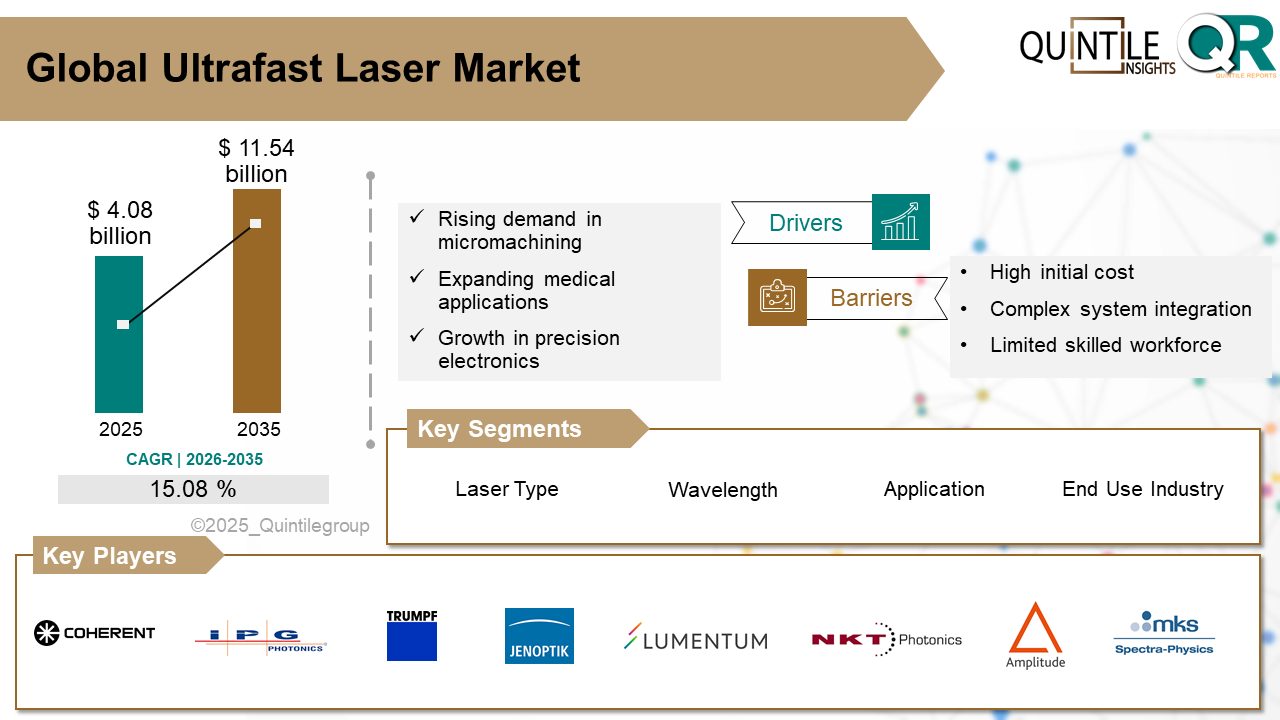
The ultrafast laser market refers to the global and regional market for lasers that emit extremely short light pulses in the picosecond (10 seconds) or femtosecond (10 seconds) range. These ultra-short pulses interact with materials through non-thermal, nonlinear effects, significantly reducing heat diffusion and thermal damage. This unique interaction enables high-precision material processing, making ultrafast lasers ideal for micromachining, biomedical procedures, and advanced scientific research.
With high peak power and minimal thermal impact, ultrafast lasers are widely used in industrial microfabrication, LASIK eye surgery, multiphoton microscopy, time-resolved spectroscopy, and optical communications. As industries demand higher precision, faster throughput, and minimal material damage, the ultrafast laser market continues to expand, supported by advancements in pulse control, cooling systems, and cross-industry integration.
Ultrafast lasers enable precision micromachining with minimal thermal damage, which is essential for electronics, aerospace, and semiconductor manufacturing. Their ability to create sharp edges and fine micro-features without affecting surrounding material makes them indispensable for next-generation manufacturing.
In healthcare, femtosecond lasers are increasingly used in LASIK eye surgery and minimally invasive procedures. Their exceptional accuracy reduces surgical complications and improves patient outcomes, driving strong adoption in medical applications.
In research environments, ultrafast lasers play a critical role in time-resolved spectroscopy, nonlinear optics, and quantum control. These applications enable scientists to study atomic- and molecular-scale phenomena, making ultrafast lasers essential tools in advanced laboratories.
Ultrafast fiber lasers operating at telecommunication wavelengths serve as stable and high-speed light sources for optical communications, supporting the growing global demand for higher data bandwidth and faster transmission.
Technological innovations in mode-locking techniques, integrated cooling, and compact control systems have resulted in more reliable, user-friendly ultrafast lasers. These improvements lower operational complexity and costs, accelerating wider industrial adoption.
High acquisition and maintenance costs remain a significant barrier. Ultrafast laser systems often cost from tens to hundreds of thousands of dollars, limiting adoption among small and medium-sized enterprises.
Operating ultrafast lasers requires precise control of pulse stability, beam quality, and system alignment. Integrating these complex systems into existing production lines demands specialized expertise and can disrupt established workflows.
Although ultrafast lasers minimize thermal damage during processing, the systems themselves generate significant internal heat. Efficient heat management while maintaining compact and reliable designs remains a major engineering challenge.
There is a global shortage of skilled professionals trained in optics, laser physics, and system integration. This talent gap slows adoption, increases training costs, and limits the effective utilization of advanced laser capabilities.
North America leads the ultrafast laser market, driven by strong academic research, medical adoption, and advanced manufacturing. The United States invests heavily in high-power laser infrastructure through national laboratories and universities, supporting applications in aerospace, semiconductors, and healthcare.
Europe plays a vital role in fundamental laser science and applied research. Countries such as Germany and France support ultrafast laser programs across physics, chemistry, and biology. Large-scale facilities enable cutting-edge experiments and foster innovation.
Asia-Pacific is the fastest-growing region for ultrafast laser adoption. China, Japan, and South Korea are integrating these lasers into electronics manufacturing, precision processing, and materials science, supported by government initiatives and strong industrial demand.
Latin America shows steady growth, with increasing adoption in research institutions and select industrial applications, driven by modernization of manufacturing and scientific infrastructure.
Adoption in the Middle East and Africa remains limited but is gradually increasing. Universities and medical institutions in countries such as the UAE and South Africa are beginning to explore ultrafast lasers for research, healthcare, and communications.
The United States leads ultrafast laser deployment through advanced national laboratory research and large-scale systems. High-power installations are enabling breakthroughs in materials science, plasma physics, semiconductor manufacturing, and medical research, strengthening the countrys global leadership.
Germany is a major hub for ultrafast laser innovation, combining world-class research facilities with industrial laser development. Institutes are scaling ultrafast laser power for manufacturing, enabling automotive, electronics, and energy industries to adopt high-throughput micromachining.
Japan is strengthening its ultrafast laser ecosystem through collaborations between industry and academia. National initiatives support femtosecond laser labs and workforce development, while partnerships with global research institutions accelerate industrial laser innovation.
Laser systems delivering picosecond and femtosecond pulses are increasingly preferred for their precision and reduced heat damage. Ultrafast fiber lasers are replacing longer-pulse systems due to improved beam control and efficiency.
Fiber-based ultrafast lasers offer cost and maintenance advantages over traditional solid-state systems, making high-precision lasers accessible to mid-sized manufacturers. Integration into automated production lines with beam-shaping and dynamic control enhances competitiveness.
Competitive differentiation increasingly depends on smart technologies. Manufacturers integrating AI, IoT connectivity, and predictive maintenance features deliver higher uptime, operational insights, and long-term value for industrial users.
Key players include Coherent, Inc., IPG Photonics Corporation, Trumpf GmbH + Co. KG, Jenoptik AG, Lumentum Holdings Inc., NKT Photonics, Amplitude Laser Group, MKS Instruments (Spectra-Physics), EKSPLA, Light Conversion, IMRA America, Newport Corporation, Menlo Systems GmbH, Toptica Photonics AG, Hamamatsu Photonics K.K., and other players.
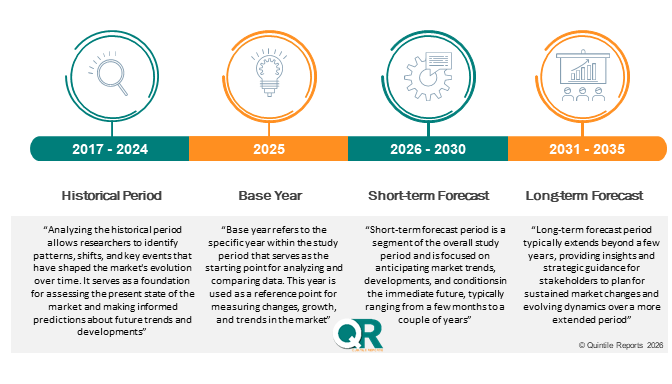
Our team of experienced researchers has meticulously gathered and analyzed data to deliver a thorough examination of market dynamics, competitive landscape, and emerging technologies. With a focus on delivering actionable intelligence, this report aims to empower decision-makers with the information needed to make informed choices and stay ahead of the competition. Whether you are a seasoned industry player or a new entrant, our market research report serves as a strategic tool to navigate the complexities of the market, aiding in successful business planning and growth strategies.
This chapter of our Ultrafast Laser market report provides an in-depth examination of the factors shaping the industry landscape. This section typically encompasses several key elements to offer a comprehensive understanding of the industry landscape such as market drivers & restraints analysis, market opportunities & trend analysis, market size & growth analysis, competitive analysis, SWOT analysis, business environment tools such as Porter's five forces & PESTEL analysis, Ansoff Matrix analysis, penetration & growth prospect analysis, regulatory framework & reimbursement scenario analysis, impact of macro & micro economic factors analysis such as Covid-19 impact, GDP growth, market inflation, U.S.- China trade war, Russia-Ukraine war impact, and supply chain analysis.
The segment analysis chapter of Ultrafast Laser market report is a critical section that delves into a detailed examination of the market's various segments. Segmentation involves dividing the market into distinct categories based on certain criteria to better understand and address the diverse needs of consumers. This chapter typically follows the introduction and provides a more granular view of the market, offering valuable insights for businesses and stakeholders. The components of the chapter lude segment definitions to understand the inclusions and exclusions of the study, assumptions, market size estimates and growth trend analysis of each segment, qualitative analysis of the segment, technological advancements, market penetration rate, market adoption rate, market share examination by each segment, segment growth drivers and restraint barriers, consumer behaviour and challenge analysis.
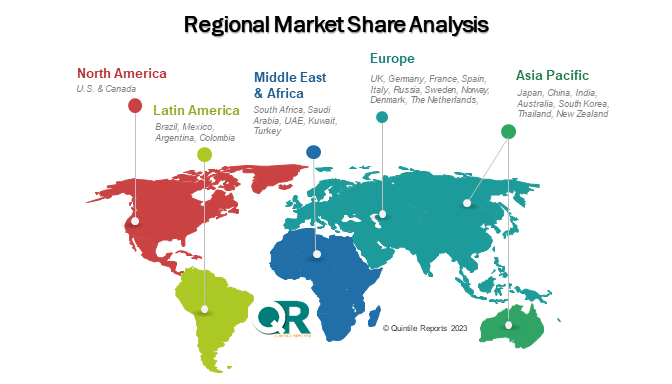
The chapter in Ultrafast Laser market research report is a pivotal section that examines and predicts the market dynamics and trends specific to different geographical regions. This chapter is crucial for businesses and stakeholders seeking a comprehensive understanding of how the market behaves across various locations, enabling them to tailor strategies and make informed decisions based on regional variations. The regional analysis chapter of our Ultrafast Laser market report is classified into regions & country-level. The chapter consists of North America (U.S., Canada), Europe (UK, Germany, France, Italy, Spain, Russia, Sweden, Denmark, Norway, Rest of Europe), Asia Pacific (Japan, China, India, Australia, South Korea, Thailand, Rest of Asia Pacific), Latin America (Brazil, Mexico, Argentina, Colombia, Rest of Latin America), Middle East & Africa (South Africa, Saudi Arabia, UAE, Kuwait, Rest of Middle East & Africa).
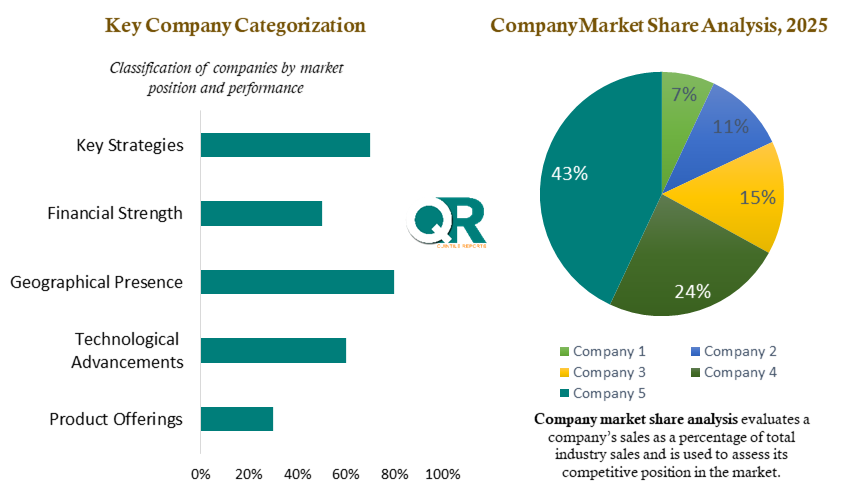
This section of a Ultrafast Laser market report is a crucial segment that provides a comprehensive overview of the competitive landscape within the market. This section is vital for businesses, investors, and stakeholders seeking insights into key players, their market positioning, strengths, weaknesses, strategies, and potential impacts on the overall market dynamics. The chapter includes research methodology used to analyse the market competition, list of key players operating in the market, detailed company profile section which includes company overview, business verticals, financial performance, product/services benchmarking, geographical presence, and strategic initiatives.
| Report Scope | Details |
| Report Version | 2026 |
| Growth Rate | CAGR of 15.08 from 2026 to 2035 |
| Base Year | 2025 |
| Actual Estimates / Historical Data | 2017 - 2024 |
| Forecast Period | 2026 - 2035 |
| Quantitative Units | Revenue in USD million/billion & CAGR from 2026 to 2035 |
| Country Scope | North America (U.S., Canada), Europe (UK, Germany, France, Italy, Spain, Russia, Sweden, Denmark, Norway, Rest of Europe), Asia Pacific (Japan, China, India, Australia, South Korea, Thailand, Rest of Asia Pacific), Latin America (Brazil, Mexico, Argentina, Colombia, Rest of Latin America), Middle East & Africa (South Africa, Saudi Arabia, UAE, Kuwait, Rest of Middle East & Africa). |
| The Segment Covered by Laser Type |
|
| The Segment Covered by Pulse Duration |
|
| Companies Covered |
|
| Report Coverage | Revenue forecast, company share, competitive landscape, growth factors, and trends |
| Free Customization Scope (Equivalent to 5 Analyst Working Days) | If you need specific information, which is not currently within the scope of the report, we will provide it to you as a part of the customization |

Statistics for the 2025 Ultrafast Laser market share, size, and revenue growth rate were created by Quintile Report™. Ultrafast Laser analysis includes a market forecast outlook for 2035 and a historical overview. Get a free PDF sample of this market analysis, please get in touch with our principal analyst at sales@quintilereports.com
List of Tables
Table 1 List of Abbreviation and acronyms
Table 2 List of Sources
Table 3 North America Global Ultrafast Laser Market, by Segment Analysis, (USD Million) 2017-2035
Table 4 North America Global Ultrafast Laser Market, by Region, (USD Million) 2017-2035
Table 5 U.S. Global Ultrafast Laser Market, by Segment Analysis, (USD Million) 2017-2035
Table 6 Canada Global Ultrafast Laser Market, by Segment Analysis, (USD Million) 2017-2035
Table 7 Europe Global Ultrafast Laser Market, by Segment Analysis, (USD Million) 2017-2035
Table 8 Europe Global Ultrafast Laser Market, by Region, (USD Million) 2017-2035
Table 9 Germany Global Ultrafast Laser Market, by Segment Analysis, (USD Million) 2017-2035
Table 10 U.K. Global Ultrafast Laser Market, by Segment Analysis, (USD Million) 2017-2035
Table 11 France Global Ultrafast Laser Market, by Segment Analysis, (USD Million) 2017-2035
Table 12 Italy Global Ultrafast Laser Market, by Segment Analysis, (USD Million) 2017-2035
Table 13 Spain Global Ultrafast Laser Market, by Segment Analysis, (USD Million) 2017-2035
Table 14 Sweden Global Ultrafast Laser Market, by Segment Analysis, (USD Million) 2017-2035
Table 15 Denmark Global Ultrafast Laser Market, by Segment Analysis, (USD Million) 2017-2035
Table 16 Norway Global Ultrafast Laser Market, by Segment Analysis, (USD Million) 2017-2035
Table 17 The Netherlands Global Ultrafast Laser Market, by Segment Analysis, (USD Million) 2017-2035
Table 18 Russia Global Ultrafast Laser Market, by Segment Analysis, (USD Million) 2017-2035
Table 19 Asia Pacific Global Ultrafast Laser Market, by Segment Analysis, (USD Million) 2017-2035
Table 20 Asia Pacific Global Ultrafast Laser Market, by Region, (USD Million) 2017-2035
Table 21 China Global Ultrafast Laser Market, by Segment Analysis, (USD Million) 2017-2035
Table 22 Japan Global Ultrafast Laser Market, by Segment Analysis, (USD Million) 2017-2035
Table 23 India Global Ultrafast Laser Market, by Segment Analysis, (USD Million) 2017-2035
Table 24 Australia Global Ultrafast Laser Market, by Segment Analysis, (USD Million) 2017-2035
Table 25 South Korea Global Ultrafast Laser Market, by Segment Analysis, (USD Million) 2017-2035
Table 26 Thailand Global Ultrafast Laser Market, by Segment Analysis, (USD Million) 2017-2035
Table 27 Latin America Global Ultrafast Laser Market, by Segment Analysis, (USD Million) 2017-2035
Table 28 Latin America Global Ultrafast Laser Market, by Region, (USD Million) 2017-2035
Table 29 Brazil Global Ultrafast Laser Market, by Segment Analysis, (USD Million) 2017-2035
Table 30 Mexico Global Ultrafast Laser Market, by Segment Analysis, (USD Million) 2017-2035
Table 31 Argentina Global Ultrafast Laser Market, by Segment Analysis, (USD Million) 2017-2035
Table 32 Middle East and Africa Global Ultrafast Laser Market, by Segment Analysis, (USD Million) 2017-2035
Table 33 Middle East and Africa Global Ultrafast Laser Market, by Region, (USD Million) 2017-2035
Table 34 South Africa Global Ultrafast Laser Market, by Segment Analysis, (USD Million) 2017-2035
Table 35 Saudi Arabia Global Ultrafast Laser Market, by Segment Analysis, (USD Million) 2017-2035
Table 36 UAE Global Ultrafast Laser Market, by Segment Analysis, (USD Million) 2017-2035
Table 37 Kuwait Global Ultrafast Laser Market, by Segment Analysis, (USD Million) 2017-2035
Table 38 Turkey Global Ultrafast Laser Market, by Segment Analysis, (USD Million) 2017-2035
Fig.1 Market research process
Fig.2 Market research approaches
Fig.3 Global Ultrafast Laser Market: market scenario
Fig.4 Global Ultrafast Laser Market competitive outlook
Fig.5 Global Ultrafast Laser Market driver analysis
Fig.6 Global Ultrafast Laser Market restraint analysis
Fig.7 Global Ultrafast Laser Market opportunity analysis
Fig.8 Global Ultrafast Laser Market trends analysis
Fig.9 Global Ultrafast Laser Market: Segment Analysis (Based on the scope)
Fig.10 Global Ultrafast Laser Market: regional analysis
Fig.11 Global market shares and leading market players
Fig.12 North America market share and leading players
Fig.13 Europe market share and leading players
Fig.14 Asia Pacific market share and leading players
Fig.15 Latin America market share and leading players
Fig.16 Middle East & Africa market share and leading players
Fig.17 North America, by country
Fig.18 North America
Fig.19 North America market estimates and forecast, 2017-2035
Fig.20 U.S.
Fig.21 Canada
Fig.22 Europe
Fig.23 Europe market estimates and forecast, 2017-2035
Fig.24 U.K.
Fig.25 Germany
Fig.26 France
Fig.27 Italy
Fig.28 Spain
Fig.29 Sweden
Fig.30 Denmark
Fig.31 Norway
Fig.32 The Netherlands
Fig.33 Russia
Fig.34 Asia Pacific
Fig.35 Asia Pacific market estimates and forecast, 2017-2035
Fig.36 China
Fig.37 Japan
Fig.38 India
Fig.39 Australia
Fig.40 South Korea
Fig.41 Thailand
Fig.42 Latin America
Fig.43 Latin America market estimates and forecast, 2017-2035
Fig.44 Brazil
Fig.45 Mexico
Fig.46 Argentina
Fig.47 Colombia
Fig.48 Middle East and Africa
Fig.49 Middle East and Africa market estimates and forecast, 2017-2035
Fig.50 Saudi Arabia
Fig.51 South Africa
Fig.52 UAE
Fig.53 Kuwait
Fig.54 Turkey
The Global Ultrafast Laser Market was valued at USD 4.08 billion in 2025 and is projected to reach USD 11.54 billion by 2035, expanding at a robust CAGR of 15.08% during the forecast period from 2026 to 2035. The Ultrafast Laser market report delivers a comprehensive industry assessment by analyzing macroeconomic conditions, technological advancements, regulatory frameworks, and evolving consumer behavior to provide a clear outlook on future growth potential.
With 2025 as the base year, the Ultrafast Laser market is experiencing steady expansion driven by continuous innovation, rising demand across end-use industries, and rapid technological progress. Market participants are increasingly optimizing their go-to-market (GTM) strategies to capitalize on emerging opportunities and adapt to shifting competitive dynamics.
Looking ahead to 2035, the market is expected to maintain strong growth momentum, supported by sustained investments in research and development, strategic partnerships, and mergers and acquisitions. Companies that focus on innovation, agile GTM execution, and alignment with evolving customer needs are well positioned to achieve long-term success. The report provides in-depth insights into key market drivers, restraints, opportunities, and challenges across segments, regions, and countries, supported by robust qualitative and quantitative analysis spanning 2017 to 2035.
The ultrafast laser market refers to the global and regional market for lasers that emit extremely short light pulses in the picosecond (10 seconds) or femtosecond (10 seconds) range. These ultra-short pulses interact with materials through non-thermal, nonlinear effects, significantly reducing heat diffusion and thermal damage. This unique interaction enables high-precision material processing, making ultrafast lasers ideal for micromachining, biomedical procedures, and advanced scientific research.
With high peak power and minimal thermal impact, ultrafast lasers are widely used in industrial microfabrication, LASIK eye surgery, multiphoton microscopy, time-resolved spectroscopy, and optical communications. As industries demand higher precision, faster throughput, and minimal material damage, the ultrafast laser market continues to expand, supported by advancements in pulse control, cooling systems, and cross-industry integration.
Ultrafast lasers enable precision micromachining with minimal thermal damage, which is essential for electronics, aerospace, and semiconductor manufacturing. Their ability to create sharp edges and fine micro-features without affecting surrounding material makes them indispensable for next-generation manufacturing.
In healthcare, femtosecond lasers are increasingly used in LASIK eye surgery and minimally invasive procedures. Their exceptional accuracy reduces surgical complications and improves patient outcomes, driving strong adoption in medical applications.
In research environments, ultrafast lasers play a critical role in time-resolved spectroscopy, nonlinear optics, and quantum control. These applications enable scientists to study atomic- and molecular-scale phenomena, making ultrafast lasers essential tools in advanced laboratories.
Ultrafast fiber lasers operating at telecommunication wavelengths serve as stable and high-speed light sources for optical communications, supporting the growing global demand for higher data bandwidth and faster transmission.
Technological innovations in mode-locking techniques, integrated cooling, and compact control systems have resulted in more reliable, user-friendly ultrafast lasers. These improvements lower operational complexity and costs, accelerating wider industrial adoption.
High acquisition and maintenance costs remain a significant barrier. Ultrafast laser systems often cost from tens to hundreds of thousands of dollars, limiting adoption among small and medium-sized enterprises.
Operating ultrafast lasers requires precise control of pulse stability, beam quality, and system alignment. Integrating these complex systems into existing production lines demands specialized expertise and can disrupt established workflows.
Although ultrafast lasers minimize thermal damage during processing, the systems themselves generate significant internal heat. Efficient heat management while maintaining compact and reliable designs remains a major engineering challenge.
There is a global shortage of skilled professionals trained in optics, laser physics, and system integration. This talent gap slows adoption, increases training costs, and limits the effective utilization of advanced laser capabilities.
North America leads the ultrafast laser market, driven by strong academic research, medical adoption, and advanced manufacturing. The United States invests heavily in high-power laser infrastructure through national laboratories and universities, supporting applications in aerospace, semiconductors, and healthcare.
Europe plays a vital role in fundamental laser science and applied research. Countries such as Germany and France support ultrafast laser programs across physics, chemistry, and biology. Large-scale facilities enable cutting-edge experiments and foster innovation.
Asia-Pacific is the fastest-growing region for ultrafast laser adoption. China, Japan, and South Korea are integrating these lasers into electronics manufacturing, precision processing, and materials science, supported by government initiatives and strong industrial demand.
Latin America shows steady growth, with increasing adoption in research institutions and select industrial applications, driven by modernization of manufacturing and scientific infrastructure.
Adoption in the Middle East and Africa remains limited but is gradually increasing. Universities and medical institutions in countries such as the UAE and South Africa are beginning to explore ultrafast lasers for research, healthcare, and communications.
The United States leads ultrafast laser deployment through advanced national laboratory research and large-scale systems. High-power installations are enabling breakthroughs in materials science, plasma physics, semiconductor manufacturing, and medical research, strengthening the countrys global leadership.
Germany is a major hub for ultrafast laser innovation, combining world-class research facilities with industrial laser development. Institutes are scaling ultrafast laser power for manufacturing, enabling automotive, electronics, and energy industries to adopt high-throughput micromachining.
Japan is strengthening its ultrafast laser ecosystem through collaborations between industry and academia. National initiatives support femtosecond laser labs and workforce development, while partnerships with global research institutions accelerate industrial laser innovation.
Laser systems delivering picosecond and femtosecond pulses are increasingly preferred for their precision and reduced heat damage. Ultrafast fiber lasers are replacing longer-pulse systems due to improved beam control and efficiency.
Fiber-based ultrafast lasers offer cost and maintenance advantages over traditional solid-state systems, making high-precision lasers accessible to mid-sized manufacturers. Integration into automated production lines with beam-shaping and dynamic control enhances competitiveness.
Competitive differentiation increasingly depends on smart technologies. Manufacturers integrating AI, IoT connectivity, and predictive maintenance features deliver higher uptime, operational insights, and long-term value for industrial users.
Key players include Coherent, Inc., IPG Photonics Corporation, Trumpf GmbH + Co. KG, Jenoptik AG, Lumentum Holdings Inc., NKT Photonics, Amplitude Laser Group, MKS Instruments (Spectra-Physics), EKSPLA, Light Conversion, IMRA America, Newport Corporation, Menlo Systems GmbH, Toptica Photonics AG, Hamamatsu Photonics K.K., and other players.
Our team of experienced researchers has meticulously gathered and analyzed data to deliver a thorough examination of market dynamics, competitive landscape, and emerging technologies. With a focus on delivering actionable intelligence, this report aims to empower decision-makers with the information needed to make informed choices and stay ahead of the competition. Whether you are a seasoned industry player or a new entrant, our market research report serves as a strategic tool to navigate the complexities of the market, aiding in successful business planning and growth strategies.
This chapter of our Ultrafast Laser market report provides an in-depth examination of the factors shaping the industry landscape. This section typically encompasses several key elements to offer a comprehensive understanding of the industry landscape such as market drivers & restraints analysis, market opportunities & trend analysis, market size & growth analysis, competitive analysis, SWOT analysis, business environment tools such as Porter's five forces & PESTEL analysis, Ansoff Matrix analysis, penetration & growth prospect analysis, regulatory framework & reimbursement scenario analysis, impact of macro & micro economic factors analysis such as Covid-19 impact, GDP growth, market inflation, U.S.- China trade war, Russia-Ukraine war impact, and supply chain analysis.
The segment analysis chapter of Ultrafast Laser market report is a critical section that delves into a detailed examination of the market's various segments. Segmentation involves dividing the market into distinct categories based on certain criteria to better understand and address the diverse needs of consumers. This chapter typically follows the introduction and provides a more granular view of the market, offering valuable insights for businesses and stakeholders. The components of the chapter lude segment definitions to understand the inclusions and exclusions of the study, assumptions, market size estimates and growth trend analysis of each segment, qualitative analysis of the segment, technological advancements, market penetration rate, market adoption rate, market share examination by each segment, segment growth drivers and restraint barriers, consumer behaviour and challenge analysis.
The chapter in Ultrafast Laser market research report is a pivotal section that examines and predicts the market dynamics and trends specific to different geographical regions. This chapter is crucial for businesses and stakeholders seeking a comprehensive understanding of how the market behaves across various locations, enabling them to tailor strategies and make informed decisions based on regional variations. The regional analysis chapter of our Ultrafast Laser market report is classified into regions & country-level. The chapter consists of North America (U.S., Canada), Europe (UK, Germany, France, Italy, Spain, Russia, Sweden, Denmark, Norway, Rest of Europe), Asia Pacific (Japan, China, India, Australia, South Korea, Thailand, Rest of Asia Pacific), Latin America (Brazil, Mexico, Argentina, Colombia, Rest of Latin America), Middle East & Africa (South Africa, Saudi Arabia, UAE, Kuwait, Rest of Middle East & Africa).
This section of a Ultrafast Laser market report is a crucial segment that provides a comprehensive overview of the competitive landscape within the market. This section is vital for businesses, investors, and stakeholders seeking insights into key players, their market positioning, strengths, weaknesses, strategies, and potential impacts on the overall market dynamics. The chapter includes research methodology used to analyse the market competition, list of key players operating in the market, detailed company profile section which includes company overview, business verticals, financial performance, product/services benchmarking, geographical presence, and strategic initiatives.
| Report Scope | Details |
| Report Version | 2026 |
| Growth Rate | CAGR of 15.08 from 2026 to 2035 |
| Base Year | 2025 |
| Actual Estimates / Historical Data | 2017 - 2024 |
| Forecast Period | 2026 - 2035 |
| Quantitative Units | Revenue in USD million/billion & CAGR from 2026 to 2035 |
| Country Scope | North America (U.S., Canada), Europe (UK, Germany, France, Italy, Spain, Russia, Sweden, Denmark, Norway, Rest of Europe), Asia Pacific (Japan, China, India, Australia, South Korea, Thailand, Rest of Asia Pacific), Latin America (Brazil, Mexico, Argentina, Colombia, Rest of Latin America), Middle East & Africa (South Africa, Saudi Arabia, UAE, Kuwait, Rest of Middle East & Africa). |
| The Segment Covered by Laser Type |
|
| The Segment Covered by Pulse Duration |
|
| Companies Covered |
|
| Report Coverage | Revenue forecast, company share, competitive landscape, growth factors, and trends |
| Free Customization Scope (Equivalent to 5 Analyst Working Days) | If you need specific information, which is not currently within the scope of the report, we will provide it to you as a part of the customization |
Statistics for the 2025 Ultrafast Laser market share, size, and revenue growth rate were created by Quintile Report™. Ultrafast Laser analysis includes a market forecast outlook for 2035 and a historical overview. Get a free PDF sample of this market analysis, please get in touch with our principal analyst at sales@quintilereports.com
Table 1 List of Abbreviation and acronyms
Table 2 List of Sources
Table 3 North America Global Ultrafast Laser Market, by Segment Analysis, (USD Million) 2017-2035
Table 4 North America Global Ultrafast Laser Market, by Region, (USD Million) 2017-2035
Table 5 U.S. Global Ultrafast Laser Market, by Segment Analysis, (USD Million) 2017-2035
Table 6 Canada Global Ultrafast Laser Market, by Segment Analysis, (USD Million) 2017-2035
Table 7 Europe Global Ultrafast Laser Market, by Segment Analysis, (USD Million) 2017-2035
Table 8 Europe Global Ultrafast Laser Market, by Region, (USD Million) 2017-2035
Table 9 Germany Global Ultrafast Laser Market, by Segment Analysis, (USD Million) 2017-2035
Table 10 U.K. Global Ultrafast Laser Market, by Segment Analysis, (USD Million) 2017-2035
Table 11 France Global Ultrafast Laser Market, by Segment Analysis, (USD Million) 2017-2035
Table 12 Italy Global Ultrafast Laser Market, by Segment Analysis, (USD Million) 2017-2035
Table 13 Spain Global Ultrafast Laser Market, by Segment Analysis, (USD Million) 2017-2035
Table 14 Sweden Global Ultrafast Laser Market, by Segment Analysis, (USD Million) 2017-2035
Table 15 Denmark Global Ultrafast Laser Market, by Segment Analysis, (USD Million) 2017-2035
Table 16 Norway Global Ultrafast Laser Market, by Segment Analysis, (USD Million) 2017-2035
Table 17 The Netherlands Global Ultrafast Laser Market, by Segment Analysis, (USD Million) 2017-2035
Table 18 Russia Global Ultrafast Laser Market, by Segment Analysis, (USD Million) 2017-2035
Table 19 Asia Pacific Global Ultrafast Laser Market, by Segment Analysis, (USD Million) 2017-2035
Table 20 Asia Pacific Global Ultrafast Laser Market, by Region, (USD Million) 2017-2035
Table 21 China Global Ultrafast Laser Market, by Segment Analysis, (USD Million) 2017-2035
Table 22 Japan Global Ultrafast Laser Market, by Segment Analysis, (USD Million) 2017-2035
Table 23 India Global Ultrafast Laser Market, by Segment Analysis, (USD Million) 2017-2035
Table 24 Australia Global Ultrafast Laser Market, by Segment Analysis, (USD Million) 2017-2035
Table 25 South Korea Global Ultrafast Laser Market, by Segment Analysis, (USD Million) 2017-2035
Table 26 Thailand Global Ultrafast Laser Market, by Segment Analysis, (USD Million) 2017-2035
Table 27 Latin America Global Ultrafast Laser Market, by Segment Analysis, (USD Million) 2017-2035
Table 28 Latin America Global Ultrafast Laser Market, by Region, (USD Million) 2017-2035
Table 29 Brazil Global Ultrafast Laser Market, by Segment Analysis, (USD Million) 2017-2035
Table 30 Mexico Global Ultrafast Laser Market, by Segment Analysis, (USD Million) 2017-2035
Table 31 Argentina Global Ultrafast Laser Market, by Segment Analysis, (USD Million) 2017-2035
Table 32 Middle East and Africa Global Ultrafast Laser Market, by Segment Analysis, (USD Million) 2017-2035
Table 33 Middle East and Africa Global Ultrafast Laser Market, by Region, (USD Million) 2017-2035
Table 34 South Africa Global Ultrafast Laser Market, by Segment Analysis, (USD Million) 2017-2035
Table 35 Saudi Arabia Global Ultrafast Laser Market, by Segment Analysis, (USD Million) 2017-2035
Table 36 UAE Global Ultrafast Laser Market, by Segment Analysis, (USD Million) 2017-2035
Table 37 Kuwait Global Ultrafast Laser Market, by Segment Analysis, (USD Million) 2017-2035
Table 38 Turkey Global Ultrafast Laser Market, by Segment Analysis, (USD Million) 2017-2035
Fig.1 Market research process
Fig.2 Market research approaches
Fig.3 Global Ultrafast Laser Market: market scenario
Fig.4 Global Ultrafast Laser Market competitive outlook
Fig.5 Global Ultrafast Laser Market driver analysis
Fig.6 Global Ultrafast Laser Market restraint analysis
Fig.7 Global Ultrafast Laser Market opportunity analysis
Fig.8 Global Ultrafast Laser Market trends analysis
Fig.9 Global Ultrafast Laser Market: Segment Analysis (Based on the scope)
Fig.10 Global Ultrafast Laser Market: regional analysis
Fig.11 Global market shares and leading market players
Fig.12 North America market share and leading players
Fig.13 Europe market share and leading players
Fig.14 Asia Pacific market share and leading players
Fig.15 Latin America market share and leading players
Fig.16 Middle East & Africa market share and leading players
Fig.17 North America, by country
Fig.18 North America
Fig.19 North America market estimates and forecast, 2017-2035
Fig.20 U.S.
Fig.21 Canada
Fig.22 Europe
Fig.23 Europe market estimates and forecast, 2017-2035
Fig.24 U.K.
Fig.25 Germany
Fig.26 France
Fig.27 Italy
Fig.28 Spain
Fig.29 Sweden
Fig.30 Denmark
Fig.31 Norway
Fig.32 The Netherlands
Fig.33 Russia
Fig.34 Asia Pacific
Fig.35 Asia Pacific market estimates and forecast, 2017-2035
Fig.36 China
Fig.37 Japan
Fig.38 India
Fig.39 Australia
Fig.40 South Korea
Fig.41 Thailand
Fig.42 Latin America
Fig.43 Latin America market estimates and forecast, 2017-2035
Fig.44 Brazil
Fig.45 Mexico
Fig.46 Argentina
Fig.47 Colombia
Fig.48 Middle East and Africa
Fig.49 Middle East and Africa market estimates and forecast, 2017-2035
Fig.50 Saudi Arabia
Fig.51 South Africa
Fig.52 UAE
Fig.53 Kuwait
Fig.54 Turkey

A license granted to one user. Rules or conditions might be applied for e.g. the use of electric files (PDFs) or printings, depending on product.
A license granted to multiple users.
A license granted to a single business site/establishment.
A license granted to all employees within organisation access to the product.
Immediate / Within 24-48 hours - Working days
Online Payments with PayPal and CCavenue
You can order a report by picking any of the payment methods which is bank wire or online payment through any Debit/Credit card or PayPal.
Hard Copy
Autonomous Firefighting Drones Overview The Global Autonomous Firefighting Drones Market was valued
Read MoreIndustrial Knitting Equipment Overview The Global Industrial Knitting Equipment Market was valued at
Read MoreProcess Chillers Overview The Global Process Chillers Market was valued at USD 8.65 billion in 2025
Read More U.S. : +1-201-772-7734