The Global Modular Construction Market was valued at USD 116.08 billion in 2025 and is projected to reach USD 247.31 billion by 2035, expanding at a robust CAGR of 7.94% during the forecast period from 2026 to 2035. The Modular Construction market report delivers a comprehensive industry assessment by analyzing macroeconomic conditions, technological advancements, regulatory frameworks, and evolving consumer behavior to provide a clear outlook on future growth potential.
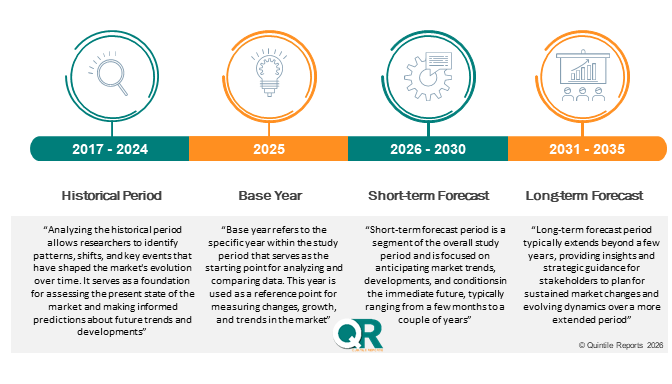
With 2025 as the base year, the Modular Construction market is experiencing steady expansion driven by continuous innovation, rising demand across end-use industries, and rapid technological progress. Market participants are increasingly optimizing their go-to-market (GTM) strategies to capitalize on emerging opportunities and adapt to shifting competitive dynamics.
Looking ahead to 2035, the market is expected to maintain strong growth momentum, supported by sustained investments in research and development, strategic partnerships, and mergers and acquisitions. Companies that focus on innovation, agile GTM execution, and alignment with evolving customer needs are well positioned to achieve long-term success. The report provides in-depth insights into key market drivers, restraints, opportunities, and challenges across segments, regions, and countries, supported by robust qualitative and quantitative analysis spanning 2017 to 2035.
The growing adoption of off-site construction in urban areas is a key force accelerating the expansion of the modular construction market. Unlike conventional on-site building methods, off-site modular manufacturing takes place in controlled factory environments, where production is largely insulated from weather-related disruptions. The use of advanced machinery and standardized processes allows construction timelines to be significantly shortened while maintaining consistent quality levels. As a result, modular construction delivers improved cost efficiency, reduced project uncertainty, and lower site-generated waste.
Impact of Urbanization and Industrial ExpansionRapid urbanization and ongoing industrial development are further contributing to market momentum. As cities expand and industrial zones develop, the number of upcoming commercial, industrial, and mixed-use projects continues to rise. Modular construction supports these developments by enabling faster execution, improved scalability, and efficient land utilization. At the same time, continuous technological advancements in the construction sectorcombined with modular construction benefits such as shortened delivery cycles, enhanced flexibility, reusability of components, and reduced material wastageare strengthening overall market demand. These advantages are becoming increasingly critical in high-rise modular construction, where speed, precision, and efficiency are essential for project feasibility.
Modular construction has transformed how buildings are designed, planned, and delivered across industries. The ability to customize layouts while incorporating modern architectural styles and functional innovations has made modular buildings increasingly attractive to developers and end users. Prior to the widespread adoption of modular prefabrication, construction projects required extensive planning cycles followed by long execution timelines, often stretching over several years.
Streamlining Project Execution Through Modular MethodsThe shift toward modular methodologies has significantly streamlined this process. By standardizing design elements and transferring a substantial portion of construction activities off-site, uncertainty during the planning stage is reduced. This evolution enables faster transitions from concept to completion, often cutting project delivery times by several months. The resulting efficiency gains are particularly valuable for time-sensitive developments such as housing, healthcare facilities, and commercial infrastructure.
The modular construction industry is currently in a high-growth phase, with expansion accelerating across multiple regions and application segments. A defining characteristic of this market is its strong emphasis on technological innovation. Continuous improvements in digital engineering tools and construction technologies are enabling the development of advanced modular solutions tailored to diverse building requirements.
Role of Advanced Design and Analysis TechnologiesSophisticated design and analysis software, including advanced 3D modeling and structural analysis platforms, has significantly improved design accuracy and visualization. These tools allow engineers and architects to simulate building behavior, optimize structural performance, and identify potential design challenges early in the development process. As a result, modular construction is being adopted across a wider range of applications, from residential housing to large-scale commercial and institutional projects. The integration of such technologies is playing a central role in increasing the reliability, safety, and scalability of modular buildings.
Another notable characteristic of the modular construction market is the increasing level of mergers and acquisitions (M&A) activity. Leading players are actively pursuing strategic acquisitions to expand manufacturing capacity, strengthen regional footprints, and enhance their technical capabilities. This consolidation trend is driven by the need to achieve economies of scale, integrate vertically across the value chain, and secure a competitive position in an increasingly crowded marketplace.
Shift Toward End-to-End Solution ProvidersAs competition intensifies, companies are focusing on expanding production capabilities and offering end-to-end solutions that cover design, manufacturing, transportation, and on-site assembly. These strategic moves are reshaping the competitive landscape and accelerating the professionalization and industrialization of the modular construction sector.
The modular construction industry operates within a well-defined regulatory environment shaped by various international and regional standards organizations. Regulatory bodies have established guidelines covering the design, manufacturing, transportation, and installation of modular and pre-engineered buildings. Compliance with these standards ensures structural safety, dimensional accuracy, and consistent quality across projects.
Importance of Compliance for Market AdoptionManufacturers are required to follow standards set by recognized industry associations throughout the production lifecycle. Adherence to these frameworks enhances market credibility and facilitates wider adoption, particularly for public-sector, healthcare, and large commercial projects where regulatory compliance is critical.
End-user concentration plays a significant role in shaping demand patterns within the modular construction market. A wide range of industriesincluding residential, commercial, industrial, educational, and healthcare sectorsare increasingly adopting modular building solutions. Growing awareness of the benefits of off-site construction, such as reduced construction time, cost savings, and lower material waste, is driving this trend.
Preference for Faster and Predictable Project DeliveryBecause modular units are manufactured off-site and assembled quickly at the project location, project timelines are significantly shortened. This efficiency is especially appealing to end users seeking rapid deployment without compromising quality. As a result, modular construction is gaining preference among developers and institutional buyers looking for predictable outcomes and accelerated project delivery.
Permanent modular construction continues to represent the largest share of the market, supported by its structural durability, design flexibility, and suitability for long-term use. Its ability to meet high safety and quality standards has made it a preferred option for developers seeking permanent building solutions across residential and commercial segments. At the same time, relocatable modular construction is gaining traction due to its flexibility and suitability for temporary housing, emergency relief, and short-term infrastructure needs.
Material and Module-Level TrendsFrom a materials perspective, steel remains the dominant choice due to its strength, seismic resistance, and ease of fabrication, particularly in large commercial and industrial structures. However, concrete-based modular construction is expected to experience the fastest growth, driven by its durability, fire resistance, thermal efficiency, and low maintenance requirements. In terms of module design, four-sided modules currently account for the largest market share, while open-sided modules are expanding rapidly due to their ability to support flexible layouts and larger interior spaces.
Residential construction remains the largest application segment, supported by growing urban populations and the rising need for affordable housing. Modular construction enables faster housing delivery while offering customization options that address diverse community needs. The commercial sector is also witnessing strong growth as economic recovery in key regions fuels demand for offices, hotels, and retail spaces. Modular solutions are increasingly viewed as a disruptive force in commercial construction due to their speed, adaptability, and compliance with building codes.
Europe continues to lead the global modular construction market, supported by strong adoption in countries such as Germany, the UK, Sweden, and Finland. Factors such as migrant housing demand, advanced construction practices, and sustained investment in modern building technologies are reinforcing regional dominance. North America maintains a significant market presence driven by affordable housing needs, disaster-relief applications, and technological innovation.
Rapid Growth in Asia Pacific and Emerging RegionsAsia Pacific represents the fastest-growing regional market, propelled by large-scale infrastructure investments, rapid urbanization, and strong government support in countries such as China, India, Singapore, and Japan. Emerging markets in the Middle East, South America, and Africa are also witnessing increased adoption as governments invest in infrastructure and megaprojects that prioritize speed and cost efficiency.
The modular construction market features a mix of established global players and emerging specialists. Leading companies are focused on innovation, large-scale project execution, and sustainability, while newer entrants are leveraging advanced technologies to improve construction speed and quality.
Recent Strategic Acquisition ActivityIn a notable recent development, Sunbelt Modular Inc. completed a strategic acquisition in January 2025, strengthening its presence in complex commercial modular projects and expanding its national capabilities. This acquisition reflects the broader trend of consolidation as companies seek to scale operations and broaden service offerings across government, healthcare, education, housing, and commercial sectors.
Our team of experienced researchers has meticulously gathered and analyzed data to deliver a thorough examination of market dynamics, competitive landscape, and emerging technologies. With a focus on delivering actionable intelligence, this report aims to empower decision-makers with the information needed to make informed choices and stay ahead of the competition. Whether you are a seasoned industry player or a new entrant, our market research report serves as a strategic tool to navigate the complexities of the market, aiding in successful business planning and growth strategies.
This chapter of our Modular Construction market report provides an in-depth examination of the factors shaping the industry landscape. This section typically encompasses several key elements to offer a comprehensive understanding of the industry landscape such as market drivers & restraints analysis, market opportunities & trend analysis, market size & growth analysis, competitive analysis, SWOT analysis, business environment tools such as Porter's five forces & PESTEL analysis, Ansoff Matrix analysis, penetration & growth prospect analysis, regulatory framework & reimbursement scenario analysis, impact of macro & micro economic factors analysis such as Covid-19 impact, GDP growth, market inflation, U.S.- China trade war, Russia-Ukraine war impact, and supply chain analysis.
The segment analysis chapter of Modular Construction market report is a critical section that delves into a detailed examination of the market's various segments. Segmentation involves dividing the market into distinct categories based on certain criteria to better understand and address the diverse needs of consumers. This chapter typically follows the introduction and provides a more granular view of the market, offering valuable insights for businesses and stakeholders. The components of the chapter lude segment definitions to understand the inclusions and exclusions of the study, assumptions, market size estimates and growth trend analysis of each segment, qualitative analysis of the segment, technological advancements, market penetration rate, market adoption rate, market share examination by each segment, segment growth drivers and restraint barriers, consumer behaviour and challenge analysis.
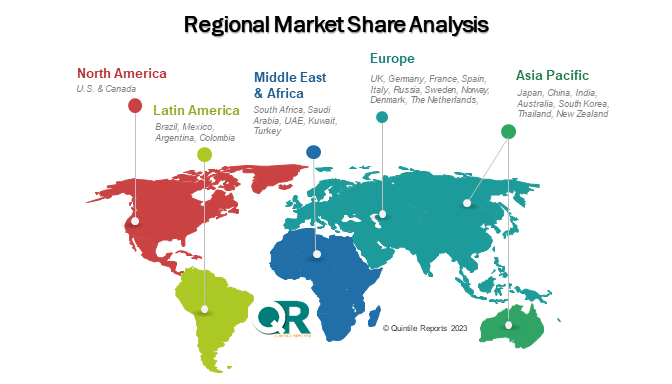
The chapter in Modular Construction market research report is a pivotal section that examines and predicts the market dynamics and trends specific to different geographical regions. This chapter is crucial for businesses and stakeholders seeking a comprehensive understanding of how the market behaves across various locations, enabling them to tailor strategies and make informed decisions based on regional variations. The regional analysis chapter of our Modular Construction market report is classified into regions & country-level. The chapter consists of North America (U.S., Canada), Europe (UK, Germany, France, Italy, Spain, Russia, Sweden, Denmark, Norway, Rest of Europe), Asia Pacific (Japan, China, India, Australia, South Korea, Thailand, Rest of Asia Pacific), Latin America (Brazil, Mexico, Argentina, Colombia, Rest of Latin America), Middle East & Africa (South Africa, Saudi Arabia, UAE, Kuwait, Rest of Middle East & Africa).
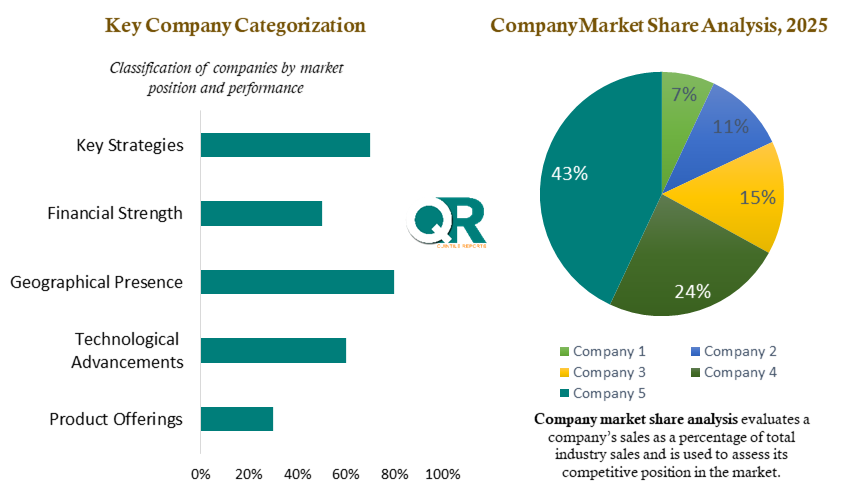
This section of a Modular Construction market report is a crucial segment that provides a comprehensive overview of the competitive landscape within the market. This section is vital for businesses, investors, and stakeholders seeking insights into key players, their market positioning, strengths, weaknesses, strategies, and potential impacts on the overall market dynamics. The chapter includes research methodology used to analyse the market competition, list of key players operating in the market, detailed company profile section which includes company overview, business verticals, financial performance, product/services benchmarking, geographical presence, and strategic initiatives.
| Report Scope | Details |
| Report Version | 2026 |
| Growth Rate | CAGR of 7.94 from 2026 to 2035 |
| Base Year | 2025 |
| Actual Estimates / Historical Data | 2017 - 2024 |
| Forecast Period | 2026 - 2035 |
| Quantitative Units | Revenue in USD million/billion & CAGR from 2026 to 2035 |
| Country Scope | North America (U.S., Canada), Europe (UK, Germany, France, Italy, Spain, Russia, Sweden, Denmark, Norway, Rest of Europe), Asia Pacific (Japan, China, India, Australia, South Korea, Thailand, Rest of Asia Pacific), Latin America (Brazil, Mexico, Argentina, Colombia, Rest of Latin America), Middle East & Africa (South Africa, Saudi Arabia, UAE, Kuwait, Rest of Middle East & Africa). |
| The Segment Covered by Product & Construction System |
|
| The Segment Covered by Module & Structural Design |
|
| Companies Covered |
|
| Report Coverage | Revenue forecast, company share, competitive landscape, growth factors, and trends |
| Free Customization Scope (Equivalent to 5 Analyst Working Days) | If you need specific information, which is not currently within the scope of the report, we will provide it to you as a part of the customization |

Statistics for the 2025 Modular Construction market share, size, and revenue growth rate were created by Quintile Report™. Modular Construction analysis includes a market forecast outlook for 2035 and a historical overview. Get a free PDF sample of this market analysis, please get in touch with our principal analyst at sales@quintilereports.com
List of Tables
Table 1 List of Abbreviation and acronyms
Table 2 List of Sources
Table 3 North America Global Modular Construction Market, by Segment Analysis, (USD Million) 2017-2035
Table 4 North America Global Modular Construction Market, by Region, (USD Million) 2017-2035
Table 5 U.S. Global Modular Construction Market, by Segment Analysis, (USD Million) 2017-2035
Table 6 Canada Global Modular Construction Market, by Segment Analysis, (USD Million) 2017-2035
Table 7 Europe Global Modular Construction Market, by Segment Analysis, (USD Million) 2017-2035
Table 8 Europe Global Modular Construction Market, by Region, (USD Million) 2017-2035
Table 9 Germany Global Modular Construction Market, by Segment Analysis, (USD Million) 2017-2035
Table 10 U.K. Global Modular Construction Market, by Segment Analysis, (USD Million) 2017-2035
Table 11 France Global Modular Construction Market, by Segment Analysis, (USD Million) 2017-2035
Table 12 Italy Global Modular Construction Market, by Segment Analysis, (USD Million) 2017-2035
Table 13 Spain Global Modular Construction Market, by Segment Analysis, (USD Million) 2017-2035
Table 14 Sweden Global Modular Construction Market, by Segment Analysis, (USD Million) 2017-2035
Table 15 Denmark Global Modular Construction Market, by Segment Analysis, (USD Million) 2017-2035
Table 16 Norway Global Modular Construction Market, by Segment Analysis, (USD Million) 2017-2035
Table 17 The Netherlands Global Modular Construction Market, by Segment Analysis, (USD Million) 2017-2035
Table 18 Russia Global Modular Construction Market, by Segment Analysis, (USD Million) 2017-2035
Table 19 Asia Pacific Global Modular Construction Market, by Segment Analysis, (USD Million) 2017-2035
Table 20 Asia Pacific Global Modular Construction Market, by Region, (USD Million) 2017-2035
Table 21 China Global Modular Construction Market, by Segment Analysis, (USD Million) 2017-2035
Table 22 Japan Global Modular Construction Market, by Segment Analysis, (USD Million) 2017-2035
Table 23 India Global Modular Construction Market, by Segment Analysis, (USD Million) 2017-2035
Table 24 Australia Global Modular Construction Market, by Segment Analysis, (USD Million) 2017-2035
Table 25 South Korea Global Modular Construction Market, by Segment Analysis, (USD Million) 2017-2035
Table 26 Thailand Global Modular Construction Market, by Segment Analysis, (USD Million) 2017-2035
Table 27 Latin America Global Modular Construction Market, by Segment Analysis, (USD Million) 2017-2035
Table 28 Latin America Global Modular Construction Market, by Region, (USD Million) 2017-2035
Table 29 Brazil Global Modular Construction Market, by Segment Analysis, (USD Million) 2017-2035
Table 30 Mexico Global Modular Construction Market, by Segment Analysis, (USD Million) 2017-2035
Table 31 Argentina Global Modular Construction Market, by Segment Analysis, (USD Million) 2017-2035
Table 32 Middle East and Africa Global Modular Construction Market, by Segment Analysis, (USD Million) 2017-2035
Table 33 Middle East and Africa Global Modular Construction Market, by Region, (USD Million) 2017-2035
Table 34 South Africa Global Modular Construction Market, by Segment Analysis, (USD Million) 2017-2035
Table 35 Saudi Arabia Global Modular Construction Market, by Segment Analysis, (USD Million) 2017-2035
Table 36 UAE Global Modular Construction Market, by Segment Analysis, (USD Million) 2017-2035
Table 37 Kuwait Global Modular Construction Market, by Segment Analysis, (USD Million) 2017-2035
Table 38 Turkey Global Modular Construction Market, by Segment Analysis, (USD Million) 2017-2035
Fig.1 Market research process
Fig.2 Market research approaches
Fig.3 Global Modular Construction Market: market scenario
Fig.4 Global Modular Construction Market competitive outlook
Fig.5 Global Modular Construction Market driver analysis
Fig.6 Global Modular Construction Market restraint analysis
Fig.7 Global Modular Construction Market opportunity analysis
Fig.8 Global Modular Construction Market trends analysis
Fig.9 Global Modular Construction Market: Segment Analysis (Based on the scope)
Fig.10 Global Modular Construction Market: regional analysis
Fig.11 Global market shares and leading market players
Fig.12 North America market share and leading players
Fig.13 Europe market share and leading players
Fig.14 Asia Pacific market share and leading players
Fig.15 Latin America market share and leading players
Fig.16 Middle East & Africa market share and leading players
Fig.17 North America, by country
Fig.18 North America
Fig.19 North America market estimates and forecast, 2017-2035
Fig.20 U.S.
Fig.21 Canada
Fig.22 Europe
Fig.23 Europe market estimates and forecast, 2017-2035
Fig.24 U.K.
Fig.25 Germany
Fig.26 France
Fig.27 Italy
Fig.28 Spain
Fig.29 Sweden
Fig.30 Denmark
Fig.31 Norway
Fig.32 The Netherlands
Fig.33 Russia
Fig.34 Asia Pacific
Fig.35 Asia Pacific market estimates and forecast, 2017-2035
Fig.36 China
Fig.37 Japan
Fig.38 India
Fig.39 Australia
Fig.40 South Korea
Fig.41 Thailand
Fig.42 Latin America
Fig.43 Latin America market estimates and forecast, 2017-2035
Fig.44 Brazil
Fig.45 Mexico
Fig.46 Argentina
Fig.47 Colombia
Fig.48 Middle East and Africa
Fig.49 Middle East and Africa market estimates and forecast, 2017-2035
Fig.50 Saudi Arabia
Fig.51 South Africa
Fig.52 UAE
Fig.53 Kuwait
Fig.54 Turkey
The Global Modular Construction Market was valued at USD 116.08 billion in 2025 and is projected to reach USD 247.31 billion by 2035, expanding at a robust CAGR of 7.94% during the forecast period from 2026 to 2035. The Modular Construction market report delivers a comprehensive industry assessment by analyzing macroeconomic conditions, technological advancements, regulatory frameworks, and evolving consumer behavior to provide a clear outlook on future growth potential.
With 2025 as the base year, the Modular Construction market is experiencing steady expansion driven by continuous innovation, rising demand across end-use industries, and rapid technological progress. Market participants are increasingly optimizing their go-to-market (GTM) strategies to capitalize on emerging opportunities and adapt to shifting competitive dynamics.
Looking ahead to 2035, the market is expected to maintain strong growth momentum, supported by sustained investments in research and development, strategic partnerships, and mergers and acquisitions. Companies that focus on innovation, agile GTM execution, and alignment with evolving customer needs are well positioned to achieve long-term success. The report provides in-depth insights into key market drivers, restraints, opportunities, and challenges across segments, regions, and countries, supported by robust qualitative and quantitative analysis spanning 2017 to 2035.
The growing adoption of off-site construction in urban areas is a key force accelerating the expansion of the modular construction market. Unlike conventional on-site building methods, off-site modular manufacturing takes place in controlled factory environments, where production is largely insulated from weather-related disruptions. The use of advanced machinery and standardized processes allows construction timelines to be significantly shortened while maintaining consistent quality levels. As a result, modular construction delivers improved cost efficiency, reduced project uncertainty, and lower site-generated waste.
Impact of Urbanization and Industrial ExpansionRapid urbanization and ongoing industrial development are further contributing to market momentum. As cities expand and industrial zones develop, the number of upcoming commercial, industrial, and mixed-use projects continues to rise. Modular construction supports these developments by enabling faster execution, improved scalability, and efficient land utilization. At the same time, continuous technological advancements in the construction sectorcombined with modular construction benefits such as shortened delivery cycles, enhanced flexibility, reusability of components, and reduced material wastageare strengthening overall market demand. These advantages are becoming increasingly critical in high-rise modular construction, where speed, precision, and efficiency are essential for project feasibility.
Modular construction has transformed how buildings are designed, planned, and delivered across industries. The ability to customize layouts while incorporating modern architectural styles and functional innovations has made modular buildings increasingly attractive to developers and end users. Prior to the widespread adoption of modular prefabrication, construction projects required extensive planning cycles followed by long execution timelines, often stretching over several years.
Streamlining Project Execution Through Modular MethodsThe shift toward modular methodologies has significantly streamlined this process. By standardizing design elements and transferring a substantial portion of construction activities off-site, uncertainty during the planning stage is reduced. This evolution enables faster transitions from concept to completion, often cutting project delivery times by several months. The resulting efficiency gains are particularly valuable for time-sensitive developments such as housing, healthcare facilities, and commercial infrastructure.
The modular construction industry is currently in a high-growth phase, with expansion accelerating across multiple regions and application segments. A defining characteristic of this market is its strong emphasis on technological innovation. Continuous improvements in digital engineering tools and construction technologies are enabling the development of advanced modular solutions tailored to diverse building requirements.
Role of Advanced Design and Analysis TechnologiesSophisticated design and analysis software, including advanced 3D modeling and structural analysis platforms, has significantly improved design accuracy and visualization. These tools allow engineers and architects to simulate building behavior, optimize structural performance, and identify potential design challenges early in the development process. As a result, modular construction is being adopted across a wider range of applications, from residential housing to large-scale commercial and institutional projects. The integration of such technologies is playing a central role in increasing the reliability, safety, and scalability of modular buildings.
Another notable characteristic of the modular construction market is the increasing level of mergers and acquisitions (M&A) activity. Leading players are actively pursuing strategic acquisitions to expand manufacturing capacity, strengthen regional footprints, and enhance their technical capabilities. This consolidation trend is driven by the need to achieve economies of scale, integrate vertically across the value chain, and secure a competitive position in an increasingly crowded marketplace.
Shift Toward End-to-End Solution ProvidersAs competition intensifies, companies are focusing on expanding production capabilities and offering end-to-end solutions that cover design, manufacturing, transportation, and on-site assembly. These strategic moves are reshaping the competitive landscape and accelerating the professionalization and industrialization of the modular construction sector.
The modular construction industry operates within a well-defined regulatory environment shaped by various international and regional standards organizations. Regulatory bodies have established guidelines covering the design, manufacturing, transportation, and installation of modular and pre-engineered buildings. Compliance with these standards ensures structural safety, dimensional accuracy, and consistent quality across projects.
Importance of Compliance for Market AdoptionManufacturers are required to follow standards set by recognized industry associations throughout the production lifecycle. Adherence to these frameworks enhances market credibility and facilitates wider adoption, particularly for public-sector, healthcare, and large commercial projects where regulatory compliance is critical.
End-user concentration plays a significant role in shaping demand patterns within the modular construction market. A wide range of industriesincluding residential, commercial, industrial, educational, and healthcare sectorsare increasingly adopting modular building solutions. Growing awareness of the benefits of off-site construction, such as reduced construction time, cost savings, and lower material waste, is driving this trend.
Preference for Faster and Predictable Project DeliveryBecause modular units are manufactured off-site and assembled quickly at the project location, project timelines are significantly shortened. This efficiency is especially appealing to end users seeking rapid deployment without compromising quality. As a result, modular construction is gaining preference among developers and institutional buyers looking for predictable outcomes and accelerated project delivery.
Permanent modular construction continues to represent the largest share of the market, supported by its structural durability, design flexibility, and suitability for long-term use. Its ability to meet high safety and quality standards has made it a preferred option for developers seeking permanent building solutions across residential and commercial segments. At the same time, relocatable modular construction is gaining traction due to its flexibility and suitability for temporary housing, emergency relief, and short-term infrastructure needs.
Material and Module-Level TrendsFrom a materials perspective, steel remains the dominant choice due to its strength, seismic resistance, and ease of fabrication, particularly in large commercial and industrial structures. However, concrete-based modular construction is expected to experience the fastest growth, driven by its durability, fire resistance, thermal efficiency, and low maintenance requirements. In terms of module design, four-sided modules currently account for the largest market share, while open-sided modules are expanding rapidly due to their ability to support flexible layouts and larger interior spaces.
Residential construction remains the largest application segment, supported by growing urban populations and the rising need for affordable housing. Modular construction enables faster housing delivery while offering customization options that address diverse community needs. The commercial sector is also witnessing strong growth as economic recovery in key regions fuels demand for offices, hotels, and retail spaces. Modular solutions are increasingly viewed as a disruptive force in commercial construction due to their speed, adaptability, and compliance with building codes.
Europe continues to lead the global modular construction market, supported by strong adoption in countries such as Germany, the UK, Sweden, and Finland. Factors such as migrant housing demand, advanced construction practices, and sustained investment in modern building technologies are reinforcing regional dominance. North America maintains a significant market presence driven by affordable housing needs, disaster-relief applications, and technological innovation.
Rapid Growth in Asia Pacific and Emerging RegionsAsia Pacific represents the fastest-growing regional market, propelled by large-scale infrastructure investments, rapid urbanization, and strong government support in countries such as China, India, Singapore, and Japan. Emerging markets in the Middle East, South America, and Africa are also witnessing increased adoption as governments invest in infrastructure and megaprojects that prioritize speed and cost efficiency.
The modular construction market features a mix of established global players and emerging specialists. Leading companies are focused on innovation, large-scale project execution, and sustainability, while newer entrants are leveraging advanced technologies to improve construction speed and quality.
Recent Strategic Acquisition ActivityIn a notable recent development, Sunbelt Modular Inc. completed a strategic acquisition in January 2025, strengthening its presence in complex commercial modular projects and expanding its national capabilities. This acquisition reflects the broader trend of consolidation as companies seek to scale operations and broaden service offerings across government, healthcare, education, housing, and commercial sectors.
Our team of experienced researchers has meticulously gathered and analyzed data to deliver a thorough examination of market dynamics, competitive landscape, and emerging technologies. With a focus on delivering actionable intelligence, this report aims to empower decision-makers with the information needed to make informed choices and stay ahead of the competition. Whether you are a seasoned industry player or a new entrant, our market research report serves as a strategic tool to navigate the complexities of the market, aiding in successful business planning and growth strategies.
This chapter of our Modular Construction market report provides an in-depth examination of the factors shaping the industry landscape. This section typically encompasses several key elements to offer a comprehensive understanding of the industry landscape such as market drivers & restraints analysis, market opportunities & trend analysis, market size & growth analysis, competitive analysis, SWOT analysis, business environment tools such as Porter's five forces & PESTEL analysis, Ansoff Matrix analysis, penetration & growth prospect analysis, regulatory framework & reimbursement scenario analysis, impact of macro & micro economic factors analysis such as Covid-19 impact, GDP growth, market inflation, U.S.- China trade war, Russia-Ukraine war impact, and supply chain analysis.
The segment analysis chapter of Modular Construction market report is a critical section that delves into a detailed examination of the market's various segments. Segmentation involves dividing the market into distinct categories based on certain criteria to better understand and address the diverse needs of consumers. This chapter typically follows the introduction and provides a more granular view of the market, offering valuable insights for businesses and stakeholders. The components of the chapter lude segment definitions to understand the inclusions and exclusions of the study, assumptions, market size estimates and growth trend analysis of each segment, qualitative analysis of the segment, technological advancements, market penetration rate, market adoption rate, market share examination by each segment, segment growth drivers and restraint barriers, consumer behaviour and challenge analysis.
The chapter in Modular Construction market research report is a pivotal section that examines and predicts the market dynamics and trends specific to different geographical regions. This chapter is crucial for businesses and stakeholders seeking a comprehensive understanding of how the market behaves across various locations, enabling them to tailor strategies and make informed decisions based on regional variations. The regional analysis chapter of our Modular Construction market report is classified into regions & country-level. The chapter consists of North America (U.S., Canada), Europe (UK, Germany, France, Italy, Spain, Russia, Sweden, Denmark, Norway, Rest of Europe), Asia Pacific (Japan, China, India, Australia, South Korea, Thailand, Rest of Asia Pacific), Latin America (Brazil, Mexico, Argentina, Colombia, Rest of Latin America), Middle East & Africa (South Africa, Saudi Arabia, UAE, Kuwait, Rest of Middle East & Africa).
This section of a Modular Construction market report is a crucial segment that provides a comprehensive overview of the competitive landscape within the market. This section is vital for businesses, investors, and stakeholders seeking insights into key players, their market positioning, strengths, weaknesses, strategies, and potential impacts on the overall market dynamics. The chapter includes research methodology used to analyse the market competition, list of key players operating in the market, detailed company profile section which includes company overview, business verticals, financial performance, product/services benchmarking, geographical presence, and strategic initiatives.
| Report Scope | Details |
| Report Version | 2026 |
| Growth Rate | CAGR of 7.94 from 2026 to 2035 |
| Base Year | 2025 |
| Actual Estimates / Historical Data | 2017 - 2024 |
| Forecast Period | 2026 - 2035 |
| Quantitative Units | Revenue in USD million/billion & CAGR from 2026 to 2035 |
| Country Scope | North America (U.S., Canada), Europe (UK, Germany, France, Italy, Spain, Russia, Sweden, Denmark, Norway, Rest of Europe), Asia Pacific (Japan, China, India, Australia, South Korea, Thailand, Rest of Asia Pacific), Latin America (Brazil, Mexico, Argentina, Colombia, Rest of Latin America), Middle East & Africa (South Africa, Saudi Arabia, UAE, Kuwait, Rest of Middle East & Africa). |
| The Segment Covered by Product & Construction System |
|
| The Segment Covered by Module & Structural Design |
|
| Companies Covered |
|
| Report Coverage | Revenue forecast, company share, competitive landscape, growth factors, and trends |
| Free Customization Scope (Equivalent to 5 Analyst Working Days) | If you need specific information, which is not currently within the scope of the report, we will provide it to you as a part of the customization |
Statistics for the 2025 Modular Construction market share, size, and revenue growth rate were created by Quintile Report™. Modular Construction analysis includes a market forecast outlook for 2035 and a historical overview. Get a free PDF sample of this market analysis, please get in touch with our principal analyst at sales@quintilereports.com
Table 1 List of Abbreviation and acronyms
Table 2 List of Sources
Table 3 North America Global Modular Construction Market, by Segment Analysis, (USD Million) 2017-2035
Table 4 North America Global Modular Construction Market, by Region, (USD Million) 2017-2035
Table 5 U.S. Global Modular Construction Market, by Segment Analysis, (USD Million) 2017-2035
Table 6 Canada Global Modular Construction Market, by Segment Analysis, (USD Million) 2017-2035
Table 7 Europe Global Modular Construction Market, by Segment Analysis, (USD Million) 2017-2035
Table 8 Europe Global Modular Construction Market, by Region, (USD Million) 2017-2035
Table 9 Germany Global Modular Construction Market, by Segment Analysis, (USD Million) 2017-2035
Table 10 U.K. Global Modular Construction Market, by Segment Analysis, (USD Million) 2017-2035
Table 11 France Global Modular Construction Market, by Segment Analysis, (USD Million) 2017-2035
Table 12 Italy Global Modular Construction Market, by Segment Analysis, (USD Million) 2017-2035
Table 13 Spain Global Modular Construction Market, by Segment Analysis, (USD Million) 2017-2035
Table 14 Sweden Global Modular Construction Market, by Segment Analysis, (USD Million) 2017-2035
Table 15 Denmark Global Modular Construction Market, by Segment Analysis, (USD Million) 2017-2035
Table 16 Norway Global Modular Construction Market, by Segment Analysis, (USD Million) 2017-2035
Table 17 The Netherlands Global Modular Construction Market, by Segment Analysis, (USD Million) 2017-2035
Table 18 Russia Global Modular Construction Market, by Segment Analysis, (USD Million) 2017-2035
Table 19 Asia Pacific Global Modular Construction Market, by Segment Analysis, (USD Million) 2017-2035
Table 20 Asia Pacific Global Modular Construction Market, by Region, (USD Million) 2017-2035
Table 21 China Global Modular Construction Market, by Segment Analysis, (USD Million) 2017-2035
Table 22 Japan Global Modular Construction Market, by Segment Analysis, (USD Million) 2017-2035
Table 23 India Global Modular Construction Market, by Segment Analysis, (USD Million) 2017-2035
Table 24 Australia Global Modular Construction Market, by Segment Analysis, (USD Million) 2017-2035
Table 25 South Korea Global Modular Construction Market, by Segment Analysis, (USD Million) 2017-2035
Table 26 Thailand Global Modular Construction Market, by Segment Analysis, (USD Million) 2017-2035
Table 27 Latin America Global Modular Construction Market, by Segment Analysis, (USD Million) 2017-2035
Table 28 Latin America Global Modular Construction Market, by Region, (USD Million) 2017-2035
Table 29 Brazil Global Modular Construction Market, by Segment Analysis, (USD Million) 2017-2035
Table 30 Mexico Global Modular Construction Market, by Segment Analysis, (USD Million) 2017-2035
Table 31 Argentina Global Modular Construction Market, by Segment Analysis, (USD Million) 2017-2035
Table 32 Middle East and Africa Global Modular Construction Market, by Segment Analysis, (USD Million) 2017-2035
Table 33 Middle East and Africa Global Modular Construction Market, by Region, (USD Million) 2017-2035
Table 34 South Africa Global Modular Construction Market, by Segment Analysis, (USD Million) 2017-2035
Table 35 Saudi Arabia Global Modular Construction Market, by Segment Analysis, (USD Million) 2017-2035
Table 36 UAE Global Modular Construction Market, by Segment Analysis, (USD Million) 2017-2035
Table 37 Kuwait Global Modular Construction Market, by Segment Analysis, (USD Million) 2017-2035
Table 38 Turkey Global Modular Construction Market, by Segment Analysis, (USD Million) 2017-2035
Fig.1 Market research process
Fig.2 Market research approaches
Fig.3 Global Modular Construction Market: market scenario
Fig.4 Global Modular Construction Market competitive outlook
Fig.5 Global Modular Construction Market driver analysis
Fig.6 Global Modular Construction Market restraint analysis
Fig.7 Global Modular Construction Market opportunity analysis
Fig.8 Global Modular Construction Market trends analysis
Fig.9 Global Modular Construction Market: Segment Analysis (Based on the scope)
Fig.10 Global Modular Construction Market: regional analysis
Fig.11 Global market shares and leading market players
Fig.12 North America market share and leading players
Fig.13 Europe market share and leading players
Fig.14 Asia Pacific market share and leading players
Fig.15 Latin America market share and leading players
Fig.16 Middle East & Africa market share and leading players
Fig.17 North America, by country
Fig.18 North America
Fig.19 North America market estimates and forecast, 2017-2035
Fig.20 U.S.
Fig.21 Canada
Fig.22 Europe
Fig.23 Europe market estimates and forecast, 2017-2035
Fig.24 U.K.
Fig.25 Germany
Fig.26 France
Fig.27 Italy
Fig.28 Spain
Fig.29 Sweden
Fig.30 Denmark
Fig.31 Norway
Fig.32 The Netherlands
Fig.33 Russia
Fig.34 Asia Pacific
Fig.35 Asia Pacific market estimates and forecast, 2017-2035
Fig.36 China
Fig.37 Japan
Fig.38 India
Fig.39 Australia
Fig.40 South Korea
Fig.41 Thailand
Fig.42 Latin America
Fig.43 Latin America market estimates and forecast, 2017-2035
Fig.44 Brazil
Fig.45 Mexico
Fig.46 Argentina
Fig.47 Colombia
Fig.48 Middle East and Africa
Fig.49 Middle East and Africa market estimates and forecast, 2017-2035
Fig.50 Saudi Arabia
Fig.51 South Africa
Fig.52 UAE
Fig.53 Kuwait
Fig.54 Turkey

A license granted to one user. Rules or conditions might be applied for e.g. the use of electric files (PDFs) or printings, depending on product.
A license granted to multiple users.
A license granted to a single business site/establishment.
A license granted to all employees within organisation access to the product.
Immediate / Within 24-48 hours - Working days
Online Payments with PayPal and CCavenue
You can order a report by picking any of the payment methods which is bank wire or online payment through any Debit/Credit card or PayPal.
Hard Copy
Autonomous Firefighting Drones Overview The Global Autonomous Firefighting Drones Market was valued
Read MoreIndustrial Knitting Equipment Overview The Global Industrial Knitting Equipment Market was valued at
Read MoreProcess Chillers Overview The Global Process Chillers Market was valued at USD 8.65 billion in 2025
Read More U.S. : +1-201-772-7734