The Global Pulse Flour Market was estimated at USD 25.9 billion in 2025 and is projected to reach USD 70 billion by 2035, growing at a robust CAGR of 11.39% during the forecast period from 2026 to 2035. The Pulse Flour market report provides a comprehensive industry assessment, analyzing economic conditions, technological advancements, regulatory frameworks, and evolving consumer behavior to deliver a clear view of future growth potential.
With 2025 as the base year, the Pulse Flour market is witnessing steady expansion driven by innovation, rising consumer demand, and rapid technological progress. Companies are increasingly refining their go-to-market (GTM) strategies to capture emerging opportunities and respond to shifting market dynamics.
Looking ahead to 2035, the market is expected to sustain its growth momentum, supported by continuous R&D investments, strategic partnerships, and mergers and acquisitions. Businesses that prioritize innovation, agile GTM strategies, and alignment with consumer needs are likely to achieve long-term success. The report delivers detailed insights into key drivers, restraints, opportunities, and challenges across segments, regions, and countries, supported by qualitative and quantitative analysis covering the period from 2017 to 2035.
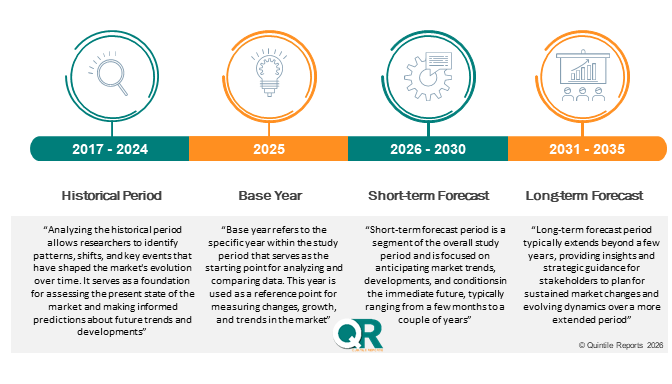
Historical Analysis (2017 - 2024): Reviews past market trends, performance metrics, and growth patterns to identify factors shaping current and future market behavior.
Forecast and Projections (2026 - 2035): Provides forward-looking market estimates, highlighting growth opportunities, emerging trends, and regional developments.
Compound Annual Growth Rate (CAGR): Presents a clear CAGR calculation for 2026 - 2035, enabling stakeholders to evaluate market growth potential over the forecast period.

The pulse flour market comprises flours produced by milling dried pulses such as lentils, peas, chickpeas, beans, and broad beans, either as whole seeds or after dehulling. Whole pulse flours retain the naturally occurring proportions of the seed and hull, resulting in higher fiber content, coarser particle size, and greater water absorption capacity compared to refined flours.
Pulse flours are widely recognized as nutritious alternatives to wheat flour due to their high protein and dietary fiber content, low glycaemic index, and naturally gluten-free nature. They are increasingly used in bakery products, snacks, pasta, plant-based foods, soups, and sauces. Scientific studies demonstrate that incorporating pulse flours into baked goods significantly enhances protein, fiber, antioxidant activity, and sensory appealpositioning pulse flours as functional and health-promoting ingredients in modern food formulations.
The pulse flour market is being driven by nutritional trends, sustainability goals, and clean-label food innovation.
Rising demand for plant-based protein is a key growth driver, as pulse flours offer a sustainable, protein-rich alternative to animal-derived ingredients.
Despite strong growth potential, the pulse flour market faces formulation and market-awareness challenges.
North America: Rapid growth driven by demand for high-protein, gluten-free, and plant-based foods. Strong domestic pulse production in the U.S. and Canada supports innovation in bakery, snacks, and alternative proteins.
Europe: Adoption is increasing due to clean-label and sustainability trends. Germany and the UK lead usage in plant-based foods, bakery, and meat alternatives under EU policies promoting plant-based diets.
Asia Pacific: Rising urbanization and disposable incomes are driving demand for nutritious ingredients. India and China leverage traditional pulse consumption while expanding modern applications in ready-to-eat and health foods.
Latin America: Gradual growth led by Brazil and Mexico, where pulse flours are gaining traction in gluten-free baked goods and snacks.
Middle East & Africa: Emerging adoption in urban centers, supported by rising interest in plant-based nutrition and availability of locally grown pulses.
United States:
The U.S. pulse flour market is expanding as a wheat alternative, with pulse flours accounting for roughly 2% of total flour consumption compared to wheats dominance. Pea and lentil flours are gaining traction in snacks, pasta, ready meals, baby food, and pet food, supported by clean-label and protein-rich diet trends.
Germany:
Germany is expanding pulse flour usage within plant-based and sustainable food systems. Although still niche, pulse flours are increasingly incorporated into baked goods, snacks, and meat alternatives, supported by EU agricultural policy and consumer interest in protein diversification.
Japan:
In Japan, pulse flour adoption is emerging as part of functional nutrition and sustainability initiatives. Applications include noodles, snacks, and baked goods aimed at aging populations and low-allergen diets, supported by government interest in food self-sufficiency.
The global pulse flour market is competitive and diversified, comprising multinational ingredient suppliers, regional processors, and specialty food companies.
Competition is driven by raw material sourcing, milling technology, functional performance, and regulatory compliance. Companies are innovating with enhanced pulse flours offering improved texture, water absorption, and emulsification, as well as hybrid blends combining pulses with cereals.
Regional dynamics influence strategyclean-label and sustainability dominate North America and Europe, while affordability and protein density are key in Asia and Africa. Collaboration between food manufacturers, research institutions, and agricultural bodies is accelerating innovation and addressing taste and scalability challenges.
Key players include Ingredion Incorporated, Archer Daniels Midland Company (ADM), AGT Food and Ingredients, Ardent Mills, Avena Foods Limited, The Scoular Company, Anchor Ingredients Co. LLC, Limagrain (Groupe Limagrain), Buhler Group, SunOpta, Proderna Biotech Ltd., Parakh Agro Industries Ltd., Ganesh Consumer Products Ltd., Diefenbaker Spice & Pulse, and other players.
In July 2024, Bunge North America launched a non-GMO lentil functional flour designed to replace modified starches in bakery, yogurt, soups, noodles, and dairy applications, supporting clean-label and high-protein demand.
In June 2024, Ardent Mills introduced Egg Replace, a chickpea flour-based 1:1 egg substitute in Canada, addressing allergen-free, gluten-free, and cost-efficiency needs in bakery and foodservice.
In June 2023, Ardent Mills launched Egg Replace and Ancient Grains Plus Baking Flour Blend featuring chickpea flour to enhance protein content in plant-based and allergen-free baking applications.
Our team of experienced researchers has meticulously gathered and analyzed data to deliver a thorough examination of market dynamics, competitive landscape, and emerging technologies. With a focus on delivering actionable intelligence, this report aims to empower decision-makers with the information needed to make informed choices and stay ahead of the competition. Whether you are a seasoned industry player or a new entrant, our market research report serves as a strategic tool to navigate the complexities of the market, aiding in successful business planning and growth strategies.
This chapter of our Pulse Flour market report provides an in-depth examination of the factors shaping the industry landscape. This section typically encompasses several key elements to offer a comprehensive understanding of the industry landscape such as market drivers & restraints analysis, market opportunities & trend analysis, market size & growth analysis, competitive analysis, SWOT analysis, business environment tools such as Porter's five forces & PESTEL analysis, Ansoff Matrix analysis, penetration & growth prospect analysis, regulatory framework & reimbursement scenario analysis, impact of macro & micro economic factors analysis such as Covid-19 impact, GDP growth, market inflation, U.S.- China trade war, Russia-Ukraine war impact, and supply chain analysis.
The segment analysis chapter of Pulse Flour market report is a critical section that delves into a detailed examination of the market's various segments. Segmentation involves dividing the market into distinct categories based on certain criteria to better understand and address the diverse needs of consumers. This chapter typically follows the introduction and provides a more granular view of the market, offering valuable insights for businesses and stakeholders. The components of the chapter lude segment definitions to understand the inclusions and exclusions of the study, assumptions, market size estimates and growth trend analysis of each segment, qualitative analysis of the segment, technological advancements, market penetration rate, market adoption rate, market share examination by each segment, segment growth drivers and restraint barriers, consumer behaviour and challenge analysis.
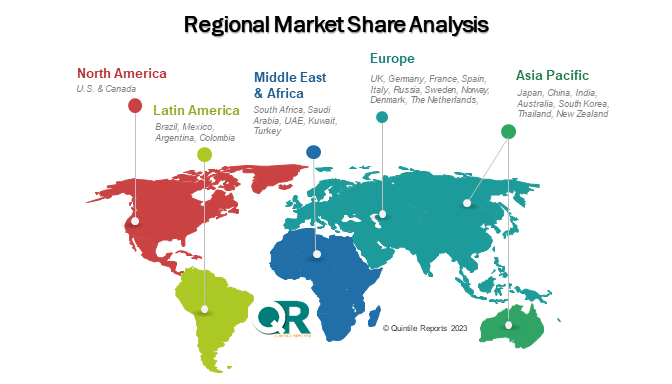
The chapter in Pulse Flour market research report is a pivotal section that examines and predicts the market dynamics and trends specific to different geographical regions. This chapter is crucial for businesses and stakeholders seeking a comprehensive understanding of how the market behaves across various locations, enabling them to tailor strategies and make informed decisions based on regional variations. The regional analysis chapter of our Pulse Flour market report is classified into regions & country-level. The chapter consists of North America (U.S., Canada), Europe (UK, Germany, France, Italy, Spain, Russia, Sweden, Denmark, Norway, Rest of Europe), Asia Pacific (Japan, China, India, Australia, South Korea, Thailand, Rest of Asia Pacific), Latin America (Brazil, Mexico, Argentina, Colombia, Rest of Latin America), Middle East & Africa (South Africa, Saudi Arabia, UAE, Kuwait, Rest of Middle East & Africa).
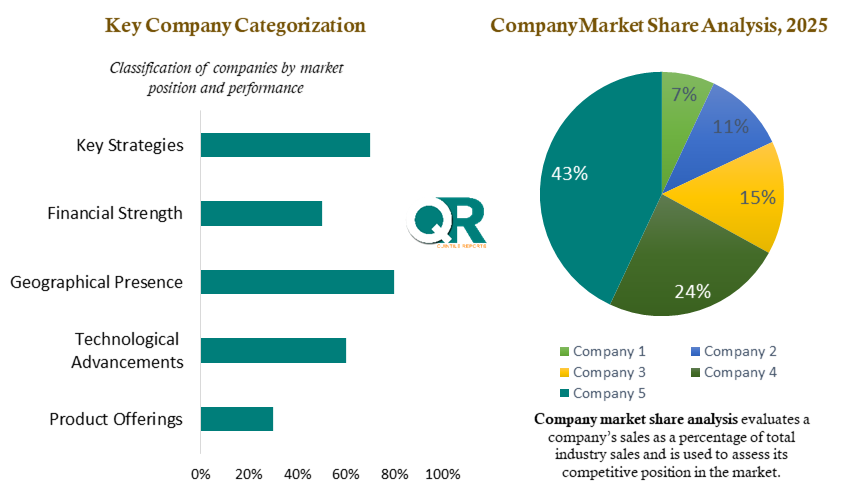
This section of a Pulse Flour market report is a crucial segment that provides a comprehensive overview of the competitive landscape within the market. This section is vital for businesses, investors, and stakeholders seeking insights into key players, their market positioning, strengths, weaknesses, strategies, and potential impacts on the overall market dynamics. The chapter includes research methodology used to analyse the market competition, list of key players operating in the market, detailed company profile section which includes company overview, business verticals, financial performance, product/services benchmarking, geographical presence, and strategic initiatives.
| Report Scope | Details |
| Report Version | 2026 |
| Growth Rate | CAGR of 11.39 from 2026 to 2035 |
| Base year | 2025 |
| Actual estimates/Historical data | 2017 - 2024 |
| Forecast period | 2026 - 2035 |
| Quantitative units | Revenue in USD million/billion & CAGR from 2026 to 2035 |
| Country scope | North America (U.S., Canada), Europe (UK, Germany, France, Italy, Spain, Russia, Sweden, Denmark, Norway, Rest of Europe), Asia Pacific (Japan, China, India, Australia, South Korea, Thailand, Rest of Asia Pacific), Latin America (Brazil, Mexico, Argentina, Colombia, Rest of Latin America), Middle East & Africa (South Africa, Saudi Arabia, UAE, Kuwait, Rest of Middle East & Africa). |
| The Segment covered by Type |
|
| The Segment covered by Category |
|
| Companies covered |
|
| Report coverage | Revenue forecast, company share, competitive landscape, growth factors, and trends |
| Free customization scope (equivalent to 5 analyst working days) | If you need specific information, which is not currently within the scope of the report, we will provide it to you as a part of the customization |

Statistics for the 2025 Pulse Flour market share, size, and revenue growth rate were created by Quintile Report™. Pulse Flour analysis includes a market forecast outlook for 2035 and a historical overview. Get a free PDF sample of this market analysis, please get in touch with our principal analyst at sales@quintilereports.com
List of Tables
Table 1 List of Abbreviation and acronyms
Table 2 List of Sources
Table 3 North America Global Pulse Flour Market, by Segment Analysis, (USD Million) 2017-2035
Table 4 North America Global Pulse Flour Market, by Region, (USD Million) 2017-2035
Table 5 U.S. Global Pulse Flour Market, by Segment Analysis, (USD Million) 2017-2035
Table 6 Canada Global Pulse Flour Market, by Segment Analysis, (USD Million) 2017-2035
Table 7 Europe Global Pulse Flour Market, by Segment Analysis, (USD Million) 2017-2035
Table 8 Europe Global Pulse Flour Market, by Region, (USD Million) 2017-2035
Table 9 Germany Global Pulse Flour Market, by Segment Analysis, (USD Million) 2017-2035
Table 10 U.K. Global Pulse Flour Market, by Segment Analysis, (USD Million) 2017-2035
Table 11 France Global Pulse Flour Market, by Segment Analysis, (USD Million) 2017-2035
Table 12 Italy Global Pulse Flour Market, by Segment Analysis, (USD Million) 2017-2035
Table 13 Spain Global Pulse Flour Market, by Segment Analysis, (USD Million) 2017-2035
Table 14 Sweden Global Pulse Flour Market, by Segment Analysis, (USD Million) 2017-2035
Table 15 Denmark Global Pulse Flour Market, by Segment Analysis, (USD Million) 2017-2035
Table 16 Norway Global Pulse Flour Market, by Segment Analysis, (USD Million) 2017-2035
Table 17 The Netherlands Global Pulse Flour Market, by Segment Analysis, (USD Million) 2017-2035
Table 18 Russia Global Pulse Flour Market, by Segment Analysis, (USD Million) 2017-2035
Table 19 Asia Pacific Global Pulse Flour Market, by Segment Analysis, (USD Million) 2017-2035
Table 20 Asia Pacific Global Pulse Flour Market, by Region, (USD Million) 2017-2035
Table 21 China Global Pulse Flour Market, by Segment Analysis, (USD Million) 2017-2035
Table 22 Japan Global Pulse Flour Market, by Segment Analysis, (USD Million) 2017-2035
Table 23 India Global Pulse Flour Market, by Segment Analysis, (USD Million) 2017-2035
Table 24 Australia Global Pulse Flour Market, by Segment Analysis, (USD Million) 2017-2035
Table 25 South Korea Global Pulse Flour Market, by Segment Analysis, (USD Million) 2017-2035
Table 26 Thailand Global Pulse Flour Market, by Segment Analysis, (USD Million) 2017-2035
Table 27 Latin America Global Pulse Flour Market, by Segment Analysis, (USD Million) 2017-2035
Table 28 Latin America Global Pulse Flour Market, by Region, (USD Million) 2017-2035
Table 29 Brazil Global Pulse Flour Market, by Segment Analysis, (USD Million) 2017-2035
Table 30 Mexico Global Pulse Flour Market, by Segment Analysis, (USD Million) 2017-2035
Table 31 Argentina Global Pulse Flour Market, by Segment Analysis, (USD Million) 2017-2035
Table 32 Middle East and Africa Global Pulse Flour Market, by Segment Analysis, (USD Million) 2017-2035
Table 33 Middle East and Africa Global Pulse Flour Market, by Region, (USD Million) 2017-2035
Table 34 South Africa Global Pulse Flour Market, by Segment Analysis, (USD Million) 2017-2035
Table 35 Saudi Arabia Global Pulse Flour Market, by Segment Analysis, (USD Million) 2017-2035
Table 36 UAE Global Pulse Flour Market, by Segment Analysis, (USD Million) 2017-2035
Table 37 Kuwait Global Pulse Flour Market, by Segment Analysis, (USD Million) 2017-2035
Table 38 Turkey Global Pulse Flour Market, by Segment Analysis, (USD Million) 2017-2035
Fig.1 Market research process
Fig.2 Market research approaches
Fig.3 Global Pulse Flour Market: market scenario
Fig.4 Global Pulse Flour Market competitive outlook
Fig.5 Global Pulse Flour Market driver analysis
Fig.6 Global Pulse Flour Market restraint analysis
Fig.7 Global Pulse Flour Market opportunity analysis
Fig.8 Global Pulse Flour Market trends analysis
Fig.9 Global Pulse Flour Market: Segment Analysis (Based on the scope)
Fig.10 Global Pulse Flour Market: regional analysis
Fig.11 Global market shares and leading market players
Fig.12 North America market share and leading players
Fig.13 Europe market share and leading players
Fig.14 Asia Pacific market share and leading players
Fig.15 Latin America market share and leading players
Fig.16 Middle East & Africa market share and leading players
Fig.17 North America, by country
Fig.18 North America
Fig.19 North America market estimates and forecast, 2017-2035
Fig.20 U.S.
Fig.21 Canada
Fig.22 Europe
Fig.23 Europe market estimates and forecast, 2017-2035
Fig.24 U.K.
Fig.25 Germany
Fig.26 France
Fig.27 Italy
Fig.28 Spain
Fig.29 Sweden
Fig.30 Denmark
Fig.31 Norway
Fig.32 The Netherlands
Fig.33 Russia
Fig.34 Asia Pacific
Fig.35 Asia Pacific market estimates and forecast, 2017-2035
Fig.36 China
Fig.37 Japan
Fig.38 India
Fig.39 Australia
Fig.40 South Korea
Fig.41 Thailand
Fig.42 Latin America
Fig.43 Latin America market estimates and forecast, 2017-2035
Fig.44 Brazil
Fig.45 Mexico
Fig.46 Argentina
Fig.47 Colombia
Fig.48 Middle East and Africa
Fig.49 Middle East and Africa market estimates and forecast, 2017-2035
Fig.50 Saudi Arabia
Fig.51 South Africa
Fig.52 UAE
Fig.53 Kuwait
Fig.54 Turkey
The Global Pulse Flour Market was estimated at USD 25.9 billion in 2025 and is projected to reach USD 70 billion by 2035, growing at a robust CAGR of 11.39% during the forecast period from 2026 to 2035. The Pulse Flour market report provides a comprehensive industry assessment, analyzing economic conditions, technological advancements, regulatory frameworks, and evolving consumer behavior to deliver a clear view of future growth potential.
With 2025 as the base year, the Pulse Flour market is witnessing steady expansion driven by innovation, rising consumer demand, and rapid technological progress. Companies are increasingly refining their go-to-market (GTM) strategies to capture emerging opportunities and respond to shifting market dynamics.
Looking ahead to 2035, the market is expected to sustain its growth momentum, supported by continuous R&D investments, strategic partnerships, and mergers and acquisitions. Businesses that prioritize innovation, agile GTM strategies, and alignment with consumer needs are likely to achieve long-term success. The report delivers detailed insights into key drivers, restraints, opportunities, and challenges across segments, regions, and countries, supported by qualitative and quantitative analysis covering the period from 2017 to 2035.
Historical Analysis (2017 - 2024): Reviews past market trends, performance metrics, and growth patterns to identify factors shaping current and future market behavior.
Forecast and Projections (2026 - 2035): Provides forward-looking market estimates, highlighting growth opportunities, emerging trends, and regional developments.
Compound Annual Growth Rate (CAGR): Presents a clear CAGR calculation for 2026 - 2035, enabling stakeholders to evaluate market growth potential over the forecast period.
The pulse flour market comprises flours produced by milling dried pulses such as lentils, peas, chickpeas, beans, and broad beans, either as whole seeds or after dehulling. Whole pulse flours retain the naturally occurring proportions of the seed and hull, resulting in higher fiber content, coarser particle size, and greater water absorption capacity compared to refined flours.
Pulse flours are widely recognized as nutritious alternatives to wheat flour due to their high protein and dietary fiber content, low glycaemic index, and naturally gluten-free nature. They are increasingly used in bakery products, snacks, pasta, plant-based foods, soups, and sauces. Scientific studies demonstrate that incorporating pulse flours into baked goods significantly enhances protein, fiber, antioxidant activity, and sensory appealpositioning pulse flours as functional and health-promoting ingredients in modern food formulations.
The pulse flour market is being driven by nutritional trends, sustainability goals, and clean-label food innovation.
Rising demand for plant-based protein is a key growth driver, as pulse flours offer a sustainable, protein-rich alternative to animal-derived ingredients.
Despite strong growth potential, the pulse flour market faces formulation and market-awareness challenges.
North America: Rapid growth driven by demand for high-protein, gluten-free, and plant-based foods. Strong domestic pulse production in the U.S. and Canada supports innovation in bakery, snacks, and alternative proteins.
Europe: Adoption is increasing due to clean-label and sustainability trends. Germany and the UK lead usage in plant-based foods, bakery, and meat alternatives under EU policies promoting plant-based diets.
Asia Pacific: Rising urbanization and disposable incomes are driving demand for nutritious ingredients. India and China leverage traditional pulse consumption while expanding modern applications in ready-to-eat and health foods.
Latin America: Gradual growth led by Brazil and Mexico, where pulse flours are gaining traction in gluten-free baked goods and snacks.
Middle East & Africa: Emerging adoption in urban centers, supported by rising interest in plant-based nutrition and availability of locally grown pulses.
United States:
The U.S. pulse flour market is expanding as a wheat alternative, with pulse flours accounting for roughly 2% of total flour consumption compared to wheats dominance. Pea and lentil flours are gaining traction in snacks, pasta, ready meals, baby food, and pet food, supported by clean-label and protein-rich diet trends.
Germany:
Germany is expanding pulse flour usage within plant-based and sustainable food systems. Although still niche, pulse flours are increasingly incorporated into baked goods, snacks, and meat alternatives, supported by EU agricultural policy and consumer interest in protein diversification.
Japan:
In Japan, pulse flour adoption is emerging as part of functional nutrition and sustainability initiatives. Applications include noodles, snacks, and baked goods aimed at aging populations and low-allergen diets, supported by government interest in food self-sufficiency.
The global pulse flour market is competitive and diversified, comprising multinational ingredient suppliers, regional processors, and specialty food companies.
Competition is driven by raw material sourcing, milling technology, functional performance, and regulatory compliance. Companies are innovating with enhanced pulse flours offering improved texture, water absorption, and emulsification, as well as hybrid blends combining pulses with cereals.
Regional dynamics influence strategyclean-label and sustainability dominate North America and Europe, while affordability and protein density are key in Asia and Africa. Collaboration between food manufacturers, research institutions, and agricultural bodies is accelerating innovation and addressing taste and scalability challenges.
Key players include Ingredion Incorporated, Archer Daniels Midland Company (ADM), AGT Food and Ingredients, Ardent Mills, Avena Foods Limited, The Scoular Company, Anchor Ingredients Co. LLC, Limagrain (Groupe Limagrain), Buhler Group, SunOpta, Proderna Biotech Ltd., Parakh Agro Industries Ltd., Ganesh Consumer Products Ltd., Diefenbaker Spice & Pulse, and other players.
In July 2024, Bunge North America launched a non-GMO lentil functional flour designed to replace modified starches in bakery, yogurt, soups, noodles, and dairy applications, supporting clean-label and high-protein demand.
In June 2024, Ardent Mills introduced Egg Replace, a chickpea flour-based 1:1 egg substitute in Canada, addressing allergen-free, gluten-free, and cost-efficiency needs in bakery and foodservice.
In June 2023, Ardent Mills launched Egg Replace and Ancient Grains Plus Baking Flour Blend featuring chickpea flour to enhance protein content in plant-based and allergen-free baking applications.
Our team of experienced researchers has meticulously gathered and analyzed data to deliver a thorough examination of market dynamics, competitive landscape, and emerging technologies. With a focus on delivering actionable intelligence, this report aims to empower decision-makers with the information needed to make informed choices and stay ahead of the competition. Whether you are a seasoned industry player or a new entrant, our market research report serves as a strategic tool to navigate the complexities of the market, aiding in successful business planning and growth strategies.
This chapter of our Pulse Flour market report provides an in-depth examination of the factors shaping the industry landscape. This section typically encompasses several key elements to offer a comprehensive understanding of the industry landscape such as market drivers & restraints analysis, market opportunities & trend analysis, market size & growth analysis, competitive analysis, SWOT analysis, business environment tools such as Porter's five forces & PESTEL analysis, Ansoff Matrix analysis, penetration & growth prospect analysis, regulatory framework & reimbursement scenario analysis, impact of macro & micro economic factors analysis such as Covid-19 impact, GDP growth, market inflation, U.S.- China trade war, Russia-Ukraine war impact, and supply chain analysis.
The segment analysis chapter of Pulse Flour market report is a critical section that delves into a detailed examination of the market's various segments. Segmentation involves dividing the market into distinct categories based on certain criteria to better understand and address the diverse needs of consumers. This chapter typically follows the introduction and provides a more granular view of the market, offering valuable insights for businesses and stakeholders. The components of the chapter lude segment definitions to understand the inclusions and exclusions of the study, assumptions, market size estimates and growth trend analysis of each segment, qualitative analysis of the segment, technological advancements, market penetration rate, market adoption rate, market share examination by each segment, segment growth drivers and restraint barriers, consumer behaviour and challenge analysis.
The chapter in Pulse Flour market research report is a pivotal section that examines and predicts the market dynamics and trends specific to different geographical regions. This chapter is crucial for businesses and stakeholders seeking a comprehensive understanding of how the market behaves across various locations, enabling them to tailor strategies and make informed decisions based on regional variations. The regional analysis chapter of our Pulse Flour market report is classified into regions & country-level. The chapter consists of North America (U.S., Canada), Europe (UK, Germany, France, Italy, Spain, Russia, Sweden, Denmark, Norway, Rest of Europe), Asia Pacific (Japan, China, India, Australia, South Korea, Thailand, Rest of Asia Pacific), Latin America (Brazil, Mexico, Argentina, Colombia, Rest of Latin America), Middle East & Africa (South Africa, Saudi Arabia, UAE, Kuwait, Rest of Middle East & Africa).
This section of a Pulse Flour market report is a crucial segment that provides a comprehensive overview of the competitive landscape within the market. This section is vital for businesses, investors, and stakeholders seeking insights into key players, their market positioning, strengths, weaknesses, strategies, and potential impacts on the overall market dynamics. The chapter includes research methodology used to analyse the market competition, list of key players operating in the market, detailed company profile section which includes company overview, business verticals, financial performance, product/services benchmarking, geographical presence, and strategic initiatives.
| Report Scope | Details |
| Report Version | 2026 |
| Growth Rate | CAGR of 11.39 from 2026 to 2035 |
| Base year | 2025 |
| Actual estimates/Historical data | 2017 - 2024 |
| Forecast period | 2026 - 2035 |
| Quantitative units | Revenue in USD million/billion & CAGR from 2026 to 2035 |
| Country scope | North America (U.S., Canada), Europe (UK, Germany, France, Italy, Spain, Russia, Sweden, Denmark, Norway, Rest of Europe), Asia Pacific (Japan, China, India, Australia, South Korea, Thailand, Rest of Asia Pacific), Latin America (Brazil, Mexico, Argentina, Colombia, Rest of Latin America), Middle East & Africa (South Africa, Saudi Arabia, UAE, Kuwait, Rest of Middle East & Africa). |
| The Segment covered by Type |
|
| The Segment covered by Category |
|
| Companies covered |
|
| Report coverage | Revenue forecast, company share, competitive landscape, growth factors, and trends |
| Free customization scope (equivalent to 5 analyst working days) | If you need specific information, which is not currently within the scope of the report, we will provide it to you as a part of the customization |
Statistics for the 2025 Pulse Flour market share, size, and revenue growth rate were created by Quintile Report™. Pulse Flour analysis includes a market forecast outlook for 2035 and a historical overview. Get a free PDF sample of this market analysis, please get in touch with our principal analyst at sales@quintilereports.com
Table 1 List of Abbreviation and acronyms
Table 2 List of Sources
Table 3 North America Global Pulse Flour Market, by Segment Analysis, (USD Million) 2017-2035
Table 4 North America Global Pulse Flour Market, by Region, (USD Million) 2017-2035
Table 5 U.S. Global Pulse Flour Market, by Segment Analysis, (USD Million) 2017-2035
Table 6 Canada Global Pulse Flour Market, by Segment Analysis, (USD Million) 2017-2035
Table 7 Europe Global Pulse Flour Market, by Segment Analysis, (USD Million) 2017-2035
Table 8 Europe Global Pulse Flour Market, by Region, (USD Million) 2017-2035
Table 9 Germany Global Pulse Flour Market, by Segment Analysis, (USD Million) 2017-2035
Table 10 U.K. Global Pulse Flour Market, by Segment Analysis, (USD Million) 2017-2035
Table 11 France Global Pulse Flour Market, by Segment Analysis, (USD Million) 2017-2035
Table 12 Italy Global Pulse Flour Market, by Segment Analysis, (USD Million) 2017-2035
Table 13 Spain Global Pulse Flour Market, by Segment Analysis, (USD Million) 2017-2035
Table 14 Sweden Global Pulse Flour Market, by Segment Analysis, (USD Million) 2017-2035
Table 15 Denmark Global Pulse Flour Market, by Segment Analysis, (USD Million) 2017-2035
Table 16 Norway Global Pulse Flour Market, by Segment Analysis, (USD Million) 2017-2035
Table 17 The Netherlands Global Pulse Flour Market, by Segment Analysis, (USD Million) 2017-2035
Table 18 Russia Global Pulse Flour Market, by Segment Analysis, (USD Million) 2017-2035
Table 19 Asia Pacific Global Pulse Flour Market, by Segment Analysis, (USD Million) 2017-2035
Table 20 Asia Pacific Global Pulse Flour Market, by Region, (USD Million) 2017-2035
Table 21 China Global Pulse Flour Market, by Segment Analysis, (USD Million) 2017-2035
Table 22 Japan Global Pulse Flour Market, by Segment Analysis, (USD Million) 2017-2035
Table 23 India Global Pulse Flour Market, by Segment Analysis, (USD Million) 2017-2035
Table 24 Australia Global Pulse Flour Market, by Segment Analysis, (USD Million) 2017-2035
Table 25 South Korea Global Pulse Flour Market, by Segment Analysis, (USD Million) 2017-2035
Table 26 Thailand Global Pulse Flour Market, by Segment Analysis, (USD Million) 2017-2035
Table 27 Latin America Global Pulse Flour Market, by Segment Analysis, (USD Million) 2017-2035
Table 28 Latin America Global Pulse Flour Market, by Region, (USD Million) 2017-2035
Table 29 Brazil Global Pulse Flour Market, by Segment Analysis, (USD Million) 2017-2035
Table 30 Mexico Global Pulse Flour Market, by Segment Analysis, (USD Million) 2017-2035
Table 31 Argentina Global Pulse Flour Market, by Segment Analysis, (USD Million) 2017-2035
Table 32 Middle East and Africa Global Pulse Flour Market, by Segment Analysis, (USD Million) 2017-2035
Table 33 Middle East and Africa Global Pulse Flour Market, by Region, (USD Million) 2017-2035
Table 34 South Africa Global Pulse Flour Market, by Segment Analysis, (USD Million) 2017-2035
Table 35 Saudi Arabia Global Pulse Flour Market, by Segment Analysis, (USD Million) 2017-2035
Table 36 UAE Global Pulse Flour Market, by Segment Analysis, (USD Million) 2017-2035
Table 37 Kuwait Global Pulse Flour Market, by Segment Analysis, (USD Million) 2017-2035
Table 38 Turkey Global Pulse Flour Market, by Segment Analysis, (USD Million) 2017-2035
Fig.1 Market research process
Fig.2 Market research approaches
Fig.3 Global Pulse Flour Market: market scenario
Fig.4 Global Pulse Flour Market competitive outlook
Fig.5 Global Pulse Flour Market driver analysis
Fig.6 Global Pulse Flour Market restraint analysis
Fig.7 Global Pulse Flour Market opportunity analysis
Fig.8 Global Pulse Flour Market trends analysis
Fig.9 Global Pulse Flour Market: Segment Analysis (Based on the scope)
Fig.10 Global Pulse Flour Market: regional analysis
Fig.11 Global market shares and leading market players
Fig.12 North America market share and leading players
Fig.13 Europe market share and leading players
Fig.14 Asia Pacific market share and leading players
Fig.15 Latin America market share and leading players
Fig.16 Middle East & Africa market share and leading players
Fig.17 North America, by country
Fig.18 North America
Fig.19 North America market estimates and forecast, 2017-2035
Fig.20 U.S.
Fig.21 Canada
Fig.22 Europe
Fig.23 Europe market estimates and forecast, 2017-2035
Fig.24 U.K.
Fig.25 Germany
Fig.26 France
Fig.27 Italy
Fig.28 Spain
Fig.29 Sweden
Fig.30 Denmark
Fig.31 Norway
Fig.32 The Netherlands
Fig.33 Russia
Fig.34 Asia Pacific
Fig.35 Asia Pacific market estimates and forecast, 2017-2035
Fig.36 China
Fig.37 Japan
Fig.38 India
Fig.39 Australia
Fig.40 South Korea
Fig.41 Thailand
Fig.42 Latin America
Fig.43 Latin America market estimates and forecast, 2017-2035
Fig.44 Brazil
Fig.45 Mexico
Fig.46 Argentina
Fig.47 Colombia
Fig.48 Middle East and Africa
Fig.49 Middle East and Africa market estimates and forecast, 2017-2035
Fig.50 Saudi Arabia
Fig.51 South Africa
Fig.52 UAE
Fig.53 Kuwait
Fig.54 Turkey

A license granted to one user. Rules or conditions might be applied for e.g. the use of electric files (PDFs) or printings, depending on product.
A license granted to multiple users.
A license granted to a single business site/establishment.
A license granted to all employees within organisation access to the product.
Immediate / Within 24-48 hours - Working days
Online Payments with PayPal and CCavenue
You can order a report by picking any of the payment methods which is bank wire or online payment through any Debit/Credit card or PayPal.
Hard Copy
Report Descriptions: The Global Non-GMO Flour Market was estimated at USD 72.87 billion in 2025 and
Read MoreReport Descriptions: The Global Mineral Ingredients Market was estimated at USD 8.12 billion in 2025
Read MoreReport Descriptions: The Global Feeding Distiller Dried Grains with Solubles (DGDS) Market was estim
Read More U.S. : +1-201-772-7734