The Global Growing Up Milk Market was estimated at USD 15.6 billion in 2025 and is projected to reach USD 27.5 billion by 2035, growing at a robust CAGR of 6.99% during the forecast period from 2026 to 2035. The Growing Up Milk market report provides a comprehensive industry assessment, analyzing economic conditions, technological advancements, regulatory frameworks, and evolving consumer behavior to deliver a clear view of future growth potential.
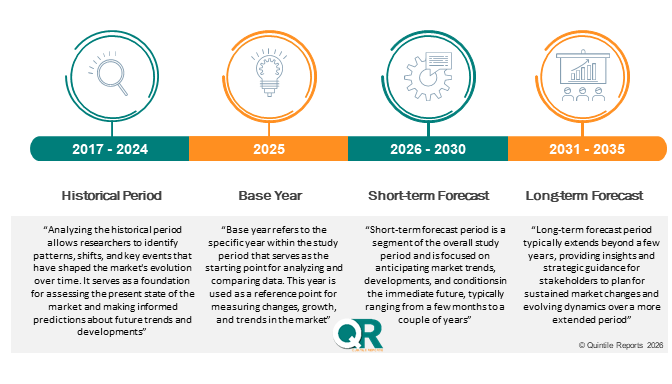
With 2025 as the base year, the Growing Up Milk market is witnessing steady expansion driven by innovation, rising consumer demand, and rapid technological progress. Companies are increasingly refining their go-to-market (GTM) strategies to capture emerging opportunities and respond to shifting market dynamics.
Looking ahead to 2035, the market is expected to sustain its growth momentum, supported by continuous R&D investments, strategic partnerships, and mergers and acquisitions. Businesses that prioritize innovation, agile GTM strategies, and alignment with consumer needs are likely to achieve long-term success. The report delivers detailed insights into key drivers, restraints, opportunities, and challenges across segments, regions, and countries, supported by qualitative and quantitative analysis covering the period from 2017 to 2035.
Historical Analysis (2017-2024): Reviews past market trends, performance metrics, and growth patterns to identify factors shaping current and future market behavior.
Forecast and Projections (2026-2035): Provides forward-looking market estimates, highlighting growth opportunities, emerging trends, and regional developments.
Compound Annual Growth Rate (CAGR): Presents a clear CAGR calculation for 2026-2035, enabling stakeholders to evaluate market growth potential over the forecast period.
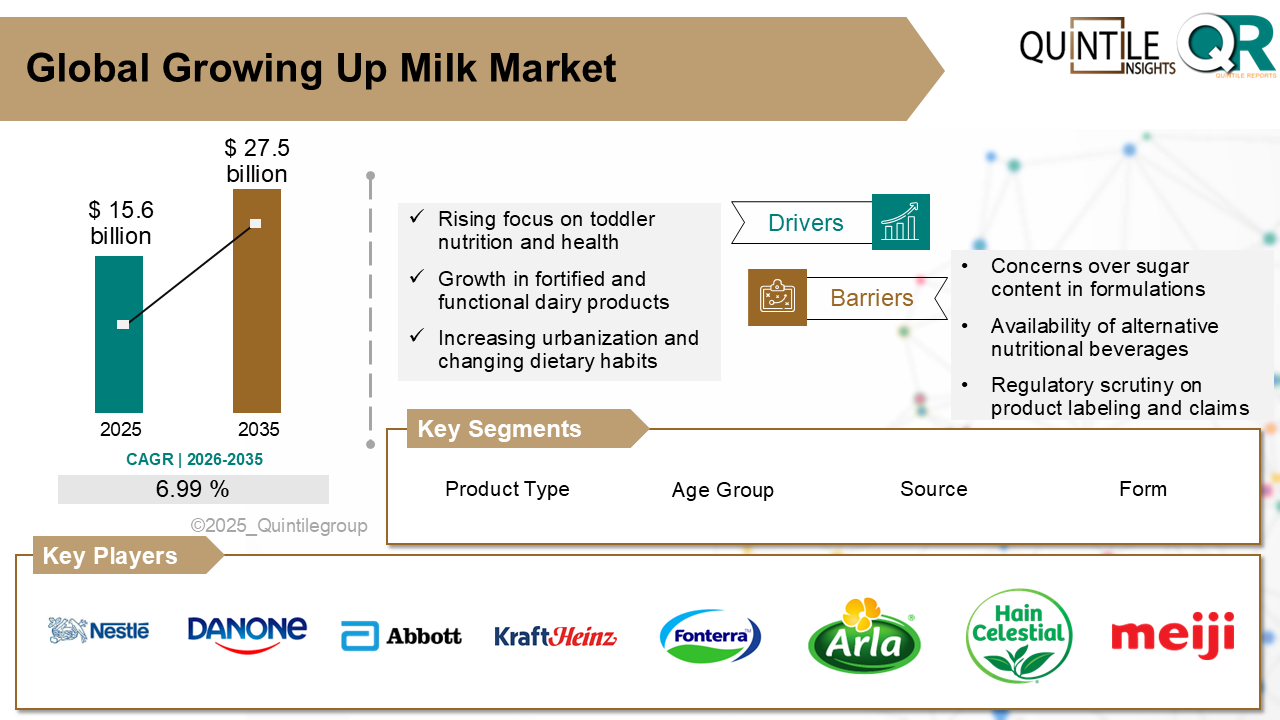
The growing up milk market encompasses the formulation and distribution of nutrient-enriched milk products designed specifically for children aged one to six years. These products are typically made from cows milk or plant-based bases and are fortified with essential nutrients such as iron, calcium, vitamin D, zinc, and DHA. Marketed under names like toddler milk or stage 3 formula, these milks serve as nutritional supplements to support the dietary needs of young children during key stages of physical and cognitive development.
Growing up milk is widely consumed across households, early childhood institutions, and through health programs targeting child nutrition. These products are formulated to address micronutrient deficiencies commonly found in early childhood diets, particularly in regions with dietary gaps. The market has expanded steadily due to evolving parental awareness, increased health consciousness, and the influence of pediatric nutrition guidelines in both emerging and developed economies.
One of the primary drivers of this market is the concern over nutritional adequacy in young children. Micronutrient deficiencies such as iron-deficiency anemia, vitamin D insufficiency, and inadequate calcium intake are prevalent among toddlers worldwide. Growing up milk provides a convenient and palatable solution to fill these nutritional gaps, especially in urban households where dietary diversity may be limited due to busy lifestyles or selective eating habits in children.
The market faces increasing scrutiny from global health organizations. Authorities such as the World Health Organization and national pediatric bodies have raised concerns about the marketing and health claims associated with toddler milk products. In many cases, these bodies argue that the products are unnecessary if children are consuming a balanced diet, and may contain added sugars or ingredients that do not provide substantial benefit.
North America presents a mature market with moderate growth, driven by premium product preferences and interest in organic, clean-label formulations. Parents in the United States and Canada are increasingly attentive to sugar levels and ingredient transparency, leading to greater demand for products that align with holistic health trends. Fortified plant-based options are also gaining visibility in this region.
Europe is seeing steady demand, particularly in Western countries where pediatric nutrition guidelines encourage fortified milk as part of the transition from breastfeeding. Countries such as Germany, France, and the United Kingdom have well-developed retail channels for growing up milk, and regulatory frameworks ensure that only fortified products with approved nutrient profiles are marketed for toddler use.
Asia Pacific dominates the global market in both volume and growth rate. Rapid urbanization, rising middle-class incomes, and high birth rates contribute to strong demand across China, India, Indonesia, and Southeast Asia. Parents in these countries are highly responsive to claims around cognitive development and immunity enhancement, and growing up milk is often viewed as a necessary dietary supplement.
Latin America shows consistent market expansion due to the presence of large young populations and improving access to fortified products. Brazil and Mexico are key contributors, with growing up milk available in supermarkets, pharmacies, and through government-backed nutrition programs. Educational outreach around child development has improved adoption in peri-urban and middle-income communities.
Middle East and Africa represent emerging opportunities. In the Gulf countries, rising awareness and international brand availability are increasing product adoption among affluent consumers. In Sub-Saharan Africa, fortified milk is gradually being introduced through health programs, particularly in areas where malnutrition and vitamin deficiencies are public health priorities.
United States prioritizes low-sugar fortified milk options through retail and pediatric guidance:
In the United States, the growing up milk market is influenced by consumer demand for transparency, low sugar content, and added functional benefits. While some pediatric groups have expressed caution regarding the necessity of toddler milk, market demand continues, especially among working families seeking convenient, nutrient-dense options. Fortified toddler milk is widely available in retail chains and pharmacies, often positioned alongside early childhood nutritional products such as cereals and supplements.
Educational campaigns by health advocacy groups have prompted reformulation of many growing up milk products to reduce sugar and artificial ingredients. These changes have helped maintain consumer trust and align with dietary recommendations. Sales are particularly strong among families that have transitioned from infant formula and prefer to continue using familiar brands with age-specific formulations.
Germany supports regulated fortified milk within early childhood dietary frameworks:
Germany has established a structured environment for growing up milk through clear nutritional guidelines and product regulation. The German Nutrition Society recommends fortified milk for toddlers with specific dietary needs, particularly for vitamin D and iron. Public awareness campaigns have improved understanding of age-appropriate nutrition, encouraging responsible use of growing up milk within balanced diets.
Retail availability is widespread, with products offered in pharmacies, supermarkets, and organic food stores. Formulations that are low in added sugars and free from artificial ingredients are preferred by health-conscious German parents. The country also supports domestic product development through partnerships between dairy cooperatives and child health researchers, resulting in high consumer confidence and consistent product quality.
Japan enhances early childhood development through fortified milk innovation and trust in quality:
Japan's growing up milk market is supported by a high level of public trust in nutrition science and product safety. National guidelines emphasize the importance of appropriate nutrient intake during toddlerhood, and fortified milk is viewed as a practical supplement to home-prepared meals. Domestic producers focus on formulations that support brain development, bone strength, and digestive health, often incorporating DHA, calcium, and oligosaccharides.
Distribution through supermarkets, baby stores, and e-commerce platforms ensures wide accessibility, especially in urban centers. The use of growing up milk is also common in daycare and early education institutions, where nutrition policies align with government health priorities. Japans aging population has not dampened market growth, as continued focus on infant and toddler nutrition remains a national concern.
The growing up milk market is characterized by intense competition among multinational corporations, regional dairy producers, and specialized child nutrition companies. Competitive positioning is strongly influenced by product formulation, regulatory compliance, consumer education, and distribution strategies. Companies differentiate themselves through the scientific rigor of their formulations and their ability to meet diverse nutritional guidelines across countries.
Large producers benefit from global presence, brand trust, and established distribution networks. Their long-standing engagement with pediatricians and public health organizations gives them an advantage in terms of product credibility and shelf space in both retail and institutional channels. These companies also invest heavily in clinical studies to validate their claims and appeal to discerning consumers.
Smaller and regional firms compete by offering products with localized ingredients, culturally preferred flavors, or tailored formulations. These players often enter through niche markets, catering to organic, allergen-free, or plant-based product demands. Their agility allows them to innovate rapidly and respond to shifting consumer trends in real time.
Retail private label brands are gaining traction, particularly in Europe and North America. Supermarkets are launching their own fortified milk lines that are competitively priced and supported by in-store promotion. These offerings have expanded access to growing up milk, especially among value-seeking consumers.
Digital platforms play a significant role in market expansion. E-commerce growth has allowed brands to reach young parents in both urban and rural areas, using subscription models and targeted digital marketing. Educational content, user reviews, and nutritional transparency are essential for success in this channel.
The long-term competitiveness of market participants will depend on their ability to align with evolving health standards, reduce sugar content, and respond to consumer preferences for natural and scientifically supported nutrition. Those capable of maintaining trust through transparent labeling, regulatory alignment, and global-local product strategies are expected to lead market growth.
Key players in the market are Nestl S.A., Danone S.A., Abbott Laboratories, Kraft Heinz Company, Mead Johnson Nutrition Company, Fonterra Co-operative Group Limited, Arla Foods amba, Royal FrieslandCampina N.V., The Hain Celestial Group, Inc., Meiji Holdings Co., Ltd., Bellamys Australia, Topfer, HiPP, Holle, Yashili, and other players.
In November 2023, Nestl has introduced its first product containing Human Milk Oligosaccharides (HMOs) in mainland China, further strengthening its global position in nutrition science. The newly launched product, developed under the Wyeth illuma brand, is a scientifically formulated growing-up milk designed to support early life nutrition.
In October 2024, Danone has unveiled Aptamil KID C-SynB in Malaysia, an innovative growing-up milk formula tailored to meet the specific nutritional requirements of children over the age of one who were born via Caesarean section.
Keep Content as it is, even all the headings questions and all
Our team of experienced researchers has meticulously gathered and analyzed data to deliver a thorough examination of market dynamics, competitive landscape, and emerging technologies. With a focus on delivering actionable intelligence, this report aims to empower decision-makers with the information needed to make informed choices and stay ahead of the competition. Whether you are a seasoned industry player or a new entrant, our market research report serves as a strategic tool to navigate the complexities of the market, aiding in successful business planning and growth strategies.
This chapter of our Growing Up Milk market report provides an in-depth examination of the factors shaping the industry landscape. This section typically encompasses several key elements to offer a comprehensive understanding of the industry landscape such as market drivers & restraints analysis, market opportunities & trend analysis, market size & growth analysis, competitive analysis, SWOT analysis, business environment tools such as Porter's five forces & PESTEL analysis, Ansoff Matrix analysis, penetration & growth prospect analysis, regulatory framework & reimbursement scenario analysis, impact of macro & micro economic factors analysis such as Covid-19 impact, GDP growth, market inflation, U.S.- China trade war, Russia-Ukraine war impact, and supply chain analysis.
The segment analysis chapter of Growing Up Milk market report is a critical section that delves into a detailed examination of the market's various segments. Segmentation involves dividing the market into distinct categories based on certain criteria to better understand and address the diverse needs of consumers. This chapter typically follows the introduction and provides a more granular view of the market, offering valuable insights for businesses and stakeholders. The components of the chapter lude segment definitions to understand the inclusions and exclusions of the study, assumptions, market size estimates and growth trend analysis of each segment, qualitative analysis of the segment, technological advancements, market penetration rate, market adoption rate, market share examination by each segment, segment growth drivers and restraint barriers, consumer behaviour and challenge analysis.
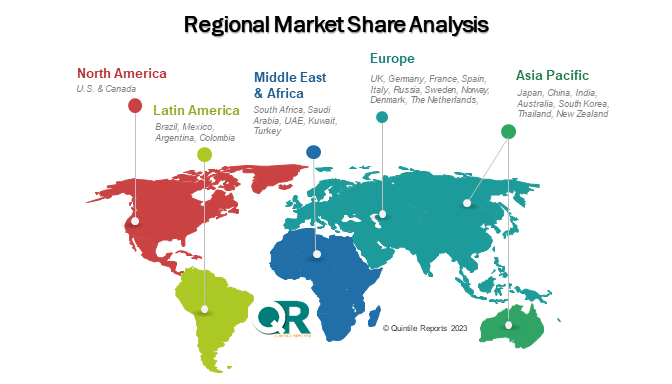
The chapter in Growing Up Milk market research report is a pivotal section that examines and predicts the market dynamics and trends specific to different geographical regions. This chapter is crucial for businesses and stakeholders seeking a comprehensive understanding of how the market behaves across various locations, enabling them to tailor strategies and make informed decisions based on regional variations. The regional analysis chapter of our Growing Up Milk market report is classified into regions & country-level. The chapter consists of North America (U.S., Canada), Europe (UK, Germany, France, Italy, Spain, Russia, Sweden, Denmark, Norway, Rest of Europe), Asia Pacific (Japan, China, India, Australia, South Korea, Thailand, Rest of Asia Pacific), Latin America (Brazil, Mexico, Argentina, Colombia, Rest of Latin America), Middle East & Africa (South Africa, Saudi Arabia, UAE, Kuwait, Rest of Middle East & Africa).
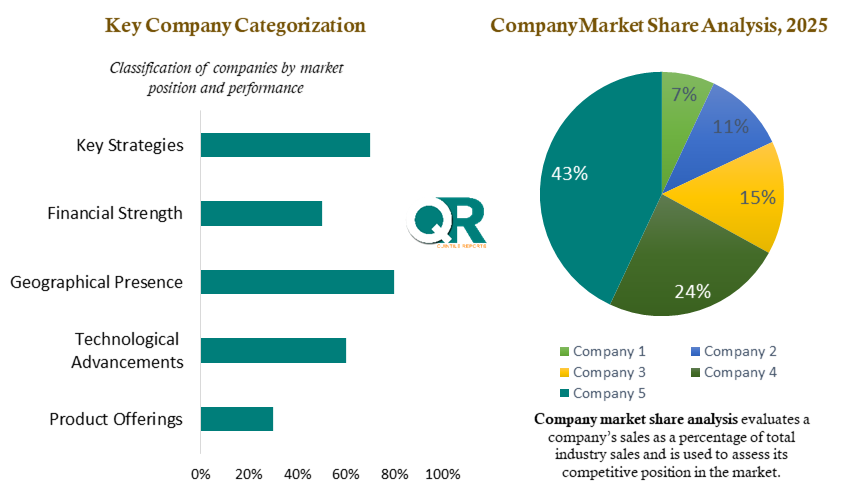
This section of a Growing Up Milk market report is a crucial segment that provides a comprehensive overview of the competitive landscape within the market. This section is vital for businesses, investors, and stakeholders seeking insights into key players, their market positioning, strengths, weaknesses, strategies, and potential impacts on the overall market dynamics. The chapter includes research methodology used to analyse the market competition, list of key players operating in the market, detailed company profile section which includes company overview, business verticals, financial performance, product/services benchmarking, geographical presence, and strategic initiatives.
| Report Scope | Details |
| Report Version | 2026 |
| Growth Rate | CAGR of 6.99 from 2026 to 2035 |
| Base year | 2025 |
| Actual estimates/Historical data | 2017 - 2024 |
| Forecast period | 2026 - 2035 |
| Quantitative units | Revenue in USD million/billion & CAGR from 2026 to 2035 |
| Country scope | North America (U.S., Canada), Europe (UK, Germany, France, Italy, Spain, Russia, Sweden, Denmark, Norway, Rest of Europe), Asia Pacific (Japan, China, India, Australia, South Korea, Thailand, Rest of Asia Pacific), Latin America (Brazil, Mexico, Argentina, Colombia, Rest of Latin America), Middle East & Africa (South Africa, Saudi Arabia, UAE, Kuwait, Rest of Middle East & Africa). |
| The Segment covered by Product Type & Source |
|
| The Segment covered by Age Group |
|
| Companies covered |
|
| Report coverage | Revenue forecast, company share, competitive landscape, growth factors, and trends |
| Free customization scope (equivalent to 5 analyst working days) | If you need specific information, which is not currently within the scope of the report, we will provide it to you as a part of the customization |

Statistics for the 2025 Growing Up Milk market share, size, and revenue growth rate were created by Quintile Report™. Growing Up Milk analysis includes a market forecast outlook for 2035 and a historical overview. Get a free PDF sample of this market analysis, please get in touch with our principal analyst at sales@quintilereports.com
List of Tables
Table 1 List of Abbreviation and acronyms
Table 2 List of Sources
Table 3 North America Global Growing Up Milk Market, by Segment Analysis, (USD Million) 2017-2035
Table 4 North America Global Growing Up Milk Market, by Region, (USD Million) 2017-2035
Table 5 U.S. Global Growing Up Milk Market, by Segment Analysis, (USD Million) 2017-2035
Table 6 Canada Global Growing Up Milk Market, by Segment Analysis, (USD Million) 2017-2035
Table 7 Europe Global Growing Up Milk Market, by Segment Analysis, (USD Million) 2017-2035
Table 8 Europe Global Growing Up Milk Market, by Region, (USD Million) 2017-2035
Table 9 Germany Global Growing Up Milk Market, by Segment Analysis, (USD Million) 2017-2035
Table 10 U.K. Global Growing Up Milk Market, by Segment Analysis, (USD Million) 2017-2035
Table 11 France Global Growing Up Milk Market, by Segment Analysis, (USD Million) 2017-2035
Table 12 Italy Global Growing Up Milk Market, by Segment Analysis, (USD Million) 2017-2035
Table 13 Spain Global Growing Up Milk Market, by Segment Analysis, (USD Million) 2017-2035
Table 14 Sweden Global Growing Up Milk Market, by Segment Analysis, (USD Million) 2017-2035
Table 15 Denmark Global Growing Up Milk Market, by Segment Analysis, (USD Million) 2017-2035
Table 16 Norway Global Growing Up Milk Market, by Segment Analysis, (USD Million) 2017-2035
Table 17 The Netherlands Global Growing Up Milk Market, by Segment Analysis, (USD Million) 2017-2035
Table 18 Russia Global Growing Up Milk Market, by Segment Analysis, (USD Million) 2017-2035
Table 19 Asia Pacific Global Growing Up Milk Market, by Segment Analysis, (USD Million) 2017-2035
Table 20 Asia Pacific Global Growing Up Milk Market, by Region, (USD Million) 2017-2035
Table 21 China Global Growing Up Milk Market, by Segment Analysis, (USD Million) 2017-2035
Table 22 Japan Global Growing Up Milk Market, by Segment Analysis, (USD Million) 2017-2035
Table 23 India Global Growing Up Milk Market, by Segment Analysis, (USD Million) 2017-2035
Table 24 Australia Global Growing Up Milk Market, by Segment Analysis, (USD Million) 2017-2035
Table 25 South Korea Global Growing Up Milk Market, by Segment Analysis, (USD Million) 2017-2035
Table 26 Thailand Global Growing Up Milk Market, by Segment Analysis, (USD Million) 2017-2035
Table 27 Latin America Global Growing Up Milk Market, by Segment Analysis, (USD Million) 2017-2035
Table 28 Latin America Global Growing Up Milk Market, by Region, (USD Million) 2017-2035
Table 29 Brazil Global Growing Up Milk Market, by Segment Analysis, (USD Million) 2017-2035
Table 30 Mexico Global Growing Up Milk Market, by Segment Analysis, (USD Million) 2017-2035
Table 31 Argentina Global Growing Up Milk Market, by Segment Analysis, (USD Million) 2017-2035
Table 32 Middle East and Africa Global Growing Up Milk Market, by Segment Analysis, (USD Million) 2017-2035
Table 33 Middle East and Africa Global Growing Up Milk Market, by Region, (USD Million) 2017-2035
Table 34 South Africa Global Growing Up Milk Market, by Segment Analysis, (USD Million) 2017-2035
Table 35 Saudi Arabia Global Growing Up Milk Market, by Segment Analysis, (USD Million) 2017-2035
Table 36 UAE Global Growing Up Milk Market, by Segment Analysis, (USD Million) 2017-2035
Table 37 Kuwait Global Growing Up Milk Market, by Segment Analysis, (USD Million) 2017-2035
Table 38 Turkey Global Growing Up Milk Market, by Segment Analysis, (USD Million) 2017-2035
Fig.1 Market research process
Fig.2 Market research approaches
Fig.3 Global Growing Up Milk Market: market scenario
Fig.4 Global Growing Up Milk Market competitive outlook
Fig.5 Global Growing Up Milk Market driver analysis
Fig.6 Global Growing Up Milk Market restraint analysis
Fig.7 Global Growing Up Milk Market opportunity analysis
Fig.8 Global Growing Up Milk Market trends analysis
Fig.9 Global Growing Up Milk Market: Segment Analysis (Based on the scope)
Fig.10 Global Growing Up Milk Market: regional analysis
Fig.11 Global market shares and leading market players
Fig.12 North America market share and leading players
Fig.13 Europe market share and leading players
Fig.14 Asia Pacific market share and leading players
Fig.15 Latin America market share and leading players
Fig.16 Middle East & Africa market share and leading players
Fig.17 North America, by country
Fig.18 North America
Fig.19 North America market estimates and forecast, 2017-2035
Fig.20 U.S.
Fig.21 Canada
Fig.22 Europe
Fig.23 Europe market estimates and forecast, 2017-2035
Fig.24 U.K.
Fig.25 Germany
Fig.26 France
Fig.27 Italy
Fig.28 Spain
Fig.29 Sweden
Fig.30 Denmark
Fig.31 Norway
Fig.32 The Netherlands
Fig.33 Russia
Fig.34 Asia Pacific
Fig.35 Asia Pacific market estimates and forecast, 2017-2035
Fig.36 China
Fig.37 Japan
Fig.38 India
Fig.39 Australia
Fig.40 South Korea
Fig.41 Thailand
Fig.42 Latin America
Fig.43 Latin America market estimates and forecast, 2017-2035
Fig.44 Brazil
Fig.45 Mexico
Fig.46 Argentina
Fig.47 Colombia
Fig.48 Middle East and Africa
Fig.49 Middle East and Africa market estimates and forecast, 2017-2035
Fig.50 Saudi Arabia
Fig.51 South Africa
Fig.52 UAE
Fig.53 Kuwait
Fig.54 Turkey
The Global Growing Up Milk Market was estimated at USD 15.6 billion in 2025 and is projected to reach USD 27.5 billion by 2035, growing at a robust CAGR of 6.99% during the forecast period from 2026 to 2035. The Growing Up Milk market report provides a comprehensive industry assessment, analyzing economic conditions, technological advancements, regulatory frameworks, and evolving consumer behavior to deliver a clear view of future growth potential.
With 2025 as the base year, the Growing Up Milk market is witnessing steady expansion driven by innovation, rising consumer demand, and rapid technological progress. Companies are increasingly refining their go-to-market (GTM) strategies to capture emerging opportunities and respond to shifting market dynamics.
Looking ahead to 2035, the market is expected to sustain its growth momentum, supported by continuous R&D investments, strategic partnerships, and mergers and acquisitions. Businesses that prioritize innovation, agile GTM strategies, and alignment with consumer needs are likely to achieve long-term success. The report delivers detailed insights into key drivers, restraints, opportunities, and challenges across segments, regions, and countries, supported by qualitative and quantitative analysis covering the period from 2017 to 2035.
Historical Analysis (2017-2024): Reviews past market trends, performance metrics, and growth patterns to identify factors shaping current and future market behavior.
Forecast and Projections (2026-2035): Provides forward-looking market estimates, highlighting growth opportunities, emerging trends, and regional developments.
Compound Annual Growth Rate (CAGR): Presents a clear CAGR calculation for 2026-2035, enabling stakeholders to evaluate market growth potential over the forecast period.
The growing up milk market encompasses the formulation and distribution of nutrient-enriched milk products designed specifically for children aged one to six years. These products are typically made from cows milk or plant-based bases and are fortified with essential nutrients such as iron, calcium, vitamin D, zinc, and DHA. Marketed under names like toddler milk or stage 3 formula, these milks serve as nutritional supplements to support the dietary needs of young children during key stages of physical and cognitive development.
Growing up milk is widely consumed across households, early childhood institutions, and through health programs targeting child nutrition. These products are formulated to address micronutrient deficiencies commonly found in early childhood diets, particularly in regions with dietary gaps. The market has expanded steadily due to evolving parental awareness, increased health consciousness, and the influence of pediatric nutrition guidelines in both emerging and developed economies.
One of the primary drivers of this market is the concern over nutritional adequacy in young children. Micronutrient deficiencies such as iron-deficiency anemia, vitamin D insufficiency, and inadequate calcium intake are prevalent among toddlers worldwide. Growing up milk provides a convenient and palatable solution to fill these nutritional gaps, especially in urban households where dietary diversity may be limited due to busy lifestyles or selective eating habits in children.
The market faces increasing scrutiny from global health organizations. Authorities such as the World Health Organization and national pediatric bodies have raised concerns about the marketing and health claims associated with toddler milk products. In many cases, these bodies argue that the products are unnecessary if children are consuming a balanced diet, and may contain added sugars or ingredients that do not provide substantial benefit.
North America presents a mature market with moderate growth, driven by premium product preferences and interest in organic, clean-label formulations. Parents in the United States and Canada are increasingly attentive to sugar levels and ingredient transparency, leading to greater demand for products that align with holistic health trends. Fortified plant-based options are also gaining visibility in this region.
Europe is seeing steady demand, particularly in Western countries where pediatric nutrition guidelines encourage fortified milk as part of the transition from breastfeeding. Countries such as Germany, France, and the United Kingdom have well-developed retail channels for growing up milk, and regulatory frameworks ensure that only fortified products with approved nutrient profiles are marketed for toddler use.
Asia Pacific dominates the global market in both volume and growth rate. Rapid urbanization, rising middle-class incomes, and high birth rates contribute to strong demand across China, India, Indonesia, and Southeast Asia. Parents in these countries are highly responsive to claims around cognitive development and immunity enhancement, and growing up milk is often viewed as a necessary dietary supplement.
Latin America shows consistent market expansion due to the presence of large young populations and improving access to fortified products. Brazil and Mexico are key contributors, with growing up milk available in supermarkets, pharmacies, and through government-backed nutrition programs. Educational outreach around child development has improved adoption in peri-urban and middle-income communities.
Middle East and Africa represent emerging opportunities. In the Gulf countries, rising awareness and international brand availability are increasing product adoption among affluent consumers. In Sub-Saharan Africa, fortified milk is gradually being introduced through health programs, particularly in areas where malnutrition and vitamin deficiencies are public health priorities.
United States prioritizes low-sugar fortified milk options through retail and pediatric guidance:
In the United States, the growing up milk market is influenced by consumer demand for transparency, low sugar content, and added functional benefits. While some pediatric groups have expressed caution regarding the necessity of toddler milk, market demand continues, especially among working families seeking convenient, nutrient-dense options. Fortified toddler milk is widely available in retail chains and pharmacies, often positioned alongside early childhood nutritional products such as cereals and supplements.
Educational campaigns by health advocacy groups have prompted reformulation of many growing up milk products to reduce sugar and artificial ingredients. These changes have helped maintain consumer trust and align with dietary recommendations. Sales are particularly strong among families that have transitioned from infant formula and prefer to continue using familiar brands with age-specific formulations.
Germany supports regulated fortified milk within early childhood dietary frameworks:
Germany has established a structured environment for growing up milk through clear nutritional guidelines and product regulation. The German Nutrition Society recommends fortified milk for toddlers with specific dietary needs, particularly for vitamin D and iron. Public awareness campaigns have improved understanding of age-appropriate nutrition, encouraging responsible use of growing up milk within balanced diets.
Retail availability is widespread, with products offered in pharmacies, supermarkets, and organic food stores. Formulations that are low in added sugars and free from artificial ingredients are preferred by health-conscious German parents. The country also supports domestic product development through partnerships between dairy cooperatives and child health researchers, resulting in high consumer confidence and consistent product quality.
Japan enhances early childhood development through fortified milk innovation and trust in quality:
Japan's growing up milk market is supported by a high level of public trust in nutrition science and product safety. National guidelines emphasize the importance of appropriate nutrient intake during toddlerhood, and fortified milk is viewed as a practical supplement to home-prepared meals. Domestic producers focus on formulations that support brain development, bone strength, and digestive health, often incorporating DHA, calcium, and oligosaccharides.
Distribution through supermarkets, baby stores, and e-commerce platforms ensures wide accessibility, especially in urban centers. The use of growing up milk is also common in daycare and early education institutions, where nutrition policies align with government health priorities. Japans aging population has not dampened market growth, as continued focus on infant and toddler nutrition remains a national concern.
The growing up milk market is characterized by intense competition among multinational corporations, regional dairy producers, and specialized child nutrition companies. Competitive positioning is strongly influenced by product formulation, regulatory compliance, consumer education, and distribution strategies. Companies differentiate themselves through the scientific rigor of their formulations and their ability to meet diverse nutritional guidelines across countries.
Large producers benefit from global presence, brand trust, and established distribution networks. Their long-standing engagement with pediatricians and public health organizations gives them an advantage in terms of product credibility and shelf space in both retail and institutional channels. These companies also invest heavily in clinical studies to validate their claims and appeal to discerning consumers.
Smaller and regional firms compete by offering products with localized ingredients, culturally preferred flavors, or tailored formulations. These players often enter through niche markets, catering to organic, allergen-free, or plant-based product demands. Their agility allows them to innovate rapidly and respond to shifting consumer trends in real time.
Retail private label brands are gaining traction, particularly in Europe and North America. Supermarkets are launching their own fortified milk lines that are competitively priced and supported by in-store promotion. These offerings have expanded access to growing up milk, especially among value-seeking consumers.
Digital platforms play a significant role in market expansion. E-commerce growth has allowed brands to reach young parents in both urban and rural areas, using subscription models and targeted digital marketing. Educational content, user reviews, and nutritional transparency are essential for success in this channel.
The long-term competitiveness of market participants will depend on their ability to align with evolving health standards, reduce sugar content, and respond to consumer preferences for natural and scientifically supported nutrition. Those capable of maintaining trust through transparent labeling, regulatory alignment, and global-local product strategies are expected to lead market growth.
Key players in the market are Nestl S.A., Danone S.A., Abbott Laboratories, Kraft Heinz Company, Mead Johnson Nutrition Company, Fonterra Co-operative Group Limited, Arla Foods amba, Royal FrieslandCampina N.V., The Hain Celestial Group, Inc., Meiji Holdings Co., Ltd., Bellamys Australia, Topfer, HiPP, Holle, Yashili, and other players.
In November 2023, Nestl has introduced its first product containing Human Milk Oligosaccharides (HMOs) in mainland China, further strengthening its global position in nutrition science. The newly launched product, developed under the Wyeth illuma brand, is a scientifically formulated growing-up milk designed to support early life nutrition.
In October 2024, Danone has unveiled Aptamil KID C-SynB in Malaysia, an innovative growing-up milk formula tailored to meet the specific nutritional requirements of children over the age of one who were born via Caesarean section.
Keep Content as it is, even all the headings questions and all
Our team of experienced researchers has meticulously gathered and analyzed data to deliver a thorough examination of market dynamics, competitive landscape, and emerging technologies. With a focus on delivering actionable intelligence, this report aims to empower decision-makers with the information needed to make informed choices and stay ahead of the competition. Whether you are a seasoned industry player or a new entrant, our market research report serves as a strategic tool to navigate the complexities of the market, aiding in successful business planning and growth strategies.
This chapter of our Growing Up Milk market report provides an in-depth examination of the factors shaping the industry landscape. This section typically encompasses several key elements to offer a comprehensive understanding of the industry landscape such as market drivers & restraints analysis, market opportunities & trend analysis, market size & growth analysis, competitive analysis, SWOT analysis, business environment tools such as Porter's five forces & PESTEL analysis, Ansoff Matrix analysis, penetration & growth prospect analysis, regulatory framework & reimbursement scenario analysis, impact of macro & micro economic factors analysis such as Covid-19 impact, GDP growth, market inflation, U.S.- China trade war, Russia-Ukraine war impact, and supply chain analysis.
The segment analysis chapter of Growing Up Milk market report is a critical section that delves into a detailed examination of the market's various segments. Segmentation involves dividing the market into distinct categories based on certain criteria to better understand and address the diverse needs of consumers. This chapter typically follows the introduction and provides a more granular view of the market, offering valuable insights for businesses and stakeholders. The components of the chapter lude segment definitions to understand the inclusions and exclusions of the study, assumptions, market size estimates and growth trend analysis of each segment, qualitative analysis of the segment, technological advancements, market penetration rate, market adoption rate, market share examination by each segment, segment growth drivers and restraint barriers, consumer behaviour and challenge analysis.
The chapter in Growing Up Milk market research report is a pivotal section that examines and predicts the market dynamics and trends specific to different geographical regions. This chapter is crucial for businesses and stakeholders seeking a comprehensive understanding of how the market behaves across various locations, enabling them to tailor strategies and make informed decisions based on regional variations. The regional analysis chapter of our Growing Up Milk market report is classified into regions & country-level. The chapter consists of North America (U.S., Canada), Europe (UK, Germany, France, Italy, Spain, Russia, Sweden, Denmark, Norway, Rest of Europe), Asia Pacific (Japan, China, India, Australia, South Korea, Thailand, Rest of Asia Pacific), Latin America (Brazil, Mexico, Argentina, Colombia, Rest of Latin America), Middle East & Africa (South Africa, Saudi Arabia, UAE, Kuwait, Rest of Middle East & Africa).
This section of a Growing Up Milk market report is a crucial segment that provides a comprehensive overview of the competitive landscape within the market. This section is vital for businesses, investors, and stakeholders seeking insights into key players, their market positioning, strengths, weaknesses, strategies, and potential impacts on the overall market dynamics. The chapter includes research methodology used to analyse the market competition, list of key players operating in the market, detailed company profile section which includes company overview, business verticals, financial performance, product/services benchmarking, geographical presence, and strategic initiatives.
| Report Scope | Details |
| Report Version | 2026 |
| Growth Rate | CAGR of 6.99 from 2026 to 2035 |
| Base year | 2025 |
| Actual estimates/Historical data | 2017 - 2024 |
| Forecast period | 2026 - 2035 |
| Quantitative units | Revenue in USD million/billion & CAGR from 2026 to 2035 |
| Country scope | North America (U.S., Canada), Europe (UK, Germany, France, Italy, Spain, Russia, Sweden, Denmark, Norway, Rest of Europe), Asia Pacific (Japan, China, India, Australia, South Korea, Thailand, Rest of Asia Pacific), Latin America (Brazil, Mexico, Argentina, Colombia, Rest of Latin America), Middle East & Africa (South Africa, Saudi Arabia, UAE, Kuwait, Rest of Middle East & Africa). |
| The Segment covered by Product Type & Source |
|
| The Segment covered by Age Group |
|
| Companies covered |
|
| Report coverage | Revenue forecast, company share, competitive landscape, growth factors, and trends |
| Free customization scope (equivalent to 5 analyst working days) | If you need specific information, which is not currently within the scope of the report, we will provide it to you as a part of the customization |
Statistics for the 2025 Growing Up Milk market share, size, and revenue growth rate were created by Quintile Report™. Growing Up Milk analysis includes a market forecast outlook for 2035 and a historical overview. Get a free PDF sample of this market analysis, please get in touch with our principal analyst at sales@quintilereports.com
Table 1 List of Abbreviation and acronyms
Table 2 List of Sources
Table 3 North America Global Growing Up Milk Market, by Segment Analysis, (USD Million) 2017-2035
Table 4 North America Global Growing Up Milk Market, by Region, (USD Million) 2017-2035
Table 5 U.S. Global Growing Up Milk Market, by Segment Analysis, (USD Million) 2017-2035
Table 6 Canada Global Growing Up Milk Market, by Segment Analysis, (USD Million) 2017-2035
Table 7 Europe Global Growing Up Milk Market, by Segment Analysis, (USD Million) 2017-2035
Table 8 Europe Global Growing Up Milk Market, by Region, (USD Million) 2017-2035
Table 9 Germany Global Growing Up Milk Market, by Segment Analysis, (USD Million) 2017-2035
Table 10 U.K. Global Growing Up Milk Market, by Segment Analysis, (USD Million) 2017-2035
Table 11 France Global Growing Up Milk Market, by Segment Analysis, (USD Million) 2017-2035
Table 12 Italy Global Growing Up Milk Market, by Segment Analysis, (USD Million) 2017-2035
Table 13 Spain Global Growing Up Milk Market, by Segment Analysis, (USD Million) 2017-2035
Table 14 Sweden Global Growing Up Milk Market, by Segment Analysis, (USD Million) 2017-2035
Table 15 Denmark Global Growing Up Milk Market, by Segment Analysis, (USD Million) 2017-2035
Table 16 Norway Global Growing Up Milk Market, by Segment Analysis, (USD Million) 2017-2035
Table 17 The Netherlands Global Growing Up Milk Market, by Segment Analysis, (USD Million) 2017-2035
Table 18 Russia Global Growing Up Milk Market, by Segment Analysis, (USD Million) 2017-2035
Table 19 Asia Pacific Global Growing Up Milk Market, by Segment Analysis, (USD Million) 2017-2035
Table 20 Asia Pacific Global Growing Up Milk Market, by Region, (USD Million) 2017-2035
Table 21 China Global Growing Up Milk Market, by Segment Analysis, (USD Million) 2017-2035
Table 22 Japan Global Growing Up Milk Market, by Segment Analysis, (USD Million) 2017-2035
Table 23 India Global Growing Up Milk Market, by Segment Analysis, (USD Million) 2017-2035
Table 24 Australia Global Growing Up Milk Market, by Segment Analysis, (USD Million) 2017-2035
Table 25 South Korea Global Growing Up Milk Market, by Segment Analysis, (USD Million) 2017-2035
Table 26 Thailand Global Growing Up Milk Market, by Segment Analysis, (USD Million) 2017-2035
Table 27 Latin America Global Growing Up Milk Market, by Segment Analysis, (USD Million) 2017-2035
Table 28 Latin America Global Growing Up Milk Market, by Region, (USD Million) 2017-2035
Table 29 Brazil Global Growing Up Milk Market, by Segment Analysis, (USD Million) 2017-2035
Table 30 Mexico Global Growing Up Milk Market, by Segment Analysis, (USD Million) 2017-2035
Table 31 Argentina Global Growing Up Milk Market, by Segment Analysis, (USD Million) 2017-2035
Table 32 Middle East and Africa Global Growing Up Milk Market, by Segment Analysis, (USD Million) 2017-2035
Table 33 Middle East and Africa Global Growing Up Milk Market, by Region, (USD Million) 2017-2035
Table 34 South Africa Global Growing Up Milk Market, by Segment Analysis, (USD Million) 2017-2035
Table 35 Saudi Arabia Global Growing Up Milk Market, by Segment Analysis, (USD Million) 2017-2035
Table 36 UAE Global Growing Up Milk Market, by Segment Analysis, (USD Million) 2017-2035
Table 37 Kuwait Global Growing Up Milk Market, by Segment Analysis, (USD Million) 2017-2035
Table 38 Turkey Global Growing Up Milk Market, by Segment Analysis, (USD Million) 2017-2035
Fig.1 Market research process
Fig.2 Market research approaches
Fig.3 Global Growing Up Milk Market: market scenario
Fig.4 Global Growing Up Milk Market competitive outlook
Fig.5 Global Growing Up Milk Market driver analysis
Fig.6 Global Growing Up Milk Market restraint analysis
Fig.7 Global Growing Up Milk Market opportunity analysis
Fig.8 Global Growing Up Milk Market trends analysis
Fig.9 Global Growing Up Milk Market: Segment Analysis (Based on the scope)
Fig.10 Global Growing Up Milk Market: regional analysis
Fig.11 Global market shares and leading market players
Fig.12 North America market share and leading players
Fig.13 Europe market share and leading players
Fig.14 Asia Pacific market share and leading players
Fig.15 Latin America market share and leading players
Fig.16 Middle East & Africa market share and leading players
Fig.17 North America, by country
Fig.18 North America
Fig.19 North America market estimates and forecast, 2017-2035
Fig.20 U.S.
Fig.21 Canada
Fig.22 Europe
Fig.23 Europe market estimates and forecast, 2017-2035
Fig.24 U.K.
Fig.25 Germany
Fig.26 France
Fig.27 Italy
Fig.28 Spain
Fig.29 Sweden
Fig.30 Denmark
Fig.31 Norway
Fig.32 The Netherlands
Fig.33 Russia
Fig.34 Asia Pacific
Fig.35 Asia Pacific market estimates and forecast, 2017-2035
Fig.36 China
Fig.37 Japan
Fig.38 India
Fig.39 Australia
Fig.40 South Korea
Fig.41 Thailand
Fig.42 Latin America
Fig.43 Latin America market estimates and forecast, 2017-2035
Fig.44 Brazil
Fig.45 Mexico
Fig.46 Argentina
Fig.47 Colombia
Fig.48 Middle East and Africa
Fig.49 Middle East and Africa market estimates and forecast, 2017-2035
Fig.50 Saudi Arabia
Fig.51 South Africa
Fig.52 UAE
Fig.53 Kuwait
Fig.54 Turkey

A license granted to one user. Rules or conditions might be applied for e.g. the use of electric files (PDFs) or printings, depending on product.
A license granted to multiple users.
A license granted to a single business site/establishment.
A license granted to all employees within organisation access to the product.
Immediate / Within 24-48 hours - Working days
Online Payments with PayPal and CCavenue
You can order a report by picking any of the payment methods which is bank wire or online payment through any Debit/Credit card or PayPal.
Hard Copy
Report Descriptions: The Global Non-GMO Flour Market was estimated at USD 72.87 billion in 2025 and
Read MoreReport Descriptions: The Global Mineral Ingredients Market was estimated at USD 8.12 billion in 2025
Read MoreReport Descriptions: The Global Feeding Distiller Dried Grains with Solubles (DGDS) Market was estim
Read More U.S. : +1-201-772-7734