The Global Canned Cocktails Market was estimated at USD 54.25 billion in 2025 and is projected to reach USD 325.5 billion by 2035, growing at a robust CAGR of 20.89% during the forecast period from 2026 to 2035. The Canned Cocktails market report provides a comprehensive industry assessment, analyzing economic conditions, technological advancements, regulatory frameworks, and evolving consumer behavior to deliver a clear view of future growth potential.
With 2025 as the base year, the Canned Cocktails market is witnessing steady expansion driven by innovation, rising consumer demand, and rapid technological progress. Companies are increasingly refining their go-to-market (GTM) strategies to capture emerging opportunities and respond to shifting market dynamics.
Looking ahead to 2035, the market is expected to sustain its growth momentum, supported by continuous R&D investments, strategic partnerships, and mergers and acquisitions. Businesses that prioritize innovation, agile GTM strategies, and alignment with consumer needs are likely to achieve long-term success. The report delivers detailed insights into key drivers, restraints, opportunities, and challenges across segments, regions, and countries, supported by qualitative and quantitative analysis covering the period from 2017 to 2035.
Historical Analysis (2017–2024): Reviews past market trends, performance metrics, and growth patterns to identify factors shaping current and future market behavior.
Forecast and Projections (2026–2035): Provides forward-looking market estimates, highlighting growth opportunities, emerging trends, and regional developments.
Compound Annual Growth Rate (CAGR): Presents a clear CAGR calculation for 2026–2035, enabling stakeholders to evaluate market growth potential over the forecast period.
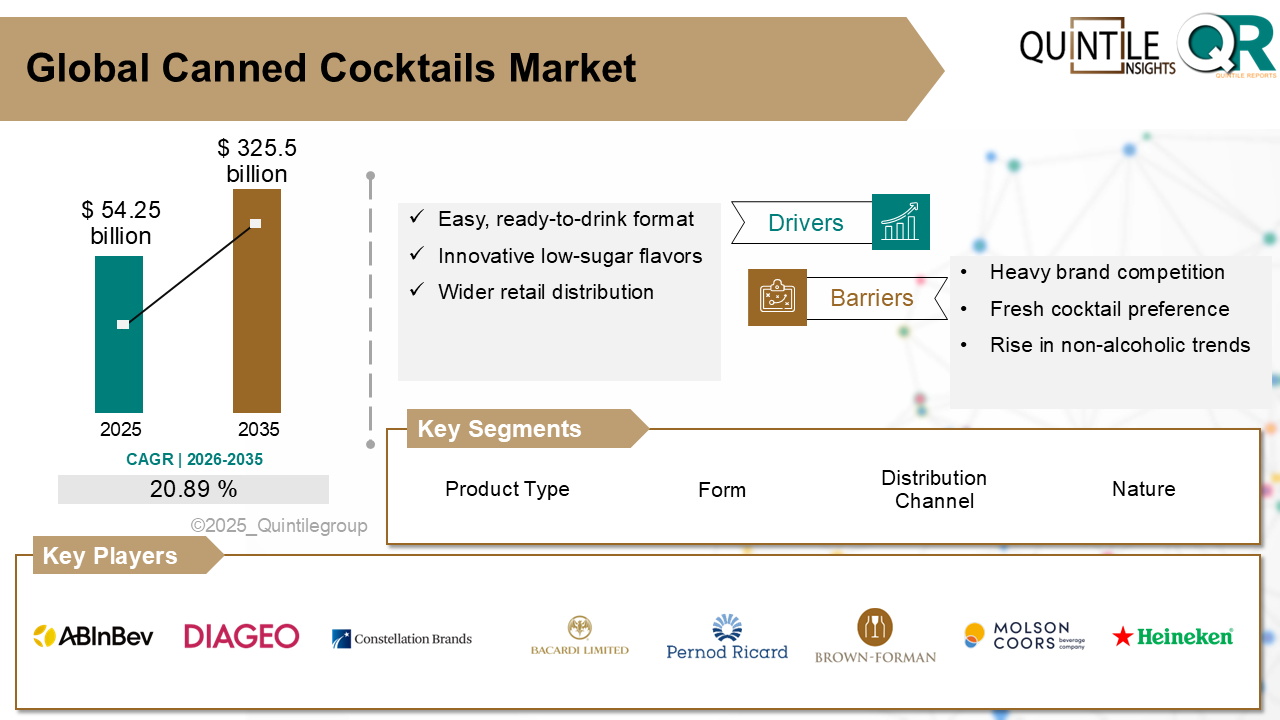
Canned Cocktails Market
The canned cocktails market refers to the global and regional market for pre-mixed, ready-to-drink (RTD) alcoholic beverages packaged in single-serve cans. This market encompasses both spirit-based cocktails and malt- or wine-based versions, offered in a variety of flavours and formulations (e.g. low-calorie, eco-conscious, organic) for on-the-go consumption. These products serve distribution channels including retail stores, bars and restaurants, e-commerce platforms, and direct-to-consumer delivery services, targeting consumers who seek the convenience and consistency of bar-quality drinks without the need for bartending or mixing.
Traditionally, RTD cocktails were niche products, often malt-based and perceived as lower quality compared to freshly mixed drinks. However, the market has rapidly evolved to feature premium spirit-based selections developed by major beverage companies (Diageo, AB InBev, Suntory, Bacardi, Molson Coors) and craft brands collaborating with mixologists to offer sophisticated flavour profiles. Recent developments include expanded flavour innovation (botanicals, exotic blends), growth in lower-alcohol and non-alcoholic options, sustainable and eye-catching can packaging, and increased online or subscription-based sales. Regulatory dynamics such as easing of RTD laws in regions like Texas, along with surging popularity among Millennials and Gen Z, are accelerating growth and driving market intensity.
What are the drivers of the canned cocktails market?Active lifestyles and immediacy needs have driven the popularity of canned cocktails. On-premise and at-home consumers appreciate the convenience of the pre-mixed product, no mixing, bartender skill, or cleanup involved making it perfect for parties and home drinking.
Shelf-stable cocktails are now being sold in an array of sophisticated flavours and spirits—margaritas, mojitos, and negronis; botanical gin suspensions and spiced rum assemblies. Premium and craft brands provide high-end ingredients, distinctive profiles, low-sugar and low-calorie products, and innovative packaging that appeal to cocktail-conscious customers.
Bartenders, restaurants, bars, and online liquor stores have all jumped onto canned cocktails in a hurry. Their shelf life and convenience have led them to become bestsellers in music festivals, beachside bars, food courts, and food delivery apps. Direct-to-consumer subscriptions and expertly designed cocktail kits have taken market penetration one step further.
With consumers trending toward moderation and conscious drinking, low-ABV canned spirits and mocktails without alcohol are on the rise. Natural ingredients, botanical extracts, and open-label claims are being used by brands to access the clean-label and wellness-inclined demands.
Legislative changes in alcohol policy and packaging rules in the United States, Europe, and some countries in Asia have made it convenient to manufacture, distribute, and sell canned cocktails.
What are the challenges and restraining factors of the canned cocktails market?Canned cocktails have to adhere to patchwork state liquor legislation, e.g., distribution, alcohol strength limit, and labelling regulations. This disparate jurisdictions requirement creates massive compliance expense and slows market entry, especially for new brand launches. Tariffs for aluminium cans also contribute to packaging expense.
Most customers associate canned cocktails with low quality when compared to fresh, bartender-prepared cocktails. This limits mass adoption and forces brands to spend extravagantly on marketing and quality positioning to change perceptions.
Sudden inundation of both big beverage firms and numerous specialist brands has resulted in crowded store shelves, making product differentiation a challenge. Small brands, especially, have to spend a lot on marketing to differentiate themselves, with industry behemoths controlling distribution channels.
What are the regional trends of the canned cocktails market?North America leads the canned cocktail market, driven by strong cocktail culture, premium RTD innovation, and broad retail and e-commerce distribution.
Europe is a mature but growing market, blending pub culture with premium craft RTDs, recyclable packaging, and rising Gen Z acceptance.
Asia-Pacific is the fastest-growing region, led by Japan, South Korea, and China, supported by Western drinking trends and a rising middle class.
Latin America shows steady growth from urban consumers, with affordable offerings and early-stage premiumization.
Middle East & Africa remains nascent, driven by imports for tourists and expats, with a focus on premium and sustainable products.
Country-Wise Outlook:Convenience & Premiumization Propel U.S. Canned Cocktails Market:The United States remains the leader in the global market for canned cocktails (RTD), driven by changing consumer trends for sophisticated, easy-to-consume drink experiences. The key driver is the need for premium, mixologist-level cocktails in convenience, grab-and-go styles, consistent with fast-paced lifestyles and outdoor activities. Food & Wine.
Key innovation centres like California, Texas, and New York are gigantic markets for RTD cocktail expansion. Consumers there, in urban areas, increasingly consume canned cocktails during parties, beach trips, and social events, looking for premium flavour profiles with no timing or preparation constraints.
To that, US suppliers and brands are launching craft-oriented canned cocktails with premium ABV formats, bar-quality ingredients, and complex botanicals. Craft operators such as Tip Top Proper Cocktails are gaining traction with retro-style branding and small-batch pack sizes, while traditional spirits companies are launching premium spirit-based RTDs to ride enhanced demand.
Gen Z and millennial beverage lovers are the drivers of sizeable growth tiers are driving the trend most especially. They are most drawn to strongly branded, lower- or moderate-alcohol, visually appealing cocktails reshaping category dynamics. Low-calorie, low-sugar, and functional versions prevail at convenience, wellness, and beauty intersections.
Health-Conscious and Mindful Drinking Trends Boost Germany’s Canned Cocktail Market:Germany is also fast becoming a leading European market for canned cocktails, fueled partly by increasing health-aware and responsible consumption. Consumers are increasingly choosing lower-sugar, lower-alcohol content and clean, transparent-label ingredients fueling a boom in demand for spirit-infused, lower-calorie canned cocktails and hard seltzers that fit wellness lifestyles.
Premium ready-to-drink (RTD) cocktail packaging formats, particularly spirit-based ones, are becoming popular in urban markets such as Berlin, Munich, and Hamburg, as young customers look for enhanced but healthier drinking experiences. Surveys show high consumer interest in lower-ABV offerings and flavoured cocktails with botanical or natural flavour profiles, which appeal to consumers interested in taste and calorie consumption as much as calories.
In return, regional producers and drinks companies are introducing gluten-free, organic, and low-sugar canned cocktails with real fruit flavour and botanical infusions. Companies are focusing on sustainability through the use of recyclable packaging and transparency in sources, responding to German consumers' preferences and lending support to product credibility and attractiveness.
Japan’s Rising At-Home Socialising & Premium Beverage Trends Drive Growth in the Canned Cocktails Market:Japan's changing home-centric socializing and premiumization of daily drinks have proven to be the key driver for expansion in the canned cocktails market. With increasing numbers of Japanese consumers opting for home-based parties facilitated by compact-sized living rooms and increased focus on cocktail culture, canned cocktails provide convenience-consumed sophistication with no elaborate bar preparation or mixology know-how involved.
To address this requirement, beverage companies are introducing canned cocktails with a focus on craftsmanship, locale, and flavour diversity. Options vary from Japanese-ingredient-based flavours like yuzu gin and matcha highball to globally sourced flavours like canned gin-and-tonic with infusion of botanicals. Premium options are consistent with the quality appreciation, artisanal appeal, and subtle balance of taste by Japanese individuals even when in pre-mix form.
Furthermore, sustainable packaging and low-ABV formats are driving canned cocktails among consumers who are concerned about health and sustainability. Brands are emphasising thin, lightweight cans constructed from recycled aluminium and introducing lower-alcohol or "sessionable" packs ideal for moderation. Parrying premium taste with sensible consumption seals canned cocktails as an elegant yet down-to-earth option for contemporary Japanese consumers.
Competitive Analysis:The canned cocktails market is increasingly shaped by premium flavour innovation and cocktail-style authenticity. Brands distinguish themselves by crafting pre-mixed cocktails that mimic bar-quality recipes using real spirits, fresh-squeezed juices, and artisanal botanicals. Attention to provenance, mixology-style ingredients, and balanced flavour profiles appeals to consumers seeking convenience without sacrificing taste or sophistication.
A second key trend is functional and health-conscious labeling. Canned cocktail offerings featuring low sugar, low ABV (alcohol by volume), botanical infusions, and non-GMO or organic certifications are gaining traction. Those promoting wellness-oriented or mindful drinking—such as botanical spritzers, adaptogen-enhanced blends, and reduced-calorie options—are resonating with modern consumers balancing indulgence with lifestyle goals.
Convenience packaging and on-the-go consumption are critical differentiators. Sleek, portable packaging formats such as slim cans, resealable multi-packs, and mixology-ready serving sizes—enhance usability for outdoor events, social gatherings, and quick pours at home. Brands emphasizing portability and consistent dosage without compromising presentation find rapid adoption among millennials and urban lifestyles.
Regional footprint expansion and distribution agility are essential strategic assets. Markets in North America and Europe lead growth, but Asia-Pacific and Latin America are emerging rapidly, driven by rising urbanisation, evolving drinking culture, and on-trade/retail experimentation. Suppliers with strong retail partnerships, dynamic e-commerce presence, and local branding localisation are better placed to capitalise on regional flavour preferences and regulatory norms.
Finally, brand storytelling and experiential marketing are shaping competitive positioning. Brands developing compelling origin stories, collaborating with mixologists, hosting tasting events, and engaging via social media attract loyal audiences. Combining aesthetic packaging with influencer outreach, pop-up activations, and cocktail education fosters emotional connection and differentiation in a crowded beverage shelf..
Recent Development:In June 2025, Coppa Cocktails (MG Destilerías) launched a new range of canned ready-to-drink (RTD) expressions in three flavours: Spicy Margarita, Paloma Spritz, and Coconut Daiquiri. These are crafted by mixologists using natural juices and real distillates, aiming for a "real cocktail in a can" experience with an elevated ABV (10%) and a 200ml format, aligning with the "drink less, drink better" mindset. They are rolling out across Europe.
In February 2024, Absolut, a brand under Pernod Ricard USA, introduced new ready-to-serve (RTS) and ready-to-drink (RTD) flavours, including an extension of its Absolut Ocean Spray RTD brand and Absolut RTD Cocktails. This demonstrates ongoing innovation and expansion within their RTD portfolio.
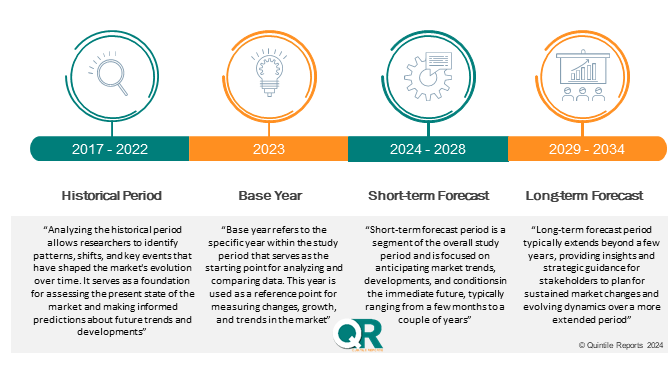
Our team of experienced researchers has meticulously gathered and analyzed data to deliver a thorough examination of market dynamics, competitive landscape, and emerging technologies. With a focus on delivering actionable intelligence, this report aims to empower decision-makers with the information needed to make informed choices and stay ahead of the competition. Whether you are a seasoned industry player or a new entrant, our market research report serves as a strategic tool to navigate the complexities of the market, aiding in successful business planning and growth strategies.
This chapter of our Canned Cocktails market report provides an in-depth examination of the factors shaping the industry landscape. This section typically encompasses several key elements to offer a comprehensive understanding of the industry landscape such as market drivers & restraints analysis, market opportunities & trend analysis, market size & growth analysis, competitive analysis, SWOT analysis, business environment tools such as Porter's five forces & PESTEL analysis, Ansoff Matrix analysis, penetration & growth prospect analysis, regulatory framework & reimbursement scenario analysis, impact of macro & micro economic factors analysis such as Covid-19 impact, GDP growth, market inflation, U.S.- China trade war, Russia-Ukraine war impact, and supply chain analysis.
The segment analysis chapter of Canned Cocktails market report is a critical section that delves into a detailed examination of the market's various segments. Segmentation involves dividing the market into distinct categories based on certain criteria to better understand and address the diverse needs of consumers. This chapter typically follows the introduction and provides a more granular view of the market, offering valuable insights for businesses and stakeholders. The components of the chapter lude segment definitions to understand the inclusions and exclusions of the study, assumptions, market size estimates and growth trend analysis of each segment, qualitative analysis of the segment, technological advancements, market penetration rate, market adoption rate, market share examination by each segment, segment growth drivers and restraint barriers, consumer behaviour and challenge analysis.
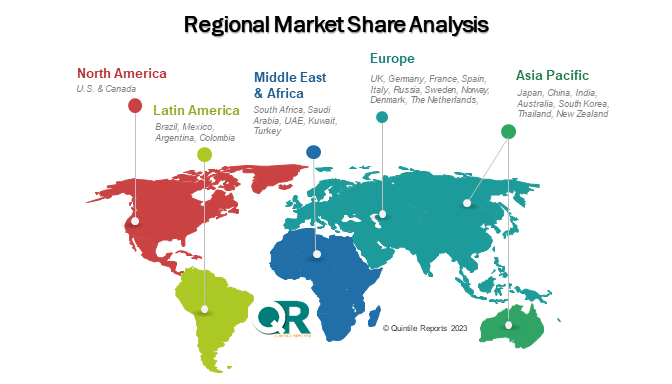
The chapter in Canned Cocktails market research report is a pivotal section that examines and predicts the market dynamics and trends specific to different geographical regions. This chapter is crucial for businesses and stakeholders seeking a comprehensive understanding of how the market behaves across various locations, enabling them to tailor strategies and make informed decisions based on regional variations. The regional analysis chapter of our Canned Cocktails market report is classified into regions & country-level. The chapter consists of North America (U.S., Canada), Europe (UK, Germany, France, Italy, Spain, Russia, Sweden, Denmark, Norway, Rest of Europe), Asia Pacific (Japan, China, India, Australia, South Korea, Thailand, Rest of Asia Pacific), Latin America (Brazil, Mexico, Argentina, Colombia, Rest of Latin America), Middle East & Africa (South Africa, Saudi Arabia, UAE, Kuwait, Rest of Middle East & Africa).
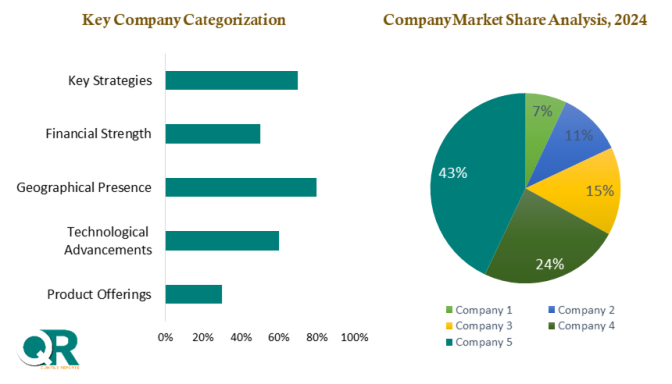
This section of a Canned Cocktails market report is a crucial segment that provides a comprehensive overview of the competitive landscape within the market. This section is vital for businesses, investors, and stakeholders seeking insights into key players, their market positioning, strengths, weaknesses, strategies, and potential impacts on the overall market dynamics. The chapter includes research methodology used to analyse the market competition, list of key players operating in the market, detailed company profile section which includes company overview, business verticals, financial performance, product/services benchmarking, geographical presence, and strategic initiatives.
| Report Scope | Details |
| Report Version | 2026 |
| Growth Rate | CAGR of 20.89 from 2026 to 2035 |
| Base year | 2025 |
| Actual estimates/Historical data | 2017 - 2024 |
| Forecast period | 2026 - 2035 |
| Quantitative units | Revenue in USD million/billion & CAGR from 2026 to 2035 |
| Country scope | North America (U.S., Canada), Europe (UK, Germany, France, Italy, Spain, Russia, Sweden, Denmark, Norway, Rest of Europe), Asia Pacific (Japan, China, India, Australia, South Korea, Thailand, Rest of Asia Pacific), Latin America (Brazil, Mexico, Argentina, Colombia, Rest of Latin America), Middle East & Africa (South Africa, Saudi Arabia, UAE, Kuwait, Rest of Middle East & Africa). |
| The Segment covered by Product Type |
|
| The Segment covered by Cocktail Type |
|
| Companies covered |
|
| Report coverage | Revenue forecast, company share, competitive landscape, growth factors, and trends |
| Free customization scope (equivalent to 5 analyst working days) | If you need specific information, which is not currently within the scope of the report, we will provide it to you as a part of the customization |

Statistics for the 2025 Canned Cocktails market share, size, and revenue growth rate were created by Quintile Report™. Canned Cocktails analysis includes a market forecast outlook for 2035 and a historical overview. Get a free PDF sample of this market analysis, please get in touch with our principal analyst at sales@quintilereports.com
List of Tables
Table 1 List of Abbreviation and acronyms
Table 2 List of Sources
Table 3 North America Global Canned Cocktails Market, by Segment Analysis, (USD Million) 2017-2035
Table 4 North America Global Canned Cocktails Market, by Region, (USD Million) 2017-2035
Table 5 U.S. Global Canned Cocktails Market, by Segment Analysis, (USD Million) 2017-2035
Table 6 Canada Global Canned Cocktails Market, by Segment Analysis, (USD Million) 2017-2035
Table 7 Europe Global Canned Cocktails Market, by Segment Analysis, (USD Million) 2017-2035
Table 8 Europe Global Canned Cocktails Market, by Region, (USD Million) 2017-2035
Table 9 Germany Global Canned Cocktails Market, by Segment Analysis, (USD Million) 2017-2035
Table 10 U.K. Global Canned Cocktails Market, by Segment Analysis, (USD Million) 2017-2035
Table 11 France Global Canned Cocktails Market, by Segment Analysis, (USD Million) 2017-2035
Table 12 Italy Global Canned Cocktails Market, by Segment Analysis, (USD Million) 2017-2035
Table 13 Spain Global Canned Cocktails Market, by Segment Analysis, (USD Million) 2017-2035
Table 14 Sweden Global Canned Cocktails Market, by Segment Analysis, (USD Million) 2017-2035
Table 15 Denmark Global Canned Cocktails Market, by Segment Analysis, (USD Million) 2017-2035
Table 16 Norway Global Canned Cocktails Market, by Segment Analysis, (USD Million) 2017-2035
Table 17 The Netherlands Global Canned Cocktails Market, by Segment Analysis, (USD Million) 2017-2035
Table 18 Russia Global Canned Cocktails Market, by Segment Analysis, (USD Million) 2017-2035
Table 19 Asia Pacific Global Canned Cocktails Market, by Segment Analysis, (USD Million) 2017-2035
Table 20 Asia Pacific Global Canned Cocktails Market, by Region, (USD Million) 2017-2035
Table 21 China Global Canned Cocktails Market, by Segment Analysis, (USD Million) 2017-2035
Table 22 Japan Global Canned Cocktails Market, by Segment Analysis, (USD Million) 2017-2035
Table 23 India Global Canned Cocktails Market, by Segment Analysis, (USD Million) 2017-2035
Table 24 Australia Global Canned Cocktails Market, by Segment Analysis, (USD Million) 2017-2035
Table 25 South Korea Global Canned Cocktails Market, by Segment Analysis, (USD Million) 2017-2035
Table 26 Thailand Global Canned Cocktails Market, by Segment Analysis, (USD Million) 2017-2035
Table 27 Latin America Global Canned Cocktails Market, by Segment Analysis, (USD Million) 2017-2035
Table 28 Latin America Global Canned Cocktails Market, by Region, (USD Million) 2017-2035
Table 29 Brazil Global Canned Cocktails Market, by Segment Analysis, (USD Million) 2017-2035
Table 30 Mexico Global Canned Cocktails Market, by Segment Analysis, (USD Million) 2017-2035
Table 31 Argentina Global Canned Cocktails Market, by Segment Analysis, (USD Million) 2017-2035
Table 32 Middle East and Africa Global Canned Cocktails Market, by Segment Analysis, (USD Million) 2017-2035
Table 33 Middle East and Africa Global Canned Cocktails Market, by Region, (USD Million) 2017-2035
Table 34 South Africa Global Canned Cocktails Market, by Segment Analysis, (USD Million) 2017-2035
Table 35 Saudi Arabia Global Canned Cocktails Market, by Segment Analysis, (USD Million) 2017-2035
Table 36 UAE Global Canned Cocktails Market, by Segment Analysis, (USD Million) 2017-2035
Table 37 Kuwait Global Canned Cocktails Market, by Segment Analysis, (USD Million) 2017-2035
Table 38 Turkey Global Canned Cocktails Market, by Segment Analysis, (USD Million) 2017-2035
Fig.1 Market research process
Fig.2 Market research approaches
Fig.3 Global Canned Cocktails Market: market scenario
Fig.4 Global Canned Cocktails Market competitive outlook
Fig.5 Global Canned Cocktails Market driver analysis
Fig.6 Global Canned Cocktails Market restraint analysis
Fig.7 Global Canned Cocktails Market opportunity analysis
Fig.8 Global Canned Cocktails Market trends analysis
Fig.9 Global Canned Cocktails Market: Segment Analysis (Based on the scope)
Fig.10 Global Canned Cocktails Market: regional analysis
Fig.11 Global market shares and leading market players
Fig.12 North America market share and leading players
Fig.13 Europe market share and leading players
Fig.14 Asia Pacific market share and leading players
Fig.15 Latin America market share and leading players
Fig.16 Middle East & Africa market share and leading players
Fig.17 North America, by country
Fig.18 North America
Fig.19 North America market estimates and forecast, 2017-2035
Fig.20 U.S.
Fig.21 Canada
Fig.22 Europe
Fig.23 Europe market estimates and forecast, 2017-2035
Fig.24 U.K.
Fig.25 Germany
Fig.26 France
Fig.27 Italy
Fig.28 Spain
Fig.29 Sweden
Fig.30 Denmark
Fig.31 Norway
Fig.32 The Netherlands
Fig.33 Russia
Fig.34 Asia Pacific
Fig.35 Asia Pacific market estimates and forecast, 2017-2035
Fig.36 China
Fig.37 Japan
Fig.38 India
Fig.39 Australia
Fig.40 South Korea
Fig.41 Thailand
Fig.42 Latin America
Fig.43 Latin America market estimates and forecast, 2017-2035
Fig.44 Brazil
Fig.45 Mexico
Fig.46 Argentina
Fig.47 Colombia
Fig.48 Middle East and Africa
Fig.49 Middle East and Africa market estimates and forecast, 2017-2035
Fig.50 Saudi Arabia
Fig.51 South Africa
Fig.52 UAE
Fig.53 Kuwait
Fig.54 Turkey
The Global Canned Cocktails Market was estimated at USD 54.25 billion in 2025 and is projected to reach USD 325.5 billion by 2035, growing at a robust CAGR of 20.89% during the forecast period from 2026 to 2035. The Canned Cocktails market report provides a comprehensive industry assessment, analyzing economic conditions, technological advancements, regulatory frameworks, and evolving consumer behavior to deliver a clear view of future growth potential.
With 2025 as the base year, the Canned Cocktails market is witnessing steady expansion driven by innovation, rising consumer demand, and rapid technological progress. Companies are increasingly refining their go-to-market (GTM) strategies to capture emerging opportunities and respond to shifting market dynamics.
Looking ahead to 2035, the market is expected to sustain its growth momentum, supported by continuous R&D investments, strategic partnerships, and mergers and acquisitions. Businesses that prioritize innovation, agile GTM strategies, and alignment with consumer needs are likely to achieve long-term success. The report delivers detailed insights into key drivers, restraints, opportunities, and challenges across segments, regions, and countries, supported by qualitative and quantitative analysis covering the period from 2017 to 2035.
Historical Analysis (2017–2024): Reviews past market trends, performance metrics, and growth patterns to identify factors shaping current and future market behavior.
Forecast and Projections (2026–2035): Provides forward-looking market estimates, highlighting growth opportunities, emerging trends, and regional developments.
Compound Annual Growth Rate (CAGR): Presents a clear CAGR calculation for 2026–2035, enabling stakeholders to evaluate market growth potential over the forecast period.
Canned Cocktails Market
The canned cocktails market refers to the global and regional market for pre-mixed, ready-to-drink (RTD) alcoholic beverages packaged in single-serve cans. This market encompasses both spirit-based cocktails and malt- or wine-based versions, offered in a variety of flavours and formulations (e.g. low-calorie, eco-conscious, organic) for on-the-go consumption. These products serve distribution channels including retail stores, bars and restaurants, e-commerce platforms, and direct-to-consumer delivery services, targeting consumers who seek the convenience and consistency of bar-quality drinks without the need for bartending or mixing.
Traditionally, RTD cocktails were niche products, often malt-based and perceived as lower quality compared to freshly mixed drinks. However, the market has rapidly evolved to feature premium spirit-based selections developed by major beverage companies (Diageo, AB InBev, Suntory, Bacardi, Molson Coors) and craft brands collaborating with mixologists to offer sophisticated flavour profiles. Recent developments include expanded flavour innovation (botanicals, exotic blends), growth in lower-alcohol and non-alcoholic options, sustainable and eye-catching can packaging, and increased online or subscription-based sales. Regulatory dynamics such as easing of RTD laws in regions like Texas, along with surging popularity among Millennials and Gen Z, are accelerating growth and driving market intensity.
What are the drivers of the canned cocktails market?Active lifestyles and immediacy needs have driven the popularity of canned cocktails. On-premise and at-home consumers appreciate the convenience of the pre-mixed product, no mixing, bartender skill, or cleanup involved making it perfect for parties and home drinking.
Shelf-stable cocktails are now being sold in an array of sophisticated flavours and spirits—margaritas, mojitos, and negronis; botanical gin suspensions and spiced rum assemblies. Premium and craft brands provide high-end ingredients, distinctive profiles, low-sugar and low-calorie products, and innovative packaging that appeal to cocktail-conscious customers.
Bartenders, restaurants, bars, and online liquor stores have all jumped onto canned cocktails in a hurry. Their shelf life and convenience have led them to become bestsellers in music festivals, beachside bars, food courts, and food delivery apps. Direct-to-consumer subscriptions and expertly designed cocktail kits have taken market penetration one step further.
With consumers trending toward moderation and conscious drinking, low-ABV canned spirits and mocktails without alcohol are on the rise. Natural ingredients, botanical extracts, and open-label claims are being used by brands to access the clean-label and wellness-inclined demands.
Legislative changes in alcohol policy and packaging rules in the United States, Europe, and some countries in Asia have made it convenient to manufacture, distribute, and sell canned cocktails.
What are the challenges and restraining factors of the canned cocktails market?Canned cocktails have to adhere to patchwork state liquor legislation, e.g., distribution, alcohol strength limit, and labelling regulations. This disparate jurisdictions requirement creates massive compliance expense and slows market entry, especially for new brand launches. Tariffs for aluminium cans also contribute to packaging expense.
Most customers associate canned cocktails with low quality when compared to fresh, bartender-prepared cocktails. This limits mass adoption and forces brands to spend extravagantly on marketing and quality positioning to change perceptions.
Sudden inundation of both big beverage firms and numerous specialist brands has resulted in crowded store shelves, making product differentiation a challenge. Small brands, especially, have to spend a lot on marketing to differentiate themselves, with industry behemoths controlling distribution channels.
What are the regional trends of the canned cocktails market?North America leads the canned cocktail market, driven by strong cocktail culture, premium RTD innovation, and broad retail and e-commerce distribution.
Europe is a mature but growing market, blending pub culture with premium craft RTDs, recyclable packaging, and rising Gen Z acceptance.
Asia-Pacific is the fastest-growing region, led by Japan, South Korea, and China, supported by Western drinking trends and a rising middle class.
Latin America shows steady growth from urban consumers, with affordable offerings and early-stage premiumization.
Middle East & Africa remains nascent, driven by imports for tourists and expats, with a focus on premium and sustainable products.
Country-Wise Outlook:Convenience & Premiumization Propel U.S. Canned Cocktails Market:The United States remains the leader in the global market for canned cocktails (RTD), driven by changing consumer trends for sophisticated, easy-to-consume drink experiences. The key driver is the need for premium, mixologist-level cocktails in convenience, grab-and-go styles, consistent with fast-paced lifestyles and outdoor activities. Food & Wine.
Key innovation centres like California, Texas, and New York are gigantic markets for RTD cocktail expansion. Consumers there, in urban areas, increasingly consume canned cocktails during parties, beach trips, and social events, looking for premium flavour profiles with no timing or preparation constraints.
To that, US suppliers and brands are launching craft-oriented canned cocktails with premium ABV formats, bar-quality ingredients, and complex botanicals. Craft operators such as Tip Top Proper Cocktails are gaining traction with retro-style branding and small-batch pack sizes, while traditional spirits companies are launching premium spirit-based RTDs to ride enhanced demand.
Gen Z and millennial beverage lovers are the drivers of sizeable growth tiers are driving the trend most especially. They are most drawn to strongly branded, lower- or moderate-alcohol, visually appealing cocktails reshaping category dynamics. Low-calorie, low-sugar, and functional versions prevail at convenience, wellness, and beauty intersections.
Health-Conscious and Mindful Drinking Trends Boost Germany’s Canned Cocktail Market:Germany is also fast becoming a leading European market for canned cocktails, fueled partly by increasing health-aware and responsible consumption. Consumers are increasingly choosing lower-sugar, lower-alcohol content and clean, transparent-label ingredients fueling a boom in demand for spirit-infused, lower-calorie canned cocktails and hard seltzers that fit wellness lifestyles.
Premium ready-to-drink (RTD) cocktail packaging formats, particularly spirit-based ones, are becoming popular in urban markets such as Berlin, Munich, and Hamburg, as young customers look for enhanced but healthier drinking experiences. Surveys show high consumer interest in lower-ABV offerings and flavoured cocktails with botanical or natural flavour profiles, which appeal to consumers interested in taste and calorie consumption as much as calories.
In return, regional producers and drinks companies are introducing gluten-free, organic, and low-sugar canned cocktails with real fruit flavour and botanical infusions. Companies are focusing on sustainability through the use of recyclable packaging and transparency in sources, responding to German consumers' preferences and lending support to product credibility and attractiveness.
Japan’s Rising At-Home Socialising & Premium Beverage Trends Drive Growth in the Canned Cocktails Market:Japan's changing home-centric socializing and premiumization of daily drinks have proven to be the key driver for expansion in the canned cocktails market. With increasing numbers of Japanese consumers opting for home-based parties facilitated by compact-sized living rooms and increased focus on cocktail culture, canned cocktails provide convenience-consumed sophistication with no elaborate bar preparation or mixology know-how involved.
To address this requirement, beverage companies are introducing canned cocktails with a focus on craftsmanship, locale, and flavour diversity. Options vary from Japanese-ingredient-based flavours like yuzu gin and matcha highball to globally sourced flavours like canned gin-and-tonic with infusion of botanicals. Premium options are consistent with the quality appreciation, artisanal appeal, and subtle balance of taste by Japanese individuals even when in pre-mix form.
Furthermore, sustainable packaging and low-ABV formats are driving canned cocktails among consumers who are concerned about health and sustainability. Brands are emphasising thin, lightweight cans constructed from recycled aluminium and introducing lower-alcohol or "sessionable" packs ideal for moderation. Parrying premium taste with sensible consumption seals canned cocktails as an elegant yet down-to-earth option for contemporary Japanese consumers.
Competitive Analysis:The canned cocktails market is increasingly shaped by premium flavour innovation and cocktail-style authenticity. Brands distinguish themselves by crafting pre-mixed cocktails that mimic bar-quality recipes using real spirits, fresh-squeezed juices, and artisanal botanicals. Attention to provenance, mixology-style ingredients, and balanced flavour profiles appeals to consumers seeking convenience without sacrificing taste or sophistication.
A second key trend is functional and health-conscious labeling. Canned cocktail offerings featuring low sugar, low ABV (alcohol by volume), botanical infusions, and non-GMO or organic certifications are gaining traction. Those promoting wellness-oriented or mindful drinking—such as botanical spritzers, adaptogen-enhanced blends, and reduced-calorie options—are resonating with modern consumers balancing indulgence with lifestyle goals.
Convenience packaging and on-the-go consumption are critical differentiators. Sleek, portable packaging formats such as slim cans, resealable multi-packs, and mixology-ready serving sizes—enhance usability for outdoor events, social gatherings, and quick pours at home. Brands emphasizing portability and consistent dosage without compromising presentation find rapid adoption among millennials and urban lifestyles.
Regional footprint expansion and distribution agility are essential strategic assets. Markets in North America and Europe lead growth, but Asia-Pacific and Latin America are emerging rapidly, driven by rising urbanisation, evolving drinking culture, and on-trade/retail experimentation. Suppliers with strong retail partnerships, dynamic e-commerce presence, and local branding localisation are better placed to capitalise on regional flavour preferences and regulatory norms.
Finally, brand storytelling and experiential marketing are shaping competitive positioning. Brands developing compelling origin stories, collaborating with mixologists, hosting tasting events, and engaging via social media attract loyal audiences. Combining aesthetic packaging with influencer outreach, pop-up activations, and cocktail education fosters emotional connection and differentiation in a crowded beverage shelf..
Recent Development:In June 2025, Coppa Cocktails (MG Destilerías) launched a new range of canned ready-to-drink (RTD) expressions in three flavours: Spicy Margarita, Paloma Spritz, and Coconut Daiquiri. These are crafted by mixologists using natural juices and real distillates, aiming for a "real cocktail in a can" experience with an elevated ABV (10%) and a 200ml format, aligning with the "drink less, drink better" mindset. They are rolling out across Europe.
In February 2024, Absolut, a brand under Pernod Ricard USA, introduced new ready-to-serve (RTS) and ready-to-drink (RTD) flavours, including an extension of its Absolut Ocean Spray RTD brand and Absolut RTD Cocktails. This demonstrates ongoing innovation and expansion within their RTD portfolio.
Our team of experienced researchers has meticulously gathered and analyzed data to deliver a thorough examination of market dynamics, competitive landscape, and emerging technologies. With a focus on delivering actionable intelligence, this report aims to empower decision-makers with the information needed to make informed choices and stay ahead of the competition. Whether you are a seasoned industry player or a new entrant, our market research report serves as a strategic tool to navigate the complexities of the market, aiding in successful business planning and growth strategies.
This chapter of our Canned Cocktails market report provides an in-depth examination of the factors shaping the industry landscape. This section typically encompasses several key elements to offer a comprehensive understanding of the industry landscape such as market drivers & restraints analysis, market opportunities & trend analysis, market size & growth analysis, competitive analysis, SWOT analysis, business environment tools such as Porter's five forces & PESTEL analysis, Ansoff Matrix analysis, penetration & growth prospect analysis, regulatory framework & reimbursement scenario analysis, impact of macro & micro economic factors analysis such as Covid-19 impact, GDP growth, market inflation, U.S.- China trade war, Russia-Ukraine war impact, and supply chain analysis.
The segment analysis chapter of Canned Cocktails market report is a critical section that delves into a detailed examination of the market's various segments. Segmentation involves dividing the market into distinct categories based on certain criteria to better understand and address the diverse needs of consumers. This chapter typically follows the introduction and provides a more granular view of the market, offering valuable insights for businesses and stakeholders. The components of the chapter lude segment definitions to understand the inclusions and exclusions of the study, assumptions, market size estimates and growth trend analysis of each segment, qualitative analysis of the segment, technological advancements, market penetration rate, market adoption rate, market share examination by each segment, segment growth drivers and restraint barriers, consumer behaviour and challenge analysis.
The chapter in Canned Cocktails market research report is a pivotal section that examines and predicts the market dynamics and trends specific to different geographical regions. This chapter is crucial for businesses and stakeholders seeking a comprehensive understanding of how the market behaves across various locations, enabling them to tailor strategies and make informed decisions based on regional variations. The regional analysis chapter of our Canned Cocktails market report is classified into regions & country-level. The chapter consists of North America (U.S., Canada), Europe (UK, Germany, France, Italy, Spain, Russia, Sweden, Denmark, Norway, Rest of Europe), Asia Pacific (Japan, China, India, Australia, South Korea, Thailand, Rest of Asia Pacific), Latin America (Brazil, Mexico, Argentina, Colombia, Rest of Latin America), Middle East & Africa (South Africa, Saudi Arabia, UAE, Kuwait, Rest of Middle East & Africa).
This section of a Canned Cocktails market report is a crucial segment that provides a comprehensive overview of the competitive landscape within the market. This section is vital for businesses, investors, and stakeholders seeking insights into key players, their market positioning, strengths, weaknesses, strategies, and potential impacts on the overall market dynamics. The chapter includes research methodology used to analyse the market competition, list of key players operating in the market, detailed company profile section which includes company overview, business verticals, financial performance, product/services benchmarking, geographical presence, and strategic initiatives.
| Report Scope | Details |
| Report Version | 2026 |
| Growth Rate | CAGR of 20.89 from 2026 to 2035 |
| Base year | 2025 |
| Actual estimates/Historical data | 2017 - 2024 |
| Forecast period | 2026 - 2035 |
| Quantitative units | Revenue in USD million/billion & CAGR from 2026 to 2035 |
| Country scope | North America (U.S., Canada), Europe (UK, Germany, France, Italy, Spain, Russia, Sweden, Denmark, Norway, Rest of Europe), Asia Pacific (Japan, China, India, Australia, South Korea, Thailand, Rest of Asia Pacific), Latin America (Brazil, Mexico, Argentina, Colombia, Rest of Latin America), Middle East & Africa (South Africa, Saudi Arabia, UAE, Kuwait, Rest of Middle East & Africa). |
| The Segment covered by Product Type |
|
| The Segment covered by Cocktail Type |
|
| Companies covered |
|
| Report coverage | Revenue forecast, company share, competitive landscape, growth factors, and trends |
| Free customization scope (equivalent to 5 analyst working days) | If you need specific information, which is not currently within the scope of the report, we will provide it to you as a part of the customization |
Statistics for the 2025 Canned Cocktails market share, size, and revenue growth rate were created by Quintile Report™. Canned Cocktails analysis includes a market forecast outlook for 2035 and a historical overview. Get a free PDF sample of this market analysis, please get in touch with our principal analyst at sales@quintilereports.com
Table 1 List of Abbreviation and acronyms
Table 2 List of Sources
Table 3 North America Global Canned Cocktails Market, by Segment Analysis, (USD Million) 2017-2035
Table 4 North America Global Canned Cocktails Market, by Region, (USD Million) 2017-2035
Table 5 U.S. Global Canned Cocktails Market, by Segment Analysis, (USD Million) 2017-2035
Table 6 Canada Global Canned Cocktails Market, by Segment Analysis, (USD Million) 2017-2035
Table 7 Europe Global Canned Cocktails Market, by Segment Analysis, (USD Million) 2017-2035
Table 8 Europe Global Canned Cocktails Market, by Region, (USD Million) 2017-2035
Table 9 Germany Global Canned Cocktails Market, by Segment Analysis, (USD Million) 2017-2035
Table 10 U.K. Global Canned Cocktails Market, by Segment Analysis, (USD Million) 2017-2035
Table 11 France Global Canned Cocktails Market, by Segment Analysis, (USD Million) 2017-2035
Table 12 Italy Global Canned Cocktails Market, by Segment Analysis, (USD Million) 2017-2035
Table 13 Spain Global Canned Cocktails Market, by Segment Analysis, (USD Million) 2017-2035
Table 14 Sweden Global Canned Cocktails Market, by Segment Analysis, (USD Million) 2017-2035
Table 15 Denmark Global Canned Cocktails Market, by Segment Analysis, (USD Million) 2017-2035
Table 16 Norway Global Canned Cocktails Market, by Segment Analysis, (USD Million) 2017-2035
Table 17 The Netherlands Global Canned Cocktails Market, by Segment Analysis, (USD Million) 2017-2035
Table 18 Russia Global Canned Cocktails Market, by Segment Analysis, (USD Million) 2017-2035
Table 19 Asia Pacific Global Canned Cocktails Market, by Segment Analysis, (USD Million) 2017-2035
Table 20 Asia Pacific Global Canned Cocktails Market, by Region, (USD Million) 2017-2035
Table 21 China Global Canned Cocktails Market, by Segment Analysis, (USD Million) 2017-2035
Table 22 Japan Global Canned Cocktails Market, by Segment Analysis, (USD Million) 2017-2035
Table 23 India Global Canned Cocktails Market, by Segment Analysis, (USD Million) 2017-2035
Table 24 Australia Global Canned Cocktails Market, by Segment Analysis, (USD Million) 2017-2035
Table 25 South Korea Global Canned Cocktails Market, by Segment Analysis, (USD Million) 2017-2035
Table 26 Thailand Global Canned Cocktails Market, by Segment Analysis, (USD Million) 2017-2035
Table 27 Latin America Global Canned Cocktails Market, by Segment Analysis, (USD Million) 2017-2035
Table 28 Latin America Global Canned Cocktails Market, by Region, (USD Million) 2017-2035
Table 29 Brazil Global Canned Cocktails Market, by Segment Analysis, (USD Million) 2017-2035
Table 30 Mexico Global Canned Cocktails Market, by Segment Analysis, (USD Million) 2017-2035
Table 31 Argentina Global Canned Cocktails Market, by Segment Analysis, (USD Million) 2017-2035
Table 32 Middle East and Africa Global Canned Cocktails Market, by Segment Analysis, (USD Million) 2017-2035
Table 33 Middle East and Africa Global Canned Cocktails Market, by Region, (USD Million) 2017-2035
Table 34 South Africa Global Canned Cocktails Market, by Segment Analysis, (USD Million) 2017-2035
Table 35 Saudi Arabia Global Canned Cocktails Market, by Segment Analysis, (USD Million) 2017-2035
Table 36 UAE Global Canned Cocktails Market, by Segment Analysis, (USD Million) 2017-2035
Table 37 Kuwait Global Canned Cocktails Market, by Segment Analysis, (USD Million) 2017-2035
Table 38 Turkey Global Canned Cocktails Market, by Segment Analysis, (USD Million) 2017-2035
Fig.1 Market research process
Fig.2 Market research approaches
Fig.3 Global Canned Cocktails Market: market scenario
Fig.4 Global Canned Cocktails Market competitive outlook
Fig.5 Global Canned Cocktails Market driver analysis
Fig.6 Global Canned Cocktails Market restraint analysis
Fig.7 Global Canned Cocktails Market opportunity analysis
Fig.8 Global Canned Cocktails Market trends analysis
Fig.9 Global Canned Cocktails Market: Segment Analysis (Based on the scope)
Fig.10 Global Canned Cocktails Market: regional analysis
Fig.11 Global market shares and leading market players
Fig.12 North America market share and leading players
Fig.13 Europe market share and leading players
Fig.14 Asia Pacific market share and leading players
Fig.15 Latin America market share and leading players
Fig.16 Middle East & Africa market share and leading players
Fig.17 North America, by country
Fig.18 North America
Fig.19 North America market estimates and forecast, 2017-2035
Fig.20 U.S.
Fig.21 Canada
Fig.22 Europe
Fig.23 Europe market estimates and forecast, 2017-2035
Fig.24 U.K.
Fig.25 Germany
Fig.26 France
Fig.27 Italy
Fig.28 Spain
Fig.29 Sweden
Fig.30 Denmark
Fig.31 Norway
Fig.32 The Netherlands
Fig.33 Russia
Fig.34 Asia Pacific
Fig.35 Asia Pacific market estimates and forecast, 2017-2035
Fig.36 China
Fig.37 Japan
Fig.38 India
Fig.39 Australia
Fig.40 South Korea
Fig.41 Thailand
Fig.42 Latin America
Fig.43 Latin America market estimates and forecast, 2017-2035
Fig.44 Brazil
Fig.45 Mexico
Fig.46 Argentina
Fig.47 Colombia
Fig.48 Middle East and Africa
Fig.49 Middle East and Africa market estimates and forecast, 2017-2035
Fig.50 Saudi Arabia
Fig.51 South Africa
Fig.52 UAE
Fig.53 Kuwait
Fig.54 Turkey

A license granted to one user. Rules or conditions might be applied for e.g. the use of electric files (PDFs) or printings, depending on product.
A license granted to multiple users.
A license granted to a single business site/establishment.
A license granted to all employees within organisation access to the product.
Immediate / Within 24-48 hours - Working days
Online Payments with PayPal and CCavenue
You can order a report by picking any of the payment methods which is bank wire or online payment through any Debit/Credit card or PayPal.
Hard Copy
Report Descriptions: The Global Non-GMO Flour Market was estimated at USD 72.87 billion in 2025 and
Read MoreReport Descriptions: The Global Mineral Ingredients Market was estimated at USD 8.12 billion in 2025
Read MoreReport Descriptions: The Global Feeding Distiller Dried Grains with Solubles (DGDS) Market was estim
Read More U.S. : +1-201-772-7734