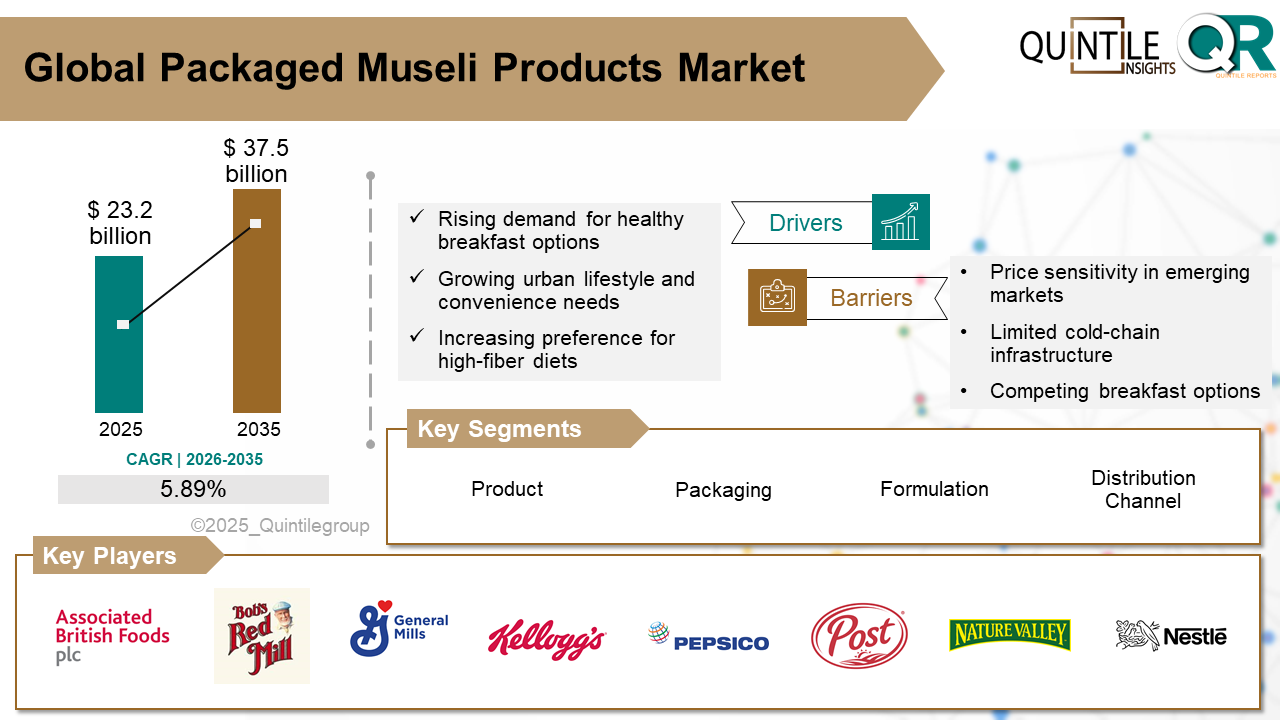
The Global Packaged Museli Products Market was estimated at USD 23.2 billion in 2025 and is projected to reach USD 37.5 billion by 2035, growing at a robust CAGR of 5.89% during the forecast period from 2026 to 2035. The Packaged Museli Products market report provides a comprehensive industry assessment, analyzing economic conditions, technological advancements, regulatory frameworks, and evolving consumer behavior to deliver a clear view of future growth potential.
With 2025 as the base year, the Packaged Museli Products market is witnessing steady expansion driven by innovation, rising consumer demand, and rapid technological progress. Companies are increasingly refining their go-to-market (GTM) strategies to capture emerging opportunities and respond to shifting market dynamics.
Looking ahead to 2035, the market is expected to sustain its growth momentum, supported by continuous R&D investments, strategic partnerships, and mergers and acquisitions. Businesses that prioritize innovation, agile GTM strategies, and alignment with consumer needs are likely to achieve long-term success. The report delivers detailed insights into key drivers, restraints, opportunities, and challenges across segments, regions, and countries, supported by qualitative and quantitative analysis covering the period from 2017 to 2035.
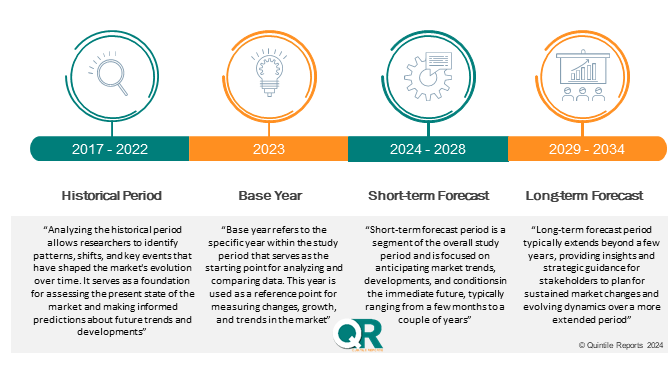
Historical Analysis (2017–2024): Reviews past market trends, performance metrics, and growth patterns to identify factors shaping current and future market behavior.
Forecast and Projections (2026–2035): Provides forward-looking market estimates, highlighting growth opportunities, emerging trends, and regional developments.
Compound Annual Growth Rate (CAGR): Presents a clear CAGR calculation for 2026–2035, enabling stakeholders to evaluate market growth potential over the forecast period.
Packaged Museli Products Market
The packaged museli products market refers to the global and regional market for wholesome and versatile breakfast cereal made from a combination of rolled oats, whole grains like wheat and barley flakes, nuts, seeds, and dried fruits. Originating in Switzerland in the late 19th century by Dr. Maximilian Bircher-Benner, it was designed as a nutritious meal for patients. Today, muesli is typically consumed with cold or hot milk, yogurt, or soaked overnight for a softer texture. It is widely considered a healthy meal due to its high fiber content, low sugar, and balanced nutritional profile rich in protein, vitamins, and minerals.
Muesli’s popularity stems from its wide range of health benefits, including heart health support, weight management, and energy boosting. It can be customized with fresh fruits, honey, or seeds, making it suitable for diverse dietary needs, including vegetarian and diabetic-friendly options. Its various types from no-added-sugar variants to fruit and nut blends offer a nutritious start to the day. Additionally, its fiber-rich composition supports digestion, while the presence of complex carbs and healthy fats ensures sustained energy release throughout the day.
What are the drivers of packaged museli products market?One key driver for the packaged muesli market is the increasing consumer focus on health and wellness. As more people prioritize balanced diets and nutritional content in their meals, muesli with its high fiber, low sugar, and nutrient-dense ingredients has become a preferred breakfast option.
Rising demand for convenient and ready-to-eat meals is another major growth factor. Urban lifestyles and busy schedules are pushing consumers toward quick yet wholesome food choices, making packaged muesli an ideal option for on-the-go nutrition.
The expansion of plant-based and vegan diets is fueling interest in muesli products made without dairy, honey, or animal-based ingredients. Many manufacturers are offering vegan-friendly muesli variants that cater to this growing dietary trend.
Innovation in flavors and ingredients is driving consumer engagement and repeat purchases. Brands are introducing muesli with superfoods, freeze-dried fruits, seeds, and even protein-fortified blends to meet diverse taste preferences and health needs.
The growth of modern retail and e-commerce platforms has significantly improved product accessibility. With wider online and offline distribution, more consumers are exposed to and able to purchase a variety of packaged muesli products.
What are the challenges and restraining factors of packaged museli products market?One major challenge in the packaged muesli market is price sensitivity, especially in developing economies. Premium pricing of high-quality or organic muesli products may deter cost-conscious consumers from regular purchases.
Limited awareness in rural and semi-urban regions about the health benefits and versatility of muesli restricts market penetration. Traditional breakfast preferences often dominate these areas, slowing the adoption of newer cereal formats.
Product differentiation and brand loyalty also pose challenges. With many brands offering similar ingredients and claims, it becomes difficult to establish a unique value proposition, leading to intense competition and margin pressure.
What are the regional trends of packaged museli products market?In North America, rising health consciousness and demand for high-fiber, low-sugar breakfast options have driven the growth of the packaged muesli market. Consumers are increasingly replacing traditional sugary cereals with clean-label and organic muesli products, supported by strong retail and online distribution.
Europe remains the leading region in muesli consumption, particularly in countries like Germany, the UK, and Switzerland where the product originated. A long-standing preference for cold cereals and high awareness of nutritional benefits sustain strong market maturity, with innovation focused on premium and plant-based variants.
Asia-Pacific is experiencing rapid market expansion due to urbanization, growing disposable income, and increasing health awareness. Countries such as India, China, and Australia are seeing a surge in demand for convenient, healthy breakfast options, with local manufacturers introducing region-specific flavors and millet-based muesli.
In Latin America, the packaged muesli market is emerging, driven by a rising middle class and growing interest in Western eating habits. Health campaigns and the entry of international brands are raising awareness, although affordability and cultural food preferences still influence adoption rates.
In the Middle East and Africa, muesli adoption is gradually increasing, particularly in urban centers and among affluent populations. The demand is primarily concentrated in countries like the UAE and South Africa, where international retail chains offer a wider variety of health food products, including imported and premium muesli options.
Country-Wise Outlook:U.S. Muesli Market Expands as Healthy Breakfast Alternative:In the United States, rising health consciousness and busy lifestyles are driving consumers to seek convenient yet nutritious breakfast options, boosting the packaged muesli market. Major retail chains and e-commerce platforms have made it easier to access a wide range of muesli varieties, including organic, gluten-free, and plant-based offerings. Consumer preference for high-protein and high-fiber cereals aligns well with muesli’s composition, making it a favorable alternative to traditional sugary cereals.
Innovation continues to fuel growth in the U.S. market, with brands introducing fortified variants containing probiotics, functional ingredients, and clean-label claims. Private-label brands are also expanding their portfolios to cater to health-oriented shoppers. As a result, muesli is not only being positioned as a breakfast food but also as a healthy snacking or meal replacement option, broadening its appeal across consumer segments.
Germany Maintains Strong Demand for Traditional Muesli:Germany has a long-standing cultural association with muesli, often viewed as a traditional, wholesome breakfast. This familiarity sustains a strong domestic market where consumers seek natural, additive-free, and high-fiber cereals. Organic muesli, especially those with whole grains, dried fruits, and minimal processing, continues to dominate shelf space in both mainstream and organic supermarkets.
German shoppers are highly ingredient-conscious and value sustainability. Brands that use eco-friendly packaging, source ingredients locally or organically, and provide clear labeling tend to perform better. The market is also witnessing increased premiumization, with artisanal muesli blends and personalized subscription models gaining popularity among health-focused urban consumers.
Japan Adapts Muesli to Local Tastes and Lifestyles:In Japan, although muesli is relatively new compared to traditional breakfast items like rice and miso soup, its adoption is increasing in urban centers. Time-starved professionals and health-conscious millennials are driving the shift toward convenient, nutrient-rich breakfasts. Supermarkets and online grocery platforms have begun to offer imported as well as domestically adapted muesli varieties.
Manufacturers in Japan are localizing muesli to suit taste preferences by incorporating regional ingredients like green tea, soy protein, azuki beans, and puffed grains. Marketing efforts highlighting digestive health, beauty benefits, and energy-boosting properties are helping expand its appeal. However, the market remains small and requires more consumer education to reach its full potential.
Competitive Analysis:The packaged muesli market is moderately consolidated, with a mix of global and regional players competing across health-conscious, premium, and mass-market segments. Large-scale operations benefit from widespread distribution and marketing capabilities, while smaller producers compete through agility, niche targeting, and unique formulations that appeal to specific consumer needs.
Consumer demand for natural, clean-label, and additive-free products has intensified competition, particularly in regions where ingredient transparency is a top priority. Brands offering organic, non-GMO, and high-fiber variants often gain an edge in mature markets where label scrutiny and dietary awareness are high.
Price sensitivity in emerging markets is fueling competition among lower and mid-range offerings, with many consumers seeking value-for-money products that do not compromise on nutritional quality. As affordability becomes a key factor, producers are balancing cost efficiency with nutritional integrity to gain share in price-conscious segments.
Innovation remains central to market dynamics, with product differentiation increasingly reliant on novel ingredient blends, such as high-protein, sugar-free, or fortified muesli variants. Product personalization and digital consumer engagement are also playing a growing role in capturing the attention of health-driven and younger demographic groups.
Sustainability is emerging as a competitive priority. Brands that emphasize eco-friendly packaging, sustainable sourcing, and environmentally responsible practices tend to resonate more with modern consumers, particularly in environmentally conscious regions. This alignment with broader wellness and environmental values is becoming a key long-term competitive advantage.
Key players in the market are Associated British Foods, Bob’s Red Mill Natural Foods, General Mills, Kellogg Company, PepsiCo (Quaker Oats Company), Post Holdings, Nature Valley (General Mills), Nestlé S.A., Alpen (Weetabix), Dorset Cereals, U.S. Mills (Attune Foods), Bagrry’s India Limited, Mornflake, Rude Health Foods, Seven Sundays, and other players.Recent Development:In September 2024, Tata Consumer Products launched Tata Soulfull Masala Muesli, a savory muesli product available in two Indian-inspired flavors ‘Mast Masala’ and ‘Teekha Twist’. Made with 16% crunchy millets, the baked, high-fiber product is free from Trans-fats and preservatives, offering a ready-to-eat breakfast and snacking option tailored to Indian taste preferences. The product is priced at INR 389 for 500g and INR 120 for 160g.
In July 2024, Saffola launched its Muesli with Flavour Pops range in India, featuring Kesar Crunch, Berry Crunch, and Choco Crunch. Made with a 15-in-1 mix of grains, millets, fruits, nuts, and seeds, the launch targets health-conscious consumers seeking taste and convenience.
Our team of experienced researchers has meticulously gathered and analyzed data to deliver a thorough examination of market dynamics, competitive landscape, and emerging technologies. With a focus on delivering actionable intelligence, this report aims to empower decision-makers with the information needed to make informed choices and stay ahead of the competition. Whether you are a seasoned industry player or a new entrant, our market research report serves as a strategic tool to navigate the complexities of the market, aiding in successful business planning and growth strategies.
This chapter of our Packaged Museli Products market report provides an in-depth examination of the factors shaping the industry landscape. This section typically encompasses several key elements to offer a comprehensive understanding of the industry landscape such as market drivers & restraints analysis, market opportunities & trend analysis, market size & growth analysis, competitive analysis, SWOT analysis, business environment tools such as Porter's five forces & PESTEL analysis, Ansoff Matrix analysis, penetration & growth prospect analysis, regulatory framework & reimbursement scenario analysis, impact of macro & micro economic factors analysis such as Covid-19 impact, GDP growth, market inflation, U.S.- China trade war, Russia-Ukraine war impact, and supply chain analysis.
The segment analysis chapter of Packaged Museli Products market report is a critical section that delves into a detailed examination of the market's various segments. Segmentation involves dividing the market into distinct categories based on certain criteria to better understand and address the diverse needs of consumers. This chapter typically follows the introduction and provides a more granular view of the market, offering valuable insights for businesses and stakeholders. The components of the chapter lude segment definitions to understand the inclusions and exclusions of the study, assumptions, market size estimates and growth trend analysis of each segment, qualitative analysis of the segment, technological advancements, market penetration rate, market adoption rate, market share examination by each segment, segment growth drivers and restraint barriers, consumer behaviour and challenge analysis.
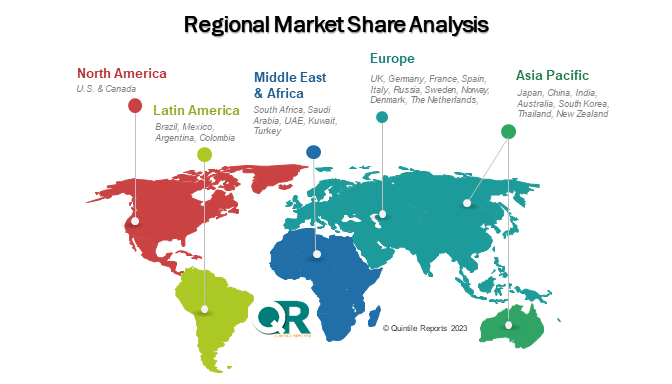
The chapter in Packaged Museli Products market research report is a pivotal section that examines and predicts the market dynamics and trends specific to different geographical regions. This chapter is crucial for businesses and stakeholders seeking a comprehensive understanding of how the market behaves across various locations, enabling them to tailor strategies and make informed decisions based on regional variations. The regional analysis chapter of our Packaged Museli Products market report is classified into regions & country-level. The chapter consists of North America (U.S., Canada), Europe (UK, Germany, France, Italy, Spain, Russia, Sweden, Denmark, Norway, Rest of Europe), Asia Pacific (Japan, China, India, Australia, South Korea, Thailand, Rest of Asia Pacific), Latin America (Brazil, Mexico, Argentina, Colombia, Rest of Latin America), Middle East & Africa (South Africa, Saudi Arabia, UAE, Kuwait, Rest of Middle East & Africa).
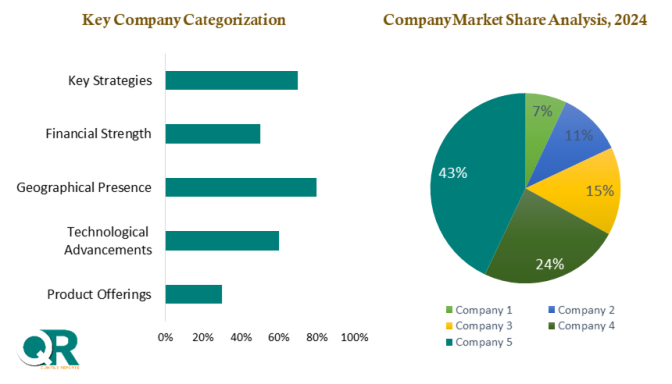
This section of a Packaged Museli Products market report is a crucial segment that provides a comprehensive overview of the competitive landscape within the market. This section is vital for businesses, investors, and stakeholders seeking insights into key players, their market positioning, strengths, weaknesses, strategies, and potential impacts on the overall market dynamics. The chapter includes research methodology used to analyse the market competition, list of key players operating in the market, detailed company profile section which includes company overview, business verticals, financial performance, product/services benchmarking, geographical presence, and strategic initiatives.
| Report Scope | Details |
| Report Version | 2026 |
| Growth Rate | CAGR of 5.89 from 2026 to 2035 |
| Base year | 2025 |
| Actual estimates/Historical data | 2017 - 2024 |
| Forecast period | 2026 - 2035 |
| Quantitative units | Revenue in USD million/billion & CAGR from 2026 to 2035 |
| Country scope | North America (U.S., Canada), Europe (UK, Germany, France, Italy, Spain, Russia, Sweden, Denmark, Norway, Rest of Europe), Asia Pacific (Japan, China, India, Australia, South Korea, Thailand, Rest of Asia Pacific), Latin America (Brazil, Mexico, Argentina, Colombia, Rest of Latin America), Middle East & Africa (South Africa, Saudi Arabia, UAE, Kuwait, Rest of Middle East & Africa). |
| The Segment covered by Product & Type |
|
| The Segment covered by Formulation |
|
| Companies covered |
|
| Report coverage | Revenue forecast, company share, competitive landscape, growth factors, and trends |
| Free customization scope (equivalent to 5 analyst working days) | If you need specific information, which is not currently within the scope of the report, we will provide it to you as a part of the customization |

Statistics for the 2025 Packaged Museli Products market share, size, and revenue growth rate were created by Quintile Report™. Packaged Museli Products analysis includes a market forecast outlook for 2035 and a historical overview. Get a free PDF sample of this market analysis, please get in touch with our principal analyst at sales@quintilereports.com
List of Tables
Table 1 List of Abbreviation and acronyms
Table 2 List of Sources
Table 3 North America Global Packaged Museli Products Market, by Segment Analysis, (USD Million) 2017-2035
Table 4 North America Global Packaged Museli Products Market, by Region, (USD Million) 2017-2035
Table 5 U.S. Global Packaged Museli Products Market, by Segment Analysis, (USD Million) 2017-2035
Table 6 Canada Global Packaged Museli Products Market, by Segment Analysis, (USD Million) 2017-2035
Table 7 Europe Global Packaged Museli Products Market, by Segment Analysis, (USD Million) 2017-2035
Table 8 Europe Global Packaged Museli Products Market, by Region, (USD Million) 2017-2035
Table 9 Germany Global Packaged Museli Products Market, by Segment Analysis, (USD Million) 2017-2035
Table 10 U.K. Global Packaged Museli Products Market, by Segment Analysis, (USD Million) 2017-2035
Table 11 France Global Packaged Museli Products Market, by Segment Analysis, (USD Million) 2017-2035
Table 12 Italy Global Packaged Museli Products Market, by Segment Analysis, (USD Million) 2017-2035
Table 13 Spain Global Packaged Museli Products Market, by Segment Analysis, (USD Million) 2017-2035
Table 14 Sweden Global Packaged Museli Products Market, by Segment Analysis, (USD Million) 2017-2035
Table 15 Denmark Global Packaged Museli Products Market, by Segment Analysis, (USD Million) 2017-2035
Table 16 Norway Global Packaged Museli Products Market, by Segment Analysis, (USD Million) 2017-2035
Table 17 The Netherlands Global Packaged Museli Products Market, by Segment Analysis, (USD Million) 2017-2035
Table 18 Russia Global Packaged Museli Products Market, by Segment Analysis, (USD Million) 2017-2035
Table 19 Asia Pacific Global Packaged Museli Products Market, by Segment Analysis, (USD Million) 2017-2035
Table 20 Asia Pacific Global Packaged Museli Products Market, by Region, (USD Million) 2017-2035
Table 21 China Global Packaged Museli Products Market, by Segment Analysis, (USD Million) 2017-2035
Table 22 Japan Global Packaged Museli Products Market, by Segment Analysis, (USD Million) 2017-2035
Table 23 India Global Packaged Museli Products Market, by Segment Analysis, (USD Million) 2017-2035
Table 24 Australia Global Packaged Museli Products Market, by Segment Analysis, (USD Million) 2017-2035
Table 25 South Korea Global Packaged Museli Products Market, by Segment Analysis, (USD Million) 2017-2035
Table 26 Thailand Global Packaged Museli Products Market, by Segment Analysis, (USD Million) 2017-2035
Table 27 Latin America Global Packaged Museli Products Market, by Segment Analysis, (USD Million) 2017-2035
Table 28 Latin America Global Packaged Museli Products Market, by Region, (USD Million) 2017-2035
Table 29 Brazil Global Packaged Museli Products Market, by Segment Analysis, (USD Million) 2017-2035
Table 30 Mexico Global Packaged Museli Products Market, by Segment Analysis, (USD Million) 2017-2035
Table 31 Argentina Global Packaged Museli Products Market, by Segment Analysis, (USD Million) 2017-2035
Table 32 Middle East and Africa Global Packaged Museli Products Market, by Segment Analysis, (USD Million) 2017-2035
Table 33 Middle East and Africa Global Packaged Museli Products Market, by Region, (USD Million) 2017-2035
Table 34 South Africa Global Packaged Museli Products Market, by Segment Analysis, (USD Million) 2017-2035
Table 35 Saudi Arabia Global Packaged Museli Products Market, by Segment Analysis, (USD Million) 2017-2035
Table 36 UAE Global Packaged Museli Products Market, by Segment Analysis, (USD Million) 2017-2035
Table 37 Kuwait Global Packaged Museli Products Market, by Segment Analysis, (USD Million) 2017-2035
Table 38 Turkey Global Packaged Museli Products Market, by Segment Analysis, (USD Million) 2017-2035
Fig.1 Market research process
Fig.2 Market research approaches
Fig.3 Global Packaged Museli Products Market: market scenario
Fig.4 Global Packaged Museli Products Market competitive outlook
Fig.5 Global Packaged Museli Products Market driver analysis
Fig.6 Global Packaged Museli Products Market restraint analysis
Fig.7 Global Packaged Museli Products Market opportunity analysis
Fig.8 Global Packaged Museli Products Market trends analysis
Fig.9 Global Packaged Museli Products Market: Segment Analysis (Based on the scope)
Fig.10 Global Packaged Museli Products Market: regional analysis
Fig.11 Global market shares and leading market players
Fig.12 North America market share and leading players
Fig.13 Europe market share and leading players
Fig.14 Asia Pacific market share and leading players
Fig.15 Latin America market share and leading players
Fig.16 Middle East & Africa market share and leading players
Fig.17 North America, by country
Fig.18 North America
Fig.19 North America market estimates and forecast, 2017-2035
Fig.20 U.S.
Fig.21 Canada
Fig.22 Europe
Fig.23 Europe market estimates and forecast, 2017-2035
Fig.24 U.K.
Fig.25 Germany
Fig.26 France
Fig.27 Italy
Fig.28 Spain
Fig.29 Sweden
Fig.30 Denmark
Fig.31 Norway
Fig.32 The Netherlands
Fig.33 Russia
Fig.34 Asia Pacific
Fig.35 Asia Pacific market estimates and forecast, 2017-2035
Fig.36 China
Fig.37 Japan
Fig.38 India
Fig.39 Australia
Fig.40 South Korea
Fig.41 Thailand
Fig.42 Latin America
Fig.43 Latin America market estimates and forecast, 2017-2035
Fig.44 Brazil
Fig.45 Mexico
Fig.46 Argentina
Fig.47 Colombia
Fig.48 Middle East and Africa
Fig.49 Middle East and Africa market estimates and forecast, 2017-2035
Fig.50 Saudi Arabia
Fig.51 South Africa
Fig.52 UAE
Fig.53 Kuwait
Fig.54 Turkey
List of Tables
Table 1 List of Abbreviation and acronyms
Table 2 List of Sources
Table 3 North America Global Packaged Museli Products Market, by Segment Analysis, (USD Million) 2017-2035
Table 4 North America Global Packaged Museli Products Market, by Region, (USD Million) 2017-2035
Table 5 U.S. Global Packaged Museli Products Market, by Segment Analysis, (USD Million) 2017-2035
Table 6 Canada Global Packaged Museli Products Market, by Segment Analysis, (USD Million) 2017-2035
Table 7 Europe Global Packaged Museli Products Market, by Segment Analysis, (USD Million) 2017-2035
Table 8 Europe Global Packaged Museli Products Market, by Region, (USD Million) 2017-2035
Table 9 Germany Global Packaged Museli Products Market, by Segment Analysis, (USD Million) 2017-2035
Table 10 U.K. Global Packaged Museli Products Market, by Segment Analysis, (USD Million) 2017-2035
Table 11 France Global Packaged Museli Products Market, by Segment Analysis, (USD Million) 2017-2035
Table 12 Italy Global Packaged Museli Products Market, by Segment Analysis, (USD Million) 2017-2035
Table 13 Spain Global Packaged Museli Products Market, by Segment Analysis, (USD Million) 2017-2035
Table 14 Sweden Global Packaged Museli Products Market, by Segment Analysis, (USD Million) 2017-2035
Table 15 Denmark Global Packaged Museli Products Market, by Segment Analysis, (USD Million) 2017-2035
Table 16 Norway Global Packaged Museli Products Market, by Segment Analysis, (USD Million) 2017-2035
Table 17 The Netherlands Global Packaged Museli Products Market, by Segment Analysis, (USD Million) 2017-2035
Table 18 Russia Global Packaged Museli Products Market, by Segment Analysis, (USD Million) 2017-2035
Table 19 Asia Pacific Global Packaged Museli Products Market, by Segment Analysis, (USD Million) 2017-2035
Table 20 Asia Pacific Global Packaged Museli Products Market, by Region, (USD Million) 2017-2035
Table 21 China Global Packaged Museli Products Market, by Segment Analysis, (USD Million) 2017-2035
Table 22 Japan Global Packaged Museli Products Market, by Segment Analysis, (USD Million) 2017-2035
Table 23 India Global Packaged Museli Products Market, by Segment Analysis, (USD Million) 2017-2035
Table 24 Australia Global Packaged Museli Products Market, by Segment Analysis, (USD Million) 2017-2035
Table 25 South Korea Global Packaged Museli Products Market, by Segment Analysis, (USD Million) 2017-2035
Table 26 Thailand Global Packaged Museli Products Market, by Segment Analysis, (USD Million) 2017-2035
Table 27 Latin America Global Packaged Museli Products Market, by Segment Analysis, (USD Million) 2017-2035
Table 28 Latin America Global Packaged Museli Products Market, by Region, (USD Million) 2017-2035
Table 29 Brazil Global Packaged Museli Products Market, by Segment Analysis, (USD Million) 2017-2035
Table 30 Mexico Global Packaged Museli Products Market, by Segment Analysis, (USD Million) 2017-2035
Table 31 Argentina Global Packaged Museli Products Market, by Segment Analysis, (USD Million) 2017-2035
Table 32 Middle East and Africa Global Packaged Museli Products Market, by Segment Analysis, (USD Million) 2017-2035
Table 33 Middle East and Africa Global Packaged Museli Products Market, by Region, (USD Million) 2017-2035
Table 34 South Africa Global Packaged Museli Products Market, by Segment Analysis, (USD Million) 2017-2035
Table 35 Saudi Arabia Global Packaged Museli Products Market, by Segment Analysis, (USD Million) 2017-2035
Table 36 UAE Global Packaged Museli Products Market, by Segment Analysis, (USD Million) 2017-2035
Table 37 Kuwait Global Packaged Museli Products Market, by Segment Analysis, (USD Million) 2017-2035
Table 38 Turkey Global Packaged Museli Products Market, by Segment Analysis, (USD Million) 2017-2035
Fig.1 Market research process
Fig.2 Market research approaches
Fig.3 Global Packaged Museli Products Market: market scenario
Fig.4 Global Packaged Museli Products Market competitive outlook
Fig.5 Global Packaged Museli Products Market driver analysis
Fig.6 Global Packaged Museli Products Market restraint analysis
Fig.7 Global Packaged Museli Products Market opportunity analysis
Fig.8 Global Packaged Museli Products Market trends analysis
Fig.9 Global Packaged Museli Products Market: Segment Analysis (Based on the scope)
Fig.10 Global Packaged Museli Products Market: regional analysis
Fig.11 Global market shares and leading market players
Fig.12 North America market share and leading players
Fig.13 Europe market share and leading players
Fig.14 Asia Pacific market share and leading players
Fig.15 Latin America market share and leading players
Fig.16 Middle East & Africa market share and leading players
Fig.17 North America, by country
Fig.18 North America
Fig.19 North America market estimates and forecast, 2017-2035
Fig.20 U.S.
Fig.21 Canada
Fig.22 Europe
Fig.23 Europe market estimates and forecast, 2017-2035
Fig.24 U.K.
Fig.25 Germany
Fig.26 France
Fig.27 Italy
Fig.28 Spain
Fig.29 Sweden
Fig.30 Denmark
Fig.31 Norway
Fig.32 The Netherlands
Fig.33 Russia
Fig.34 Asia Pacific
Fig.35 Asia Pacific market estimates and forecast, 2017-2035
Fig.36 China
Fig.37 Japan
Fig.38 India
Fig.39 Australia
Fig.40 South Korea
Fig.41 Thailand
Fig.42 Latin America
Fig.43 Latin America market estimates and forecast, 2017-2035
Fig.44 Brazil
Fig.45 Mexico
Fig.46 Argentina
Fig.47 Colombia
Fig.48 Middle East and Africa
Fig.49 Middle East and Africa market estimates and forecast, 2017-2035
Fig.50 Saudi Arabia
Fig.51 South Africa
Fig.52 UAE
Fig.53 Kuwait
Fig.54 Turkey
The Global Packaged Museli Products Market was estimated at USD 23.2 billion in 2025 and is projected to reach USD 37.5 billion by 2035, growing at a robust CAGR of 5.89% during the forecast period from 2026 to 2035. The Packaged Museli Products market report provides a comprehensive industry assessment, analyzing economic conditions, technological advancements, regulatory frameworks, and evolving consumer behavior to deliver a clear view of future growth potential.
With 2025 as the base year, the Packaged Museli Products market is witnessing steady expansion driven by innovation, rising consumer demand, and rapid technological progress. Companies are increasingly refining their go-to-market (GTM) strategies to capture emerging opportunities and respond to shifting market dynamics.
Looking ahead to 2035, the market is expected to sustain its growth momentum, supported by continuous R&D investments, strategic partnerships, and mergers and acquisitions. Businesses that prioritize innovation, agile GTM strategies, and alignment with consumer needs are likely to achieve long-term success. The report delivers detailed insights into key drivers, restraints, opportunities, and challenges across segments, regions, and countries, supported by qualitative and quantitative analysis covering the period from 2017 to 2035.
Historical Analysis (2017–2024): Reviews past market trends, performance metrics, and growth patterns to identify factors shaping current and future market behavior.
Forecast and Projections (2026–2035): Provides forward-looking market estimates, highlighting growth opportunities, emerging trends, and regional developments.
Compound Annual Growth Rate (CAGR): Presents a clear CAGR calculation for 2026–2035, enabling stakeholders to evaluate market growth potential over the forecast period.
Packaged Museli Products Market
The packaged museli products market refers to the global and regional market for wholesome and versatile breakfast cereal made from a combination of rolled oats, whole grains like wheat and barley flakes, nuts, seeds, and dried fruits. Originating in Switzerland in the late 19th century by Dr. Maximilian Bircher-Benner, it was designed as a nutritious meal for patients. Today, muesli is typically consumed with cold or hot milk, yogurt, or soaked overnight for a softer texture. It is widely considered a healthy meal due to its high fiber content, low sugar, and balanced nutritional profile rich in protein, vitamins, and minerals.
Muesli’s popularity stems from its wide range of health benefits, including heart health support, weight management, and energy boosting. It can be customized with fresh fruits, honey, or seeds, making it suitable for diverse dietary needs, including vegetarian and diabetic-friendly options. Its various types from no-added-sugar variants to fruit and nut blends offer a nutritious start to the day. Additionally, its fiber-rich composition supports digestion, while the presence of complex carbs and healthy fats ensures sustained energy release throughout the day.
What are the drivers of packaged museli products market?One key driver for the packaged muesli market is the increasing consumer focus on health and wellness. As more people prioritize balanced diets and nutritional content in their meals, muesli with its high fiber, low sugar, and nutrient-dense ingredients has become a preferred breakfast option.
Rising demand for convenient and ready-to-eat meals is another major growth factor. Urban lifestyles and busy schedules are pushing consumers toward quick yet wholesome food choices, making packaged muesli an ideal option for on-the-go nutrition.
The expansion of plant-based and vegan diets is fueling interest in muesli products made without dairy, honey, or animal-based ingredients. Many manufacturers are offering vegan-friendly muesli variants that cater to this growing dietary trend.
Innovation in flavors and ingredients is driving consumer engagement and repeat purchases. Brands are introducing muesli with superfoods, freeze-dried fruits, seeds, and even protein-fortified blends to meet diverse taste preferences and health needs.
The growth of modern retail and e-commerce platforms has significantly improved product accessibility. With wider online and offline distribution, more consumers are exposed to and able to purchase a variety of packaged muesli products.
What are the challenges and restraining factors of packaged museli products market?One major challenge in the packaged muesli market is price sensitivity, especially in developing economies. Premium pricing of high-quality or organic muesli products may deter cost-conscious consumers from regular purchases.
Limited awareness in rural and semi-urban regions about the health benefits and versatility of muesli restricts market penetration. Traditional breakfast preferences often dominate these areas, slowing the adoption of newer cereal formats.
Product differentiation and brand loyalty also pose challenges. With many brands offering similar ingredients and claims, it becomes difficult to establish a unique value proposition, leading to intense competition and margin pressure.
What are the regional trends of packaged museli products market?In North America, rising health consciousness and demand for high-fiber, low-sugar breakfast options have driven the growth of the packaged muesli market. Consumers are increasingly replacing traditional sugary cereals with clean-label and organic muesli products, supported by strong retail and online distribution.
Europe remains the leading region in muesli consumption, particularly in countries like Germany, the UK, and Switzerland where the product originated. A long-standing preference for cold cereals and high awareness of nutritional benefits sustain strong market maturity, with innovation focused on premium and plant-based variants.
Asia-Pacific is experiencing rapid market expansion due to urbanization, growing disposable income, and increasing health awareness. Countries such as India, China, and Australia are seeing a surge in demand for convenient, healthy breakfast options, with local manufacturers introducing region-specific flavors and millet-based muesli.
In Latin America, the packaged muesli market is emerging, driven by a rising middle class and growing interest in Western eating habits. Health campaigns and the entry of international brands are raising awareness, although affordability and cultural food preferences still influence adoption rates.
In the Middle East and Africa, muesli adoption is gradually increasing, particularly in urban centers and among affluent populations. The demand is primarily concentrated in countries like the UAE and South Africa, where international retail chains offer a wider variety of health food products, including imported and premium muesli options.
Country-Wise Outlook:U.S. Muesli Market Expands as Healthy Breakfast Alternative:In the United States, rising health consciousness and busy lifestyles are driving consumers to seek convenient yet nutritious breakfast options, boosting the packaged muesli market. Major retail chains and e-commerce platforms have made it easier to access a wide range of muesli varieties, including organic, gluten-free, and plant-based offerings. Consumer preference for high-protein and high-fiber cereals aligns well with muesli’s composition, making it a favorable alternative to traditional sugary cereals.
Innovation continues to fuel growth in the U.S. market, with brands introducing fortified variants containing probiotics, functional ingredients, and clean-label claims. Private-label brands are also expanding their portfolios to cater to health-oriented shoppers. As a result, muesli is not only being positioned as a breakfast food but also as a healthy snacking or meal replacement option, broadening its appeal across consumer segments.
Germany Maintains Strong Demand for Traditional Muesli:Germany has a long-standing cultural association with muesli, often viewed as a traditional, wholesome breakfast. This familiarity sustains a strong domestic market where consumers seek natural, additive-free, and high-fiber cereals. Organic muesli, especially those with whole grains, dried fruits, and minimal processing, continues to dominate shelf space in both mainstream and organic supermarkets.
German shoppers are highly ingredient-conscious and value sustainability. Brands that use eco-friendly packaging, source ingredients locally or organically, and provide clear labeling tend to perform better. The market is also witnessing increased premiumization, with artisanal muesli blends and personalized subscription models gaining popularity among health-focused urban consumers.
Japan Adapts Muesli to Local Tastes and Lifestyles:In Japan, although muesli is relatively new compared to traditional breakfast items like rice and miso soup, its adoption is increasing in urban centers. Time-starved professionals and health-conscious millennials are driving the shift toward convenient, nutrient-rich breakfasts. Supermarkets and online grocery platforms have begun to offer imported as well as domestically adapted muesli varieties.
Manufacturers in Japan are localizing muesli to suit taste preferences by incorporating regional ingredients like green tea, soy protein, azuki beans, and puffed grains. Marketing efforts highlighting digestive health, beauty benefits, and energy-boosting properties are helping expand its appeal. However, the market remains small and requires more consumer education to reach its full potential.
Competitive Analysis:The packaged muesli market is moderately consolidated, with a mix of global and regional players competing across health-conscious, premium, and mass-market segments. Large-scale operations benefit from widespread distribution and marketing capabilities, while smaller producers compete through agility, niche targeting, and unique formulations that appeal to specific consumer needs.
Consumer demand for natural, clean-label, and additive-free products has intensified competition, particularly in regions where ingredient transparency is a top priority. Brands offering organic, non-GMO, and high-fiber variants often gain an edge in mature markets where label scrutiny and dietary awareness are high.
Price sensitivity in emerging markets is fueling competition among lower and mid-range offerings, with many consumers seeking value-for-money products that do not compromise on nutritional quality. As affordability becomes a key factor, producers are balancing cost efficiency with nutritional integrity to gain share in price-conscious segments.
Innovation remains central to market dynamics, with product differentiation increasingly reliant on novel ingredient blends, such as high-protein, sugar-free, or fortified muesli variants. Product personalization and digital consumer engagement are also playing a growing role in capturing the attention of health-driven and younger demographic groups.
Sustainability is emerging as a competitive priority. Brands that emphasize eco-friendly packaging, sustainable sourcing, and environmentally responsible practices tend to resonate more with modern consumers, particularly in environmentally conscious regions. This alignment with broader wellness and environmental values is becoming a key long-term competitive advantage.
Key players in the market are Associated British Foods, Bob’s Red Mill Natural Foods, General Mills, Kellogg Company, PepsiCo (Quaker Oats Company), Post Holdings, Nature Valley (General Mills), Nestlé S.A., Alpen (Weetabix), Dorset Cereals, U.S. Mills (Attune Foods), Bagrry’s India Limited, Mornflake, Rude Health Foods, Seven Sundays, and other players.Recent Development:In September 2024, Tata Consumer Products launched Tata Soulfull Masala Muesli, a savory muesli product available in two Indian-inspired flavors ‘Mast Masala’ and ‘Teekha Twist’. Made with 16% crunchy millets, the baked, high-fiber product is free from Trans-fats and preservatives, offering a ready-to-eat breakfast and snacking option tailored to Indian taste preferences. The product is priced at INR 389 for 500g and INR 120 for 160g.
In July 2024, Saffola launched its Muesli with Flavour Pops range in India, featuring Kesar Crunch, Berry Crunch, and Choco Crunch. Made with a 15-in-1 mix of grains, millets, fruits, nuts, and seeds, the launch targets health-conscious consumers seeking taste and convenience.
Our team of experienced researchers has meticulously gathered and analyzed data to deliver a thorough examination of market dynamics, competitive landscape, and emerging technologies. With a focus on delivering actionable intelligence, this report aims to empower decision-makers with the information needed to make informed choices and stay ahead of the competition. Whether you are a seasoned industry player or a new entrant, our market research report serves as a strategic tool to navigate the complexities of the market, aiding in successful business planning and growth strategies.
This chapter of our Packaged Museli Products market report provides an in-depth examination of the factors shaping the industry landscape. This section typically encompasses several key elements to offer a comprehensive understanding of the industry landscape such as market drivers & restraints analysis, market opportunities & trend analysis, market size & growth analysis, competitive analysis, SWOT analysis, business environment tools such as Porter's five forces & PESTEL analysis, Ansoff Matrix analysis, penetration & growth prospect analysis, regulatory framework & reimbursement scenario analysis, impact of macro & micro economic factors analysis such as Covid-19 impact, GDP growth, market inflation, U.S.- China trade war, Russia-Ukraine war impact, and supply chain analysis.
The segment analysis chapter of Packaged Museli Products market report is a critical section that delves into a detailed examination of the market's various segments. Segmentation involves dividing the market into distinct categories based on certain criteria to better understand and address the diverse needs of consumers. This chapter typically follows the introduction and provides a more granular view of the market, offering valuable insights for businesses and stakeholders. The components of the chapter lude segment definitions to understand the inclusions and exclusions of the study, assumptions, market size estimates and growth trend analysis of each segment, qualitative analysis of the segment, technological advancements, market penetration rate, market adoption rate, market share examination by each segment, segment growth drivers and restraint barriers, consumer behaviour and challenge analysis.
The chapter in Packaged Museli Products market research report is a pivotal section that examines and predicts the market dynamics and trends specific to different geographical regions. This chapter is crucial for businesses and stakeholders seeking a comprehensive understanding of how the market behaves across various locations, enabling them to tailor strategies and make informed decisions based on regional variations. The regional analysis chapter of our Packaged Museli Products market report is classified into regions & country-level. The chapter consists of North America (U.S., Canada), Europe (UK, Germany, France, Italy, Spain, Russia, Sweden, Denmark, Norway, Rest of Europe), Asia Pacific (Japan, China, India, Australia, South Korea, Thailand, Rest of Asia Pacific), Latin America (Brazil, Mexico, Argentina, Colombia, Rest of Latin America), Middle East & Africa (South Africa, Saudi Arabia, UAE, Kuwait, Rest of Middle East & Africa).
This section of a Packaged Museli Products market report is a crucial segment that provides a comprehensive overview of the competitive landscape within the market. This section is vital for businesses, investors, and stakeholders seeking insights into key players, their market positioning, strengths, weaknesses, strategies, and potential impacts on the overall market dynamics. The chapter includes research methodology used to analyse the market competition, list of key players operating in the market, detailed company profile section which includes company overview, business verticals, financial performance, product/services benchmarking, geographical presence, and strategic initiatives.
| Report Scope | Details |
| Report Version | 2026 |
| Growth Rate | CAGR of 5.89 from 2026 to 2035 |
| Base year | 2025 |
| Actual estimates/Historical data | 2017 - 2024 |
| Forecast period | 2026 - 2035 |
| Quantitative units | Revenue in USD million/billion & CAGR from 2026 to 2035 |
| Country scope | North America (U.S., Canada), Europe (UK, Germany, France, Italy, Spain, Russia, Sweden, Denmark, Norway, Rest of Europe), Asia Pacific (Japan, China, India, Australia, South Korea, Thailand, Rest of Asia Pacific), Latin America (Brazil, Mexico, Argentina, Colombia, Rest of Latin America), Middle East & Africa (South Africa, Saudi Arabia, UAE, Kuwait, Rest of Middle East & Africa). |
| The Segment covered by Product & Type |
|
| The Segment covered by Formulation |
|
| Companies covered |
|
| Report coverage | Revenue forecast, company share, competitive landscape, growth factors, and trends |
| Free customization scope (equivalent to 5 analyst working days) | If you need specific information, which is not currently within the scope of the report, we will provide it to you as a part of the customization |
Statistics for the 2025 Packaged Museli Products market share, size, and revenue growth rate were created by Quintile Report™. Packaged Museli Products analysis includes a market forecast outlook for 2035 and a historical overview. Get a free PDF sample of this market analysis, please get in touch with our principal analyst at sales@quintilereports.com
Table 1 List of Abbreviation and acronyms
Table 2 List of Sources
Table 3 North America Global Packaged Museli Products Market, by Segment Analysis, (USD Million) 2017-2035
Table 4 North America Global Packaged Museli Products Market, by Region, (USD Million) 2017-2035
Table 5 U.S. Global Packaged Museli Products Market, by Segment Analysis, (USD Million) 2017-2035
Table 6 Canada Global Packaged Museli Products Market, by Segment Analysis, (USD Million) 2017-2035
Table 7 Europe Global Packaged Museli Products Market, by Segment Analysis, (USD Million) 2017-2035
Table 8 Europe Global Packaged Museli Products Market, by Region, (USD Million) 2017-2035
Table 9 Germany Global Packaged Museli Products Market, by Segment Analysis, (USD Million) 2017-2035
Table 10 U.K. Global Packaged Museli Products Market, by Segment Analysis, (USD Million) 2017-2035
Table 11 France Global Packaged Museli Products Market, by Segment Analysis, (USD Million) 2017-2035
Table 12 Italy Global Packaged Museli Products Market, by Segment Analysis, (USD Million) 2017-2035
Table 13 Spain Global Packaged Museli Products Market, by Segment Analysis, (USD Million) 2017-2035
Table 14 Sweden Global Packaged Museli Products Market, by Segment Analysis, (USD Million) 2017-2035
Table 15 Denmark Global Packaged Museli Products Market, by Segment Analysis, (USD Million) 2017-2035
Table 16 Norway Global Packaged Museli Products Market, by Segment Analysis, (USD Million) 2017-2035
Table 17 The Netherlands Global Packaged Museli Products Market, by Segment Analysis, (USD Million) 2017-2035
Table 18 Russia Global Packaged Museli Products Market, by Segment Analysis, (USD Million) 2017-2035
Table 19 Asia Pacific Global Packaged Museli Products Market, by Segment Analysis, (USD Million) 2017-2035
Table 20 Asia Pacific Global Packaged Museli Products Market, by Region, (USD Million) 2017-2035
Table 21 China Global Packaged Museli Products Market, by Segment Analysis, (USD Million) 2017-2035
Table 22 Japan Global Packaged Museli Products Market, by Segment Analysis, (USD Million) 2017-2035
Table 23 India Global Packaged Museli Products Market, by Segment Analysis, (USD Million) 2017-2035
Table 24 Australia Global Packaged Museli Products Market, by Segment Analysis, (USD Million) 2017-2035
Table 25 South Korea Global Packaged Museli Products Market, by Segment Analysis, (USD Million) 2017-2035
Table 26 Thailand Global Packaged Museli Products Market, by Segment Analysis, (USD Million) 2017-2035
Table 27 Latin America Global Packaged Museli Products Market, by Segment Analysis, (USD Million) 2017-2035
Table 28 Latin America Global Packaged Museli Products Market, by Region, (USD Million) 2017-2035
Table 29 Brazil Global Packaged Museli Products Market, by Segment Analysis, (USD Million) 2017-2035
Table 30 Mexico Global Packaged Museli Products Market, by Segment Analysis, (USD Million) 2017-2035
Table 31 Argentina Global Packaged Museli Products Market, by Segment Analysis, (USD Million) 2017-2035
Table 32 Middle East and Africa Global Packaged Museli Products Market, by Segment Analysis, (USD Million) 2017-2035
Table 33 Middle East and Africa Global Packaged Museli Products Market, by Region, (USD Million) 2017-2035
Table 34 South Africa Global Packaged Museli Products Market, by Segment Analysis, (USD Million) 2017-2035
Table 35 Saudi Arabia Global Packaged Museli Products Market, by Segment Analysis, (USD Million) 2017-2035
Table 36 UAE Global Packaged Museli Products Market, by Segment Analysis, (USD Million) 2017-2035
Table 37 Kuwait Global Packaged Museli Products Market, by Segment Analysis, (USD Million) 2017-2035
Table 38 Turkey Global Packaged Museli Products Market, by Segment Analysis, (USD Million) 2017-2035
Fig.1 Market research process
Fig.2 Market research approaches
Fig.3 Global Packaged Museli Products Market: market scenario
Fig.4 Global Packaged Museli Products Market competitive outlook
Fig.5 Global Packaged Museli Products Market driver analysis
Fig.6 Global Packaged Museli Products Market restraint analysis
Fig.7 Global Packaged Museli Products Market opportunity analysis
Fig.8 Global Packaged Museli Products Market trends analysis
Fig.9 Global Packaged Museli Products Market: Segment Analysis (Based on the scope)
Fig.10 Global Packaged Museli Products Market: regional analysis
Fig.11 Global market shares and leading market players
Fig.12 North America market share and leading players
Fig.13 Europe market share and leading players
Fig.14 Asia Pacific market share and leading players
Fig.15 Latin America market share and leading players
Fig.16 Middle East & Africa market share and leading players
Fig.17 North America, by country
Fig.18 North America
Fig.19 North America market estimates and forecast, 2017-2035
Fig.20 U.S.
Fig.21 Canada
Fig.22 Europe
Fig.23 Europe market estimates and forecast, 2017-2035
Fig.24 U.K.
Fig.25 Germany
Fig.26 France
Fig.27 Italy
Fig.28 Spain
Fig.29 Sweden
Fig.30 Denmark
Fig.31 Norway
Fig.32 The Netherlands
Fig.33 Russia
Fig.34 Asia Pacific
Fig.35 Asia Pacific market estimates and forecast, 2017-2035
Fig.36 China
Fig.37 Japan
Fig.38 India
Fig.39 Australia
Fig.40 South Korea
Fig.41 Thailand
Fig.42 Latin America
Fig.43 Latin America market estimates and forecast, 2017-2035
Fig.44 Brazil
Fig.45 Mexico
Fig.46 Argentina
Fig.47 Colombia
Fig.48 Middle East and Africa
Fig.49 Middle East and Africa market estimates and forecast, 2017-2035
Fig.50 Saudi Arabia
Fig.51 South Africa
Fig.52 UAE
Fig.53 Kuwait
Fig.54 Turkey
Table 1 List of Abbreviation and acronyms
Table 2 List of Sources
Table 3 North America Global Packaged Museli Products Market, by Segment Analysis, (USD Million) 2017-2035
Table 4 North America Global Packaged Museli Products Market, by Region, (USD Million) 2017-2035
Table 5 U.S. Global Packaged Museli Products Market, by Segment Analysis, (USD Million) 2017-2035
Table 6 Canada Global Packaged Museli Products Market, by Segment Analysis, (USD Million) 2017-2035
Table 7 Europe Global Packaged Museli Products Market, by Segment Analysis, (USD Million) 2017-2035
Table 8 Europe Global Packaged Museli Products Market, by Region, (USD Million) 2017-2035
Table 9 Germany Global Packaged Museli Products Market, by Segment Analysis, (USD Million) 2017-2035
Table 10 U.K. Global Packaged Museli Products Market, by Segment Analysis, (USD Million) 2017-2035
Table 11 France Global Packaged Museli Products Market, by Segment Analysis, (USD Million) 2017-2035
Table 12 Italy Global Packaged Museli Products Market, by Segment Analysis, (USD Million) 2017-2035
Table 13 Spain Global Packaged Museli Products Market, by Segment Analysis, (USD Million) 2017-2035
Table 14 Sweden Global Packaged Museli Products Market, by Segment Analysis, (USD Million) 2017-2035
Table 15 Denmark Global Packaged Museli Products Market, by Segment Analysis, (USD Million) 2017-2035
Table 16 Norway Global Packaged Museli Products Market, by Segment Analysis, (USD Million) 2017-2035
Table 17 The Netherlands Global Packaged Museli Products Market, by Segment Analysis, (USD Million) 2017-2035
Table 18 Russia Global Packaged Museli Products Market, by Segment Analysis, (USD Million) 2017-2035
Table 19 Asia Pacific Global Packaged Museli Products Market, by Segment Analysis, (USD Million) 2017-2035
Table 20 Asia Pacific Global Packaged Museli Products Market, by Region, (USD Million) 2017-2035
Table 21 China Global Packaged Museli Products Market, by Segment Analysis, (USD Million) 2017-2035
Table 22 Japan Global Packaged Museli Products Market, by Segment Analysis, (USD Million) 2017-2035
Table 23 India Global Packaged Museli Products Market, by Segment Analysis, (USD Million) 2017-2035
Table 24 Australia Global Packaged Museli Products Market, by Segment Analysis, (USD Million) 2017-2035
Table 25 South Korea Global Packaged Museli Products Market, by Segment Analysis, (USD Million) 2017-2035
Table 26 Thailand Global Packaged Museli Products Market, by Segment Analysis, (USD Million) 2017-2035
Table 27 Latin America Global Packaged Museli Products Market, by Segment Analysis, (USD Million) 2017-2035
Table 28 Latin America Global Packaged Museli Products Market, by Region, (USD Million) 2017-2035
Table 29 Brazil Global Packaged Museli Products Market, by Segment Analysis, (USD Million) 2017-2035
Table 30 Mexico Global Packaged Museli Products Market, by Segment Analysis, (USD Million) 2017-2035
Table 31 Argentina Global Packaged Museli Products Market, by Segment Analysis, (USD Million) 2017-2035
Table 32 Middle East and Africa Global Packaged Museli Products Market, by Segment Analysis, (USD Million) 2017-2035
Table 33 Middle East and Africa Global Packaged Museli Products Market, by Region, (USD Million) 2017-2035
Table 34 South Africa Global Packaged Museli Products Market, by Segment Analysis, (USD Million) 2017-2035
Table 35 Saudi Arabia Global Packaged Museli Products Market, by Segment Analysis, (USD Million) 2017-2035
Table 36 UAE Global Packaged Museli Products Market, by Segment Analysis, (USD Million) 2017-2035
Table 37 Kuwait Global Packaged Museli Products Market, by Segment Analysis, (USD Million) 2017-2035
Table 38 Turkey Global Packaged Museli Products Market, by Segment Analysis, (USD Million) 2017-2035
Fig.1 Market research process
Fig.2 Market research approaches
Fig.3 Global Packaged Museli Products Market: market scenario
Fig.4 Global Packaged Museli Products Market competitive outlook
Fig.5 Global Packaged Museli Products Market driver analysis
Fig.6 Global Packaged Museli Products Market restraint analysis
Fig.7 Global Packaged Museli Products Market opportunity analysis
Fig.8 Global Packaged Museli Products Market trends analysis
Fig.9 Global Packaged Museli Products Market: Segment Analysis (Based on the scope)
Fig.10 Global Packaged Museli Products Market: regional analysis
Fig.11 Global market shares and leading market players
Fig.12 North America market share and leading players
Fig.13 Europe market share and leading players
Fig.14 Asia Pacific market share and leading players
Fig.15 Latin America market share and leading players
Fig.16 Middle East & Africa market share and leading players
Fig.17 North America, by country
Fig.18 North America
Fig.19 North America market estimates and forecast, 2017-2035
Fig.20 U.S.
Fig.21 Canada
Fig.22 Europe
Fig.23 Europe market estimates and forecast, 2017-2035
Fig.24 U.K.
Fig.25 Germany
Fig.26 France
Fig.27 Italy
Fig.28 Spain
Fig.29 Sweden
Fig.30 Denmark
Fig.31 Norway
Fig.32 The Netherlands
Fig.33 Russia
Fig.34 Asia Pacific
Fig.35 Asia Pacific market estimates and forecast, 2017-2035
Fig.36 China
Fig.37 Japan
Fig.38 India
Fig.39 Australia
Fig.40 South Korea
Fig.41 Thailand
Fig.42 Latin America
Fig.43 Latin America market estimates and forecast, 2017-2035
Fig.44 Brazil
Fig.45 Mexico
Fig.46 Argentina
Fig.47 Colombia
Fig.48 Middle East and Africa
Fig.49 Middle East and Africa market estimates and forecast, 2017-2035
Fig.50 Saudi Arabia
Fig.51 South Africa
Fig.52 UAE
Fig.53 Kuwait
Fig.54 Turkey

A license granted to one user. Rules or conditions might be applied for e.g. the use of electric files (PDFs) or printings, depending on product.
A license granted to multiple users.
A license granted to a single business site/establishment.
A license granted to all employees within organisation access to the product.
Immediate / Within 24-48 hours - Working days
Online Payments with PayPal and CCavenue
You can order a report by picking any of the payment methods which is bank wire or online payment through any Debit/Credit card or PayPal.
Hard Copy
Live Fish Carrier Overview The Global Live Fish Carrier Market was valued at USD 3702.32 million in
Read MoreReport Descriptions: The Global Non-GMO Flour Market was estimated at USD 72.87 billion in 2025 and
Read MoreReport Descriptions: The Global Mineral Ingredients Market was estimated at USD 8.12 billion in 2025
Read More U.S. : +91-626-560-6898