The Global Fish Oil Products Market was estimated at USD 5.35 billion in 2025 and is projected to reach USD 7.5 billion by 2035, growing at a robust CAGR of 4.69% during the forecast period from 2026 to 2035. The Fish Oil Products market report provides a comprehensive industry assessment, analyzing economic conditions, technological advancements, regulatory frameworks, and evolving consumer behavior to deliver a clear view of future growth potential.
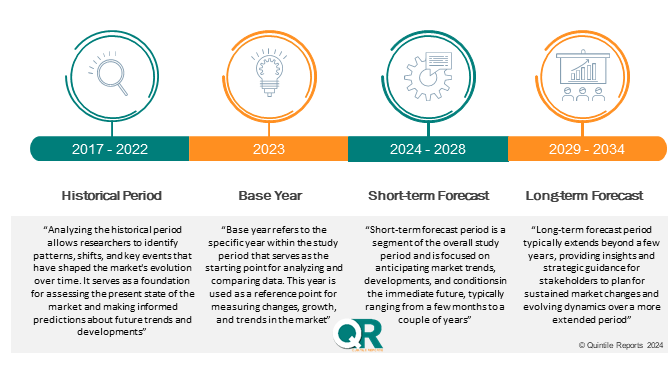
With 2025 as the base year, the Fish Oil Products market is witnessing steady expansion driven by innovation, rising consumer demand, and rapid technological progress. Companies are increasingly refining their go-to-market (GTM) strategies to capture emerging opportunities and respond to shifting market dynamics.
Looking ahead to 2035, the market is expected to sustain its growth momentum, supported by continuous R&D investments, strategic partnerships, and mergers and acquisitions. Businesses that prioritize innovation, agile GTM strategies, and alignment with consumer needs are likely to achieve long-term success. The report delivers detailed insights into key drivers, restraints, opportunities, and challenges across segments, regions, and countries, supported by qualitative and quantitative analysis covering the period from 2017 to 2035.
Historical Analysis (2017–2024): Reviews past market trends, performance metrics, and growth patterns to identify factors shaping current and future market behavior.
Forecast and Projections (2026–2035): Provides forward-looking market estimates, highlighting growth opportunities, emerging trends, and regional developments.
Compound Annual Growth Rate (CAGR): Presents a clear CAGR calculation for 2026–2035, enabling stakeholders to evaluate market growth potential over the forecast period.

Fish Oil Products Market
The fish oil products market refers to the global and regional market for dietary supplements derived from the tissues of oily fish and are rich sources of omega-3 fatty acids, primarily eicosapentaenoic acid (EPA) and docosahexaenoic acid (DHA). These long-chain polyunsaturated fatty acids are known for their role in supporting cardiovascular, cognitive, and inflammatory health.
According to the U.S. National Institutes of Health (NIH), fish oil is a source of omega-3 fatty acids that are important for a number of bodily functions, including muscle activity, blood clotting, digestion, fertility, and cell division and growth. Fish oil products may be available in various forms, such as softgel capsules, liquid concentrates, or functional food ingredients, and are typically produced from species like anchovies, sardines, mackerel, and salmon.
What are the drivers of fish oil products market?Growing consumer awareness about the health benefits of omega-3 fatty acids has significantly boosted the demand for fish oil supplements. Scientific studies linking EPA and DHA with heart health, brain function, and inflammation reduction are prompting consumers to include fish oil in their daily routines.
The increasing prevalence of chronic diseases such as cardiovascular disorders, arthritis, and cognitive decline is driving the adoption of preventive healthcare. Fish oil is widely promoted for its therapeutic potential, pushing pharmaceutical and nutraceutical companies to incorporate it in their product lines.
Rising demand for functional foods and dietary supplements among health-conscious individuals has fueled market growth. Consumers seeking natural alternatives are turning to fish oil-enriched products, including beverages, dairy, and fortified foods, which support both preventive and performance nutrition.
Expansion in the aquaculture industry has created consistent demand for fish oil as a key ingredient in fish feed. Fish oil is crucial for providing essential fatty acids in aquafeed, especially for salmon and trout farming, supporting growth and immunity in farmed species.
Favorable government recommendations and dietary guidelines promoting omega-3 intake contribute to market expansion. Regulatory bodies in North America and Europe continue to endorse fish oil's benefits, supporting product claims and helping to increase consumer trust.
What are the challenges and restraining factors of fish oil products market?Fluctuating raw material supply due to overfishing and environmental concerns poses a major challenge. The sustainability of fish oil sourcing is under scrutiny, with stricter quotas and ecosystem protection policies affecting supply chains and pricing.
Concerns about contamination with heavy metals such as mercury and dioxins in fish-derived products challenge market perception. Ensuring product purity and safety through advanced filtration and certification increases production costs and regulatory compliance burdens.
The rise of plant-based omega-3 alternatives, such as algal oil and flaxseed oil, is intensifying competition. Consumers seeking vegan or environmentally friendly options are increasingly turning away from marine-sourced fish oil, which may impact traditional market segments.
What are the regional trends of fish oil products market?In North America, the fish oil market is driven by high consumer awareness regarding heart health and cognitive benefits associated with omega-3s. The U.S. continues to lead in dietary supplement consumption, with growing demand for high-purity fish oil products. Approximately 50% of US adults routinely take dietary supplements and spend billions of dollars annually. Regulatory support from agencies like the FDA and increased recommendations from health professionals further support regional market growth.
Europe remains a strong market for fish oil, particularly due to stringent quality regulations and a well-established nutraceutical industry. Countries such as Germany and the Nordic nations exhibit consistent demand for fish oil-based supplements, supported by aging populations and a focus on preventive healthcare. Sustainability in sourcing is a key focus area, influencing product formulation and supply chains.
The Asia-Pacific region is witnessing rapid growth in fish oil consumption, led by expanding middle-class populations and rising health awareness in countries like China, India, and Japan. Additionally, APAC holds a significant share of global aquaculture, where fish oil is essential in feed formulations. Asia accounted for 167.1 million tonnes of global fisheries and aquaculture production, 75 percent of the world's total. Asia leads all regions producing 70 percent of global aquatic animals and 97 percent of global algae.
Latin America is seeing moderate growth in fish oil usage, with rising demand in both human nutrition and aquaculture. Countries like Chile and Peru are key suppliers due to their vast marine resources, supporting both regional use and exports. However, local consumption is increasing as health trends and supplement awareness spread across urban centers.
In the Middle East and Africa, the fish oil market is still in a developing phase, but awareness about omega-3 benefits is gradually rising. Growing urbanization and an increase in non-communicable diseases are driving demand for nutritional supplements. Imports dominate the market due to limited domestic production, but healthcare initiatives are supporting market penetration.
Country-Wise Outlook:U.S. Fish Oil Market Thrives on Supplement Demand:In the United States, the fish oil market is well-established, largely driven by strong consumer awareness of the health benefits linked to omega-3 fatty acids, especially for cardiovascular health, brain function, and inflammation control. The country has a mature dietary supplement industry, with fish oil being one of the most widely consumed supplements. Consumer preference is shifting toward high-concentration EPA and DHA products, along with increased interest in triglyceride-form fish oil for better absorption.
Regulatory guidance from the FDA supports market transparency and product safety, reinforcing consumer confidence. There's also a growing trend toward sustainably sourced and purified fish oils, especially among premium brands. Functional food and beverage manufacturers are increasingly incorporating fish oil into innovative product formats such as gummies, soft gels, and fortified dairy, contributing to diversified market growth across consumer segments.
Germany Leads in Pharmaceutical-Grade Omega-3 Products:Germany has one of the most robust fish oil markets in Europe, supported by a strong culture of preventive healthcare and well-regulated nutraceutical standards. German consumers prioritize high-quality and scientifically validated supplements, leading to demand for pharmaceutical-grade fish oil. Retail sales are dominated by pharmacies and health stores, with an increasing presence of online sales channels for omega-3 products.
The market is also influenced by an aging population concerned with managing chronic conditions such as cardiovascular diseases and arthritis. Sustainability and traceability are becoming essential in purchasing decisions, pushing brands to focus on marine stewardship certifications and eco-friendly production. Germany's regulatory alignment with EFSA (European Food Safety Authority) ensures that fish oil products meet rigorous health and safety criteria, further enhancing consumer trust.
Japan Integrates Fish Oil into Daily Nutrition:Japan is a leading market for fish oil, supported by a traditional diet that already incorporates high levels of fish and seafood. Fish oil supplements are viewed as a natural extension of daily nutrition rather than a niche health product. Japanese consumers, especially the elderly, widely accept omega-3s for maintaining cognitive health, eye function, and metabolic balance, contributing to steady market growth.
The country also has a significant pharmaceutical-grade fish oil segment, reflecting its advanced medical and wellness infrastructure. Domestic brands often emphasize purity and scientific efficacy, with growing demand for concentrated and odor-free formulations. Regulatory backing from Japan’s Food for Specified Health Uses (FOSHU) helps validate health claims and supports innovation in functional food formats, including fortified drinks and capsules.
Competitive Analysis:The global fish oil market comprises a mix of large multinational corporations and numerous regional firms, contributing to a moderately fragmented landscape. While major players dominate the high-concentration omega-3 segment, local producers maintain a strong presence in bulk and lower-cost segments, particularly in emerging markets. Competition is based on product quality, sourcing practices, and application-specific formulations.
Intensive focus on research and development has pushed companies to create more refined, concentrated, and application-specific fish oil formulations. This includes advancements in EPA/DHA ratios, taste masking, and microencapsulation technologies. Product innovation, especially in the nutraceutical and pharmaceutical segments, acts as a key competitive differentiator, particularly in North America and Europe.
Sustainability and transparency in sourcing have emerged as defining competitive factors. Companies adopting responsible fishing practices, achieving sustainability certifications, and ensuring traceable supply chains are gaining an edge. This shift is being driven both by consumer demand for ethical products and by tightening global environmental regulations.
In Asia-Pacific and Latin America, smaller and regionally focused players compete effectively by leveraging cost advantages and proximity to abundant marine resources. These companies cater to regional demand with less emphasis on high-end refinement, targeting the aquaculture and food industries more than the pharmaceutical sector.
The growing use of digital marketing, subscription services, and direct-to-consumer sales channels is reshaping how companies compete, especially in developed markets. Brands with strong online presence, engaging educational content, and personalized offerings are gaining market share, challenging legacy firms that rely heavily on traditional retail distribution.
Key players in the market are Croda International plc, Pelagia AS, GC Rieber Oils, Omega Protein Corporation, BASF SE, DSM (including DMA’s MEG-3/Ocean Nutrition Canada), TripleNine Group, OLVEA Group, Copeinca ASA, Aker BioMarine, Nordic Naturals, Neptune Wellness Solutions, Barlean’s, Wiley’s Finest, Ocean Nutrition Canada, and other players.Recent Development:In December 2024, Coromega introduced Max Gold, a high-concentrate omega-3 fish oil supplement delivering 3,000 mg of omega-3s per daily dose, with 1,560 mg EPA and 1,060 mg DHA in a single emulsified packet. The ultra-pure formula sourced from wild-caught deep-sea fish uses molecular distillation to ensure freedom from heavy metals and PCBs, supporting heart, brain, and joint health while minimizing fish burps.
In May 2024, NOW introduced its first omega-3 fish oil gummy chew, using ConCordix technology. Each single passion-fruit flavored chew provides 750 mg of fish oil (containing 300 mg EPA and 225 mg DHA) in a clean, allergen-free format offering an innovative, chewable alternative to traditional capsules.
Our team of experienced researchers has meticulously gathered and analyzed data to deliver a thorough examination of market dynamics, competitive landscape, and emerging technologies. With a focus on delivering actionable intelligence, this report aims to empower decision-makers with the information needed to make informed choices and stay ahead of the competition. Whether you are a seasoned industry player or a new entrant, our market research report serves as a strategic tool to navigate the complexities of the market, aiding in successful business planning and growth strategies.
This chapter of our Fish Oil Products market report provides an in-depth examination of the factors shaping the industry landscape. This section typically encompasses several key elements to offer a comprehensive understanding of the industry landscape such as market drivers & restraints analysis, market opportunities & trend analysis, market size & growth analysis, competitive analysis, SWOT analysis, business environment tools such as Porter's five forces & PESTEL analysis, Ansoff Matrix analysis, penetration & growth prospect analysis, regulatory framework & reimbursement scenario analysis, impact of macro & micro economic factors analysis such as Covid-19 impact, GDP growth, market inflation, U.S.- China trade war, Russia-Ukraine war impact, and supply chain analysis.
The segment analysis chapter of Fish Oil Products market report is a critical section that delves into a detailed examination of the market's various segments. Segmentation involves dividing the market into distinct categories based on certain criteria to better understand and address the diverse needs of consumers. This chapter typically follows the introduction and provides a more granular view of the market, offering valuable insights for businesses and stakeholders. The components of the chapter lude segment definitions to understand the inclusions and exclusions of the study, assumptions, market size estimates and growth trend analysis of each segment, qualitative analysis of the segment, technological advancements, market penetration rate, market adoption rate, market share examination by each segment, segment growth drivers and restraint barriers, consumer behaviour and challenge analysis.
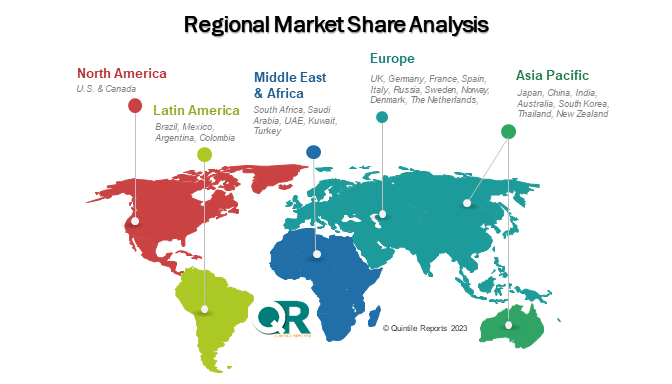
The chapter in Fish Oil Products market research report is a pivotal section that examines and predicts the market dynamics and trends specific to different geographical regions. This chapter is crucial for businesses and stakeholders seeking a comprehensive understanding of how the market behaves across various locations, enabling them to tailor strategies and make informed decisions based on regional variations. The regional analysis chapter of our Fish Oil Products market report is classified into regions & country-level. The chapter consists of North America (U.S., Canada), Europe (UK, Germany, France, Italy, Spain, Russia, Sweden, Denmark, Norway, Rest of Europe), Asia Pacific (Japan, China, India, Australia, South Korea, Thailand, Rest of Asia Pacific), Latin America (Brazil, Mexico, Argentina, Colombia, Rest of Latin America), Middle East & Africa (South Africa, Saudi Arabia, UAE, Kuwait, Rest of Middle East & Africa).
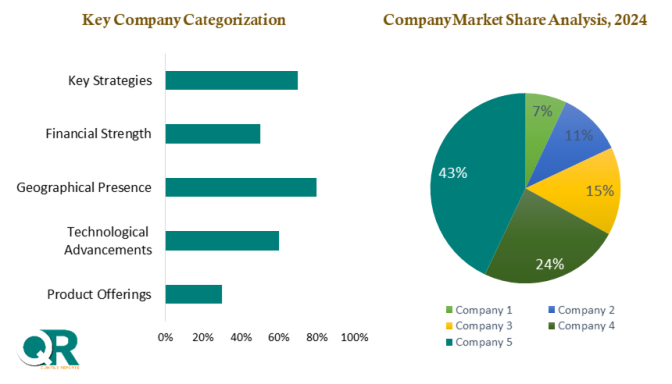
This section of a Fish Oil Products market report is a crucial segment that provides a comprehensive overview of the competitive landscape within the market. This section is vital for businesses, investors, and stakeholders seeking insights into key players, their market positioning, strengths, weaknesses, strategies, and potential impacts on the overall market dynamics. The chapter includes research methodology used to analyse the market competition, list of key players operating in the market, detailed company profile section which includes company overview, business verticals, financial performance, product/services benchmarking, geographical presence, and strategic initiatives.
| Report Scope | Details |
| Report Version | 2026 |
| Growth Rate | CAGR of 4.69 from 2026 to 2035 |
| Base year | 2025 |
| Actual estimates/Historical data | 2017 - 2024 |
| Forecast period | 2026 - 2035 |
| Quantitative units | Revenue in USD million/billion & CAGR from 2026 to 2035 |
| Country scope | North America (U.S., Canada), Europe (UK, Germany, France, Italy, Spain, Russia, Sweden, Denmark, Norway, Rest of Europe), Asia Pacific (Japan, China, India, Australia, South Korea, Thailand, Rest of Asia Pacific), Latin America (Brazil, Mexico, Argentina, Colombia, Rest of Latin America), Middle East & Africa (South Africa, Saudi Arabia, UAE, Kuwait, Rest of Middle East & Africa). |
| The Segment covered by Species / Product Source |
|
| The Segment covered by Grade |
|
| Companies covered |
|
| Report coverage | Revenue forecast, company share, competitive landscape, growth factors, and trends |
| Free customization scope (equivalent to 5 analyst working days) | If you need specific information, which is not currently within the scope of the report, we will provide it to you as a part of the customization |

Statistics for the 2025 Fish Oil Products market share, size, and revenue growth rate were created by Quintile Report™. Fish Oil Products analysis includes a market forecast outlook for 2035 and a historical overview. Get a free PDF sample of this market analysis, please get in touch with our principal analyst at sales@quintilereports.com
List of Tables
Table 1 List of Abbreviation and acronyms
Table 2 List of Sources
Table 3 North America Global Fish Oil Products Market, by Segment Analysis, (USD Million) 2017-2035
Table 4 North America Global Fish Oil Products Market, by Region, (USD Million) 2017-2035
Table 5 U.S. Global Fish Oil Products Market, by Segment Analysis, (USD Million) 2017-2035
Table 6 Canada Global Fish Oil Products Market, by Segment Analysis, (USD Million) 2017-2035
Table 7 Europe Global Fish Oil Products Market, by Segment Analysis, (USD Million) 2017-2035
Table 8 Europe Global Fish Oil Products Market, by Region, (USD Million) 2017-2035
Table 9 Germany Global Fish Oil Products Market, by Segment Analysis, (USD Million) 2017-2035
Table 10 U.K. Global Fish Oil Products Market, by Segment Analysis, (USD Million) 2017-2035
Table 11 France Global Fish Oil Products Market, by Segment Analysis, (USD Million) 2017-2035
Table 12 Italy Global Fish Oil Products Market, by Segment Analysis, (USD Million) 2017-2035
Table 13 Spain Global Fish Oil Products Market, by Segment Analysis, (USD Million) 2017-2035
Table 14 Sweden Global Fish Oil Products Market, by Segment Analysis, (USD Million) 2017-2035
Table 15 Denmark Global Fish Oil Products Market, by Segment Analysis, (USD Million) 2017-2035
Table 16 Norway Global Fish Oil Products Market, by Segment Analysis, (USD Million) 2017-2035
Table 17 The Netherlands Global Fish Oil Products Market, by Segment Analysis, (USD Million) 2017-2035
Table 18 Russia Global Fish Oil Products Market, by Segment Analysis, (USD Million) 2017-2035
Table 19 Asia Pacific Global Fish Oil Products Market, by Segment Analysis, (USD Million) 2017-2035
Table 20 Asia Pacific Global Fish Oil Products Market, by Region, (USD Million) 2017-2035
Table 21 China Global Fish Oil Products Market, by Segment Analysis, (USD Million) 2017-2035
Table 22 Japan Global Fish Oil Products Market, by Segment Analysis, (USD Million) 2017-2035
Table 23 India Global Fish Oil Products Market, by Segment Analysis, (USD Million) 2017-2035
Table 24 Australia Global Fish Oil Products Market, by Segment Analysis, (USD Million) 2017-2035
Table 25 South Korea Global Fish Oil Products Market, by Segment Analysis, (USD Million) 2017-2035
Table 26 Thailand Global Fish Oil Products Market, by Segment Analysis, (USD Million) 2017-2035
Table 27 Latin America Global Fish Oil Products Market, by Segment Analysis, (USD Million) 2017-2035
Table 28 Latin America Global Fish Oil Products Market, by Region, (USD Million) 2017-2035
Table 29 Brazil Global Fish Oil Products Market, by Segment Analysis, (USD Million) 2017-2035
Table 30 Mexico Global Fish Oil Products Market, by Segment Analysis, (USD Million) 2017-2035
Table 31 Argentina Global Fish Oil Products Market, by Segment Analysis, (USD Million) 2017-2035
Table 32 Middle East and Africa Global Fish Oil Products Market, by Segment Analysis, (USD Million) 2017-2035
Table 33 Middle East and Africa Global Fish Oil Products Market, by Region, (USD Million) 2017-2035
Table 34 South Africa Global Fish Oil Products Market, by Segment Analysis, (USD Million) 2017-2035
Table 35 Saudi Arabia Global Fish Oil Products Market, by Segment Analysis, (USD Million) 2017-2035
Table 36 UAE Global Fish Oil Products Market, by Segment Analysis, (USD Million) 2017-2035
Table 37 Kuwait Global Fish Oil Products Market, by Segment Analysis, (USD Million) 2017-2035
Table 38 Turkey Global Fish Oil Products Market, by Segment Analysis, (USD Million) 2017-2035
Fig.1 Market research process
Fig.2 Market research approaches
Fig.3 Global Fish Oil Products Market: market scenario
Fig.4 Global Fish Oil Products Market competitive outlook
Fig.5 Global Fish Oil Products Market driver analysis
Fig.6 Global Fish Oil Products Market restraint analysis
Fig.7 Global Fish Oil Products Market opportunity analysis
Fig.8 Global Fish Oil Products Market trends analysis
Fig.9 Global Fish Oil Products Market: Segment Analysis (Based on the scope)
Fig.10 Global Fish Oil Products Market: regional analysis
Fig.11 Global market shares and leading market players
Fig.12 North America market share and leading players
Fig.13 Europe market share and leading players
Fig.14 Asia Pacific market share and leading players
Fig.15 Latin America market share and leading players
Fig.16 Middle East & Africa market share and leading players
Fig.17 North America, by country
Fig.18 North America
Fig.19 North America market estimates and forecast, 2017-2035
Fig.20 U.S.
Fig.21 Canada
Fig.22 Europe
Fig.23 Europe market estimates and forecast, 2017-2035
Fig.24 U.K.
Fig.25 Germany
Fig.26 France
Fig.27 Italy
Fig.28 Spain
Fig.29 Sweden
Fig.30 Denmark
Fig.31 Norway
Fig.32 The Netherlands
Fig.33 Russia
Fig.34 Asia Pacific
Fig.35 Asia Pacific market estimates and forecast, 2017-2035
Fig.36 China
Fig.37 Japan
Fig.38 India
Fig.39 Australia
Fig.40 South Korea
Fig.41 Thailand
Fig.42 Latin America
Fig.43 Latin America market estimates and forecast, 2017-2035
Fig.44 Brazil
Fig.45 Mexico
Fig.46 Argentina
Fig.47 Colombia
Fig.48 Middle East and Africa
Fig.49 Middle East and Africa market estimates and forecast, 2017-2035
Fig.50 Saudi Arabia
Fig.51 South Africa
Fig.52 UAE
Fig.53 Kuwait
Fig.54 Turkey
List of Tables
Table 1 List of Abbreviation and acronyms
Table 2 List of Sources
Table 3 North America Global Fish Oil Products Market, by Segment Analysis, (USD Million) 2017-2035
Table 4 North America Global Fish Oil Products Market, by Region, (USD Million) 2017-2035
Table 5 U.S. Global Fish Oil Products Market, by Segment Analysis, (USD Million) 2017-2035
Table 6 Canada Global Fish Oil Products Market, by Segment Analysis, (USD Million) 2017-2035
Table 7 Europe Global Fish Oil Products Market, by Segment Analysis, (USD Million) 2017-2035
Table 8 Europe Global Fish Oil Products Market, by Region, (USD Million) 2017-2035
Table 9 Germany Global Fish Oil Products Market, by Segment Analysis, (USD Million) 2017-2035
Table 10 U.K. Global Fish Oil Products Market, by Segment Analysis, (USD Million) 2017-2035
Table 11 France Global Fish Oil Products Market, by Segment Analysis, (USD Million) 2017-2035
Table 12 Italy Global Fish Oil Products Market, by Segment Analysis, (USD Million) 2017-2035
Table 13 Spain Global Fish Oil Products Market, by Segment Analysis, (USD Million) 2017-2035
Table 14 Sweden Global Fish Oil Products Market, by Segment Analysis, (USD Million) 2017-2035
Table 15 Denmark Global Fish Oil Products Market, by Segment Analysis, (USD Million) 2017-2035
Table 16 Norway Global Fish Oil Products Market, by Segment Analysis, (USD Million) 2017-2035
Table 17 The Netherlands Global Fish Oil Products Market, by Segment Analysis, (USD Million) 2017-2035
Table 18 Russia Global Fish Oil Products Market, by Segment Analysis, (USD Million) 2017-2035
Table 19 Asia Pacific Global Fish Oil Products Market, by Segment Analysis, (USD Million) 2017-2035
Table 20 Asia Pacific Global Fish Oil Products Market, by Region, (USD Million) 2017-2035
Table 21 China Global Fish Oil Products Market, by Segment Analysis, (USD Million) 2017-2035
Table 22 Japan Global Fish Oil Products Market, by Segment Analysis, (USD Million) 2017-2035
Table 23 India Global Fish Oil Products Market, by Segment Analysis, (USD Million) 2017-2035
Table 24 Australia Global Fish Oil Products Market, by Segment Analysis, (USD Million) 2017-2035
Table 25 South Korea Global Fish Oil Products Market, by Segment Analysis, (USD Million) 2017-2035
Table 26 Thailand Global Fish Oil Products Market, by Segment Analysis, (USD Million) 2017-2035
Table 27 Latin America Global Fish Oil Products Market, by Segment Analysis, (USD Million) 2017-2035
Table 28 Latin America Global Fish Oil Products Market, by Region, (USD Million) 2017-2035
Table 29 Brazil Global Fish Oil Products Market, by Segment Analysis, (USD Million) 2017-2035
Table 30 Mexico Global Fish Oil Products Market, by Segment Analysis, (USD Million) 2017-2035
Table 31 Argentina Global Fish Oil Products Market, by Segment Analysis, (USD Million) 2017-2035
Table 32 Middle East and Africa Global Fish Oil Products Market, by Segment Analysis, (USD Million) 2017-2035
Table 33 Middle East and Africa Global Fish Oil Products Market, by Region, (USD Million) 2017-2035
Table 34 South Africa Global Fish Oil Products Market, by Segment Analysis, (USD Million) 2017-2035
Table 35 Saudi Arabia Global Fish Oil Products Market, by Segment Analysis, (USD Million) 2017-2035
Table 36 UAE Global Fish Oil Products Market, by Segment Analysis, (USD Million) 2017-2035
Table 37 Kuwait Global Fish Oil Products Market, by Segment Analysis, (USD Million) 2017-2035
Table 38 Turkey Global Fish Oil Products Market, by Segment Analysis, (USD Million) 2017-2035
Fig.1 Market research process
Fig.2 Market research approaches
Fig.3 Global Fish Oil Products Market: market scenario
Fig.4 Global Fish Oil Products Market competitive outlook
Fig.5 Global Fish Oil Products Market driver analysis
Fig.6 Global Fish Oil Products Market restraint analysis
Fig.7 Global Fish Oil Products Market opportunity analysis
Fig.8 Global Fish Oil Products Market trends analysis
Fig.9 Global Fish Oil Products Market: Segment Analysis (Based on the scope)
Fig.10 Global Fish Oil Products Market: regional analysis
Fig.11 Global market shares and leading market players
Fig.12 North America market share and leading players
Fig.13 Europe market share and leading players
Fig.14 Asia Pacific market share and leading players
Fig.15 Latin America market share and leading players
Fig.16 Middle East & Africa market share and leading players
Fig.17 North America, by country
Fig.18 North America
Fig.19 North America market estimates and forecast, 2017-2035
Fig.20 U.S.
Fig.21 Canada
Fig.22 Europe
Fig.23 Europe market estimates and forecast, 2017-2035
Fig.24 U.K.
Fig.25 Germany
Fig.26 France
Fig.27 Italy
Fig.28 Spain
Fig.29 Sweden
Fig.30 Denmark
Fig.31 Norway
Fig.32 The Netherlands
Fig.33 Russia
Fig.34 Asia Pacific
Fig.35 Asia Pacific market estimates and forecast, 2017-2035
Fig.36 China
Fig.37 Japan
Fig.38 India
Fig.39 Australia
Fig.40 South Korea
Fig.41 Thailand
Fig.42 Latin America
Fig.43 Latin America market estimates and forecast, 2017-2035
Fig.44 Brazil
Fig.45 Mexico
Fig.46 Argentina
Fig.47 Colombia
Fig.48 Middle East and Africa
Fig.49 Middle East and Africa market estimates and forecast, 2017-2035
Fig.50 Saudi Arabia
Fig.51 South Africa
Fig.52 UAE
Fig.53 Kuwait
Fig.54 Turkey
The Global Fish Oil Products Market was estimated at USD 5.35 billion in 2025 and is projected to reach USD 7.5 billion by 2035, growing at a robust CAGR of 4.69% during the forecast period from 2026 to 2035. The Fish Oil Products market report provides a comprehensive industry assessment, analyzing economic conditions, technological advancements, regulatory frameworks, and evolving consumer behavior to deliver a clear view of future growth potential.
With 2025 as the base year, the Fish Oil Products market is witnessing steady expansion driven by innovation, rising consumer demand, and rapid technological progress. Companies are increasingly refining their go-to-market (GTM) strategies to capture emerging opportunities and respond to shifting market dynamics.
Looking ahead to 2035, the market is expected to sustain its growth momentum, supported by continuous R&D investments, strategic partnerships, and mergers and acquisitions. Businesses that prioritize innovation, agile GTM strategies, and alignment with consumer needs are likely to achieve long-term success. The report delivers detailed insights into key drivers, restraints, opportunities, and challenges across segments, regions, and countries, supported by qualitative and quantitative analysis covering the period from 2017 to 2035.
Historical Analysis (2017–2024): Reviews past market trends, performance metrics, and growth patterns to identify factors shaping current and future market behavior.
Forecast and Projections (2026–2035): Provides forward-looking market estimates, highlighting growth opportunities, emerging trends, and regional developments.
Compound Annual Growth Rate (CAGR): Presents a clear CAGR calculation for 2026–2035, enabling stakeholders to evaluate market growth potential over the forecast period.
Fish Oil Products Market
The fish oil products market refers to the global and regional market for dietary supplements derived from the tissues of oily fish and are rich sources of omega-3 fatty acids, primarily eicosapentaenoic acid (EPA) and docosahexaenoic acid (DHA). These long-chain polyunsaturated fatty acids are known for their role in supporting cardiovascular, cognitive, and inflammatory health.
According to the U.S. National Institutes of Health (NIH), fish oil is a source of omega-3 fatty acids that are important for a number of bodily functions, including muscle activity, blood clotting, digestion, fertility, and cell division and growth. Fish oil products may be available in various forms, such as softgel capsules, liquid concentrates, or functional food ingredients, and are typically produced from species like anchovies, sardines, mackerel, and salmon.
What are the drivers of fish oil products market?Growing consumer awareness about the health benefits of omega-3 fatty acids has significantly boosted the demand for fish oil supplements. Scientific studies linking EPA and DHA with heart health, brain function, and inflammation reduction are prompting consumers to include fish oil in their daily routines.
The increasing prevalence of chronic diseases such as cardiovascular disorders, arthritis, and cognitive decline is driving the adoption of preventive healthcare. Fish oil is widely promoted for its therapeutic potential, pushing pharmaceutical and nutraceutical companies to incorporate it in their product lines.
Rising demand for functional foods and dietary supplements among health-conscious individuals has fueled market growth. Consumers seeking natural alternatives are turning to fish oil-enriched products, including beverages, dairy, and fortified foods, which support both preventive and performance nutrition.
Expansion in the aquaculture industry has created consistent demand for fish oil as a key ingredient in fish feed. Fish oil is crucial for providing essential fatty acids in aquafeed, especially for salmon and trout farming, supporting growth and immunity in farmed species.
Favorable government recommendations and dietary guidelines promoting omega-3 intake contribute to market expansion. Regulatory bodies in North America and Europe continue to endorse fish oil's benefits, supporting product claims and helping to increase consumer trust.
What are the challenges and restraining factors of fish oil products market?Fluctuating raw material supply due to overfishing and environmental concerns poses a major challenge. The sustainability of fish oil sourcing is under scrutiny, with stricter quotas and ecosystem protection policies affecting supply chains and pricing.
Concerns about contamination with heavy metals such as mercury and dioxins in fish-derived products challenge market perception. Ensuring product purity and safety through advanced filtration and certification increases production costs and regulatory compliance burdens.
The rise of plant-based omega-3 alternatives, such as algal oil and flaxseed oil, is intensifying competition. Consumers seeking vegan or environmentally friendly options are increasingly turning away from marine-sourced fish oil, which may impact traditional market segments.
What are the regional trends of fish oil products market?In North America, the fish oil market is driven by high consumer awareness regarding heart health and cognitive benefits associated with omega-3s. The U.S. continues to lead in dietary supplement consumption, with growing demand for high-purity fish oil products. Approximately 50% of US adults routinely take dietary supplements and spend billions of dollars annually. Regulatory support from agencies like the FDA and increased recommendations from health professionals further support regional market growth.
Europe remains a strong market for fish oil, particularly due to stringent quality regulations and a well-established nutraceutical industry. Countries such as Germany and the Nordic nations exhibit consistent demand for fish oil-based supplements, supported by aging populations and a focus on preventive healthcare. Sustainability in sourcing is a key focus area, influencing product formulation and supply chains.
The Asia-Pacific region is witnessing rapid growth in fish oil consumption, led by expanding middle-class populations and rising health awareness in countries like China, India, and Japan. Additionally, APAC holds a significant share of global aquaculture, where fish oil is essential in feed formulations. Asia accounted for 167.1 million tonnes of global fisheries and aquaculture production, 75 percent of the world's total. Asia leads all regions producing 70 percent of global aquatic animals and 97 percent of global algae.
Latin America is seeing moderate growth in fish oil usage, with rising demand in both human nutrition and aquaculture. Countries like Chile and Peru are key suppliers due to their vast marine resources, supporting both regional use and exports. However, local consumption is increasing as health trends and supplement awareness spread across urban centers.
In the Middle East and Africa, the fish oil market is still in a developing phase, but awareness about omega-3 benefits is gradually rising. Growing urbanization and an increase in non-communicable diseases are driving demand for nutritional supplements. Imports dominate the market due to limited domestic production, but healthcare initiatives are supporting market penetration.
Country-Wise Outlook:U.S. Fish Oil Market Thrives on Supplement Demand:In the United States, the fish oil market is well-established, largely driven by strong consumer awareness of the health benefits linked to omega-3 fatty acids, especially for cardiovascular health, brain function, and inflammation control. The country has a mature dietary supplement industry, with fish oil being one of the most widely consumed supplements. Consumer preference is shifting toward high-concentration EPA and DHA products, along with increased interest in triglyceride-form fish oil for better absorption.
Regulatory guidance from the FDA supports market transparency and product safety, reinforcing consumer confidence. There's also a growing trend toward sustainably sourced and purified fish oils, especially among premium brands. Functional food and beverage manufacturers are increasingly incorporating fish oil into innovative product formats such as gummies, soft gels, and fortified dairy, contributing to diversified market growth across consumer segments.
Germany Leads in Pharmaceutical-Grade Omega-3 Products:Germany has one of the most robust fish oil markets in Europe, supported by a strong culture of preventive healthcare and well-regulated nutraceutical standards. German consumers prioritize high-quality and scientifically validated supplements, leading to demand for pharmaceutical-grade fish oil. Retail sales are dominated by pharmacies and health stores, with an increasing presence of online sales channels for omega-3 products.
The market is also influenced by an aging population concerned with managing chronic conditions such as cardiovascular diseases and arthritis. Sustainability and traceability are becoming essential in purchasing decisions, pushing brands to focus on marine stewardship certifications and eco-friendly production. Germany's regulatory alignment with EFSA (European Food Safety Authority) ensures that fish oil products meet rigorous health and safety criteria, further enhancing consumer trust.
Japan Integrates Fish Oil into Daily Nutrition:Japan is a leading market for fish oil, supported by a traditional diet that already incorporates high levels of fish and seafood. Fish oil supplements are viewed as a natural extension of daily nutrition rather than a niche health product. Japanese consumers, especially the elderly, widely accept omega-3s for maintaining cognitive health, eye function, and metabolic balance, contributing to steady market growth.
The country also has a significant pharmaceutical-grade fish oil segment, reflecting its advanced medical and wellness infrastructure. Domestic brands often emphasize purity and scientific efficacy, with growing demand for concentrated and odor-free formulations. Regulatory backing from Japan’s Food for Specified Health Uses (FOSHU) helps validate health claims and supports innovation in functional food formats, including fortified drinks and capsules.
Competitive Analysis:The global fish oil market comprises a mix of large multinational corporations and numerous regional firms, contributing to a moderately fragmented landscape. While major players dominate the high-concentration omega-3 segment, local producers maintain a strong presence in bulk and lower-cost segments, particularly in emerging markets. Competition is based on product quality, sourcing practices, and application-specific formulations.
Intensive focus on research and development has pushed companies to create more refined, concentrated, and application-specific fish oil formulations. This includes advancements in EPA/DHA ratios, taste masking, and microencapsulation technologies. Product innovation, especially in the nutraceutical and pharmaceutical segments, acts as a key competitive differentiator, particularly in North America and Europe.
Sustainability and transparency in sourcing have emerged as defining competitive factors. Companies adopting responsible fishing practices, achieving sustainability certifications, and ensuring traceable supply chains are gaining an edge. This shift is being driven both by consumer demand for ethical products and by tightening global environmental regulations.
In Asia-Pacific and Latin America, smaller and regionally focused players compete effectively by leveraging cost advantages and proximity to abundant marine resources. These companies cater to regional demand with less emphasis on high-end refinement, targeting the aquaculture and food industries more than the pharmaceutical sector.
The growing use of digital marketing, subscription services, and direct-to-consumer sales channels is reshaping how companies compete, especially in developed markets. Brands with strong online presence, engaging educational content, and personalized offerings are gaining market share, challenging legacy firms that rely heavily on traditional retail distribution.
Key players in the market are Croda International plc, Pelagia AS, GC Rieber Oils, Omega Protein Corporation, BASF SE, DSM (including DMA’s MEG-3/Ocean Nutrition Canada), TripleNine Group, OLVEA Group, Copeinca ASA, Aker BioMarine, Nordic Naturals, Neptune Wellness Solutions, Barlean’s, Wiley’s Finest, Ocean Nutrition Canada, and other players.Recent Development:In December 2024, Coromega introduced Max Gold, a high-concentrate omega-3 fish oil supplement delivering 3,000 mg of omega-3s per daily dose, with 1,560 mg EPA and 1,060 mg DHA in a single emulsified packet. The ultra-pure formula sourced from wild-caught deep-sea fish uses molecular distillation to ensure freedom from heavy metals and PCBs, supporting heart, brain, and joint health while minimizing fish burps.
In May 2024, NOW introduced its first omega-3 fish oil gummy chew, using ConCordix technology. Each single passion-fruit flavored chew provides 750 mg of fish oil (containing 300 mg EPA and 225 mg DHA) in a clean, allergen-free format offering an innovative, chewable alternative to traditional capsules.
Our team of experienced researchers has meticulously gathered and analyzed data to deliver a thorough examination of market dynamics, competitive landscape, and emerging technologies. With a focus on delivering actionable intelligence, this report aims to empower decision-makers with the information needed to make informed choices and stay ahead of the competition. Whether you are a seasoned industry player or a new entrant, our market research report serves as a strategic tool to navigate the complexities of the market, aiding in successful business planning and growth strategies.
This chapter of our Fish Oil Products market report provides an in-depth examination of the factors shaping the industry landscape. This section typically encompasses several key elements to offer a comprehensive understanding of the industry landscape such as market drivers & restraints analysis, market opportunities & trend analysis, market size & growth analysis, competitive analysis, SWOT analysis, business environment tools such as Porter's five forces & PESTEL analysis, Ansoff Matrix analysis, penetration & growth prospect analysis, regulatory framework & reimbursement scenario analysis, impact of macro & micro economic factors analysis such as Covid-19 impact, GDP growth, market inflation, U.S.- China trade war, Russia-Ukraine war impact, and supply chain analysis.
The segment analysis chapter of Fish Oil Products market report is a critical section that delves into a detailed examination of the market's various segments. Segmentation involves dividing the market into distinct categories based on certain criteria to better understand and address the diverse needs of consumers. This chapter typically follows the introduction and provides a more granular view of the market, offering valuable insights for businesses and stakeholders. The components of the chapter lude segment definitions to understand the inclusions and exclusions of the study, assumptions, market size estimates and growth trend analysis of each segment, qualitative analysis of the segment, technological advancements, market penetration rate, market adoption rate, market share examination by each segment, segment growth drivers and restraint barriers, consumer behaviour and challenge analysis.
The chapter in Fish Oil Products market research report is a pivotal section that examines and predicts the market dynamics and trends specific to different geographical regions. This chapter is crucial for businesses and stakeholders seeking a comprehensive understanding of how the market behaves across various locations, enabling them to tailor strategies and make informed decisions based on regional variations. The regional analysis chapter of our Fish Oil Products market report is classified into regions & country-level. The chapter consists of North America (U.S., Canada), Europe (UK, Germany, France, Italy, Spain, Russia, Sweden, Denmark, Norway, Rest of Europe), Asia Pacific (Japan, China, India, Australia, South Korea, Thailand, Rest of Asia Pacific), Latin America (Brazil, Mexico, Argentina, Colombia, Rest of Latin America), Middle East & Africa (South Africa, Saudi Arabia, UAE, Kuwait, Rest of Middle East & Africa).
This section of a Fish Oil Products market report is a crucial segment that provides a comprehensive overview of the competitive landscape within the market. This section is vital for businesses, investors, and stakeholders seeking insights into key players, their market positioning, strengths, weaknesses, strategies, and potential impacts on the overall market dynamics. The chapter includes research methodology used to analyse the market competition, list of key players operating in the market, detailed company profile section which includes company overview, business verticals, financial performance, product/services benchmarking, geographical presence, and strategic initiatives.
| Report Scope | Details |
| Report Version | 2026 |
| Growth Rate | CAGR of 4.69 from 2026 to 2035 |
| Base year | 2025 |
| Actual estimates/Historical data | 2017 - 2024 |
| Forecast period | 2026 - 2035 |
| Quantitative units | Revenue in USD million/billion & CAGR from 2026 to 2035 |
| Country scope | North America (U.S., Canada), Europe (UK, Germany, France, Italy, Spain, Russia, Sweden, Denmark, Norway, Rest of Europe), Asia Pacific (Japan, China, India, Australia, South Korea, Thailand, Rest of Asia Pacific), Latin America (Brazil, Mexico, Argentina, Colombia, Rest of Latin America), Middle East & Africa (South Africa, Saudi Arabia, UAE, Kuwait, Rest of Middle East & Africa). |
| The Segment covered by Species / Product Source |
|
| The Segment covered by Grade |
|
| Companies covered |
|
| Report coverage | Revenue forecast, company share, competitive landscape, growth factors, and trends |
| Free customization scope (equivalent to 5 analyst working days) | If you need specific information, which is not currently within the scope of the report, we will provide it to you as a part of the customization |
Statistics for the 2025 Fish Oil Products market share, size, and revenue growth rate were created by Quintile Report™. Fish Oil Products analysis includes a market forecast outlook for 2035 and a historical overview. Get a free PDF sample of this market analysis, please get in touch with our principal analyst at sales@quintilereports.com
Table 1 List of Abbreviation and acronyms
Table 2 List of Sources
Table 3 North America Global Fish Oil Products Market, by Segment Analysis, (USD Million) 2017-2035
Table 4 North America Global Fish Oil Products Market, by Region, (USD Million) 2017-2035
Table 5 U.S. Global Fish Oil Products Market, by Segment Analysis, (USD Million) 2017-2035
Table 6 Canada Global Fish Oil Products Market, by Segment Analysis, (USD Million) 2017-2035
Table 7 Europe Global Fish Oil Products Market, by Segment Analysis, (USD Million) 2017-2035
Table 8 Europe Global Fish Oil Products Market, by Region, (USD Million) 2017-2035
Table 9 Germany Global Fish Oil Products Market, by Segment Analysis, (USD Million) 2017-2035
Table 10 U.K. Global Fish Oil Products Market, by Segment Analysis, (USD Million) 2017-2035
Table 11 France Global Fish Oil Products Market, by Segment Analysis, (USD Million) 2017-2035
Table 12 Italy Global Fish Oil Products Market, by Segment Analysis, (USD Million) 2017-2035
Table 13 Spain Global Fish Oil Products Market, by Segment Analysis, (USD Million) 2017-2035
Table 14 Sweden Global Fish Oil Products Market, by Segment Analysis, (USD Million) 2017-2035
Table 15 Denmark Global Fish Oil Products Market, by Segment Analysis, (USD Million) 2017-2035
Table 16 Norway Global Fish Oil Products Market, by Segment Analysis, (USD Million) 2017-2035
Table 17 The Netherlands Global Fish Oil Products Market, by Segment Analysis, (USD Million) 2017-2035
Table 18 Russia Global Fish Oil Products Market, by Segment Analysis, (USD Million) 2017-2035
Table 19 Asia Pacific Global Fish Oil Products Market, by Segment Analysis, (USD Million) 2017-2035
Table 20 Asia Pacific Global Fish Oil Products Market, by Region, (USD Million) 2017-2035
Table 21 China Global Fish Oil Products Market, by Segment Analysis, (USD Million) 2017-2035
Table 22 Japan Global Fish Oil Products Market, by Segment Analysis, (USD Million) 2017-2035
Table 23 India Global Fish Oil Products Market, by Segment Analysis, (USD Million) 2017-2035
Table 24 Australia Global Fish Oil Products Market, by Segment Analysis, (USD Million) 2017-2035
Table 25 South Korea Global Fish Oil Products Market, by Segment Analysis, (USD Million) 2017-2035
Table 26 Thailand Global Fish Oil Products Market, by Segment Analysis, (USD Million) 2017-2035
Table 27 Latin America Global Fish Oil Products Market, by Segment Analysis, (USD Million) 2017-2035
Table 28 Latin America Global Fish Oil Products Market, by Region, (USD Million) 2017-2035
Table 29 Brazil Global Fish Oil Products Market, by Segment Analysis, (USD Million) 2017-2035
Table 30 Mexico Global Fish Oil Products Market, by Segment Analysis, (USD Million) 2017-2035
Table 31 Argentina Global Fish Oil Products Market, by Segment Analysis, (USD Million) 2017-2035
Table 32 Middle East and Africa Global Fish Oil Products Market, by Segment Analysis, (USD Million) 2017-2035
Table 33 Middle East and Africa Global Fish Oil Products Market, by Region, (USD Million) 2017-2035
Table 34 South Africa Global Fish Oil Products Market, by Segment Analysis, (USD Million) 2017-2035
Table 35 Saudi Arabia Global Fish Oil Products Market, by Segment Analysis, (USD Million) 2017-2035
Table 36 UAE Global Fish Oil Products Market, by Segment Analysis, (USD Million) 2017-2035
Table 37 Kuwait Global Fish Oil Products Market, by Segment Analysis, (USD Million) 2017-2035
Table 38 Turkey Global Fish Oil Products Market, by Segment Analysis, (USD Million) 2017-2035
Fig.1 Market research process
Fig.2 Market research approaches
Fig.3 Global Fish Oil Products Market: market scenario
Fig.4 Global Fish Oil Products Market competitive outlook
Fig.5 Global Fish Oil Products Market driver analysis
Fig.6 Global Fish Oil Products Market restraint analysis
Fig.7 Global Fish Oil Products Market opportunity analysis
Fig.8 Global Fish Oil Products Market trends analysis
Fig.9 Global Fish Oil Products Market: Segment Analysis (Based on the scope)
Fig.10 Global Fish Oil Products Market: regional analysis
Fig.11 Global market shares and leading market players
Fig.12 North America market share and leading players
Fig.13 Europe market share and leading players
Fig.14 Asia Pacific market share and leading players
Fig.15 Latin America market share and leading players
Fig.16 Middle East & Africa market share and leading players
Fig.17 North America, by country
Fig.18 North America
Fig.19 North America market estimates and forecast, 2017-2035
Fig.20 U.S.
Fig.21 Canada
Fig.22 Europe
Fig.23 Europe market estimates and forecast, 2017-2035
Fig.24 U.K.
Fig.25 Germany
Fig.26 France
Fig.27 Italy
Fig.28 Spain
Fig.29 Sweden
Fig.30 Denmark
Fig.31 Norway
Fig.32 The Netherlands
Fig.33 Russia
Fig.34 Asia Pacific
Fig.35 Asia Pacific market estimates and forecast, 2017-2035
Fig.36 China
Fig.37 Japan
Fig.38 India
Fig.39 Australia
Fig.40 South Korea
Fig.41 Thailand
Fig.42 Latin America
Fig.43 Latin America market estimates and forecast, 2017-2035
Fig.44 Brazil
Fig.45 Mexico
Fig.46 Argentina
Fig.47 Colombia
Fig.48 Middle East and Africa
Fig.49 Middle East and Africa market estimates and forecast, 2017-2035
Fig.50 Saudi Arabia
Fig.51 South Africa
Fig.52 UAE
Fig.53 Kuwait
Fig.54 Turkey
Table 1 List of Abbreviation and acronyms
Table 2 List of Sources
Table 3 North America Global Fish Oil Products Market, by Segment Analysis, (USD Million) 2017-2035
Table 4 North America Global Fish Oil Products Market, by Region, (USD Million) 2017-2035
Table 5 U.S. Global Fish Oil Products Market, by Segment Analysis, (USD Million) 2017-2035
Table 6 Canada Global Fish Oil Products Market, by Segment Analysis, (USD Million) 2017-2035
Table 7 Europe Global Fish Oil Products Market, by Segment Analysis, (USD Million) 2017-2035
Table 8 Europe Global Fish Oil Products Market, by Region, (USD Million) 2017-2035
Table 9 Germany Global Fish Oil Products Market, by Segment Analysis, (USD Million) 2017-2035
Table 10 U.K. Global Fish Oil Products Market, by Segment Analysis, (USD Million) 2017-2035
Table 11 France Global Fish Oil Products Market, by Segment Analysis, (USD Million) 2017-2035
Table 12 Italy Global Fish Oil Products Market, by Segment Analysis, (USD Million) 2017-2035
Table 13 Spain Global Fish Oil Products Market, by Segment Analysis, (USD Million) 2017-2035
Table 14 Sweden Global Fish Oil Products Market, by Segment Analysis, (USD Million) 2017-2035
Table 15 Denmark Global Fish Oil Products Market, by Segment Analysis, (USD Million) 2017-2035
Table 16 Norway Global Fish Oil Products Market, by Segment Analysis, (USD Million) 2017-2035
Table 17 The Netherlands Global Fish Oil Products Market, by Segment Analysis, (USD Million) 2017-2035
Table 18 Russia Global Fish Oil Products Market, by Segment Analysis, (USD Million) 2017-2035
Table 19 Asia Pacific Global Fish Oil Products Market, by Segment Analysis, (USD Million) 2017-2035
Table 20 Asia Pacific Global Fish Oil Products Market, by Region, (USD Million) 2017-2035
Table 21 China Global Fish Oil Products Market, by Segment Analysis, (USD Million) 2017-2035
Table 22 Japan Global Fish Oil Products Market, by Segment Analysis, (USD Million) 2017-2035
Table 23 India Global Fish Oil Products Market, by Segment Analysis, (USD Million) 2017-2035
Table 24 Australia Global Fish Oil Products Market, by Segment Analysis, (USD Million) 2017-2035
Table 25 South Korea Global Fish Oil Products Market, by Segment Analysis, (USD Million) 2017-2035
Table 26 Thailand Global Fish Oil Products Market, by Segment Analysis, (USD Million) 2017-2035
Table 27 Latin America Global Fish Oil Products Market, by Segment Analysis, (USD Million) 2017-2035
Table 28 Latin America Global Fish Oil Products Market, by Region, (USD Million) 2017-2035
Table 29 Brazil Global Fish Oil Products Market, by Segment Analysis, (USD Million) 2017-2035
Table 30 Mexico Global Fish Oil Products Market, by Segment Analysis, (USD Million) 2017-2035
Table 31 Argentina Global Fish Oil Products Market, by Segment Analysis, (USD Million) 2017-2035
Table 32 Middle East and Africa Global Fish Oil Products Market, by Segment Analysis, (USD Million) 2017-2035
Table 33 Middle East and Africa Global Fish Oil Products Market, by Region, (USD Million) 2017-2035
Table 34 South Africa Global Fish Oil Products Market, by Segment Analysis, (USD Million) 2017-2035
Table 35 Saudi Arabia Global Fish Oil Products Market, by Segment Analysis, (USD Million) 2017-2035
Table 36 UAE Global Fish Oil Products Market, by Segment Analysis, (USD Million) 2017-2035
Table 37 Kuwait Global Fish Oil Products Market, by Segment Analysis, (USD Million) 2017-2035
Table 38 Turkey Global Fish Oil Products Market, by Segment Analysis, (USD Million) 2017-2035
Fig.1 Market research process
Fig.2 Market research approaches
Fig.3 Global Fish Oil Products Market: market scenario
Fig.4 Global Fish Oil Products Market competitive outlook
Fig.5 Global Fish Oil Products Market driver analysis
Fig.6 Global Fish Oil Products Market restraint analysis
Fig.7 Global Fish Oil Products Market opportunity analysis
Fig.8 Global Fish Oil Products Market trends analysis
Fig.9 Global Fish Oil Products Market: Segment Analysis (Based on the scope)
Fig.10 Global Fish Oil Products Market: regional analysis
Fig.11 Global market shares and leading market players
Fig.12 North America market share and leading players
Fig.13 Europe market share and leading players
Fig.14 Asia Pacific market share and leading players
Fig.15 Latin America market share and leading players
Fig.16 Middle East & Africa market share and leading players
Fig.17 North America, by country
Fig.18 North America
Fig.19 North America market estimates and forecast, 2017-2035
Fig.20 U.S.
Fig.21 Canada
Fig.22 Europe
Fig.23 Europe market estimates and forecast, 2017-2035
Fig.24 U.K.
Fig.25 Germany
Fig.26 France
Fig.27 Italy
Fig.28 Spain
Fig.29 Sweden
Fig.30 Denmark
Fig.31 Norway
Fig.32 The Netherlands
Fig.33 Russia
Fig.34 Asia Pacific
Fig.35 Asia Pacific market estimates and forecast, 2017-2035
Fig.36 China
Fig.37 Japan
Fig.38 India
Fig.39 Australia
Fig.40 South Korea
Fig.41 Thailand
Fig.42 Latin America
Fig.43 Latin America market estimates and forecast, 2017-2035
Fig.44 Brazil
Fig.45 Mexico
Fig.46 Argentina
Fig.47 Colombia
Fig.48 Middle East and Africa
Fig.49 Middle East and Africa market estimates and forecast, 2017-2035
Fig.50 Saudi Arabia
Fig.51 South Africa
Fig.52 UAE
Fig.53 Kuwait
Fig.54 Turkey

A license granted to one user. Rules or conditions might be applied for e.g. the use of electric files (PDFs) or printings, depending on product.
A license granted to multiple users.
A license granted to a single business site/establishment.
A license granted to all employees within organisation access to the product.
Immediate / Within 24-48 hours - Working days
Online Payments with PayPal and CCavenue
You can order a report by picking any of the payment methods which is bank wire or online payment through any Debit/Credit card or PayPal.
Hard Copy
Live Fish Carrier Overview The Global Live Fish Carrier Market was valued at USD 3702.32 million in
Read MoreReport Descriptions: The Global Non-GMO Flour Market was estimated at USD 72.87 billion in 2025 and
Read MoreReport Descriptions: The Global Mineral Ingredients Market was estimated at USD 8.12 billion in 2025
Read More U.S. : +91-626-560-6898