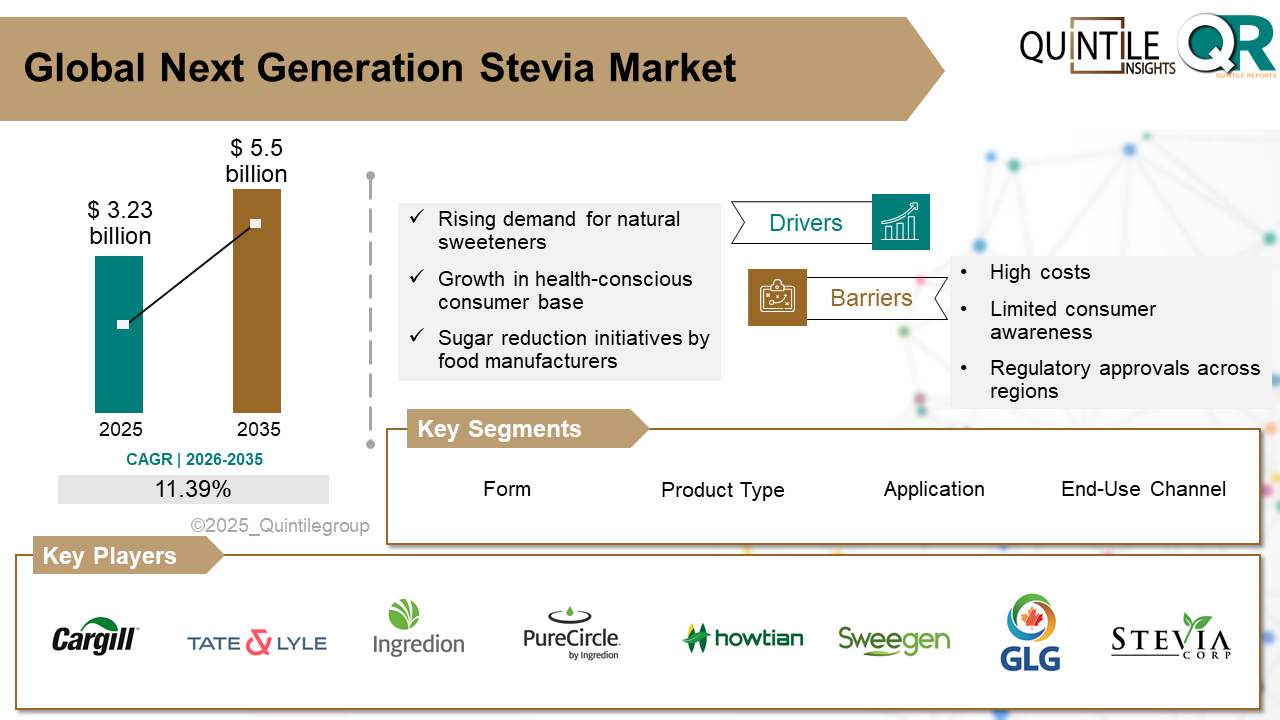
The Global Next Generation Stevia Market was estimated at USD 3.23 billion in 2025 and is projected to reach USD 5.5 billion by 2035, growing at a robust CAGR of 11.39% during the forecast period from 2026 to 2035. The Next Generation Stevia market report provides a comprehensive industry assessment, analyzing economic conditions, technological advancements, regulatory frameworks, and evolving consumer behavior to deliver a clear view of future growth potential.
With 2025 as the base year, the Next Generation Stevia market is witnessing steady expansion driven by innovation, rising consumer demand, and rapid technological progress. Companies are increasingly refining their go-to-market (GTM) strategies to capture emerging opportunities and respond to shifting market dynamics.
Looking ahead to 2035, the market is expected to sustain its growth momentum, supported by continuous R&D investments, strategic partnerships, and mergers and acquisitions. Businesses that prioritize innovation, agile GTM strategies, and alignment with consumer needs are likely to achieve long-term success. The report delivers detailed insights into key drivers, restraints, opportunities, and challenges across segments, regions, and countries, supported by qualitative and quantitative analysis covering the period from 2017 to 2035.
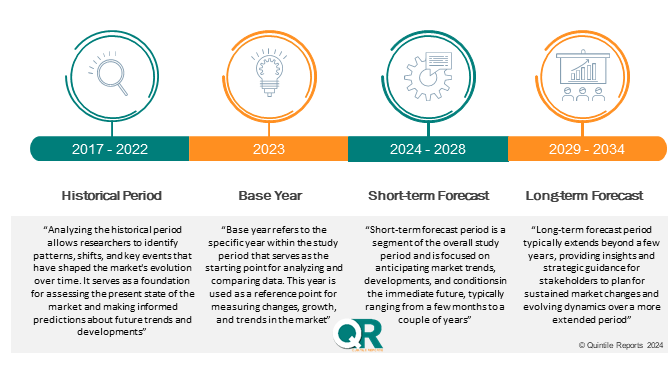
Historical Analysis (2017–2024): Reviews past market trends, performance metrics, and growth patterns to identify factors shaping current and future market behavior.
Forecast and Projections (2026–2035): Provides forward-looking market estimates, highlighting growth opportunities, emerging trends, and regional developments.
Compound Annual Growth Rate (CAGR): Presents a clear CAGR calculation for 2026–2035, enabling stakeholders to evaluate market growth potential over the forecast period.
Next Generation Stevia Market
The next generation stevia refers to steviol glycosides particularly Rebaudioside D (Reb D) and Rebaudioside M (Reb M). High-purity Rebaudioside M (also referred to as Rebaudioside X) is a zero-calorie natural sweetener developed collaboratively by PureCircle Limited and The Coca-Cola Company for application in foods and beverages. It is one of the lesser-known sweet compounds derived from the Stevia rebaudiana Bertoni plant, which originates from South America. As a steviol glycoside, Rebaudioside M consists of a steviol-based aglycone core known as ent-kaurene, and occurs in combination with at least ten other naturally sweet steviol glycosides. Stevia-based sweeteners, including Rebaudioside M, have received regulatory approval for use in various countries such as the United States, European Union member states, Japan, China, Brazil, and others.
Rebaudioside M showed strong stability and functionality across various food products, including beverages, tabletop sweeteners, chewing gum, and yogurt. It maintained sweetness in soft drinks for up to 26 weeks, remained stable in sweetener formulations for 52 weeks, and retained quality in chewing gum and yogurt during processing and storage. Sensory tests confirmed consistent, acceptable sweetness across applications.
What are the drivers of next generation stevia market?The demand for natural, low-calorie sweeteners has significantly increased due to rising health consciousness and the global effort to reduce sugar consumption. This has accelerated the adoption of next-generation stevia, particularly Rebaudioside M and D, which offer a cleaner, sugar-like taste.
The food and beverage industry's growing shift toward clean-label products has driven manufacturers to reformulate using ingredients like high-purity steviol glycosides. These compounds are perceived as natural and more consumer-friendly compared to artificial sweeteners.
Advancements in bioconversion and fermentation technologies have enabled the scalable and cost-effective production of rare steviol glycosides, which were previously limited due to low natural concentrations in stevia leaves.
Regulatory approvals for next-generation stevia components across major markets such as the US, EU, Japan, and China have facilitated broader commercial use, encouraging investment and innovation in this space.
Strategic partnerships between global beverage and ingredient companies, such as Coca-Cola and PureCircle, have accelerated the commercialization and market penetration of next-generation stevia products worldwide.
What are the challenges and restraining factors of next generation stevia market?High production costs remain a major challenge, especially for rare steviol glycosides like Rebaudioside M and D, which are naturally present in low concentrations and require advanced technology for efficient extraction or synthesis.
Taste perception varies by region, and some consumers may still detect slight aftertastes, especially in certain food matrices, posing challenges in product reformulation and widespread acceptance.
Limited consumer awareness of next-generation stevia varieties compared to traditional stevia or other sweeteners may slow adoption, particularly in emerging markets where educational marketing is needed.
What are the regional trends of next generation stevia market?The North American market for next-generation stevia is driven by growing consumer demand for healthier, low-sugar products in beverages, dairy, and snacks. With U.S. FDA approval and increasing focus on clean-label ingredients, manufacturers are incorporating high-purity steviol glycosides like Reb M and Reb D, aided by advancements in fermentation technology.
In Europe, the push for sugar reduction is reinforced by health policies such as sugar taxes and restrictions on artificial sweeteners. Consumer preference for natural and clean-label ingredients is high, and EFSA’s approval of bioconversion-derived steviol glycosides supports the expansion of next-generation stevia in reformulated food and beverage products.
Asia-Pacific is both a major stevia producer and a growing consumer base, especially in countries like China, Japan, and South Korea. Local cultivation and advances in biotechnological production are supporting market growth. Rising rates of diabetes and a shift toward natural sweeteners in processed foods are key drivers across the region.
Latin America, particularly Brazil and Argentina, is experiencing rising interest in next-generation stevia due to increasing awareness of health and wellness. Brazil’s strong stevia farming base, combined with demand for clean-label reformulations, is supporting regional growth. Companies are slowly adopting high-purity glycosides for beverage and snack innovations.
In the Middle East and Africa, demand for low-calorie natural sweeteners is gradually emerging, especially in the Gulf countries where lifestyle diseases are on the rise. While the region is dependent on imports, multinational companies are expanding presence with stevia-based product launches, driving awareness and initial adoption.
Country-Wise Outlook:U.S. Embraces Next-Gen Stevia for Sugar Reduction:In the United States, the adoption of next-generation stevia is increasing due to heightened health awareness and supportive regulatory frameworks. The approval of high-purity steviol glycosides like Rebaudioside M and D, particularly those produced through bioconversion and fermentation, has opened pathways for broader use in food and beverage reformulations aimed at reducing sugar content. Consumers are showing strong preferences for natural, plant-based ingredients with clean labels, reinforcing the momentum for stevia-based solutions. The United States FDA in 2018 approved the filing of Reb M produced from a controlled, submerged, aerobic fed batch fermentation of a high yielding strain of Yarrowia lipolytica by Dr. Katherine Vega.
Technological advancements are enhancing the commercial viability of next-gen stevia, making it suitable for a variety of applications, including soft drinks, dairy products, and snacks. The U.S. market's focus on reducing calorie intake and combating obesity is contributing to widespread interest in sweeteners that deliver sugar-like taste without undesirable aftertastes or health drawbacks. This is fostering continuous innovation in sweetener formulations across several food sectors.
Germany Leads in Clean-Label Stevia Innovation:In Germany, next-generation stevia is gaining traction due to favorable regulatory conditions and strong consumer demand for clean-label and natural products. The country's structured approach to food safety and ingredient transparency has supported the integration of high-purity steviol glycosides into reformulated foods, particularly those marketed as low-sugar or health-oriented. There is a growing emphasis on reducing added sugar across packaged food and beverage segments.
The trend toward functional and wellness-oriented food products is pushing manufacturers to explore alternatives that maintain taste while meeting nutritional goals. High-purity stevia extracts are being used to align with sugar-reduction policies and public health campaigns. Germany's position as a major European food innovation hub ensures a steady uptake of advanced sweetener technologies in both domestic and export-oriented product lines.
Japan Advances Stevia Use in Functional Foods:Japan’s long history of stevia use provides a strong foundation for the rise of next-generation variants. Regulatory acceptance and consumer familiarity allow high-purity steviol glycosides to be used in a wide range of product categories. These include beverages, desserts, and traditional foods where a clean, sugar-like taste is highly valued. The preference for minimally processed and health-supportive ingredients drives innovation in sweetener systems.
Japan’s aging population and growing interest in blood sugar management also support the integration of next-gen stevia into foods targeted at health-conscious consumers. Product developers prioritize taste integrity, making the superior sensory profile of Rebaudioside M and D highly appealing. Continued research and development in fermentation-based production methods are ensuring cost efficiency and expanding usage across the Japanese food industry.
Competitive Analysis:The next-generation stevia market is marked by intense competition focused on the development and commercialization of high-purity steviol glycosides like Rebaudioside M and D. Companies are investing heavily in R&D to overcome challenges related to taste optimization and production scalability. Bioconversion and fermentation technologies are at the core of innovation, enabling cost-effective manufacturing and improving the sweetness profile to more closely resemble that of sucrose.
Strategic partnerships between ingredient developers and food manufacturers are driving product integration into a wide range of food and beverage applications. These collaborations allow faster market entry for new stevia-based formulations and help tailor sweetness solutions to regional taste preferences and regulatory requirements. The emphasis is on creating customizable sweetener systems that meet consumer expectations for both health and flavor.
Product differentiation plays a significant role in competitive positioning, with companies focusing on purity levels, non-GMO certification, and label-friendly claims. Taste remains a critical determinant, and offerings with reduced bitterness and better aftertaste performance gain a clear advantage. The ability to demonstrate stability across different food matrices also enhances a brand’s competitiveness in this space.
The pricing landscape is evolving as next-gen production technologies mature and yield improvements increase. While cost has been a barrier to widespread adoption, advancements in fermentation and enzymatic conversion are making high-purity glycosides more accessible. This price-performance shift is allowing next-generation stevia to compete more directly with both traditional stevia and synthetic sweeteners.
Market players are increasingly focusing on regulatory approvals and global distribution capabilities to secure footholds in diverse regions. Success depends not only on innovation but also on navigating varying international standards, achieving consumer trust, and offering consistent quality. The competitive dynamics continue to be shaped by both technical breakthroughs and regulatory harmonization efforts across global markets.
Key players in the market are Cargill, Tate & Lyle PLC, Ingredion Incorporated, PureCircle Limited, SweeGen Inc., GLG Life Tech Corporation, Stevia Corp., Zhucheng Haotian Pharma Co. Ltd., Sunwin Stevia International, Inc., ADM (Archer Daniels Midland Company), Morita Kagaku Kogyo Co., Ltd., Evolva Holding SA, Layn Natural Ingredients, Wisdom Natural Brands, Biovittoria Limited, and other players.Recent Development:In June 2025, Layn Natural Ingredients launched SteviUp M2, a high-purity Rebaudioside M sweetener with cleaner taste and reduced aftertaste. GRAS-certified and designed for better solubility, it is suited for various food and beverage uses. The product was showcased at the IFT First Annual Meeting.
In August 2024, BONTAC introduced a premium, high-purity Rebaudioside D (Reb D) stevia powder, featuring over 95% purity and a clean, sugar-like sweetness with minimal aftertaste. Designed for use in low-calorie foods and beverages, the ingredient offers excellent solubility, heat stability, and versatility across multiple applications—aiming to elevate the next-generation stevia category.
Our team of experienced researchers has meticulously gathered and analyzed data to deliver a thorough examination of market dynamics, competitive landscape, and emerging technologies. With a focus on delivering actionable intelligence, this report aims to empower decision-makers with the information needed to make informed choices and stay ahead of the competition. Whether you are a seasoned industry player or a new entrant, our market research report serves as a strategic tool to navigate the complexities of the market, aiding in successful business planning and growth strategies.
This chapter of our Next Generation Stevia market report provides an in-depth examination of the factors shaping the industry landscape. This section typically encompasses several key elements to offer a comprehensive understanding of the industry landscape such as market drivers & restraints analysis, market opportunities & trend analysis, market size & growth analysis, competitive analysis, SWOT analysis, business environment tools such as Porter's five forces & PESTEL analysis, Ansoff Matrix analysis, penetration & growth prospect analysis, regulatory framework & reimbursement scenario analysis, impact of macro & micro economic factors analysis such as Covid-19 impact, GDP growth, market inflation, U.S.- China trade war, Russia-Ukraine war impact, and supply chain analysis.
The segment analysis chapter of Next Generation Stevia market report is a critical section that delves into a detailed examination of the market's various segments. Segmentation involves dividing the market into distinct categories based on certain criteria to better understand and address the diverse needs of consumers. This chapter typically follows the introduction and provides a more granular view of the market, offering valuable insights for businesses and stakeholders. The components of the chapter lude segment definitions to understand the inclusions and exclusions of the study, assumptions, market size estimates and growth trend analysis of each segment, qualitative analysis of the segment, technological advancements, market penetration rate, market adoption rate, market share examination by each segment, segment growth drivers and restraint barriers, consumer behaviour and challenge analysis.
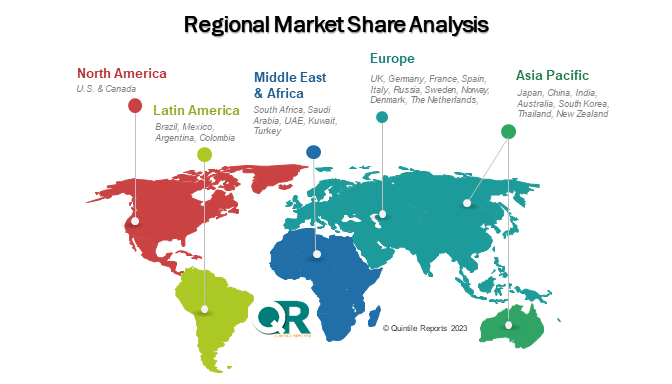
The chapter in Next Generation Stevia market research report is a pivotal section that examines and predicts the market dynamics and trends specific to different geographical regions. This chapter is crucial for businesses and stakeholders seeking a comprehensive understanding of how the market behaves across various locations, enabling them to tailor strategies and make informed decisions based on regional variations. The regional analysis chapter of our Next Generation Stevia market report is classified into regions & country-level. The chapter consists of North America (U.S., Canada), Europe (UK, Germany, France, Italy, Spain, Russia, Sweden, Denmark, Norway, Rest of Europe), Asia Pacific (Japan, China, India, Australia, South Korea, Thailand, Rest of Asia Pacific), Latin America (Brazil, Mexico, Argentina, Colombia, Rest of Latin America), Middle East & Africa (South Africa, Saudi Arabia, UAE, Kuwait, Rest of Middle East & Africa).
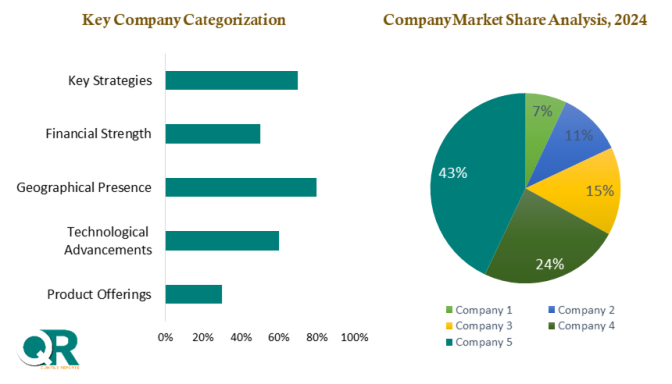
This section of a Next Generation Stevia market report is a crucial segment that provides a comprehensive overview of the competitive landscape within the market. This section is vital for businesses, investors, and stakeholders seeking insights into key players, their market positioning, strengths, weaknesses, strategies, and potential impacts on the overall market dynamics. The chapter includes research methodology used to analyse the market competition, list of key players operating in the market, detailed company profile section which includes company overview, business verticals, financial performance, product/services benchmarking, geographical presence, and strategic initiatives.
| Report Scope | Details |
| Report Version | 2026 |
| Growth Rate | CAGR of 11.39 from 2026 to 2035 |
| Base year | 2025 |
| Actual estimates/Historical data | 2017 - 2024 |
| Forecast period | 2026 - 2035 |
| Quantitative units | Revenue in USD million/billion & CAGR from 2026 to 2035 |
| Country scope | North America (U.S., Canada), Europe (UK, Germany, France, Italy, Spain, Russia, Sweden, Denmark, Norway, Rest of Europe), Asia Pacific (Japan, China, India, Australia, South Korea, Thailand, Rest of Asia Pacific), Latin America (Brazil, Mexico, Argentina, Colombia, Rest of Latin America), Middle East & Africa (South Africa, Saudi Arabia, UAE, Kuwait, Rest of Middle East & Africa). |
| The Segment covered by Form |
|
| The Segment covered by Product Type |
|
| Companies covered |
|
| Report coverage | Revenue forecast, company share, competitive landscape, growth factors, and trends |
| Free customization scope (equivalent to 5 analyst working days) | If you need specific information, which is not currently within the scope of the report, we will provide it to you as a part of the customization |

Statistics for the 2025 Next Generation Stevia market share, size, and revenue growth rate were created by Quintile Report™. Next Generation Stevia analysis includes a market forecast outlook for 2035 and a historical overview. Get a free PDF sample of this market analysis, please get in touch with our principal analyst at sales@quintilereports.com
List of Tables
Table 1 List of Abbreviation and acronyms
Table 2 List of Sources
Table 3 North America Global Next Generation Stevia Market, by Segment Analysis, (USD Million) 2017-2035
Table 4 North America Global Next Generation Stevia Market, by Region, (USD Million) 2017-2035
Table 5 U.S. Global Next Generation Stevia Market, by Segment Analysis, (USD Million) 2017-2035
Table 6 Canada Global Next Generation Stevia Market, by Segment Analysis, (USD Million) 2017-2035
Table 7 Europe Global Next Generation Stevia Market, by Segment Analysis, (USD Million) 2017-2035
Table 8 Europe Global Next Generation Stevia Market, by Region, (USD Million) 2017-2035
Table 9 Germany Global Next Generation Stevia Market, by Segment Analysis, (USD Million) 2017-2035
Table 10 U.K. Global Next Generation Stevia Market, by Segment Analysis, (USD Million) 2017-2035
Table 11 France Global Next Generation Stevia Market, by Segment Analysis, (USD Million) 2017-2035
Table 12 Italy Global Next Generation Stevia Market, by Segment Analysis, (USD Million) 2017-2035
Table 13 Spain Global Next Generation Stevia Market, by Segment Analysis, (USD Million) 2017-2035
Table 14 Sweden Global Next Generation Stevia Market, by Segment Analysis, (USD Million) 2017-2035
Table 15 Denmark Global Next Generation Stevia Market, by Segment Analysis, (USD Million) 2017-2035
Table 16 Norway Global Next Generation Stevia Market, by Segment Analysis, (USD Million) 2017-2035
Table 17 The Netherlands Global Next Generation Stevia Market, by Segment Analysis, (USD Million) 2017-2035
Table 18 Russia Global Next Generation Stevia Market, by Segment Analysis, (USD Million) 2017-2035
Table 19 Asia Pacific Global Next Generation Stevia Market, by Segment Analysis, (USD Million) 2017-2035
Table 20 Asia Pacific Global Next Generation Stevia Market, by Region, (USD Million) 2017-2035
Table 21 China Global Next Generation Stevia Market, by Segment Analysis, (USD Million) 2017-2035
Table 22 Japan Global Next Generation Stevia Market, by Segment Analysis, (USD Million) 2017-2035
Table 23 India Global Next Generation Stevia Market, by Segment Analysis, (USD Million) 2017-2035
Table 24 Australia Global Next Generation Stevia Market, by Segment Analysis, (USD Million) 2017-2035
Table 25 South Korea Global Next Generation Stevia Market, by Segment Analysis, (USD Million) 2017-2035
Table 26 Thailand Global Next Generation Stevia Market, by Segment Analysis, (USD Million) 2017-2035
Table 27 Latin America Global Next Generation Stevia Market, by Segment Analysis, (USD Million) 2017-2035
Table 28 Latin America Global Next Generation Stevia Market, by Region, (USD Million) 2017-2035
Table 29 Brazil Global Next Generation Stevia Market, by Segment Analysis, (USD Million) 2017-2035
Table 30 Mexico Global Next Generation Stevia Market, by Segment Analysis, (USD Million) 2017-2035
Table 31 Argentina Global Next Generation Stevia Market, by Segment Analysis, (USD Million) 2017-2035
Table 32 Middle East and Africa Global Next Generation Stevia Market, by Segment Analysis, (USD Million) 2017-2035
Table 33 Middle East and Africa Global Next Generation Stevia Market, by Region, (USD Million) 2017-2035
Table 34 South Africa Global Next Generation Stevia Market, by Segment Analysis, (USD Million) 2017-2035
Table 35 Saudi Arabia Global Next Generation Stevia Market, by Segment Analysis, (USD Million) 2017-2035
Table 36 UAE Global Next Generation Stevia Market, by Segment Analysis, (USD Million) 2017-2035
Table 37 Kuwait Global Next Generation Stevia Market, by Segment Analysis, (USD Million) 2017-2035
Table 38 Turkey Global Next Generation Stevia Market, by Segment Analysis, (USD Million) 2017-2035
Fig.1 Market research process
Fig.2 Market research approaches
Fig.3 Global Next Generation Stevia Market: market scenario
Fig.4 Global Next Generation Stevia Market competitive outlook
Fig.5 Global Next Generation Stevia Market driver analysis
Fig.6 Global Next Generation Stevia Market restraint analysis
Fig.7 Global Next Generation Stevia Market opportunity analysis
Fig.8 Global Next Generation Stevia Market trends analysis
Fig.9 Global Next Generation Stevia Market: Segment Analysis (Based on the scope)
Fig.10 Global Next Generation Stevia Market: regional analysis
Fig.11 Global market shares and leading market players
Fig.12 North America market share and leading players
Fig.13 Europe market share and leading players
Fig.14 Asia Pacific market share and leading players
Fig.15 Latin America market share and leading players
Fig.16 Middle East & Africa market share and leading players
Fig.17 North America, by country
Fig.18 North America
Fig.19 North America market estimates and forecast, 2017-2035
Fig.20 U.S.
Fig.21 Canada
Fig.22 Europe
Fig.23 Europe market estimates and forecast, 2017-2035
Fig.24 U.K.
Fig.25 Germany
Fig.26 France
Fig.27 Italy
Fig.28 Spain
Fig.29 Sweden
Fig.30 Denmark
Fig.31 Norway
Fig.32 The Netherlands
Fig.33 Russia
Fig.34 Asia Pacific
Fig.35 Asia Pacific market estimates and forecast, 2017-2035
Fig.36 China
Fig.37 Japan
Fig.38 India
Fig.39 Australia
Fig.40 South Korea
Fig.41 Thailand
Fig.42 Latin America
Fig.43 Latin America market estimates and forecast, 2017-2035
Fig.44 Brazil
Fig.45 Mexico
Fig.46 Argentina
Fig.47 Colombia
Fig.48 Middle East and Africa
Fig.49 Middle East and Africa market estimates and forecast, 2017-2035
Fig.50 Saudi Arabia
Fig.51 South Africa
Fig.52 UAE
Fig.53 Kuwait
Fig.54 Turkey
List of Tables
Table 1 List of Abbreviation and acronyms
Table 2 List of Sources
Table 3 North America Global Next Generation Stevia Market, by Segment Analysis, (USD Million) 2017-2035
Table 4 North America Global Next Generation Stevia Market, by Region, (USD Million) 2017-2035
Table 5 U.S. Global Next Generation Stevia Market, by Segment Analysis, (USD Million) 2017-2035
Table 6 Canada Global Next Generation Stevia Market, by Segment Analysis, (USD Million) 2017-2035
Table 7 Europe Global Next Generation Stevia Market, by Segment Analysis, (USD Million) 2017-2035
Table 8 Europe Global Next Generation Stevia Market, by Region, (USD Million) 2017-2035
Table 9 Germany Global Next Generation Stevia Market, by Segment Analysis, (USD Million) 2017-2035
Table 10 U.K. Global Next Generation Stevia Market, by Segment Analysis, (USD Million) 2017-2035
Table 11 France Global Next Generation Stevia Market, by Segment Analysis, (USD Million) 2017-2035
Table 12 Italy Global Next Generation Stevia Market, by Segment Analysis, (USD Million) 2017-2035
Table 13 Spain Global Next Generation Stevia Market, by Segment Analysis, (USD Million) 2017-2035
Table 14 Sweden Global Next Generation Stevia Market, by Segment Analysis, (USD Million) 2017-2035
Table 15 Denmark Global Next Generation Stevia Market, by Segment Analysis, (USD Million) 2017-2035
Table 16 Norway Global Next Generation Stevia Market, by Segment Analysis, (USD Million) 2017-2035
Table 17 The Netherlands Global Next Generation Stevia Market, by Segment Analysis, (USD Million) 2017-2035
Table 18 Russia Global Next Generation Stevia Market, by Segment Analysis, (USD Million) 2017-2035
Table 19 Asia Pacific Global Next Generation Stevia Market, by Segment Analysis, (USD Million) 2017-2035
Table 20 Asia Pacific Global Next Generation Stevia Market, by Region, (USD Million) 2017-2035
Table 21 China Global Next Generation Stevia Market, by Segment Analysis, (USD Million) 2017-2035
Table 22 Japan Global Next Generation Stevia Market, by Segment Analysis, (USD Million) 2017-2035
Table 23 India Global Next Generation Stevia Market, by Segment Analysis, (USD Million) 2017-2035
Table 24 Australia Global Next Generation Stevia Market, by Segment Analysis, (USD Million) 2017-2035
Table 25 South Korea Global Next Generation Stevia Market, by Segment Analysis, (USD Million) 2017-2035
Table 26 Thailand Global Next Generation Stevia Market, by Segment Analysis, (USD Million) 2017-2035
Table 27 Latin America Global Next Generation Stevia Market, by Segment Analysis, (USD Million) 2017-2035
Table 28 Latin America Global Next Generation Stevia Market, by Region, (USD Million) 2017-2035
Table 29 Brazil Global Next Generation Stevia Market, by Segment Analysis, (USD Million) 2017-2035
Table 30 Mexico Global Next Generation Stevia Market, by Segment Analysis, (USD Million) 2017-2035
Table 31 Argentina Global Next Generation Stevia Market, by Segment Analysis, (USD Million) 2017-2035
Table 32 Middle East and Africa Global Next Generation Stevia Market, by Segment Analysis, (USD Million) 2017-2035
Table 33 Middle East and Africa Global Next Generation Stevia Market, by Region, (USD Million) 2017-2035
Table 34 South Africa Global Next Generation Stevia Market, by Segment Analysis, (USD Million) 2017-2035
Table 35 Saudi Arabia Global Next Generation Stevia Market, by Segment Analysis, (USD Million) 2017-2035
Table 36 UAE Global Next Generation Stevia Market, by Segment Analysis, (USD Million) 2017-2035
Table 37 Kuwait Global Next Generation Stevia Market, by Segment Analysis, (USD Million) 2017-2035
Table 38 Turkey Global Next Generation Stevia Market, by Segment Analysis, (USD Million) 2017-2035
Fig.1 Market research process
Fig.2 Market research approaches
Fig.3 Global Next Generation Stevia Market: market scenario
Fig.4 Global Next Generation Stevia Market competitive outlook
Fig.5 Global Next Generation Stevia Market driver analysis
Fig.6 Global Next Generation Stevia Market restraint analysis
Fig.7 Global Next Generation Stevia Market opportunity analysis
Fig.8 Global Next Generation Stevia Market trends analysis
Fig.9 Global Next Generation Stevia Market: Segment Analysis (Based on the scope)
Fig.10 Global Next Generation Stevia Market: regional analysis
Fig.11 Global market shares and leading market players
Fig.12 North America market share and leading players
Fig.13 Europe market share and leading players
Fig.14 Asia Pacific market share and leading players
Fig.15 Latin America market share and leading players
Fig.16 Middle East & Africa market share and leading players
Fig.17 North America, by country
Fig.18 North America
Fig.19 North America market estimates and forecast, 2017-2035
Fig.20 U.S.
Fig.21 Canada
Fig.22 Europe
Fig.23 Europe market estimates and forecast, 2017-2035
Fig.24 U.K.
Fig.25 Germany
Fig.26 France
Fig.27 Italy
Fig.28 Spain
Fig.29 Sweden
Fig.30 Denmark
Fig.31 Norway
Fig.32 The Netherlands
Fig.33 Russia
Fig.34 Asia Pacific
Fig.35 Asia Pacific market estimates and forecast, 2017-2035
Fig.36 China
Fig.37 Japan
Fig.38 India
Fig.39 Australia
Fig.40 South Korea
Fig.41 Thailand
Fig.42 Latin America
Fig.43 Latin America market estimates and forecast, 2017-2035
Fig.44 Brazil
Fig.45 Mexico
Fig.46 Argentina
Fig.47 Colombia
Fig.48 Middle East and Africa
Fig.49 Middle East and Africa market estimates and forecast, 2017-2035
Fig.50 Saudi Arabia
Fig.51 South Africa
Fig.52 UAE
Fig.53 Kuwait
Fig.54 Turkey
The Global Next Generation Stevia Market was estimated at USD 3.23 billion in 2025 and is projected to reach USD 5.5 billion by 2035, growing at a robust CAGR of 11.39% during the forecast period from 2026 to 2035. The Next Generation Stevia market report provides a comprehensive industry assessment, analyzing economic conditions, technological advancements, regulatory frameworks, and evolving consumer behavior to deliver a clear view of future growth potential.
With 2025 as the base year, the Next Generation Stevia market is witnessing steady expansion driven by innovation, rising consumer demand, and rapid technological progress. Companies are increasingly refining their go-to-market (GTM) strategies to capture emerging opportunities and respond to shifting market dynamics.
Looking ahead to 2035, the market is expected to sustain its growth momentum, supported by continuous R&D investments, strategic partnerships, and mergers and acquisitions. Businesses that prioritize innovation, agile GTM strategies, and alignment with consumer needs are likely to achieve long-term success. The report delivers detailed insights into key drivers, restraints, opportunities, and challenges across segments, regions, and countries, supported by qualitative and quantitative analysis covering the period from 2017 to 2035.
Historical Analysis (2017–2024): Reviews past market trends, performance metrics, and growth patterns to identify factors shaping current and future market behavior.
Forecast and Projections (2026–2035): Provides forward-looking market estimates, highlighting growth opportunities, emerging trends, and regional developments.
Compound Annual Growth Rate (CAGR): Presents a clear CAGR calculation for 2026–2035, enabling stakeholders to evaluate market growth potential over the forecast period.
Next Generation Stevia Market
The next generation stevia refers to steviol glycosides particularly Rebaudioside D (Reb D) and Rebaudioside M (Reb M). High-purity Rebaudioside M (also referred to as Rebaudioside X) is a zero-calorie natural sweetener developed collaboratively by PureCircle Limited and The Coca-Cola Company for application in foods and beverages. It is one of the lesser-known sweet compounds derived from the Stevia rebaudiana Bertoni plant, which originates from South America. As a steviol glycoside, Rebaudioside M consists of a steviol-based aglycone core known as ent-kaurene, and occurs in combination with at least ten other naturally sweet steviol glycosides. Stevia-based sweeteners, including Rebaudioside M, have received regulatory approval for use in various countries such as the United States, European Union member states, Japan, China, Brazil, and others.
Rebaudioside M showed strong stability and functionality across various food products, including beverages, tabletop sweeteners, chewing gum, and yogurt. It maintained sweetness in soft drinks for up to 26 weeks, remained stable in sweetener formulations for 52 weeks, and retained quality in chewing gum and yogurt during processing and storage. Sensory tests confirmed consistent, acceptable sweetness across applications.
What are the drivers of next generation stevia market?The demand for natural, low-calorie sweeteners has significantly increased due to rising health consciousness and the global effort to reduce sugar consumption. This has accelerated the adoption of next-generation stevia, particularly Rebaudioside M and D, which offer a cleaner, sugar-like taste.
The food and beverage industry's growing shift toward clean-label products has driven manufacturers to reformulate using ingredients like high-purity steviol glycosides. These compounds are perceived as natural and more consumer-friendly compared to artificial sweeteners.
Advancements in bioconversion and fermentation technologies have enabled the scalable and cost-effective production of rare steviol glycosides, which were previously limited due to low natural concentrations in stevia leaves.
Regulatory approvals for next-generation stevia components across major markets such as the US, EU, Japan, and China have facilitated broader commercial use, encouraging investment and innovation in this space.
Strategic partnerships between global beverage and ingredient companies, such as Coca-Cola and PureCircle, have accelerated the commercialization and market penetration of next-generation stevia products worldwide.
What are the challenges and restraining factors of next generation stevia market?High production costs remain a major challenge, especially for rare steviol glycosides like Rebaudioside M and D, which are naturally present in low concentrations and require advanced technology for efficient extraction or synthesis.
Taste perception varies by region, and some consumers may still detect slight aftertastes, especially in certain food matrices, posing challenges in product reformulation and widespread acceptance.
Limited consumer awareness of next-generation stevia varieties compared to traditional stevia or other sweeteners may slow adoption, particularly in emerging markets where educational marketing is needed.
What are the regional trends of next generation stevia market?The North American market for next-generation stevia is driven by growing consumer demand for healthier, low-sugar products in beverages, dairy, and snacks. With U.S. FDA approval and increasing focus on clean-label ingredients, manufacturers are incorporating high-purity steviol glycosides like Reb M and Reb D, aided by advancements in fermentation technology.
In Europe, the push for sugar reduction is reinforced by health policies such as sugar taxes and restrictions on artificial sweeteners. Consumer preference for natural and clean-label ingredients is high, and EFSA’s approval of bioconversion-derived steviol glycosides supports the expansion of next-generation stevia in reformulated food and beverage products.
Asia-Pacific is both a major stevia producer and a growing consumer base, especially in countries like China, Japan, and South Korea. Local cultivation and advances in biotechnological production are supporting market growth. Rising rates of diabetes and a shift toward natural sweeteners in processed foods are key drivers across the region.
Latin America, particularly Brazil and Argentina, is experiencing rising interest in next-generation stevia due to increasing awareness of health and wellness. Brazil’s strong stevia farming base, combined with demand for clean-label reformulations, is supporting regional growth. Companies are slowly adopting high-purity glycosides for beverage and snack innovations.
In the Middle East and Africa, demand for low-calorie natural sweeteners is gradually emerging, especially in the Gulf countries where lifestyle diseases are on the rise. While the region is dependent on imports, multinational companies are expanding presence with stevia-based product launches, driving awareness and initial adoption.
Country-Wise Outlook:U.S. Embraces Next-Gen Stevia for Sugar Reduction:In the United States, the adoption of next-generation stevia is increasing due to heightened health awareness and supportive regulatory frameworks. The approval of high-purity steviol glycosides like Rebaudioside M and D, particularly those produced through bioconversion and fermentation, has opened pathways for broader use in food and beverage reformulations aimed at reducing sugar content. Consumers are showing strong preferences for natural, plant-based ingredients with clean labels, reinforcing the momentum for stevia-based solutions. The United States FDA in 2018 approved the filing of Reb M produced from a controlled, submerged, aerobic fed batch fermentation of a high yielding strain of Yarrowia lipolytica by Dr. Katherine Vega.
Technological advancements are enhancing the commercial viability of next-gen stevia, making it suitable for a variety of applications, including soft drinks, dairy products, and snacks. The U.S. market's focus on reducing calorie intake and combating obesity is contributing to widespread interest in sweeteners that deliver sugar-like taste without undesirable aftertastes or health drawbacks. This is fostering continuous innovation in sweetener formulations across several food sectors.
Germany Leads in Clean-Label Stevia Innovation:In Germany, next-generation stevia is gaining traction due to favorable regulatory conditions and strong consumer demand for clean-label and natural products. The country's structured approach to food safety and ingredient transparency has supported the integration of high-purity steviol glycosides into reformulated foods, particularly those marketed as low-sugar or health-oriented. There is a growing emphasis on reducing added sugar across packaged food and beverage segments.
The trend toward functional and wellness-oriented food products is pushing manufacturers to explore alternatives that maintain taste while meeting nutritional goals. High-purity stevia extracts are being used to align with sugar-reduction policies and public health campaigns. Germany's position as a major European food innovation hub ensures a steady uptake of advanced sweetener technologies in both domestic and export-oriented product lines.
Japan Advances Stevia Use in Functional Foods:Japan’s long history of stevia use provides a strong foundation for the rise of next-generation variants. Regulatory acceptance and consumer familiarity allow high-purity steviol glycosides to be used in a wide range of product categories. These include beverages, desserts, and traditional foods where a clean, sugar-like taste is highly valued. The preference for minimally processed and health-supportive ingredients drives innovation in sweetener systems.
Japan’s aging population and growing interest in blood sugar management also support the integration of next-gen stevia into foods targeted at health-conscious consumers. Product developers prioritize taste integrity, making the superior sensory profile of Rebaudioside M and D highly appealing. Continued research and development in fermentation-based production methods are ensuring cost efficiency and expanding usage across the Japanese food industry.
Competitive Analysis:The next-generation stevia market is marked by intense competition focused on the development and commercialization of high-purity steviol glycosides like Rebaudioside M and D. Companies are investing heavily in R&D to overcome challenges related to taste optimization and production scalability. Bioconversion and fermentation technologies are at the core of innovation, enabling cost-effective manufacturing and improving the sweetness profile to more closely resemble that of sucrose.
Strategic partnerships between ingredient developers and food manufacturers are driving product integration into a wide range of food and beverage applications. These collaborations allow faster market entry for new stevia-based formulations and help tailor sweetness solutions to regional taste preferences and regulatory requirements. The emphasis is on creating customizable sweetener systems that meet consumer expectations for both health and flavor.
Product differentiation plays a significant role in competitive positioning, with companies focusing on purity levels, non-GMO certification, and label-friendly claims. Taste remains a critical determinant, and offerings with reduced bitterness and better aftertaste performance gain a clear advantage. The ability to demonstrate stability across different food matrices also enhances a brand’s competitiveness in this space.
The pricing landscape is evolving as next-gen production technologies mature and yield improvements increase. While cost has been a barrier to widespread adoption, advancements in fermentation and enzymatic conversion are making high-purity glycosides more accessible. This price-performance shift is allowing next-generation stevia to compete more directly with both traditional stevia and synthetic sweeteners.
Market players are increasingly focusing on regulatory approvals and global distribution capabilities to secure footholds in diverse regions. Success depends not only on innovation but also on navigating varying international standards, achieving consumer trust, and offering consistent quality. The competitive dynamics continue to be shaped by both technical breakthroughs and regulatory harmonization efforts across global markets.
Key players in the market are Cargill, Tate & Lyle PLC, Ingredion Incorporated, PureCircle Limited, SweeGen Inc., GLG Life Tech Corporation, Stevia Corp., Zhucheng Haotian Pharma Co. Ltd., Sunwin Stevia International, Inc., ADM (Archer Daniels Midland Company), Morita Kagaku Kogyo Co., Ltd., Evolva Holding SA, Layn Natural Ingredients, Wisdom Natural Brands, Biovittoria Limited, and other players.Recent Development:In June 2025, Layn Natural Ingredients launched SteviUp M2, a high-purity Rebaudioside M sweetener with cleaner taste and reduced aftertaste. GRAS-certified and designed for better solubility, it is suited for various food and beverage uses. The product was showcased at the IFT First Annual Meeting.
In August 2024, BONTAC introduced a premium, high-purity Rebaudioside D (Reb D) stevia powder, featuring over 95% purity and a clean, sugar-like sweetness with minimal aftertaste. Designed for use in low-calorie foods and beverages, the ingredient offers excellent solubility, heat stability, and versatility across multiple applications—aiming to elevate the next-generation stevia category.
Our team of experienced researchers has meticulously gathered and analyzed data to deliver a thorough examination of market dynamics, competitive landscape, and emerging technologies. With a focus on delivering actionable intelligence, this report aims to empower decision-makers with the information needed to make informed choices and stay ahead of the competition. Whether you are a seasoned industry player or a new entrant, our market research report serves as a strategic tool to navigate the complexities of the market, aiding in successful business planning and growth strategies.
This chapter of our Next Generation Stevia market report provides an in-depth examination of the factors shaping the industry landscape. This section typically encompasses several key elements to offer a comprehensive understanding of the industry landscape such as market drivers & restraints analysis, market opportunities & trend analysis, market size & growth analysis, competitive analysis, SWOT analysis, business environment tools such as Porter's five forces & PESTEL analysis, Ansoff Matrix analysis, penetration & growth prospect analysis, regulatory framework & reimbursement scenario analysis, impact of macro & micro economic factors analysis such as Covid-19 impact, GDP growth, market inflation, U.S.- China trade war, Russia-Ukraine war impact, and supply chain analysis.
The segment analysis chapter of Next Generation Stevia market report is a critical section that delves into a detailed examination of the market's various segments. Segmentation involves dividing the market into distinct categories based on certain criteria to better understand and address the diverse needs of consumers. This chapter typically follows the introduction and provides a more granular view of the market, offering valuable insights for businesses and stakeholders. The components of the chapter lude segment definitions to understand the inclusions and exclusions of the study, assumptions, market size estimates and growth trend analysis of each segment, qualitative analysis of the segment, technological advancements, market penetration rate, market adoption rate, market share examination by each segment, segment growth drivers and restraint barriers, consumer behaviour and challenge analysis.
The chapter in Next Generation Stevia market research report is a pivotal section that examines and predicts the market dynamics and trends specific to different geographical regions. This chapter is crucial for businesses and stakeholders seeking a comprehensive understanding of how the market behaves across various locations, enabling them to tailor strategies and make informed decisions based on regional variations. The regional analysis chapter of our Next Generation Stevia market report is classified into regions & country-level. The chapter consists of North America (U.S., Canada), Europe (UK, Germany, France, Italy, Spain, Russia, Sweden, Denmark, Norway, Rest of Europe), Asia Pacific (Japan, China, India, Australia, South Korea, Thailand, Rest of Asia Pacific), Latin America (Brazil, Mexico, Argentina, Colombia, Rest of Latin America), Middle East & Africa (South Africa, Saudi Arabia, UAE, Kuwait, Rest of Middle East & Africa).
This section of a Next Generation Stevia market report is a crucial segment that provides a comprehensive overview of the competitive landscape within the market. This section is vital for businesses, investors, and stakeholders seeking insights into key players, their market positioning, strengths, weaknesses, strategies, and potential impacts on the overall market dynamics. The chapter includes research methodology used to analyse the market competition, list of key players operating in the market, detailed company profile section which includes company overview, business verticals, financial performance, product/services benchmarking, geographical presence, and strategic initiatives.
| Report Scope | Details |
| Report Version | 2026 |
| Growth Rate | CAGR of 11.39 from 2026 to 2035 |
| Base year | 2025 |
| Actual estimates/Historical data | 2017 - 2024 |
| Forecast period | 2026 - 2035 |
| Quantitative units | Revenue in USD million/billion & CAGR from 2026 to 2035 |
| Country scope | North America (U.S., Canada), Europe (UK, Germany, France, Italy, Spain, Russia, Sweden, Denmark, Norway, Rest of Europe), Asia Pacific (Japan, China, India, Australia, South Korea, Thailand, Rest of Asia Pacific), Latin America (Brazil, Mexico, Argentina, Colombia, Rest of Latin America), Middle East & Africa (South Africa, Saudi Arabia, UAE, Kuwait, Rest of Middle East & Africa). |
| The Segment covered by Form |
|
| The Segment covered by Product Type |
|
| Companies covered |
|
| Report coverage | Revenue forecast, company share, competitive landscape, growth factors, and trends |
| Free customization scope (equivalent to 5 analyst working days) | If you need specific information, which is not currently within the scope of the report, we will provide it to you as a part of the customization |
Statistics for the 2025 Next Generation Stevia market share, size, and revenue growth rate were created by Quintile Report™. Next Generation Stevia analysis includes a market forecast outlook for 2035 and a historical overview. Get a free PDF sample of this market analysis, please get in touch with our principal analyst at sales@quintilereports.com
Table 1 List of Abbreviation and acronyms
Table 2 List of Sources
Table 3 North America Global Next Generation Stevia Market, by Segment Analysis, (USD Million) 2017-2035
Table 4 North America Global Next Generation Stevia Market, by Region, (USD Million) 2017-2035
Table 5 U.S. Global Next Generation Stevia Market, by Segment Analysis, (USD Million) 2017-2035
Table 6 Canada Global Next Generation Stevia Market, by Segment Analysis, (USD Million) 2017-2035
Table 7 Europe Global Next Generation Stevia Market, by Segment Analysis, (USD Million) 2017-2035
Table 8 Europe Global Next Generation Stevia Market, by Region, (USD Million) 2017-2035
Table 9 Germany Global Next Generation Stevia Market, by Segment Analysis, (USD Million) 2017-2035
Table 10 U.K. Global Next Generation Stevia Market, by Segment Analysis, (USD Million) 2017-2035
Table 11 France Global Next Generation Stevia Market, by Segment Analysis, (USD Million) 2017-2035
Table 12 Italy Global Next Generation Stevia Market, by Segment Analysis, (USD Million) 2017-2035
Table 13 Spain Global Next Generation Stevia Market, by Segment Analysis, (USD Million) 2017-2035
Table 14 Sweden Global Next Generation Stevia Market, by Segment Analysis, (USD Million) 2017-2035
Table 15 Denmark Global Next Generation Stevia Market, by Segment Analysis, (USD Million) 2017-2035
Table 16 Norway Global Next Generation Stevia Market, by Segment Analysis, (USD Million) 2017-2035
Table 17 The Netherlands Global Next Generation Stevia Market, by Segment Analysis, (USD Million) 2017-2035
Table 18 Russia Global Next Generation Stevia Market, by Segment Analysis, (USD Million) 2017-2035
Table 19 Asia Pacific Global Next Generation Stevia Market, by Segment Analysis, (USD Million) 2017-2035
Table 20 Asia Pacific Global Next Generation Stevia Market, by Region, (USD Million) 2017-2035
Table 21 China Global Next Generation Stevia Market, by Segment Analysis, (USD Million) 2017-2035
Table 22 Japan Global Next Generation Stevia Market, by Segment Analysis, (USD Million) 2017-2035
Table 23 India Global Next Generation Stevia Market, by Segment Analysis, (USD Million) 2017-2035
Table 24 Australia Global Next Generation Stevia Market, by Segment Analysis, (USD Million) 2017-2035
Table 25 South Korea Global Next Generation Stevia Market, by Segment Analysis, (USD Million) 2017-2035
Table 26 Thailand Global Next Generation Stevia Market, by Segment Analysis, (USD Million) 2017-2035
Table 27 Latin America Global Next Generation Stevia Market, by Segment Analysis, (USD Million) 2017-2035
Table 28 Latin America Global Next Generation Stevia Market, by Region, (USD Million) 2017-2035
Table 29 Brazil Global Next Generation Stevia Market, by Segment Analysis, (USD Million) 2017-2035
Table 30 Mexico Global Next Generation Stevia Market, by Segment Analysis, (USD Million) 2017-2035
Table 31 Argentina Global Next Generation Stevia Market, by Segment Analysis, (USD Million) 2017-2035
Table 32 Middle East and Africa Global Next Generation Stevia Market, by Segment Analysis, (USD Million) 2017-2035
Table 33 Middle East and Africa Global Next Generation Stevia Market, by Region, (USD Million) 2017-2035
Table 34 South Africa Global Next Generation Stevia Market, by Segment Analysis, (USD Million) 2017-2035
Table 35 Saudi Arabia Global Next Generation Stevia Market, by Segment Analysis, (USD Million) 2017-2035
Table 36 UAE Global Next Generation Stevia Market, by Segment Analysis, (USD Million) 2017-2035
Table 37 Kuwait Global Next Generation Stevia Market, by Segment Analysis, (USD Million) 2017-2035
Table 38 Turkey Global Next Generation Stevia Market, by Segment Analysis, (USD Million) 2017-2035
Fig.1 Market research process
Fig.2 Market research approaches
Fig.3 Global Next Generation Stevia Market: market scenario
Fig.4 Global Next Generation Stevia Market competitive outlook
Fig.5 Global Next Generation Stevia Market driver analysis
Fig.6 Global Next Generation Stevia Market restraint analysis
Fig.7 Global Next Generation Stevia Market opportunity analysis
Fig.8 Global Next Generation Stevia Market trends analysis
Fig.9 Global Next Generation Stevia Market: Segment Analysis (Based on the scope)
Fig.10 Global Next Generation Stevia Market: regional analysis
Fig.11 Global market shares and leading market players
Fig.12 North America market share and leading players
Fig.13 Europe market share and leading players
Fig.14 Asia Pacific market share and leading players
Fig.15 Latin America market share and leading players
Fig.16 Middle East & Africa market share and leading players
Fig.17 North America, by country
Fig.18 North America
Fig.19 North America market estimates and forecast, 2017-2035
Fig.20 U.S.
Fig.21 Canada
Fig.22 Europe
Fig.23 Europe market estimates and forecast, 2017-2035
Fig.24 U.K.
Fig.25 Germany
Fig.26 France
Fig.27 Italy
Fig.28 Spain
Fig.29 Sweden
Fig.30 Denmark
Fig.31 Norway
Fig.32 The Netherlands
Fig.33 Russia
Fig.34 Asia Pacific
Fig.35 Asia Pacific market estimates and forecast, 2017-2035
Fig.36 China
Fig.37 Japan
Fig.38 India
Fig.39 Australia
Fig.40 South Korea
Fig.41 Thailand
Fig.42 Latin America
Fig.43 Latin America market estimates and forecast, 2017-2035
Fig.44 Brazil
Fig.45 Mexico
Fig.46 Argentina
Fig.47 Colombia
Fig.48 Middle East and Africa
Fig.49 Middle East and Africa market estimates and forecast, 2017-2035
Fig.50 Saudi Arabia
Fig.51 South Africa
Fig.52 UAE
Fig.53 Kuwait
Fig.54 Turkey
Table 1 List of Abbreviation and acronyms
Table 2 List of Sources
Table 3 North America Global Next Generation Stevia Market, by Segment Analysis, (USD Million) 2017-2035
Table 4 North America Global Next Generation Stevia Market, by Region, (USD Million) 2017-2035
Table 5 U.S. Global Next Generation Stevia Market, by Segment Analysis, (USD Million) 2017-2035
Table 6 Canada Global Next Generation Stevia Market, by Segment Analysis, (USD Million) 2017-2035
Table 7 Europe Global Next Generation Stevia Market, by Segment Analysis, (USD Million) 2017-2035
Table 8 Europe Global Next Generation Stevia Market, by Region, (USD Million) 2017-2035
Table 9 Germany Global Next Generation Stevia Market, by Segment Analysis, (USD Million) 2017-2035
Table 10 U.K. Global Next Generation Stevia Market, by Segment Analysis, (USD Million) 2017-2035
Table 11 France Global Next Generation Stevia Market, by Segment Analysis, (USD Million) 2017-2035
Table 12 Italy Global Next Generation Stevia Market, by Segment Analysis, (USD Million) 2017-2035
Table 13 Spain Global Next Generation Stevia Market, by Segment Analysis, (USD Million) 2017-2035
Table 14 Sweden Global Next Generation Stevia Market, by Segment Analysis, (USD Million) 2017-2035
Table 15 Denmark Global Next Generation Stevia Market, by Segment Analysis, (USD Million) 2017-2035
Table 16 Norway Global Next Generation Stevia Market, by Segment Analysis, (USD Million) 2017-2035
Table 17 The Netherlands Global Next Generation Stevia Market, by Segment Analysis, (USD Million) 2017-2035
Table 18 Russia Global Next Generation Stevia Market, by Segment Analysis, (USD Million) 2017-2035
Table 19 Asia Pacific Global Next Generation Stevia Market, by Segment Analysis, (USD Million) 2017-2035
Table 20 Asia Pacific Global Next Generation Stevia Market, by Region, (USD Million) 2017-2035
Table 21 China Global Next Generation Stevia Market, by Segment Analysis, (USD Million) 2017-2035
Table 22 Japan Global Next Generation Stevia Market, by Segment Analysis, (USD Million) 2017-2035
Table 23 India Global Next Generation Stevia Market, by Segment Analysis, (USD Million) 2017-2035
Table 24 Australia Global Next Generation Stevia Market, by Segment Analysis, (USD Million) 2017-2035
Table 25 South Korea Global Next Generation Stevia Market, by Segment Analysis, (USD Million) 2017-2035
Table 26 Thailand Global Next Generation Stevia Market, by Segment Analysis, (USD Million) 2017-2035
Table 27 Latin America Global Next Generation Stevia Market, by Segment Analysis, (USD Million) 2017-2035
Table 28 Latin America Global Next Generation Stevia Market, by Region, (USD Million) 2017-2035
Table 29 Brazil Global Next Generation Stevia Market, by Segment Analysis, (USD Million) 2017-2035
Table 30 Mexico Global Next Generation Stevia Market, by Segment Analysis, (USD Million) 2017-2035
Table 31 Argentina Global Next Generation Stevia Market, by Segment Analysis, (USD Million) 2017-2035
Table 32 Middle East and Africa Global Next Generation Stevia Market, by Segment Analysis, (USD Million) 2017-2035
Table 33 Middle East and Africa Global Next Generation Stevia Market, by Region, (USD Million) 2017-2035
Table 34 South Africa Global Next Generation Stevia Market, by Segment Analysis, (USD Million) 2017-2035
Table 35 Saudi Arabia Global Next Generation Stevia Market, by Segment Analysis, (USD Million) 2017-2035
Table 36 UAE Global Next Generation Stevia Market, by Segment Analysis, (USD Million) 2017-2035
Table 37 Kuwait Global Next Generation Stevia Market, by Segment Analysis, (USD Million) 2017-2035
Table 38 Turkey Global Next Generation Stevia Market, by Segment Analysis, (USD Million) 2017-2035
Fig.1 Market research process
Fig.2 Market research approaches
Fig.3 Global Next Generation Stevia Market: market scenario
Fig.4 Global Next Generation Stevia Market competitive outlook
Fig.5 Global Next Generation Stevia Market driver analysis
Fig.6 Global Next Generation Stevia Market restraint analysis
Fig.7 Global Next Generation Stevia Market opportunity analysis
Fig.8 Global Next Generation Stevia Market trends analysis
Fig.9 Global Next Generation Stevia Market: Segment Analysis (Based on the scope)
Fig.10 Global Next Generation Stevia Market: regional analysis
Fig.11 Global market shares and leading market players
Fig.12 North America market share and leading players
Fig.13 Europe market share and leading players
Fig.14 Asia Pacific market share and leading players
Fig.15 Latin America market share and leading players
Fig.16 Middle East & Africa market share and leading players
Fig.17 North America, by country
Fig.18 North America
Fig.19 North America market estimates and forecast, 2017-2035
Fig.20 U.S.
Fig.21 Canada
Fig.22 Europe
Fig.23 Europe market estimates and forecast, 2017-2035
Fig.24 U.K.
Fig.25 Germany
Fig.26 France
Fig.27 Italy
Fig.28 Spain
Fig.29 Sweden
Fig.30 Denmark
Fig.31 Norway
Fig.32 The Netherlands
Fig.33 Russia
Fig.34 Asia Pacific
Fig.35 Asia Pacific market estimates and forecast, 2017-2035
Fig.36 China
Fig.37 Japan
Fig.38 India
Fig.39 Australia
Fig.40 South Korea
Fig.41 Thailand
Fig.42 Latin America
Fig.43 Latin America market estimates and forecast, 2017-2035
Fig.44 Brazil
Fig.45 Mexico
Fig.46 Argentina
Fig.47 Colombia
Fig.48 Middle East and Africa
Fig.49 Middle East and Africa market estimates and forecast, 2017-2035
Fig.50 Saudi Arabia
Fig.51 South Africa
Fig.52 UAE
Fig.53 Kuwait
Fig.54 Turkey

A license granted to one user. Rules or conditions might be applied for e.g. the use of electric files (PDFs) or printings, depending on product.
A license granted to multiple users.
A license granted to a single business site/establishment.
A license granted to all employees within organisation access to the product.
Immediate / Within 24-48 hours - Working days
Online Payments with PayPal and CCavenue
You can order a report by picking any of the payment methods which is bank wire or online payment through any Debit/Credit card or PayPal.
Hard Copy
Live Fish Carrier Overview The Global Live Fish Carrier Market was valued at USD 3702.32 million in
Read MoreReport Descriptions: The Global Non-GMO Flour Market was estimated at USD 72.87 billion in 2025 and
Read MoreReport Descriptions: The Global Mineral Ingredients Market was estimated at USD 8.12 billion in 2025
Read More U.S. : +91-626-560-6898