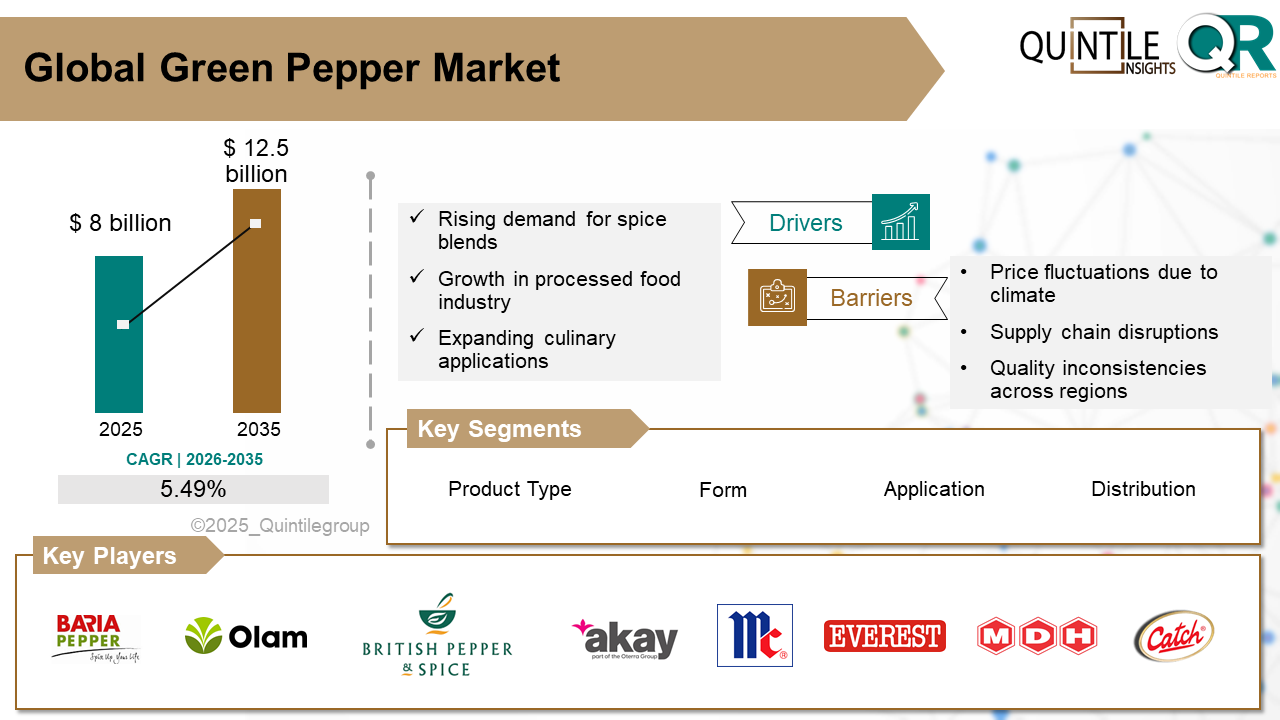
The Global Green Pepper Market was estimated at USD 8 billion in 2025 and is projected to reach USD 12.5 billion by 2035, growing at a robust CAGR of 5.49% during the forecast period from 2026 to 2035. The Green Pepper market report provides a comprehensive industry assessment, analyzing economic conditions, technological advancements, regulatory frameworks, and evolving consumer behavior to deliver a clear view of future growth potential.
With 2025 as the base year, the Green Pepper market is witnessing steady expansion driven by innovation, rising consumer demand, and rapid technological progress. Companies are increasingly refining their go-to-market (GTM) strategies to capture emerging opportunities and respond to shifting market dynamics.
Looking ahead to 2035, the market is expected to sustain its growth momentum, supported by continuous R&D investments, strategic partnerships, and mergers and acquisitions. Businesses that prioritize innovation, agile GTM strategies, and alignment with consumer needs are likely to achieve long-term success. The report delivers detailed insights into key drivers, restraints, opportunities, and challenges across segments, regions, and countries, supported by qualitative and quantitative analysis covering the period from 2017 to 2035.
Historical Analysis (2017–2024): Reviews past market trends, performance metrics, and growth patterns to identify factors shaping current and future market behavior.
Forecast and Projections (2026–2035): Provides forward-looking market estimates, highlighting growth opportunities, emerging trends, and regional developments.
Compound Annual Growth Rate (CAGR): Presents a clear CAGR calculation for 2026–2035, enabling stakeholders to evaluate market growth potential over the forecast period.
Green Pepper Market
The green pepper scientifically refers to the Capsicum annuum, a variety of sweet pepper that belong to the nightshade family (Solanaceae). Though often used as a vegetable, they are botanically classified as fruits since they develop from the ovary of a flower and contain seeds. Native to the Americas, green peppers are typically harvested before they fully ripen, which is why they retain their green color and slightly bitter flavor. Their crunch and firm texture make them a popular ingredient in salads, stir-fries, and a variety of global cuisines.
Nutritionally, green peppers are low in calories due to their high water content and offer a rich source of vitamins A and C, potassium, fiber, and antioxidants like beta-carotene. They contain anti-inflammatory compounds such as capsaicin though in lower amounts than hot peppers which may contribute to immune support and lower disease risk. Green peppers are cultivated globally, especially in China, Mexico, and the U.S., and come in several varieties like bell, poblano, and Anaheim peppers.
What are the drivers of green pepper market?Consumers are increasingly prioritizing healthy eating, boosting demand for nutrient-rich foods like green peppers. Their high vitamin C and antioxidant content make them attractive to health-conscious individuals seeking to improve immunity and prevent chronic diseases.
Green peppers are a staple in many global cuisines, including Asian, Mediterranean, and Latin American dishes. Their versatility in cooked and raw forms used in salads, stir-fries, pizzas, and sauces continues to fuel steady demand in both home cooking and food service sectors.
As more consumers adopt vegetarian and vegan lifestyles, the need for plant-based, fiber-rich ingredients like green peppers is rising. They serve as a key component in meatless recipes, offering flavor, texture, and nutrition, which supports market growth.
Advances in agricultural practices, protected cultivation (e.g., greenhouses), and high-yield pepper varieties are enabling growers to meet rising demand efficiently. This supports supply consistency and price stability, further encouraging market expansion.
The growing popularity of processed and frozen food products, including pre-chopped vegetables, ready-to-eat meals, and frozen stir-fry mixes, is increasing demand for green peppers as a key ingredient, especially in urban and convenience-driven markets.
What are the challenges and restraining factors of green pepper market?Green pepper crops are highly susceptible to pests and diseases such as aphids, bacterial leaf spot, and powdery mildew. Managing these issues often requires intensive monitoring and control measures, which can increase production costs and reduce yields.
Green peppers are perishable and sensitive to temperature and handling. Maintaining freshness during transportation and storage can be challenging, particularly in regions lacking cold chain infrastructure, leading to post-harvest losses.
Fluctuations in weather patterns, including droughts, floods, and unseasonal rains, can negatively affect green pepper cultivation. These climate-related risks make production unpredictable, impacting supply and prices in the market.
Farmers in some regions face limited access to quality seeds, modern farming inputs, and technical know-how. This can restrict productivity and quality, hindering the competitiveness of small-scale producers in the broader market.
What are the regional trends of green pepper market?In North America, particularly in the United States and Canada, green pepper consumption is driven by health-conscious consumers seeking low-calorie, nutrient-rich foods. The region benefits from advanced agricultural practices, widespread greenhouse cultivation, and strong retail infrastructure, supporting consistent year-round availability.
European countries emphasize organic and locally grown produce, and green peppers align with the growing demand for sustainable and pesticide-free vegetables. Countries like Spain and the Netherlands are major producers, supplying both domestic and export markets, aided by robust greenhouse technology and strict quality standards.
Asia-Pacific remains the largest producer and consumer of green peppers, led by China and India. Rapid urbanization, changing dietary habits, and the popularity of pepper-based cuisines contribute to market growth. Local demand is supplemented by rising exports and improvements in supply chain logistics.
In Latin America, Mexico plays a central role in both green pepper production and exports, particularly to North America. Favorable climate conditions and cost-effective labor support large-scale cultivation, although infrastructure limitations and market volatility present challenges in some parts of the region.
The Middle East and Africa region shows growing interest in green pepper cultivation due to shifting diets and increasing urban population. Countries like Egypt and South Africa are emerging as key producers, but limited water resources and infrastructure constraints continue to affect scalability and consistent supply.
Country-Wise Outlook:U.S. Green Pepper Market Thrives on Diverse Cuisine Demand:The green pepper market in the United States is driven by high consumer demand for healthy, low-calorie vegetables, as well as widespread use in home cooking and foodservice. Green peppers are popular in a range of cuisines, particularly in Tex-Mex, Italian, and American dishes. The market benefits from strong retail presence, with fresh, frozen, and pre-cut varieties commonly available. Consumer trends emphasizing plant-based diets and fresh produce consumption continue to support volume growth across supermarkets and farmers' markets.
On the production side, the U.S. has a well-established agricultural infrastructure, with states like California, Florida, Georgia, and Texas leading cultivation. Technological advancements, including greenhouse farming and precision irrigation, have helped stabilize production despite weather variability. Imports from Mexico also supplement domestic supply, especially during winter. The U.S. Department of Agriculture's support for vegetable farming and sustainable practices adds a regulatory framework that promotes efficiency and food safety across the green pepper value chain.
Germany Prioritizes Organic and Sustainable Green Peppers:Germany’s green pepper market is shaped by strong demand for organic, sustainably grown vegetables. Consumers are highly attentive to food origin and environmental impact, leading to growing interest in locally sourced and pesticide-free produce. Green peppers are commonly used in German households for salads, stir-fries, and vegetarian dishes. As health and wellness trends accelerate, green peppers are often marketed for their high vitamin C content and low calorie value, boosting their appeal among urban and health-conscious consumers.
Domestically, greenhouse farming is expanding, although Germany still relies heavily on imports to meet demand particularly from Spain and the Netherlands. The country follows strict EU food safety and traceability regulations, which has encouraged investment in advanced packaging and logistics. Seasonal fluctuations create supply gaps, but innovations in indoor agriculture and improved cold-chain systems are helping mitigate those disruptions. Sustainability certification and eco-labeling are becoming increasingly important for green pepper producers targeting the German retail market.
Japan Balances Import Needs with High Quality Standards:In Japan, green peppers known locally as "piiman" are commonly used in home cooking, especially in bento boxes, stir-fried dishes, and tempura. The market is driven by a cultural emphasis on seasonal vegetables and balanced meals. Japanese consumers value freshness, taste, and visual appeal, influencing both how green peppers are grown and presented at retail. With rising awareness of nutrition, green peppers are gaining popularity for their vitamin-rich profile and low calorie content, particularly among health-conscious urban dwellers.
Domestic production takes place in regions such as Miyazaki and Ibaraki, often under protected greenhouse environments to ensure quality and consistency. However, Japan’s limited arable land and labor shortages have led to increased adoption of smart agriculture technologies, such as hydroponics and automated climate control systems. Imports from China and Korea supplement domestic supply. As convenience becomes more important, the market is seeing more ready-to-cook and pre-packaged options, making green peppers accessible even to busy and aging consumers.
Competitive Analysis:The global green pepper market is moderately fragmented, with a mix of multinational agribusinesses, regional producers, and cooperatives contributing to supply. Large players dominate export markets through economies of scale, efficient distribution, and cold-chain networks, while smaller local farms cater to niche segments such as organic or pesticide-free produce. The competition is heightened by seasonal fluctuations, which create opportunities for exporters to fill demand gaps in importing countries.
Innovation in cultivation and post-harvest technologies is a key competitive factor. Companies investing in hydroponics, greenhouse automation, and precision irrigation gain an edge in yield, quality, and year-round availability. These technologies are particularly critical in regions with limited arable land or adverse weather patterns. Players that can ensure consistent supply and reduced spoilage through advanced handling systems are well-positioned to lead in retail partnerships.
Brand differentiation in green peppers remains limited, though emerging trends in packaging, certification (e.g., organic, Fair Trade), and traceability are becoming important for competitive positioning, especially in premium segments. Supermarkets and online grocers increasingly demand compliance with sustainability and food safety standards, encouraging producers to adopt transparent sourcing and labeling practices.
Global trade plays a crucial role in shaping competition. Export-oriented countries such as Mexico, Spain, and the Netherlands hold a dominant share in cross-border supply, benefiting from favorable climates and logistics infrastructure. Their ability to deliver bulk quantities at competitive prices gives them a strong foothold in large consumer markets like the U.S., Germany, and Japan. Trade agreements and tariff advantages further enhance their reach.
Consumer preferences are shifting toward freshness, convenience, and health attributes, which compels market players to innovate beyond just cultivation. Firms that offer pre-washed, sliced, or mixed pepper products tap into urban, time-constrained buyers. Competitive advantage increasingly relies on a holistic approach combining agricultural efficiency, value-added processing, and responsive distribution strategies tailored to evolving market demands.
Key players in the market are Baria Pepper, Olam International, British Pepper and Spice, Akay Flavours & Aromatics Pvt. Ltd., McCormick & Company, Everest Spices, MDH Spices, Catch (DS Group), The Spice Hunter, Frontier Co-op, Spice Islands, Doehler Group, Ajinomoto Co., Inc., Synthite Industries Ltd., Indus Spices, and other players.Recent Development:In 2024, Nature Fresh Farms unveiled Sweet S’NAPS, a new mid-size sweet pepper variety featuring a crisp, juicy texture and Granny Smith apple-like flavor. Debuted at the IFPA Global Produce & Floral Show in Anaheim, and now rolling out across Canada and the U.S., the peppers come in five vibrant colors (red, orange, yellow, green, and purple/brown) and are grown year-round in Ontario greenhouses.
In December 2024, Hunan Province, China, deployed smart greenhouse systems in pepper cultivation, featuring automated climate control, precision irrigation, and real-time monitoring. These technologies boosted yields by ~20%, cut water use by 30%, and reduced labor costs by 50%. The initiative, exemplified at the Yangque Lake Zhangshugang Pepper Base, highlights Hunan’s leadership in sustainable, tech-driven agriculture.
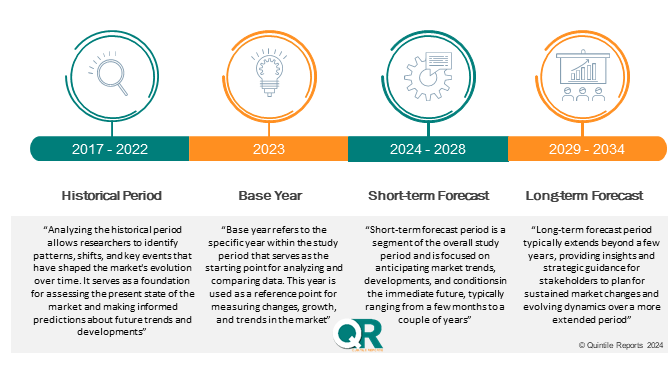
Our team of experienced researchers has meticulously gathered and analyzed data to deliver a thorough examination of market dynamics, competitive landscape, and emerging technologies. With a focus on delivering actionable intelligence, this report aims to empower decision-makers with the information needed to make informed choices and stay ahead of the competition. Whether you are a seasoned industry player or a new entrant, our market research report serves as a strategic tool to navigate the complexities of the market, aiding in successful business planning and growth strategies.
This chapter of our Green Pepper market report provides an in-depth examination of the factors shaping the industry landscape. This section typically encompasses several key elements to offer a comprehensive understanding of the industry landscape such as market drivers & restraints analysis, market opportunities & trend analysis, market size & growth analysis, competitive analysis, SWOT analysis, business environment tools such as Porter's five forces & PESTEL analysis, Ansoff Matrix analysis, penetration & growth prospect analysis, regulatory framework & reimbursement scenario analysis, impact of macro & micro economic factors analysis such as Covid-19 impact, GDP growth, market inflation, U.S.- China trade war, Russia-Ukraine war impact, and supply chain analysis.
The segment analysis chapter of Green Pepper market report is a critical section that delves into a detailed examination of the market's various segments. Segmentation involves dividing the market into distinct categories based on certain criteria to better understand and address the diverse needs of consumers. This chapter typically follows the introduction and provides a more granular view of the market, offering valuable insights for businesses and stakeholders. The components of the chapter lude segment definitions to understand the inclusions and exclusions of the study, assumptions, market size estimates and growth trend analysis of each segment, qualitative analysis of the segment, technological advancements, market penetration rate, market adoption rate, market share examination by each segment, segment growth drivers and restraint barriers, consumer behaviour and challenge analysis.
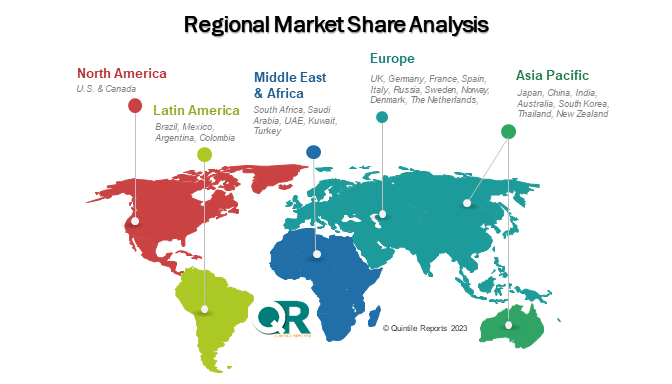
The chapter in Green Pepper market research report is a pivotal section that examines and predicts the market dynamics and trends specific to different geographical regions. This chapter is crucial for businesses and stakeholders seeking a comprehensive understanding of how the market behaves across various locations, enabling them to tailor strategies and make informed decisions based on regional variations. The regional analysis chapter of our Green Pepper market report is classified into regions & country-level. The chapter consists of North America (U.S., Canada), Europe (UK, Germany, France, Italy, Spain, Russia, Sweden, Denmark, Norway, Rest of Europe), Asia Pacific (Japan, China, India, Australia, South Korea, Thailand, Rest of Asia Pacific), Latin America (Brazil, Mexico, Argentina, Colombia, Rest of Latin America), Middle East & Africa (South Africa, Saudi Arabia, UAE, Kuwait, Rest of Middle East & Africa).
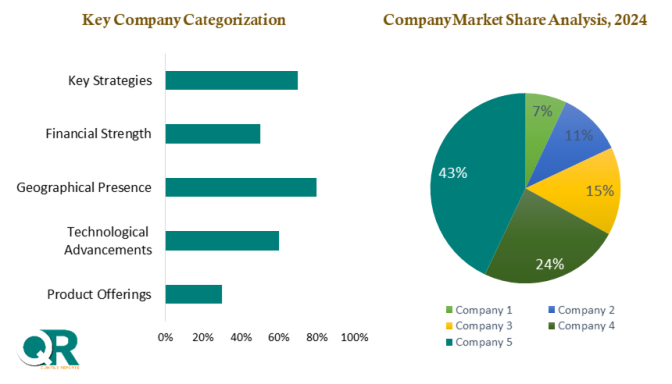
This section of a Green Pepper market report is a crucial segment that provides a comprehensive overview of the competitive landscape within the market. This section is vital for businesses, investors, and stakeholders seeking insights into key players, their market positioning, strengths, weaknesses, strategies, and potential impacts on the overall market dynamics. The chapter includes research methodology used to analyse the market competition, list of key players operating in the market, detailed company profile section which includes company overview, business verticals, financial performance, product/services benchmarking, geographical presence, and strategic initiatives.
| Report Scope | Details |
| Report Version | 2026 |
| Growth Rate | CAGR of 5.49 from 2026 to 2035 |
| Base year | 2025 |
| Actual estimates/Historical data | 2017 - 2024 |
| Forecast period | 2026 - 2035 |
| Quantitative units | Revenue in USD million/billion & CAGR from 2026 to 2035 |
| Country scope | North America (U.S., Canada), Europe (UK, Germany, France, Italy, Spain, Russia, Sweden, Denmark, Norway, Rest of Europe), Asia Pacific (Japan, China, India, Australia, South Korea, Thailand, Rest of Asia Pacific), Latin America (Brazil, Mexico, Argentina, Colombia, Rest of Latin America), Middle East & Africa (South Africa, Saudi Arabia, UAE, Kuwait, Rest of Middle East & Africa). |
| The Segment covered by Product Type |
|
| The Segment covered by Form |
|
| Companies covered |
|
| Report coverage | Revenue forecast, company share, competitive landscape, growth factors, and trends |
| Free customization scope (equivalent to 5 analyst working days) | If you need specific information, which is not currently within the scope of the report, we will provide it to you as a part of the customization |

Statistics for the 2025 Green Pepper market share, size, and revenue growth rate were created by Quintile Report™. Green Pepper analysis includes a market forecast outlook for 2035 and a historical overview. Get a free PDF sample of this market analysis, please get in touch with our principal analyst at sales@quintilereports.com
List of Tables
Table 1 List of Abbreviation and acronyms
Table 2 List of Sources
Table 3 North America Global Green Pepper Market, by Segment Analysis, (USD Million) 2017-2035
Table 4 North America Global Green Pepper Market, by Region, (USD Million) 2017-2035
Table 5 U.S. Global Green Pepper Market, by Segment Analysis, (USD Million) 2017-2035
Table 6 Canada Global Green Pepper Market, by Segment Analysis, (USD Million) 2017-2035
Table 7 Europe Global Green Pepper Market, by Segment Analysis, (USD Million) 2017-2035
Table 8 Europe Global Green Pepper Market, by Region, (USD Million) 2017-2035
Table 9 Germany Global Green Pepper Market, by Segment Analysis, (USD Million) 2017-2035
Table 10 U.K. Global Green Pepper Market, by Segment Analysis, (USD Million) 2017-2035
Table 11 France Global Green Pepper Market, by Segment Analysis, (USD Million) 2017-2035
Table 12 Italy Global Green Pepper Market, by Segment Analysis, (USD Million) 2017-2035
Table 13 Spain Global Green Pepper Market, by Segment Analysis, (USD Million) 2017-2035
Table 14 Sweden Global Green Pepper Market, by Segment Analysis, (USD Million) 2017-2035
Table 15 Denmark Global Green Pepper Market, by Segment Analysis, (USD Million) 2017-2035
Table 16 Norway Global Green Pepper Market, by Segment Analysis, (USD Million) 2017-2035
Table 17 The Netherlands Global Green Pepper Market, by Segment Analysis, (USD Million) 2017-2035
Table 18 Russia Global Green Pepper Market, by Segment Analysis, (USD Million) 2017-2035
Table 19 Asia Pacific Global Green Pepper Market, by Segment Analysis, (USD Million) 2017-2035
Table 20 Asia Pacific Global Green Pepper Market, by Region, (USD Million) 2017-2035
Table 21 China Global Green Pepper Market, by Segment Analysis, (USD Million) 2017-2035
Table 22 Japan Global Green Pepper Market, by Segment Analysis, (USD Million) 2017-2035
Table 23 India Global Green Pepper Market, by Segment Analysis, (USD Million) 2017-2035
Table 24 Australia Global Green Pepper Market, by Segment Analysis, (USD Million) 2017-2035
Table 25 South Korea Global Green Pepper Market, by Segment Analysis, (USD Million) 2017-2035
Table 26 Thailand Global Green Pepper Market, by Segment Analysis, (USD Million) 2017-2035
Table 27 Latin America Global Green Pepper Market, by Segment Analysis, (USD Million) 2017-2035
Table 28 Latin America Global Green Pepper Market, by Region, (USD Million) 2017-2035
Table 29 Brazil Global Green Pepper Market, by Segment Analysis, (USD Million) 2017-2035
Table 30 Mexico Global Green Pepper Market, by Segment Analysis, (USD Million) 2017-2035
Table 31 Argentina Global Green Pepper Market, by Segment Analysis, (USD Million) 2017-2035
Table 32 Middle East and Africa Global Green Pepper Market, by Segment Analysis, (USD Million) 2017-2035
Table 33 Middle East and Africa Global Green Pepper Market, by Region, (USD Million) 2017-2035
Table 34 South Africa Global Green Pepper Market, by Segment Analysis, (USD Million) 2017-2035
Table 35 Saudi Arabia Global Green Pepper Market, by Segment Analysis, (USD Million) 2017-2035
Table 36 UAE Global Green Pepper Market, by Segment Analysis, (USD Million) 2017-2035
Table 37 Kuwait Global Green Pepper Market, by Segment Analysis, (USD Million) 2017-2035
Table 38 Turkey Global Green Pepper Market, by Segment Analysis, (USD Million) 2017-2035
Fig.1 Market research process
Fig.2 Market research approaches
Fig.3 Global Green Pepper Market: market scenario
Fig.4 Global Green Pepper Market competitive outlook
Fig.5 Global Green Pepper Market driver analysis
Fig.6 Global Green Pepper Market restraint analysis
Fig.7 Global Green Pepper Market opportunity analysis
Fig.8 Global Green Pepper Market trends analysis
Fig.9 Global Green Pepper Market: Segment Analysis (Based on the scope)
Fig.10 Global Green Pepper Market: regional analysis
Fig.11 Global market shares and leading market players
Fig.12 North America market share and leading players
Fig.13 Europe market share and leading players
Fig.14 Asia Pacific market share and leading players
Fig.15 Latin America market share and leading players
Fig.16 Middle East & Africa market share and leading players
Fig.17 North America, by country
Fig.18 North America
Fig.19 North America market estimates and forecast, 2017-2035
Fig.20 U.S.
Fig.21 Canada
Fig.22 Europe
Fig.23 Europe market estimates and forecast, 2017-2035
Fig.24 U.K.
Fig.25 Germany
Fig.26 France
Fig.27 Italy
Fig.28 Spain
Fig.29 Sweden
Fig.30 Denmark
Fig.31 Norway
Fig.32 The Netherlands
Fig.33 Russia
Fig.34 Asia Pacific
Fig.35 Asia Pacific market estimates and forecast, 2017-2035
Fig.36 China
Fig.37 Japan
Fig.38 India
Fig.39 Australia
Fig.40 South Korea
Fig.41 Thailand
Fig.42 Latin America
Fig.43 Latin America market estimates and forecast, 2017-2035
Fig.44 Brazil
Fig.45 Mexico
Fig.46 Argentina
Fig.47 Colombia
Fig.48 Middle East and Africa
Fig.49 Middle East and Africa market estimates and forecast, 2017-2035
Fig.50 Saudi Arabia
Fig.51 South Africa
Fig.52 UAE
Fig.53 Kuwait
Fig.54 Turkey
The Global Green Pepper Market was estimated at USD 8 billion in 2025 and is projected to reach USD 12.5 billion by 2035, growing at a robust CAGR of 5.49% during the forecast period from 2026 to 2035. The Green Pepper market report provides a comprehensive industry assessment, analyzing economic conditions, technological advancements, regulatory frameworks, and evolving consumer behavior to deliver a clear view of future growth potential.
With 2025 as the base year, the Green Pepper market is witnessing steady expansion driven by innovation, rising consumer demand, and rapid technological progress. Companies are increasingly refining their go-to-market (GTM) strategies to capture emerging opportunities and respond to shifting market dynamics.
Looking ahead to 2035, the market is expected to sustain its growth momentum, supported by continuous R&D investments, strategic partnerships, and mergers and acquisitions. Businesses that prioritize innovation, agile GTM strategies, and alignment with consumer needs are likely to achieve long-term success. The report delivers detailed insights into key drivers, restraints, opportunities, and challenges across segments, regions, and countries, supported by qualitative and quantitative analysis covering the period from 2017 to 2035.
Historical Analysis (2017–2024): Reviews past market trends, performance metrics, and growth patterns to identify factors shaping current and future market behavior.
Forecast and Projections (2026–2035): Provides forward-looking market estimates, highlighting growth opportunities, emerging trends, and regional developments.
Compound Annual Growth Rate (CAGR): Presents a clear CAGR calculation for 2026–2035, enabling stakeholders to evaluate market growth potential over the forecast period.
Green Pepper Market
The green pepper scientifically refers to the Capsicum annuum, a variety of sweet pepper that belong to the nightshade family (Solanaceae). Though often used as a vegetable, they are botanically classified as fruits since they develop from the ovary of a flower and contain seeds. Native to the Americas, green peppers are typically harvested before they fully ripen, which is why they retain their green color and slightly bitter flavor. Their crunch and firm texture make them a popular ingredient in salads, stir-fries, and a variety of global cuisines.
Nutritionally, green peppers are low in calories due to their high water content and offer a rich source of vitamins A and C, potassium, fiber, and antioxidants like beta-carotene. They contain anti-inflammatory compounds such as capsaicin though in lower amounts than hot peppers which may contribute to immune support and lower disease risk. Green peppers are cultivated globally, especially in China, Mexico, and the U.S., and come in several varieties like bell, poblano, and Anaheim peppers.
What are the drivers of green pepper market?Consumers are increasingly prioritizing healthy eating, boosting demand for nutrient-rich foods like green peppers. Their high vitamin C and antioxidant content make them attractive to health-conscious individuals seeking to improve immunity and prevent chronic diseases.
Green peppers are a staple in many global cuisines, including Asian, Mediterranean, and Latin American dishes. Their versatility in cooked and raw forms used in salads, stir-fries, pizzas, and sauces continues to fuel steady demand in both home cooking and food service sectors.
As more consumers adopt vegetarian and vegan lifestyles, the need for plant-based, fiber-rich ingredients like green peppers is rising. They serve as a key component in meatless recipes, offering flavor, texture, and nutrition, which supports market growth.
Advances in agricultural practices, protected cultivation (e.g., greenhouses), and high-yield pepper varieties are enabling growers to meet rising demand efficiently. This supports supply consistency and price stability, further encouraging market expansion.
The growing popularity of processed and frozen food products, including pre-chopped vegetables, ready-to-eat meals, and frozen stir-fry mixes, is increasing demand for green peppers as a key ingredient, especially in urban and convenience-driven markets.
What are the challenges and restraining factors of green pepper market?Green pepper crops are highly susceptible to pests and diseases such as aphids, bacterial leaf spot, and powdery mildew. Managing these issues often requires intensive monitoring and control measures, which can increase production costs and reduce yields.
Green peppers are perishable and sensitive to temperature and handling. Maintaining freshness during transportation and storage can be challenging, particularly in regions lacking cold chain infrastructure, leading to post-harvest losses.
Fluctuations in weather patterns, including droughts, floods, and unseasonal rains, can negatively affect green pepper cultivation. These climate-related risks make production unpredictable, impacting supply and prices in the market.
Farmers in some regions face limited access to quality seeds, modern farming inputs, and technical know-how. This can restrict productivity and quality, hindering the competitiveness of small-scale producers in the broader market.
What are the regional trends of green pepper market?In North America, particularly in the United States and Canada, green pepper consumption is driven by health-conscious consumers seeking low-calorie, nutrient-rich foods. The region benefits from advanced agricultural practices, widespread greenhouse cultivation, and strong retail infrastructure, supporting consistent year-round availability.
European countries emphasize organic and locally grown produce, and green peppers align with the growing demand for sustainable and pesticide-free vegetables. Countries like Spain and the Netherlands are major producers, supplying both domestic and export markets, aided by robust greenhouse technology and strict quality standards.
Asia-Pacific remains the largest producer and consumer of green peppers, led by China and India. Rapid urbanization, changing dietary habits, and the popularity of pepper-based cuisines contribute to market growth. Local demand is supplemented by rising exports and improvements in supply chain logistics.
In Latin America, Mexico plays a central role in both green pepper production and exports, particularly to North America. Favorable climate conditions and cost-effective labor support large-scale cultivation, although infrastructure limitations and market volatility present challenges in some parts of the region.
The Middle East and Africa region shows growing interest in green pepper cultivation due to shifting diets and increasing urban population. Countries like Egypt and South Africa are emerging as key producers, but limited water resources and infrastructure constraints continue to affect scalability and consistent supply.
Country-Wise Outlook:U.S. Green Pepper Market Thrives on Diverse Cuisine Demand:The green pepper market in the United States is driven by high consumer demand for healthy, low-calorie vegetables, as well as widespread use in home cooking and foodservice. Green peppers are popular in a range of cuisines, particularly in Tex-Mex, Italian, and American dishes. The market benefits from strong retail presence, with fresh, frozen, and pre-cut varieties commonly available. Consumer trends emphasizing plant-based diets and fresh produce consumption continue to support volume growth across supermarkets and farmers' markets.
On the production side, the U.S. has a well-established agricultural infrastructure, with states like California, Florida, Georgia, and Texas leading cultivation. Technological advancements, including greenhouse farming and precision irrigation, have helped stabilize production despite weather variability. Imports from Mexico also supplement domestic supply, especially during winter. The U.S. Department of Agriculture's support for vegetable farming and sustainable practices adds a regulatory framework that promotes efficiency and food safety across the green pepper value chain.
Germany Prioritizes Organic and Sustainable Green Peppers:Germany’s green pepper market is shaped by strong demand for organic, sustainably grown vegetables. Consumers are highly attentive to food origin and environmental impact, leading to growing interest in locally sourced and pesticide-free produce. Green peppers are commonly used in German households for salads, stir-fries, and vegetarian dishes. As health and wellness trends accelerate, green peppers are often marketed for their high vitamin C content and low calorie value, boosting their appeal among urban and health-conscious consumers.
Domestically, greenhouse farming is expanding, although Germany still relies heavily on imports to meet demand particularly from Spain and the Netherlands. The country follows strict EU food safety and traceability regulations, which has encouraged investment in advanced packaging and logistics. Seasonal fluctuations create supply gaps, but innovations in indoor agriculture and improved cold-chain systems are helping mitigate those disruptions. Sustainability certification and eco-labeling are becoming increasingly important for green pepper producers targeting the German retail market.
Japan Balances Import Needs with High Quality Standards:In Japan, green peppers known locally as "piiman" are commonly used in home cooking, especially in bento boxes, stir-fried dishes, and tempura. The market is driven by a cultural emphasis on seasonal vegetables and balanced meals. Japanese consumers value freshness, taste, and visual appeal, influencing both how green peppers are grown and presented at retail. With rising awareness of nutrition, green peppers are gaining popularity for their vitamin-rich profile and low calorie content, particularly among health-conscious urban dwellers.
Domestic production takes place in regions such as Miyazaki and Ibaraki, often under protected greenhouse environments to ensure quality and consistency. However, Japan’s limited arable land and labor shortages have led to increased adoption of smart agriculture technologies, such as hydroponics and automated climate control systems. Imports from China and Korea supplement domestic supply. As convenience becomes more important, the market is seeing more ready-to-cook and pre-packaged options, making green peppers accessible even to busy and aging consumers.
Competitive Analysis:The global green pepper market is moderately fragmented, with a mix of multinational agribusinesses, regional producers, and cooperatives contributing to supply. Large players dominate export markets through economies of scale, efficient distribution, and cold-chain networks, while smaller local farms cater to niche segments such as organic or pesticide-free produce. The competition is heightened by seasonal fluctuations, which create opportunities for exporters to fill demand gaps in importing countries.
Innovation in cultivation and post-harvest technologies is a key competitive factor. Companies investing in hydroponics, greenhouse automation, and precision irrigation gain an edge in yield, quality, and year-round availability. These technologies are particularly critical in regions with limited arable land or adverse weather patterns. Players that can ensure consistent supply and reduced spoilage through advanced handling systems are well-positioned to lead in retail partnerships.
Brand differentiation in green peppers remains limited, though emerging trends in packaging, certification (e.g., organic, Fair Trade), and traceability are becoming important for competitive positioning, especially in premium segments. Supermarkets and online grocers increasingly demand compliance with sustainability and food safety standards, encouraging producers to adopt transparent sourcing and labeling practices.
Global trade plays a crucial role in shaping competition. Export-oriented countries such as Mexico, Spain, and the Netherlands hold a dominant share in cross-border supply, benefiting from favorable climates and logistics infrastructure. Their ability to deliver bulk quantities at competitive prices gives them a strong foothold in large consumer markets like the U.S., Germany, and Japan. Trade agreements and tariff advantages further enhance their reach.
Consumer preferences are shifting toward freshness, convenience, and health attributes, which compels market players to innovate beyond just cultivation. Firms that offer pre-washed, sliced, or mixed pepper products tap into urban, time-constrained buyers. Competitive advantage increasingly relies on a holistic approach combining agricultural efficiency, value-added processing, and responsive distribution strategies tailored to evolving market demands.
Key players in the market are Baria Pepper, Olam International, British Pepper and Spice, Akay Flavours & Aromatics Pvt. Ltd., McCormick & Company, Everest Spices, MDH Spices, Catch (DS Group), The Spice Hunter, Frontier Co-op, Spice Islands, Doehler Group, Ajinomoto Co., Inc., Synthite Industries Ltd., Indus Spices, and other players.Recent Development:In 2024, Nature Fresh Farms unveiled Sweet S’NAPS, a new mid-size sweet pepper variety featuring a crisp, juicy texture and Granny Smith apple-like flavor. Debuted at the IFPA Global Produce & Floral Show in Anaheim, and now rolling out across Canada and the U.S., the peppers come in five vibrant colors (red, orange, yellow, green, and purple/brown) and are grown year-round in Ontario greenhouses.
In December 2024, Hunan Province, China, deployed smart greenhouse systems in pepper cultivation, featuring automated climate control, precision irrigation, and real-time monitoring. These technologies boosted yields by ~20%, cut water use by 30%, and reduced labor costs by 50%. The initiative, exemplified at the Yangque Lake Zhangshugang Pepper Base, highlights Hunan’s leadership in sustainable, tech-driven agriculture.
Our team of experienced researchers has meticulously gathered and analyzed data to deliver a thorough examination of market dynamics, competitive landscape, and emerging technologies. With a focus on delivering actionable intelligence, this report aims to empower decision-makers with the information needed to make informed choices and stay ahead of the competition. Whether you are a seasoned industry player or a new entrant, our market research report serves as a strategic tool to navigate the complexities of the market, aiding in successful business planning and growth strategies.
This chapter of our Green Pepper market report provides an in-depth examination of the factors shaping the industry landscape. This section typically encompasses several key elements to offer a comprehensive understanding of the industry landscape such as market drivers & restraints analysis, market opportunities & trend analysis, market size & growth analysis, competitive analysis, SWOT analysis, business environment tools such as Porter's five forces & PESTEL analysis, Ansoff Matrix analysis, penetration & growth prospect analysis, regulatory framework & reimbursement scenario analysis, impact of macro & micro economic factors analysis such as Covid-19 impact, GDP growth, market inflation, U.S.- China trade war, Russia-Ukraine war impact, and supply chain analysis.
The segment analysis chapter of Green Pepper market report is a critical section that delves into a detailed examination of the market's various segments. Segmentation involves dividing the market into distinct categories based on certain criteria to better understand and address the diverse needs of consumers. This chapter typically follows the introduction and provides a more granular view of the market, offering valuable insights for businesses and stakeholders. The components of the chapter lude segment definitions to understand the inclusions and exclusions of the study, assumptions, market size estimates and growth trend analysis of each segment, qualitative analysis of the segment, technological advancements, market penetration rate, market adoption rate, market share examination by each segment, segment growth drivers and restraint barriers, consumer behaviour and challenge analysis.
The chapter in Green Pepper market research report is a pivotal section that examines and predicts the market dynamics and trends specific to different geographical regions. This chapter is crucial for businesses and stakeholders seeking a comprehensive understanding of how the market behaves across various locations, enabling them to tailor strategies and make informed decisions based on regional variations. The regional analysis chapter of our Green Pepper market report is classified into regions & country-level. The chapter consists of North America (U.S., Canada), Europe (UK, Germany, France, Italy, Spain, Russia, Sweden, Denmark, Norway, Rest of Europe), Asia Pacific (Japan, China, India, Australia, South Korea, Thailand, Rest of Asia Pacific), Latin America (Brazil, Mexico, Argentina, Colombia, Rest of Latin America), Middle East & Africa (South Africa, Saudi Arabia, UAE, Kuwait, Rest of Middle East & Africa).
This section of a Green Pepper market report is a crucial segment that provides a comprehensive overview of the competitive landscape within the market. This section is vital for businesses, investors, and stakeholders seeking insights into key players, their market positioning, strengths, weaknesses, strategies, and potential impacts on the overall market dynamics. The chapter includes research methodology used to analyse the market competition, list of key players operating in the market, detailed company profile section which includes company overview, business verticals, financial performance, product/services benchmarking, geographical presence, and strategic initiatives.
| Report Scope | Details |
| Report Version | 2026 |
| Growth Rate | CAGR of 5.49 from 2026 to 2035 |
| Base year | 2025 |
| Actual estimates/Historical data | 2017 - 2024 |
| Forecast period | 2026 - 2035 |
| Quantitative units | Revenue in USD million/billion & CAGR from 2026 to 2035 |
| Country scope | North America (U.S., Canada), Europe (UK, Germany, France, Italy, Spain, Russia, Sweden, Denmark, Norway, Rest of Europe), Asia Pacific (Japan, China, India, Australia, South Korea, Thailand, Rest of Asia Pacific), Latin America (Brazil, Mexico, Argentina, Colombia, Rest of Latin America), Middle East & Africa (South Africa, Saudi Arabia, UAE, Kuwait, Rest of Middle East & Africa). |
| The Segment covered by Product Type |
|
| The Segment covered by Form |
|
| Companies covered |
|
| Report coverage | Revenue forecast, company share, competitive landscape, growth factors, and trends |
| Free customization scope (equivalent to 5 analyst working days) | If you need specific information, which is not currently within the scope of the report, we will provide it to you as a part of the customization |
Statistics for the 2025 Green Pepper market share, size, and revenue growth rate were created by Quintile Report™. Green Pepper analysis includes a market forecast outlook for 2035 and a historical overview. Get a free PDF sample of this market analysis, please get in touch with our principal analyst at sales@quintilereports.com
Table 1 List of Abbreviation and acronyms
Table 2 List of Sources
Table 3 North America Global Green Pepper Market, by Segment Analysis, (USD Million) 2017-2035
Table 4 North America Global Green Pepper Market, by Region, (USD Million) 2017-2035
Table 5 U.S. Global Green Pepper Market, by Segment Analysis, (USD Million) 2017-2035
Table 6 Canada Global Green Pepper Market, by Segment Analysis, (USD Million) 2017-2035
Table 7 Europe Global Green Pepper Market, by Segment Analysis, (USD Million) 2017-2035
Table 8 Europe Global Green Pepper Market, by Region, (USD Million) 2017-2035
Table 9 Germany Global Green Pepper Market, by Segment Analysis, (USD Million) 2017-2035
Table 10 U.K. Global Green Pepper Market, by Segment Analysis, (USD Million) 2017-2035
Table 11 France Global Green Pepper Market, by Segment Analysis, (USD Million) 2017-2035
Table 12 Italy Global Green Pepper Market, by Segment Analysis, (USD Million) 2017-2035
Table 13 Spain Global Green Pepper Market, by Segment Analysis, (USD Million) 2017-2035
Table 14 Sweden Global Green Pepper Market, by Segment Analysis, (USD Million) 2017-2035
Table 15 Denmark Global Green Pepper Market, by Segment Analysis, (USD Million) 2017-2035
Table 16 Norway Global Green Pepper Market, by Segment Analysis, (USD Million) 2017-2035
Table 17 The Netherlands Global Green Pepper Market, by Segment Analysis, (USD Million) 2017-2035
Table 18 Russia Global Green Pepper Market, by Segment Analysis, (USD Million) 2017-2035
Table 19 Asia Pacific Global Green Pepper Market, by Segment Analysis, (USD Million) 2017-2035
Table 20 Asia Pacific Global Green Pepper Market, by Region, (USD Million) 2017-2035
Table 21 China Global Green Pepper Market, by Segment Analysis, (USD Million) 2017-2035
Table 22 Japan Global Green Pepper Market, by Segment Analysis, (USD Million) 2017-2035
Table 23 India Global Green Pepper Market, by Segment Analysis, (USD Million) 2017-2035
Table 24 Australia Global Green Pepper Market, by Segment Analysis, (USD Million) 2017-2035
Table 25 South Korea Global Green Pepper Market, by Segment Analysis, (USD Million) 2017-2035
Table 26 Thailand Global Green Pepper Market, by Segment Analysis, (USD Million) 2017-2035
Table 27 Latin America Global Green Pepper Market, by Segment Analysis, (USD Million) 2017-2035
Table 28 Latin America Global Green Pepper Market, by Region, (USD Million) 2017-2035
Table 29 Brazil Global Green Pepper Market, by Segment Analysis, (USD Million) 2017-2035
Table 30 Mexico Global Green Pepper Market, by Segment Analysis, (USD Million) 2017-2035
Table 31 Argentina Global Green Pepper Market, by Segment Analysis, (USD Million) 2017-2035
Table 32 Middle East and Africa Global Green Pepper Market, by Segment Analysis, (USD Million) 2017-2035
Table 33 Middle East and Africa Global Green Pepper Market, by Region, (USD Million) 2017-2035
Table 34 South Africa Global Green Pepper Market, by Segment Analysis, (USD Million) 2017-2035
Table 35 Saudi Arabia Global Green Pepper Market, by Segment Analysis, (USD Million) 2017-2035
Table 36 UAE Global Green Pepper Market, by Segment Analysis, (USD Million) 2017-2035
Table 37 Kuwait Global Green Pepper Market, by Segment Analysis, (USD Million) 2017-2035
Table 38 Turkey Global Green Pepper Market, by Segment Analysis, (USD Million) 2017-2035
Fig.1 Market research process
Fig.2 Market research approaches
Fig.3 Global Green Pepper Market: market scenario
Fig.4 Global Green Pepper Market competitive outlook
Fig.5 Global Green Pepper Market driver analysis
Fig.6 Global Green Pepper Market restraint analysis
Fig.7 Global Green Pepper Market opportunity analysis
Fig.8 Global Green Pepper Market trends analysis
Fig.9 Global Green Pepper Market: Segment Analysis (Based on the scope)
Fig.10 Global Green Pepper Market: regional analysis
Fig.11 Global market shares and leading market players
Fig.12 North America market share and leading players
Fig.13 Europe market share and leading players
Fig.14 Asia Pacific market share and leading players
Fig.15 Latin America market share and leading players
Fig.16 Middle East & Africa market share and leading players
Fig.17 North America, by country
Fig.18 North America
Fig.19 North America market estimates and forecast, 2017-2035
Fig.20 U.S.
Fig.21 Canada
Fig.22 Europe
Fig.23 Europe market estimates and forecast, 2017-2035
Fig.24 U.K.
Fig.25 Germany
Fig.26 France
Fig.27 Italy
Fig.28 Spain
Fig.29 Sweden
Fig.30 Denmark
Fig.31 Norway
Fig.32 The Netherlands
Fig.33 Russia
Fig.34 Asia Pacific
Fig.35 Asia Pacific market estimates and forecast, 2017-2035
Fig.36 China
Fig.37 Japan
Fig.38 India
Fig.39 Australia
Fig.40 South Korea
Fig.41 Thailand
Fig.42 Latin America
Fig.43 Latin America market estimates and forecast, 2017-2035
Fig.44 Brazil
Fig.45 Mexico
Fig.46 Argentina
Fig.47 Colombia
Fig.48 Middle East and Africa
Fig.49 Middle East and Africa market estimates and forecast, 2017-2035
Fig.50 Saudi Arabia
Fig.51 South Africa
Fig.52 UAE
Fig.53 Kuwait
Fig.54 Turkey

A license granted to one user. Rules or conditions might be applied for e.g. the use of electric files (PDFs) or printings, depending on product.
A license granted to multiple users.
A license granted to a single business site/establishment.
A license granted to all employees within organisation access to the product.
Immediate / Within 24-48 hours - Working days
Online Payments with PayPal and CCavenue
You can order a report by picking any of the payment methods which is bank wire or online payment through any Debit/Credit card or PayPal.
Hard Copy
Report Descriptions: The Global Non-GMO Flour Market was estimated at USD 72.87 billion in 2025 and
Read MoreReport Descriptions: The Global Mineral Ingredients Market was estimated at USD 8.12 billion in 2025
Read MoreReport Descriptions: The Global Feeding Distiller Dried Grains with Solubles (DGDS) Market was estim
Read More U.S. : +1-201-772-7734