The global Continuous Glucose Monitoring Devices Market is estimated to reach USD 14.9 billion in 2026 and is projected to grow to USD 65.9 billion by 2036, registering a CAGR of 15.62% during the forecast period (2026-2036), according to Quintile Reports' market estimates. Market growth is driven by the increasing prevalence of diabetes, growing demand for real-time glucose monitoring, rising adoption of wearable healthcare technologies, and continuous advancements in sensor accuracy and digital health connectivity.
The Continuous Glucose Monitoring Devices Market covers revenues generated from commercially available continuous glucose monitoring systems, sensors, transmitters, receivers, and related components used for monitoring glucose levels in individuals with diabetes. The market includes different product types, components, applications, patient categories, end users, distribution channels, and geographic markets. Increasing demand for proactive diabetes management, personalized treatment approaches, and home-based glucose monitoring solutions is supporting market expansion.
Continuous glucose monitoring (CGM) devices are wearable medical technologies designed to measure glucose levels in the interstitial fluid beneath the skin at regular intervals throughout the day and night. These systems generally consist of a sensor, transmitter, and receiver or compatible smartphone application that displays glucose readings, trends, and alerts. Unlike conventional blood glucose meters that require individual finger-prick measurements, CGM devices provide continuous glucose insights, enabling patients and healthcare professionals to make more informed treatment and lifestyle decisions.
North America represents a leading regional market, supported by advanced diabetes care infrastructure, favorable reimbursement policies, high awareness of glucose monitoring technologies, and the presence of established manufacturers. Meanwhile, Asia Pacific is expected to offer significant growth opportunities during the forecast period, driven by the increasing diabetes burden, expanding healthcare infrastructure, rising disposable incomes, and improving access to digital healthcare solutions.
The market size estimates presented in this report are based on Quintile Reports' defined market scope, covering commercially available continuous glucose monitoring devices and related components across specified product types, components, applications, patient categories, end users, distribution channels, and geographic markets. Revenue estimates reflect the defined product and geographic scope of the study and may differ from other published studies because of variations in market definitions, product inclusion, geographic coverage, pricing assumptions, and forecasting methodologies.
The increasing prevalence of diabetes worldwide represents a major factor supporting the growth of the global continuous glucose monitoring devices market. According to the International Diabetes Federation (IDF), approximately 537 million adults were living with diabetes in 2021, and this number is projected to reach 643 million by 2030. The growing diabetes burden is increasing the need for effective glucose monitoring solutions that support timely treatment decisions and long-term disease management. Healthcare providers are increasingly incorporating CGM technologies into diabetes treatment plans to improve glucose visibility, support insulin management, and reduce the risk of complications associated with uncontrolled blood glucose levels.
Furthermore, the transition from conventional finger-prick glucose testing toward continuous glucose tracking is creating new opportunities for device manufacturers. CGM systems provide real-time glucose readings, trend analysis, and alerts for potentially high or low glucose levels, improving patient awareness and supporting proactive diabetes management. Favorable reimbursement policies, expanding insurance coverage, and regulatory developments are also contributing to market expansion. In the United States, Medicare coverage provisions have improved access to CGM devices for eligible beneficiaries, while the introduction of over-the-counter CGM products is expanding consumer accessibility. Companies such as Abbott and Dexcom are strengthening the competitive landscape through product innovation, improved sensor performance, smartphone connectivity, and integration with digital diabetes management platforms.
Continuous technological advancements in wearable sensors, wireless communication, artificial intelligence, and mobile healthcare applications are creating significant growth opportunities for the continuous glucose monitoring devices market. Modern CGM systems increasingly incorporate Bluetooth connectivity, smartphone compatibility, cloud-based data sharing, and automated glucose trend analysis. These capabilities allow patients and healthcare professionals to monitor glucose fluctuations, identify patterns, and make more informed treatment decisions. Integration with insulin pumps and automated insulin delivery systems is further improving diabetes management by supporting more responsive glucose control and personalized treatment approaches.
Manufacturers are also focusing on developing smaller sensors, longer sensor wear durations, improved measurement accuracy, and more convenient device configurations. The increasing availability of over-the-counter CGM solutions is expanding the potential consumer base beyond traditional prescription-based markets, subject to product indications and regulatory requirements. Additionally, growing adoption of telehealth services and remote patient monitoring is supporting the use of connected CGM systems across homecare and clinical settings. These developments are expected to strengthen product adoption and contribute to the long-term expansion of the global market.
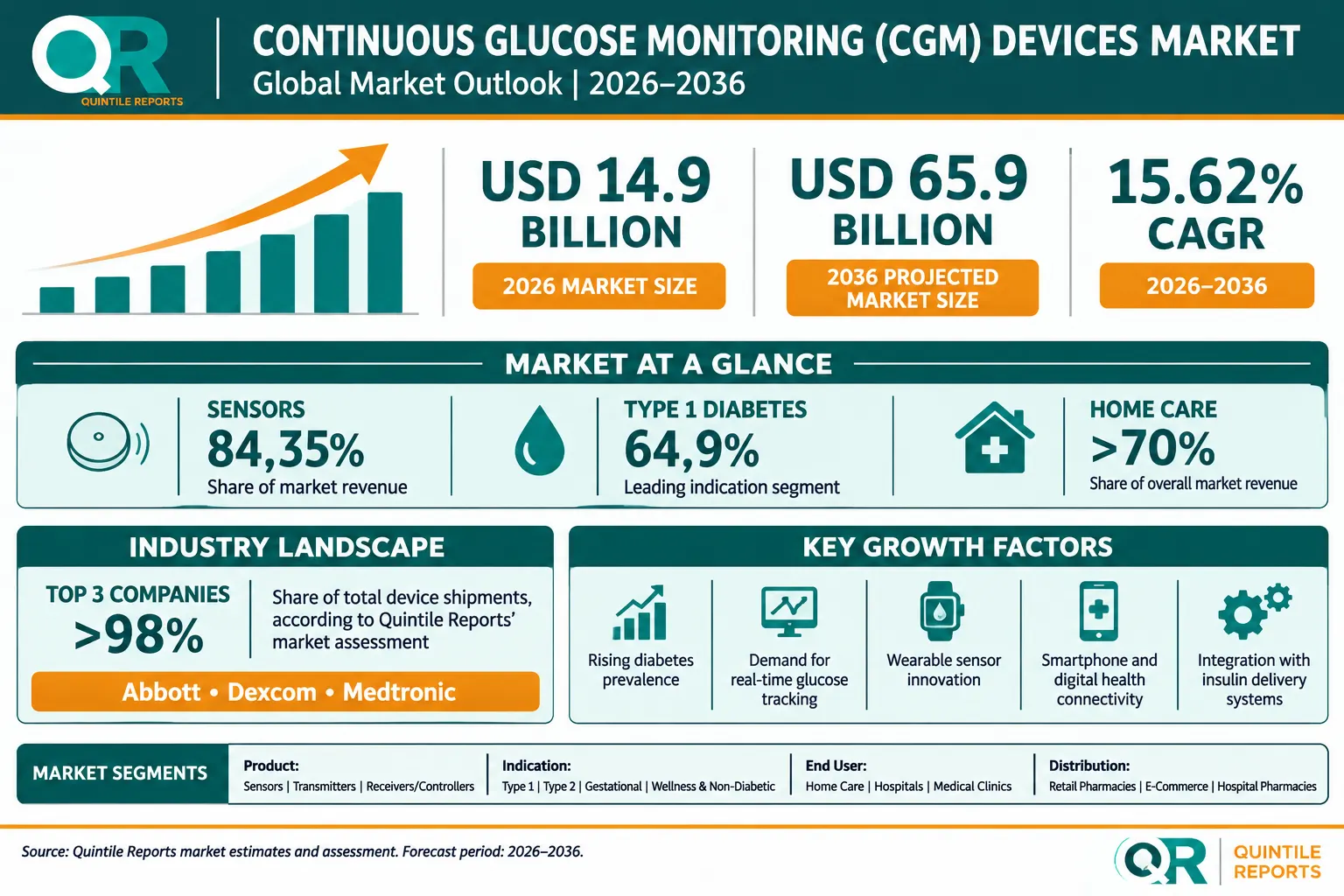
The global Continuous Glucose Monitoring Devices Market is segmented based on product type, indication, end user, and distribution channel. These segments reflect differences in device functionality, patient requirements, healthcare delivery models, and purchasing preferences. Increasing adoption of wearable glucose monitoring technologies and the growing emphasis on personalized diabetes management are influencing demand across these categories.
Based on product type, the continuous glucose monitoring devices market is classified into Sensors, Transmitters, and Receivers/Controllers. The Sensors segment dominates the global CGM devices market, accounting for approximately 84.35% of total revenue. This leadership is primarily attributed to the recurring replacement requirements associated with glucose monitoring sensors. These compact components are placed beneath the skin to measure glucose concentrations in interstitial fluid at regular intervals. Unlike reusable electronic components, sensors have a limited operational lifespan and require periodic replacement, generating consistent recurring demand from patients who depend on uninterrupted glucose monitoring.
Manufacturers are also investing in sensor miniaturization, improved measurement accuracy, longer wear durations, and factory-calibrated technologies to enhance user convenience. The availability of disposable sensor systems from major companies, including Abbott and Dexcom, further supports the segment's revenue contribution.
Transmitters and Receivers/Controllers represent the remaining product categories. Transmitters facilitate wireless communication between the sensor and compatible monitoring devices, while receivers and controllers display glucose readings, historical patterns, and alerts. Although these components remain essential to CGM functionality, their comparatively longer replacement cycles and increasing integration with smartphones limit the recurring hardware demand observed in the sensor segment. The growing adoption of mobile applications and cloud-connected monitoring platforms is also transforming how patients access and share glucose information.
Based on indication, the continuous glucose monitoring devices market is segmented into Type 1 Diabetes, Type 2 Diabetes, Gestational Diabetes, and Wellness & Non-Diabetic Users. The Type 1 Diabetes segment represents the leading indication category, capturing approximately 64.9% of the market. Individuals with Type 1 diabetes generally require lifelong insulin administration and frequent glucose assessment to maintain appropriate blood glucose levels. CGM systems provide continuous glucose readings, identify fluctuations, and generate alerts that support timely treatment adjustments. Their compatibility with insulin pumps and automated insulin delivery technologies further strengthens adoption among this patient population.
The Type 1 diabetes population has also benefited from established clinical recommendations and reimbursement pathways in several developed healthcare markets. Consequently, consistent device usage, recurring sensor purchases, and integration with advanced diabetes management systems contribute significantly to segment revenue.
Type 2 Diabetes represents an important growth opportunity as healthcare providers increasingly recognize the value of continuous glucose tracking in managing glucose fluctuations and supporting lifestyle modifications. The substantial global population affected by Type 2 diabetes creates considerable potential for wider CGM adoption, particularly as product accessibility improves and reimbursement coverage expands. Gestational Diabetes is another developing application area, with continuous monitoring offering additional insights into glucose variations during pregnancy. Furthermore, growing consumer interest in metabolic health, fitness monitoring, and preventive wellness is creating opportunities for non-diabetic applications, including over-the-counter glucose monitoring products.
Based on end user, the continuous glucose monitoring devices market is divided into Home Care Settings, Hospitals, and Medical Clinics. The Home Care Settings segment holds the dominant position, contributing more than 70% of the overall market revenue. The segment's growth is closely associated with the increasing preference for convenient, patient-managed diabetes care. CGM devices allow individuals to monitor glucose fluctuations during everyday activities without depending exclusively on periodic hospital visits or laboratory assessments. Smartphone connectivity, automated alerts, and remote data-sharing capabilities have further improved the suitability of these systems for routine home-based healthcare.
The increasing availability of user-friendly wearable sensors and digital diabetes management applications is also encouraging patients to incorporate continuous glucose tracking into their daily routines. Additionally, remote consultations and connected healthcare platforms are enabling physicians to review patient glucose patterns without requiring frequent in-person appointments.
Hospitals and Medical Clinics represent the other major end-user categories. These healthcare facilities utilize CGM technologies for selected inpatient monitoring requirements, diabetes management consultations, patient education, and treatment assessment. Hospitals also play an important role in introducing patients to glucose monitoring technologies and supporting device selection. However, the growing shift toward decentralized healthcare delivery and long-term home-based diabetes management continues to strengthen the commercial position of the homecare segment.
Based on distribution channel, the continuous glucose monitoring devices market is segmented into Retail Pharmacies, E-Commerce/Online Pharmacies, and Hospital Pharmacies. The Retail Pharmacies segment represents the leading distribution channel, supported by its established presence in the healthcare supply chain and direct accessibility to patients. Pharmacies provide convenient access to replacement sensors, transmitters, and compatible monitoring accessories. Their established relationships with insurance providers, availability of prescription products, and pharmacist-assisted purchasing support continued demand through this channel. The recurring nature of CGM sensor purchases also creates consistent sales opportunities for retail pharmacy networks.
E-Commerce and Online Pharmacies are emerging as important distribution channels, driven by the increasing adoption of digital purchasing platforms and home-delivery services. Online ordering offers patients greater convenience when purchasing replacement sensors and monitoring accessories. Subscription-based replenishment models, product availability, and direct-to-consumer sales strategies are further supporting this channel's expansion.
Hospital Pharmacies account for the remaining distribution share, primarily serving patients receiving treatment within hospital environments. These pharmacies facilitate access to glucose monitoring products during inpatient care, diagnosis, treatment initiation, and specialized diabetes management programs. Although their distribution role remains important within institutional healthcare settings, their customer reach is comparatively narrower than that of retail and online pharmacy networks.
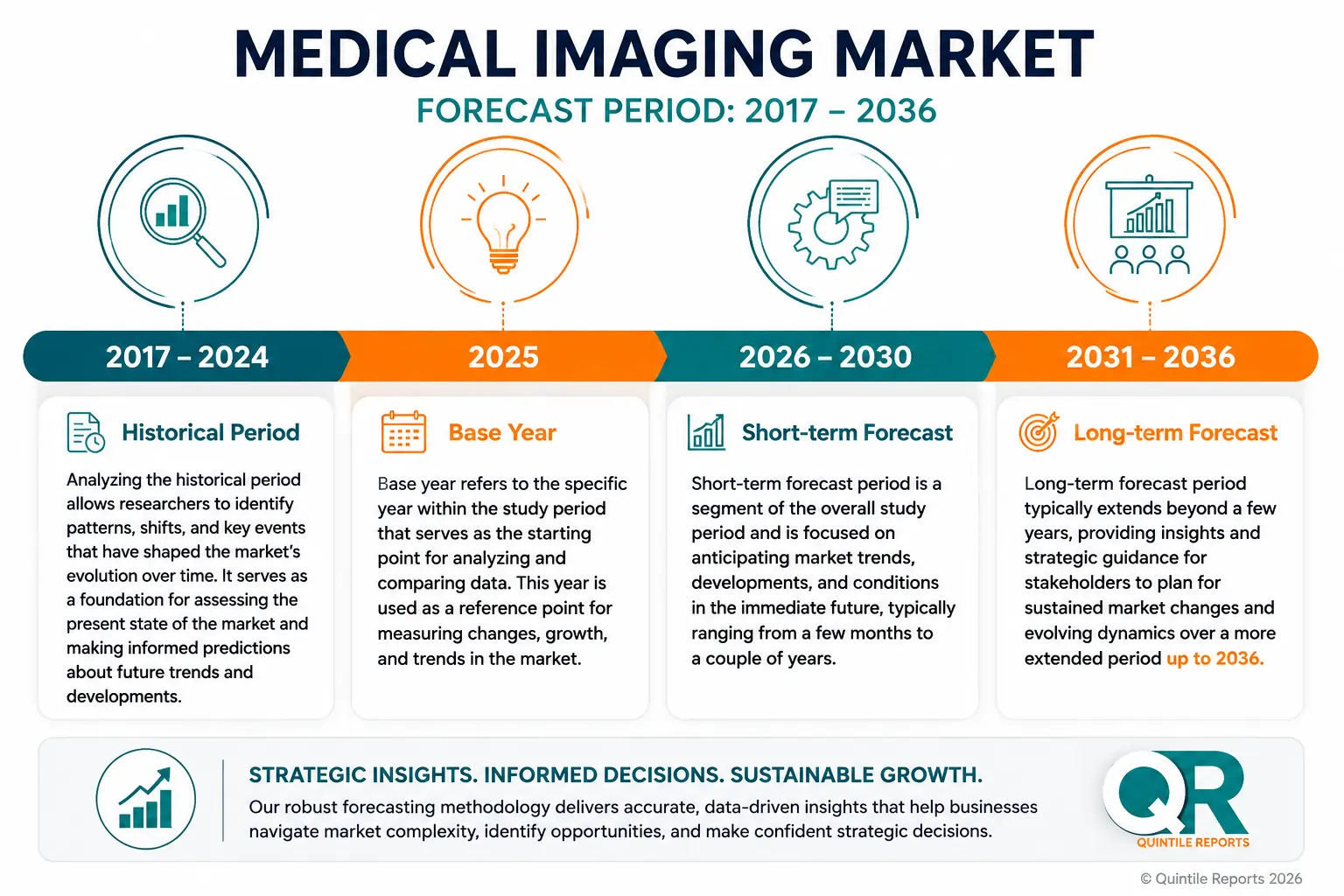
The global continuous glucose monitoring (CGM) devices market is geographically segmented into North America, Europe, Asia Pacific, Latin America, and the Middle East & Africa. Regional market performance is influenced by differences in diabetes prevalence, healthcare infrastructure, reimbursement policies, patient awareness, purchasing power, and access to advanced medical technologies. While developed economies continue to account for a substantial proportion of global CGM device revenue, emerging markets are creating new growth opportunities through expanding healthcare access, rising diabetes diagnoses, and increasing adoption of digital health solutions.
North America represents the leading regional market for continuous glucose monitoring devices, accounting for an estimated 48.0%–63.3% of global revenue, depending on the market measurement and reporting scope. The United States contributes the largest share of regional demand, supported by its substantial diabetic population, advanced healthcare infrastructure, established medical device industry, and relatively widespread availability of insurance coverage for eligible patients. The growing emphasis on preventive diabetes management and continuous glucose tracking has strengthened the adoption of CGM systems among individuals with both Type 1 and Type 2 diabetes.
The region benefits from established reimbursement frameworks, including Medicare and private health insurance programs, which help eligible patients manage the recurring costs associated with CGM sensors and monitoring accessories. Healthcare professionals are also increasingly incorporating continuous glucose monitoring into diabetes treatment strategies because these systems provide detailed glucose patterns, identify potential hypoglycemic and hyperglycemic events, and support more informed treatment decisions. Furthermore, the integration of CGM devices with insulin pumps and automated insulin delivery systems is strengthening their clinical importance.
Another important growth factor is the expansion of over-the-counter glucose monitoring products. Regulatory clearances for products such as Abbott Lingo and Dexcom Stelo have extended the potential consumer base beyond traditional prescription-based diabetes management. These products are attracting interest from health-conscious consumers seeking insights into metabolic responses, nutrition, exercise, and lifestyle habits. Canada also contributes to regional market development through public healthcare initiatives, growing diabetes awareness, and the gradual expansion of access to advanced glucose monitoring technologies.
The presence of major manufacturers, including Abbott, Dexcom, and Medtronic, further reinforces North America's competitive position. Continued investment in sensor accuracy, wearable device miniaturization, connectivity, and product accessibility is expected to sustain the region's leadership throughout the forecast period.
Europe represents another major revenue-generating region in the global continuous glucose monitoring devices market, supported by established healthcare systems, government-funded medical services, and increasing adoption of advanced diabetes management technologies. The United Kingdom, Germany, France, Italy, and other Western European countries contribute significantly to regional demand. The availability of national healthcare programs and reimbursement support in several European markets has improved patient access to continuous glucose monitoring systems, particularly among individuals requiring intensive insulin management.
The increasing focus on improving diabetes outcomes is encouraging healthcare providers to move beyond conventional blood glucose testing toward continuous monitoring technologies. CGM systems enable patients and clinicians to evaluate glucose fluctuations throughout the day, monitor time-in-range performance, and make more informed decisions regarding medication, diet, and physical activity. These capabilities are particularly valuable for individuals with Type 1 diabetes and insulin-treated Type 2 diabetes.
Germany and the United Kingdom remain important markets due to their established diabetes care infrastructure, medical technology adoption, and healthcare reimbursement mechanisms. France and Italy are also contributing to regional expansion through diabetes screening initiatives, specialist treatment facilities, and growing awareness of wearable glucose monitoring solutions. Additionally, increasing compatibility between CGM sensors, smartphones, insulin pumps, and digital healthcare platforms is improving the usability of these devices.
However, variations in reimbursement eligibility, healthcare budgets, and device procurement policies across European countries continue to influence adoption rates. Manufacturers are therefore focusing on product affordability, clinical evidence, and partnerships with healthcare providers to expand their regional presence. The increasing availability of advanced sensor technologies and connected diabetes management platforms is expected to support continued market development across Europe.
Asia Pacific is emerging as one of the most attractive growth regions for the global continuous glucose monitoring devices market. The regional market was valued at approximately USD 2.82 billion in 2025 and is expected to expand significantly throughout the forecast period, supported by rising diabetes prevalence, growing healthcare expenditure, and increasing awareness of advanced glucose monitoring solutions.
China, India, Japan, South Korea, and Australia represent important markets within the region. The large population base and increasing incidence of Type 2 diabetes in China and India are creating substantial demand for accessible diabetes management technologies. Urbanization, changing dietary patterns, sedentary lifestyles, and growing awareness of diabetes-related complications are encouraging patients to adopt more proactive glucose monitoring practices.
China is witnessing increasing interest in connected medical devices, wearable healthcare technologies, and digital diabetes management platforms. Domestic medical device development, expanding healthcare infrastructure, and growing smartphone penetration are creating favorable conditions for CGM adoption. In India, rising diabetes diagnoses, increasing private healthcare investment, and the gradual expansion of digital health services are supporting market opportunities. However, device affordability and limited reimbursement coverage remain important considerations for broader adoption.
Japan and South Korea contribute through their advanced medical technology industries, established healthcare systems, and strong consumer acceptance of digital health solutions. Australia also represents an important market due to its structured diabetes care programs and access to subsidized healthcare services for eligible patients.
A major factor supporting the Asia Pacific CGM devices market is the increasing integration of wearable sensors with smartphone applications and remote patient monitoring platforms. These technologies allow patients to access glucose readings, identify patterns, and share information with healthcare professionals. As manufacturers introduce more affordable products and distribution networks expand into developing economies, CGM adoption is expected to increase across both urban and semi-urban populations.
The Latin America continuous glucose monitoring devices market is gradually expanding as governments, healthcare providers, and medical device manufacturers place greater emphasis on diabetes diagnosis, treatment, and long-term disease management. Brazil, Mexico, Argentina, Chile, and Colombia represent important markets contributing to regional demand. The increasing prevalence of diabetes, rising awareness of diabetes-related complications, and gradual modernization of healthcare infrastructure are creating opportunities for advanced glucose monitoring technologies.
Brazil represents a significant market due to its large diabetic population and established private healthcare sector. Increasing access to specialist diabetes care and growing awareness of wearable medical technologies are encouraging the adoption of CGM systems among patients who require frequent glucose monitoring. Mexico is also an important growth market, supported by increasing diabetes-related healthcare requirements and efforts to improve chronic disease management.
Despite these opportunities, the adoption of continuous glucose monitoring devices remains influenced by affordability, limited insurance reimbursement, and uneven access to specialized healthcare services. The recurring cost of disposable sensors can be a barrier for patients who must purchase replacement components regularly. Consequently, product pricing, local distribution partnerships, and improved availability through pharmacies and online channels will play an important role in expanding the regional customer base.
The growing use of telemedicine, mobile health applications, and remote patient monitoring is also creating opportunities for CGM manufacturers. As healthcare providers increasingly explore technology-enabled approaches to chronic disease management, demand for connected glucose monitoring solutions is expected to strengthen across Latin America.
The Middle East & Africa continuous glucose monitoring devices market is developing steadily, supported by increasing diabetes prevalence, healthcare infrastructure investments, and growing government initiatives focused on non-communicable diseases. Saudi Arabia, the United Arab Emirates, South Africa, Egypt, and other countries are contributing to the adoption of advanced diabetes monitoring technologies.
Within the Middle East, Saudi Arabia and the United Arab Emirates represent important markets due to their comparatively high healthcare expenditure, modernization of medical facilities, and growing emphasis on preventive healthcare. Government-led digital health initiatives and investments in specialized diabetes treatment centers are improving access to advanced monitoring solutions. The increasing presence of private hospitals and specialist endocrinology clinics is also supporting awareness of continuous glucose monitoring devices.
In Africa, South Africa represents an important market due to its relatively established private healthcare sector and growing demand for improved diabetes management. Egypt and other developing economies are also witnessing increasing healthcare requirements associated with the rising burden of chronic diseases. However, affordability constraints, limited insurance coverage, distribution challenges, and differences in healthcare infrastructure continue to restrict widespread CGM adoption across several African countries.
Manufacturers and distributors have opportunities to expand through partnerships with hospitals, specialist clinics, pharmacies, and regional healthcare providers. Greater availability of cost-effective sensors, patient education initiatives, and improvements in healthcare reimbursement could further support the penetration of CGM devices across the Middle East and Africa during the forecast period.
The global continuous glucose monitoring (CGM) devices market is characterized by strong competition among established medical technology companies, specialized diabetes care manufacturers, and emerging digital health solution providers. Market participants are focusing on product innovation, sensor accuracy, manufacturing scalability, strategic collaborations, and distribution network expansion to strengthen their competitive positions. Competition is increasingly influenced by factors such as product performance, sensor lifespan, patient comfort, pricing strategies, regulatory approvals, interoperability, and the availability of reimbursement support.
The global CGM devices market exhibits a high degree of competitive concentration, with a small group of established manufacturers accounting for a substantial proportion of device sales. Abbott and Dexcom are among the leading companies, supported by extensive product portfolios, established distribution networks, and strong market penetration across developed economies. Medtronic also maintains a significant presence, particularly through its integrated diabetes management and insulin delivery solutions. According to the supplied market assessment, the top three companies collectively account for more than 98% of total device shipments, highlighting the considerable entry barriers associated with sensor development, clinical validation, regulatory compliance, and large-scale manufacturing.
To maintain their market positions, leading companies are increasingly investing in next-generation sensor technologies, improved connectivity, longer sensor wear durations, and simplified user interfaces. The integration of CGM systems with insulin pumps, automated insulin delivery platforms, and smartphone-based health applications is becoming an important competitive differentiator. Companies are also exploring opportunities in over-the-counter glucose monitoring, wellness applications, and direct-to-consumer distribution channels to expand their addressable customer base beyond traditional diabetes care.
Furthermore, strategic acquisitions, technology partnerships, product launches, and geographic expansion are shaping the competitive landscape. Manufacturers are prioritizing cost optimization, product accessibility, and recurring sensor supply capabilities to strengthen customer retention and generate consistent revenue. As competition expands into emerging markets, the ability to offer affordable, clinically reliable, and user-friendly monitoring solutions is expected to become increasingly important.
The prominent companies participating in the global continuous glucose monitoring devices market include:
The competitive environment is evolving through product innovation, technology integration, strategic partnerships, and investments in digital diabetes management. Leading manufacturers are introducing improved monitoring systems and expanding their product portfolios to address the changing requirements of patients and healthcare providers.
March 2025 – Dexcom: Dexcom continued advancing its next-generation continuous glucose monitoring portfolio, with a focus on smaller wearable designs, extended sensor wear, and enhanced glucose analytics. Improvements in device comfort, connectivity, and monitoring convenience are intended to encourage consistent usage and improve the overall patient experience.
February 2025 – Abbott Laboratories: Abbott's diabetes technology strategy has increasingly focused on integrating glucose sensing with digital health platforms and automated insulin delivery technologies. Its product development and strategic collaborations are aimed at strengthening the connection between continuous glucose monitoring, insulin management, and personalized diabetes care.
April 2025 – Medtronic: Medtronic continued expanding its connected diabetes care strategy through digital health initiatives and collaborations intended to improve access to diabetes management services. The company's focus includes combining continuous glucose monitoring technologies with insulin delivery systems and digital patient support solutions.
| Report Scope | Details |
| Report Version | 2026 |
| Growth Rate | CAGR of 15.62 % from 2026 to 2036 |
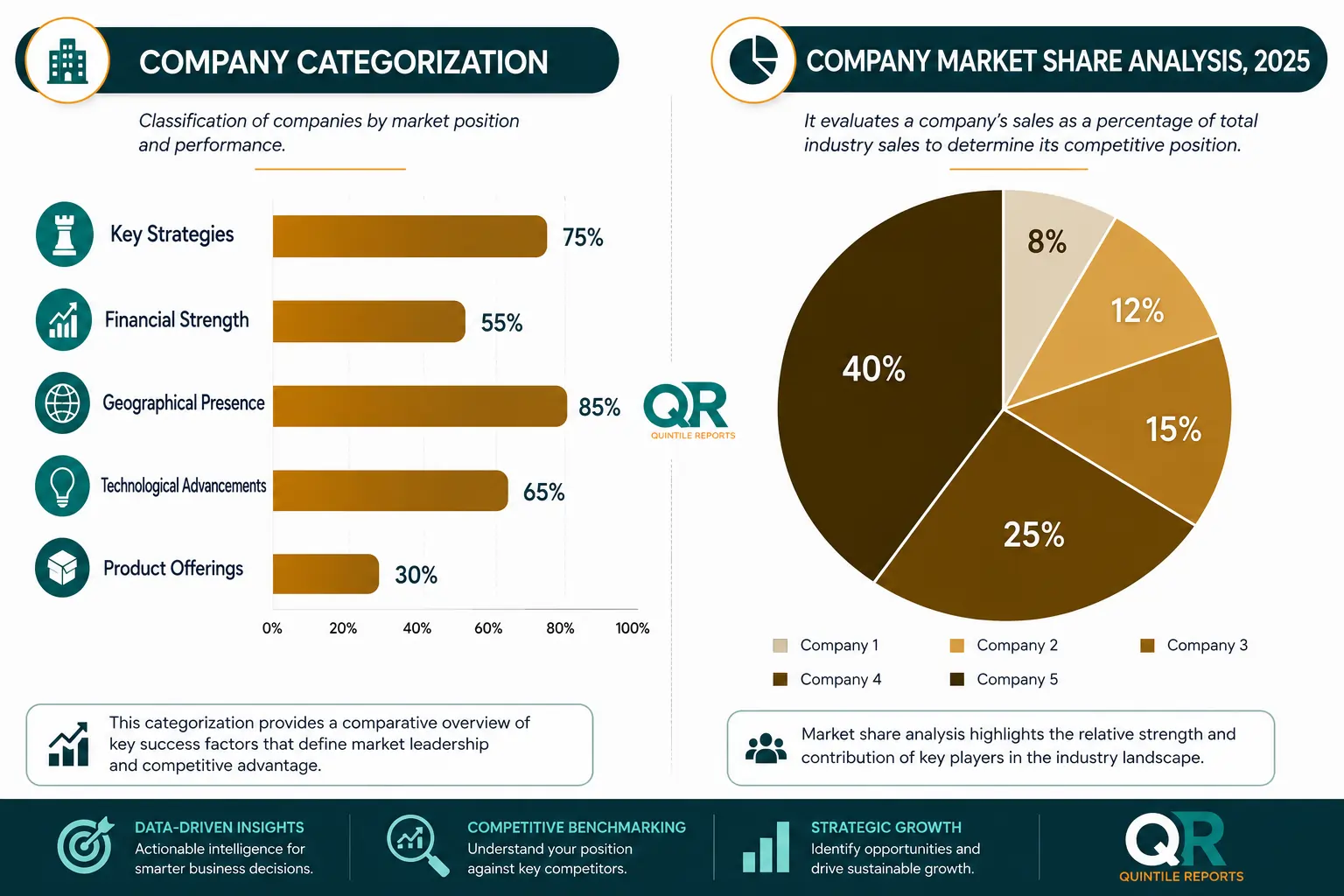
| Base Year | 2025 |
| Actual Estimates / Historical Data | 2017 - 2024 |
| Forecast Period | 2026 - 2036 |
| Quantitative Units | Revenue in USD million/billion & CAGR from 2026 to 2036 |
| Country Scope | North America (U.S., Canada), Europe (UK, Germany, France, Italy, Spain, Russia, Sweden, Denmark, Norway, Rest of Europe), Asia Pacific (Japan, China, India, Australia, South Korea, Thailand, Rest of Asia Pacific), Latin America (Brazil, Mexico, Argentina, Colombia, Rest of Latin America), Middle East & Africa (South Africa, Saudi Arabia, UAE, Kuwait, Rest of Middle East & Africa). |
| The Segment Covered by Product Type |
|
| The Segment Covered by Indication |
|
| Companies Covered |
|
| Report Coverage | Revenue forecast, company share, competitive landscape, growth factors, technology trends, and regional analysis |
| Free Customization Scope (Equivalent to 5 Analyst Working Days) | If you require additional insights beyond the current scope, our analysts can customize the report to meet your specific business needs. |
At Quintile Reports, we combine extensive industry research, data-driven analysis, and strategic market intelligence to help businesses make informed decisions. Our research methodology focuses on delivering reliable market insights, evaluating emerging industry trends, and identifying growth opportunities across global markets.
Comprehensive market assessments supported by industry research, market indicators, and data-driven analysis.
Research backed by domain knowledge and an understanding of industry developments, competitive landscapes, and market dynamics.
Tailored research support designed to address specific business objectives, market requirements, and strategic priorities.
Regional and country-level insights to help businesses understand international market opportunities and competitive positioning.
Structured reports covering market sizing, forecasts, segmentation, competitive benchmarking, and strategic recommendations.
Research assistance and analyst interaction to help clients understand findings and address report-related queries.
Quintile Reports adopts a systematic, multi-dimensional research methodology to assess the global continuous glucose monitoring (CGM) devices market. The research combines primary interactions, secondary data collection, quantitative market modelling, and industry validation to evaluate market size, technological developments, competitive positioning, and future growth opportunities.
An extensive review of industry-specific information is conducted to understand the global CGM devices market, including:
Direct industry interactions are used to validate market assumptions and understand commercial developments across the CGM value chain. Key stakeholders considered include:
Discussions focus on product adoption, pricing trends, sensor replacement cycles, reimbursement accessibility, purchasing preferences, and emerging market opportunities.
The market is evaluated across major product, indication, end-user, distribution, and geographical categories.
A quantitative assessment is undertaken to estimate the historical, current, and projected market value.
The competitive environment is evaluated to understand the positioning and strategic activities of key manufacturers.
Information collected through primary and secondary research is cross-checked to improve the reliability of market estimates.

Table 1 List of Abbreviation and Acronyms
Table 2 List of Sources
Table 3 North America Continuous Glucose Monitoring (CGM) Devices Market, by Segment Analysis, (USD Million) 2017-2036
Table 4 North America Continuous Glucose Monitoring (CGM) Devices Market, by Region, (USD Million) 2017-2036
Table 5 U.S. Continuous Glucose Monitoring (CGM) Devices Market, by Segment Analysis, (USD Million) 2017-2036
Table 6 Canada Continuous Glucose Monitoring (CGM) Devices Market, by Segment Analysis, (USD Million) 2017-2036
Table 7 Europe Continuous Glucose Monitoring (CGM) Devices Market, by Segment Analysis, (USD Million) 2017-2036
Table 8 Europe Continuous Glucose Monitoring (CGM) Devices Market, by Region, (USD Million) 2017-2036
Table 9 Germany Continuous Glucose Monitoring (CGM) Devices Market, by Segment Analysis, (USD Million) 2017-2036
Table 10 U.K. Continuous Glucose Monitoring (CGM) Devices Market, by Segment Analysis, (USD Million) 2017-2036
Table 11 France Continuous Glucose Monitoring (CGM) Devices Market, by Segment Analysis, (USD Million) 2017-2036
Table 12 Italy Continuous Glucose Monitoring (CGM) Devices Market, by Segment Analysis, (USD Million) 2017-2036
Table 13 Spain Continuous Glucose Monitoring (CGM) Devices Market, by Segment Analysis, (USD Million) 2017-2036
Table 14 Sweden Continuous Glucose Monitoring (CGM) Devices Market, by Segment Analysis, (USD Million) 2017-2036
Table 15 Denmark Continuous Glucose Monitoring (CGM) Devices Market, by Segment Analysis, (USD Million) 2017-2036
Table 16 Norway Continuous Glucose Monitoring (CGM) Devices Market, by Segment Analysis, (USD Million) 2017-2036
Table 17 The Netherlands Continuous Glucose Monitoring (CGM) Devices Market, by Segment Analysis, (USD Million) 2017-2036
Table 18 Russia Continuous Glucose Monitoring (CGM) Devices Market, by Segment Analysis, (USD Million) 2017-2036
Table 19 Asia Pacific Global Market, by Segment Analysis, (USD Million) 2017-2036
Table 20 Asia Pacific Continuous Glucose Monitoring (CGM) Devices Market, by Region, (USD Million) 2017-2036
Table 21 China Continuous Glucose Monitoring (CGM) Devices Market, by Segment Analysis, (USD Million) 2017-2036
Table 22 Japan Continuous Glucose Monitoring (CGM) Devices Market, by Segment Analysis, (USD Million) 2017-2036
Table 23 India Continuous Glucose Monitoring (CGM) Devices Market, by Segment Analysis, (USD Million) 2017-2036
Table 24 Australia Continuous Glucose Monitoring (CGM) Devices Market, by Segment Analysis, (USD Million) 2017-2036
Table 25 South Korea Continuous Glucose Monitoring (CGM) Devices Market, by Segment Analysis, (USD Million) 2017-2036
Table 26 Thailand Continuous Glucose Monitoring (CGM) Devices Market, by Segment Analysis, (USD Million) 2017-2036
Table 27 Latin America Continuous Glucose Monitoring (CGM) Devices Market, by Segment Analysis, (USD Million) 2017-2036
Table 28 Latin America Continuous Glucose Monitoring (CGM) Devices Market, by Region, (USD Million) 2017-2036
Table 29 Brazil Continuous Glucose Monitoring (CGM) Devices Market, by Segment Analysis, (USD Million) 2017-2036
Table 30 Mexico Continuous Glucose Monitoring (CGM) Devices Market, by Segment Analysis, (USD Million) 2017-2036
Table 31 Argentina Continuous Glucose Monitoring (CGM) Devices Market, by Segment Analysis, (USD Million) 2017-2036
Table 32 Middle East and Africa Continuous Glucose Monitoring (CGM) Devices Market, by Segment Analysis, (USD Million) 2017-2036
Table 33 Middle East and Africa Continuous Glucose Monitoring (CGM) Devices Market, by Region, (USD Million) 2017-2036
Table 34 South Africa Continuous Glucose Monitoring (CGM) Devices Market, by Segment Analysis, (USD Million) 2017-2036
Table 35 Saudi Arabia Continuous Glucose Monitoring (CGM) Devices Market, by Segment Analysis, (USD Million) 2017-2036
Table 36 UAE Continuous Glucose Monitoring (CGM) Devices Market, by Segment Analysis, (USD Million) 2017-2036
Table 37 Kuwait Continuous Glucose Monitoring (CGM) Devices Market, by Segment Analysis, (USD Million) 2017-2036
Table 38 Turkey Continuous Glucose Monitoring (CGM) Devices Market, by Segment Analysis, (USD Million) 2017-2036
Fig.1 Market Research Process
Fig.2 Market Research Approaches
Fig.3 Global Continuous Glucose Monitoring (CGM) Devices Market: Market Scenario
Fig.4 Global Continuous Glucose Monitoring (CGM) Devices Market Competitive Outlook
Fig.5 Global Continuous Glucose Monitoring (CGM) Devices Market Driver Analysis
Fig.6 Global Continuous Glucose Monitoring (CGM) Devices Market Restraint Analysis
Fig.7 Global Continuous Glucose Monitoring (CGM) Devices Market Opportunity Analysis
Fig.8 Global Continuous Glucose Monitoring (CGM) Devices Market Trends Analysis
Fig.9 Global Continuous Glucose Monitoring (CGM) Devices Market: Segment Analysis (Based on the Scope)
Fig.10 Global Continuous Glucose Monitoring (CGM) Devices Market: Regional Analysis
Fig.11 Global Market Shares and Leading Market Players
Fig.12 North America Market Share and Leading Players
Fig.13 Europe Market Share and Leading Players
Fig.14 Asia Pacific Market Share and Leading Players
Fig.15 Latin America Market Share and Leading Players
Fig.16 Middle East & Africa Market Share and Leading Players
Fig.17 North America, by Country
Fig.18 North America
Fig.19 North America Market Estimates and Forecast, 2017-2036
Fig.20 U.S.
Fig.21 Canada
Fig.22 Europe
Fig.23 Europe Market Estimates and Forecast, 2017-2036
Fig.24 U.K.
Fig.25 Germany
Fig.26 France
Fig.27 Italy
Fig.28 Spain
Fig.29 Sweden
Fig.30 Denmark
Fig.31 Norway
Fig.32 The Netherlands
Fig.33 Russia
Fig.34 Asia Pacific
Fig.35 Asia Pacific Market Estimates and Forecast, 2017-2036
Fig.36 China
Fig.37 Japan
Fig.38 India
Fig.39 Australia
Fig.40 South Korea
Fig.41 Thailand
Fig.42 Latin America
Fig.43 Latin America Market Estimates and Forecast, 2017-2036
Fig.44 Brazil
Fig.45 Mexico
Fig.46 Argentina
Fig.47 Colombia
Fig.48 Middle East and Africa
Fig.49 Middle East and Africa Market Estimates and Forecast, 2017-2036
Fig.50 Saudi Arabia
Fig.51 South Africa
Fig.52 UAE
Fig.53 Kuwait
Fig.54 Turkey
The global continuous glucose monitoring devices market is estimated to reach USD 14.9 billion in 2026. Increasing diabetes prevalence, growing adoption of wearable medical technologies, and rising demand for real-time glucose tracking are supporting market expansion.
The global continuous glucose monitoring devices market is projected to reach USD 65.9 billion by 2036, registering a CAGR of 15.62% during the forecast period from 2026 to 2036.
The market is primarily driven by the increasing global burden of diabetes, rising preference for continuous glucose tracking over conventional finger-prick testing, technological advancements in wearable sensors, expanding reimbursement coverage, and growing adoption of connected diabetes management solutions.
Continuous glucose monitoring devices are wearable medical systems that measure glucose concentrations in interstitial fluid throughout the day and night. They generally consist of a sensor inserted beneath the skin, a transmitter that communicates glucose readings, and a receiver or smartphone application that displays glucose levels, trends, and alerts.
North America holds the leading position in the global continuous glucose monitoring devices market. The United States is the primary contributor, supported by advanced healthcare infrastructure, established medical device manufacturers, diabetes awareness, and reimbursement coverage for eligible patients.
The sensors segment dominates the market, accounting for approximately 84.35% of revenue, supported by recurring replacement demand and increasing adoption of advanced glucose monitoring sensors.
Major market participants include Abbott Laboratories, Dexcom, Inc., Medtronic plc, Senseonics Holdings, Inc., F. Hoffmann-La Roche Ltd, and Ascensia Diabetes Care.
Type 2 diabetes monitoring, over-the-counter CGM products, home-based healthcare, and emerging Asia Pacific markets offer substantial opportunities as accessibility, affordability, and awareness improve.
The global Continuous Glucose Monitoring Devices Market is estimated to reach USD 14.9 billion in 2026 and is projected to grow to USD 65.9 billion by 2036, registering a CAGR of 15.62% during the forecast period (2026-2036), according to Quintile Reports' market estimates. Market growth is driven by the increasing prevalence of diabetes, growing demand for real-time glucose monitoring, rising adoption of wearable healthcare technologies, and continuous advancements in sensor accuracy and digital health connectivity.
The Continuous Glucose Monitoring Devices Market covers revenues generated from commercially available continuous glucose monitoring systems, sensors, transmitters, receivers, and related components used for monitoring glucose levels in individuals with diabetes. The market includes different product types, components, applications, patient categories, end users, distribution channels, and geographic markets. Increasing demand for proactive diabetes management, personalized treatment approaches, and home-based glucose monitoring solutions is supporting market expansion.
Continuous glucose monitoring (CGM) devices are wearable medical technologies designed to measure glucose levels in the interstitial fluid beneath the skin at regular intervals throughout the day and night. These systems generally consist of a sensor, transmitter, and receiver or compatible smartphone application that displays glucose readings, trends, and alerts. Unlike conventional blood glucose meters that require individual finger-prick measurements, CGM devices provide continuous glucose insights, enabling patients and healthcare professionals to make more informed treatment and lifestyle decisions.
North America represents a leading regional market, supported by advanced diabetes care infrastructure, favorable reimbursement policies, high awareness of glucose monitoring technologies, and the presence of established manufacturers. Meanwhile, Asia Pacific is expected to offer significant growth opportunities during the forecast period, driven by the increasing diabetes burden, expanding healthcare infrastructure, rising disposable incomes, and improving access to digital healthcare solutions.
The market size estimates presented in this report are based on Quintile Reports' defined market scope, covering commercially available continuous glucose monitoring devices and related components across specified product types, components, applications, patient categories, end users, distribution channels, and geographic markets. Revenue estimates reflect the defined product and geographic scope of the study and may differ from other published studies because of variations in market definitions, product inclusion, geographic coverage, pricing assumptions, and forecasting methodologies.
The increasing prevalence of diabetes worldwide represents a major factor supporting the growth of the global continuous glucose monitoring devices market. According to the International Diabetes Federation (IDF), approximately 537 million adults were living with diabetes in 2021, and this number is projected to reach 643 million by 2030. The growing diabetes burden is increasing the need for effective glucose monitoring solutions that support timely treatment decisions and long-term disease management. Healthcare providers are increasingly incorporating CGM technologies into diabetes treatment plans to improve glucose visibility, support insulin management, and reduce the risk of complications associated with uncontrolled blood glucose levels.
Furthermore, the transition from conventional finger-prick glucose testing toward continuous glucose tracking is creating new opportunities for device manufacturers. CGM systems provide real-time glucose readings, trend analysis, and alerts for potentially high or low glucose levels, improving patient awareness and supporting proactive diabetes management. Favorable reimbursement policies, expanding insurance coverage, and regulatory developments are also contributing to market expansion. In the United States, Medicare coverage provisions have improved access to CGM devices for eligible beneficiaries, while the introduction of over-the-counter CGM products is expanding consumer accessibility. Companies such as Abbott and Dexcom are strengthening the competitive landscape through product innovation, improved sensor performance, smartphone connectivity, and integration with digital diabetes management platforms.
Continuous technological advancements in wearable sensors, wireless communication, artificial intelligence, and mobile healthcare applications are creating significant growth opportunities for the continuous glucose monitoring devices market. Modern CGM systems increasingly incorporate Bluetooth connectivity, smartphone compatibility, cloud-based data sharing, and automated glucose trend analysis. These capabilities allow patients and healthcare professionals to monitor glucose fluctuations, identify patterns, and make more informed treatment decisions. Integration with insulin pumps and automated insulin delivery systems is further improving diabetes management by supporting more responsive glucose control and personalized treatment approaches.
Manufacturers are also focusing on developing smaller sensors, longer sensor wear durations, improved measurement accuracy, and more convenient device configurations. The increasing availability of over-the-counter CGM solutions is expanding the potential consumer base beyond traditional prescription-based markets, subject to product indications and regulatory requirements. Additionally, growing adoption of telehealth services and remote patient monitoring is supporting the use of connected CGM systems across homecare and clinical settings. These developments are expected to strengthen product adoption and contribute to the long-term expansion of the global market.
The global Continuous Glucose Monitoring Devices Market is segmented based on product type, indication, end user, and distribution channel. These segments reflect differences in device functionality, patient requirements, healthcare delivery models, and purchasing preferences. Increasing adoption of wearable glucose monitoring technologies and the growing emphasis on personalized diabetes management are influencing demand across these categories.
Based on product type, the continuous glucose monitoring devices market is classified into Sensors, Transmitters, and Receivers/Controllers. The Sensors segment dominates the global CGM devices market, accounting for approximately 84.35% of total revenue. This leadership is primarily attributed to the recurring replacement requirements associated with glucose monitoring sensors. These compact components are placed beneath the skin to measure glucose concentrations in interstitial fluid at regular intervals. Unlike reusable electronic components, sensors have a limited operational lifespan and require periodic replacement, generating consistent recurring demand from patients who depend on uninterrupted glucose monitoring.
Manufacturers are also investing in sensor miniaturization, improved measurement accuracy, longer wear durations, and factory-calibrated technologies to enhance user convenience. The availability of disposable sensor systems from major companies, including Abbott and Dexcom, further supports the segment's revenue contribution.
Transmitters and Receivers/Controllers represent the remaining product categories. Transmitters facilitate wireless communication between the sensor and compatible monitoring devices, while receivers and controllers display glucose readings, historical patterns, and alerts. Although these components remain essential to CGM functionality, their comparatively longer replacement cycles and increasing integration with smartphones limit the recurring hardware demand observed in the sensor segment. The growing adoption of mobile applications and cloud-connected monitoring platforms is also transforming how patients access and share glucose information.
Based on indication, the continuous glucose monitoring devices market is segmented into Type 1 Diabetes, Type 2 Diabetes, Gestational Diabetes, and Wellness & Non-Diabetic Users. The Type 1 Diabetes segment represents the leading indication category, capturing approximately 64.9% of the market. Individuals with Type 1 diabetes generally require lifelong insulin administration and frequent glucose assessment to maintain appropriate blood glucose levels. CGM systems provide continuous glucose readings, identify fluctuations, and generate alerts that support timely treatment adjustments. Their compatibility with insulin pumps and automated insulin delivery technologies further strengthens adoption among this patient population.
The Type 1 diabetes population has also benefited from established clinical recommendations and reimbursement pathways in several developed healthcare markets. Consequently, consistent device usage, recurring sensor purchases, and integration with advanced diabetes management systems contribute significantly to segment revenue.
Type 2 Diabetes represents an important growth opportunity as healthcare providers increasingly recognize the value of continuous glucose tracking in managing glucose fluctuations and supporting lifestyle modifications. The substantial global population affected by Type 2 diabetes creates considerable potential for wider CGM adoption, particularly as product accessibility improves and reimbursement coverage expands. Gestational Diabetes is another developing application area, with continuous monitoring offering additional insights into glucose variations during pregnancy. Furthermore, growing consumer interest in metabolic health, fitness monitoring, and preventive wellness is creating opportunities for non-diabetic applications, including over-the-counter glucose monitoring products.
Based on end user, the continuous glucose monitoring devices market is divided into Home Care Settings, Hospitals, and Medical Clinics. The Home Care Settings segment holds the dominant position, contributing more than 70% of the overall market revenue. The segment's growth is closely associated with the increasing preference for convenient, patient-managed diabetes care. CGM devices allow individuals to monitor glucose fluctuations during everyday activities without depending exclusively on periodic hospital visits or laboratory assessments. Smartphone connectivity, automated alerts, and remote data-sharing capabilities have further improved the suitability of these systems for routine home-based healthcare.
The increasing availability of user-friendly wearable sensors and digital diabetes management applications is also encouraging patients to incorporate continuous glucose tracking into their daily routines. Additionally, remote consultations and connected healthcare platforms are enabling physicians to review patient glucose patterns without requiring frequent in-person appointments.
Hospitals and Medical Clinics represent the other major end-user categories. These healthcare facilities utilize CGM technologies for selected inpatient monitoring requirements, diabetes management consultations, patient education, and treatment assessment. Hospitals also play an important role in introducing patients to glucose monitoring technologies and supporting device selection. However, the growing shift toward decentralized healthcare delivery and long-term home-based diabetes management continues to strengthen the commercial position of the homecare segment.
Based on distribution channel, the continuous glucose monitoring devices market is segmented into Retail Pharmacies, E-Commerce/Online Pharmacies, and Hospital Pharmacies. The Retail Pharmacies segment represents the leading distribution channel, supported by its established presence in the healthcare supply chain and direct accessibility to patients. Pharmacies provide convenient access to replacement sensors, transmitters, and compatible monitoring accessories. Their established relationships with insurance providers, availability of prescription products, and pharmacist-assisted purchasing support continued demand through this channel. The recurring nature of CGM sensor purchases also creates consistent sales opportunities for retail pharmacy networks.
E-Commerce and Online Pharmacies are emerging as important distribution channels, driven by the increasing adoption of digital purchasing platforms and home-delivery services. Online ordering offers patients greater convenience when purchasing replacement sensors and monitoring accessories. Subscription-based replenishment models, product availability, and direct-to-consumer sales strategies are further supporting this channel's expansion.
Hospital Pharmacies account for the remaining distribution share, primarily serving patients receiving treatment within hospital environments. These pharmacies facilitate access to glucose monitoring products during inpatient care, diagnosis, treatment initiation, and specialized diabetes management programs. Although their distribution role remains important within institutional healthcare settings, their customer reach is comparatively narrower than that of retail and online pharmacy networks.
The global continuous glucose monitoring (CGM) devices market is geographically segmented into North America, Europe, Asia Pacific, Latin America, and the Middle East & Africa. Regional market performance is influenced by differences in diabetes prevalence, healthcare infrastructure, reimbursement policies, patient awareness, purchasing power, and access to advanced medical technologies. While developed economies continue to account for a substantial proportion of global CGM device revenue, emerging markets are creating new growth opportunities through expanding healthcare access, rising diabetes diagnoses, and increasing adoption of digital health solutions.
North America represents the leading regional market for continuous glucose monitoring devices, accounting for an estimated 48.0%–63.3% of global revenue, depending on the market measurement and reporting scope. The United States contributes the largest share of regional demand, supported by its substantial diabetic population, advanced healthcare infrastructure, established medical device industry, and relatively widespread availability of insurance coverage for eligible patients. The growing emphasis on preventive diabetes management and continuous glucose tracking has strengthened the adoption of CGM systems among individuals with both Type 1 and Type 2 diabetes.
The region benefits from established reimbursement frameworks, including Medicare and private health insurance programs, which help eligible patients manage the recurring costs associated with CGM sensors and monitoring accessories. Healthcare professionals are also increasingly incorporating continuous glucose monitoring into diabetes treatment strategies because these systems provide detailed glucose patterns, identify potential hypoglycemic and hyperglycemic events, and support more informed treatment decisions. Furthermore, the integration of CGM devices with insulin pumps and automated insulin delivery systems is strengthening their clinical importance.
Another important growth factor is the expansion of over-the-counter glucose monitoring products. Regulatory clearances for products such as Abbott Lingo and Dexcom Stelo have extended the potential consumer base beyond traditional prescription-based diabetes management. These products are attracting interest from health-conscious consumers seeking insights into metabolic responses, nutrition, exercise, and lifestyle habits. Canada also contributes to regional market development through public healthcare initiatives, growing diabetes awareness, and the gradual expansion of access to advanced glucose monitoring technologies.
The presence of major manufacturers, including Abbott, Dexcom, and Medtronic, further reinforces North America's competitive position. Continued investment in sensor accuracy, wearable device miniaturization, connectivity, and product accessibility is expected to sustain the region's leadership throughout the forecast period.
Europe represents another major revenue-generating region in the global continuous glucose monitoring devices market, supported by established healthcare systems, government-funded medical services, and increasing adoption of advanced diabetes management technologies. The United Kingdom, Germany, France, Italy, and other Western European countries contribute significantly to regional demand. The availability of national healthcare programs and reimbursement support in several European markets has improved patient access to continuous glucose monitoring systems, particularly among individuals requiring intensive insulin management.
The increasing focus on improving diabetes outcomes is encouraging healthcare providers to move beyond conventional blood glucose testing toward continuous monitoring technologies. CGM systems enable patients and clinicians to evaluate glucose fluctuations throughout the day, monitor time-in-range performance, and make more informed decisions regarding medication, diet, and physical activity. These capabilities are particularly valuable for individuals with Type 1 diabetes and insulin-treated Type 2 diabetes.
Germany and the United Kingdom remain important markets due to their established diabetes care infrastructure, medical technology adoption, and healthcare reimbursement mechanisms. France and Italy are also contributing to regional expansion through diabetes screening initiatives, specialist treatment facilities, and growing awareness of wearable glucose monitoring solutions. Additionally, increasing compatibility between CGM sensors, smartphones, insulin pumps, and digital healthcare platforms is improving the usability of these devices.
However, variations in reimbursement eligibility, healthcare budgets, and device procurement policies across European countries continue to influence adoption rates. Manufacturers are therefore focusing on product affordability, clinical evidence, and partnerships with healthcare providers to expand their regional presence. The increasing availability of advanced sensor technologies and connected diabetes management platforms is expected to support continued market development across Europe.
Asia Pacific is emerging as one of the most attractive growth regions for the global continuous glucose monitoring devices market. The regional market was valued at approximately USD 2.82 billion in 2025 and is expected to expand significantly throughout the forecast period, supported by rising diabetes prevalence, growing healthcare expenditure, and increasing awareness of advanced glucose monitoring solutions.
China, India, Japan, South Korea, and Australia represent important markets within the region. The large population base and increasing incidence of Type 2 diabetes in China and India are creating substantial demand for accessible diabetes management technologies. Urbanization, changing dietary patterns, sedentary lifestyles, and growing awareness of diabetes-related complications are encouraging patients to adopt more proactive glucose monitoring practices.
China is witnessing increasing interest in connected medical devices, wearable healthcare technologies, and digital diabetes management platforms. Domestic medical device development, expanding healthcare infrastructure, and growing smartphone penetration are creating favorable conditions for CGM adoption. In India, rising diabetes diagnoses, increasing private healthcare investment, and the gradual expansion of digital health services are supporting market opportunities. However, device affordability and limited reimbursement coverage remain important considerations for broader adoption.
Japan and South Korea contribute through their advanced medical technology industries, established healthcare systems, and strong consumer acceptance of digital health solutions. Australia also represents an important market due to its structured diabetes care programs and access to subsidized healthcare services for eligible patients.
A major factor supporting the Asia Pacific CGM devices market is the increasing integration of wearable sensors with smartphone applications and remote patient monitoring platforms. These technologies allow patients to access glucose readings, identify patterns, and share information with healthcare professionals. As manufacturers introduce more affordable products and distribution networks expand into developing economies, CGM adoption is expected to increase across both urban and semi-urban populations.
The Latin America continuous glucose monitoring devices market is gradually expanding as governments, healthcare providers, and medical device manufacturers place greater emphasis on diabetes diagnosis, treatment, and long-term disease management. Brazil, Mexico, Argentina, Chile, and Colombia represent important markets contributing to regional demand. The increasing prevalence of diabetes, rising awareness of diabetes-related complications, and gradual modernization of healthcare infrastructure are creating opportunities for advanced glucose monitoring technologies.
Brazil represents a significant market due to its large diabetic population and established private healthcare sector. Increasing access to specialist diabetes care and growing awareness of wearable medical technologies are encouraging the adoption of CGM systems among patients who require frequent glucose monitoring. Mexico is also an important growth market, supported by increasing diabetes-related healthcare requirements and efforts to improve chronic disease management.
Despite these opportunities, the adoption of continuous glucose monitoring devices remains influenced by affordability, limited insurance reimbursement, and uneven access to specialized healthcare services. The recurring cost of disposable sensors can be a barrier for patients who must purchase replacement components regularly. Consequently, product pricing, local distribution partnerships, and improved availability through pharmacies and online channels will play an important role in expanding the regional customer base.
The growing use of telemedicine, mobile health applications, and remote patient monitoring is also creating opportunities for CGM manufacturers. As healthcare providers increasingly explore technology-enabled approaches to chronic disease management, demand for connected glucose monitoring solutions is expected to strengthen across Latin America.
The Middle East & Africa continuous glucose monitoring devices market is developing steadily, supported by increasing diabetes prevalence, healthcare infrastructure investments, and growing government initiatives focused on non-communicable diseases. Saudi Arabia, the United Arab Emirates, South Africa, Egypt, and other countries are contributing to the adoption of advanced diabetes monitoring technologies.
Within the Middle East, Saudi Arabia and the United Arab Emirates represent important markets due to their comparatively high healthcare expenditure, modernization of medical facilities, and growing emphasis on preventive healthcare. Government-led digital health initiatives and investments in specialized diabetes treatment centers are improving access to advanced monitoring solutions. The increasing presence of private hospitals and specialist endocrinology clinics is also supporting awareness of continuous glucose monitoring devices.
In Africa, South Africa represents an important market due to its relatively established private healthcare sector and growing demand for improved diabetes management. Egypt and other developing economies are also witnessing increasing healthcare requirements associated with the rising burden of chronic diseases. However, affordability constraints, limited insurance coverage, distribution challenges, and differences in healthcare infrastructure continue to restrict widespread CGM adoption across several African countries.
Manufacturers and distributors have opportunities to expand through partnerships with hospitals, specialist clinics, pharmacies, and regional healthcare providers. Greater availability of cost-effective sensors, patient education initiatives, and improvements in healthcare reimbursement could further support the penetration of CGM devices across the Middle East and Africa during the forecast period.
The global continuous glucose monitoring (CGM) devices market is characterized by strong competition among established medical technology companies, specialized diabetes care manufacturers, and emerging digital health solution providers. Market participants are focusing on product innovation, sensor accuracy, manufacturing scalability, strategic collaborations, and distribution network expansion to strengthen their competitive positions. Competition is increasingly influenced by factors such as product performance, sensor lifespan, patient comfort, pricing strategies, regulatory approvals, interoperability, and the availability of reimbursement support.
The global CGM devices market exhibits a high degree of competitive concentration, with a small group of established manufacturers accounting for a substantial proportion of device sales. Abbott and Dexcom are among the leading companies, supported by extensive product portfolios, established distribution networks, and strong market penetration across developed economies. Medtronic also maintains a significant presence, particularly through its integrated diabetes management and insulin delivery solutions. According to the supplied market assessment, the top three companies collectively account for more than 98% of total device shipments, highlighting the considerable entry barriers associated with sensor development, clinical validation, regulatory compliance, and large-scale manufacturing.
To maintain their market positions, leading companies are increasingly investing in next-generation sensor technologies, improved connectivity, longer sensor wear durations, and simplified user interfaces. The integration of CGM systems with insulin pumps, automated insulin delivery platforms, and smartphone-based health applications is becoming an important competitive differentiator. Companies are also exploring opportunities in over-the-counter glucose monitoring, wellness applications, and direct-to-consumer distribution channels to expand their addressable customer base beyond traditional diabetes care.
Furthermore, strategic acquisitions, technology partnerships, product launches, and geographic expansion are shaping the competitive landscape. Manufacturers are prioritizing cost optimization, product accessibility, and recurring sensor supply capabilities to strengthen customer retention and generate consistent revenue. As competition expands into emerging markets, the ability to offer affordable, clinically reliable, and user-friendly monitoring solutions is expected to become increasingly important.
The prominent companies participating in the global continuous glucose monitoring devices market include:
The competitive environment is evolving through product innovation, technology integration, strategic partnerships, and investments in digital diabetes management. Leading manufacturers are introducing improved monitoring systems and expanding their product portfolios to address the changing requirements of patients and healthcare providers.
March 2025 – Dexcom: Dexcom continued advancing its next-generation continuous glucose monitoring portfolio, with a focus on smaller wearable designs, extended sensor wear, and enhanced glucose analytics. Improvements in device comfort, connectivity, and monitoring convenience are intended to encourage consistent usage and improve the overall patient experience.
February 2025 – Abbott Laboratories: Abbott's diabetes technology strategy has increasingly focused on integrating glucose sensing with digital health platforms and automated insulin delivery technologies. Its product development and strategic collaborations are aimed at strengthening the connection between continuous glucose monitoring, insulin management, and personalized diabetes care.
April 2025 – Medtronic: Medtronic continued expanding its connected diabetes care strategy through digital health initiatives and collaborations intended to improve access to diabetes management services. The company's focus includes combining continuous glucose monitoring technologies with insulin delivery systems and digital patient support solutions.
| Report Scope | Details |
| Report Version | 2026 |
| Growth Rate | CAGR of 15.62 % from 2026 to 2036 |
| Base Year | 2025 |
| Actual Estimates / Historical Data | 2017 - 2024 |
| Forecast Period | 2026 - 2036 |
| Quantitative Units | Revenue in USD million/billion & CAGR from 2026 to 2036 |
| Country Scope | North America (U.S., Canada), Europe (UK, Germany, France, Italy, Spain, Russia, Sweden, Denmark, Norway, Rest of Europe), Asia Pacific (Japan, China, India, Australia, South Korea, Thailand, Rest of Asia Pacific), Latin America (Brazil, Mexico, Argentina, Colombia, Rest of Latin America), Middle East & Africa (South Africa, Saudi Arabia, UAE, Kuwait, Rest of Middle East & Africa). |
| The Segment Covered by Product Type |
|
| The Segment Covered by Indication |
|
| Companies Covered |
|
| Report Coverage | Revenue forecast, company share, competitive landscape, growth factors, technology trends, and regional analysis |
| Free Customization Scope (Equivalent to 5 Analyst Working Days) | If you require additional insights beyond the current scope, our analysts can customize the report to meet your specific business needs. |
At Quintile Reports, we combine extensive industry research, data-driven analysis, and strategic market intelligence to help businesses make informed decisions. Our research methodology focuses on delivering reliable market insights, evaluating emerging industry trends, and identifying growth opportunities across global markets.
Comprehensive market assessments supported by industry research, market indicators, and data-driven analysis.
Research backed by domain knowledge and an understanding of industry developments, competitive landscapes, and market dynamics.
Tailored research support designed to address specific business objectives, market requirements, and strategic priorities.
Regional and country-level insights to help businesses understand international market opportunities and competitive positioning.
Structured reports covering market sizing, forecasts, segmentation, competitive benchmarking, and strategic recommendations.
Research assistance and analyst interaction to help clients understand findings and address report-related queries.
Quintile Reports adopts a systematic, multi-dimensional research methodology to assess the global continuous glucose monitoring (CGM) devices market. The research combines primary interactions, secondary data collection, quantitative market modelling, and industry validation to evaluate market size, technological developments, competitive positioning, and future growth opportunities.
An extensive review of industry-specific information is conducted to understand the global CGM devices market, including:
Direct industry interactions are used to validate market assumptions and understand commercial developments across the CGM value chain. Key stakeholders considered include:
Discussions focus on product adoption, pricing trends, sensor replacement cycles, reimbursement accessibility, purchasing preferences, and emerging market opportunities.
The market is evaluated across major product, indication, end-user, distribution, and geographical categories.
A quantitative assessment is undertaken to estimate the historical, current, and projected market value.
The competitive environment is evaluated to understand the positioning and strategic activities of key manufacturers.
Information collected through primary and secondary research is cross-checked to improve the reliability of market estimates.
Table 1 List of Abbreviation and Acronyms
Table 2 List of Sources
Table 3 North America Continuous Glucose Monitoring (CGM) Devices Market, by Segment Analysis, (USD Million) 2017-2036
Table 4 North America Continuous Glucose Monitoring (CGM) Devices Market, by Region, (USD Million) 2017-2036
Table 5 U.S. Continuous Glucose Monitoring (CGM) Devices Market, by Segment Analysis, (USD Million) 2017-2036
Table 6 Canada Continuous Glucose Monitoring (CGM) Devices Market, by Segment Analysis, (USD Million) 2017-2036
Table 7 Europe Continuous Glucose Monitoring (CGM) Devices Market, by Segment Analysis, (USD Million) 2017-2036
Table 8 Europe Continuous Glucose Monitoring (CGM) Devices Market, by Region, (USD Million) 2017-2036
Table 9 Germany Continuous Glucose Monitoring (CGM) Devices Market, by Segment Analysis, (USD Million) 2017-2036
Table 10 U.K. Continuous Glucose Monitoring (CGM) Devices Market, by Segment Analysis, (USD Million) 2017-2036
Table 11 France Continuous Glucose Monitoring (CGM) Devices Market, by Segment Analysis, (USD Million) 2017-2036
Table 12 Italy Continuous Glucose Monitoring (CGM) Devices Market, by Segment Analysis, (USD Million) 2017-2036
Table 13 Spain Continuous Glucose Monitoring (CGM) Devices Market, by Segment Analysis, (USD Million) 2017-2036
Table 14 Sweden Continuous Glucose Monitoring (CGM) Devices Market, by Segment Analysis, (USD Million) 2017-2036
Table 15 Denmark Continuous Glucose Monitoring (CGM) Devices Market, by Segment Analysis, (USD Million) 2017-2036
Table 16 Norway Continuous Glucose Monitoring (CGM) Devices Market, by Segment Analysis, (USD Million) 2017-2036
Table 17 The Netherlands Continuous Glucose Monitoring (CGM) Devices Market, by Segment Analysis, (USD Million) 2017-2036
Table 18 Russia Continuous Glucose Monitoring (CGM) Devices Market, by Segment Analysis, (USD Million) 2017-2036
Table 19 Asia Pacific Global Market, by Segment Analysis, (USD Million) 2017-2036
Table 20 Asia Pacific Continuous Glucose Monitoring (CGM) Devices Market, by Region, (USD Million) 2017-2036
Table 21 China Continuous Glucose Monitoring (CGM) Devices Market, by Segment Analysis, (USD Million) 2017-2036
Table 22 Japan Continuous Glucose Monitoring (CGM) Devices Market, by Segment Analysis, (USD Million) 2017-2036
Table 23 India Continuous Glucose Monitoring (CGM) Devices Market, by Segment Analysis, (USD Million) 2017-2036
Table 24 Australia Continuous Glucose Monitoring (CGM) Devices Market, by Segment Analysis, (USD Million) 2017-2036
Table 25 South Korea Continuous Glucose Monitoring (CGM) Devices Market, by Segment Analysis, (USD Million) 2017-2036
Table 26 Thailand Continuous Glucose Monitoring (CGM) Devices Market, by Segment Analysis, (USD Million) 2017-2036
Table 27 Latin America Continuous Glucose Monitoring (CGM) Devices Market, by Segment Analysis, (USD Million) 2017-2036
Table 28 Latin America Continuous Glucose Monitoring (CGM) Devices Market, by Region, (USD Million) 2017-2036
Table 29 Brazil Continuous Glucose Monitoring (CGM) Devices Market, by Segment Analysis, (USD Million) 2017-2036
Table 30 Mexico Continuous Glucose Monitoring (CGM) Devices Market, by Segment Analysis, (USD Million) 2017-2036
Table 31 Argentina Continuous Glucose Monitoring (CGM) Devices Market, by Segment Analysis, (USD Million) 2017-2036
Table 32 Middle East and Africa Continuous Glucose Monitoring (CGM) Devices Market, by Segment Analysis, (USD Million) 2017-2036
Table 33 Middle East and Africa Continuous Glucose Monitoring (CGM) Devices Market, by Region, (USD Million) 2017-2036
Table 34 South Africa Continuous Glucose Monitoring (CGM) Devices Market, by Segment Analysis, (USD Million) 2017-2036
Table 35 Saudi Arabia Continuous Glucose Monitoring (CGM) Devices Market, by Segment Analysis, (USD Million) 2017-2036
Table 36 UAE Continuous Glucose Monitoring (CGM) Devices Market, by Segment Analysis, (USD Million) 2017-2036
Table 37 Kuwait Continuous Glucose Monitoring (CGM) Devices Market, by Segment Analysis, (USD Million) 2017-2036
Table 38 Turkey Continuous Glucose Monitoring (CGM) Devices Market, by Segment Analysis, (USD Million) 2017-2036
Fig.1 Market Research Process
Fig.2 Market Research Approaches
Fig.3 Global Continuous Glucose Monitoring (CGM) Devices Market: Market Scenario
Fig.4 Global Continuous Glucose Monitoring (CGM) Devices Market Competitive Outlook
Fig.5 Global Continuous Glucose Monitoring (CGM) Devices Market Driver Analysis
Fig.6 Global Continuous Glucose Monitoring (CGM) Devices Market Restraint Analysis
Fig.7 Global Continuous Glucose Monitoring (CGM) Devices Market Opportunity Analysis
Fig.8 Global Continuous Glucose Monitoring (CGM) Devices Market Trends Analysis
Fig.9 Global Continuous Glucose Monitoring (CGM) Devices Market: Segment Analysis (Based on the Scope)
Fig.10 Global Continuous Glucose Monitoring (CGM) Devices Market: Regional Analysis
Fig.11 Global Market Shares and Leading Market Players
Fig.12 North America Market Share and Leading Players
Fig.13 Europe Market Share and Leading Players
Fig.14 Asia Pacific Market Share and Leading Players
Fig.15 Latin America Market Share and Leading Players
Fig.16 Middle East & Africa Market Share and Leading Players
Fig.17 North America, by Country
Fig.18 North America
Fig.19 North America Market Estimates and Forecast, 2017-2036
Fig.20 U.S.
Fig.21 Canada
Fig.22 Europe
Fig.23 Europe Market Estimates and Forecast, 2017-2036
Fig.24 U.K.
Fig.25 Germany
Fig.26 France
Fig.27 Italy
Fig.28 Spain
Fig.29 Sweden
Fig.30 Denmark
Fig.31 Norway
Fig.32 The Netherlands
Fig.33 Russia
Fig.34 Asia Pacific
Fig.35 Asia Pacific Market Estimates and Forecast, 2017-2036
Fig.36 China
Fig.37 Japan
Fig.38 India
Fig.39 Australia
Fig.40 South Korea
Fig.41 Thailand
Fig.42 Latin America
Fig.43 Latin America Market Estimates and Forecast, 2017-2036
Fig.44 Brazil
Fig.45 Mexico
Fig.46 Argentina
Fig.47 Colombia
Fig.48 Middle East and Africa
Fig.49 Middle East and Africa Market Estimates and Forecast, 2017-2036
Fig.50 Saudi Arabia
Fig.51 South Africa
Fig.52 UAE
Fig.53 Kuwait
Fig.54 Turkey

A license granted to one user. Rules or conditions might be applied for e.g. the use of electric files (PDFs) or printings, depending on product.
A license granted to multiple users.
A license granted to a single business site/establishment.
A license granted to all employees within organisation access to the product.
Immediate / Within 24-48 hours - Working days
Online Payments with PayPal and CCavenue
You can order a report by picking any of the payment methods which is bank wire or online payment through any Debit/Credit card or PayPal.
Hard Copy
Report DescriptionsThe Global Green Technology & Sustainability Market was valued at $16.67 billion
Read MoreReport DescriptionsThe global Wealth Management Software market research report provides a comprehen
Read MoreReport DescriptionsThe global Vitrification market research report provides a comprehensive and insi
Read More