The Endoscopic Hemostasis Devices Market was valued at USD 2.18 billion in 2025 and is projected to reach USD 3.32 billion by 2035, growing at a CAGR of 4.32% during the forecast period from 2026 to 2035. The Endoscopic Hemostasis Devices market report presents a comprehensive overview of the industry by assessing macroeconomic conditions, emerging technologies, regulatory frameworks, and shifting consumer behavior to provide a clear outlook on future market expansion.
Endoscopic hemostasis devices are medical tools used during endoscopic procedures to achieve hemostasis by mechanically compressing, injecting, or thermally coagulating bleeding blood vessels within the gastrointestinal tract. These devices help control internal bleeding in a minimally invasive manner.
With 2025 serving as the base year, the Endoscopic Hemostasis Devices market is experiencing stable growth supported by rising demand across key end-use industries and continuous technological innovation. Companies operating in the market are enhancing their go-to-market (GTM) strategies to capture emerging opportunities and navigate evolving competitive dynamics effectively.
By 2035, the market is expected to demonstrate strong growth potential, driven by sustained investments in innovation, increasing strategic partnerships, and growing merger and acquisition activities. Organizations that prioritize customer-centric solutions, innovation, and agile GTM execution are likely to strengthen their market presence and achieve long-term success. The report provides detailed insights into major market drivers, restraints, opportunities, and challenges across segments, regions, and countries, supported by extensive qualitative and quantitative analysis from 2017 to 2035.
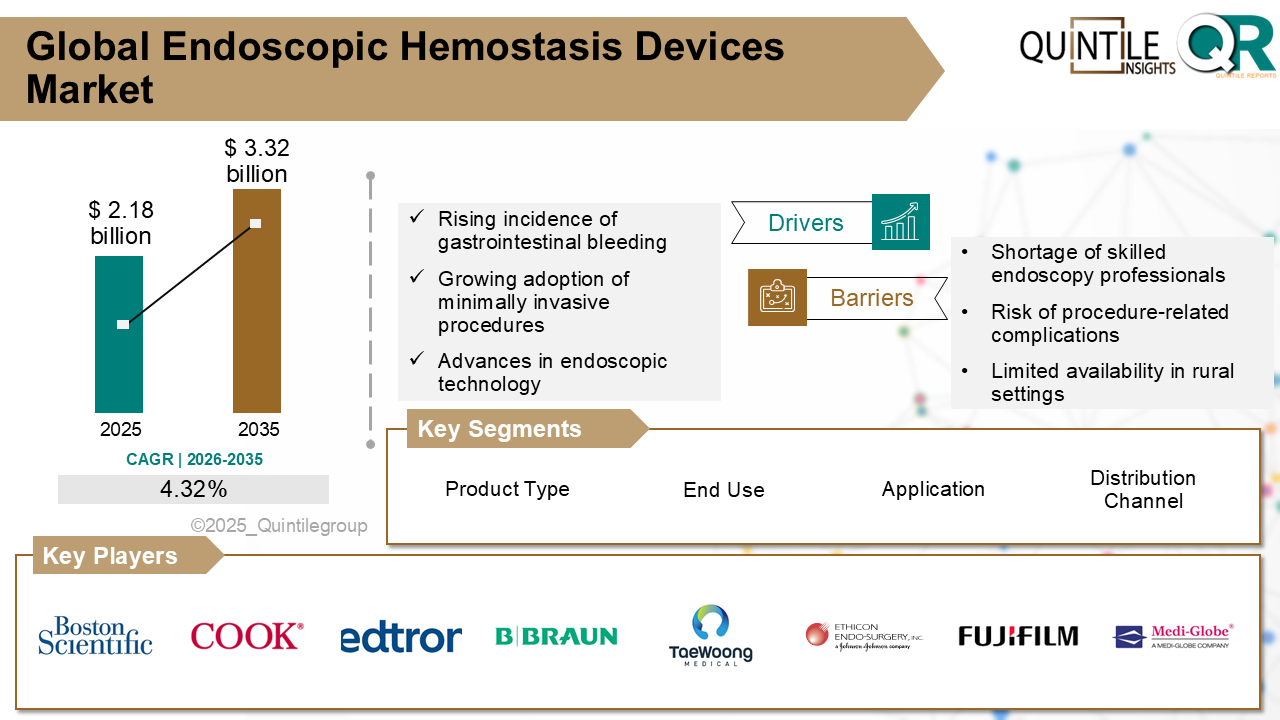
The Endoscopic Hemostasis Devices Market includes medical tools used to stop internal bleeding during endoscopic procedures. These devices are inserted through flexible endoscopes and are used to treat bleeding in the gastrointestinal (GI) tract, such as ulcers, varices, or bleeding after surgery or biopsy.
These tools are used in hospitals, surgical centres, and emergency departments. Common types include thermal probes, mechanical clips, injection needles, sprays, and topical agents. They allow doctors to stop bleeding without open surgery, reducing recovery time and hospital stays. The market continues to grow due to rising demand for minimally invasive care and better treatment of GI bleeding.
The increasing number of patients with gastrointestinal bleeding caused by ulcers, polyps, tumours, and other GI conditions is a major driver of the market. According to a survey by the Rome Foundation, 36.6% of males and 49% of females were diagnosed with at least one functional gastrointestinal disorder. These cases often need quick and effective control of bleeding, and endoscopic tools help doctors do this without major surgery.
Hospitals and surgical centres are choosing endoscopic procedures more often because they are safer and allow patients to recover faster. Hemostasis tools used during these procedures are critical for preventing further complications.
Aging populations around the world are also increasing the demand for GI care. Older adults are more likely to suffer from bleeding in the stomach or intestines, especially if they take blood thinners. This leads to more procedures where endoscopic bleeding control is needed.
Technology improvements have led to the creation of better and easier-to-use hemostatic tools. Newer clips, sprays, and thermal probes offer faster bleeding control and fewer side effects, which makes them more widely used in hospitals.
More training programs and guidelines are now available for endoscopic bleeding control. This helps ensure that doctors use these tools correctly, improving outcomes and building confidence in these procedures.
The challenge in market is high cost of advanced hemostasis devices. Some tools are single-use and expensive, making it hard for smaller clinics or low-income hospitals to afford them regularly.
There are also concerns about device handling. Some clips or probes can be hard to position, especially in patients with active bleeding or difficult anatomy. This can make procedures longer and increase the risk of complications.
In some countries, the availability of trained staff is limited. Not all hospitals have endoscopists skilled in advanced bleeding control techniques. This affects the adoption of new devices in certain regions.
Regulatory approval and reimbursement are other hurdles. Some newer devices take time to receive approval from national health authorities. In many markets, insurance may not fully cover the cost of these tools, which slows down their use.
Some agents have limited shelf life and there is need for strict storage conditions. This creates added cost and logistical concerns for hospitals and suppliers.
North America holds the largest market share due to high rates of gastrointestinal disorders, early detection programs, and strong hospital infrastructure. In the United States, routine colonoscopy screening for colorectal cancer often leads to the identification and treatment of bleeding polyps or ulcers. The availability of skilled endoscopists and reimbursement for GI procedures supports high adoption of hemostasis tools. For example, U.S. hospitals regularly use rotatable endoscopic clips and thermal coagulation probes during routine colonoscopies and emergency bleeding control.
Europe shows steady growth supported by public healthcare coverage and strong clinical training programs. Countries like Germany and France have long-standing endoscopy units in major hospitals. The availability of locally manufactured clips and sprays helps reduce device cost and ensures regular supply. In Europe, guidelines recommend the use of injectable agents and clips for upper GI bleeds caused by ulcers, promoting widespread use of these tools in NHS hospitals.
Asia Pacific is the fastest-growing region due to rising awareness, aging populations, and increased investment in hospital infrastructure. Japan leads in device innovation and adoption, with hospitals using advanced soft-tipped clips and hemostatic powders for bleeding control in elderly patients with gastric ulcers. In South Korea, rising rates of endoscopic submucosal dissection (ESD) procedures increase demand for hemostatic sprays and coagulation tools. China is also rapidly adopting such devices through its public hospital expansion programs.
Growth in Latin America is moderate but improving, driven by urban hospital upgrades and rising GI case numbers. In Brazil and Mexico, tertiary hospitals are using mechanical clips and bipolar devices for bleeding caused by varices or cancer biopsies. Private hospitals in these countries are more likely to adopt newer tools, while public hospitals often rely on basic injection-based hemostasis due to cost concerns.
UAE and Saudi Arabia are equipping specialty hospitals with modern endoscopy units that use hemostasis clips and topical powders. South Africa is seeing increased use of thermal devices and sprays in government-funded teaching hospitals. However, device availability and trained staff remain limited in rural or low-resource areas.
United States drives market growth with advanced care and strong device adoption: The U.S. leads the market due to high rates of GI disorders, early detection, and widespread use of endoscopy. Most large hospitals have teams skilled in using hemostasis clips, sprays, and probes.
Insurance coverage in the U.S. often supports endoscopic treatment, which helps increase demand. U.S. manufacturers also play a major role in supplying tools worldwide. Regular training workshops and national treatment guidelines help ensure safe and effective device use.
Germany supports endoscopic care through public funding and technical leadership: Germany has a strong public healthcare system that covers endoscopic bleeding control. Hospitals have access to a wide range of modern hemostasis tools, and local companies contribute to device innovation and supply.
Training and standard protocols are part of Germany’s national care system. This ensures skilled use of advanced clips, sprays, and thermal probes during GI procedures. Germany is also involved in clinical trials and research in this field.
Japan focuses on precision tools and elderly GI care: Japan faces high rates of GI bleeding, especially in older patients. The country is known for producing high-quality endoscopy tools, including specialized hemostasis devices.
Hospitals use these tools for both planned and emergency procedures. Japan also leads in developing soft-tipped clips, quick-release needles, and safe sprays. Its public health system supports early screening and treatment, boosting demand for such tools.
The endoscopic hemostasis devices market includes a mix of large international companies and smaller regional firms. Larger companies usually offer a full set of tools, such as clips to stop bleeding, probes that use heat to seal blood vessels, and needles to inject medicine into bleeding areas. These products are used in hospitals and clinics that perform a high number of endoscopy procedures.
Smaller companies often focus on just one or two types of devices. Some create low-cost clips or simple spray systems that are more affordable for hospitals in countries with limited budgets. Others focus on training programs or service support to help doctors learn how to use the tools correctly, especially in areas where skilled staff is limited.
Companies that continue to improve their products tend to perform better in this market. Doctors prefer tools that are safe, easy to use, and work quickly to stop bleeding. Devices that make procedures shorter and simpler are also more likely to be chosen by hospitals.
Firms that build strong relationships with hospitals, training centers, and medical suppliers are usually more successful. Hospitals are more likely to choose products from companies that offer good training, reliable supply, and support. Also, if a device has been approved by national health authorities, is easy to order, and has been shown to work well in real-life cases, it is more likely to be used regularly by doctors.
Key players in the market are Boston Scientific Corporation, Olympus Corporation, CONMED Corporation, Cook Medical, Medtronic plc, ERBE Elektromedizin GmbH, Johnson & Johnson (Ethicon Endo-Surgery), Pentax Medical (HOYA Corporation), STERIS plc, Fujifilm Holdings Corporation, Taewoong Medical Co. Ltd., B. Braun Melsungen AG, Karl Storz SE & Co. KG, Medi-Globe GmbH, Cantel Medical Corporation, and other players.
In March 2023, Olympus Europa SE & Co. KG (Olympus), a global leader in the MedTech space, announced that Odin Medical Ltd. (Odin Vision), a group company of Olympus, has received CE-mark approval as a medical device company in Europe with its innovative cloud-AI (artificial intelligence) endoscopy medical devices: CADDIE, CADU, and SMARTIBD under the Medical Device Regulation (MDR).
In March 2025, Integrated Endoscopy, a pioneer in wireless arthroscopy solutions, and Intelliscopes, a leader in AI (artificial intelligence) enhanced endoscopy, announced a strategic partnership to improve surgical efficiencies and patient outcomes. The partnership seeks to revolutionize the surgical landscape by integrating Integrated Endoscopy's state-of-the-art wireless arthroscopy platform with Intelliscopes' industry-first, AI-based technology.
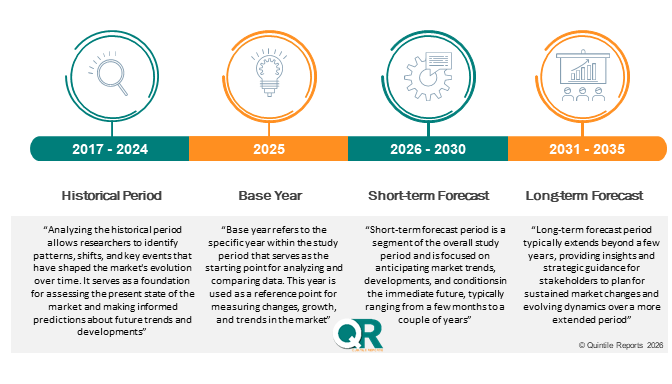
Our team of experienced researchers has meticulously gathered and analyzed data to deliver a thorough examination of market dynamics, competitive landscape, and emerging technologies. With a focus on delivering actionable intelligence, this report aims to empower decision-makers with the information needed to make informed choices and stay ahead of the competition. Whether you are a seasoned industry player or a new entrant, our market research report serves as a strategic tool to navigate the complexities of the market, aiding in successful business planning and growth strategies.
This chapter of our Endoscopic Hemostasis Devices market report provides an in-depth examination of the factors shaping the industry landscape. This section typically encompasses several key elements to offer a comprehensive understanding of the industry landscape such as market drivers & restraints analysis, market opportunities & trend analysis, market size & growth analysis, competitive analysis, SWOT analysis, business environment tools such as Porter's five forces & PESTEL analysis, Ansoff Matrix analysis, penetration & growth prospect analysis, regulatory framework & reimbursement scenario analysis, impact of macro & micro economic factors analysis such as Covid-19 impact, GDP growth, market inflation, U.S.- China trade war, Russia-Ukraine war impact, and supply chain analysis.
The segment analysis chapter of Endoscopic Hemostasis Devices market report is a critical section that delves into a detailed examination of the market's various segments. Segmentation involves dividing the market into distinct categories based on certain criteria to better understand and address the diverse needs of consumers. This chapter typically follows the introduction and provides a more granular view of the market, offering valuable insights for businesses and stakeholders. The components of the chapter include segment definitions to understand the inclusions and exclusions of the study, assumptions, market size estimates and growth trend analysis of each segment, qualitative analysis of the segment, technological advancements, market penetration rate, market adoption rate, market share examination by each segment, segment growth drivers and restraint barriers, consumer behaviour and challenge analysis.
The chapter in Endoscopic Hemostasis Devices market research report is a pivotal section that examines and predicts the market dynamics and trends specific to different geographical regions. This chapter is crucial for businesses and stakeholders seeking a comprehensive understanding of how the market behaves across various locations, enabling them to tailor strategies and make informed decisions based on regional variations. The regional analysis chapter of our Endoscopic Hemostasis Devices market report is classified into regions & country-level. The chapter consists of North America (U.S., Canada), Europe (UK, Germany, France, Italy, Spain, Russia, Sweden, Denmark, Norway, Rest of Europe), Asia Pacific (Japan, China, India, Australia, South Korea, Thailand, Rest of Asia Pacific), Latin America (Brazil, Mexico, Argentina, Colombia, Rest of Latin America), Middle East & Africa (South Africa, Saudi Arabia, UAE, Kuwait, Rest of Middle East & Africa).
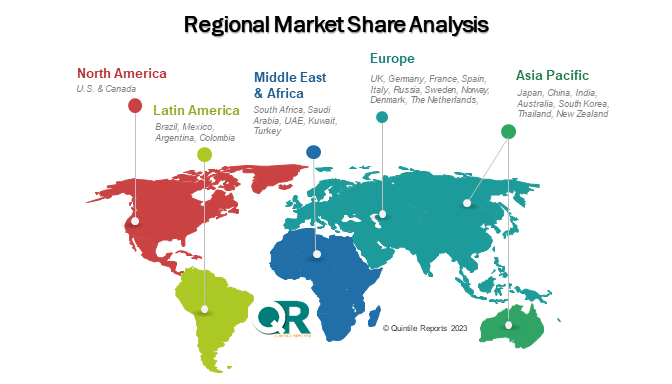
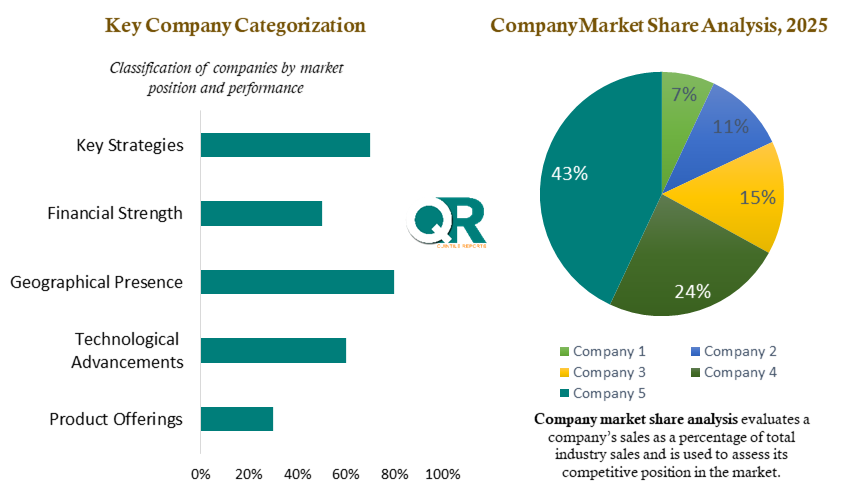
This section of a Endoscopic Hemostasis Devices market report is a crucial segment that provides a comprehensive overview of the competitive landscape within the market. This section is vital for businesses, investors, and stakeholders seeking insights into key players, their market positioning, strengths, weaknesses, strategies, and potential impacts on the overall market dynamics. The chapter includes research methodology used to analyse the market competition, list of key players operating in the market, detailed company profile section which includes company overview, business verticals, financial performance, product/services benchmarking, geographical presence, and strategic initiatives.
| Report Scope | Details |
| Report Version | 2026 |
| Growth Rate | CAGR of 4.32 from 2026 to 2035 |
| Base Year | 2025 |
| Actual Estimates / Historical Data | 2017 - 2024 |
| Forecast Period | 2026 - 2035 |
| Quantitative Units | Revenue in USD million/billion & CAGR from 2026 to 2035 |
| Country Scope | North America (U.S., Canada), Europe (UK, Germany, France, Italy, Spain, Russia, Sweden, Denmark, Norway, Rest of Europe), Asia Pacific (Japan, China, India, Australia, South Korea, Thailand, Rest of Asia Pacific), Latin America (Brazil, Mexico, Argentina, Colombia, Rest of Latin America), Middle East & Africa (South Africa, Saudi Arabia, UAE, Kuwait, Rest of Middle East & Africa). |
| The Segment Covered by Product |
|
| The Segment Covered by Application |
|
| Companies Covered |
|
| Report Coverage | Revenue forecast, company share, competitive landscape, growth factors, and trends |
| Free Customization Scope (Equivalent to 5 Analyst Working Days) | If you need specific information, which is not currently within the scope of the report, we will provide it to you as a part of the customization |

The market was valued at USD 2.18 billion in 2025.
The market is expected to grow at a CAGR of 4.32% from 2026 to 2035.
North America currently holds the largest market share.
Statistics for the 2025 Endoscopic Hemostasis Devices market share, size, and revenue growth rate were created by Quintile Report™. Endoscopic Hemostasis Devices analysis includes a market forecast outlook for 2035 and a historical overview. Get a free PDF sample of this market analysis, please get in touch with our principal analyst at sales@quintilereports.com
List of Tables
Table 1 List of Abbreviation and acronyms
Table 2 List of Sources
Table 3 North America Global Endoscopic Hemostasis Devices Market, by Segment Analysis, (USD Million) 2017-2035
Table 4 North America Global Endoscopic Hemostasis Devices Market, by Region, (USD Million) 2017-2035
Table 5 U.S. Global Endoscopic Hemostasis Devices Market, by Segment Analysis, (USD Million) 2017-2035
Table 6 Canada Global Endoscopic Hemostasis Devices Market, by Segment Analysis, (USD Million) 2017-2035
Table 7 Europe Global Endoscopic Hemostasis Devices Market, by Segment Analysis, (USD Million) 2017-2035
Table 8 Europe Global Endoscopic Hemostasis Devices Market, by Region, (USD Million) 2017-2035
Table 9 Germany Global Endoscopic Hemostasis Devices Market, by Segment Analysis, (USD Million) 2017-2035
Table 10 U.K. Global Endoscopic Hemostasis Devices Market, by Segment Analysis, (USD Million) 2017-2035
Table 11 France Global Endoscopic Hemostasis Devices Market, by Segment Analysis, (USD Million) 2017-2035
Table 12 Italy Global Endoscopic Hemostasis Devices Market, by Segment Analysis, (USD Million) 2017-2035
Table 13 Spain Global Endoscopic Hemostasis Devices Market, by Segment Analysis, (USD Million) 2017-2035
Table 14 Sweden Global Endoscopic Hemostasis Devices Market, by Segment Analysis, (USD Million) 2017-2035
Table 15 Denmark Global Endoscopic Hemostasis Devices Market, by Segment Analysis, (USD Million) 2017-2035
Table 16 Norway Global Endoscopic Hemostasis Devices Market, by Segment Analysis, (USD Million) 2017-2035
Table 17 The Netherlands Global Endoscopic Hemostasis Devices Market, by Segment Analysis, (USD Million) 2017-2035
Table 18 Russia Global Endoscopic Hemostasis Devices Market, by Segment Analysis, (USD Million) 2017-2035
Table 19 Asia Pacific Global Endoscopic Hemostasis Devices Market, by Segment Analysis, (USD Million) 2017-2035
Table 20 Asia Pacific Global Endoscopic Hemostasis Devices Market, by Region, (USD Million) 2017-2035
Table 21 China Global Endoscopic Hemostasis Devices Market, by Segment Analysis, (USD Million) 2017-2035
Table 22 Japan Global Endoscopic Hemostasis Devices Market, by Segment Analysis, (USD Million) 2017-2035
Table 23 India Global Endoscopic Hemostasis Devices Market, by Segment Analysis, (USD Million) 2017-2035
Table 24 Australia Global Endoscopic Hemostasis Devices Market, by Segment Analysis, (USD Million) 2017-2035
Table 25 South Korea Global Endoscopic Hemostasis Devices Market, by Segment Analysis, (USD Million) 2017-2035
Table 26 Thailand Global Endoscopic Hemostasis Devices Market, by Segment Analysis, (USD Million) 2017-2035
Table 27 Latin America Global Endoscopic Hemostasis Devices Market, by Segment Analysis, (USD Million) 2017-2035
Table 28 Latin America Global Endoscopic Hemostasis Devices Market, by Region, (USD Million) 2017-2035
Table 29 Brazil Global Endoscopic Hemostasis Devices Market, by Segment Analysis, (USD Million) 2017-2035
Table 30 Mexico Global Endoscopic Hemostasis Devices Market, by Segment Analysis, (USD Million) 2017-2035
Table 31 Argentina Global Endoscopic Hemostasis Devices Market, by Segment Analysis, (USD Million) 2017-2035
Table 32 Middle East and Africa Global Endoscopic Hemostasis Devices Market, by Segment Analysis, (USD Million) 2017-2035
Table 33 Middle East and Africa Global Endoscopic Hemostasis Devices Market, by Region, (USD Million) 2017-2035
Table 34 South Africa Global Endoscopic Hemostasis Devices Market, by Segment Analysis, (USD Million) 2017-2035
Table 35 Saudi Arabia Global Endoscopic Hemostasis Devices Market, by Segment Analysis, (USD Million) 2017-2035
Table 36 UAE Global Endoscopic Hemostasis Devices Market, by Segment Analysis, (USD Million) 2017-2035
Table 37 Kuwait Global Endoscopic Hemostasis Devices Market, by Segment Analysis, (USD Million) 2017-2035
Table 38 Turkey Global Endoscopic Hemostasis Devices Market, by Segment Analysis, (USD Million) 2017-2035
Fig.1 Market research process
Fig.2 Market research approaches
Fig.3 Global Endoscopic Hemostasis Devices Market: market scenario
Fig.4 Global Endoscopic Hemostasis Devices Market competitive outlook
Fig.5 Global Endoscopic Hemostasis Devices Market driver analysis
Fig.6 Global Endoscopic Hemostasis Devices Market restraint analysis
Fig.7 Global Endoscopic Hemostasis Devices Market opportunity analysis
Fig.8 Global Endoscopic Hemostasis Devices Market trends analysis
Fig.9 Global Endoscopic Hemostasis Devices Market: Segment Analysis (Based on the scope)
Fig.10 Global Endoscopic Hemostasis Devices Market: regional analysis
Fig.11 Global market shares and leading market players
Fig.12 North America market share and leading players
Fig.13 Europe market share and leading players
Fig.14 Asia Pacific market share and leading players
Fig.15 Latin America market share and leading players
Fig.16 Middle East & Africa market share and leading players
Fig.17 North America, by country
Fig.18 North America
Fig.19 North America market estimates and forecast, 2017-2035
Fig.20 U.S.
Fig.21 Canada
Fig.22 Europe
Fig.23 Europe market estimates and forecast, 2017-2035
Fig.24 U.K.
Fig.25 Germany
Fig.26 France
Fig.27 Italy
Fig.28 Spain
Fig.29 Sweden
Fig.30 Denmark
Fig.31 Norway
Fig.32 The Netherlands
Fig.33 Russia
Fig.34 Asia Pacific
Fig.35 Asia Pacific market estimates and forecast, 2017-2035
Fig.36 China
Fig.37 Japan
Fig.38 India
Fig.39 Australia
Fig.40 South Korea
Fig.41 Thailand
Fig.42 Latin America
Fig.43 Latin America market estimates and forecast, 2017-2035
Fig.44 Brazil
Fig.45 Mexico
Fig.46 Argentina
Fig.47 Colombia
Fig.48 Middle East and Africa
Fig.49 Middle East and Africa market estimates and forecast, 2017-2035
Fig.50 Saudi Arabia
Fig.51 South Africa
Fig.52 UAE
Fig.53 Kuwait
Fig.54 Turkey
List of Tables
Table 1 List of Abbreviation and acronyms
Table 2 List of Sources
Table 3 North America Global Endoscopic Hemostasis Devices Market, by Segment Analysis, (USD Million) 2017-2035
Table 4 North America Global Endoscopic Hemostasis Devices Market, by Region, (USD Million) 2017-2035
Table 5 U.S. Global Endoscopic Hemostasis Devices Market, by Segment Analysis, (USD Million) 2017-2035
Table 6 Canada Global Endoscopic Hemostasis Devices Market, by Segment Analysis, (USD Million) 2017-2035
Table 7 Europe Global Endoscopic Hemostasis Devices Market, by Segment Analysis, (USD Million) 2017-2035
Table 8 Europe Global Endoscopic Hemostasis Devices Market, by Region, (USD Million) 2017-2035
Table 9 Germany Global Endoscopic Hemostasis Devices Market, by Segment Analysis, (USD Million) 2017-2035
Table 10 U.K. Global Endoscopic Hemostasis Devices Market, by Segment Analysis, (USD Million) 2017-2035
Table 11 France Global Endoscopic Hemostasis Devices Market, by Segment Analysis, (USD Million) 2017-2035
Table 12 Italy Global Endoscopic Hemostasis Devices Market, by Segment Analysis, (USD Million) 2017-2035
Table 13 Spain Global Endoscopic Hemostasis Devices Market, by Segment Analysis, (USD Million) 2017-2035
Table 14 Sweden Global Endoscopic Hemostasis Devices Market, by Segment Analysis, (USD Million) 2017-2035
Table 15 Denmark Global Endoscopic Hemostasis Devices Market, by Segment Analysis, (USD Million) 2017-2035
Table 16 Norway Global Endoscopic Hemostasis Devices Market, by Segment Analysis, (USD Million) 2017-2035
Table 17 The Netherlands Global Endoscopic Hemostasis Devices Market, by Segment Analysis, (USD Million) 2017-2035
Table 18 Russia Global Endoscopic Hemostasis Devices Market, by Segment Analysis, (USD Million) 2017-2035
Table 19 Asia Pacific Global Endoscopic Hemostasis Devices Market, by Segment Analysis, (USD Million) 2017-2035
Table 20 Asia Pacific Global Endoscopic Hemostasis Devices Market, by Region, (USD Million) 2017-2035
Table 21 China Global Endoscopic Hemostasis Devices Market, by Segment Analysis, (USD Million) 2017-2035
Table 22 Japan Global Endoscopic Hemostasis Devices Market, by Segment Analysis, (USD Million) 2017-2035
Table 23 India Global Endoscopic Hemostasis Devices Market, by Segment Analysis, (USD Million) 2017-2035
Table 24 Australia Global Endoscopic Hemostasis Devices Market, by Segment Analysis, (USD Million) 2017-2035
Table 25 South Korea Global Endoscopic Hemostasis Devices Market, by Segment Analysis, (USD Million) 2017-2035
Table 26 Thailand Global Endoscopic Hemostasis Devices Market, by Segment Analysis, (USD Million) 2017-2035
Table 27 Latin America Global Endoscopic Hemostasis Devices Market, by Segment Analysis, (USD Million) 2017-2035
Table 28 Latin America Global Endoscopic Hemostasis Devices Market, by Region, (USD Million) 2017-2035
Table 29 Brazil Global Endoscopic Hemostasis Devices Market, by Segment Analysis, (USD Million) 2017-2035
Table 30 Mexico Global Endoscopic Hemostasis Devices Market, by Segment Analysis, (USD Million) 2017-2035
Table 31 Argentina Global Endoscopic Hemostasis Devices Market, by Segment Analysis, (USD Million) 2017-2035
Table 32 Middle East and Africa Global Endoscopic Hemostasis Devices Market, by Segment Analysis, (USD Million) 2017-2035
Table 33 Middle East and Africa Global Endoscopic Hemostasis Devices Market, by Region, (USD Million) 2017-2035
Table 34 South Africa Global Endoscopic Hemostasis Devices Market, by Segment Analysis, (USD Million) 2017-2035
Table 35 Saudi Arabia Global Endoscopic Hemostasis Devices Market, by Segment Analysis, (USD Million) 2017-2035
Table 36 UAE Global Endoscopic Hemostasis Devices Market, by Segment Analysis, (USD Million) 2017-2035
Table 37 Kuwait Global Endoscopic Hemostasis Devices Market, by Segment Analysis, (USD Million) 2017-2035
Table 38 Turkey Global Endoscopic Hemostasis Devices Market, by Segment Analysis, (USD Million) 2017-2035
Fig.1 Market research process
Fig.2 Market research approaches
Fig.3 Global Endoscopic Hemostasis Devices Market: market scenario
Fig.4 Global Endoscopic Hemostasis Devices Market competitive outlook
Fig.5 Global Endoscopic Hemostasis Devices Market driver analysis
Fig.6 Global Endoscopic Hemostasis Devices Market restraint analysis
Fig.7 Global Endoscopic Hemostasis Devices Market opportunity analysis
Fig.8 Global Endoscopic Hemostasis Devices Market trends analysis
Fig.9 Global Endoscopic Hemostasis Devices Market: Segment Analysis (Based on the scope)
Fig.10 Global Endoscopic Hemostasis Devices Market: regional analysis
Fig.11 Global market shares and leading market players
Fig.12 North America market share and leading players
Fig.13 Europe market share and leading players
Fig.14 Asia Pacific market share and leading players
Fig.15 Latin America market share and leading players
Fig.16 Middle East & Africa market share and leading players
Fig.17 North America, by country
Fig.18 North America
Fig.19 North America market estimates and forecast, 2017-2035
Fig.20 U.S.
Fig.21 Canada
Fig.22 Europe
Fig.23 Europe market estimates and forecast, 2017-2035
Fig.24 U.K.
Fig.25 Germany
Fig.26 France
Fig.27 Italy
Fig.28 Spain
Fig.29 Sweden
Fig.30 Denmark
Fig.31 Norway
Fig.32 The Netherlands
Fig.33 Russia
Fig.34 Asia Pacific
Fig.35 Asia Pacific market estimates and forecast, 2017-2035
Fig.36 China
Fig.37 Japan
Fig.38 India
Fig.39 Australia
Fig.40 South Korea
Fig.41 Thailand
Fig.42 Latin America
Fig.43 Latin America market estimates and forecast, 2017-2035
Fig.44 Brazil
Fig.45 Mexico
Fig.46 Argentina
Fig.47 Colombia
Fig.48 Middle East and Africa
Fig.49 Middle East and Africa market estimates and forecast, 2017-2035
Fig.50 Saudi Arabia
Fig.51 South Africa
Fig.52 UAE
Fig.53 Kuwait
Fig.54 Turkey
The Endoscopic Hemostasis Devices Market was valued at USD 2.18 billion in 2025 and is projected to reach USD 3.32 billion by 2035, growing at a CAGR of 4.32% during the forecast period from 2026 to 2035. The Endoscopic Hemostasis Devices market report presents a comprehensive overview of the industry by assessing macroeconomic conditions, emerging technologies, regulatory frameworks, and shifting consumer behavior to provide a clear outlook on future market expansion.
Endoscopic hemostasis devices are medical tools used during endoscopic procedures to achieve hemostasis by mechanically compressing, injecting, or thermally coagulating bleeding blood vessels within the gastrointestinal tract. These devices help control internal bleeding in a minimally invasive manner.
With 2025 serving as the base year, the Endoscopic Hemostasis Devices market is experiencing stable growth supported by rising demand across key end-use industries and continuous technological innovation. Companies operating in the market are enhancing their go-to-market (GTM) strategies to capture emerging opportunities and navigate evolving competitive dynamics effectively.
By 2035, the market is expected to demonstrate strong growth potential, driven by sustained investments in innovation, increasing strategic partnerships, and growing merger and acquisition activities. Organizations that prioritize customer-centric solutions, innovation, and agile GTM execution are likely to strengthen their market presence and achieve long-term success. The report provides detailed insights into major market drivers, restraints, opportunities, and challenges across segments, regions, and countries, supported by extensive qualitative and quantitative analysis from 2017 to 2035.
The Endoscopic Hemostasis Devices Market includes medical tools used to stop internal bleeding during endoscopic procedures. These devices are inserted through flexible endoscopes and are used to treat bleeding in the gastrointestinal (GI) tract, such as ulcers, varices, or bleeding after surgery or biopsy.
These tools are used in hospitals, surgical centres, and emergency departments. Common types include thermal probes, mechanical clips, injection needles, sprays, and topical agents. They allow doctors to stop bleeding without open surgery, reducing recovery time and hospital stays. The market continues to grow due to rising demand for minimally invasive care and better treatment of GI bleeding.
The increasing number of patients with gastrointestinal bleeding caused by ulcers, polyps, tumours, and other GI conditions is a major driver of the market. According to a survey by the Rome Foundation, 36.6% of males and 49% of females were diagnosed with at least one functional gastrointestinal disorder. These cases often need quick and effective control of bleeding, and endoscopic tools help doctors do this without major surgery.
Hospitals and surgical centres are choosing endoscopic procedures more often because they are safer and allow patients to recover faster. Hemostasis tools used during these procedures are critical for preventing further complications.
Aging populations around the world are also increasing the demand for GI care. Older adults are more likely to suffer from bleeding in the stomach or intestines, especially if they take blood thinners. This leads to more procedures where endoscopic bleeding control is needed.
Technology improvements have led to the creation of better and easier-to-use hemostatic tools. Newer clips, sprays, and thermal probes offer faster bleeding control and fewer side effects, which makes them more widely used in hospitals.
More training programs and guidelines are now available for endoscopic bleeding control. This helps ensure that doctors use these tools correctly, improving outcomes and building confidence in these procedures.
The challenge in market is high cost of advanced hemostasis devices. Some tools are single-use and expensive, making it hard for smaller clinics or low-income hospitals to afford them regularly.
There are also concerns about device handling. Some clips or probes can be hard to position, especially in patients with active bleeding or difficult anatomy. This can make procedures longer and increase the risk of complications.
In some countries, the availability of trained staff is limited. Not all hospitals have endoscopists skilled in advanced bleeding control techniques. This affects the adoption of new devices in certain regions.
Regulatory approval and reimbursement are other hurdles. Some newer devices take time to receive approval from national health authorities. In many markets, insurance may not fully cover the cost of these tools, which slows down their use.
Some agents have limited shelf life and there is need for strict storage conditions. This creates added cost and logistical concerns for hospitals and suppliers.
North America holds the largest market share due to high rates of gastrointestinal disorders, early detection programs, and strong hospital infrastructure. In the United States, routine colonoscopy screening for colorectal cancer often leads to the identification and treatment of bleeding polyps or ulcers. The availability of skilled endoscopists and reimbursement for GI procedures supports high adoption of hemostasis tools. For example, U.S. hospitals regularly use rotatable endoscopic clips and thermal coagulation probes during routine colonoscopies and emergency bleeding control.
Europe shows steady growth supported by public healthcare coverage and strong clinical training programs. Countries like Germany and France have long-standing endoscopy units in major hospitals. The availability of locally manufactured clips and sprays helps reduce device cost and ensures regular supply. In Europe, guidelines recommend the use of injectable agents and clips for upper GI bleeds caused by ulcers, promoting widespread use of these tools in NHS hospitals.
Asia Pacific is the fastest-growing region due to rising awareness, aging populations, and increased investment in hospital infrastructure. Japan leads in device innovation and adoption, with hospitals using advanced soft-tipped clips and hemostatic powders for bleeding control in elderly patients with gastric ulcers. In South Korea, rising rates of endoscopic submucosal dissection (ESD) procedures increase demand for hemostatic sprays and coagulation tools. China is also rapidly adopting such devices through its public hospital expansion programs.
Growth in Latin America is moderate but improving, driven by urban hospital upgrades and rising GI case numbers. In Brazil and Mexico, tertiary hospitals are using mechanical clips and bipolar devices for bleeding caused by varices or cancer biopsies. Private hospitals in these countries are more likely to adopt newer tools, while public hospitals often rely on basic injection-based hemostasis due to cost concerns.
UAE and Saudi Arabia are equipping specialty hospitals with modern endoscopy units that use hemostasis clips and topical powders. South Africa is seeing increased use of thermal devices and sprays in government-funded teaching hospitals. However, device availability and trained staff remain limited in rural or low-resource areas.
United States drives market growth with advanced care and strong device adoption: The U.S. leads the market due to high rates of GI disorders, early detection, and widespread use of endoscopy. Most large hospitals have teams skilled in using hemostasis clips, sprays, and probes.
Insurance coverage in the U.S. often supports endoscopic treatment, which helps increase demand. U.S. manufacturers also play a major role in supplying tools worldwide. Regular training workshops and national treatment guidelines help ensure safe and effective device use.
Germany supports endoscopic care through public funding and technical leadership: Germany has a strong public healthcare system that covers endoscopic bleeding control. Hospitals have access to a wide range of modern hemostasis tools, and local companies contribute to device innovation and supply.
Training and standard protocols are part of Germany’s national care system. This ensures skilled use of advanced clips, sprays, and thermal probes during GI procedures. Germany is also involved in clinical trials and research in this field.
Japan focuses on precision tools and elderly GI care: Japan faces high rates of GI bleeding, especially in older patients. The country is known for producing high-quality endoscopy tools, including specialized hemostasis devices.
Hospitals use these tools for both planned and emergency procedures. Japan also leads in developing soft-tipped clips, quick-release needles, and safe sprays. Its public health system supports early screening and treatment, boosting demand for such tools.
The endoscopic hemostasis devices market includes a mix of large international companies and smaller regional firms. Larger companies usually offer a full set of tools, such as clips to stop bleeding, probes that use heat to seal blood vessels, and needles to inject medicine into bleeding areas. These products are used in hospitals and clinics that perform a high number of endoscopy procedures.
Smaller companies often focus on just one or two types of devices. Some create low-cost clips or simple spray systems that are more affordable for hospitals in countries with limited budgets. Others focus on training programs or service support to help doctors learn how to use the tools correctly, especially in areas where skilled staff is limited.
Companies that continue to improve their products tend to perform better in this market. Doctors prefer tools that are safe, easy to use, and work quickly to stop bleeding. Devices that make procedures shorter and simpler are also more likely to be chosen by hospitals.
Firms that build strong relationships with hospitals, training centers, and medical suppliers are usually more successful. Hospitals are more likely to choose products from companies that offer good training, reliable supply, and support. Also, if a device has been approved by national health authorities, is easy to order, and has been shown to work well in real-life cases, it is more likely to be used regularly by doctors.
Key players in the market are Boston Scientific Corporation, Olympus Corporation, CONMED Corporation, Cook Medical, Medtronic plc, ERBE Elektromedizin GmbH, Johnson & Johnson (Ethicon Endo-Surgery), Pentax Medical (HOYA Corporation), STERIS plc, Fujifilm Holdings Corporation, Taewoong Medical Co. Ltd., B. Braun Melsungen AG, Karl Storz SE & Co. KG, Medi-Globe GmbH, Cantel Medical Corporation, and other players.
In March 2023, Olympus Europa SE & Co. KG (Olympus), a global leader in the MedTech space, announced that Odin Medical Ltd. (Odin Vision), a group company of Olympus, has received CE-mark approval as a medical device company in Europe with its innovative cloud-AI (artificial intelligence) endoscopy medical devices: CADDIE, CADU, and SMARTIBD under the Medical Device Regulation (MDR).
In March 2025, Integrated Endoscopy, a pioneer in wireless arthroscopy solutions, and Intelliscopes, a leader in AI (artificial intelligence) enhanced endoscopy, announced a strategic partnership to improve surgical efficiencies and patient outcomes. The partnership seeks to revolutionize the surgical landscape by integrating Integrated Endoscopy's state-of-the-art wireless arthroscopy platform with Intelliscopes' industry-first, AI-based technology.
Our team of experienced researchers has meticulously gathered and analyzed data to deliver a thorough examination of market dynamics, competitive landscape, and emerging technologies. With a focus on delivering actionable intelligence, this report aims to empower decision-makers with the information needed to make informed choices and stay ahead of the competition. Whether you are a seasoned industry player or a new entrant, our market research report serves as a strategic tool to navigate the complexities of the market, aiding in successful business planning and growth strategies.
This chapter of our Endoscopic Hemostasis Devices market report provides an in-depth examination of the factors shaping the industry landscape. This section typically encompasses several key elements to offer a comprehensive understanding of the industry landscape such as market drivers & restraints analysis, market opportunities & trend analysis, market size & growth analysis, competitive analysis, SWOT analysis, business environment tools such as Porter's five forces & PESTEL analysis, Ansoff Matrix analysis, penetration & growth prospect analysis, regulatory framework & reimbursement scenario analysis, impact of macro & micro economic factors analysis such as Covid-19 impact, GDP growth, market inflation, U.S.- China trade war, Russia-Ukraine war impact, and supply chain analysis.
The segment analysis chapter of Endoscopic Hemostasis Devices market report is a critical section that delves into a detailed examination of the market's various segments. Segmentation involves dividing the market into distinct categories based on certain criteria to better understand and address the diverse needs of consumers. This chapter typically follows the introduction and provides a more granular view of the market, offering valuable insights for businesses and stakeholders. The components of the chapter include segment definitions to understand the inclusions and exclusions of the study, assumptions, market size estimates and growth trend analysis of each segment, qualitative analysis of the segment, technological advancements, market penetration rate, market adoption rate, market share examination by each segment, segment growth drivers and restraint barriers, consumer behaviour and challenge analysis.
The chapter in Endoscopic Hemostasis Devices market research report is a pivotal section that examines and predicts the market dynamics and trends specific to different geographical regions. This chapter is crucial for businesses and stakeholders seeking a comprehensive understanding of how the market behaves across various locations, enabling them to tailor strategies and make informed decisions based on regional variations. The regional analysis chapter of our Endoscopic Hemostasis Devices market report is classified into regions & country-level. The chapter consists of North America (U.S., Canada), Europe (UK, Germany, France, Italy, Spain, Russia, Sweden, Denmark, Norway, Rest of Europe), Asia Pacific (Japan, China, India, Australia, South Korea, Thailand, Rest of Asia Pacific), Latin America (Brazil, Mexico, Argentina, Colombia, Rest of Latin America), Middle East & Africa (South Africa, Saudi Arabia, UAE, Kuwait, Rest of Middle East & Africa).
This section of a Endoscopic Hemostasis Devices market report is a crucial segment that provides a comprehensive overview of the competitive landscape within the market. This section is vital for businesses, investors, and stakeholders seeking insights into key players, their market positioning, strengths, weaknesses, strategies, and potential impacts on the overall market dynamics. The chapter includes research methodology used to analyse the market competition, list of key players operating in the market, detailed company profile section which includes company overview, business verticals, financial performance, product/services benchmarking, geographical presence, and strategic initiatives.
| Report Scope | Details |
| Report Version | 2026 |
| Growth Rate | CAGR of 4.32 from 2026 to 2035 |
| Base Year | 2025 |
| Actual Estimates / Historical Data | 2017 - 2024 |
| Forecast Period | 2026 - 2035 |
| Quantitative Units | Revenue in USD million/billion & CAGR from 2026 to 2035 |
| Country Scope | North America (U.S., Canada), Europe (UK, Germany, France, Italy, Spain, Russia, Sweden, Denmark, Norway, Rest of Europe), Asia Pacific (Japan, China, India, Australia, South Korea, Thailand, Rest of Asia Pacific), Latin America (Brazil, Mexico, Argentina, Colombia, Rest of Latin America), Middle East & Africa (South Africa, Saudi Arabia, UAE, Kuwait, Rest of Middle East & Africa). |
| The Segment Covered by Product |
|
| The Segment Covered by Application |
|
| Companies Covered |
|
| Report Coverage | Revenue forecast, company share, competitive landscape, growth factors, and trends |
| Free Customization Scope (Equivalent to 5 Analyst Working Days) | If you need specific information, which is not currently within the scope of the report, we will provide it to you as a part of the customization |
The market was valued at USD 2.18 billion in 2025.
The market is expected to grow at a CAGR of 4.32% from 2026 to 2035.
North America currently holds the largest market share.
Statistics for the 2025 Endoscopic Hemostasis Devices market share, size, and revenue growth rate were created by Quintile Report™. Endoscopic Hemostasis Devices analysis includes a market forecast outlook for 2035 and a historical overview. Get a free PDF sample of this market analysis, please get in touch with our principal analyst at sales@quintilereports.com
The Endoscopic Hemostasis Devices Market was valued at USD 2.18 billion in 2025 and is projected to reach USD 3.32 billion by 2035, growing at a CAGR of 4.32% during the forecast period from 2026 to 2035. The Endoscopic Hemostasis Devices market report presents a comprehensive overview of the industry by assessing macroeconomic conditions, emerging technologies, regulatory frameworks, and shifting consumer behavior to provide a clear outlook on future market expansion.
Endoscopic hemostasis devices are medical tools used during endoscopic procedures to achieve hemostasis by mechanically compressing, injecting, or thermally coagulating bleeding blood vessels within the gastrointestinal tract. These devices help control internal bleeding in a minimally invasive manner.
With 2025 serving as the base year, the Endoscopic Hemostasis Devices market is experiencing stable growth supported by rising demand across key end-use industries and continuous technological innovation. Companies operating in the market are enhancing their go-to-market (GTM) strategies to capture emerging opportunities and navigate evolving competitive dynamics effectively.
By 2035, the market is expected to demonstrate strong growth potential, driven by sustained investments in innovation, increasing strategic partnerships, and growing merger and acquisition activities. Organizations that prioritize customer-centric solutions, innovation, and agile GTM execution are likely to strengthen their market presence and achieve long-term success. The report provides detailed insights into major market drivers, restraints, opportunities, and challenges across segments, regions, and countries, supported by extensive qualitative and quantitative analysis from 2017 to 2035.
The Endoscopic Hemostasis Devices Market includes medical tools used to stop internal bleeding during endoscopic procedures. These devices are inserted through flexible endoscopes and are used to treat bleeding in the gastrointestinal (GI) tract, such as ulcers, varices, or bleeding after surgery or biopsy.
These tools are used in hospitals, surgical centres, and emergency departments. Common types include thermal probes, mechanical clips, injection needles, sprays, and topical agents. They allow doctors to stop bleeding without open surgery, reducing recovery time and hospital stays. The market continues to grow due to rising demand for minimally invasive care and better treatment of GI bleeding.
The increasing number of patients with gastrointestinal bleeding caused by ulcers, polyps, tumours, and other GI conditions is a major driver of the market. According to a survey by the Rome Foundation, 36.6% of males and 49% of females were diagnosed with at least one functional gastrointestinal disorder. These cases often need quick and effective control of bleeding, and endoscopic tools help doctors do this without major surgery.
Hospitals and surgical centres are choosing endoscopic procedures more often because they are safer and allow patients to recover faster. Hemostasis tools used during these procedures are critical for preventing further complications.
Aging populations around the world are also increasing the demand for GI care. Older adults are more likely to suffer from bleeding in the stomach or intestines, especially if they take blood thinners. This leads to more procedures where endoscopic bleeding control is needed.
Technology improvements have led to the creation of better and easier-to-use hemostatic tools. Newer clips, sprays, and thermal probes offer faster bleeding control and fewer side effects, which makes them more widely used in hospitals.
More training programs and guidelines are now available for endoscopic bleeding control. This helps ensure that doctors use these tools correctly, improving outcomes and building confidence in these procedures.
The challenge in market is high cost of advanced hemostasis devices. Some tools are single-use and expensive, making it hard for smaller clinics or low-income hospitals to afford them regularly.
There are also concerns about device handling. Some clips or probes can be hard to position, especially in patients with active bleeding or difficult anatomy. This can make procedures longer and increase the risk of complications.
In some countries, the availability of trained staff is limited. Not all hospitals have endoscopists skilled in advanced bleeding control techniques. This affects the adoption of new devices in certain regions.
Regulatory approval and reimbursement are other hurdles. Some newer devices take time to receive approval from national health authorities. In many markets, insurance may not fully cover the cost of these tools, which slows down their use.
Some agents have limited shelf life and there is need for strict storage conditions. This creates added cost and logistical concerns for hospitals and suppliers.
North America holds the largest market share due to high rates of gastrointestinal disorders, early detection programs, and strong hospital infrastructure. In the United States, routine colonoscopy screening for colorectal cancer often leads to the identification and treatment of bleeding polyps or ulcers. The availability of skilled endoscopists and reimbursement for GI procedures supports high adoption of hemostasis tools. For example, U.S. hospitals regularly use rotatable endoscopic clips and thermal coagulation probes during routine colonoscopies and emergency bleeding control.
Europe shows steady growth supported by public healthcare coverage and strong clinical training programs. Countries like Germany and France have long-standing endoscopy units in major hospitals. The availability of locally manufactured clips and sprays helps reduce device cost and ensures regular supply. In Europe, guidelines recommend the use of injectable agents and clips for upper GI bleeds caused by ulcers, promoting widespread use of these tools in NHS hospitals.
Asia Pacific is the fastest-growing region due to rising awareness, aging populations, and increased investment in hospital infrastructure. Japan leads in device innovation and adoption, with hospitals using advanced soft-tipped clips and hemostatic powders for bleeding control in elderly patients with gastric ulcers. In South Korea, rising rates of endoscopic submucosal dissection (ESD) procedures increase demand for hemostatic sprays and coagulation tools. China is also rapidly adopting such devices through its public hospital expansion programs.
Growth in Latin America is moderate but improving, driven by urban hospital upgrades and rising GI case numbers. In Brazil and Mexico, tertiary hospitals are using mechanical clips and bipolar devices for bleeding caused by varices or cancer biopsies. Private hospitals in these countries are more likely to adopt newer tools, while public hospitals often rely on basic injection-based hemostasis due to cost concerns.
UAE and Saudi Arabia are equipping specialty hospitals with modern endoscopy units that use hemostasis clips and topical powders. South Africa is seeing increased use of thermal devices and sprays in government-funded teaching hospitals. However, device availability and trained staff remain limited in rural or low-resource areas.
United States drives market growth with advanced care and strong device adoption: The U.S. leads the market due to high rates of GI disorders, early detection, and widespread use of endoscopy. Most large hospitals have teams skilled in using hemostasis clips, sprays, and probes.
Insurance coverage in the U.S. often supports endoscopic treatment, which helps increase demand. U.S. manufacturers also play a major role in supplying tools worldwide. Regular training workshops and national treatment guidelines help ensure safe and effective device use.
Germany supports endoscopic care through public funding and technical leadership: Germany has a strong public healthcare system that covers endoscopic bleeding control. Hospitals have access to a wide range of modern hemostasis tools, and local companies contribute to device innovation and supply.
Training and standard protocols are part of Germany’s national care system. This ensures skilled use of advanced clips, sprays, and thermal probes during GI procedures. Germany is also involved in clinical trials and research in this field.
Japan focuses on precision tools and elderly GI care: Japan faces high rates of GI bleeding, especially in older patients. The country is known for producing high-quality endoscopy tools, including specialized hemostasis devices.
Hospitals use these tools for both planned and emergency procedures. Japan also leads in developing soft-tipped clips, quick-release needles, and safe sprays. Its public health system supports early screening and treatment, boosting demand for such tools.
The endoscopic hemostasis devices market includes a mix of large international companies and smaller regional firms. Larger companies usually offer a full set of tools, such as clips to stop bleeding, probes that use heat to seal blood vessels, and needles to inject medicine into bleeding areas. These products are used in hospitals and clinics that perform a high number of endoscopy procedures.
Smaller companies often focus on just one or two types of devices. Some create low-cost clips or simple spray systems that are more affordable for hospitals in countries with limited budgets. Others focus on training programs or service support to help doctors learn how to use the tools correctly, especially in areas where skilled staff is limited.
Companies that continue to improve their products tend to perform better in this market. Doctors prefer tools that are safe, easy to use, and work quickly to stop bleeding. Devices that make procedures shorter and simpler are also more likely to be chosen by hospitals.
Firms that build strong relationships with hospitals, training centers, and medical suppliers are usually more successful. Hospitals are more likely to choose products from companies that offer good training, reliable supply, and support. Also, if a device has been approved by national health authorities, is easy to order, and has been shown to work well in real-life cases, it is more likely to be used regularly by doctors.
Key players in the market are Boston Scientific Corporation, Olympus Corporation, CONMED Corporation, Cook Medical, Medtronic plc, ERBE Elektromedizin GmbH, Johnson & Johnson (Ethicon Endo-Surgery), Pentax Medical (HOYA Corporation), STERIS plc, Fujifilm Holdings Corporation, Taewoong Medical Co. Ltd., B. Braun Melsungen AG, Karl Storz SE & Co. KG, Medi-Globe GmbH, Cantel Medical Corporation, and other players.
In March 2023, Olympus Europa SE & Co. KG (Olympus), a global leader in the MedTech space, announced that Odin Medical Ltd. (Odin Vision), a group company of Olympus, has received CE-mark approval as a medical device company in Europe with its innovative cloud-AI (artificial intelligence) endoscopy medical devices: CADDIE, CADU, and SMARTIBD under the Medical Device Regulation (MDR).
In March 2025, Integrated Endoscopy, a pioneer in wireless arthroscopy solutions, and Intelliscopes, a leader in AI (artificial intelligence) enhanced endoscopy, announced a strategic partnership to improve surgical efficiencies and patient outcomes. The partnership seeks to revolutionize the surgical landscape by integrating Integrated Endoscopy's state-of-the-art wireless arthroscopy platform with Intelliscopes' industry-first, AI-based technology.
Our team of experienced researchers has meticulously gathered and analyzed data to deliver a thorough examination of market dynamics, competitive landscape, and emerging technologies. With a focus on delivering actionable intelligence, this report aims to empower decision-makers with the information needed to make informed choices and stay ahead of the competition. Whether you are a seasoned industry player or a new entrant, our market research report serves as a strategic tool to navigate the complexities of the market, aiding in successful business planning and growth strategies.
This chapter of our Endoscopic Hemostasis Devices market report provides an in-depth examination of the factors shaping the industry landscape. This section typically encompasses several key elements to offer a comprehensive understanding of the industry landscape such as market drivers & restraints analysis, market opportunities & trend analysis, market size & growth analysis, competitive analysis, SWOT analysis, business environment tools such as Porter's five forces & PESTEL analysis, Ansoff Matrix analysis, penetration & growth prospect analysis, regulatory framework & reimbursement scenario analysis, impact of macro & micro economic factors analysis such as Covid-19 impact, GDP growth, market inflation, U.S.- China trade war, Russia-Ukraine war impact, and supply chain analysis.
The segment analysis chapter of Endoscopic Hemostasis Devices market report is a critical section that delves into a detailed examination of the market's various segments. Segmentation involves dividing the market into distinct categories based on certain criteria to better understand and address the diverse needs of consumers. This chapter typically follows the introduction and provides a more granular view of the market, offering valuable insights for businesses and stakeholders. The components of the chapter include segment definitions to understand the inclusions and exclusions of the study, assumptions, market size estimates and growth trend analysis of each segment, qualitative analysis of the segment, technological advancements, market penetration rate, market adoption rate, market share examination by each segment, segment growth drivers and restraint barriers, consumer behaviour and challenge analysis.
The chapter in Endoscopic Hemostasis Devices market research report is a pivotal section that examines and predicts the market dynamics and trends specific to different geographical regions. This chapter is crucial for businesses and stakeholders seeking a comprehensive understanding of how the market behaves across various locations, enabling them to tailor strategies and make informed decisions based on regional variations. The regional analysis chapter of our Endoscopic Hemostasis Devices market report is classified into regions & country-level. The chapter consists of North America (U.S., Canada), Europe (UK, Germany, France, Italy, Spain, Russia, Sweden, Denmark, Norway, Rest of Europe), Asia Pacific (Japan, China, India, Australia, South Korea, Thailand, Rest of Asia Pacific), Latin America (Brazil, Mexico, Argentina, Colombia, Rest of Latin America), Middle East & Africa (South Africa, Saudi Arabia, UAE, Kuwait, Rest of Middle East & Africa).
This section of a Endoscopic Hemostasis Devices market report is a crucial segment that provides a comprehensive overview of the competitive landscape within the market. This section is vital for businesses, investors, and stakeholders seeking insights into key players, their market positioning, strengths, weaknesses, strategies, and potential impacts on the overall market dynamics. The chapter includes research methodology used to analyse the market competition, list of key players operating in the market, detailed company profile section which includes company overview, business verticals, financial performance, product/services benchmarking, geographical presence, and strategic initiatives.
| Report Scope | Details |
| Report Version | 2026 |
| Growth Rate | CAGR of 4.32 from 2026 to 2035 |
| Base Year | 2025 |
| Actual Estimates / Historical Data | 2017 - 2024 |
| Forecast Period | 2026 - 2035 |
| Quantitative Units | Revenue in USD million/billion & CAGR from 2026 to 2035 |
| Country Scope | North America (U.S., Canada), Europe (UK, Germany, France, Italy, Spain, Russia, Sweden, Denmark, Norway, Rest of Europe), Asia Pacific (Japan, China, India, Australia, South Korea, Thailand, Rest of Asia Pacific), Latin America (Brazil, Mexico, Argentina, Colombia, Rest of Latin America), Middle East & Africa (South Africa, Saudi Arabia, UAE, Kuwait, Rest of Middle East & Africa). |
| The Segment Covered by Product |
|
| The Segment Covered by Application |
|
| Companies Covered |
|
| Report Coverage | Revenue forecast, company share, competitive landscape, growth factors, and trends |
| Free Customization Scope (Equivalent to 5 Analyst Working Days) | If you need specific information, which is not currently within the scope of the report, we will provide it to you as a part of the customization |
The market was valued at USD 2.18 billion in 2025.
The market is expected to grow at a CAGR of 4.32% from 2026 to 2035.
North America currently holds the largest market share.
Statistics for the 2025 Endoscopic Hemostasis Devices market share, size, and revenue growth rate were created by Quintile Report™. Endoscopic Hemostasis Devices analysis includes a market forecast outlook for 2035 and a historical overview. Get a free PDF sample of this market analysis, please get in touch with our principal analyst at sales@quintilereports.com
Table 1 List of Abbreviation and acronyms
Table 2 List of Sources
Table 3 North America Global Endoscopic Hemostasis Devices Market, by Segment Analysis, (USD Million) 2017-2035
Table 4 North America Global Endoscopic Hemostasis Devices Market, by Region, (USD Million) 2017-2035
Table 5 U.S. Global Endoscopic Hemostasis Devices Market, by Segment Analysis, (USD Million) 2017-2035
Table 6 Canada Global Endoscopic Hemostasis Devices Market, by Segment Analysis, (USD Million) 2017-2035
Table 7 Europe Global Endoscopic Hemostasis Devices Market, by Segment Analysis, (USD Million) 2017-2035
Table 8 Europe Global Endoscopic Hemostasis Devices Market, by Region, (USD Million) 2017-2035
Table 9 Germany Global Endoscopic Hemostasis Devices Market, by Segment Analysis, (USD Million) 2017-2035
Table 10 U.K. Global Endoscopic Hemostasis Devices Market, by Segment Analysis, (USD Million) 2017-2035
Table 11 France Global Endoscopic Hemostasis Devices Market, by Segment Analysis, (USD Million) 2017-2035
Table 12 Italy Global Endoscopic Hemostasis Devices Market, by Segment Analysis, (USD Million) 2017-2035
Table 13 Spain Global Endoscopic Hemostasis Devices Market, by Segment Analysis, (USD Million) 2017-2035
Table 14 Sweden Global Endoscopic Hemostasis Devices Market, by Segment Analysis, (USD Million) 2017-2035
Table 15 Denmark Global Endoscopic Hemostasis Devices Market, by Segment Analysis, (USD Million) 2017-2035
Table 16 Norway Global Endoscopic Hemostasis Devices Market, by Segment Analysis, (USD Million) 2017-2035
Table 17 The Netherlands Global Endoscopic Hemostasis Devices Market, by Segment Analysis, (USD Million) 2017-2035
Table 18 Russia Global Endoscopic Hemostasis Devices Market, by Segment Analysis, (USD Million) 2017-2035
Table 19 Asia Pacific Global Endoscopic Hemostasis Devices Market, by Segment Analysis, (USD Million) 2017-2035
Table 20 Asia Pacific Global Endoscopic Hemostasis Devices Market, by Region, (USD Million) 2017-2035
Table 21 China Global Endoscopic Hemostasis Devices Market, by Segment Analysis, (USD Million) 2017-2035
Table 22 Japan Global Endoscopic Hemostasis Devices Market, by Segment Analysis, (USD Million) 2017-2035
Table 23 India Global Endoscopic Hemostasis Devices Market, by Segment Analysis, (USD Million) 2017-2035
Table 24 Australia Global Endoscopic Hemostasis Devices Market, by Segment Analysis, (USD Million) 2017-2035
Table 25 South Korea Global Endoscopic Hemostasis Devices Market, by Segment Analysis, (USD Million) 2017-2035
Table 26 Thailand Global Endoscopic Hemostasis Devices Market, by Segment Analysis, (USD Million) 2017-2035
Table 27 Latin America Global Endoscopic Hemostasis Devices Market, by Segment Analysis, (USD Million) 2017-2035
Table 28 Latin America Global Endoscopic Hemostasis Devices Market, by Region, (USD Million) 2017-2035
Table 29 Brazil Global Endoscopic Hemostasis Devices Market, by Segment Analysis, (USD Million) 2017-2035
Table 30 Mexico Global Endoscopic Hemostasis Devices Market, by Segment Analysis, (USD Million) 2017-2035
Table 31 Argentina Global Endoscopic Hemostasis Devices Market, by Segment Analysis, (USD Million) 2017-2035
Table 32 Middle East and Africa Global Endoscopic Hemostasis Devices Market, by Segment Analysis, (USD Million) 2017-2035
Table 33 Middle East and Africa Global Endoscopic Hemostasis Devices Market, by Region, (USD Million) 2017-2035
Table 34 South Africa Global Endoscopic Hemostasis Devices Market, by Segment Analysis, (USD Million) 2017-2035
Table 35 Saudi Arabia Global Endoscopic Hemostasis Devices Market, by Segment Analysis, (USD Million) 2017-2035
Table 36 UAE Global Endoscopic Hemostasis Devices Market, by Segment Analysis, (USD Million) 2017-2035
Table 37 Kuwait Global Endoscopic Hemostasis Devices Market, by Segment Analysis, (USD Million) 2017-2035
Table 38 Turkey Global Endoscopic Hemostasis Devices Market, by Segment Analysis, (USD Million) 2017-2035
Fig.1 Market research process
Fig.2 Market research approaches
Fig.3 Global Endoscopic Hemostasis Devices Market: market scenario
Fig.4 Global Endoscopic Hemostasis Devices Market competitive outlook
Fig.5 Global Endoscopic Hemostasis Devices Market driver analysis
Fig.6 Global Endoscopic Hemostasis Devices Market restraint analysis
Fig.7 Global Endoscopic Hemostasis Devices Market opportunity analysis
Fig.8 Global Endoscopic Hemostasis Devices Market trends analysis
Fig.9 Global Endoscopic Hemostasis Devices Market: Segment Analysis (Based on the scope)
Fig.10 Global Endoscopic Hemostasis Devices Market: regional analysis
Fig.11 Global market shares and leading market players
Fig.12 North America market share and leading players
Fig.13 Europe market share and leading players
Fig.14 Asia Pacific market share and leading players
Fig.15 Latin America market share and leading players
Fig.16 Middle East & Africa market share and leading players
Fig.17 North America, by country
Fig.18 North America
Fig.19 North America market estimates and forecast, 2017-2035
Fig.20 U.S.
Fig.21 Canada
Fig.22 Europe
Fig.23 Europe market estimates and forecast, 2017-2035
Fig.24 U.K.
Fig.25 Germany
Fig.26 France
Fig.27 Italy
Fig.28 Spain
Fig.29 Sweden
Fig.30 Denmark
Fig.31 Norway
Fig.32 The Netherlands
Fig.33 Russia
Fig.34 Asia Pacific
Fig.35 Asia Pacific market estimates and forecast, 2017-2035
Fig.36 China
Fig.37 Japan
Fig.38 India
Fig.39 Australia
Fig.40 South Korea
Fig.41 Thailand
Fig.42 Latin America
Fig.43 Latin America market estimates and forecast, 2017-2035
Fig.44 Brazil
Fig.45 Mexico
Fig.46 Argentina
Fig.47 Colombia
Fig.48 Middle East and Africa
Fig.49 Middle East and Africa market estimates and forecast, 2017-2035
Fig.50 Saudi Arabia
Fig.51 South Africa
Fig.52 UAE
Fig.53 Kuwait
Fig.54 Turkey
The Endoscopic Hemostasis Devices Market was valued at USD 2.18 billion in 2025 and is projected to reach USD 3.32 billion by 2035, growing at a CAGR of 4.32% during the forecast period from 2026 to 2035. The Endoscopic Hemostasis Devices market report presents a comprehensive overview of the industry by assessing macroeconomic conditions, emerging technologies, regulatory frameworks, and shifting consumer behavior to provide a clear outlook on future market expansion.
Endoscopic hemostasis devices are medical tools used during endoscopic procedures to achieve hemostasis by mechanically compressing, injecting, or thermally coagulating bleeding blood vessels within the gastrointestinal tract. These devices help control internal bleeding in a minimally invasive manner.
With 2025 serving as the base year, the Endoscopic Hemostasis Devices market is experiencing stable growth supported by rising demand across key end-use industries and continuous technological innovation. Companies operating in the market are enhancing their go-to-market (GTM) strategies to capture emerging opportunities and navigate evolving competitive dynamics effectively.
By 2035, the market is expected to demonstrate strong growth potential, driven by sustained investments in innovation, increasing strategic partnerships, and growing merger and acquisition activities. Organizations that prioritize customer-centric solutions, innovation, and agile GTM execution are likely to strengthen their market presence and achieve long-term success. The report provides detailed insights into major market drivers, restraints, opportunities, and challenges across segments, regions, and countries, supported by extensive qualitative and quantitative analysis from 2017 to 2035.
The Endoscopic Hemostasis Devices Market includes medical tools used to stop internal bleeding during endoscopic procedures. These devices are inserted through flexible endoscopes and are used to treat bleeding in the gastrointestinal (GI) tract, such as ulcers, varices, or bleeding after surgery or biopsy.
These tools are used in hospitals, surgical centres, and emergency departments. Common types include thermal probes, mechanical clips, injection needles, sprays, and topical agents. They allow doctors to stop bleeding without open surgery, reducing recovery time and hospital stays. The market continues to grow due to rising demand for minimally invasive care and better treatment of GI bleeding.
The increasing number of patients with gastrointestinal bleeding caused by ulcers, polyps, tumours, and other GI conditions is a major driver of the market. According to a survey by the Rome Foundation, 36.6% of males and 49% of females were diagnosed with at least one functional gastrointestinal disorder. These cases often need quick and effective control of bleeding, and endoscopic tools help doctors do this without major surgery.
Hospitals and surgical centres are choosing endoscopic procedures more often because they are safer and allow patients to recover faster. Hemostasis tools used during these procedures are critical for preventing further complications.
Aging populations around the world are also increasing the demand for GI care. Older adults are more likely to suffer from bleeding in the stomach or intestines, especially if they take blood thinners. This leads to more procedures where endoscopic bleeding control is needed.
Technology improvements have led to the creation of better and easier-to-use hemostatic tools. Newer clips, sprays, and thermal probes offer faster bleeding control and fewer side effects, which makes them more widely used in hospitals.
More training programs and guidelines are now available for endoscopic bleeding control. This helps ensure that doctors use these tools correctly, improving outcomes and building confidence in these procedures.
The challenge in market is high cost of advanced hemostasis devices. Some tools are single-use and expensive, making it hard for smaller clinics or low-income hospitals to afford them regularly.
There are also concerns about device handling. Some clips or probes can be hard to position, especially in patients with active bleeding or difficult anatomy. This can make procedures longer and increase the risk of complications.
In some countries, the availability of trained staff is limited. Not all hospitals have endoscopists skilled in advanced bleeding control techniques. This affects the adoption of new devices in certain regions.
Regulatory approval and reimbursement are other hurdles. Some newer devices take time to receive approval from national health authorities. In many markets, insurance may not fully cover the cost of these tools, which slows down their use.
Some agents have limited shelf life and there is need for strict storage conditions. This creates added cost and logistical concerns for hospitals and suppliers.
North America holds the largest market share due to high rates of gastrointestinal disorders, early detection programs, and strong hospital infrastructure. In the United States, routine colonoscopy screening for colorectal cancer often leads to the identification and treatment of bleeding polyps or ulcers. The availability of skilled endoscopists and reimbursement for GI procedures supports high adoption of hemostasis tools. For example, U.S. hospitals regularly use rotatable endoscopic clips and thermal coagulation probes during routine colonoscopies and emergency bleeding control.
Europe shows steady growth supported by public healthcare coverage and strong clinical training programs. Countries like Germany and France have long-standing endoscopy units in major hospitals. The availability of locally manufactured clips and sprays helps reduce device cost and ensures regular supply. In Europe, guidelines recommend the use of injectable agents and clips for upper GI bleeds caused by ulcers, promoting widespread use of these tools in NHS hospitals.
Asia Pacific is the fastest-growing region due to rising awareness, aging populations, and increased investment in hospital infrastructure. Japan leads in device innovation and adoption, with hospitals using advanced soft-tipped clips and hemostatic powders for bleeding control in elderly patients with gastric ulcers. In South Korea, rising rates of endoscopic submucosal dissection (ESD) procedures increase demand for hemostatic sprays and coagulation tools. China is also rapidly adopting such devices through its public hospital expansion programs.
Growth in Latin America is moderate but improving, driven by urban hospital upgrades and rising GI case numbers. In Brazil and Mexico, tertiary hospitals are using mechanical clips and bipolar devices for bleeding caused by varices or cancer biopsies. Private hospitals in these countries are more likely to adopt newer tools, while public hospitals often rely on basic injection-based hemostasis due to cost concerns.
UAE and Saudi Arabia are equipping specialty hospitals with modern endoscopy units that use hemostasis clips and topical powders. South Africa is seeing increased use of thermal devices and sprays in government-funded teaching hospitals. However, device availability and trained staff remain limited in rural or low-resource areas.
United States drives market growth with advanced care and strong device adoption: The U.S. leads the market due to high rates of GI disorders, early detection, and widespread use of endoscopy. Most large hospitals have teams skilled in using hemostasis clips, sprays, and probes.
Insurance coverage in the U.S. often supports endoscopic treatment, which helps increase demand. U.S. manufacturers also play a major role in supplying tools worldwide. Regular training workshops and national treatment guidelines help ensure safe and effective device use.
Germany supports endoscopic care through public funding and technical leadership: Germany has a strong public healthcare system that covers endoscopic bleeding control. Hospitals have access to a wide range of modern hemostasis tools, and local companies contribute to device innovation and supply.
Training and standard protocols are part of Germany’s national care system. This ensures skilled use of advanced clips, sprays, and thermal probes during GI procedures. Germany is also involved in clinical trials and research in this field.
Japan focuses on precision tools and elderly GI care: Japan faces high rates of GI bleeding, especially in older patients. The country is known for producing high-quality endoscopy tools, including specialized hemostasis devices.
Hospitals use these tools for both planned and emergency procedures. Japan also leads in developing soft-tipped clips, quick-release needles, and safe sprays. Its public health system supports early screening and treatment, boosting demand for such tools.
The endoscopic hemostasis devices market includes a mix of large international companies and smaller regional firms. Larger companies usually offer a full set of tools, such as clips to stop bleeding, probes that use heat to seal blood vessels, and needles to inject medicine into bleeding areas. These products are used in hospitals and clinics that perform a high number of endoscopy procedures.
Smaller companies often focus on just one or two types of devices. Some create low-cost clips or simple spray systems that are more affordable for hospitals in countries with limited budgets. Others focus on training programs or service support to help doctors learn how to use the tools correctly, especially in areas where skilled staff is limited.
Companies that continue to improve their products tend to perform better in this market. Doctors prefer tools that are safe, easy to use, and work quickly to stop bleeding. Devices that make procedures shorter and simpler are also more likely to be chosen by hospitals.
Firms that build strong relationships with hospitals, training centers, and medical suppliers are usually more successful. Hospitals are more likely to choose products from companies that offer good training, reliable supply, and support. Also, if a device has been approved by national health authorities, is easy to order, and has been shown to work well in real-life cases, it is more likely to be used regularly by doctors.
Key players in the market are Boston Scientific Corporation, Olympus Corporation, CONMED Corporation, Cook Medical, Medtronic plc, ERBE Elektromedizin GmbH, Johnson & Johnson (Ethicon Endo-Surgery), Pentax Medical (HOYA Corporation), STERIS plc, Fujifilm Holdings Corporation, Taewoong Medical Co. Ltd., B. Braun Melsungen AG, Karl Storz SE & Co. KG, Medi-Globe GmbH, Cantel Medical Corporation, and other players.
In March 2023, Olympus Europa SE & Co. KG (Olympus), a global leader in the MedTech space, announced that Odin Medical Ltd. (Odin Vision), a group company of Olympus, has received CE-mark approval as a medical device company in Europe with its innovative cloud-AI (artificial intelligence) endoscopy medical devices: CADDIE, CADU, and SMARTIBD under the Medical Device Regulation (MDR).
In March 2025, Integrated Endoscopy, a pioneer in wireless arthroscopy solutions, and Intelliscopes, a leader in AI (artificial intelligence) enhanced endoscopy, announced a strategic partnership to improve surgical efficiencies and patient outcomes. The partnership seeks to revolutionize the surgical landscape by integrating Integrated Endoscopy's state-of-the-art wireless arthroscopy platform with Intelliscopes' industry-first, AI-based technology.
Our team of experienced researchers has meticulously gathered and analyzed data to deliver a thorough examination of market dynamics, competitive landscape, and emerging technologies. With a focus on delivering actionable intelligence, this report aims to empower decision-makers with the information needed to make informed choices and stay ahead of the competition. Whether you are a seasoned industry player or a new entrant, our market research report serves as a strategic tool to navigate the complexities of the market, aiding in successful business planning and growth strategies.
This chapter of our Endoscopic Hemostasis Devices market report provides an in-depth examination of the factors shaping the industry landscape. This section typically encompasses several key elements to offer a comprehensive understanding of the industry landscape such as market drivers & restraints analysis, market opportunities & trend analysis, market size & growth analysis, competitive analysis, SWOT analysis, business environment tools such as Porter's five forces & PESTEL analysis, Ansoff Matrix analysis, penetration & growth prospect analysis, regulatory framework & reimbursement scenario analysis, impact of macro & micro economic factors analysis such as Covid-19 impact, GDP growth, market inflation, U.S.- China trade war, Russia-Ukraine war impact, and supply chain analysis.
The segment analysis chapter of Endoscopic Hemostasis Devices market report is a critical section that delves into a detailed examination of the market's various segments. Segmentation involves dividing the market into distinct categories based on certain criteria to better understand and address the diverse needs of consumers. This chapter typically follows the introduction and provides a more granular view of the market, offering valuable insights for businesses and stakeholders. The components of the chapter include segment definitions to understand the inclusions and exclusions of the study, assumptions, market size estimates and growth trend analysis of each segment, qualitative analysis of the segment, technological advancements, market penetration rate, market adoption rate, market share examination by each segment, segment growth drivers and restraint barriers, consumer behaviour and challenge analysis.
The chapter in Endoscopic Hemostasis Devices market research report is a pivotal section that examines and predicts the market dynamics and trends specific to different geographical regions. This chapter is crucial for businesses and stakeholders seeking a comprehensive understanding of how the market behaves across various locations, enabling them to tailor strategies and make informed decisions based on regional variations. The regional analysis chapter of our Endoscopic Hemostasis Devices market report is classified into regions & country-level. The chapter consists of North America (U.S., Canada), Europe (UK, Germany, France, Italy, Spain, Russia, Sweden, Denmark, Norway, Rest of Europe), Asia Pacific (Japan, China, India, Australia, South Korea, Thailand, Rest of Asia Pacific), Latin America (Brazil, Mexico, Argentina, Colombia, Rest of Latin America), Middle East & Africa (South Africa, Saudi Arabia, UAE, Kuwait, Rest of Middle East & Africa).
This section of a Endoscopic Hemostasis Devices market report is a crucial segment that provides a comprehensive overview of the competitive landscape within the market. This section is vital for businesses, investors, and stakeholders seeking insights into key players, their market positioning, strengths, weaknesses, strategies, and potential impacts on the overall market dynamics. The chapter includes research methodology used to analyse the market competition, list of key players operating in the market, detailed company profile section which includes company overview, business verticals, financial performance, product/services benchmarking, geographical presence, and strategic initiatives.
| Report Scope | Details |
| Report Version | 2026 |
| Growth Rate | CAGR of 4.32 from 2026 to 2035 |
| Base Year | 2025 |
| Actual Estimates / Historical Data | 2017 - 2024 |
| Forecast Period | 2026 - 2035 |
| Quantitative Units | Revenue in USD million/billion & CAGR from 2026 to 2035 |
| Country Scope | North America (U.S., Canada), Europe (UK, Germany, France, Italy, Spain, Russia, Sweden, Denmark, Norway, Rest of Europe), Asia Pacific (Japan, China, India, Australia, South Korea, Thailand, Rest of Asia Pacific), Latin America (Brazil, Mexico, Argentina, Colombia, Rest of Latin America), Middle East & Africa (South Africa, Saudi Arabia, UAE, Kuwait, Rest of Middle East & Africa). |
| The Segment Covered by Product |
|
| The Segment Covered by Application |
|
| Companies Covered |
|
| Report Coverage | Revenue forecast, company share, competitive landscape, growth factors, and trends |
| Free Customization Scope (Equivalent to 5 Analyst Working Days) | If you need specific information, which is not currently within the scope of the report, we will provide it to you as a part of the customization |
The market was valued at USD 2.18 billion in 2025.
The market is expected to grow at a CAGR of 4.32% from 2026 to 2035.
North America currently holds the largest market share.
Statistics for the 2025 Endoscopic Hemostasis Devices market share, size, and revenue growth rate were created by Quintile Report™. Endoscopic Hemostasis Devices analysis includes a market forecast outlook for 2035 and a historical overview. Get a free PDF sample of this market analysis, please get in touch with our principal analyst at sales@quintilereports.com
Table 1 List of Abbreviation and acronyms
Table 2 List of Sources
Table 3 North America Global Endoscopic Hemostasis Devices Market, by Segment Analysis, (USD Million) 2017-2035
Table 4 North America Global Endoscopic Hemostasis Devices Market, by Region, (USD Million) 2017-2035
Table 5 U.S. Global Endoscopic Hemostasis Devices Market, by Segment Analysis, (USD Million) 2017-2035
Table 6 Canada Global Endoscopic Hemostasis Devices Market, by Segment Analysis, (USD Million) 2017-2035
Table 7 Europe Global Endoscopic Hemostasis Devices Market, by Segment Analysis, (USD Million) 2017-2035
Table 8 Europe Global Endoscopic Hemostasis Devices Market, by Region, (USD Million) 2017-2035
Table 9 Germany Global Endoscopic Hemostasis Devices Market, by Segment Analysis, (USD Million) 2017-2035
Table 10 U.K. Global Endoscopic Hemostasis Devices Market, by Segment Analysis, (USD Million) 2017-2035
Table 11 France Global Endoscopic Hemostasis Devices Market, by Segment Analysis, (USD Million) 2017-2035
Table 12 Italy Global Endoscopic Hemostasis Devices Market, by Segment Analysis, (USD Million) 2017-2035
Table 13 Spain Global Endoscopic Hemostasis Devices Market, by Segment Analysis, (USD Million) 2017-2035
Table 14 Sweden Global Endoscopic Hemostasis Devices Market, by Segment Analysis, (USD Million) 2017-2035
Table 15 Denmark Global Endoscopic Hemostasis Devices Market, by Segment Analysis, (USD Million) 2017-2035
Table 16 Norway Global Endoscopic Hemostasis Devices Market, by Segment Analysis, (USD Million) 2017-2035
Table 17 The Netherlands Global Endoscopic Hemostasis Devices Market, by Segment Analysis, (USD Million) 2017-2035
Table 18 Russia Global Endoscopic Hemostasis Devices Market, by Segment Analysis, (USD Million) 2017-2035
Table 19 Asia Pacific Global Endoscopic Hemostasis Devices Market, by Segment Analysis, (USD Million) 2017-2035
Table 20 Asia Pacific Global Endoscopic Hemostasis Devices Market, by Region, (USD Million) 2017-2035
Table 21 China Global Endoscopic Hemostasis Devices Market, by Segment Analysis, (USD Million) 2017-2035
Table 22 Japan Global Endoscopic Hemostasis Devices Market, by Segment Analysis, (USD Million) 2017-2035
Table 23 India Global Endoscopic Hemostasis Devices Market, by Segment Analysis, (USD Million) 2017-2035
Table 24 Australia Global Endoscopic Hemostasis Devices Market, by Segment Analysis, (USD Million) 2017-2035
Table 25 South Korea Global Endoscopic Hemostasis Devices Market, by Segment Analysis, (USD Million) 2017-2035
Table 26 Thailand Global Endoscopic Hemostasis Devices Market, by Segment Analysis, (USD Million) 2017-2035
Table 27 Latin America Global Endoscopic Hemostasis Devices Market, by Segment Analysis, (USD Million) 2017-2035
Table 28 Latin America Global Endoscopic Hemostasis Devices Market, by Region, (USD Million) 2017-2035
Table 29 Brazil Global Endoscopic Hemostasis Devices Market, by Segment Analysis, (USD Million) 2017-2035
Table 30 Mexico Global Endoscopic Hemostasis Devices Market, by Segment Analysis, (USD Million) 2017-2035
Table 31 Argentina Global Endoscopic Hemostasis Devices Market, by Segment Analysis, (USD Million) 2017-2035
Table 32 Middle East and Africa Global Endoscopic Hemostasis Devices Market, by Segment Analysis, (USD Million) 2017-2035
Table 33 Middle East and Africa Global Endoscopic Hemostasis Devices Market, by Region, (USD Million) 2017-2035
Table 34 South Africa Global Endoscopic Hemostasis Devices Market, by Segment Analysis, (USD Million) 2017-2035
Table 35 Saudi Arabia Global Endoscopic Hemostasis Devices Market, by Segment Analysis, (USD Million) 2017-2035
Table 36 UAE Global Endoscopic Hemostasis Devices Market, by Segment Analysis, (USD Million) 2017-2035
Table 37 Kuwait Global Endoscopic Hemostasis Devices Market, by Segment Analysis, (USD Million) 2017-2035
Table 38 Turkey Global Endoscopic Hemostasis Devices Market, by Segment Analysis, (USD Million) 2017-2035
Fig.1 Market research process
Fig.2 Market research approaches
Fig.3 Global Endoscopic Hemostasis Devices Market: market scenario
Fig.4 Global Endoscopic Hemostasis Devices Market competitive outlook
Fig.5 Global Endoscopic Hemostasis Devices Market driver analysis
Fig.6 Global Endoscopic Hemostasis Devices Market restraint analysis
Fig.7 Global Endoscopic Hemostasis Devices Market opportunity analysis
Fig.8 Global Endoscopic Hemostasis Devices Market trends analysis
Fig.9 Global Endoscopic Hemostasis Devices Market: Segment Analysis (Based on the scope)
Fig.10 Global Endoscopic Hemostasis Devices Market: regional analysis
Fig.11 Global market shares and leading market players
Fig.12 North America market share and leading players
Fig.13 Europe market share and leading players
Fig.14 Asia Pacific market share and leading players
Fig.15 Latin America market share and leading players
Fig.16 Middle East & Africa market share and leading players
Fig.17 North America, by country
Fig.18 North America
Fig.19 North America market estimates and forecast, 2017-2035
Fig.20 U.S.
Fig.21 Canada
Fig.22 Europe
Fig.23 Europe market estimates and forecast, 2017-2035
Fig.24 U.K.
Fig.25 Germany
Fig.26 France
Fig.27 Italy
Fig.28 Spain
Fig.29 Sweden
Fig.30 Denmark
Fig.31 Norway
Fig.32 The Netherlands
Fig.33 Russia
Fig.34 Asia Pacific
Fig.35 Asia Pacific market estimates and forecast, 2017-2035
Fig.36 China
Fig.37 Japan
Fig.38 India
Fig.39 Australia
Fig.40 South Korea
Fig.41 Thailand
Fig.42 Latin America
Fig.43 Latin America market estimates and forecast, 2017-2035
Fig.44 Brazil
Fig.45 Mexico
Fig.46 Argentina
Fig.47 Colombia
Fig.48 Middle East and Africa
Fig.49 Middle East and Africa market estimates and forecast, 2017-2035
Fig.50 Saudi Arabia
Fig.51 South Africa
Fig.52 UAE
Fig.53 Kuwait
Fig.54 Turkey

A license granted to one user. Rules or conditions might be applied for e.g. the use of electric files (PDFs) or printings, depending on product.
A license granted to multiple users.
A license granted to a single business site/establishment.
A license granted to all employees within organisation access to the product.
Immediate / Within 24-48 hours - Working days
Online Payments with PayPal and CCavenue
You can order a report by picking any of the payment methods which is bank wire or online payment through any Debit/Credit card or PayPal.
Hard Copy
Olanzapine Market Overview The global Olanzapine Market was valued at USD 2.55 billion in 2026 and i
Read MorePolycystic Ovarian Syndrome Treatment Market Overview The global Polycystic Ovarian Syndrome (PCOS)
Read MoreLocal Anesthesia Drugs Market Overview The global Local Anesthesia Drugs Market is poised for stea
Read More